Choosing Hydraulic Dredging Equipment for Your Project

application/hydraulic-dredging, application/hydraulic-dredging, 
Inquiry
Inquiry

Hydraulic dredging

Hydraulic dredging is a critical process deployed in various industries, including construction, environmental remediation, and infrastructure development. As a purchasing manager or project engineer, understanding the nuances of hydraulic dredging equipment is essential for selecting the right tools for your project. This article aims to address your key concerns around choosing the right equipment, sourcing suppliers, understanding cost factors, and best practices to ensure successful dredging operations. This article will help you to understand the product more, so keep on reading it all. 

Sourcing Reliable Suppliers

Sourcing Reliable Suppliers

Finding a dependable supplier is crucial for ensuring the quality and longevity of your hydraulic dredging equipment. This product is reliabe to use, you will surely love using this kind of product. Start by evaluating the manufacturer's experience in the industry. A company like Qingzhou JULONG Environmental Technology Co., Ltd. has a proven track record of serving 93 countries, indicating a solid reputation and expertise in manufacturing durable dredging solutions. 

Next, verify the supplier's certifications, such as ISO and CE, which can assure you of their adherence to international quality standards. It’s also beneficial to request references from previous clients to assess the supplier's reliability and customer service. 

Additionally, consider suppliers that offer after-sales support, technical training, and parts availability. This can significantly reduce downtime and maintenance costs over the equipment’s lifecycle.

Understanding the Cost Factors for Hydraulic Dredging Projects

Understanding the Cost Factors for Hydraulic Dredging Projects

The cost of hydraulic dredging projects can vary significantly based on several factors. Key considerations include: 

Equipment Type: Different dredging machines come with varying price tags. For example, cutter suction dredgers are generally more expensive than amphibious dredgers due to their complex design and advanced technology. 

Project Scope: The size and complexity of the dredging operation will impact costs. Larger projects may require multiple dredgers, increasing both initial investment and operational costs. 

Operational Costs: Consider the fuel consumption, maintenance, and labor costs associated with the dredging operation. Efficient equipment can help lower these ongoing expenses. 

Customization Needs: If your project requires specific modifications or custom features on the dredging services, be prepared for increased costs. Always discuss customization options with your supplier to understand the implications for pricing. 

By gaining clarity on these cost factors, you can create a more accurate budget and make informed purchasing decisions.

Where to Find Durable Hydraulic Dredging Equipment for Bulk Orders

Where to Find Durable Hydraulic Dredging Equipment for Bulk Orders

When sourcing hydraulic dredging equipment for bulk orders, look for manufacturers that offer competitive pricing without compromising on quality. Companies like Qingzhou JULONG Environmental Technology Co., Ltd. provide robust solutions tailored for different industrial applications. 

Trade Shows and Expos: Attending industry trade shows can offer firsthand experience with various equipment types and connect you with multiple suppliers. This is an excellent opportunity to see the equipment in action and discuss bulk orders directly with manufacturers. 

Online Platforms: Utilize industrial B2B marketplaces where manufacturers list their products and specifications. This can allow you to compare various options quickly and identify potential suppliers for your bulk needs. 

Industry Networks: Engaging in professional networks or forums dedicated to dredging and marine construction can provide insights and recommendations for reliable suppliers. 

Direct Manufacturer Inquiry: Contacting manufacturers directly for bulk orders can sometimes yield better pricing and flexibility regarding customization and delivery schedules. 

Best Practices

To ensure a successful JULONG hydraulic dredging operation, follow these best practices: 

Conduct Site Assessments: Before starting a dredging project, conduct thorough site assessments to understand the material composition and environmental conditions. This insight will help in selecting the right equipment and methods. 

Quality Control Checks: Implement strict quality control measures for both the dredging equipment and the materials being dredged. Regular maintenance of equipment can prevent breakdowns and extend the operational lifespan. 

Training and Safety Protocols: Ensure that all operators are well-trained in using the equipment safely and efficiently.  Establish safety protocols to minimize risks during dredging operations. 

Documentation and Compliance: Keep detailed records of the dredging process, including equipment usage, maintenance history, and compliance with environmental regulations. This documentation can be crucial for future projects and audits. 

By adhering to these best practices, you can maximize the effectiveness of your hydraulic dredging operations while minimizing risks and costs. 

understanding the intricacies of dredging contractors equipment, sourcing reliable suppliers, evaluating cost factors, and implementing best practices will empower you to make informed decisions that contribute to the success of your projects.

How to Choose the Right Hydraulic Dredging Equipment for Your Project

When selecting hydraulic dredging equipment, consider the specific requirements of your project, such as the type of soil, the depth of the water, and the desired dredging volume. Choosing the right product is so easy if you trust on our brand. The most common types of hydraulic dredgers include cutter suction dredgers and amphibious dredgers. 

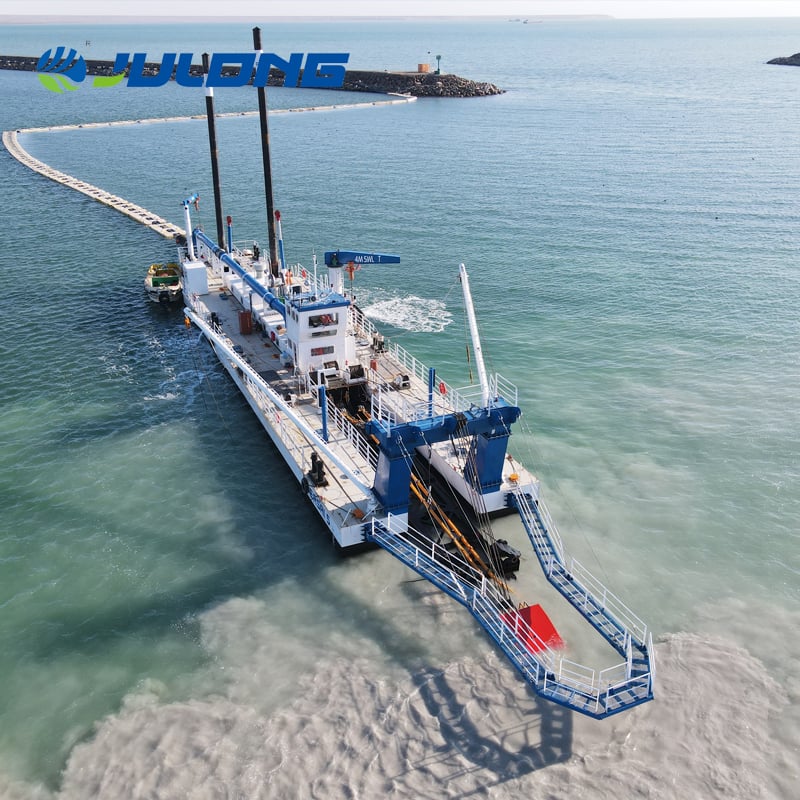
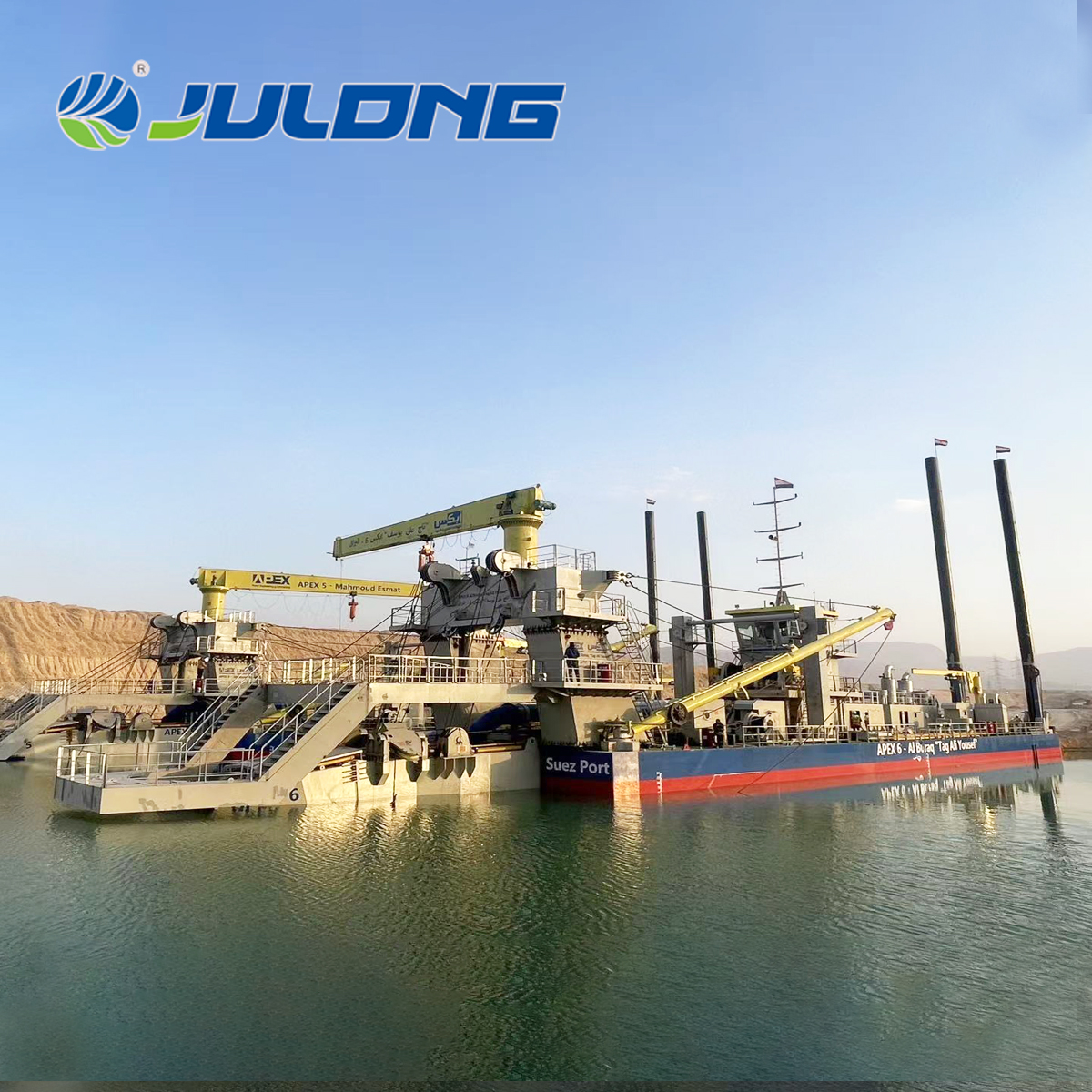
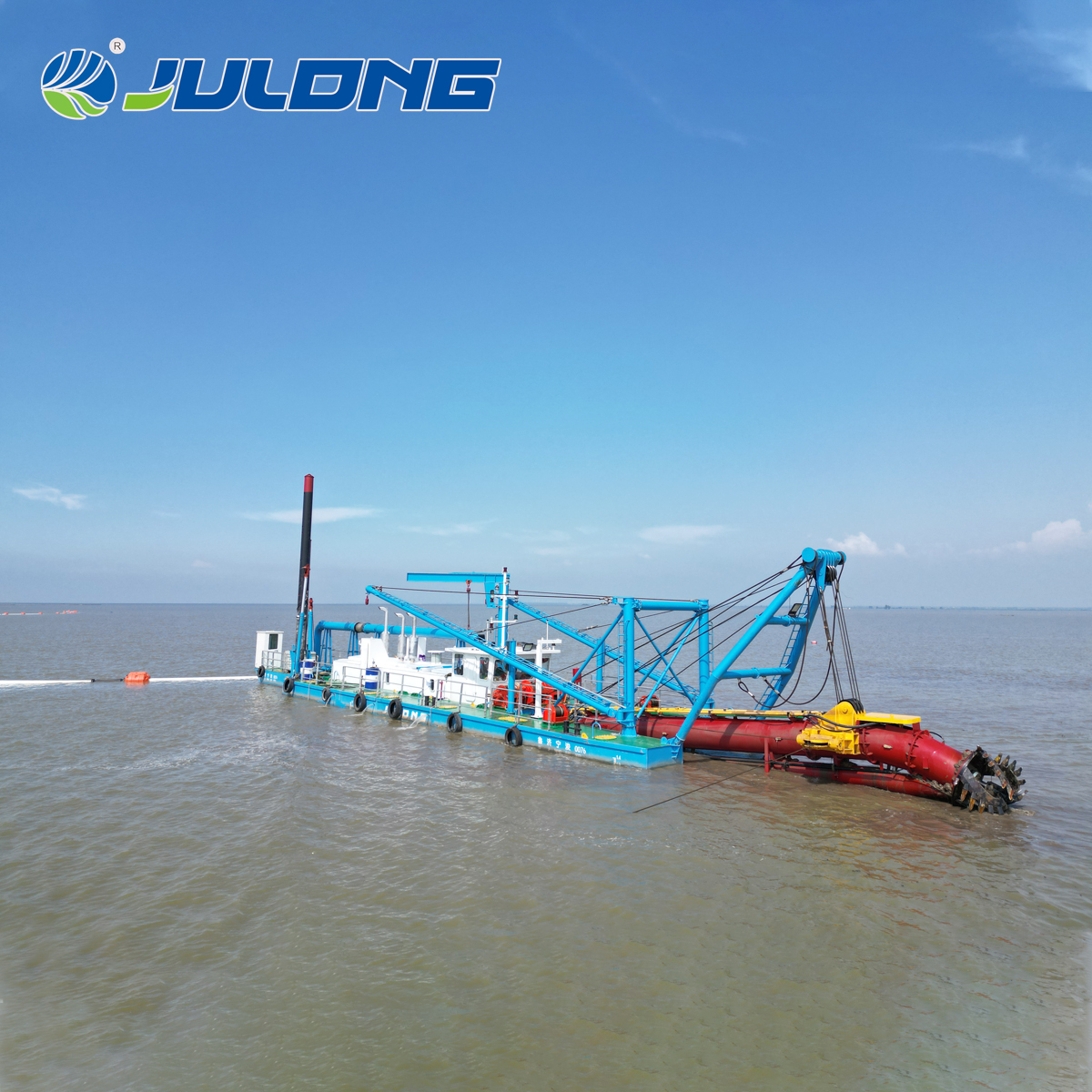
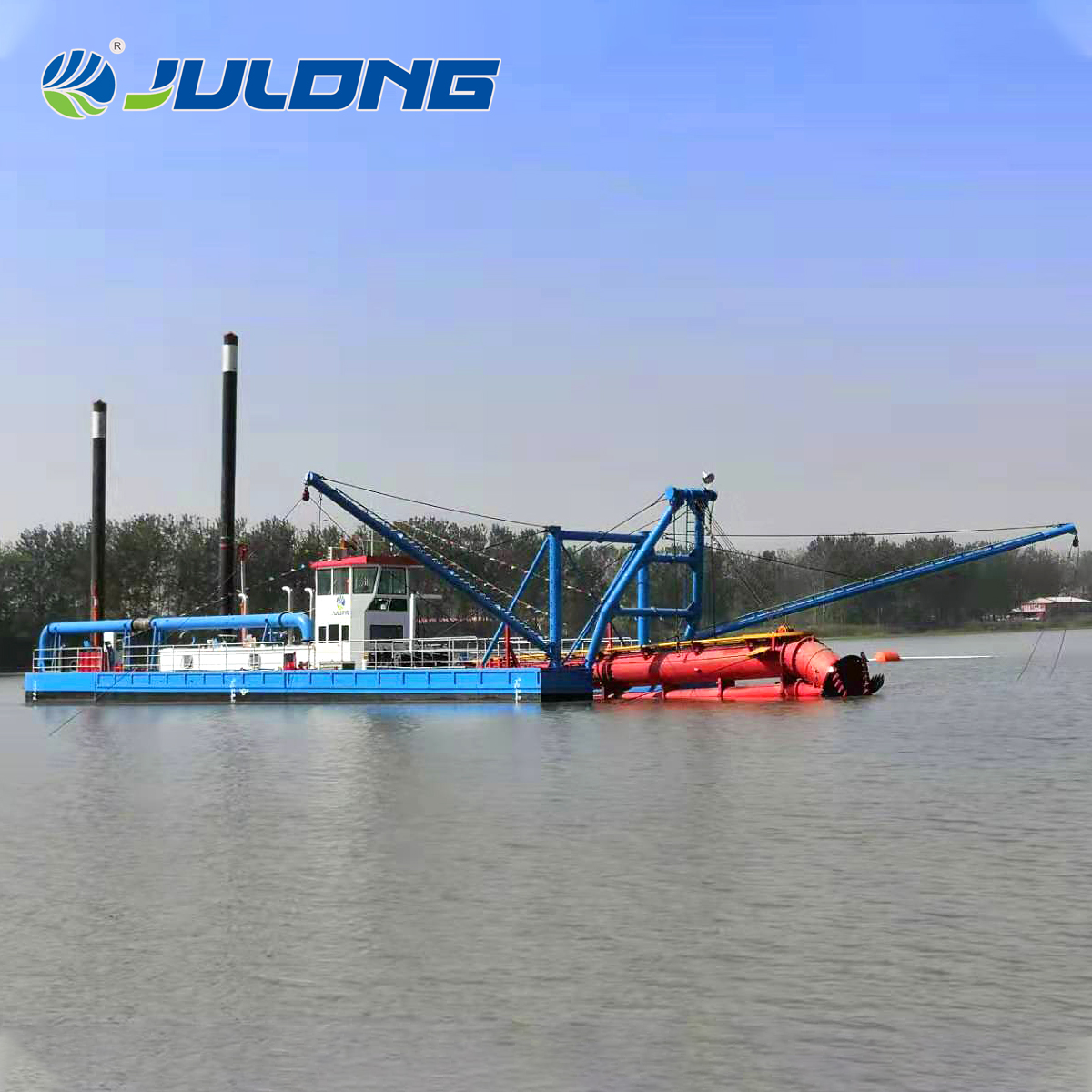
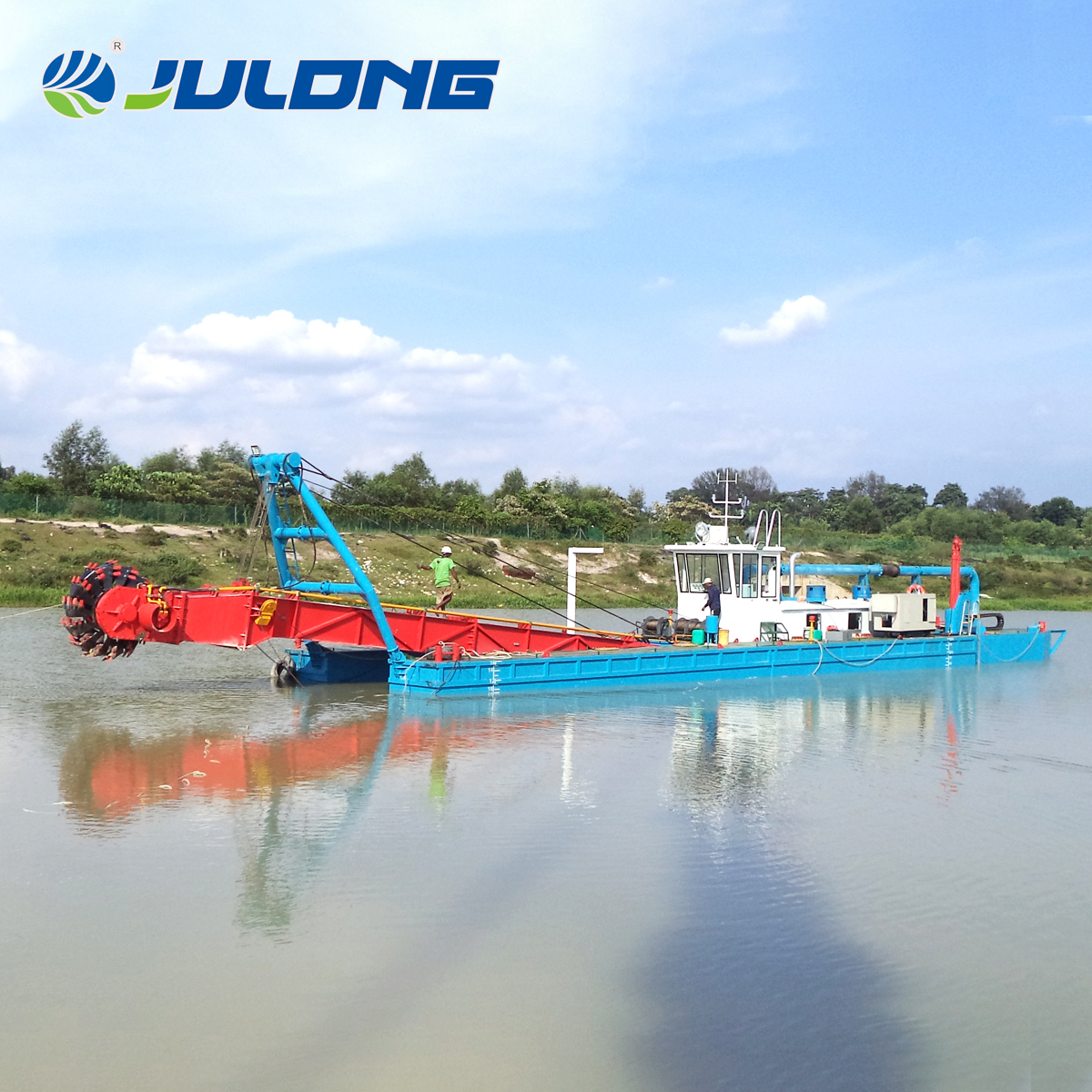
Cutter Suction Dredgers: Ideal for tough soil conditions, these machines feature a rotating cutter head that breaks up the material before it's suctioned into the dredge pump. They are typically used for river dredging applications, such as in ports or riverbeds. 

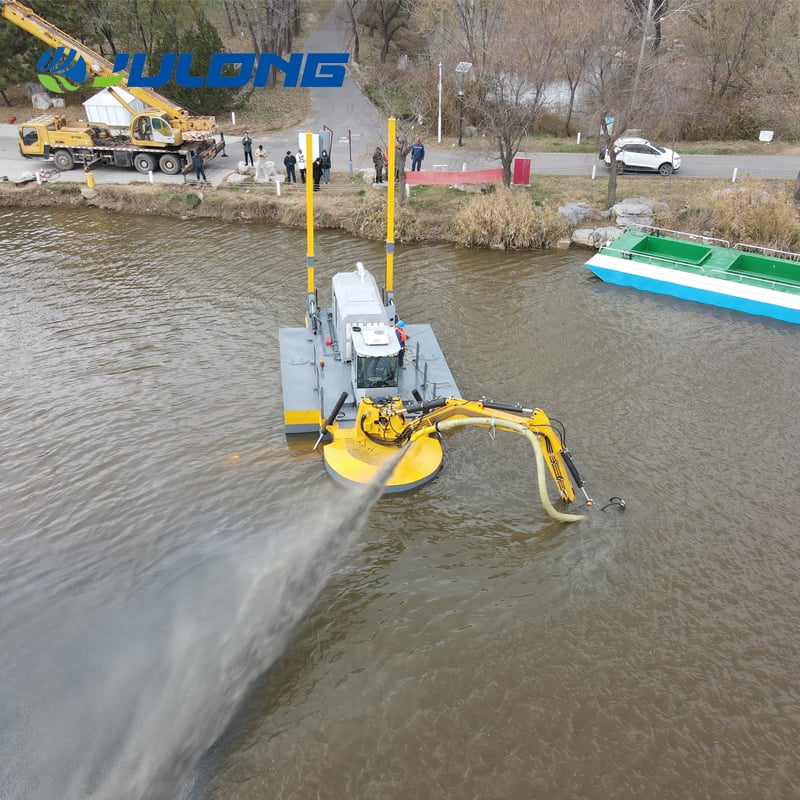
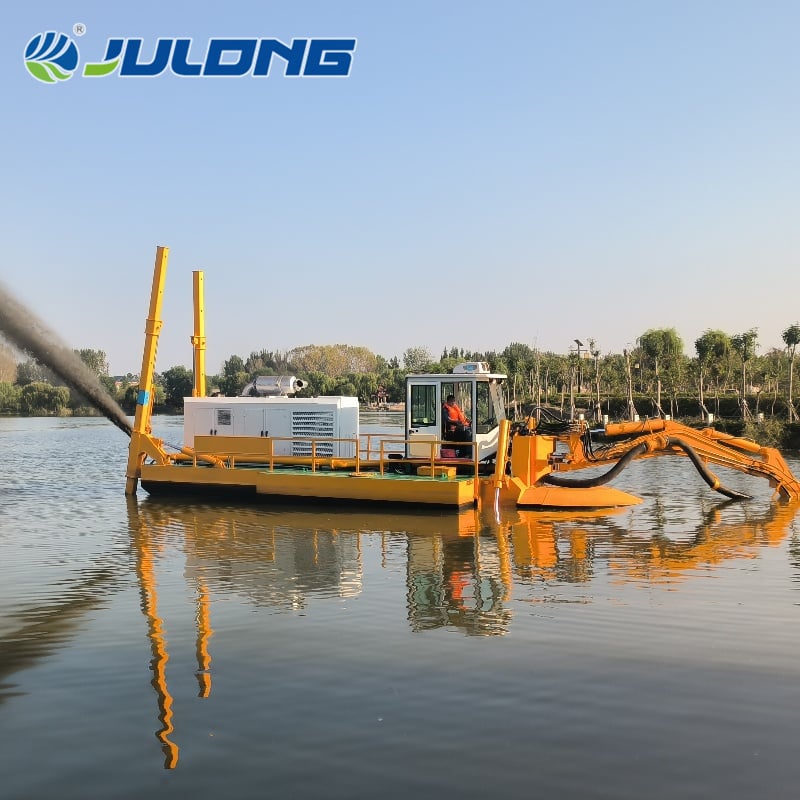
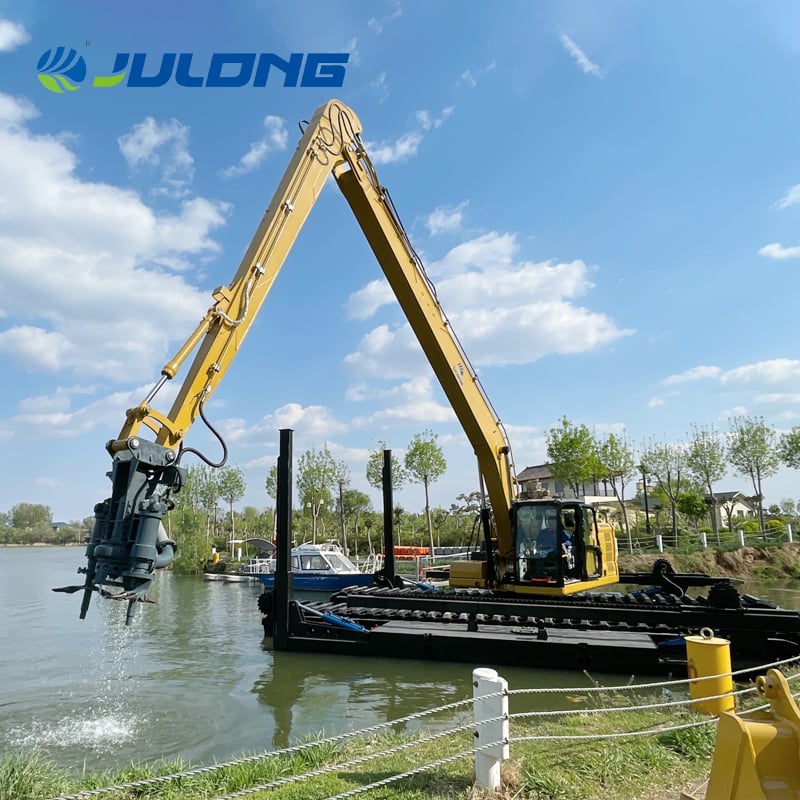
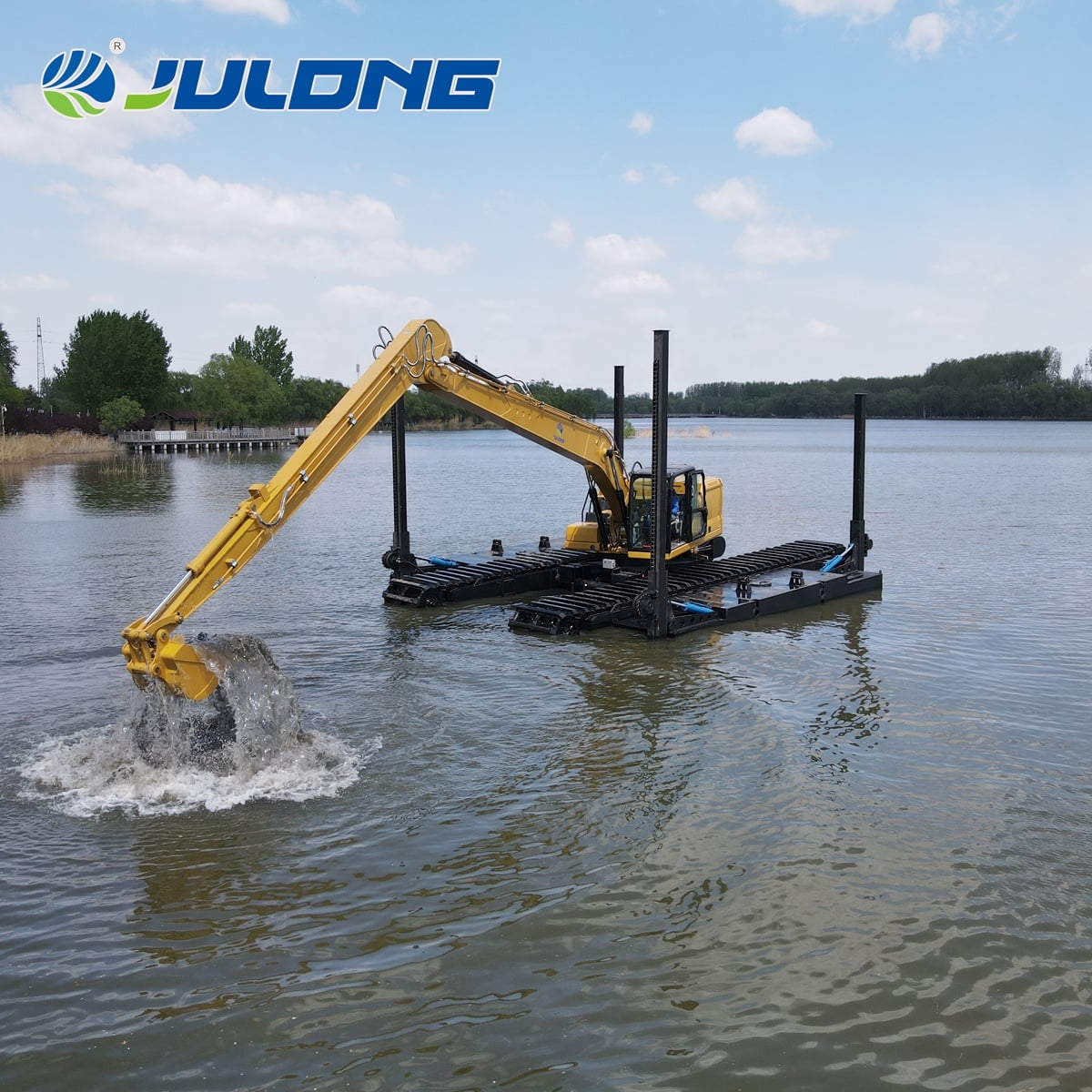
Amphibious Dredgers: Designed for versatility, these dredgers can operate on both land and water. They are suitable for shallow areas and can navigate through marshy conditions, making them ideal for environmental restoration projects. 

Buyers should also assess the equipment's specifications, such as pump capacity, dredging depth, and the material handling capacity. It’s critical to match these specifications with your project's demands to avoid operational inefficiencies.

Frequently Asked Questions

What is hydraulic dredging used for?

Hydraulic dredging removes sediment and debris from rivers, lakes, ports, and waterways to restore depth, improve navigation, prevent flooding, and support construction or environmental projects.
We supply cutter suction dredgers, amphibious dredgers, and excavator-mounted dredgers tailored for river, lake, and port projects.
Our equipment is ISO and CE certified, ensuring compliance with international quality and safety standards.
Yes. We provide customizable configurations, technical consultation, and after-sales support to match project needs and local conditions.
We operate from a 12,000 m² facility and supply durable, efficient dredging solutions to clients in 93 countries, supporting small to large-scale projects.

Get a Free Quote

Our representative will contact you soon.
0/1000