Choosing the Right Small Dredging Equipment

application/small-dredging-equipment, application/small-dredging-equipment, 
Inquiry
Inquiry

small dredging equipment

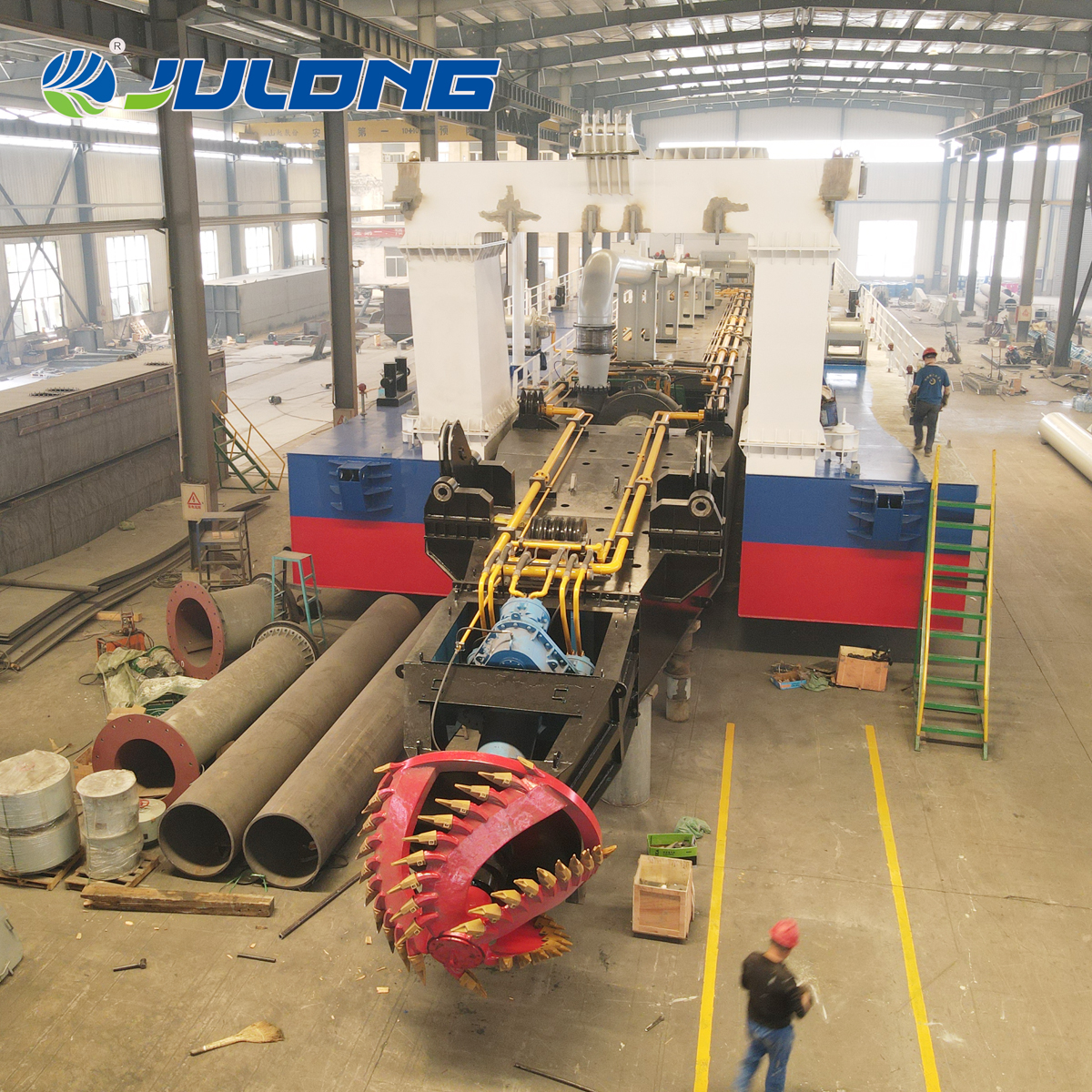
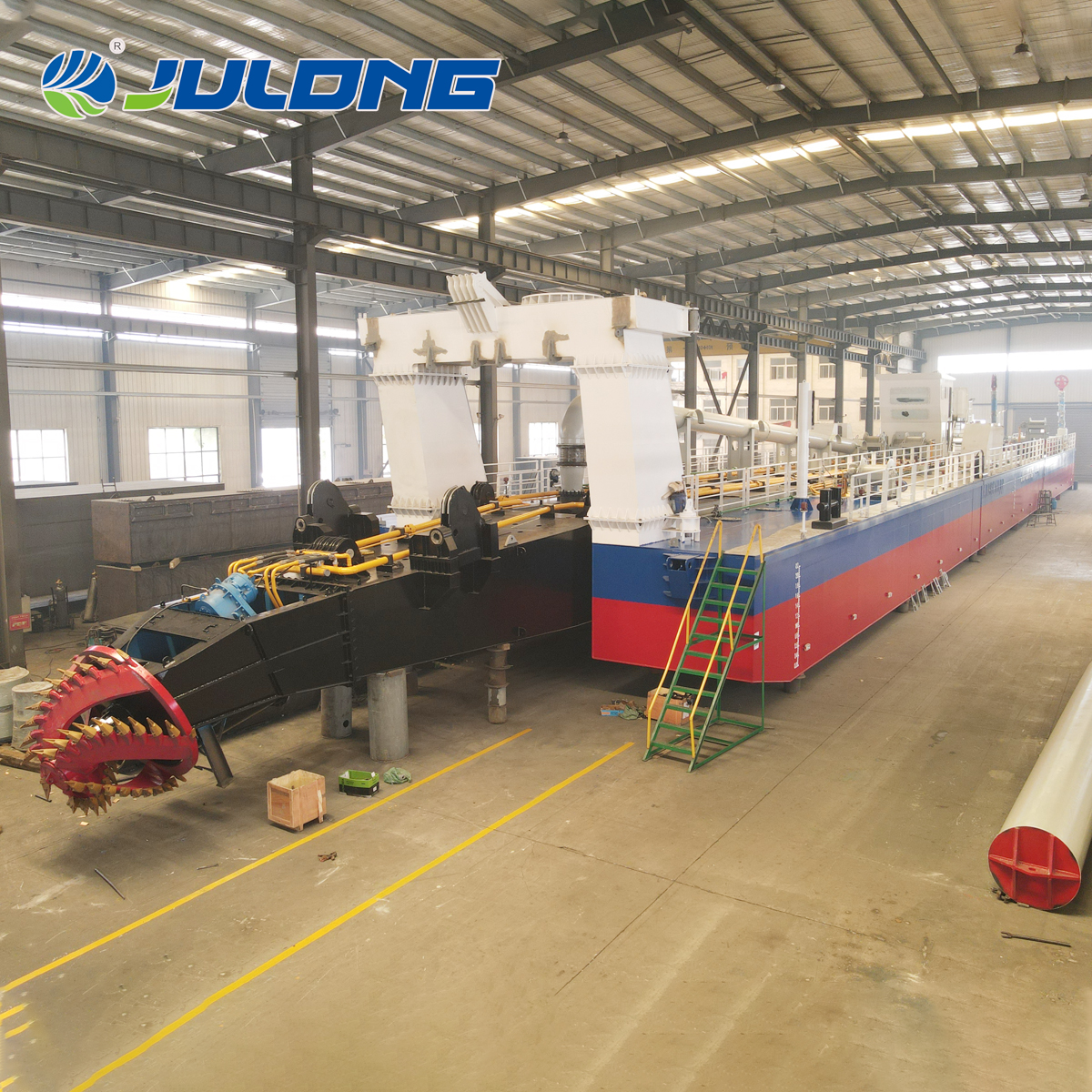
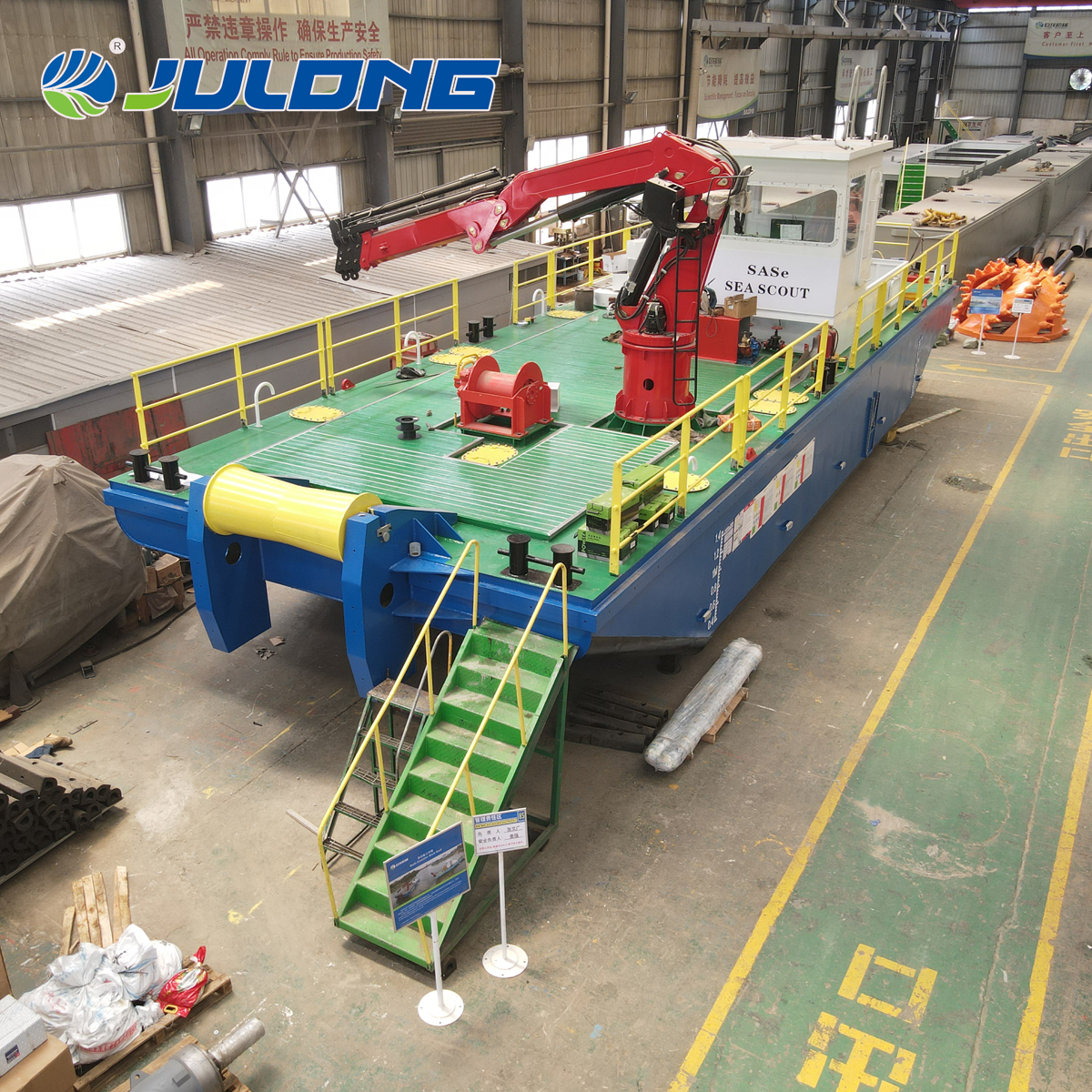
Small  dredging  equipment plays a vital  role  in various industrial applications, including river, lake, and port  projects. These machines are  essential  for  sediment removal, land reclamation, and environmental restoration. As a  buyer, understanding  the  specific needs of your  project, including  the type  of  dredging required, the operational environment, and  the scale of your  project, is crucial. This article  aims to  guide you through the key considerations in selecting,  sourcing, and implementing small dredging equipment effectively.

Key Specifications to Consider When Sourcing Small Dredging Equipmen

Key Specifications to Consider When Sourcing Small Dredging Equipmen

When  sourcing small dredging equipment, several key specifications should be evaluated to ensure  optimal performance:

Dredging  Depth and Capacity: Determine the maximum  dredging depth and capacity required for your project.  This will help in selecting equipment that  can efficiently handle  the expected workload.

Pump Power and Type: The type of pump and its  power rating are critical for effective sediment removal. A high-efficiency pump will ensure that the  dredger operates smoothly, reducing downtime and maintenance costs.

Material Composition: Look for equipment made from durable, corrosion-resistant materials,  especially if  working in saline  or harsh environments. This ensures longevity and reduces  maintenance frequency.

Transportability: If your project  requires frequent relocation, consider the  weight and size of the equipment. Compact models  may be more suitable for tight spaces or remote locations.

Customization Options: Discuss potential customization with the manufacturer to tailor the equipment to your  specific project needs, such as additional accessories or  modifications for enhanced performance.

Understanding the Cost Factors of Small Dredging Equipmen

Understanding the Cost Factors of Small Dredging Equipmen

The cost of small dredging equipment  can vary  significantly based on several factors. First,  the type and size of the  equipment directly  influence pricing. Larger,  more specialized machines will generally be more expensive than smaller, standard models. 

Second, consider  the manufacturing quality and brand reputation. Equipment from reputable manufacturers, like Qingzhou JULONG Environmental Technology Co., Ltd., may come at a premium but often provide better durability, efficiency, and after-sales support. 

Another important cost  factor is the operational  and maintenance expenses over the equipment's  lifespan. Higher-quality  dredgers may have a  higher initial cost but can lead  to lower maintenance and operational costs due to their efficiency  and reliability.

Lastly, don’t forget  to  factor in  shipping and handling costs, especially if the equipment is being imported.  This can significantly  affect the total cost, so it’s essential to clarify these details during the purchasing process.

Common Installation Challenges for Small Dredging Equipment Explained

Common Installation Challenges for Small Dredging Equipment Explained

Installing small dredging  equipment can present  several challenges  that buyers should be aware  of. One common issue is  ensuring  that  the  site  is adequately prepared  for the  equipment's arrival. This includes assessing the terrain and ensuring that access roads are suitable for  transportation.

Another challenge is aligning the dredging equipment  with  the project specifications, such as  depth and angle. Any misalignment can affect dredging efficiency and  may  require adjustments during installation. It is advisable to have a qualified technician oversee the installation to mitigate these issues.

Additionally, connecting the equipment to power sources and water  supply lines can sometimes be complex, especially in remote areas. Having a clear installation plan and coordinating with local  utilities  can help streamline the process and reduce delays.

Real-World Applications of Small Dredging Equipment in Various Industries

Small dredging  equipment finds applications across  multiple industries, each with unique requirements. In the construction industry, it is used for site preparation,  land  reclamation,  and creating foundations.  Efficient dredging allows for the removal of excess sediment and  debris, ensuring a stable base for construction.

In  the environmental sector, small dredgers play a crucial role in ecological restoration projects. They are often employed to remove contaminated sediments from rivers and lakes, helping to restore aquatic habitats  and improve  water quality.

The mining industry also benefits from small dredging equipment for mineral extraction  and land rehabilitation. These machines enable efficient  extraction of minerals from riverbeds or lake bottoms, which can  be particularly useful in areas where traditional mining methods are impractical.

Lastly, in  the agriculture sector, dredging equipment is often utilized for irrigation purposes, ensuring that water channels remain clear and functional. This  helps in maintaining optimal water flow for agricultural  activities. For example, the Aquatic Cleaning Boat is often employed in these projects to enhance water quality.

By understanding the specific applications of small  dredging equipment, buyers can make informed decisions  that align with their project goals  and industry standards.

Choosing the Right Small Dredging Equipment for Your Project Needs

Selecting the  appropriate  small dredging equipment hinges on  several  project-specific  factors. First,  consider the type of material being dredged. For softer materials like silt or sand, a cutter suction dredger  may suffice, while harder substrates may necessitate more robust  equipment such as an amphibious dredger or excavator.

Second, evaluate the  dredging depth and area. Some projects  may  require portable equipment  for  shallow waters, while others might need larger machines for deeper or more expansive areas. Additionally, consider the mobility  of the equipment. Amphibious dredgers, for instance, are designed for  versatility and can operate in both water and land,  making  them suitable for diverse project environments.

Lastly,  regulatory compliance and environmental considerations should not be overlooked. Ensure that the equipment meets local regulations and environmental standards, especially  if the dredging project impacts sensitive  ecosystems.

Frequently Asked Questions

What applications suit the small dredging equipment?

Ideal for river, lake, port maintenance, sediment removal, shallow channel clearing, and small-scale reclamation projects where mobility and precision are required.
Our small dredging equipment is manufactured in an ISO and CE certified facility, ensuring compliance with international quality and safety standards.
We offer a range of compact cutter suction and amphibious models with various engine powers and boom lengths to match project scale and site constraints.
Yes. We supply global after-sales support, spare parts, technical guidance, and maintenance services from our 12,000 sqm facility to ensure durable operation.
Contact our sales team with project details—site conditions, dredging depth, and required output. We will assess needs and provide a tailored quote and recommendations.

Get a Free Quote

Our representative will contact you soon.
0/1000