Selecting Dredging Equipment for Project Success

application/dredging-equipment, application/dredging-equipment, 
Inquiry
Inquiry

dredging equipment

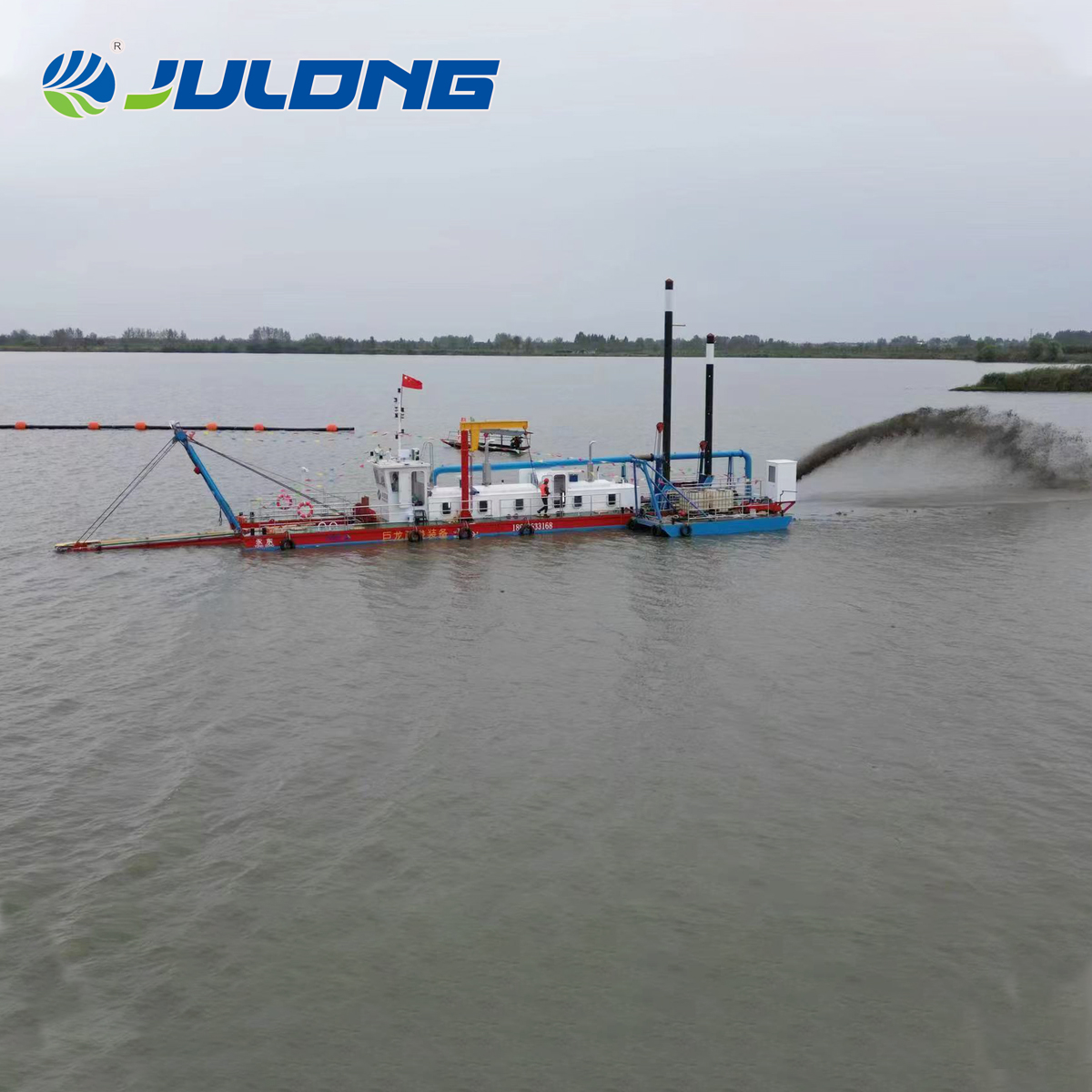
When it  comes  to executing projects related to  rivers, lakes, and ports, selecting the right dredging  equipment is crucial. At Qingzhou JULONG Environmental Technology Co., Ltd., we specialize in cutter suction dredgers, amphibious dredgers, and  excavators designed for such tasks. Understanding the  complexities of dredging equipment  helps purchasing managers and project engineers  make informed  decisions that can  affect project timelines and budgets.  This article aims to  clarify what to consider  when  choosing dredging  equipment,  key specifications, installation guidance,  and how  to  select the right machinery for your needs.

What to Know

What to Know

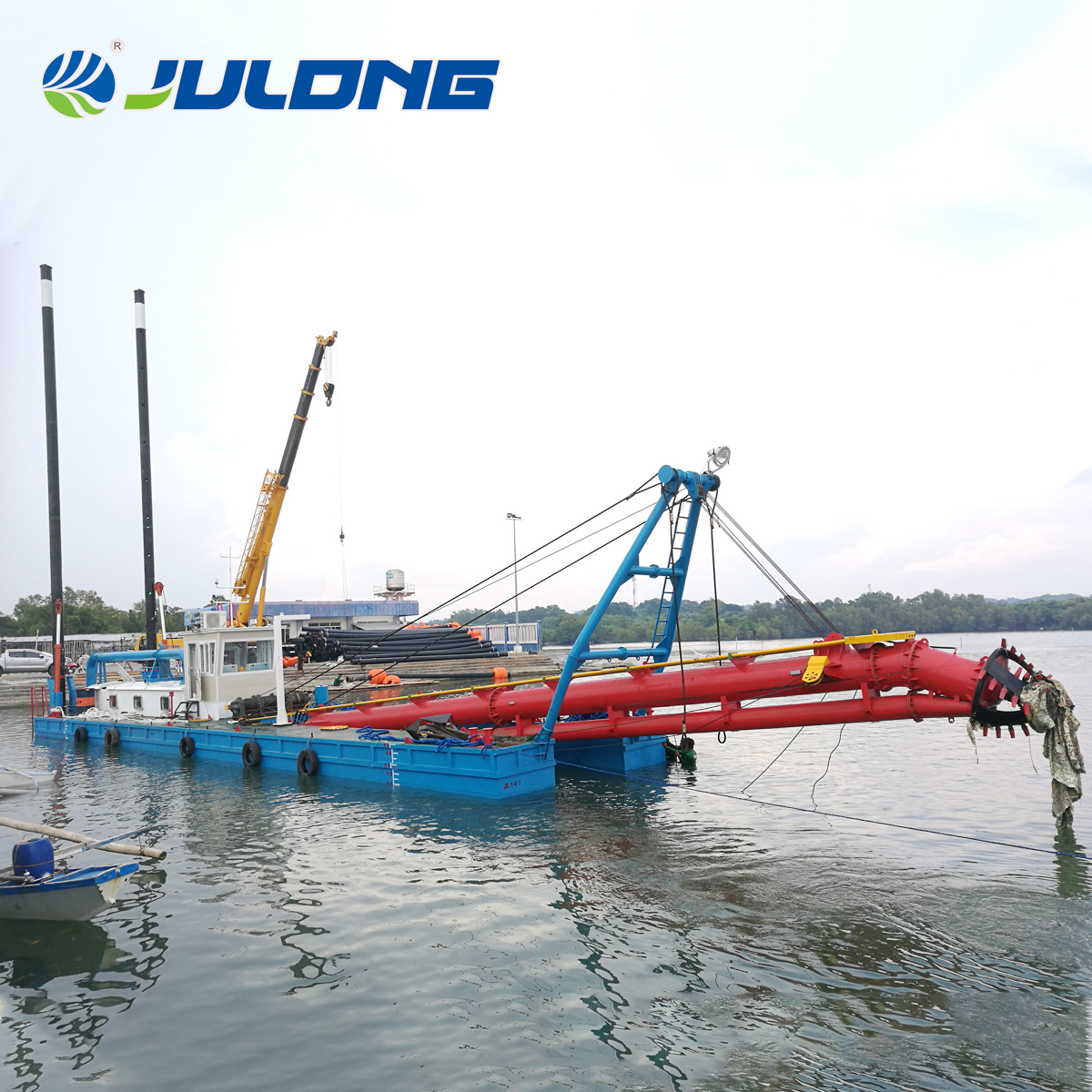
When evaluating  dredging equipment,  it's essential to  familiarize yourself with terms and specifications that define the equipment's capabilities.  Key aspects include the dredging  depth, pump capacity, and the type of cutter head used. The  cutter head's  design  is particularly important,  as it influences the efficiency  of material removal and the equipment's ability to handle various  soil types.


Make  sure  to also consider the equipment’s maintenance requirements and operational costs. High-quality  dredging equipment can  offer durability and lower long-term maintenance costs, which  are crucial  for project budgets. Investigating the manufacturer's reputation and support services will provide insight into the reliability of the  equipment and after-sales support.

 
Specifications You Need to Know About Amphibious Dredgers

Specifications You Need to Know About Amphibious Dredgers

Amphibious dredgers are designed to operate in shallow waters and  wetland environments,  making  them versatile for various applications. Key specifications to  consider when evaluating these machines include:

Dredging Depth: Amphibious dredgers typically have a limited  dredging depth compared to  larger cutter suction dredgers. Depending on your project's requirements, ensure the dredging depth aligns with your expectations. Pump Capacity: The  pump capacity determines how  quickly materials can be removed from the  dredging site. Higher capacities allow for faster project completion but may come with increased fuel costs. Weight and Stability: The overall  weight of the dredger affects its stability  on land and water. Heavier dredgers may be more stable in  water but could have reduced mobility on land. Cutter Head Design: The efficiency of material removal largely  depends on the cutter head design. Different designs  are suited for different soil types, so understanding your  project's material is critical.

By confirming these  specifications  against your project needs, you can ensure that the amphibious dredger  you select is fit for purpose.

Installation Guidance for Efficient Use of Dredging Machinery

Installation Guidance for Efficient Use of Dredging Machinery

Proper installation is paramount for the effective use of dredging equipment. Before installation, review the equipment manuals  and guidelines provided  by the manufacturer. Ensure  that the  site  is  prepared according to the dredger's requirements, including access routes, staging areas for materials, and safety measures.

During installation, pay close attention to the assembly of  the dredging components,  particularly the pump system  and cutter heads. Any misalignment can lead  to operational inefficiencies and increased wear and tear.  After installation, conduct a thorough inspection  of the equipment to confirm that all  components are functioning correctly. It is advisable to run initial tests in controlled conditions to  ensure the  machinery operates as expected  before commencing full-scale dredging operations.

Additionally, training for operators is crucial. Operators should be well-versed  in  the dredger’s features and maintenance routines to  maximize efficiency and minimize downtime.


Choosing the Right Equipmen

Choosing the right dredging equipment involves a balance between project requirements, budget constraints, and the  equipment's operational capabilities. Start by preparing a detailed specification sheet that includes:

  Project Type and Scope: Define the specific dredging tasks, including volumes  and materials involved. Environmental Conditions: Assess the project site’s  geographical  and environmental challenges. Budget  and  Cost Considerations:  Outline your budget, keeping in mind  both upfront costs and long-term  operational expenses.

Once you have  a clear  understanding of these factors, reach out to manufacturers like Qingzhou JULONG Environmental Technology Co., Ltd. for quotations. Ensure to provide detailed information about  your  project needs, including the required  dredging depth, soil types, and any customization requirements.

When comparing equipment, consider the manufacturer's experience, the quality of materials used in production, and any certifications that assure quality and safety. A reputable manufacturer can provide insights  into the best solutions tailored to your specific application, ensuring that your investment yields the best possible results.

In summary, understanding the intricacies of dredging equipment and aligning them  with project needs will lead to more  effective  procurement decisions. By considering specifications, installation, and operational requirements, you can enhance your project's success and efficiency.


What to Consider When Choosing Dredging Equipment for Projects

Selecting  the appropriate dredging equipment requires a comprehensive understanding of several factors. First, assess the specific requirements of your project, including the type of material to be dredged (sand, silt, clay, etc.) and the project location's  environmental conditions. Additionally, consider the expected depth and width of  the dredging area, as this will influence  the type of equipment needed.

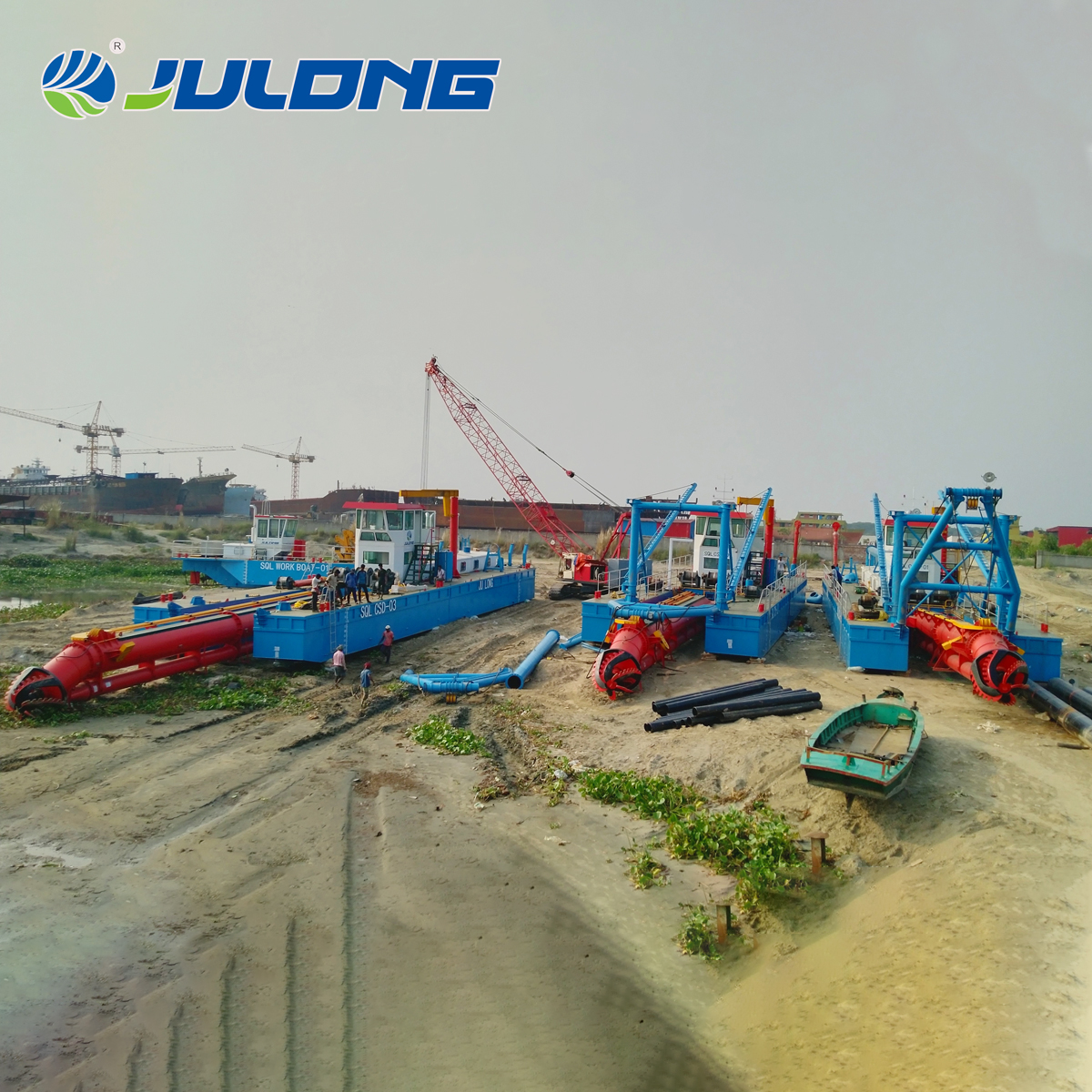
Another critical factor is the  equipment's mobility. For example, if the project site has difficult terrain  or fluctuating  water levels, amphibious dredgers may  be  more suitable than traditional dredgers due to their versatility and ability  to operate on both land and  water.  Furthermore, evaluate the dredger's performance capabilities, including its pumping capacity, power  source,  and overall efficiency.  Ensuring  that the  equipment  matches your project's scope and specific conditions can significantly impact  performance  and operational costs. For instance, multi-function work boats can also be an option depending on your project needs.

Frequently Asked Questions

What types of dredging equipment do you offer?

We provide cutter suction dredgers, amphibious dredgers, and excavators tailored for river, lake, and port projects with options for various sizes and configurations.
Yes. Our equipment carries ISO and CE certifications, ensuring compliance with international quality and safety standards.
Our machines are designed for river, lake, wetland, and port applications, including shallow and soft-bottom conditions and challenging terrains.
Yes. We offer technical support, maintenance guidance, and supply spare parts to ensure durable and efficient operation throughout the equipment lifecycle.
Yes. We offer customization of dredger size, pump power, cutter types, and control systems to match project requirements and improve efficiency.

Get a Free Quote

Our representative will contact you soon.
0/1000