Choosing Dredging Services for Your Project

application/dredging-services, application/dredging-services, 
Inquiry
Inquiry

Dredging services

Dredging services are essential for a range of projects, including river, lake, and port development. Choosing the right dredging service can significantly impact the efficiency, cost, and outcome of your project. As a purchasing manager or project engineer, you may have concerns about product specifications, quality, and the supplier's experience. This article will provide insights into what to look for when selecting dredging services, focusing on cutter suction dredgers and amphibious dredgers, along with installation guidance, common challenges, and material advantages.  

Key Specifications for Cutter Suction Dredgers and Amphibious Dredgers

Key Specifications for Cutter Suction Dredgers and Amphibious Dredgers

Understanding the specifications of the dredging equipment is crucial for making an informed decision: 

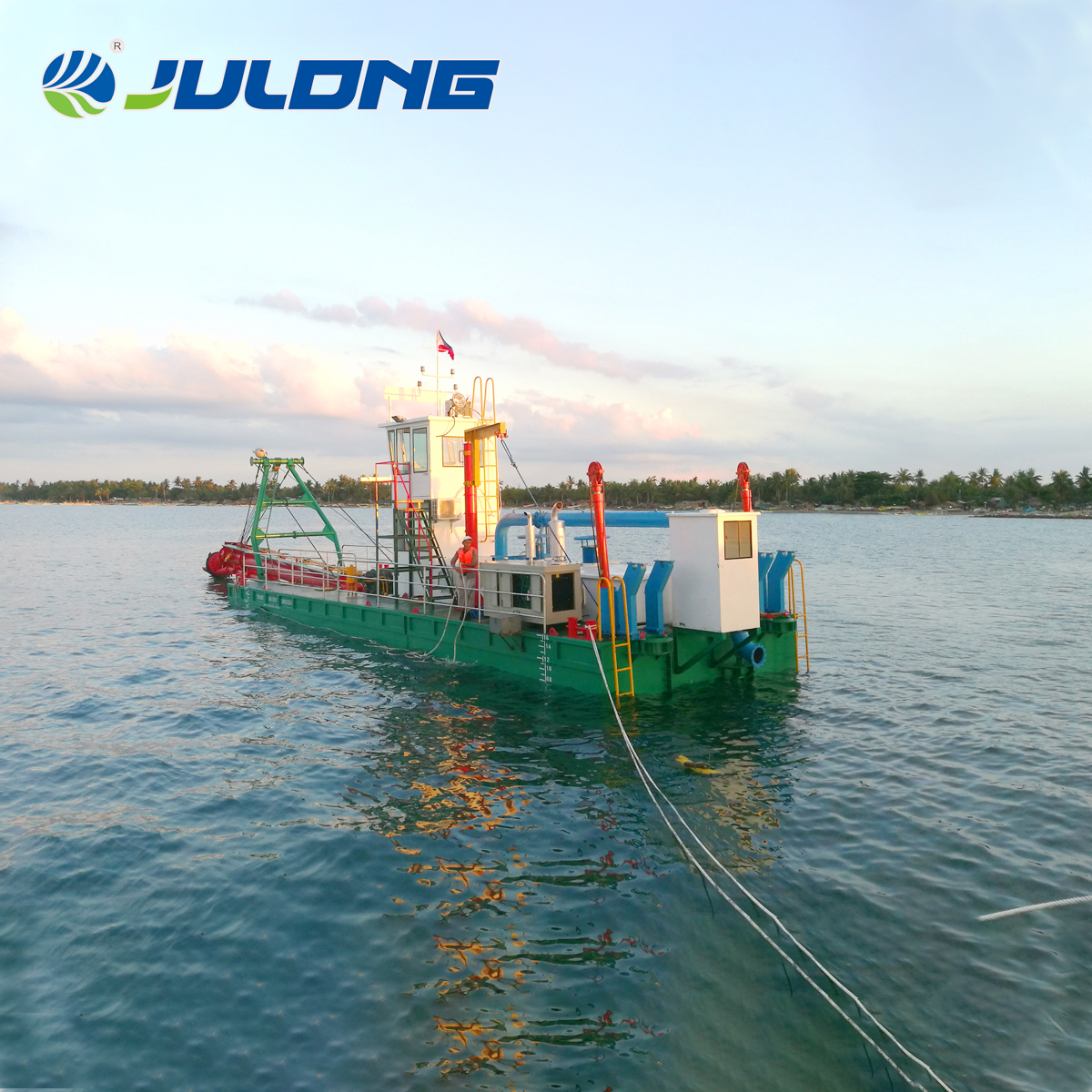
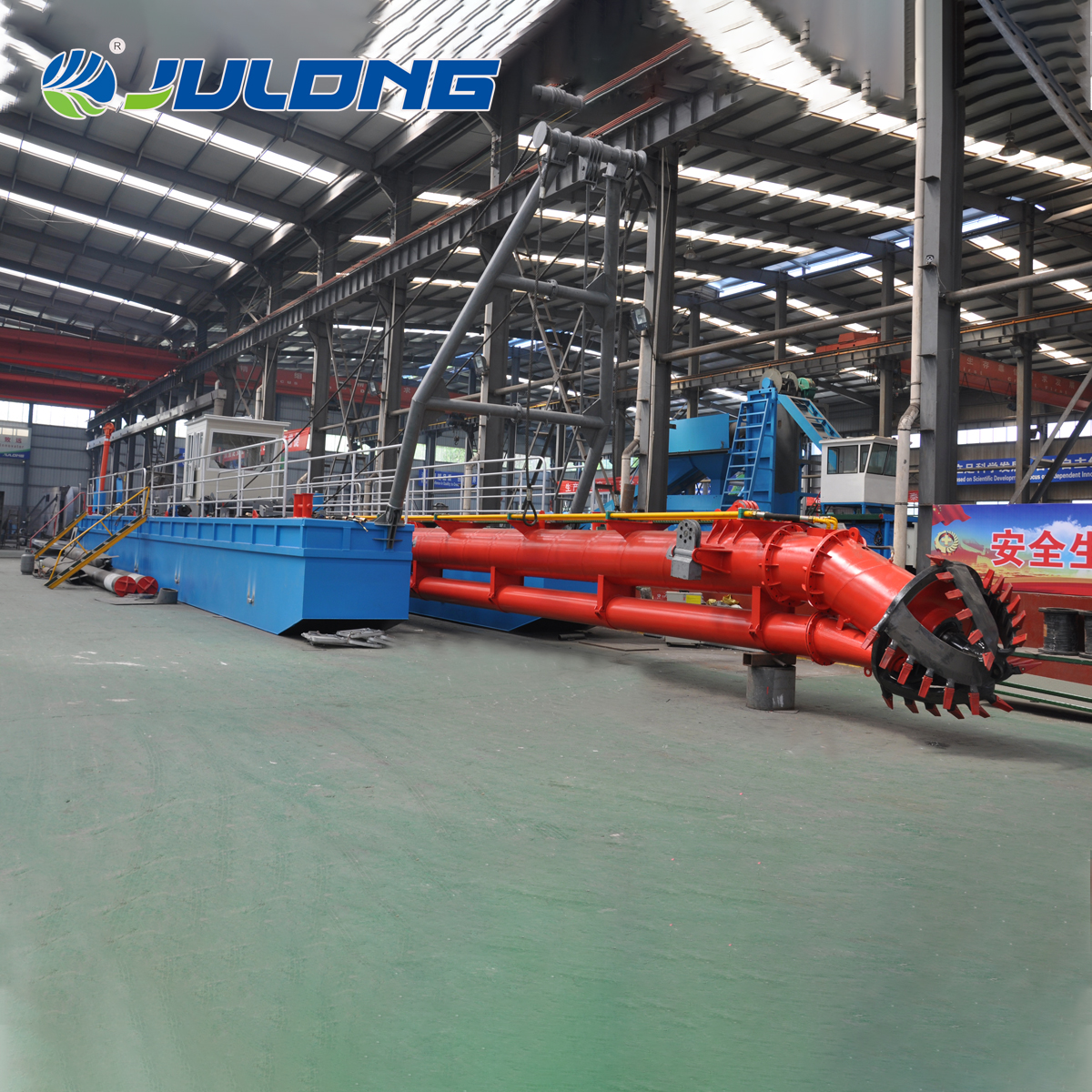
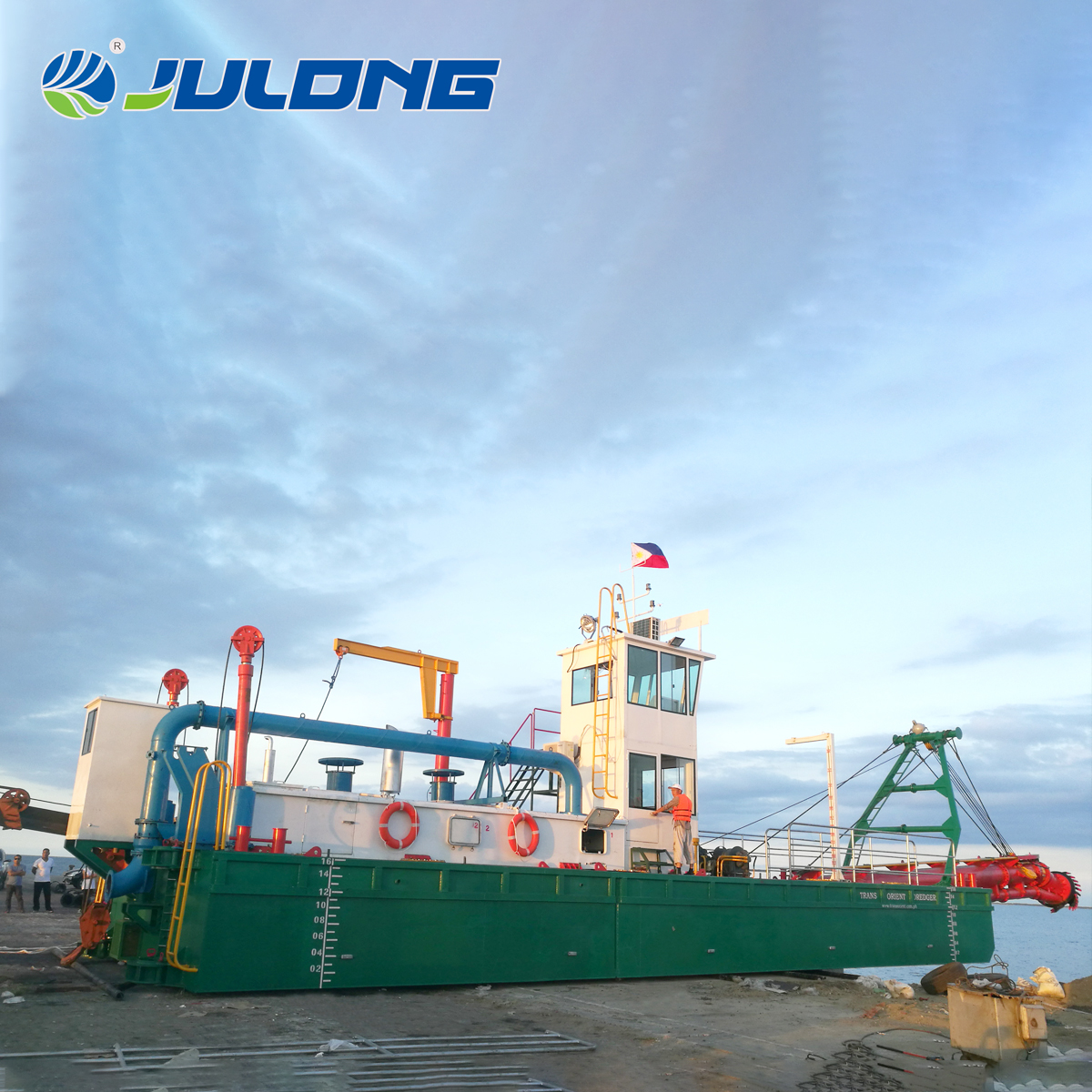
Cutter Suction Dredgers: Key specifications include the cutter head diameter, suction pipe diameter, and maximum dredging depth. The cutter head diameter affects the dredger's ability to break up hard materials, while the suction pipe diameter influences the flow rate and efficiency of material removal. Always confirm that these specifications match the requirements of your project. 

Amphibious Dredgers: These are designed for versatility in shallow waters and soft terrains. Important specifications include the maximum operational depth, weight, and propulsion type. Amphibious dredgers often have tracks for mobility on land and water, which can be a critical feature for projects in marshy or unstable areas. 

Each specification directly impacts the dredger's performance, and ensuring compatibility with your project's demands is essential for success. 

Installation Guidance for Effective Dredging Solutions and Equipment

Installation Guidance for Effective Dredging Solutions and Equipment

Proper installation of dredging equipment is vital for optimized performance. Here are some considerations: 

Site Assessment: Before installation, conduct a thorough site assessment. Factors such as soil type, existing water conditions, and potential environmental impacts should be evaluated. This will guide decisions on dredger selection and installation methods. 

Equipment Setup: Follow manufacturer guidelines for setting up the dredging equipment. Proper assembly and calibration are crucial to ensure the dredgers operate efficiently. Involve qualified technicians during this phase to avoid common pitfalls. 

Testing and Adjustments: Conduct initial tests to ensure that the dredging equipment operates as expected. Monitor performance closely during the first few hours of operation, and be prepared to make adjustments as needed to optimize efficiency. 

Operator Training: Ensure that operators are well-trained in using the dredging equipment. They should understand the specific operational features and safety protocols associated with each type of dredger. 

Common Dredging Challenges and Proven Solutions for Contractors

Common Dredging Challenges and Proven Solutions for Contractors

Contractors often face several challenges in dredging projects. Here are some common issues and solutions: 

Sediment Management: Managing sediment during dredging can be difficult, particularly in urban areas. Use silt curtains or sediment containment strategies to minimize environmental impacts and ensure compliance with local regulations. 

Equipment Downtime: Unplanned maintenance can delay projects and increase costs. Choose a supplier that offers reliable equipment with a strong maintenance history. Regular preventive maintenance schedules should also be established. 

Environmental Concerns: Projects near sensitive ecosystems can face regulatory scrutiny. Work closely with environmental consultants to design the dredgers activities that minimize disruption and comply with all regulations. 

Logistics and Transportation: Transportation of dredging equipment to the site can be complex. Ensure that your supplier has experience in logistics and can manage the transportation process to mitigate delays. 

Evaluating Material Advantages in Dredging Equipment for Durability

The materials used in dredging equipment significantly affect its durability and performance. 

Construction Materials: Common materials include high-strength steel for cutter suction dredgers and corrosion-resistant alloys for amphibious dredgers. Evaluate the material properties to ensure that they can withstand the operational stresses and environmental conditions expected in your project. 

Wear Resistance: Look for equipment with wear-resistant components, especially in high-abrasion areas such as cutter heads and pumps. This can reduce downtime and extend the life of the equipment. 

Maintenance Requirements: Understand the maintenance needs associated with the materials used. Some materials may require more frequent inspections and servicing, which can impact overall project costs. 

By focusing on these material advantages, you can select dredging equipment that not only meets your immediate project needs but also stands the test of time. 

In summary, choosing the right dredging services involves careful consideration of specifications, installation guidance, and material advantages. By addressing these aspects, you can ensure a successful dredging project tailored to your specific requirements. 

Sourcing ISO 9001 and CE-certified marine dredging components engineered with high-chrome alloy impellers and heavy-duty marine-grade steel hulls guarantees maximum abrasion resistance, structural reliability, and reduced maintenance overhead. 

What to Look for When Choosing Dredging Services for Your Project

When selecting dredging services, consider several key factors: 

Experience and Expertise: Look for companies with a proven track record in dredging projects similar to yours. An experienced provider will understand local regulations and environmental considerations, which can help mitigate risks. 

Equipment Quality: Evaluate the types of dredgers offered. Cutter suction dredgers and amphibious dredger each serve specific purposes. Ensure that the equipment is well-maintained, certified, and capable of handling the conditions of your project. 

Customization Options: Depending on your project requirements, you may need customized dredging solutions. Discuss with potential suppliers their ability to adapt equipment and techniques to suit your specific needs. 

Customer Support and Guidance: Strong after-sales support and technical guidance during the project can be invaluable. Ensure the provider offers training and assistance throughout the dredging process. 

Cost and Value: While cost is a significant factor, consider the overall value, including the durability and efficiency of the equipment. A lower initial price may lead to higher long-term costs due to maintenance needs or inefficiencies. 

Frequently Asked Questions

What dredging services do you offer?

We provide cutter suction dredgers, amphibious dredgers, and excavators for river, lake, and port dredging projects, suited to various soil types and scales.
Yes. Our equipment is ISO and CE certified, ensuring compliance with international quality and safety standards.
Yes. We serve 93 countries and handle export logistics, documentation, and delivery from our 12,000 m² facility.
We provide tailored solutions and technical consultation to match project requirements, including equipment configuration and operational advice.
We offer spare parts supply, technical support, maintenance guidance, and remote troubleshooting to ensure long-term, efficient operation.

Get a Free Quote

Our representative will contact you soon.
0/1000