Wholesale Purchasing Tips for Dredging Contractors

application/dredging-contractors, application/dredging-contractors, 
Inquiry
Inquiry

Dredging contractors

Dredging contractors play a vital role in projects involving the excavation and removal of sediment and debris from bodies of water. When sourcing dredging equipment and services, buyers often have specific concerns about performance, durability, and cost-effectiveness. This article aims to provide essential insights for purchasing managers, engineers, and other industry professionals looking to understand key specifications, effective purchasing strategies, cost factors, common project challenges, and reliable sources for bulk orders in the dredging sector. 

Wholesale Purchasing Tips for Dredging Contractors and Distributors

Wholesale Purchasing Tips for Dredging Contractors and Distributors

For dredging contractors and distributors looking to purchase dredging equipment wholesale, several strategies can streamline the process and maximize cost-effectiveness: 

Establish Relationships with Manufacturers: Building a strong relationship with manufacturers like Qingzhou JULONG Environmental Technology Co., Ltd. can lead to better pricing and customized solutions. Direct communication can also facilitate understanding of specific project needs. 

Request Detailed Quotations: When reaching out for quotes, provide detailed information about your project, including specifications, quantities, and timelines. This clarity allows manufacturers to offer tailored solutions and accurate pricing. 

Negotiate Terms: Don’t hesitate to negotiate terms such as pricing, delivery schedules, and payment options. Establishing favorable terms can improve your cash flow and overall project profitability. 

Consider Bulk Orders for Cost Savings: Placing bulk orders can often lead to significant discounts. Analyze past projects to estimate future needs and determine optimal order quantities. 

Verify Supplier Credentials: Ensure that the suppliers have ISO or CE certifications to validate their adherence to quality standards. This can provide peace of mind regarding the equipment's reliability and performance. 

By employing these strategies, dredging contractors can enhance their procurement processes and reduce costs while ensuring high-quality equipment. 

Cost Factors to Consider When Hiring Dredging Contractors

Cost Factors to Consider When Hiring Dredging Contractors

Understanding the cost factors involved in hiring dredging contractors is essential for managing budgets and ensuring project viability. Key considerations include: 

Scope of Work: The complexity of the dredging project such as the volume of sediment to be removed, the type of dredging required, and environmental considerations can significantly influence costs. 

Equipment Costs: The type and condition of dredging equipment used will affect pricing. Advanced machinery may come with higher rental or operational costs but could lead to efficiencies that offset these expenses. 

Labor Costs: Skilled labor is crucial for safe and effective small dredging equipment operations. Assess the labor market and consider the costs associated with hiring experienced operators. 

Site Conditions: Challenging site conditions, such as difficult access or environmental regulations, may increase costs due to additional logistics or specialized equipment requirements. 

Duration of the Project: Longer projects require more resources and may incur additional overhead costs. Accurate project planning is essential to minimize unexpected delays and expenses. 

By factoring in these considerations, buyers can make informed decisions about budget allocations and contractor selection, helping ensure project success. 

Common Problems in Dredging Projects and Effective Solutions

Common Problems in Dredging Projects and Effective Solutions

Dredging projects can encounter various challenges that can impact timelines and budgets. Understanding these common problems and their solutions can help mitigate risks: 

Environmental Regulations: Compliance with environmental regulations is paramount. Conduct thorough assessments and obtain necessary permits before commencing work. Engaging environmental consultants can help address potential issues proactively. 

Equipment Failures: Breakdowns can halt operations and lead to costly delays. Regular maintenance and inspections of dredging equipment are essential.  Establishing a contingency plan for equipment failure, including access to backup machinery, can minimize disruptions. 

Sediment Disposal Challenges: Proper disposal of dredged material is critical. Develop a clear plan for disposal that meets local regulations to avoid legal complications. Collaborating with waste management facilities early in the project can streamline this process. 

Weather Delays: Adverse weather conditions can impact operations. Build flexibility into project timelines and schedule work during favorable weather periods to reduce the risk of delays. 

Labor Shortages: Skilled labor shortages can hinder project progress. Consider cross-training existing employees and fostering relationships with labor agencies to secure qualified personnel. 

By proactively addressing these common issues, contractors can enhance project efficiency and reduce the likelihood of significant setbacks. 

Where to Find Reliable Dredging Contractors for Bulk Orders

Finding reliable dredging contractors for bulk orders involves thorough research and evaluation. Here are effective strategies to identify trustworthy partners: 

Industry Associations: Joining industry associations or networks can provide access to directories of reputable dredging contractors. These organizations often vet their members, offering an additional layer of trust. 

Trade Shows and Conferences: Attending trade shows and industry conferences is an excellent opportunity to meet potential contractors and evaluate their capabilities firsthand. Engaging with industry peers can also yield valuable recommendations. 

Online Marketplaces: Platforms that specialize in industrial services can connect buyers with a variety of river dredging equipment. Look for sites that offer user reviews and ratings to gauge contractor reliability. 

Referrals and Recommendations: Leverage your professional network to request recommendations for reputable dredging contractors. Word-of-mouth referrals can often lead to trustworthy sources. 

Manufacturer Partnerships: Collaborating with manufacturers like Qingzhou JULONG Environmental Technology Co., Ltd. can provide insights into qualified contractors that utilize their equipment, ensuring compatibility and performance standards. 

By employing these strategies, buyers can confidently source reliable dredging contractors for their bulk project needs, ensuring successful outcomes. 

Key Specifications to Evaluate When Sourcing Dredging Equipment

When selecting dredging equipment, it is crucial to focus on several key specifications to ensure the machinery meets the demands of the project. 

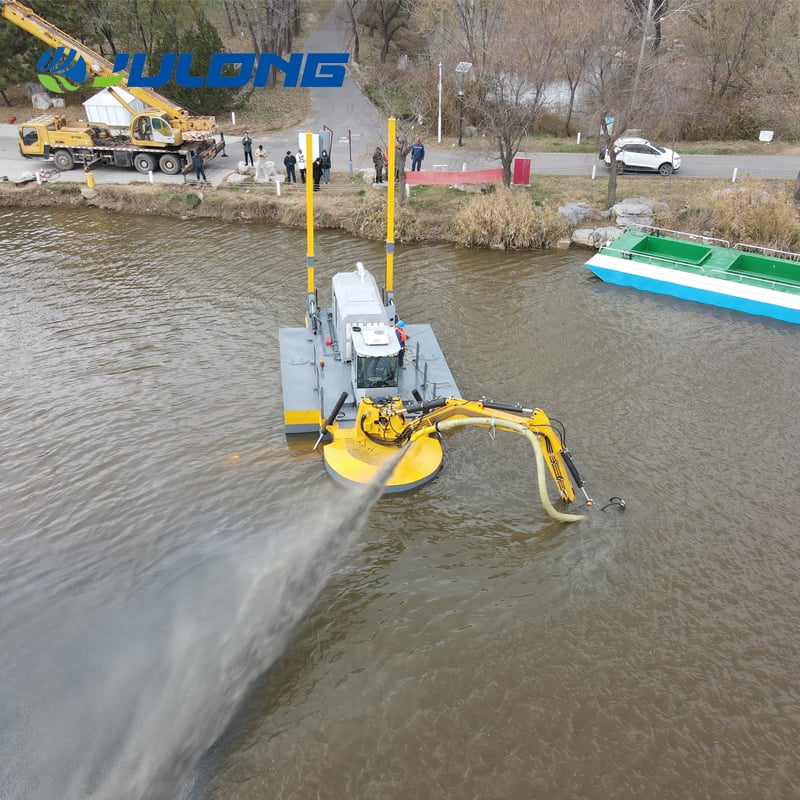
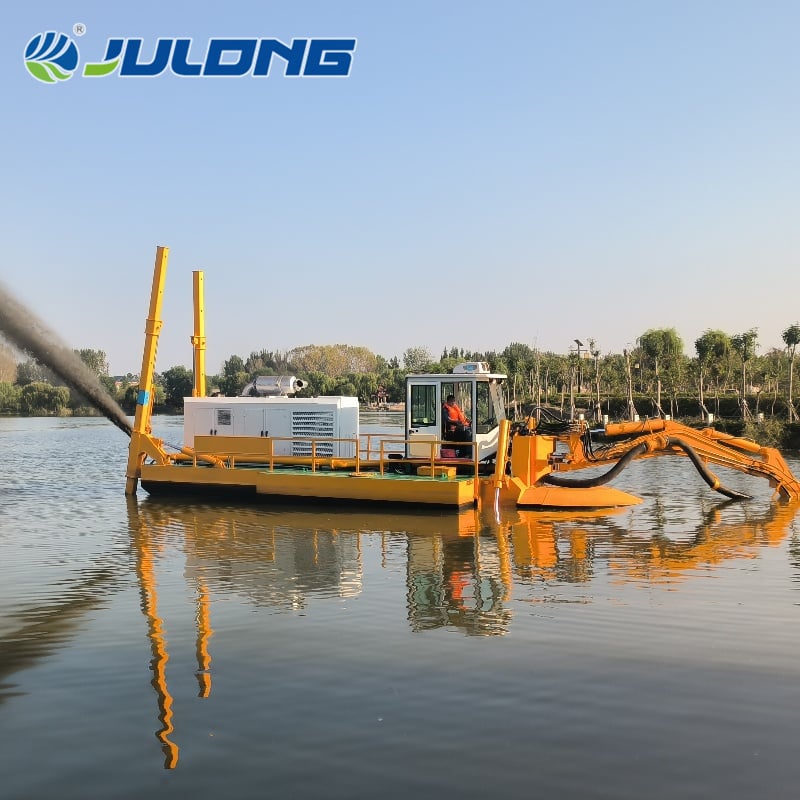
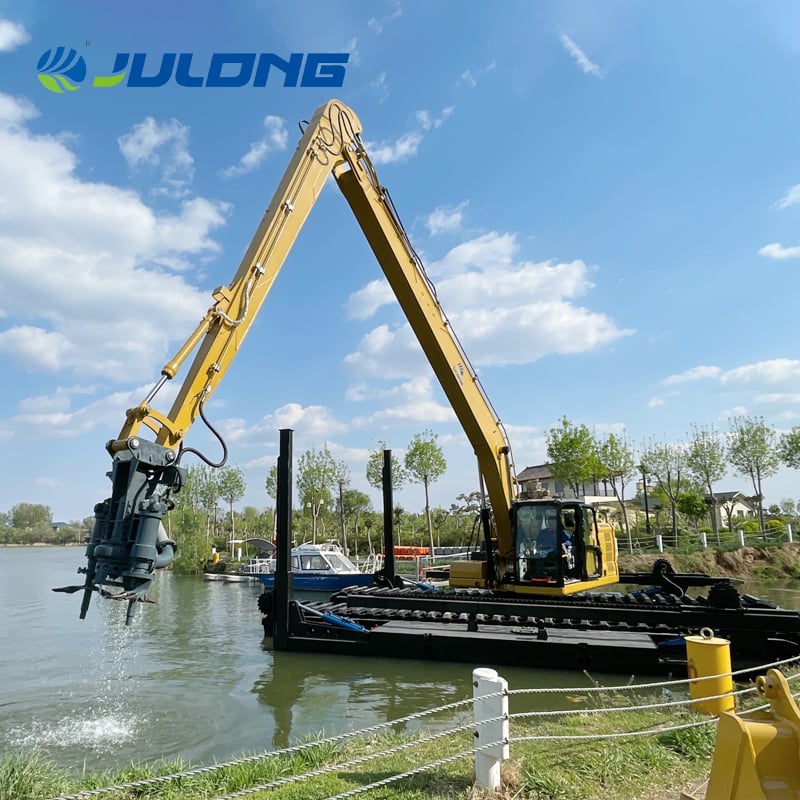
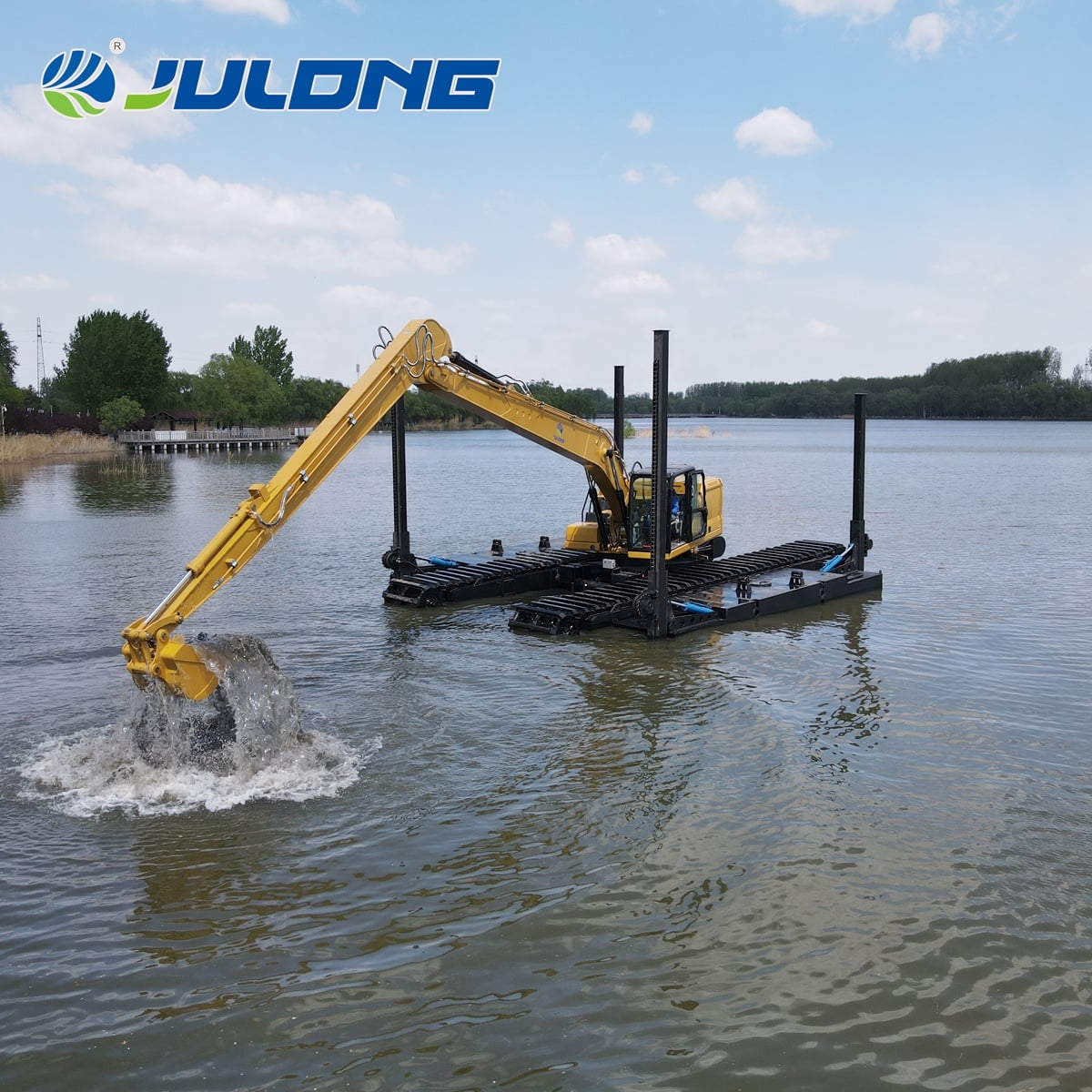
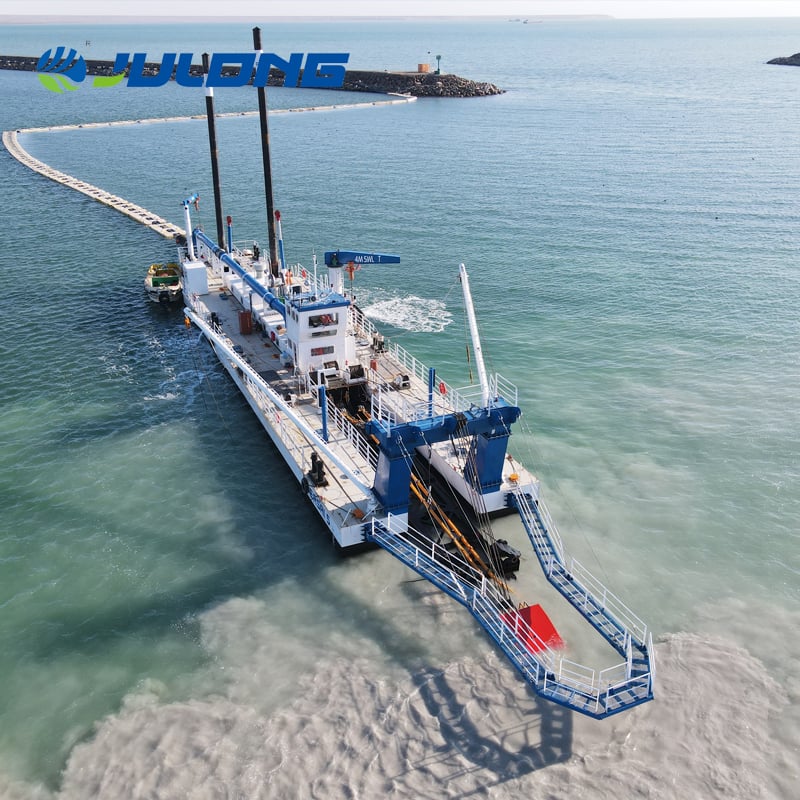
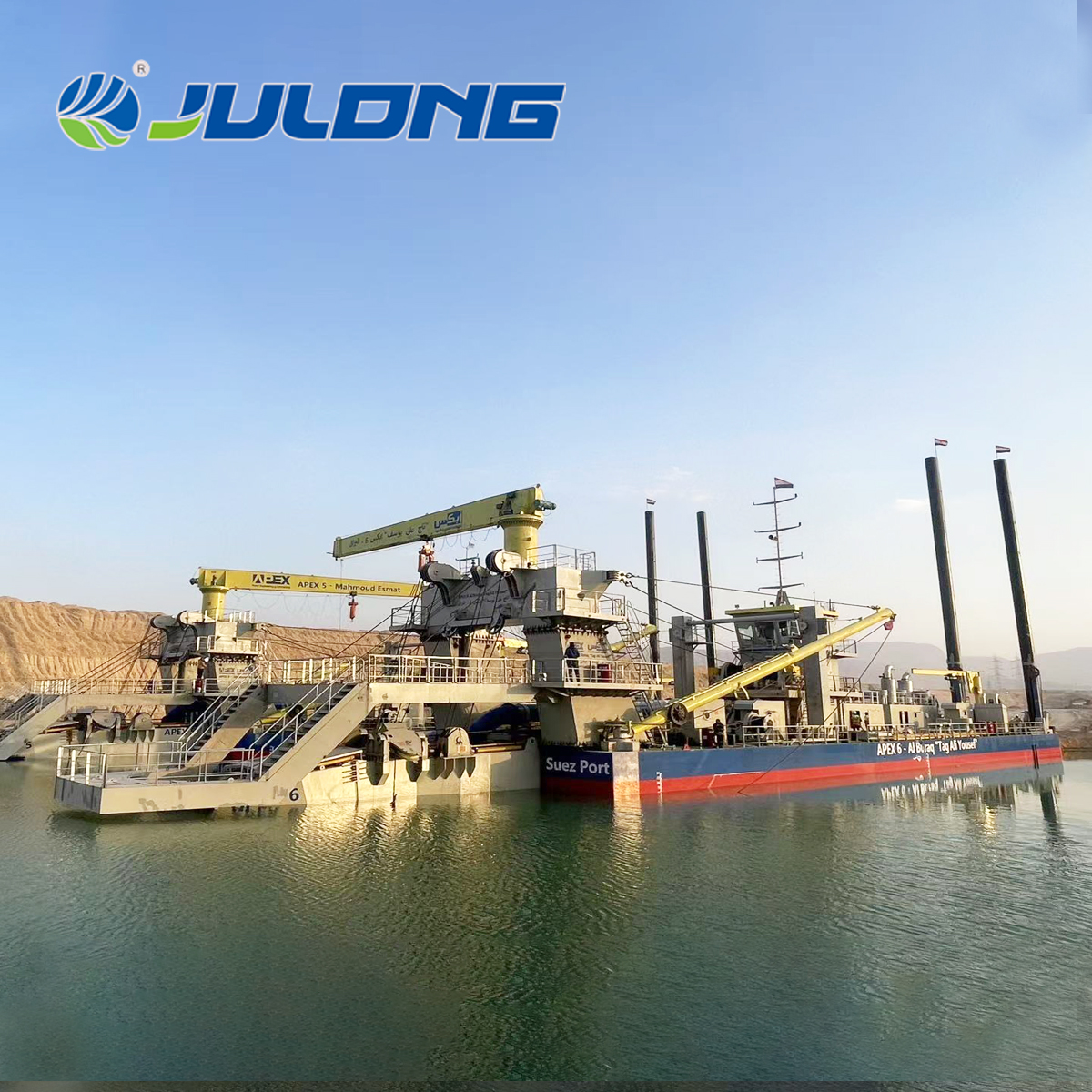
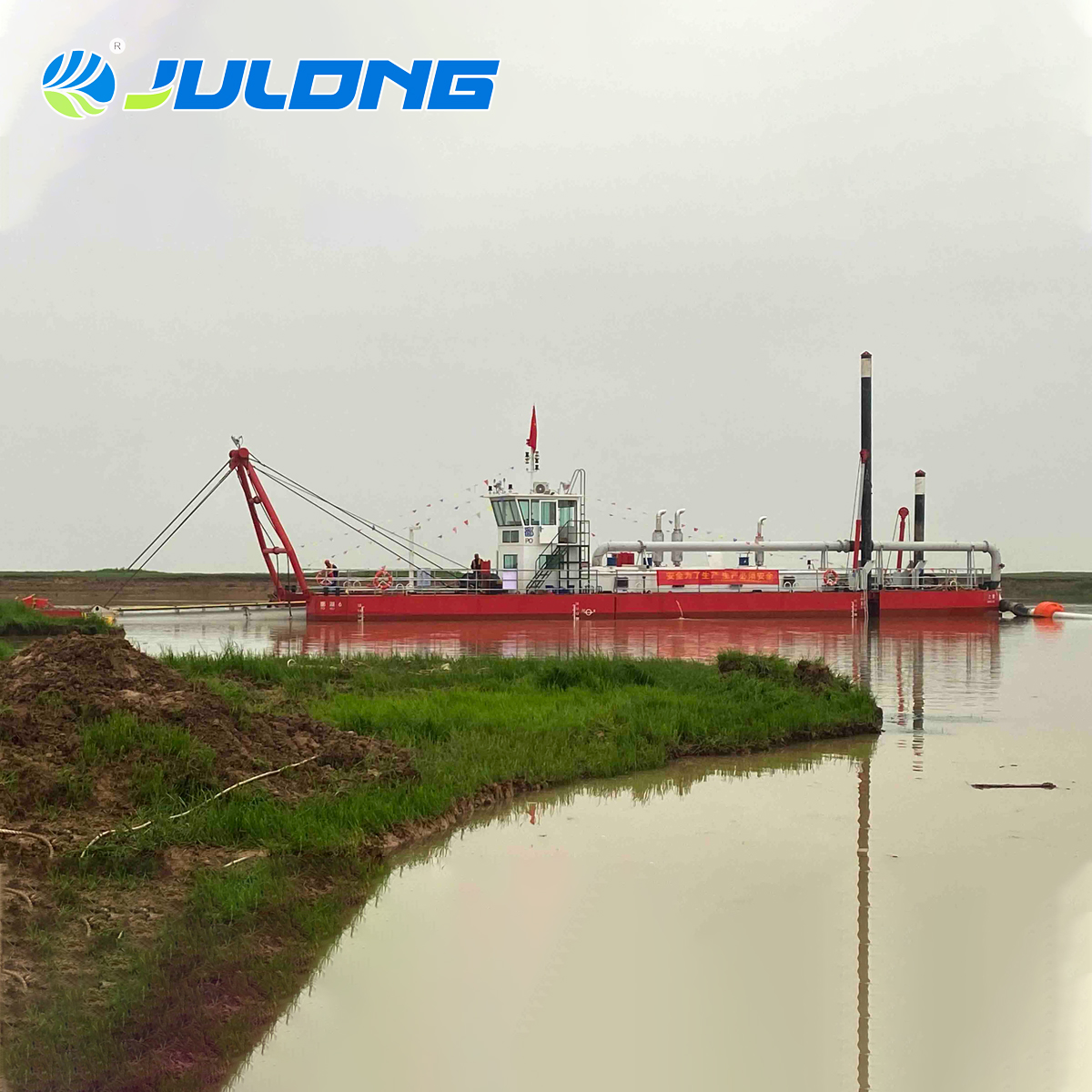
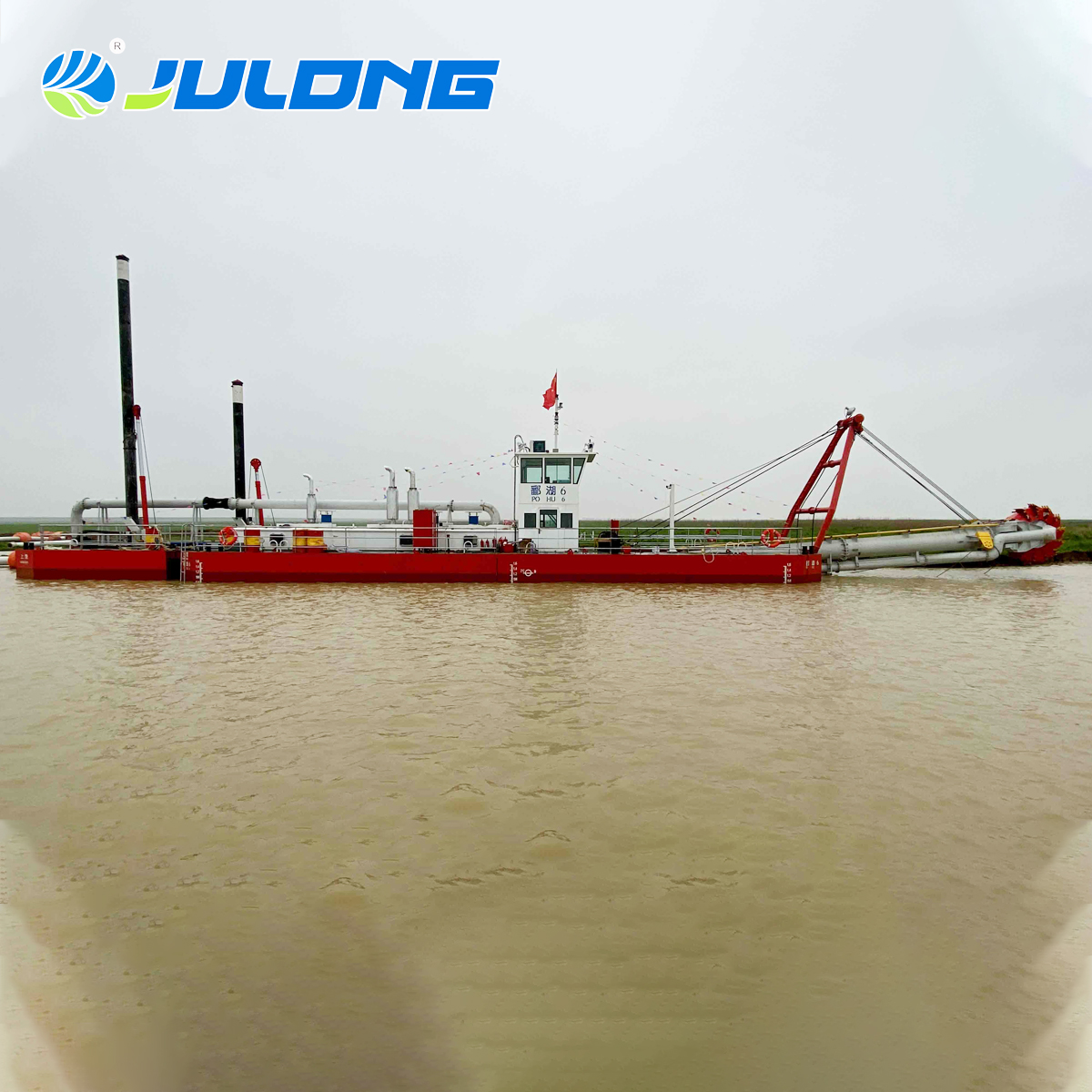
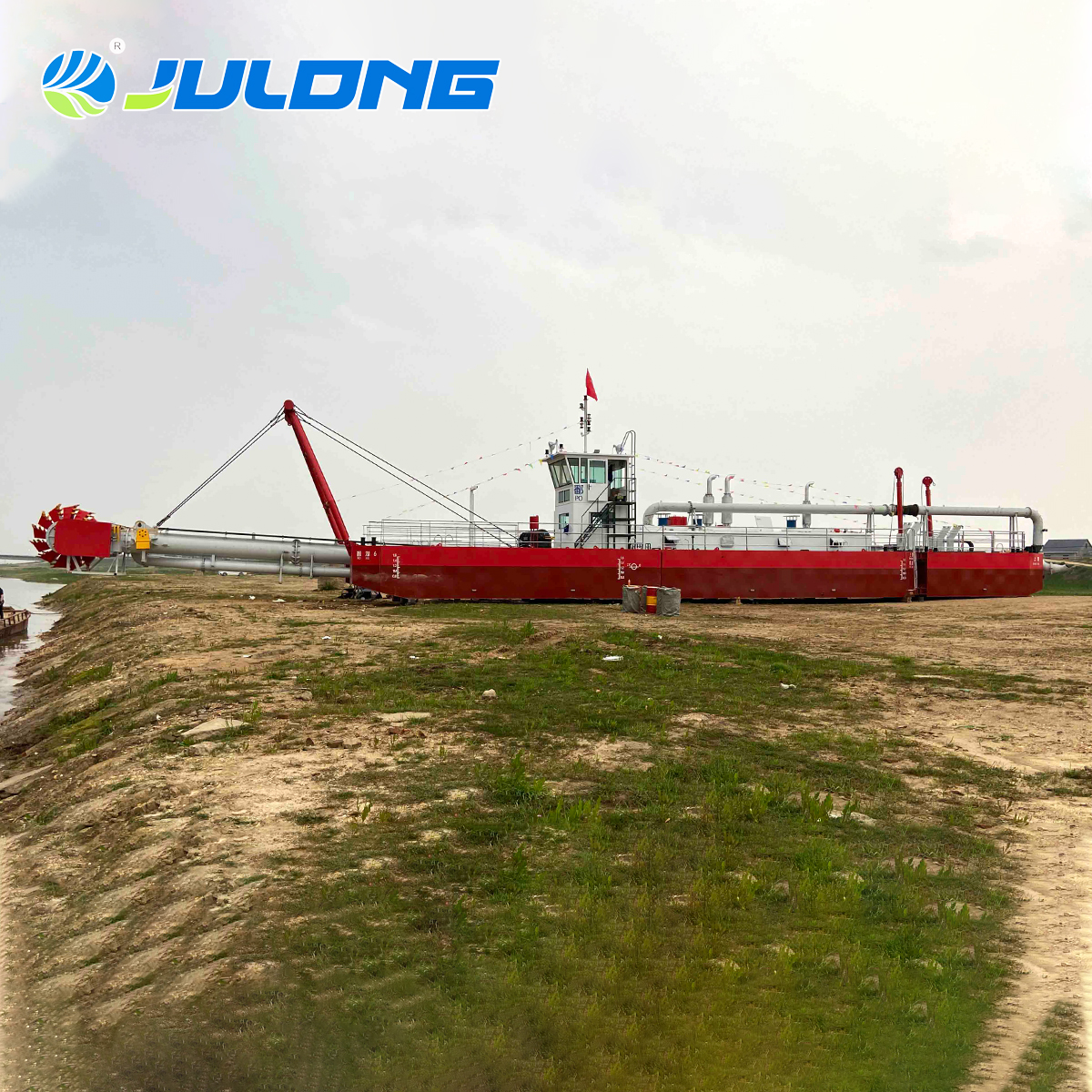
Type of Dredger: Determine whether a cutter suction dredger or an amphibious dredger is more suitable for your project. Cutter suction dredgers are ideal for hard materials and deeper excavation, while amphibious dredgers can operate in shallow waters and wetland areas. 

Material Quality: The construction material of the dredger impacts its durability and performance. High-quality steel or composite materials can enhance longevity and reduce maintenance costs. 

Pump Capacity: Assess the pump's capacity, typically measured in cubic meters per hour (m³/h). A higher capacity allows for faster dredging, which can significantly reduce project timelines. 

Dimensions and Weight: Consider the size and weight of the dredging equipment, as this affects transportation, operation in confined spaces, and overall suitability for specific project environments. 

Power and Efficiency: Evaluate the engine specifications, fuel efficiency, and horsepower. Efficient engines can lead to significant cost savings over the project's duration.   

By understanding these specifications, buyers can select dredging equipment that aligns with their project requirements, ensuring optimal performance and value. 

Frequently Asked Questions

What types of dredging services do you provide?

We offer cutter suction dredgers, amphibious dredgers, and excavators for river, lake, and port dredging and maintenance projects.
Yes. Our equipment carries ISO and CE certifications to meet international quality and safety standards.
Yes. We serve clients in 93 countries and can handle export logistics, documentation, and after-sales support for international projects.
We operate a 12,000 square meter facility with production lines for durable, efficient dredging equipment and customized builds on request.
Yes. We offer spare parts, technical guidance, maintenance plans, and remote or onsite service to ensure long-term operation and efficiency.

Get a Free Quote

Our representative will contact you soon.
0/1000