Choosing the Right Sand Dredging Machine

application/sand-dredging-machine, application/sand-dredging-machine, 
Inquiry
Inquiry

sand dredging machine

Choosing  the  right sand  dredging machine  is crucial  for efficiency and effectiveness in various  waterway  projects. This  article will explore key considerations  for selecting these machines,  including essential specifications, comparison criteria for bulk  orders, quality assurance  measures, and installation  guidance. Understanding these aspects will help purchasing managers and  project  engineers  make  informed decisions that  meet both  operational needs and budget constraints.

 
Key Specifications to Evaluate in Sand Dredging Machines

Key Specifications to Evaluate in Sand Dredging Machines

When evaluating sand dredging machines, several  key specifications should be prioritized:

Dredging Depth: This indicates  how  deep  the machine can operate. A suitable dredging depth ensures that the machine can reach the  required material without  leaving significant residue.

Pump Capacity: Measured in cubic meters per  hour (m³/h), this specification affects  the efficiency of the dredging operation.  A higher pump capacity can improve  project timelines by allowing more material to  be  processed in less time.

Pipeline Diameter: The size  of  the discharge pipeline impacts the  flow rate and the distance the dredged material can be  transported. A larger diameter allows for quicker transport but may require additional power.

Power Source: Consider whether the dredger operates on diesel, electric, or hybrid systems. Each option has  implications for operational costs, environmental impact, and maintenance requirements.

Weight and Dimensions: These factors influence the dredger's mobility and  stability during operation. Heavier machines may provide more stability but could be less agile  in difficult terrains.

Evaluating these specifications in relation to your specific project requirements will help ensure that you select the  most suitable sand dredging machine.

How to Compare Sand Dredging Machines for Bulk Orders

How to Compare Sand Dredging Machines for Bulk Orders

When considering  bulk orders of sand dredging machines, it’s important to establish clear criteria for comparison. Start by gathering detailed specifications and  pricing from  multiple manufacturers. This information should include:

Unit Price: Consider the total cost of ownership, including maintenance  and operational costs, rather  than just the initial  purchase price.

Lead Time: Understand  the  production and delivery timelines. This is crucial for project planning, as delays can lead to increased costs.

Customization Options: Assess whether the manufacturer can accommodate specific requirements, such as modifications for unique project  conditions or additional features.

Warranty and Support: Evaluate the warranty terms and after-sales  support  offered by the manufacturer. A strong support  system can be invaluable for  addressing issues that arise during operation.

Performance History:  Request case studies or references from previous  clients to gauge  the reliability  and effectiveness of the  machines in similar applications.

By systematically comparing these factors, you can  make an  informed decision that aligns with both your budget and project objectives.

Ensuring Quality in Sand Dredging Equipmen

Ensuring Quality in Sand Dredging Equipmen

Quality assurance is paramount when investing in sand dredging machines. To ensure equipment reliability, consider the following:

Certifications: Ensure that the machines meet international quality standards, such as ISO and CE certifications. These certifications indicate  compliance  with safety and quality benchmarks.

Manufacturing Capabilities: Investigate  the production processes employed by the manufacturer. Advanced manufacturing techniques and robust quality  control measures can significantly enhance the durability and performance of  dredging machines.

Material Selection: The materials used in construction  should  be suitable  for the  operational environment. For example, corrosion-resistant materials are crucial for  marine applications to prevent premature wear and tear.

Quality Control Processes:  Inquire  about the manufacturer’s quality control  protocols. Regular inspections during and after production can catch  potential issues before they affect performance.

Testing Procedures: Request information on how the equipment is tested before delivery. Machines should be subjected to rigorous testing  to  ensure they can perform under expected operating  conditions.

By prioritizing these  quality assurance measures,  purchasing managers can mitigate risks associated  with equipment failure and ensure a reliable dredging operation.

Installation Guidance for Efficient Sand Dredging Operations

Proper installation of sand  dredging machines is essential for optimizing performance. Here are some key considerations  for installation:

Site  Assessment: Before installation, conduct a thorough evaluation of the  site  conditions. This includes assessing soil composition, water depth, and potential obstacles that may affect dredging operations.


Preparation of  the Base: Ensure that the  base where the dredger will operate is stable and capable of supporting  the equipment's weight. This may involve grading or reinforcing the ground to provide a solid foundation.

Operator Training: Training for operators on the specific machine is critical. This training should cover operational procedures, safety protocols, and routine maintenance checks.

Safety Measures: Implement safety  measures during installation,  including establishing a secure perimeter and ensuring  that all  personnel are aware of operational hazards.

Initial Testing: After installation, conduct an initial test run to identify any issues before full-scale operation begins. This helps to ensure that  all systems are functioning correctly and allows for adjustments if necessary.

By following these guidelines, companies can  enhance the efficiency  of their sand dredging operations and  reduce the likelihood of operational disruptions.

In summary, selecting the right sand dredging machine involves careful consideration of various factors including specifications,  quality assurance,  and installation practices. By taking a thoughtful approach to these elements, buyers can ensure they invest in machines that meet  their project needs effectively.

What to Consider When Choosing a Sand Dredging Machine for Your Projec

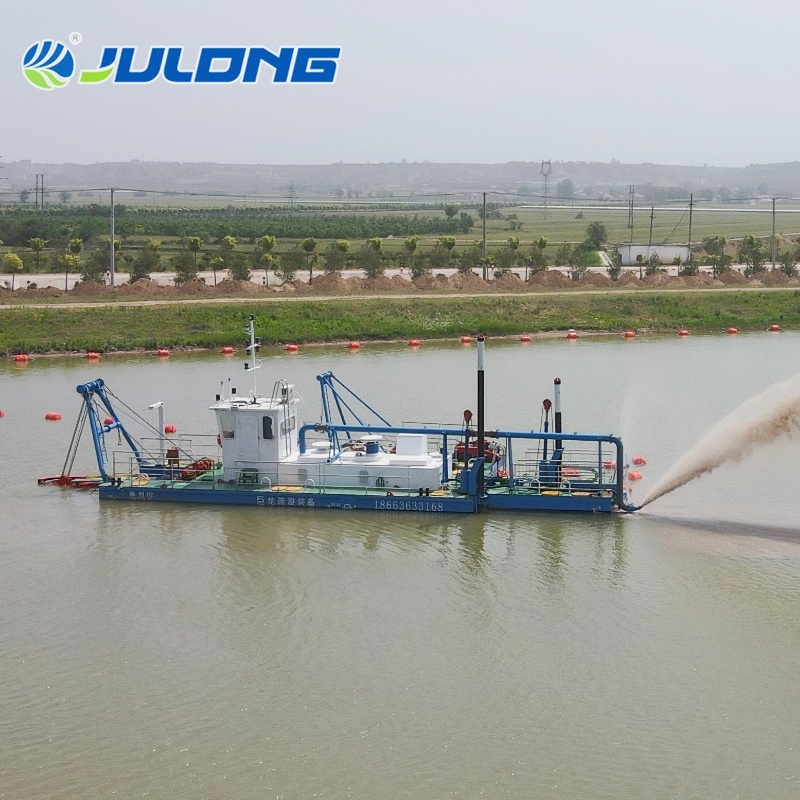
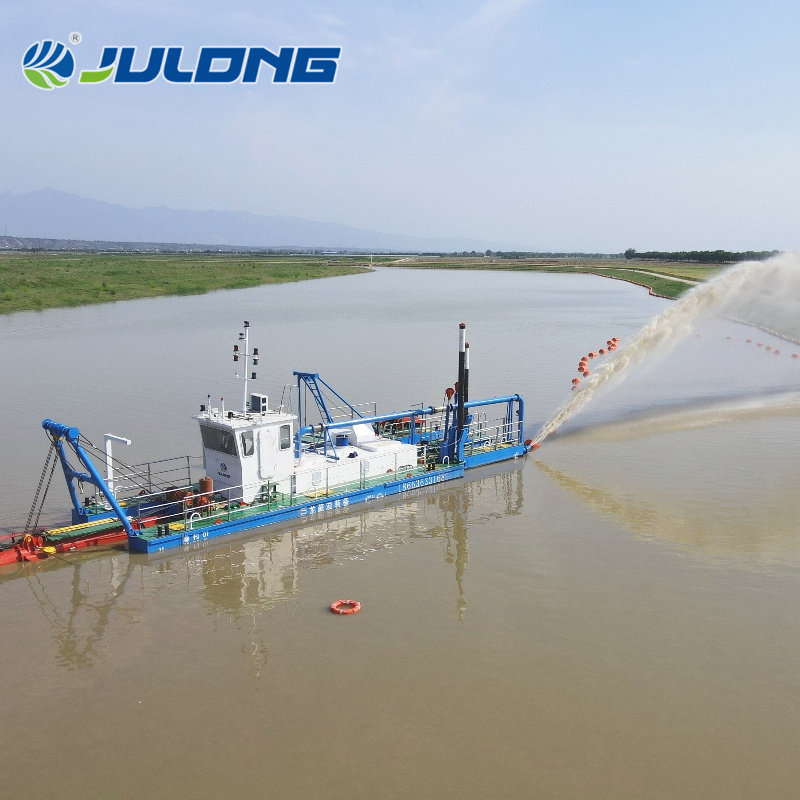
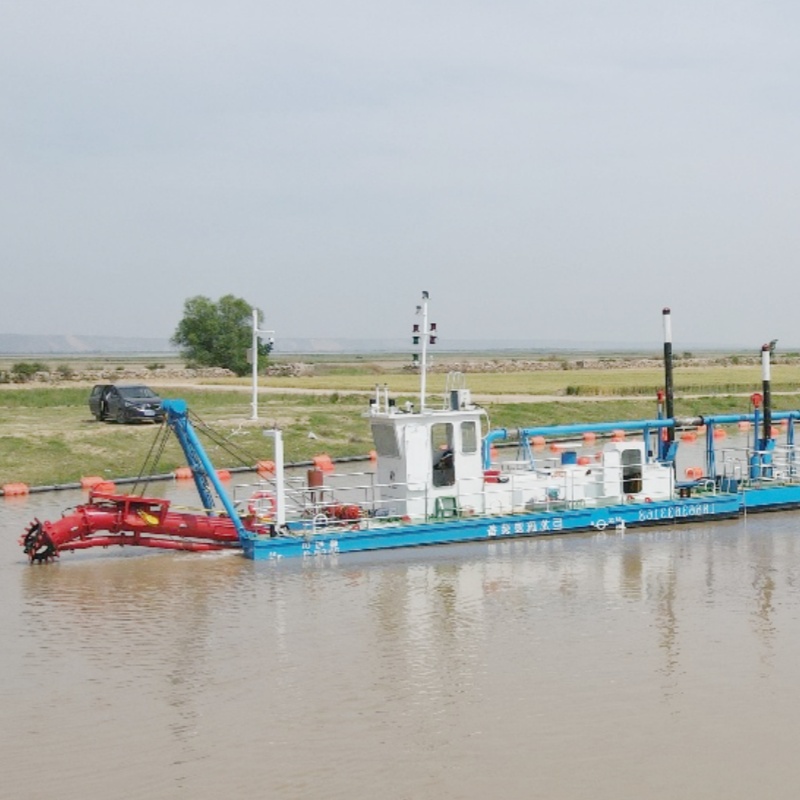
When selecting a sand dredging machine,  several factors come into play  that can significantly impact project success. First and foremost, consider the  specific application  requirements. Are you dredging in a river, lake,  or port? Each  environment  presents unique challenges,  which can influence the type of dredger needed. For instance, a cutter suction dredger is ideal for deeper,  more challenging environments, while an amphibious dredger may be  more suitable for shallow, marshy areas.

Next, evaluate the machine’s capacity and performance metrics. This includes the  dredging depth and volume it  can handle within a specified timeframe. Understanding your project's scale will help you select a machine with the right specifications to meet deadlines without  compromising safety or efficiency.

Another  critical consideration is the machine’s mobility and ease of operation.  Depending on the site  conditions, a highly mobile dredger may  be necessary to navigate around obstacles or access  confined  spaces. Assessing the  operator's skill level and the training requirements for the equipment can also play a crucial role in your selection process.

Frequently Asked Questions

What is the sand dredging machine used for?

Our sand dredging machine removes sediment from rivers, lakes, ports, and reclamation sites to restore depth, improve navigation, and recover sand for construction or environmental management.
We offer cutter suction and amphibious sand dredging machines with customizable suction diameters and production rates. Capacities range to suit small river works up to large port projects—contact us for tailored specs.
Our sand dredging machines are built in a 12,000 m² facility and comply with ISO and CE standards to ensure durable, safe, and reliable operation for long-term projects.
Yes. We offer on-site installation guidance, operator training, spare parts supply, and remote or field technical support to ensure efficient, continuous operation.
Yes. Our cutter suction and amphibious designs are optimized for shallow water and soft or mixed sediments, with adjustable draft and cutter settings to handle varied site conditions.

Get a Free Quote

Our representative will contact you soon.
0/1000