Dredging Machines: Key Features and Applications

application/dredging-machine, application/dredging-machine, 
Inquiry
Inquiry

dredging machine

Dredging machines, specifically designed  for the excavation and  removal of  sediment and debris  from  waterways, play a crucial role in  maintaining navigable  channels  in rivers, lakes, and ports.  As a  purchasing manager  or engineer,  understanding the features,  specifications, and  applications of dredging machines  is essential  for making informed decisions. This article will help clarify the key aspects of dredging machines, including their features, what to consider when purchasing,  and the  various projects they  can  be employed in.

What to Look for in Dredging Machines

What to Look for in Dredging Machines

When sourcing a dredging machine,  it is important to consider several factors that could affect your purchasing decision:

Supplier Reputation:  Research the  manufacturer's reputation  and experience in the industry. Companies like Qingzhou JULONG  Environmental Technology Co., Ltd., with ISO/CE  certifications and a strong export record, can provide assurance of quality  and reliability.

Customization Options: Depending on  your project's specific requirements, you may need to customize the dredging  machine. Confirm that the supplier offers customization  in  terms of size, features, and  accessories.

Maintenance and Support: Investigate the availability of maintenance services and support from the  supplier. A reliable  maintenance plan can significantly reduce operational disruptions.

Technical Specifications:  Before making a final decision,  confirm the technical specifications of the machine, including the material it is suitable for dredging, the efficiency of the pump, and the  operating depth.

Pricing and Payment Terms: Understand the  pricing structure, including any additional costs for customization or delivery. Inquire about payment terms and  financing options that may be available.

A Comprehensive Guide

A Comprehensive Guide

A comprehensive guide to purchasing  dredging machines involves understanding the following key aspects:

RFQ Preparation:  When preparing  a Request for Quotation (RFQ), provide detailed  information about your project, including  the type of dredger needed,  expected dredging depth, material type, and quantities. This  ensures you receive  accurate quotes.

Sample  Approval: Request a sample  or demonstration unit before committing to a  purchase. This allows you to evaluate the machine's performance in real-world conditions.

Quality  Control: Implement a quality control process  to inspect the dredging machine upon delivery.  Ensure it meets all agreed-upon specifications and  has no damage from shipping.

Training Requirements:  Determine if  training  is needed for your team to operate the dredging machine effectively. Some manufacturers offer training as part of the purchase agreement.

Post-Purchase Support: Clarify the  level of post-purchase support offered by the supplier, including  warranty details, replacement parts availability, and troubleshooting assistance.

Exploring Applications of Dredging Machines in Various Projects

Exploring Applications of Dredging Machines in Various Projects

Dredging machines are  versatile and can be utilized  in a  variety of applications:

Port Maintenance: Regular  dredging is essential for maintaining  navigable depths in  ports,  ensuring that vessels can safely enter and  exit.

River  Restoration:  Dredging machines are used  in river restoration projects to remove sediment build-up,  improving water flow and ecosystem health. The JLWB1600 Multi-function Work Boat is often involved in these efforts.

Land Reclamation: In land reclamation  projects, dredging machines help in creating new land by removing underwater materials and  filling them with suitable materials.

Mining Operations: Dredging  machines  are also employed in mining operations to extract valuable minerals from riverbeds or lakes.

Environmental Cleanup: In environmental remediation projects, dredging machines can remove  contaminated sediments from water bodies, aiding in the  restoration of affected  ecosystems.

Enhancing Durability and Efficiency

To enhance both the durability and efficiency of dredging machines, consider the following strategies:

Regular Maintenance: Implement a preventive maintenance schedule to ensure that all components are  functioning  optimally. Regular checks on the hydraulic systems, pumps,  and cutter heads can prevent costly repairs.

Material Selection: Choose dredging machines made from high-quality materials that resist corrosion and  wear, particularly for  operations in  saltwater or  harsh environments.

Operational Training: Ensure that operators are well-trained in the  use  of the  dredging machine. Proper training can lead to more efficient operation  and reduced wear on equipment.

Technology Integration: Invest in modern technology, such as automated dredging systems and real-time monitoring, to improve operational efficiency and reduce manual labor.

Performance  Monitoring: Utilize monitoring systems  to  track the performance of the  dredging machine and identify areas  for improvement or potential  issues before they escalate.

By focusing on these considerations, B2B buyers can make well-informed decisions when purchasing dredging machines, ensuring that they select the right equipment  for their specific needs and project requirements.

Key Features to Consider

When evaluating dredging machines, several key features should be prioritized to ensure optimal performance for your specific application:

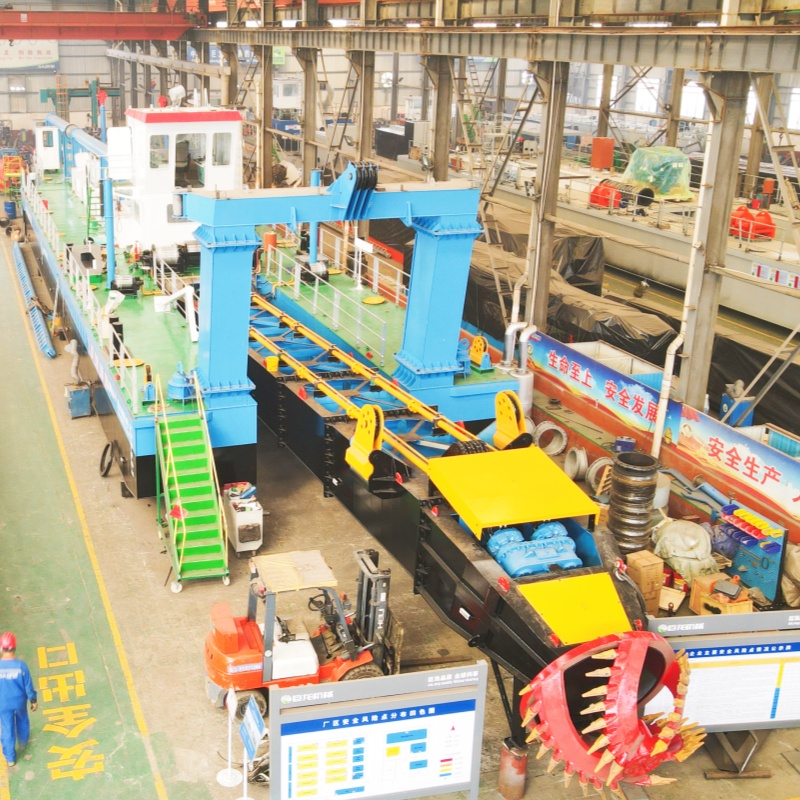
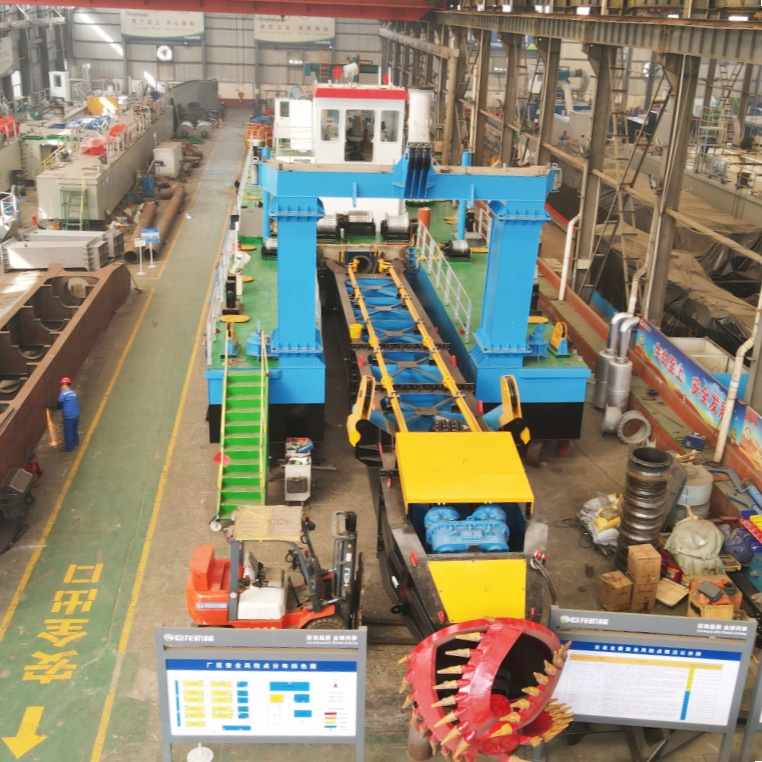
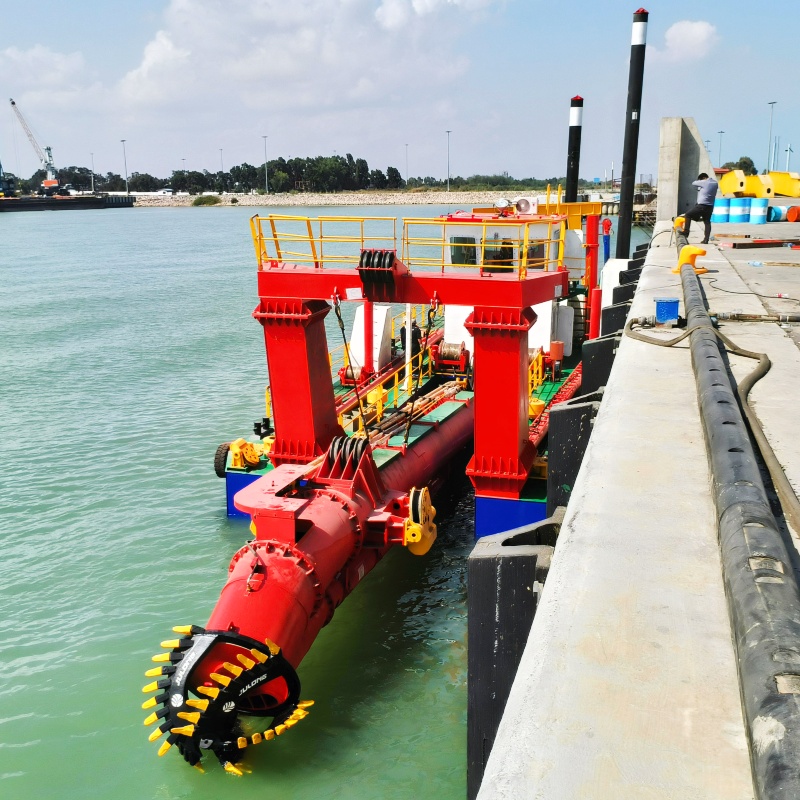
Type of  Dredger: Different types of dredging machines, such as cutter suction dredgers and amphibious dredgers, have unique capabilities. Cutter suction dredgers, for example, are ideal  for  deeper water excavation, while amphibious dredgers are designed for shallow water and marshy conditions. For high-performance options, consider the JLCSD700 Cutter Suction Dredger.

Power and  Capacity: Look for  the horsepower and dredging capacity of the  machine. This  includes the maximum depth it  can dredge and the volume of material it  can handle per hour. Higher capacity machines may be necessary for large-scale projects.

Durability: The materials used in the construction of the dredger, such  as high-strength steel,  contribute to its  overall durability  and resistance to wear and tear. Machines that can withstand harsh environments  will reduce maintenance costs and  downtime.

Mobility and Access: Consider the mobility of  the dredging machine, especially if it needs to move between different  project  sites. Amphibious dredgers, for example, can traverse both land and water, offering more  versatility.

Control Systems: Advanced control systems that allow for precision operation can enhance efficiency and safety. Look for features  like GPS positioning and automated controls.

Frequently Asked Questions

What types of dredging machines do you offer?

We supply cutter suction dredgers, amphibious dredgers, and excavator-based dredgers tailored for rivers, lakes, and port projects.
Yes. Our machines carry ISO and CE certifications ensuring compliance with international quality and safety standards.
Our dredgers handle a wide range from small river and lake projects to large port and coastal dredging, offering scalable capacities and attachments.
Yes. We offer spare parts, technical support, maintenance guidance, and remote or on-site service to ensure long-term operation.
Absolutely. We customize hulls, power, cutter heads, and amphibious systems to match site depth, soil type, and environmental requirements.

Get a Free Quote

Our representative will contact you soon.
0/1000