Key Considerations for Suction Dredging Equipment

application/suction-dredging, application/suction-dredging, 
Inquiry
Inquiry

suction dredging

Choosing the right suction dredging equipment is essential  for efficient  project execution in river, lake, and port environments. Suction  dredging is a  critical process  that  involves removing sediment and  debris from water  bodies, and selecting the appropriate equipment can significantly impact both project outcomes and operational  costs. Buyers often face concerns  regarding equipment specifications, supplier reliability, and common operational challenges. This article  will guide  you  through key  considerations  for selecting  suction dredging equipment, evaluating  suppliers,  addressing common issues,  and understanding material advantages in suction  dredging technologies.

How to Identify Reliable Suppliers for Suction Dredging Solutions

How to Identify Reliable Suppliers for Suction Dredging Solutions

Finding a  reliable supplier for suction dredging equipment requires thorough research and evaluation. Start  by looking for manufacturers with a proven track  record in the industry, such as  Qingzhou JULONG Environmental Technology Co., Ltd., which specializes in a range  of dredging solutions.

1. Experience and Expertise: Choose suppliers that have extensive experience  in the  type of  dredging equipment you need. Their expertise  can provide insights into the best practices  for your specific project requirements.

2. Customer Reviews and Case Studies: Assess customer testimonials  and case studies  to understand the supplier’s reliability and performance. Successful projects can indicate a supplier's capability in delivering quality products and services.

3. After-Sales Support: Evaluate  the level of after-sales support offered by the supplier. A reputable company should provide maintenance services, spare  parts availability,  and technical assistance to ensure your dredging operations run  smoothly.


4. Quality Assurance  Processes: Request details about the supplier’s quality control processes. This can include  inspections during production, testing of equipment before delivery, and documentation of compliance with industry standards.

 
Common Problems in Suction Dredging and Effective Solutions

Common Problems in Suction Dredging and Effective Solutions

While suction dredging is an effective method for sediment removal, it is not without challenges.  Understanding common  issues can help buyers prepare and implement effective solutions  in  advance.

1. Equipment  Blockages: Blockages  can  occur due to the accumulation of large debris or material clumping. Regular maintenance, including inspection of the suction  intake and pump, can mitigate  this issue.  Implementing a robust monitoring system can  help in early detection of blockages.

2. Pump Failures: Pump failures can lead to project delays and increased costs. Selecting pumps  with adequate power ratings and redundancy features can prevent  operational downtime. Additionally, training  personnel on proper operation and maintenance can reduce the likelihood of failures.

3. Environmental Impact: Minimizing environmental disruption is crucial. Use of appropriate  dredging techniques, such  as controlled dredging rates and sediment containment systems, can help mitigate negative impacts on  local ecosystems.

4.  Material Handling Issues: Different materials require specific handling techniques. Proper training on material characteristics  and handling methods can alleviate issues related to material transfer and disposal.

Best Practices

Best Practices

To ensure successful suction dredging operations, adhere to best  practices  that enhance efficiency and safety.

1. Pre-Project Planning: Conduct a thorough site  assessment and develop a detailed project  plan that  includes timelines,  equipment selection, and environmental considerations.

2. Regular Maintenance: Implement a maintenance schedule  for all dredging equipment to prolong  its  life and  ensure  operational efficiency. Regular inspections and timely repairs can  prevent costly breakdowns.

3. Staff Training: Invest in training programs for  operators and  maintenance personnel. Understanding the  equipment's operation and  maintenance can significantly reduce the risk of human  error and improve overall efficiency.

4. Contingency Planning: Prepare for unexpected situations by  developing contingency plans that include alternative equipment solutions  and backup personnel.


Understanding Material Advantages in Suction Dredging Technologies

The materials used in suction dredging equipment significantly influence its performance and  durability.  Understanding these materials can help  buyers  make informed decisions.

1. Steel vs. Composite Materials: Steel is commonly used for  its strength and durability, while composite materials can offer weight  savings and corrosion  resistance. Assess the project environment to determine the best material choice.

2. Wear Resistance: Equipment should be made from materials that  can withstand  abrasion, especially when dredging sandy or rocky substrates. High-strength alloys  or specially treated surfaces  can enhance wear resistance.

3. Weight Considerations: The weight of the dredging  equipment can affect mobility and ease of transport. Lightweight  materials can facilitate easier  handling and reduce transportation costs, but must still provide the  necessary strength and durability.

4. Customization Options: Many manufacturers offer customization capabilities that allow buyers to tailor equipment to specific project needs, such as unique  cutter head designs or specialized pumping systems. This can enhance operational  efficiency and effectiveness.

By carefully considering  these factors, buyers can  make informed decisions when selecting suction dredging equipment, ensuring successful project outcomes while  minimizing risks and operational challenges.

What to Consider When Choosing Suction Dredging Equipment for Projects

When selecting suction dredging equipment, several factors must be  taken  into account to ensure it meets project requirements effectively. First, consider the type of dredging project  you are  undertaking—whether it involves river, lake, or port  dredging—as this will influence the necessary equipment specifications.

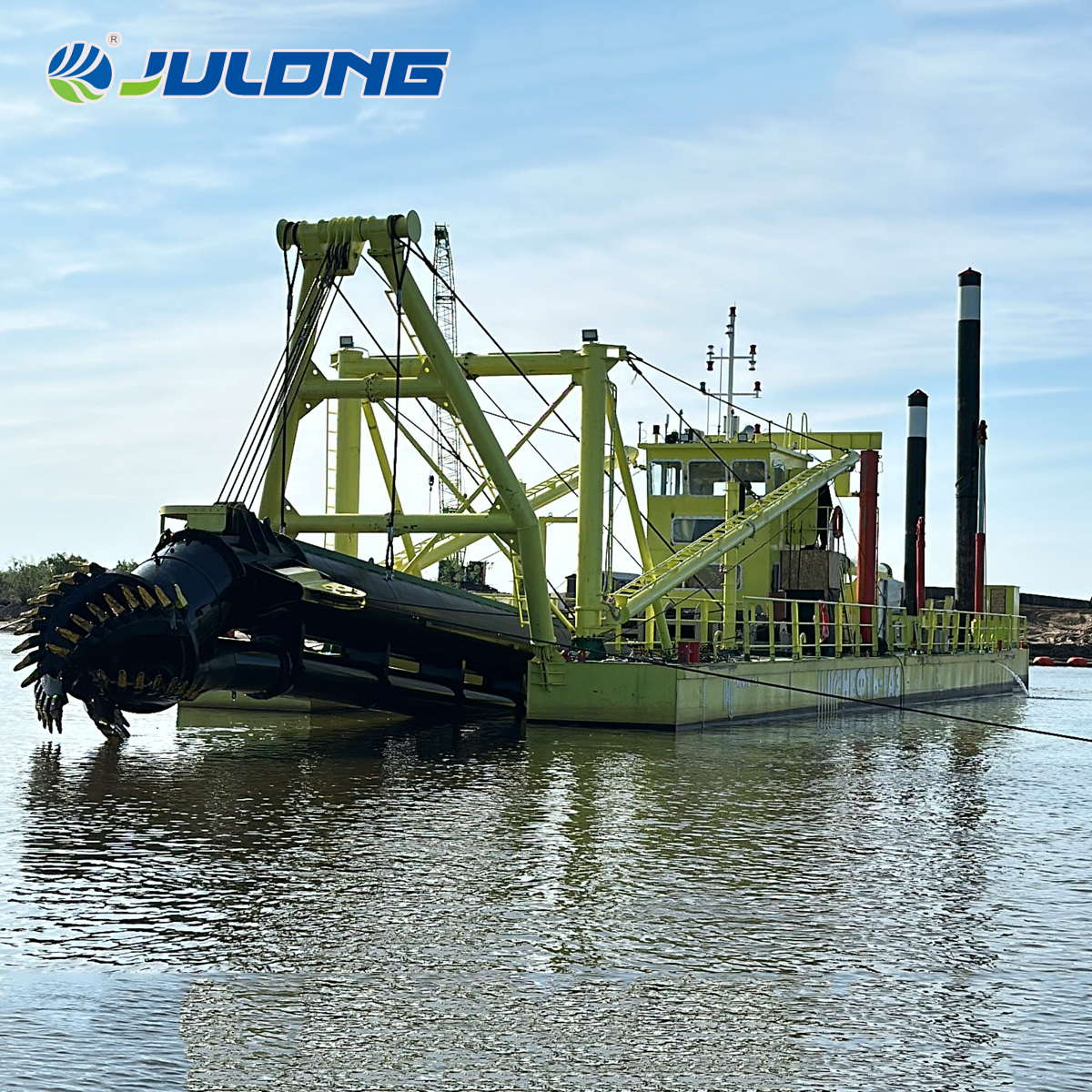
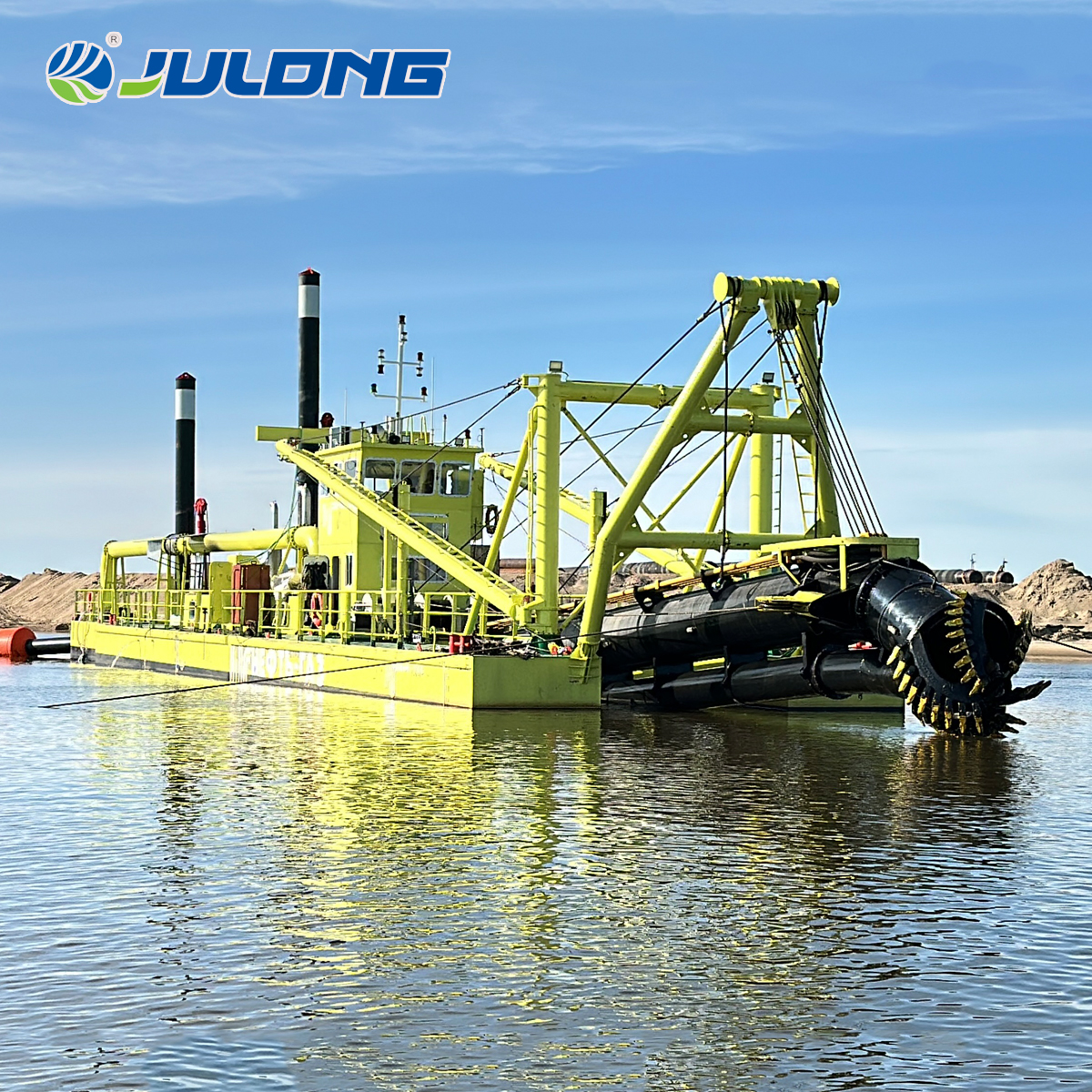
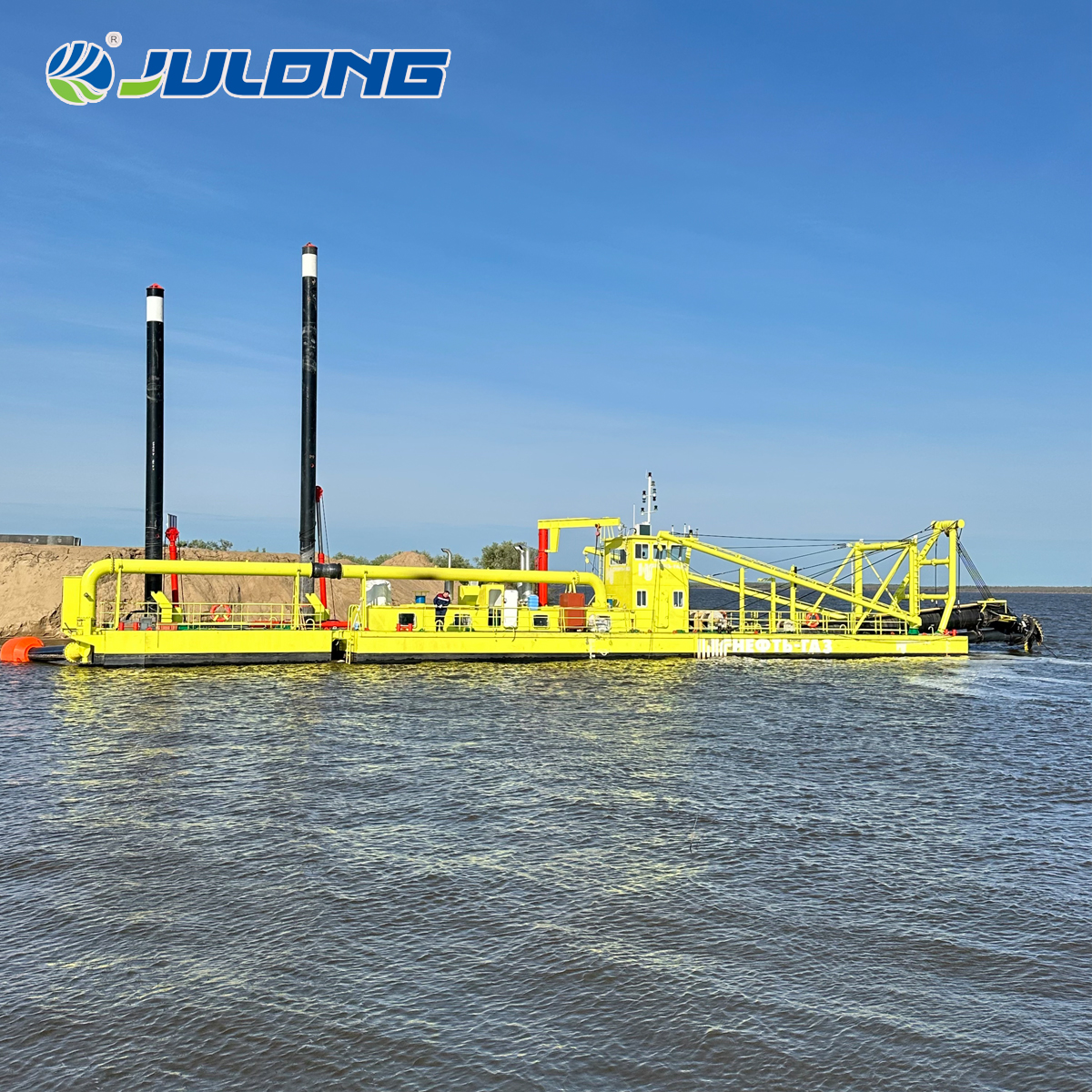
1. Equipment Type: Cutter suction dredgers and amphibious dredgers serve different purposes.  Cutter suction  dredgers  are ideal  for  hard materials and deeper dredging, while  amphibious  dredgers can navigate both land and water, making them versatile for shallow areas.

2. Performance Specifications: Evaluate the dredging depth and flow rate required for your project. The dredging depth determines the size of the pump and the cutter head, while the  flow rate affects  the efficiency of material removal. Ensure the equipment can handle the material type, whether it be sand, silt, or clay.

3. Material Durability: The construction materials used in  the dredger, such as  high-strength steel or reinforced polymers, directly impact its longevity and performance in harsh environments. Check for corrosion resistance, especially for  projects in saline waters or where chemical exposure is likely.

4. Compliance and Certifications: Look for equipment that meets ISO or CE certifications, which can assure quality and adherence to safety regulations. This is especially important  for international projects to ensure compliance with  local standards.

Frequently Asked Questions

What is suction dredging used for?

Suction dredging removes sediment, silt, and debris from rivers, lakes, ports, and waterways to restore depth, improve flow, and support construction or environmental projects.
We supply cutter suction dredgers and amphibious suction dredgers, plus excavator-mounted options tailored for river, lake, and port applications.
Our equipment is produced in an ISO- and CE-certified facility, ensuring durable, safe, and reliable dredging machines built to international standards.
Yes. We offer equipment customization, spare parts, technical guidance, and after-sales service to ensure efficient operation and long-term performance.
We serve clients across 93 countries, supporting municipal, port, environmental restoration, and construction dredging projects with robust, efficient solutions.

Get a Free Quote

Our representative will contact you soon.
0/1000