Choosing Reliable Suction Dredging Equipment Suppliers

application/suction-dredging-equipment, application/suction-dredging-equipment, 
Inquiry
Inquiry

suction dredging equipment

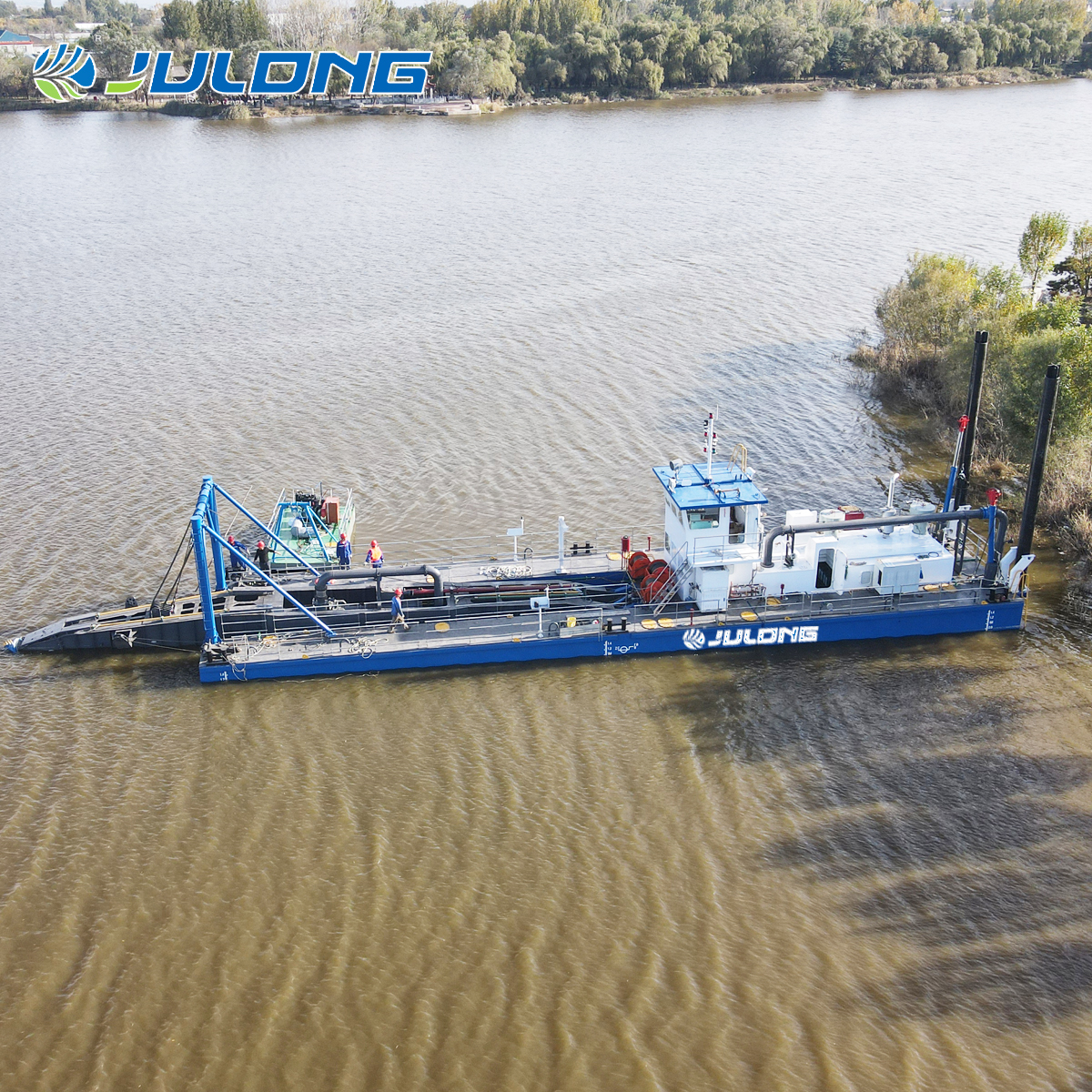
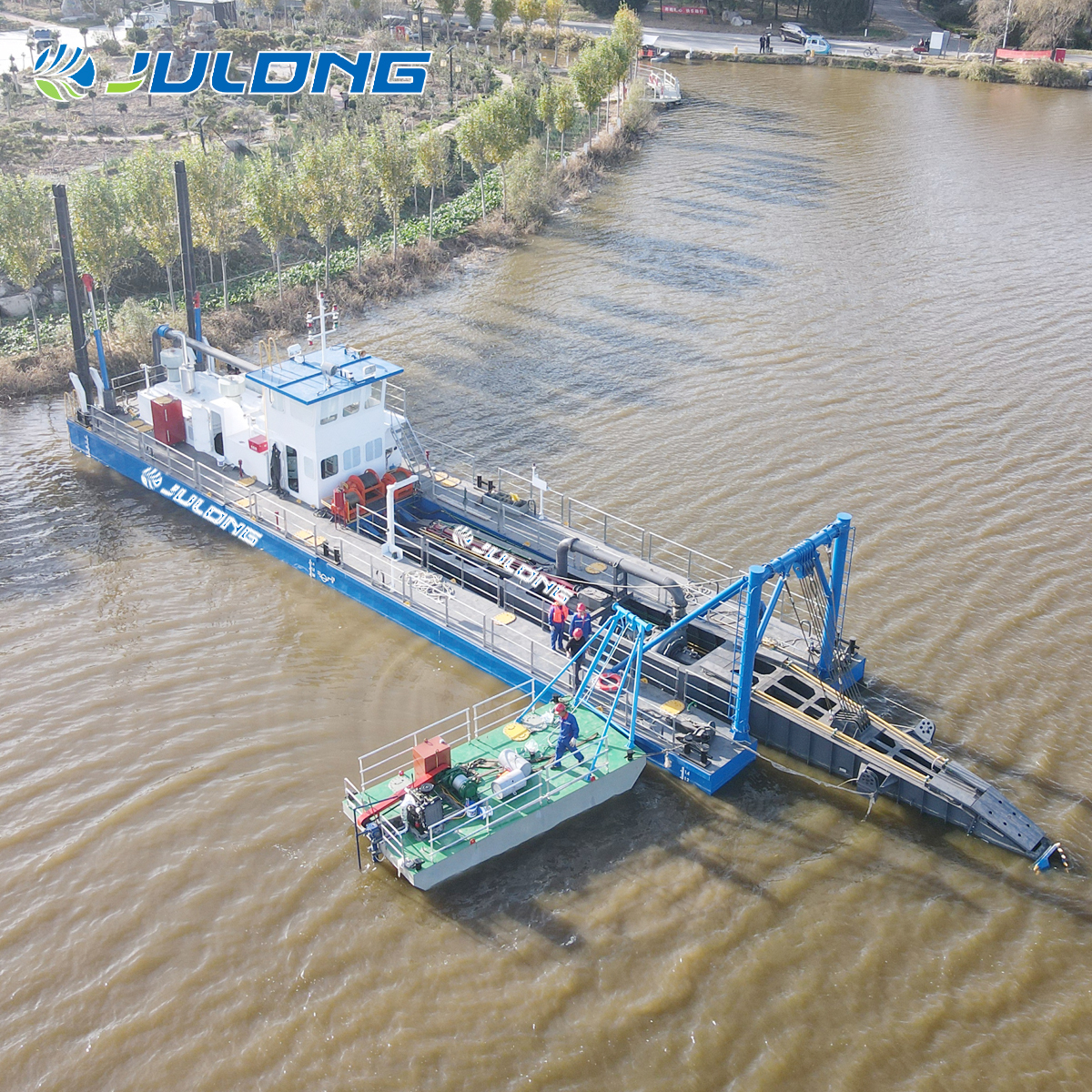
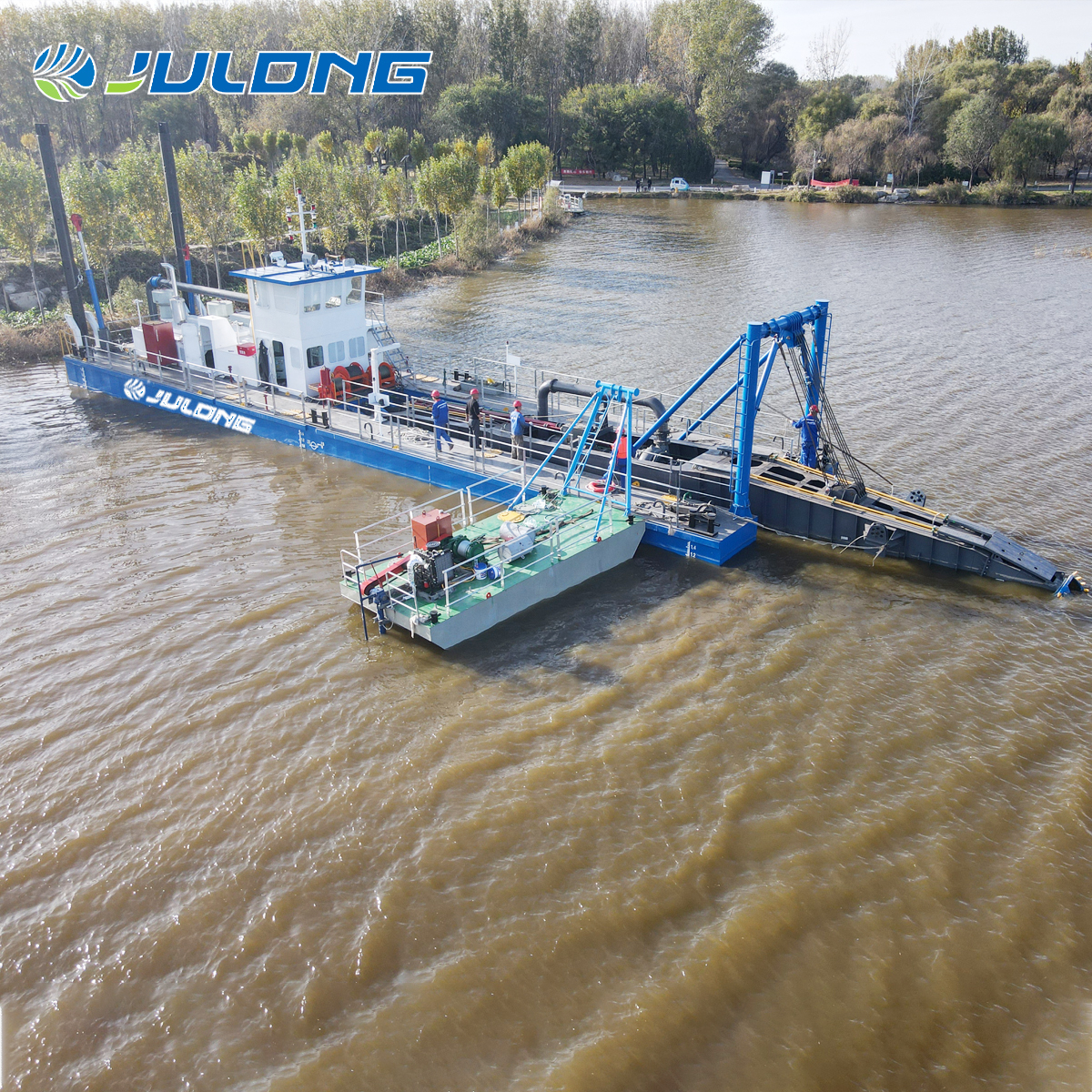
Suction  dredging  equipment plays a crucial  role in various projects involving river, lake, and port management. As a B2B buyer, you may  have concerns about equipment  reliability, quality,  operational efficiency, and the associated costs.  This article  will  guide  you  through  selecting reliable suppliers, evaluating  quality factors, addressing  common  problems, considering  cost  implications for  bulk orders, and understanding  installation guidance for suction dredging  equipment.

Evaluating Quality Factors in Suction Dredging Equipment Purchases

Evaluating Quality Factors in Suction Dredging Equipment Purchases

Quality evaluation for suction dredging equipment  should focus on key specifications such as material durability,  design efficiency,  and operational performance. Consider the  following factors:

Material Selection: Ensure that the materials used are suitable for the specific  dredging conditions, such as chemical exposure  or abrasive materials. For instance, high-strength steel or durable composite materials may be necessary for long-lasting performance.

Production Capabilities: Investigate the supplier's manufacturing processes and technology. Advanced machinery and skilled labor contribute significantly to the  overall quality of  the equipment. Quality  control checks throughout the production process can prevent  defects.

Performance Testing:  Before finalizing a purchase, request performance data or  conduct field tests if possible. Understanding how  the equipment  performs under actual working  conditions can help ensure you are making  a sound  investment.

Certification  and Compliance: Verify that the  equipment meets relevant industry  standards and regulations, which can vary by region. This ensures safety and reliability in operation.

Common Problems in Suction Dredging and Effective Solutions

Common Problems in Suction Dredging and Effective Solutions

Suction  dredging projects can encounter various  challenges, including equipment malfunction, operational inefficiencies, and unexpected environmental  conditions. Here are some  common issues and their solutions:

Clogging: This is a frequent problem in dredging operations, often caused by the intake of debris or unsuitable  materials. To mitigate this, regular maintenance  and checks  on the suction hoses and intake  systems are essential. Opting for equipment with  self-cleaning  features can also reduce  downtime.

Inefficient Pumping:  If the dredge is not pumping  efficiently, it may be due to  improper setup or equipment incompatibility. Ensure that  the dredging equipment is correctly configured for the specific job site.  Consulting with the manufacturer can provide insights into optimal configurations.

Wear and Tear: Frequent use  can lead to wear in critical components, affecting performance. Establish a routine inspection and maintenance schedule to identify  and replace worn parts promptly, thereby extending the life of your equipment.

Environmental Factors: Changes in water conditions  can impact dredging effectiveness. It’s advisable to conduct environmental assessments prior to beginning projects, allowing for adjustments in  operation as needed.

Cost Considerations for Bulk Orders of Suction Dredging Equipmen

Cost Considerations for Bulk Orders of Suction Dredging Equipmen

When placing bulk orders for suction dredging equipment, several cost factors come into play  that can  significantly affect your budget:

Volume Discounts: Most manufacturers  offer discounts based on order quantity. Understanding the minimum order quantities (MOQ) can  help you negotiate  better pricing.

Shipping and  Logistics: Factor  in shipping costs, which can vary based on the destination and  the size  of the equipment. Ensure that you include these  costs in your overall budget to avoid surprises.

Customization Costs: If you require customized features  or specifications, be aware  that these can  lead to increased costs. Clearly  outline your needs during initial discussions to  obtain accurate quotations.

Maintenance and Operating Costs: Beyond the initial purchase price, consider long-term  costs such as maintenance,  parts replacement, and operational  efficiency. High-quality equipment may have a higher upfront cost but can lead to  savings over time through reduced downtime and maintenance needs.

Installation Guidance for Suction Dredging Equipment in Projects

Installing suction dredging equipment  requires careful  planning and execution to ensure optimal functionality. Here are  some guidelines to follow:

Site Assessment: Conduct a thorough assessment of the site to determine the  best  location for installation. Consider factors such as water depth, sediment type, and environmental regulations.

Equipment Setup: Follow the manufacturer’s guidelines  for  setup. Ensure that all components, including pumps, hoses, and controls,  are installed according to specifications to avoid  operational issues.

Training: Provide training for  operators on the correct use and  maintenance of the equipment. Familiarity with the machinery can significantly reduce the risk of accidents  and enhance operational efficiency.

Testing and Calibration: Before full-scale operation, perform test runs to calibrate the equipment and ensure everything is functioning correctly. Monitor performance closely during these initial runs to identify any adjustments that may be  necessary. Additionally, consider using advanced equipment like the Aquatic Cleaning Boat for specific applications that might require versatile functionalities.

By understanding these key  aspects of suction dredging equipment, B2B buyers can make  informed decisions that enhance  project efficiency  and reduce operational risks. Engaging with credible suppliers and focusing on quality factors are  essential steps toward successful procurement and implementation.

How to Choose Reliable Suppliers of Suction Dredging Equipmen

When selecting suppliers of suction dredging equipment, it’s essential  to consider their experience, reputation, and  manufacturing capabilities. Look for suppliers with ISO and CE  certifications, as these indicate adherence  to international  quality  standards. A supplier  like Qingzhou JULONG Environmental Technology Co., Ltd.,  with  extensive experience serving  93 countries, showcases not only their  capability to deliver but also their understanding of diverse market needs. Suppliers that offer a range of products, such as the Multi-Function Work Boat, can provide additional options to meet specific project requirements.

Engage with suppliers who provide detailed product specifications  and demonstrate a  commitment  to quality control processes. Request references or case studies from previous clients  to assess their  reliability  and service levels. An established  supplier should  also have a comprehensive after-sales service, which is  critical for resolving any operational issues that may arise.

Frequently Asked Questions

What types of suction dredging equipment do you offer?

We supply cutter suction dredgers, amphibious dredgers, and excavators tailored for rivers, lakes, and ports, customizable by size and power to meet project needs.
Yes. Our equipment carries ISO and CE certifications, ensuring compliance with international quality and safety standards.
Yes. We customize dredger configurations, cutter heads, pump sizes, and propulsion for site conditions, sediment types, and project objectives.
We offer installation guidance, technical support, spare parts supply, and maintenance training to ensure reliable long-term operation.
We serve 93 countries and operate a 12,000 m² manufacturing facility capable of producing robust, efficient dredging solutions at scale.

Get a Free Quote

Our representative will contact you soon.
0/1000