Selecting River Dredging Equipment for Projects

application/river-dredging, application/river-dredging, 
Inquiry
Inquiry

River dredging

River dredging is a crucial process employed in various industrial and environmental applications, including the maintenance of waterways, the creation of new navigable channels, and the enhancement of aquatic habitats. For businesses involved in such projects, selecting the right river dredging equipment equipment is essential for ensuring efficiency, durability, and compliance with industry standards. This article will address key considerations when choosing dredging equipment, evaluating cutter suction dredgers, supplier criteria, installation guidance, and common challenges faced in river dredging. 

How to Evaluate the Quality of Cutter Suction Dredgers and Accessories

How to Evaluate the Quality of Cutter Suction Dredgers and Accessories

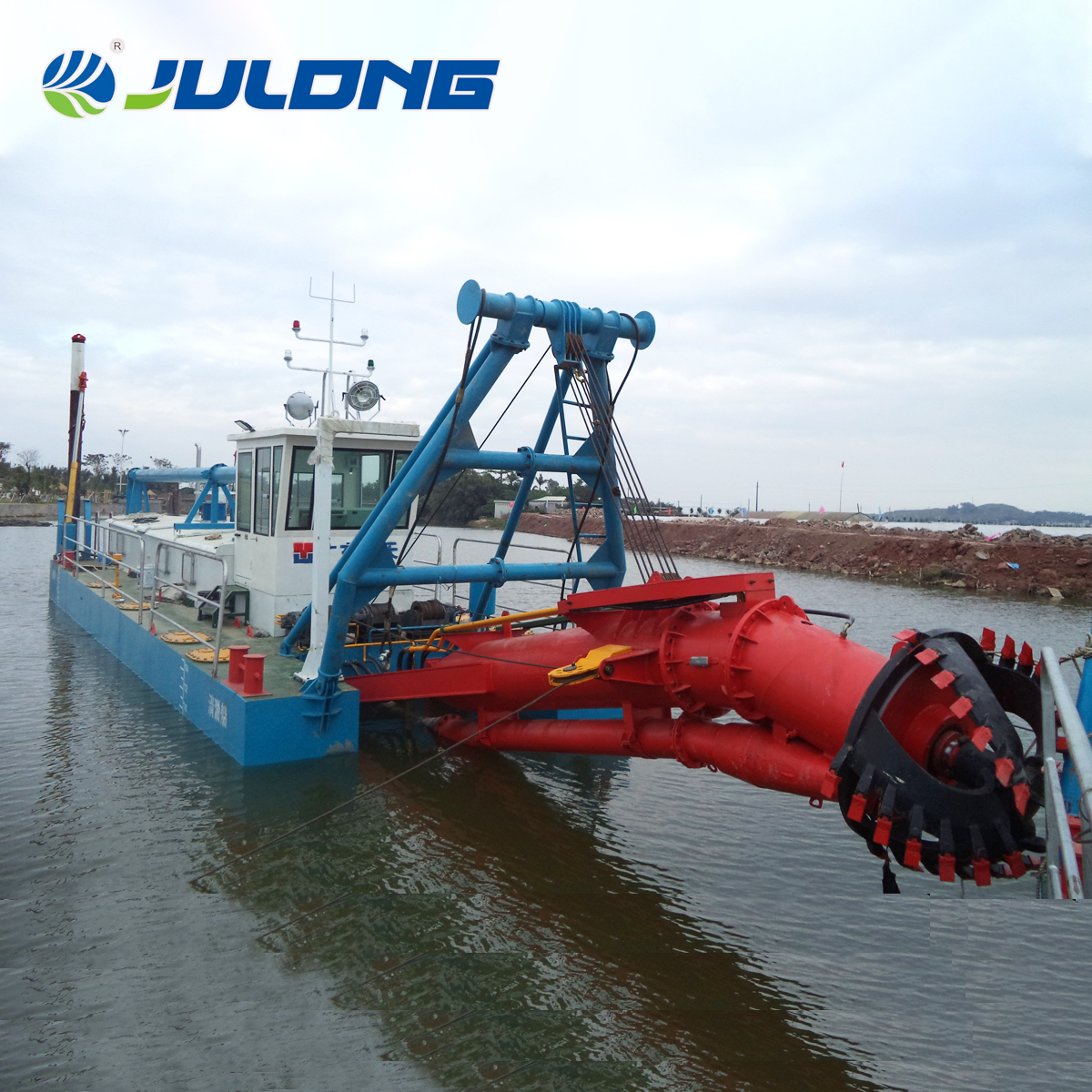
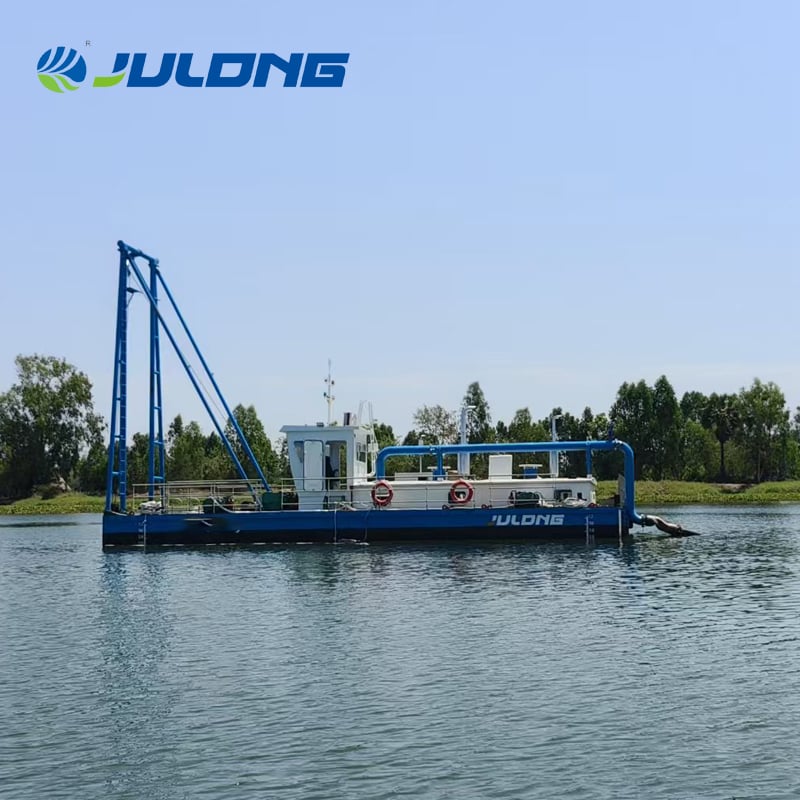
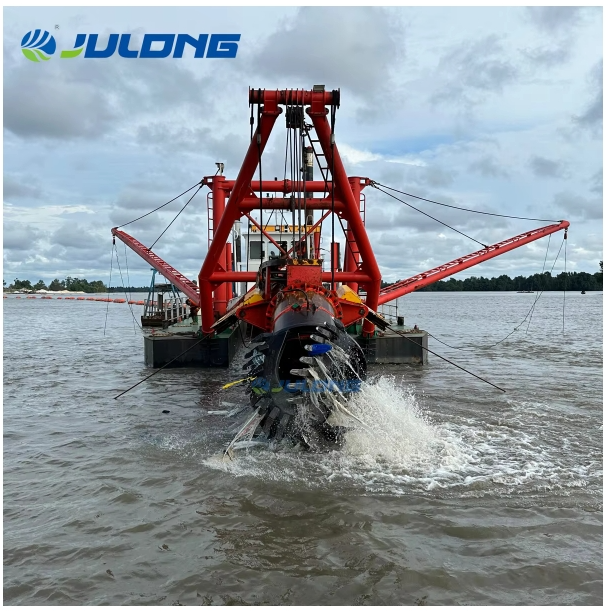
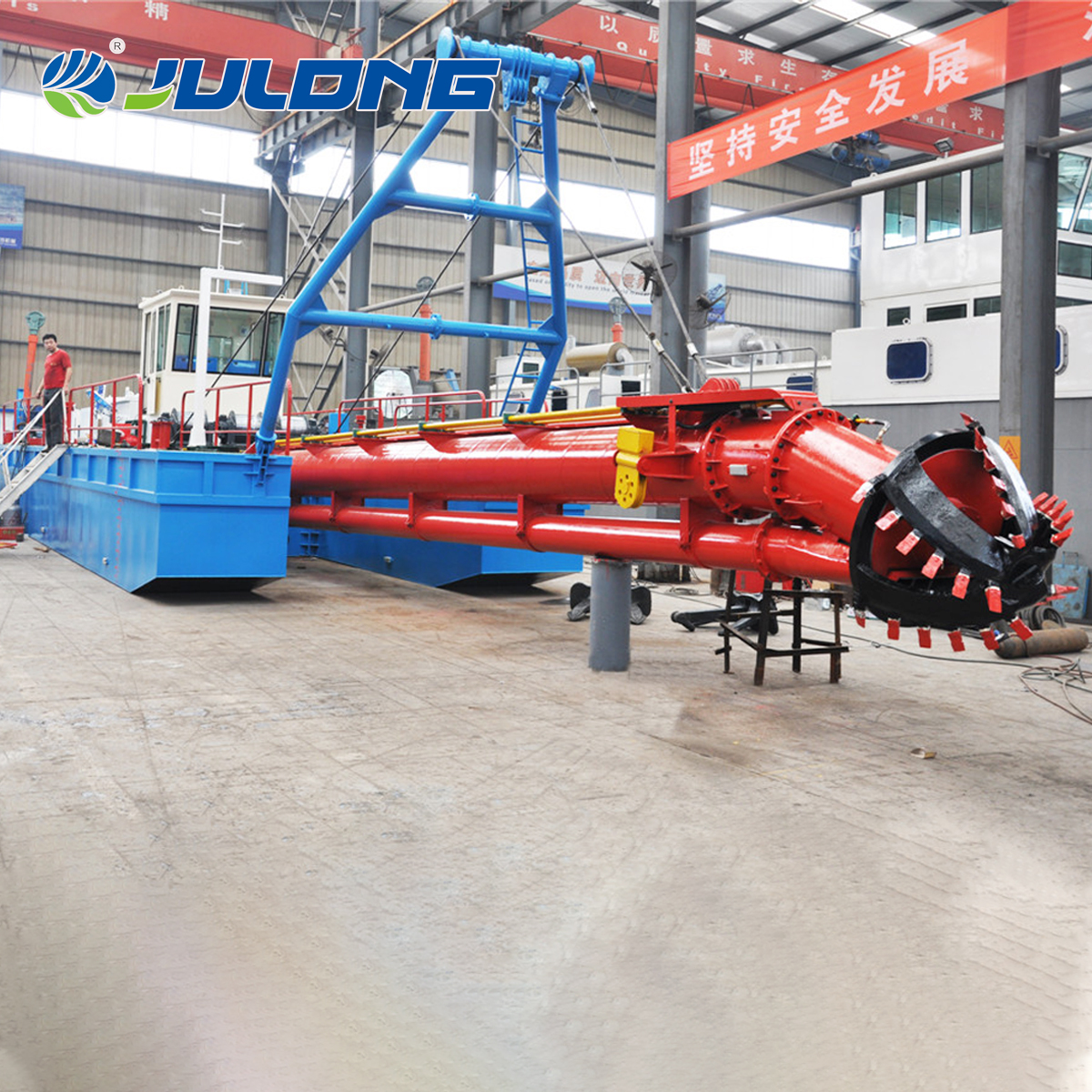
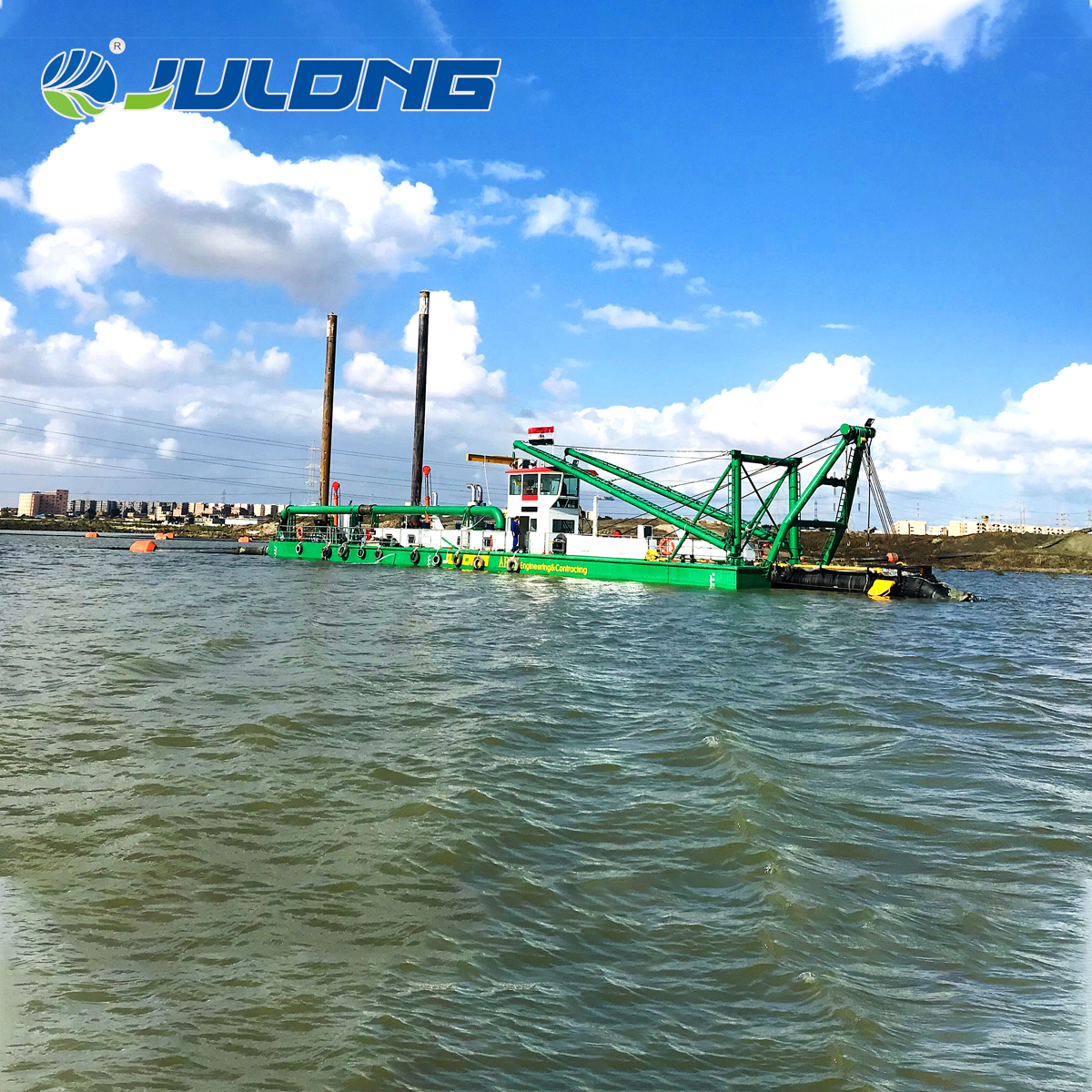
Quality evaluation of cutter suction dredgers and their accessories is paramount for ensuring their operational reliability and longevity. Start by examining the materials used in construction. High-quality steel and corrosion-resistant coatings are essential for components exposed to harsh environments, such as water and sediment.  

Next, review the dredger's design and engineering specifications. A well-engineered cutter suction dredger will feature robust construction, efficient hydraulic systems,  and reliable cutting technology. Ensure that the equipment meets industry standards and is certified, such as ISO or CE, which indicates compliance with international safety and quality regulations. Finally, assess the river dredging equipment quality control processes employed by the manufacturer. Reputable manufacturers typically conduct rigorous testing and inspections throughout the production process. Buyers should request documentation regarding quality assurance practices, including test results for components and completed units, to verify that the dredging equipment meets their specific needs. 

Top Supplier Criteria for Wholesale River Dredging Equipment Sourcing

Top Supplier Criteria for Wholesale River Dredging Equipment Sourcing

When sourcing wholesale river dredging equipment, selecting a reliable supplier is crucial for ensuring product quality and consistent service. Here are key criteria to consider: 

Experience and Reputation: Look for suppliers with a proven track record in the manufacturing and distribution of dredging equipment. Research customer feedback and industry reviews to gauge their reliability. 

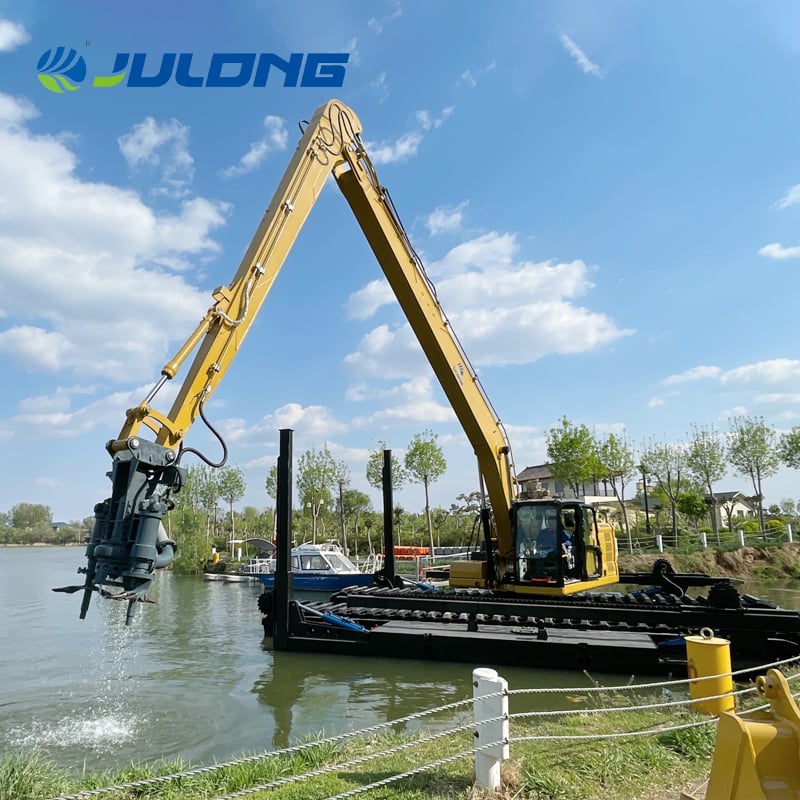
Product Range and Customization: A supplier offering a diverse range of dredging equipment, including cutter suction dredgers and amphibious dredgers, can better meet various project requirements. Additionally, inquire about their customization capabilities for specific project needs. 

Certifications: Ensure that the supplier's products have relevant certifications, such as ISO or CE, which indicate adherence to quality and safety standards. 

After-Sales Support: Evaluate the level of after-sales support provided by the supplier. A responsive customer service team that can assist with technical queries,  maintenance, and spare parts availability is essential for long-term operational success. 

Pricing and Payment Terms: Compare pricing models and payment options among suppliers. While cost is a significant factor, it should not compromise the quality of the equipment. 

Installation Guidance for Efficient River Dredging Solutions

Installation Guidance for Efficient River Dredging Solutions

Proper installation of river dredging equipment is critical for achieving efficiency and effectiveness in operations. Begin with a thorough site assessment to understand the geographical and environmental conditions. This evaluation will inform necessary adjustments to the dredger's setup. 

During installation, ensure that all components are correctly assembled according to the manufacturer’s specifications. Pay close attention to hydraulic systems and electrical connections, as improper installation can lead to operational failures or safety hazards. 

Additionally, conduct a trial run of the equipment before commencing full-scale dredging operations. This trial allows for the identification of potential issues, such as performance inconsistencies or mechanical malfunctions. It is also advisable to have a trained technician oversee the installation process, ensuring that all safety protocols are adhered to and that the equipment operates optimally. 

Common Challenges in River Dredging and Effective Solutions

River dredging projects often encounter several challenges that can affect productivity and project outcomes. Here are some common issues and effective solutions: 

Sediment Composition Variability: Dredging in areas with diverse sediment types can complicate operations. To address this, conduct pre-dredging surveys to gather data on sediment composition and adjust equipment settings accordingly. 

Environmental Regulations: Compliance with environmental regulations is critical in dredging projects. Ensure that the dredging process includes measures to minimize ecological impact, such as managing turbidity and protecting aquatic life. Engaging environmental specialists during planning can help navigate these regulations. 

Equipment Downtime: Unexpected breakdowns can lead to significant delays. To mitigate this risk, establish a routine maintenance schedule and ensure that spare parts are readily available. Partnering with suppliers for ongoing support can also enhance equipment reliability. 

Logistical Challenges: Transportation and access to dredging sites can pose challenges. Assess the transportation routes and access points early in the project planning phase to avoid delays. 

By understanding these challenges and implementing effective solutions, businesses can enhance their river dredging operations and achieve project success. 

selecting the right river dredging equipment and understanding the associated challenges are essential for any dredging project. By considering factors such as application suitability, equipment quality, supplier reliability, and installation procedures, buyers can make informed decisions that ensure successful outcomes. 

What to Consider When Choosing River Dredging Equipment for Projects

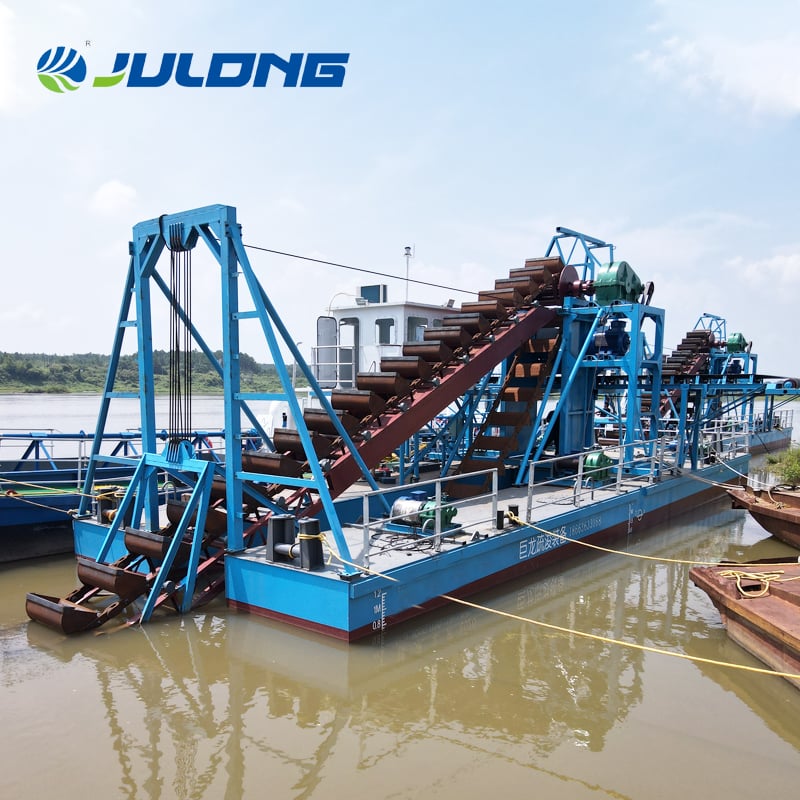
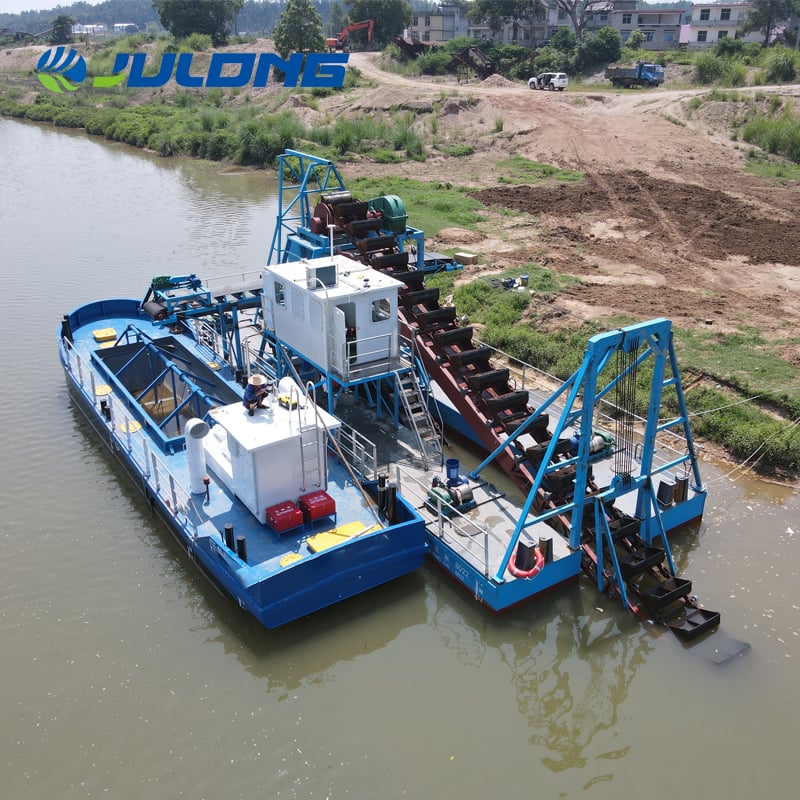
When selecting river dredging equipment, several critical factors must be assessed to ensure optimal performance and cost-effectiveness. First, consider the specific application and operational environment. Different dredging projects, such as sediment removal, maintenance of water depth, and ecological restoration, may require diverse types of dredgers, including cutter suction dredgers and amphibious dredgers. Next, evaluate the dredging depth and material to be dredged. For example, cutter suction dredgers are particularly effective for deep and heavy sediment, while amphibious dredgers are suitable for shallow and marshy areas. Additionally, check the dredging capacity, which is typically measured in cubic meters per hour (m³/h).  This metric helps ensure that the equipment can handle the project's volume requirements within the designated timeframe. Lastly, consider the river dredger transportation and storage capabilities of the dredging equipment. Assess the dimensions and weight of the machine to confirm compatibility with existing transportation methods and available storage space. These considerations will help avoid logistical challenges during the project. 

Frequently Asked Questions

What river dredging solutions do you offer?

We provide cutter suction dredgers, amphibious dredgers, and excavator-based dredging tailored for rivers, lakes, and ports to remove sediment and maintain navigability.
Yes. Our equipment carries ISO and CE certifications, ensuring compliance with international quality and safety standards.
We handle a range from small river maintenance to large port and lake projects, offering scalable dredgers and equipment configurations to match project requirements.
Yes. We supply spare parts, technical support, and maintenance guidance from our facility to ensure long-term, reliable operation of your dredging equipment.
Absolutely. We customize dredger configurations and attachments based on site surveys, sediment type, water depth, and operational needs to ensure efficient performance.

Get a Free Quote

Our representative will contact you soon.
0/1000