Pond Dredging Equipment: Key Specifications & Quality

application/pond-dredging-equipment, application/pond-dredging-equipment, 
Inquiry
Inquiry

pond dredging equipment

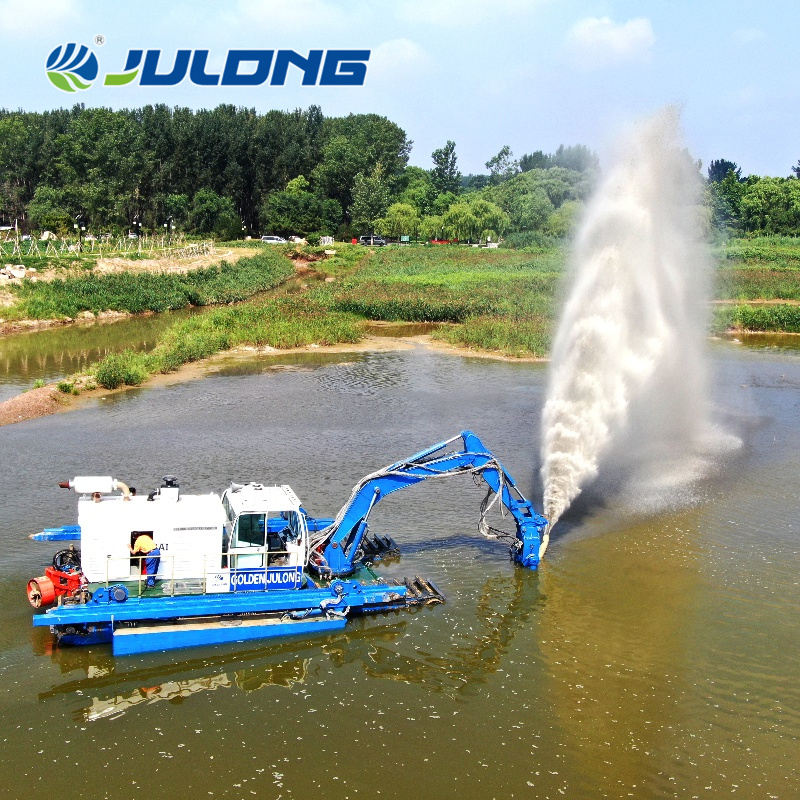
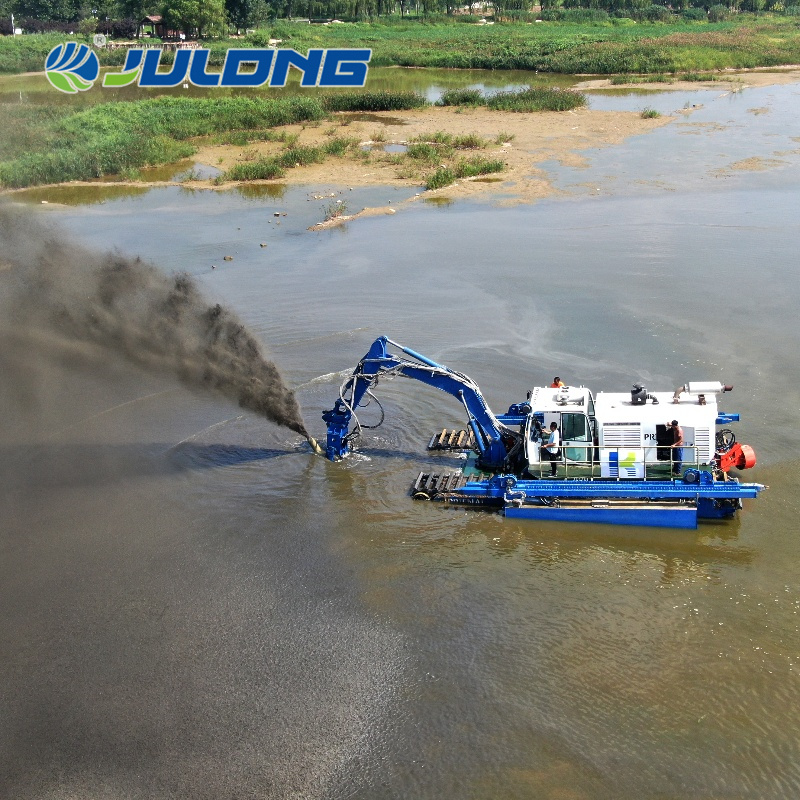
Pond  dredging  equipment is  essential for maintaining water bodies by removing sediments, debris,  and aquatic plants. For B2B buyers—such as purchasing managers, distributors,  engineers, and product  managers—selecting the right dredging equipment is  critical for efficiency, cost-effectiveness,  and successful  project outcomes.  This article  will  guide you through key specifications, quality  evaluation,  cost  factors, installation guidance,  and common problems  associated with pond  dredging, ensuring you make  informed decisions when sourcing  your equipment. For efficient operations, consider the use of an Dredger, which is designed for effective sediment removal.

Evaluating the Quality of Pond Dredging Equipment for Bulk Orders

Evaluating the Quality of Pond Dredging Equipment for Bulk Orders

When  purchasing pond dredging equipment in bulk, evaluating quality is paramount. Here are a few aspects to consider:

Certifications: Ensure that the equipment is manufactured in compliance with international standards, such as ISO and CE  certifications. This  guarantees that the equipment meets quality and safety benchmarks.

Quality Control Processes: Investigate the manufacturer’s quality control processes.  A reputable manufacturer will have  rigorous testing protocols in place, including  factory acceptance tests (FAT) and pre-shipment inspections to ensure that  every piece of equipment meets specifications.

Material Quality: Request documentation on the materials  used. The longevity of  dredging  equipment heavily relies on the quality of the materials  employed. Reputable  manufacturers will provide details on material  certifications and testing.

Warranty and After-Sales Support: A  solid warranty and comprehensive after-sales support indicate confidence in the product’s quality. Ensure that the  manufacturer offers  adequate support for maintenance and repairs.

Customer References and Case Studies: Request  references from past clients or  case studies that illustrate  the equipment's reliability and performance in real-world applications.

Cost Factors to Consider When Purchasing Pond Dredging Equipmen

Cost Factors to Consider When Purchasing Pond Dredging Equipmen

Understanding the cost factors associated with  pond dredging equipment is crucial for budgeting and financial planning:

Initial Purchase Price: The  initial cost of the dredging  equipment often  includes not only the base price but also any optional features and accessories that may be necessary for  your specific applications.

Operational Costs: Consider fuel consumption, maintenance, and repair costs  over  the equipment’s lifespan. Equipment that  is efficient in its operation may save money in the long run  despite higher initial costs.

Customization Costs: If your project demands specific modifications, inquire about customization options. Custom features can lead  to added costs but may enhance  efficiency for specialized tasks.

Shipping and Handling: Factor in the logistics of  transporting the equipment to your project site. Shipping  costs can vary significantly based on distance  and  method; thus, it is wise to obtain quotes from multiple logistics providers.

Financing Options: Explore financing options  that might be available, such as leasing or installment plans, which can  help manage cash flow  while acquiring necessary equipment.

Installation Guidance for Efficient Use of Dredging Equipmen

Installation Guidance for Efficient Use of Dredging Equipmen

Proper installation of pond dredging equipment  is critical to maximizing its efficiency. Here are key  points to consider:

Site Preparation:  Ensure that the site is prepared according to the manufacturer’s guidelines. This may include clearing obstructions, ensuring stable ground for  setup,  and providing access to power  sources.

Professional  Installation: If the equipment  is complex, consider hiring professionals for installation.  This ensures that the equipment is set up correctly and  operates at peak efficiency from the start.

Training for Operators: Ensure that  operators are adequately trained in equipment use and safety  protocols. This reduces  the  risk of accidents  and  improves operational efficiency.

Testing Before  Full Operation: Conduct initial test runs to verify  that the equipment operates as expected. This includes checking for any leaks,  unusual noises, or performance issues.

Common Problems in Pond Dredging and Effective Solutions

While  pond dredging  is  essential, several common problems can arise during operations. Here are some issues and  their solutions:

Clogging: A frequent issue in  dredging operations  is clogging, often caused by  dense materials. Using equipment with a  larger pump capacity or specialized cutting heads can mitigate this problem.

Equipment Wear: Continuous operation can lead to wear  and tear. Regular maintenance  checks and the use  of high-quality materials can prolong equipment life and performance.

Environmental Regulations: Dredging projects often face strict environmental regulations. Work closely with environmental agencies and ensure that your equipment is  compliant with local regulations to prevent costly fines or project delays.

Operator  Errors: Lack of experience can lead to operational errors. Comprehensive training and clear operational guidelines can significantly reduce these errors and enhance overall safety.

Transportation Challenges: Transporting dredging equipment to project sites can pose logistical challenges. Engaging a  logistics partner experienced in  heavy equipment transport can alleviate  many of these concerns.

By  understanding these specifications, quality factors, cost considerations, installation guidance, and common problems associated with pond dredging equipment, B2B buyers can make more informed purchasing decisions  that align with their project needs.

Key Specifications to Consider When Selecting Dredging Equipmen

When  selecting pond dredging equipment, several  key  specifications  must be evaluated to ensure that the chosen model meets operational requirements effectively.

Dredging Depth and  Width: Different projects require varying dredging  depths and widths. Understand your  project’s specifications and select equipment that  can achieve the desired dimensions.

Material and Construction: The materials used in dredging equipment affect its  durability and performance. High-strength steel or specialized alloys can enhance resistance to wear and corrosion, particularly in environments with abrasive materials. The quality of materials is crucial, so consider manufacturers that utilize high-quality components, similar to those found in Amphibious Equipment.

Pump Capacity: The pump capacity is crucial as it determines the volume of  material that can be efficiently  moved per hour. Ensure the dredging equipment has a pump capable of handling the expected  workload to avoid delays in your project timeline.

Power Source: Equipment  can be powered by diesel engines, electric motors, or hybrid systems. Assess the availability of power sources  at your site and choose equipment accordingly.

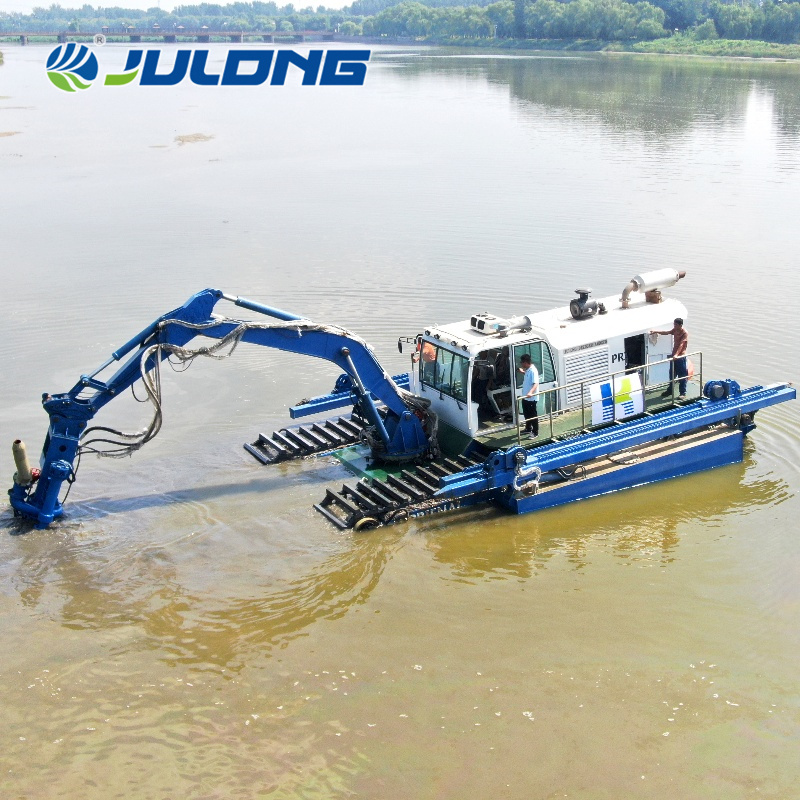
Mobility and Stability: If working  in shallow waters or varied terrains, consider the  mobility features of  the dredger. Amphibious dredgers, for instance, can operate in both water and land environments, offering flexibility.

Control Systems:  Advanced control systems improve operational efficiency and safety. Look for equipment that  offers intuitive controls for ease of  use and precision operation.

Frequently Asked Questions

What types of pond dredging equipment do you offer?

We provide cutter suction dredgers, amphibious dredgers, and excavator-based dredging solutions designed for ponds, lakes, rivers, and ports.
Yes. Our equipment carries ISO and CE certifications, confirming compliance with international quality and safety standards.
Yes. We serve customers in 93 countries and offer technical support, spare parts, and maintenance guidance to ensure long-term performance.
Yes. Our range includes models for varying depths, sediment types, and working conditions, delivering efficient dredging for small ponds to large water bodies.
We offer warranty terms with spare parts availability and operate a 12,000 m² facility to ensure timely production and shipping. Specific terms depend on model and order.

Get a Free Quote

Our representative will contact you soon.
0/1000