Choosing the Right River Dredging Equipment

application/river-dredging-equipment, application/river-dredging-equipment, 
Inquiry
Inquiry

river dredging equipment

When  it comes to river dredging equipment, choosing the  right machinery is crucial  for the  success of your project. This  specialized equipment,  critical for the maintenance and development of waterways, requires  careful consideration  of various factors, including performance  specifications,  supplier reliability, and manufacturing quality. ,  we  will explore essential aspects  that will help  you make  informed  decisions  when sourcing  river dredging equipment, addressing  the main concerns of B2B  buyers like you.

Wholesale Sourcing of Reliable River Dredging Equipment Suppliers

Wholesale Sourcing of Reliable River Dredging Equipment Suppliers

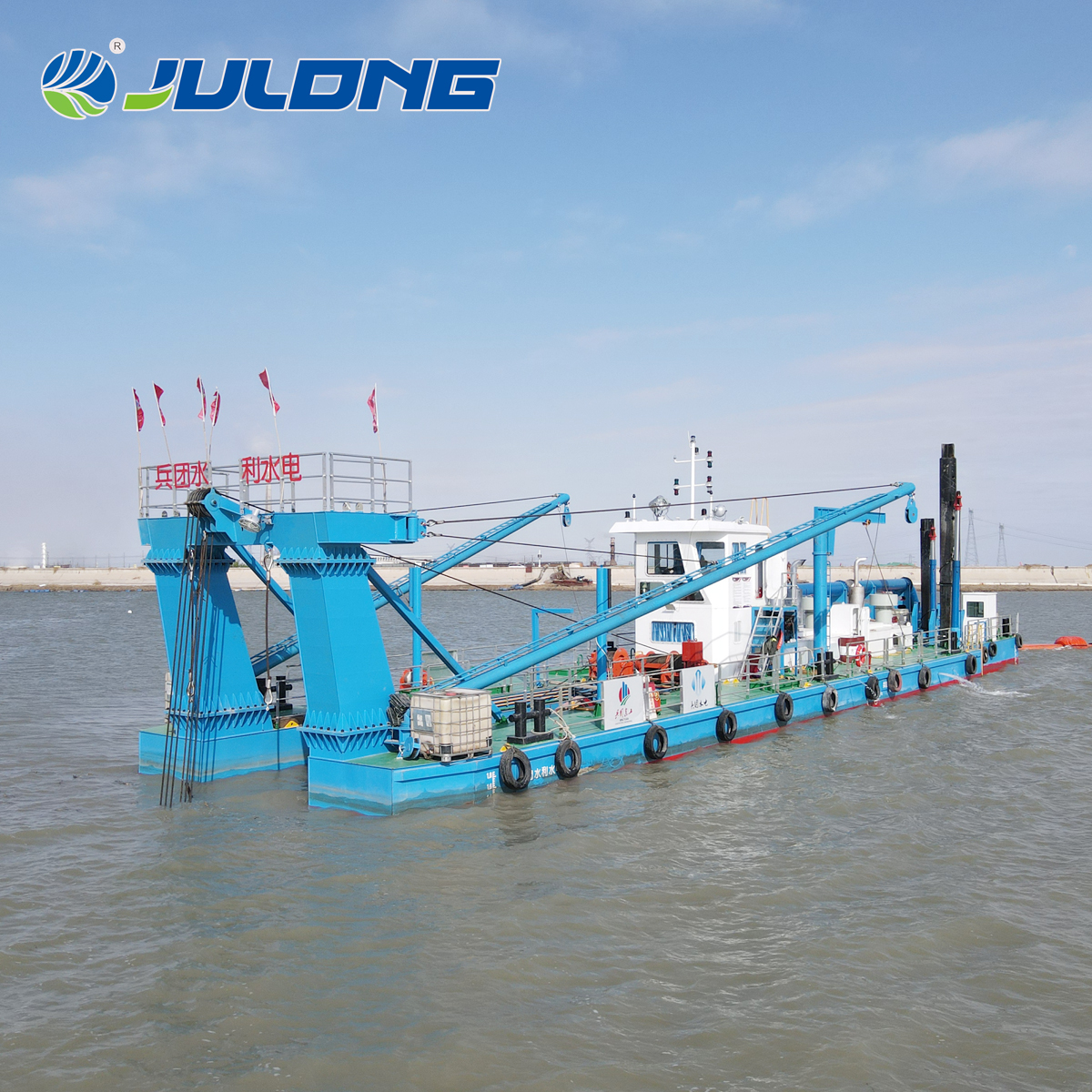
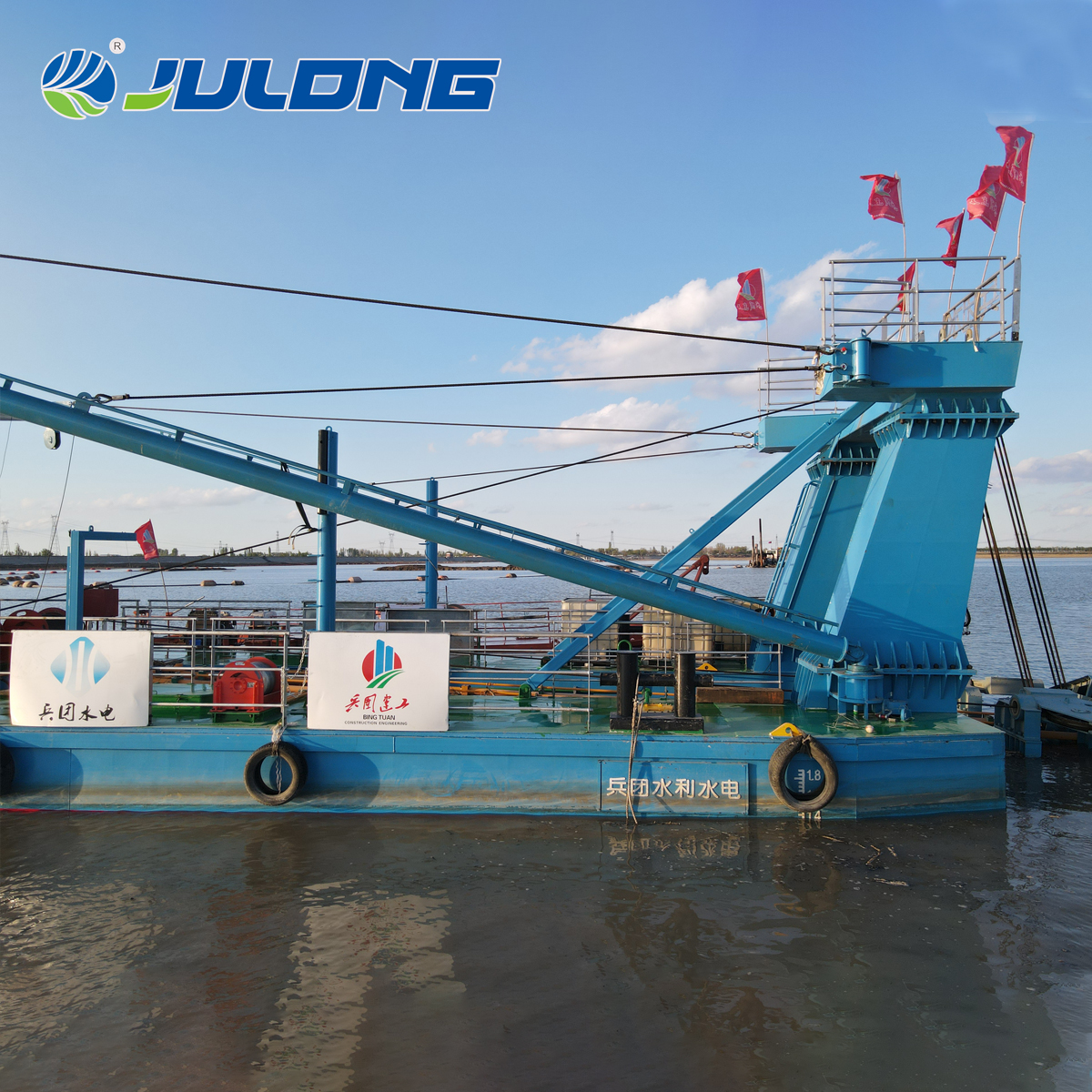
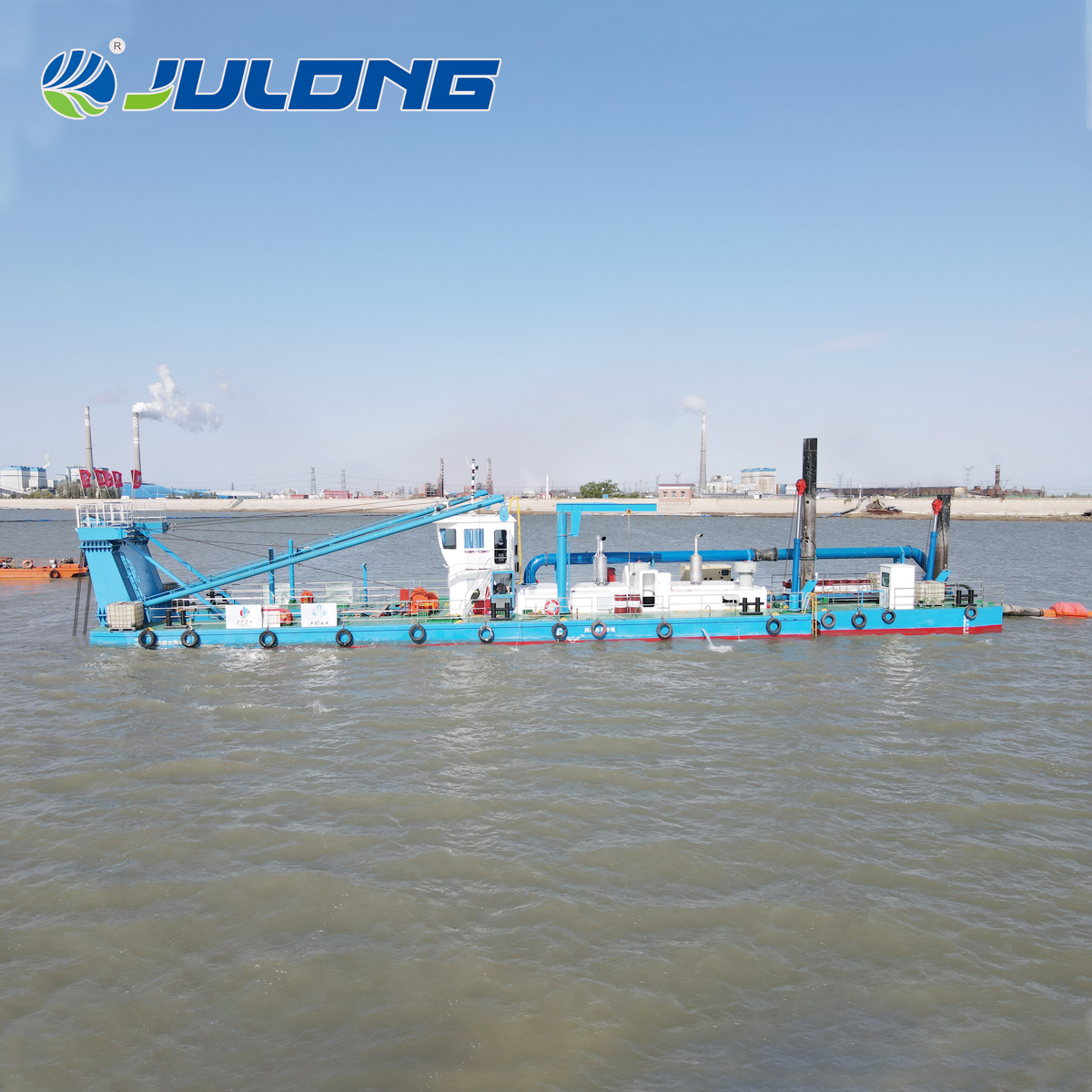
Finding  a trustworthy supplier for river dredging equipment  is essential for ensuring  the quality  and performance of the machinery.  Look  for manufacturers  with a proven track record in the industry, ideally  with ISO and CE certifications,  as these indicate adherence to international quality standards. A supplier like Qingzhou JULONG Environmental Technology Co.,  Ltd., for instance, specializes  in a range of dredging equipment and has a strong export presence in 93  countries. They offer a variety of options, including the Dredger for effective material removal.


When  sourcing suppliers, consider their production capabilities and the range of equipment  they offer. Request information about their manufacturing processes, quality control measures, and after-sales support to ensure you’re partnering with a reliable company.  It’s also beneficial to  read reviews  and testimonials or seek references from previous clients  to gauge their  reputation in the market.

Key Specifications to Consider When Selecting Dredging Equipmen

Key Specifications to Consider When Selecting Dredging Equipmen

Understanding key specifications is vital when  evaluating  river dredging equipment. Here  are  some critical factors to consider:

Pump Capacity: This affects the efficiency of material removal. Higher capacities allow for faster dredging, which can lead to reduced project timelines.


Dredging  Depth:  Ensure  the equipment can reach the necessary depth for your  project. Each model  has specific capabilities, and selecting  one that falls short can lead to operational inefficiencies.

Material Compatibility: Different dredgers are designed for  various sediment types. Verify that the dredging equipment can handle the  materials present in your project  site to avoid costly equipment failures.

Mobility and Size: The  dimensions of the dredger should be suitable for the project  environment. Larger equipment may be unsuitable for confined  spaces, while smaller units might lack the necessary power for larger jobs.

Power Source: Assessing whether the dredging equipment uses diesel,  electric, or hybrid power can  impact  overall operational costs and environmental compliance.

By understanding these specifications, you can ensure that the equipment you choose aligns with the demands of your project.

Evaluating Quality Standards in River Dredging Equipment Manufacturing

Evaluating Quality Standards in River Dredging Equipment Manufacturing

Quality standards play a significant role  in  the durability  and performance of river  dredging equipment. Look for manufacturers that implement rigorous quality control processes at every stage of production. This  includes:


Material Selection: High-quality materials enhance  the dredger’s longevity  and resistance to wear and tear. Ensure  that the supplier uses robust materials suited to the environmental conditions where the equipment will operate.

Production Equipment: Advanced  manufacturing technologies can  lead to better precision and consistency in the final product. Suppliers should  invest in modern machinery to produce reliable equipment.


Testing  Protocols:  Before delivery, suppliers should conduct thorough testing of each unit to confirm that it meets performance  specifications. Request documentation of these tests to ensure compliance with industry standards.


By prioritizing suppliers who adhere to these quality standards, you can reduce risks  associated  with equipment malfunction and ensure smoother project  execution.

Cost Factors to Consider When Purchasing Dredging Machinery

The cost of river dredging equipment can vary significantly based  on features, specifications, and supplier reputation. Here are some key cost factors to consider:

Initial Purchase Price: While it may be tempting to choose the lowest-priced option, consider the long-term value  and  potential maintenance costs associated with cheaper equipment. Investing in higher-quality dredgers often reduces operational issues and downtime.

Operational Costs: Analyze fuel consumption and maintenance  requirements. Equipment  that  is more fuel-efficient or requires less frequent  servicing can result in lower overall  costs.

Customization Options: Some projects may require  specific adaptations to standard dredging equipment. Be prepared to discuss customization needs with suppliers, as this can affect both the price and  lead time.

Shipping  and  Delivery: Factor in shipping  costs and delivery timeframes when budgeting for your purchase. Depending on the supplier's location, these costs can vary significantly.

Financing Options: Explore financing options that might be available through the supplier. Flexible payment terms can help manage cash flow during project execution.

Understanding these cost factors will aid in making a  more  informed purchasing decision,  ensuring you receive the best value for your investment in river dredging equipment.

By focusing on practical needs and understanding key specifications,  quality standards, and  cost factors, you can make informed decisions when sourcing river dredging equipment that best meets  your project requirements. This approach will not only enhance project efficiency but also ensure that you  are investing in equipment that delivers reliable performance over time.

Choosing the Right River Dredging Equipment for Your Project Needs

Selecting the appropriate river  dredging equipment hinges  on several key factors, including project scale,  sediment  type, and operational environment. Cutter suction dredgers, for example, are ideal for precise excavation at various depths  and can handle  a wide range of materials, from soft  silt to  harder clay. Conversely,  amphibious dredgers excel in shallow water applications and can maneuver over  land and water, making them suitable for  wetlands or areas with limited access. If you're interested in amphibious solutions, consider the Amphibious Equipment as a versatile option.

Before making a purchase, assess the specific requirements of your project. Consider the following questions: What is the expected depth of  dredging?  Are  there specific  sediment  types  to be excavated? What are the environmental considerations, such as avoiding  disruption of local ecosystems? By answering these questions, you can determine which type of dredging equipment  will  best meet your needs.

Frequently Asked Questions

What types of river dredging equipment do you offer?

We supply cutter suction dredgers, amphibious dredgers, and excavators designed for river, lake, and port projects, tailored for varying depths and sediment types.
Yes. Our equipment carries ISO and CE certifications, ensuring compliance with international quality and safety standards.
Our machines handle small rivers to large ports and lakes, with models suited for shallow marshes to deep channel dredging and different soil conditions.
We offer custom configurations, spare parts supply, installation guidance, and technical support to ensure long-term operation and efficient maintenance.
Operating from a 12,000 m² facility, we serve 93 countries with durable equipment, production capacity, and export logistics to meet international delivery needs.

Get a Free Quote

Our representative will contact you soon.
0/1000