Proper installation and operational guidelines
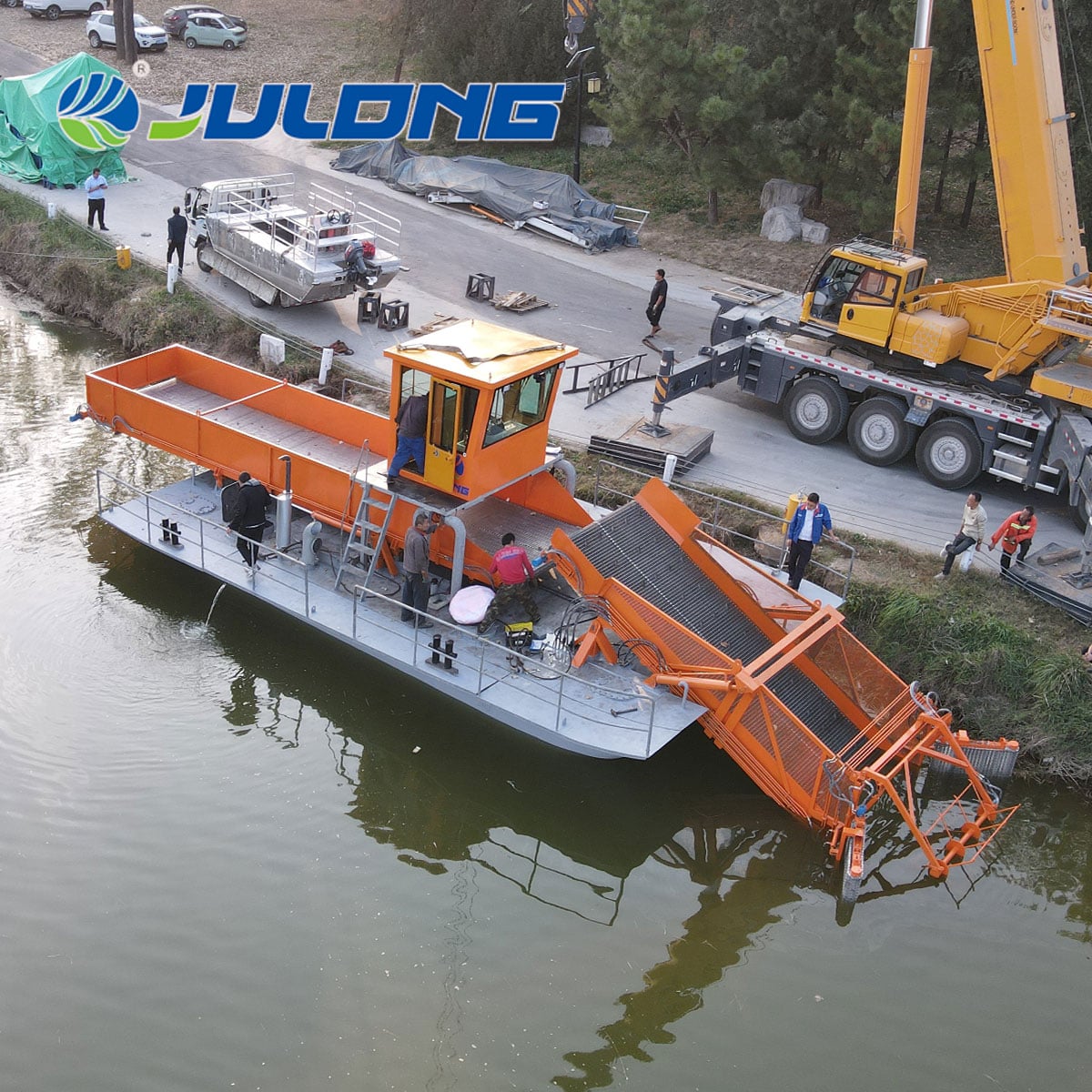
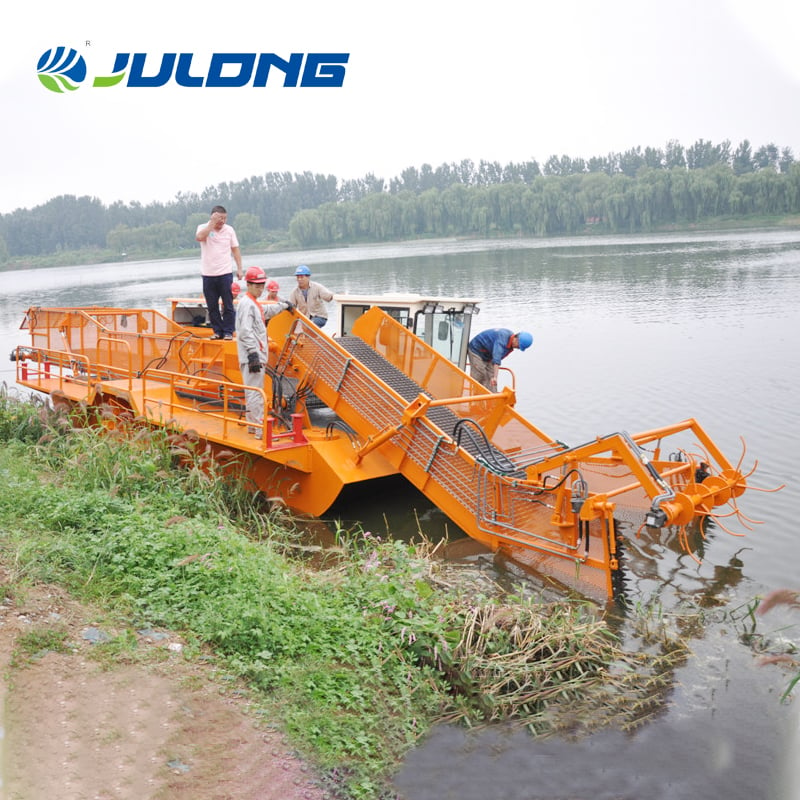
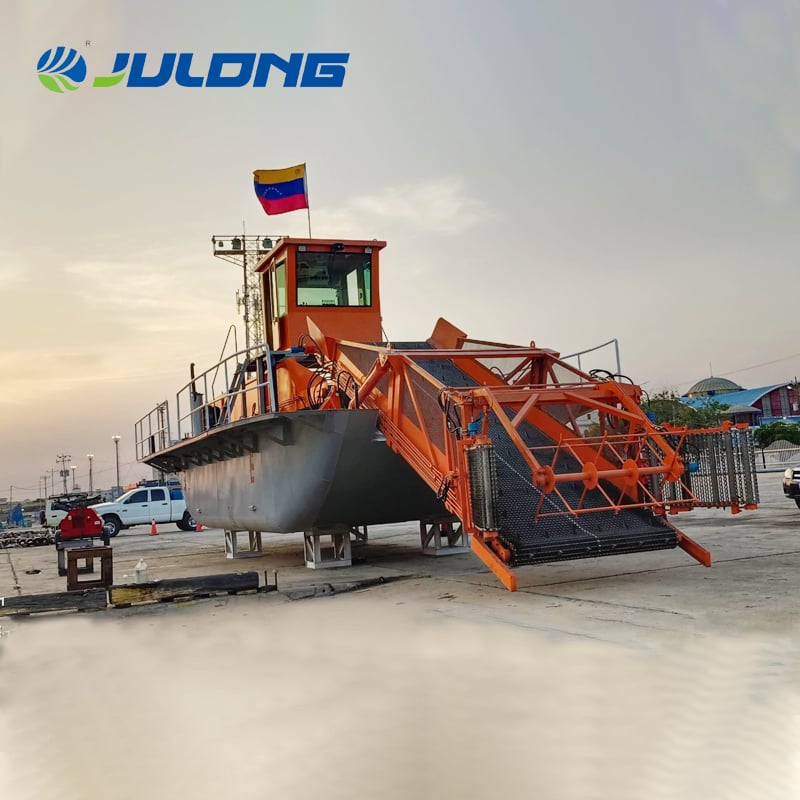
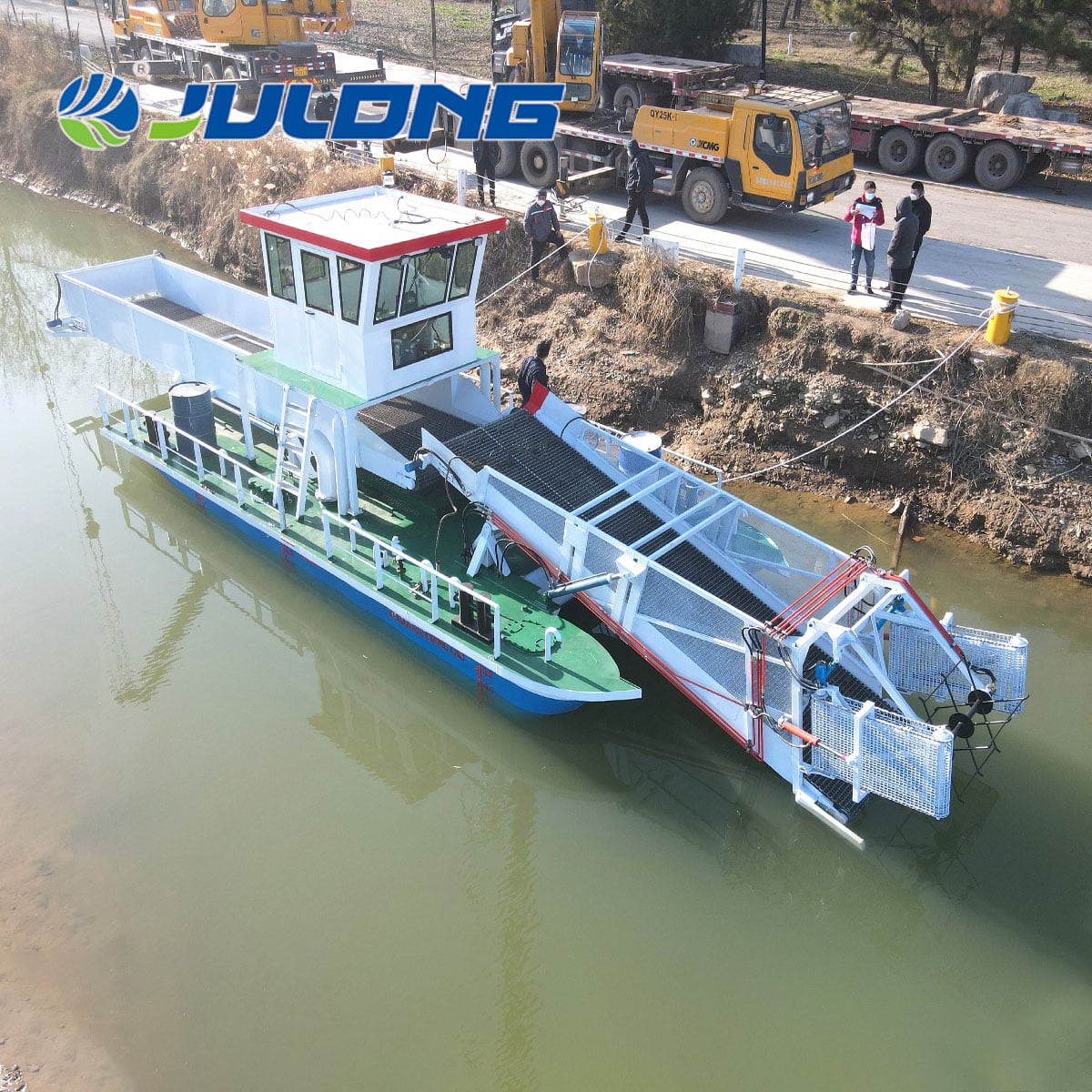
Proper installation and operational guidelines are crucial for maximizing the efficiency of dredge boats. Here are some guidelines to consider:
Site Assessment: Before deploying a dredge boat, assess the site conditions, including water depth, sediment type, and environmental regulations. This dredge boats assessment will guide operational decisions and equipment setup.
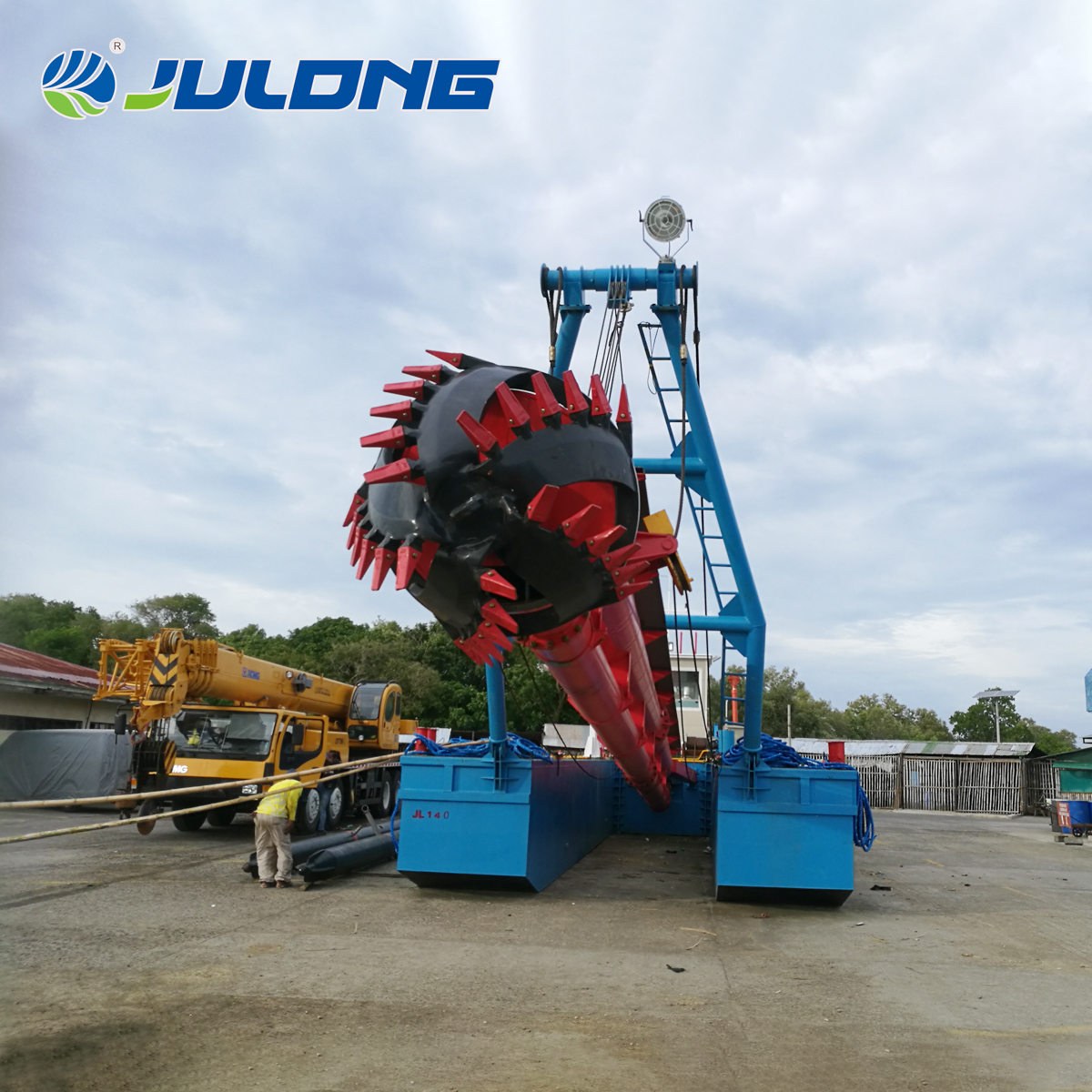
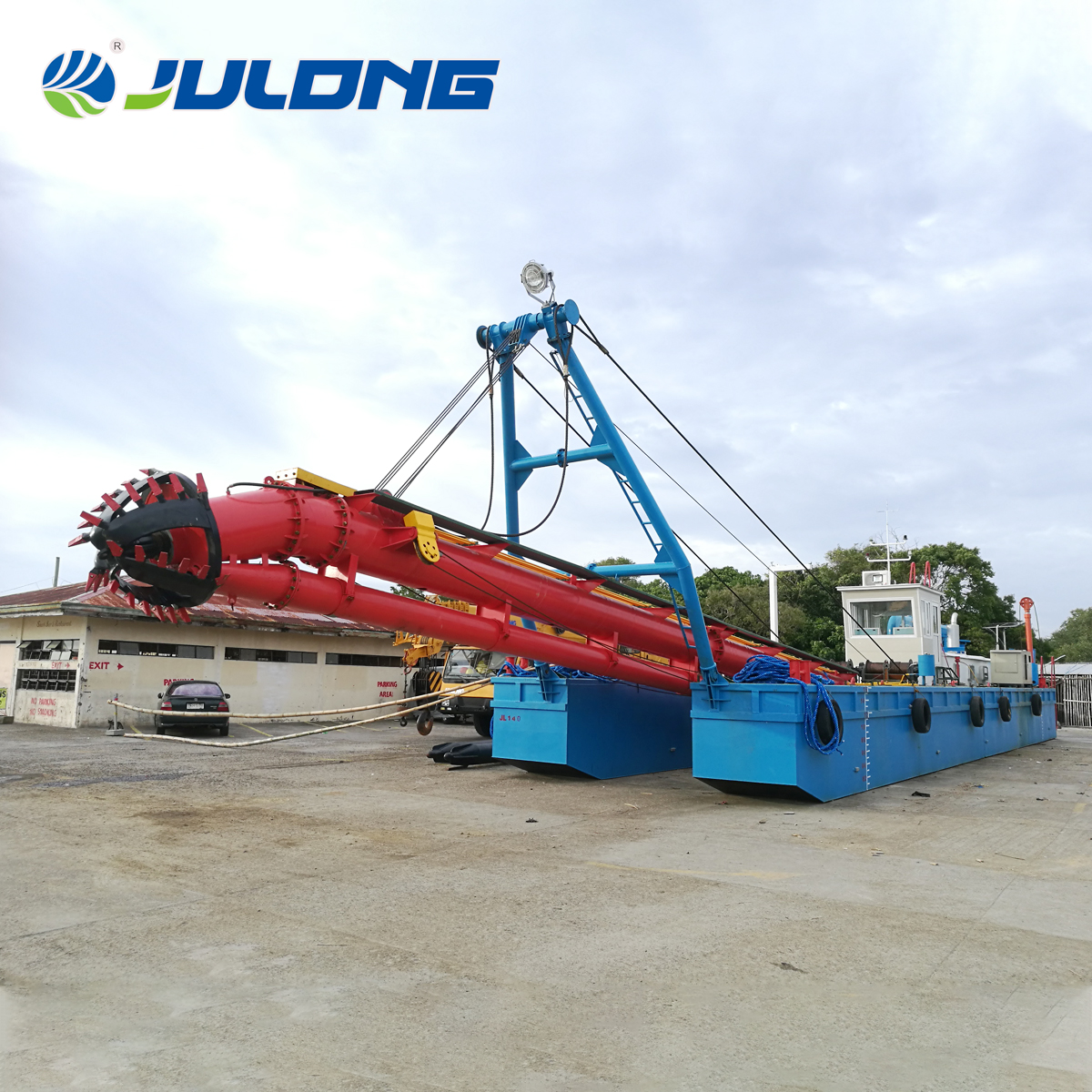
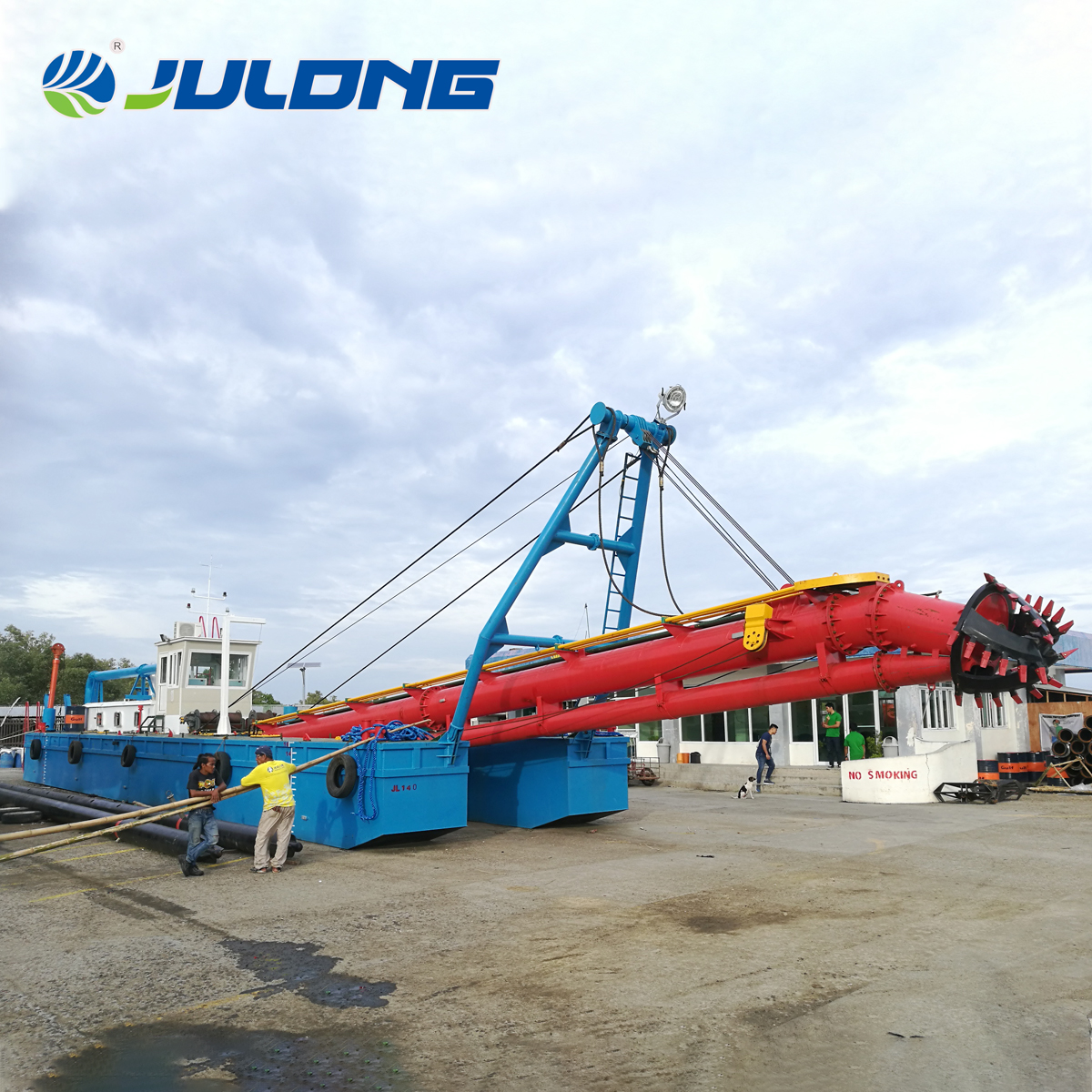
Equipment Configuration: Ensure that the dredge boat is configured correctly for the specific tasks required. This includes adjusting the cutter head and suction systems to optimize performance based on sediment characteristics.
Training Operators: Proper training for operators is essential. Ensure that personnel are familiar with all operational aspects, including safety protocols, equipment handling, and maintenance procedures.
Regular Maintenance Checks: Implement a routine maintenance schedule to inspect and service critical components of the dredge boat. This dredge boats proactive approach minimizes downtime and extends the equipment's lifespan.
Monitoring Performance: Continuously monitor the dredging performance during operation. Use metrics such as sediment removal rates and fuel consumption to assess efficiency and make necessary adjustments.
By following these installation guidelines, buyers can ensure that their dredge boats operate effectively and deliver optimal results in their specific applications.
In summary, understanding what a dredge boat is, along with its specifications, quality control processes, sourcing strategies, applications, and installation guidelines, equips B2B buyers with the knowledge they need to make informed purchasing decisions.
 EN