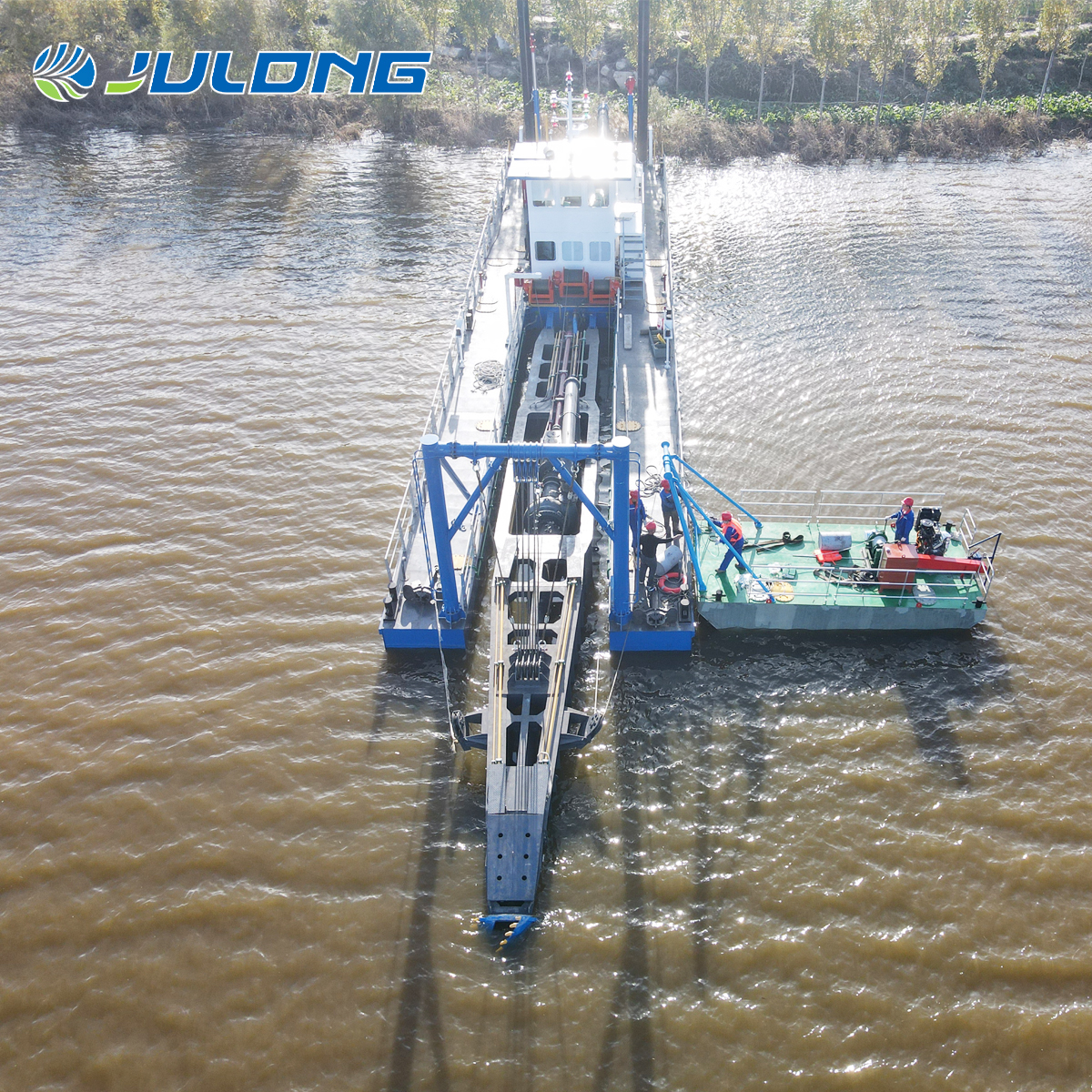
Key Specifications for Cutter Suction Dredgers

application/the-dredgers, application/the-dredgers, 
Inquiry
Inquiry

The dredgers

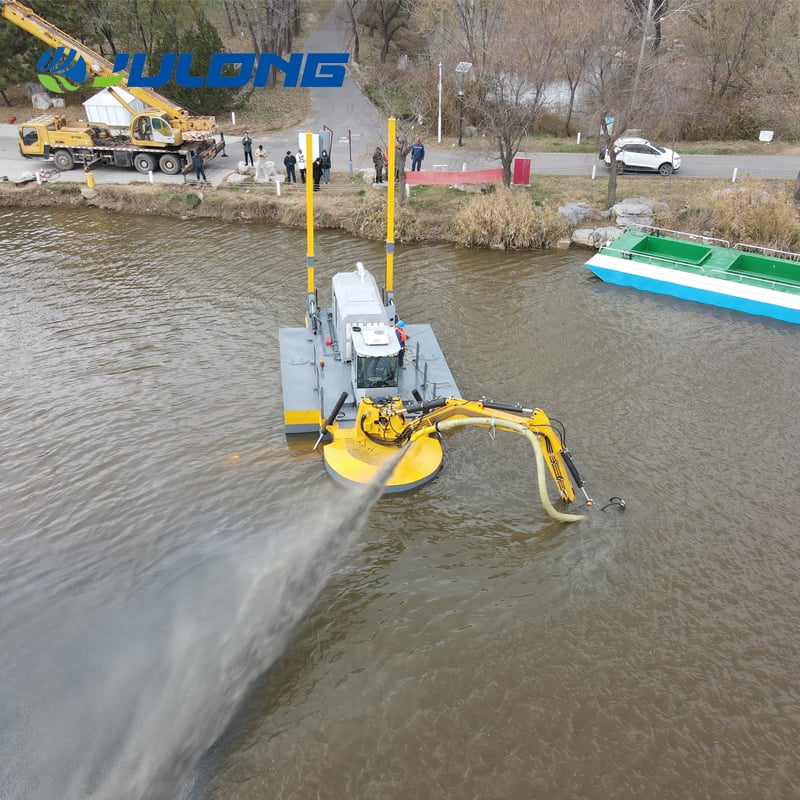
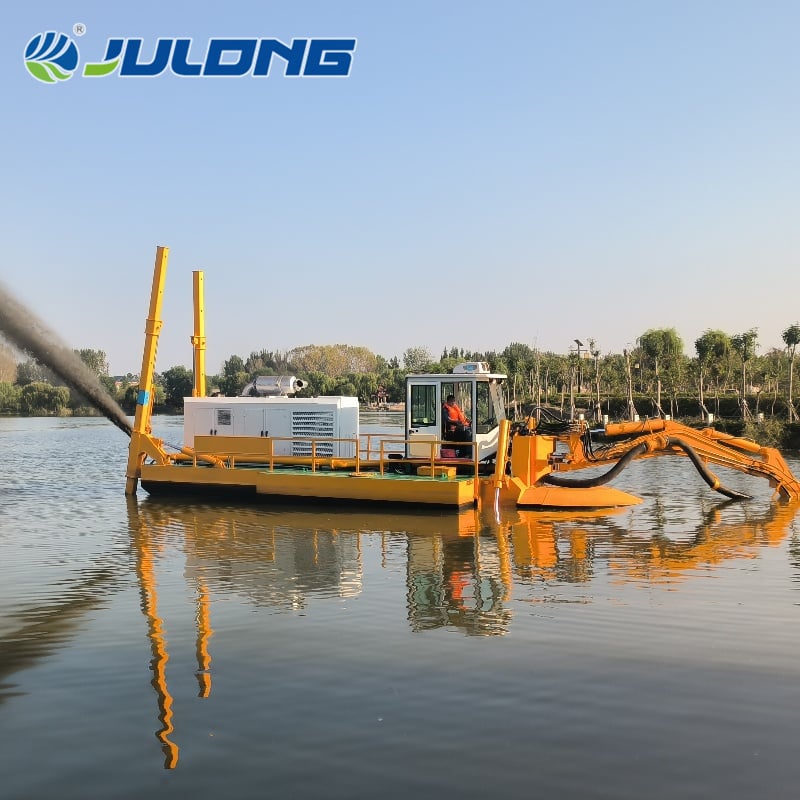
Cutter suction dredgers, amphibious dredgers, and excavators are essential tools in various aquatic and earth-moving projects, particularly in river, lake,  and port operations. As a purchasing manager or buyer, understanding the specifications, cost factors, common issues, and applications of these dredgers is crucial to making informed decisions. This article aims to cutter suction dredgers clarify these aspects, ensuring you are well-equipped to choose the right dredger for your project needs. 

How to Assess Cost Factors When Purchasing Dredgers

How to Assess Cost Factors When Purchasing Dredgers

Cost factors when purchasing dredgers often extend beyond the initial purchase price. Start by considering the total cost of ownership, which includes maintenance, operational costs, and potential downtime. Durable dredgers may have higher upfront costs but can lead to significant savings over their lifespan due to lower maintenance and repair needs. Fuel efficiency is another critical consideration. small dredgers for sale that operate with lower fuel consumption can significantly reduce operational costs, especially for long-term projects. Additionally, assess the availability of spare parts and service support. Dredgers from manufacturers with a strong global presence may offer better support and access to replacement parts, minimizing downtime. Lastly, consider the customization options available. Custom features tailored to specific project needs may increase initial costs, but they can enhance efficiency and effectiveness, leading to better overall value. When requesting quotes, provide detailed information about your project's requirements to receive accurate pricing. 

Common Problems with Dredgers and Effective Solutions

Common Problems with Dredgers and Effective Solutions

Dredgers are complex machines that can encounter various issues during operation. One common problem is clogging, where sediment and debris accumulate in the pump or pipes. Regular maintenance and monitoring can mitigate this risk. Implementing a robust maintenance schedule that includes cleaning and inspecting the dredger components can help prevent clogging and ensure smooth operation. Another frequent issue is mechanical failure due to wear and tear. Using high-quality materials and components can extend the cutter suction dredgers life of critical parts. Buyers should verify the manufacturer's quality assurance processes and inquire about the materials used in the dredger's construction. Understanding these factors can help you select a dredger that will withstand demanding conditions. Additionally, operational inefficiencies can arise from improper dredger setup or operator error. Providing comprehensive operator training can significantly reduce these risks. Ensure that operators are familiar with the dredger's capabilities and limitations to optimize performance and prevent costly mistakes. 

Applications of Dredgers in River, Lake, and Port Projects

Applications of Dredgers in River, Lake, and Port Projects

Dredgers play a vital role in various applications across aquatic environments. In river projects, they are commonly used for sediment removal to maintain navigable waterways, prevent flooding, and support ecological restoration initiatives. Their ability to operate efficiently in confined spaces makes them suitable for riverbank stabilization and habitat enhancement efforts. In lake projects, dredgers help manage pollution by removing contaminated sediments and restoring natural water flow. They are also used in aquatic habitat rehabilitation, where dredging can create favorable conditions for fish and other wildlife. Understanding the specific environmental conditions of the cutter suction dredgers lake is essential for selecting the right dredger type and configuration. In port projects, dredgers are crucial for maintaining shipping channels and ensuring safe navigation for vessels. They are often employed to deepen berths and access channels to accommodate larger ships. The dredging process also supports construction activities, such as building new piers or terminals. The versatility of dredgers allows them to be adapted to various project requirements, making them invaluable in maritime infrastructure development. 

Material Advantages of Our Dredgers for Long-Term Use

The choice of materials used in dredger construction can significantly impact their durability and performance. At Qingzhou JULONG Environmental Technology Co., Ltd., our dredgers are constructed using high-strength, corrosion-resistant materials that enhance longevity. For instance, utilizing high-grade steel not only improves structural integrity but also withstands harsh aquatic environments, reducing maintenance needs. Additionally, we employ advanced welding techniques to ensure that joints are secure and capable of withstanding the stresses of operation. This attention to detail in manufacturing ensures that our dredgers maintain their performance over time, even in challenging conditions. Moreover, the surface treatments applied to our dredgers enhance resistance to abrasion and corrosion, further extending their operational lifespan. This cutter suction dredgers durability translates to fewer repairs and replacements, making our suction dredgers for sale a cost-effective choice for long-term projects. By considering these material advantages, buyers can ensure they select dredgers that will perform reliably and efficiently, ultimately leading to successful project outcomes. 

Key Specifications to Evaluate in Cutter Suction Dredgers

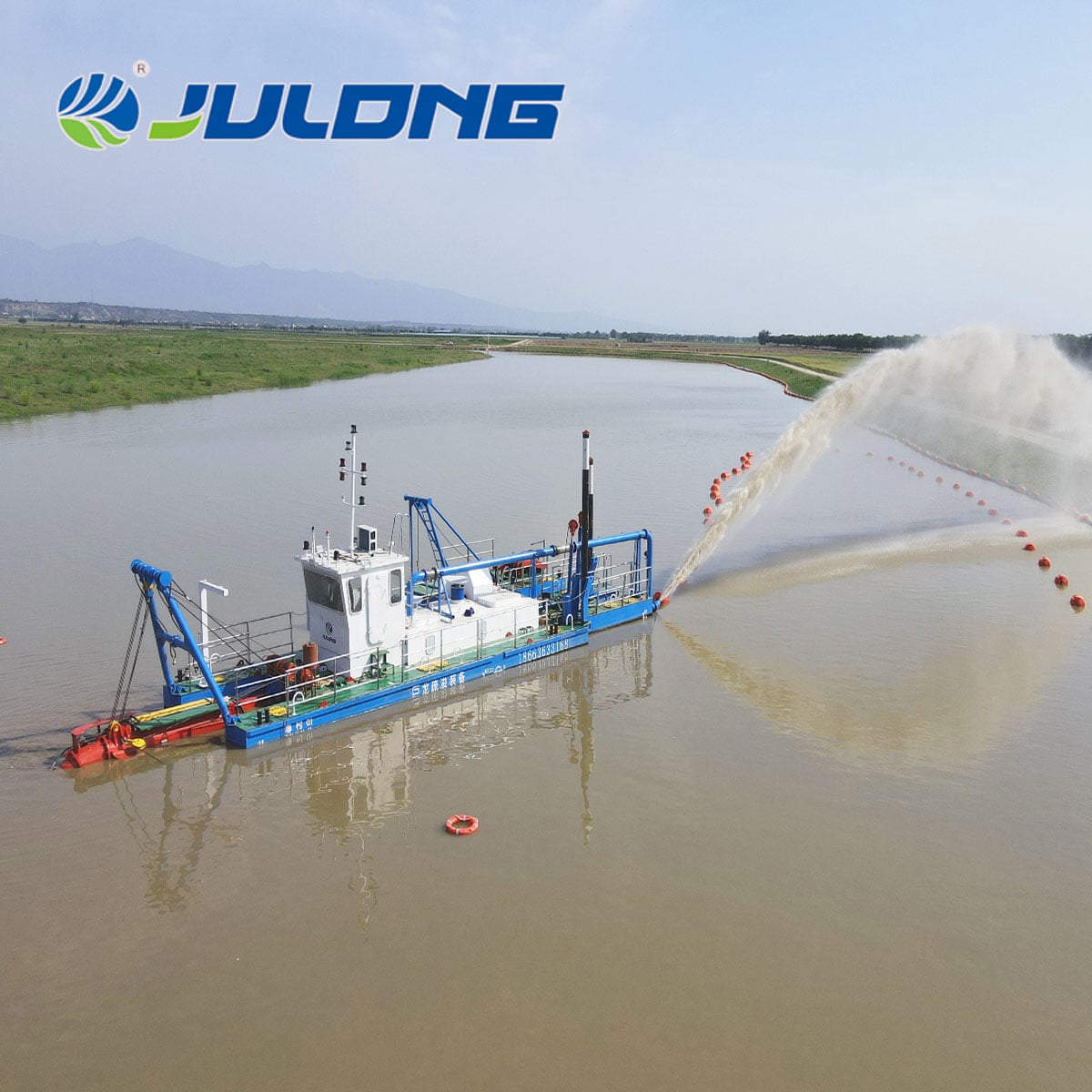
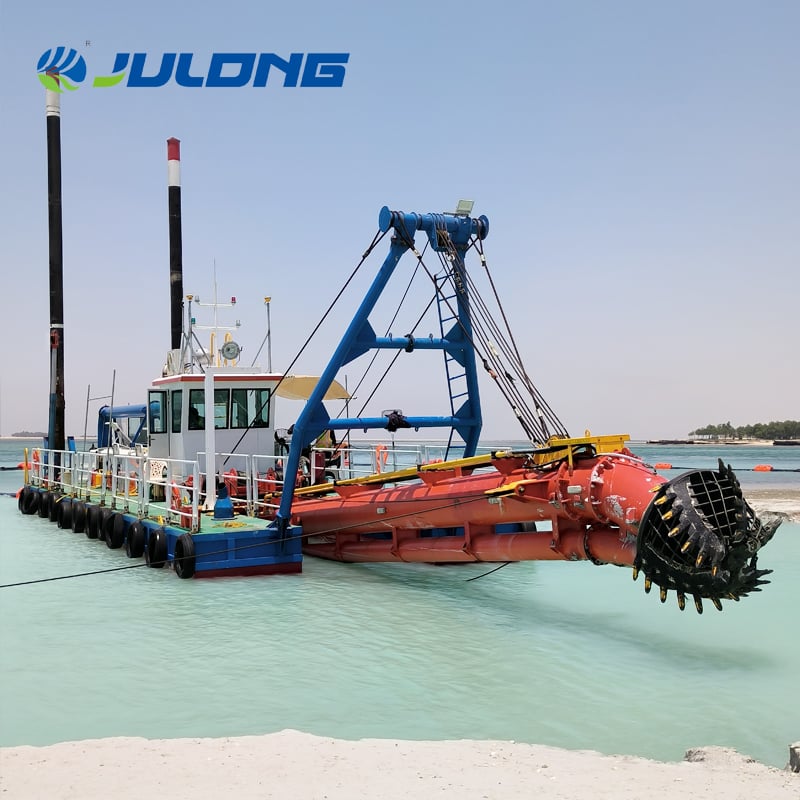
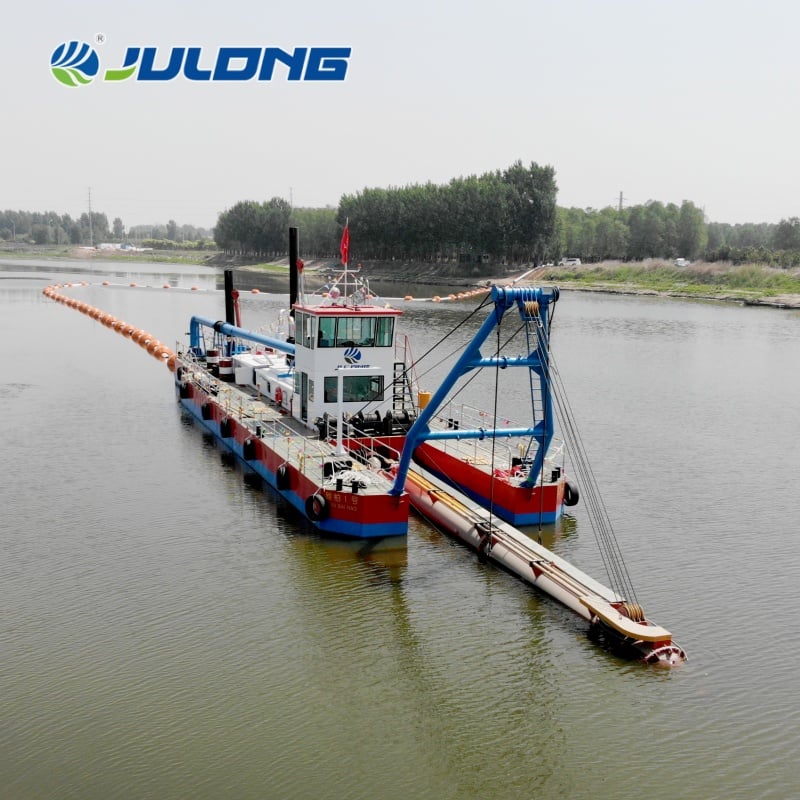
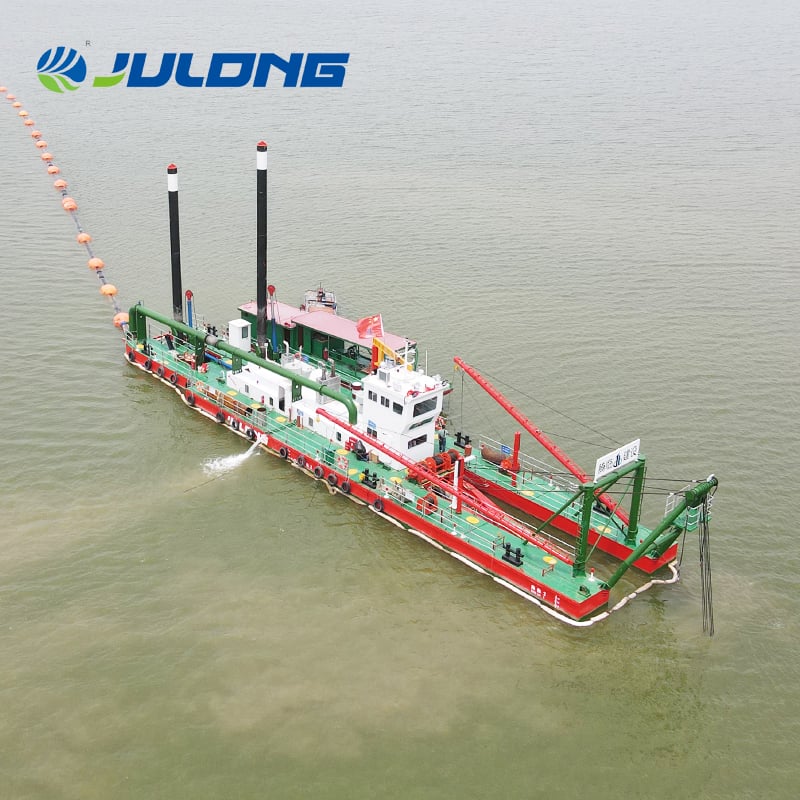
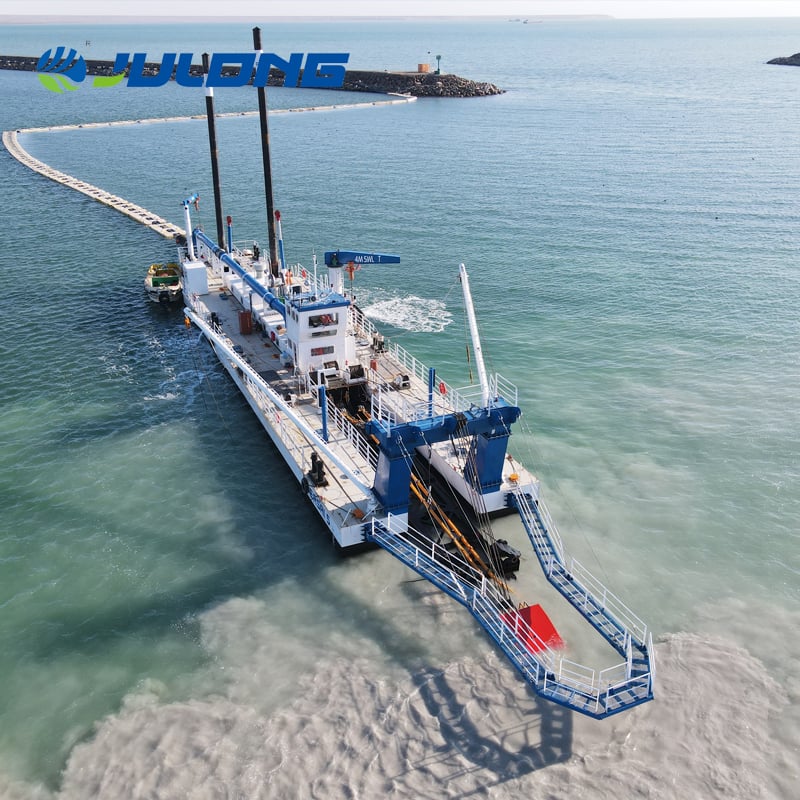
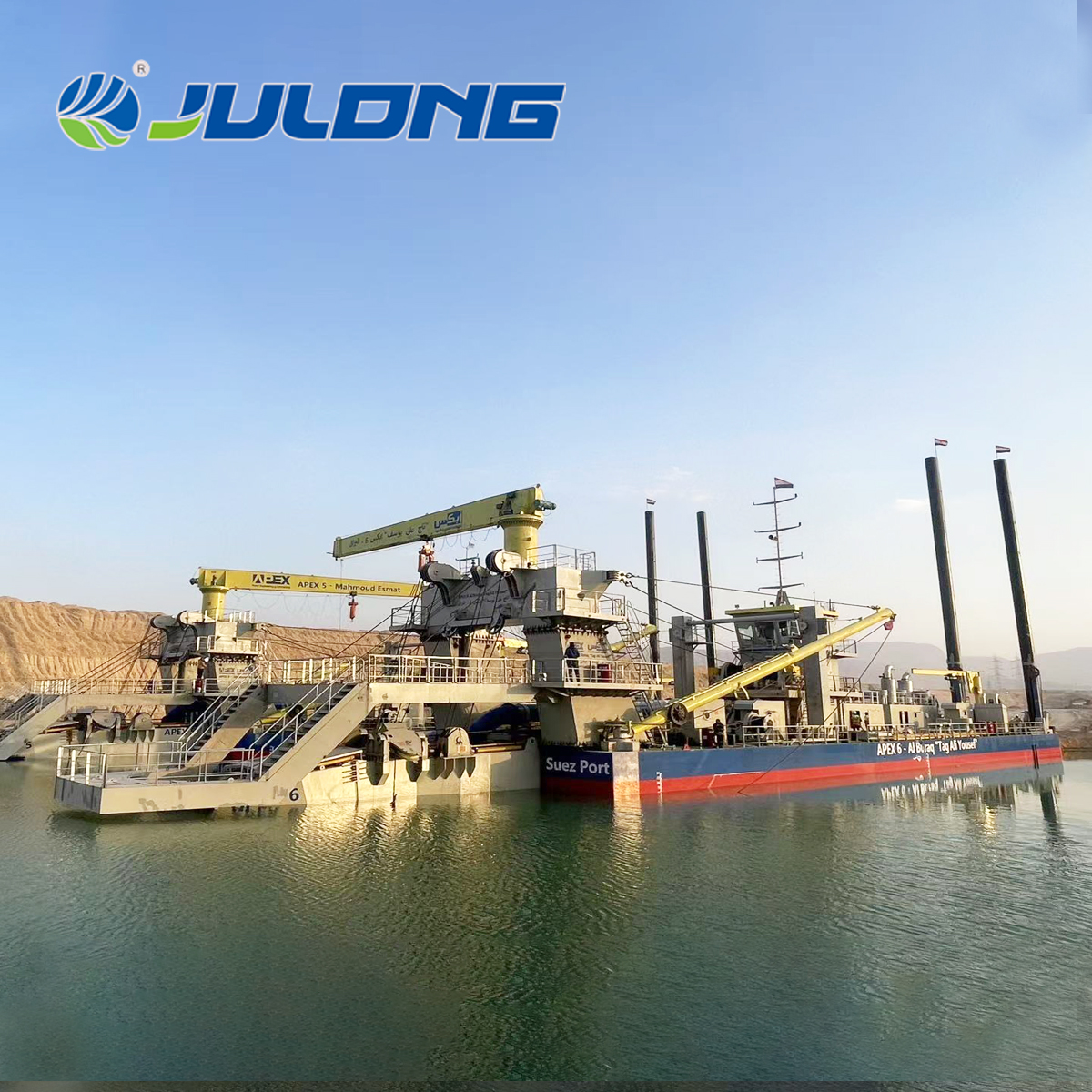
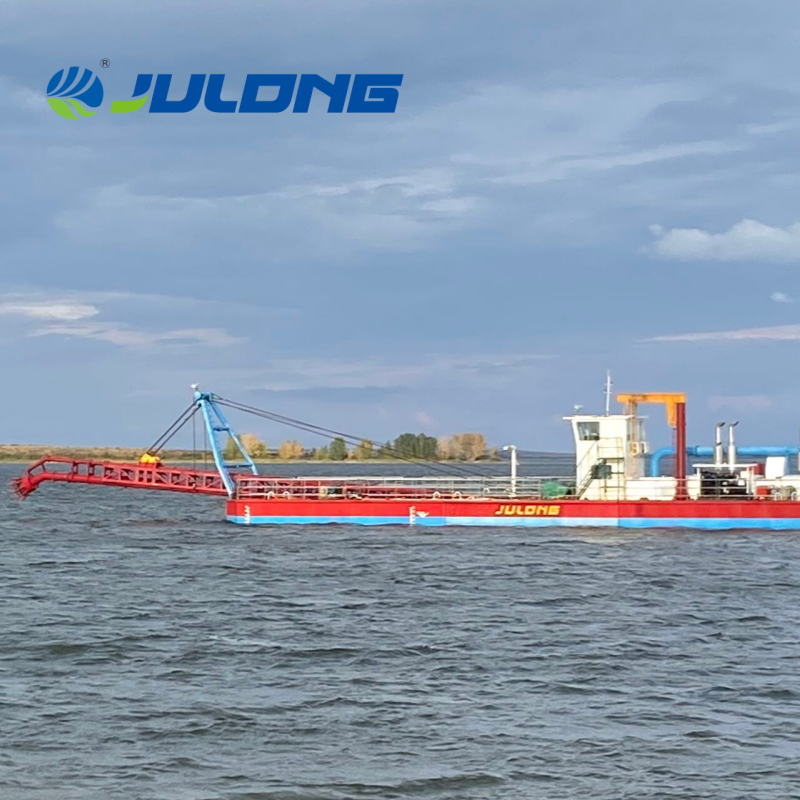
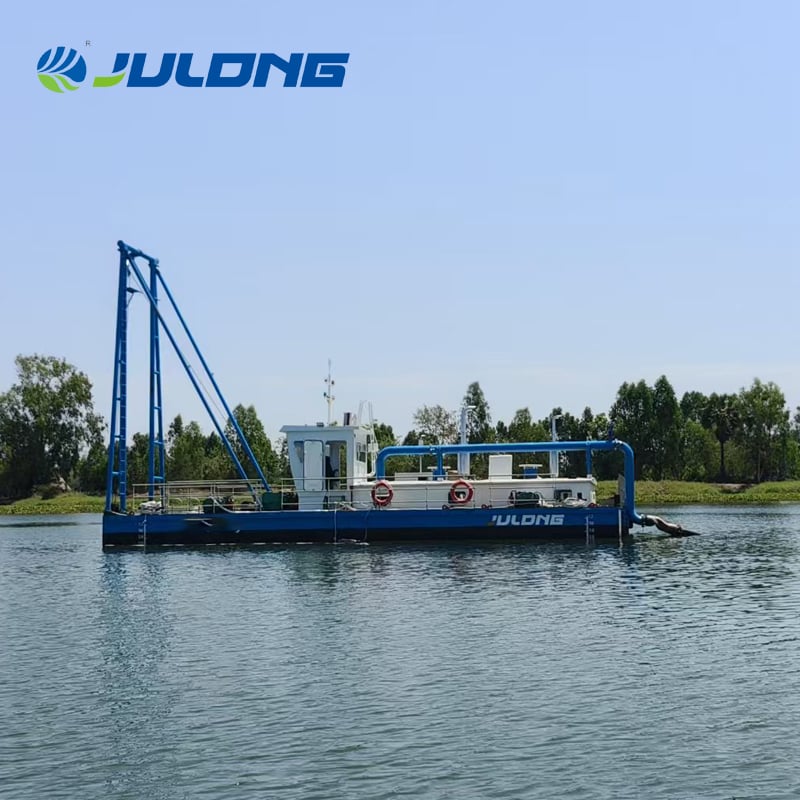
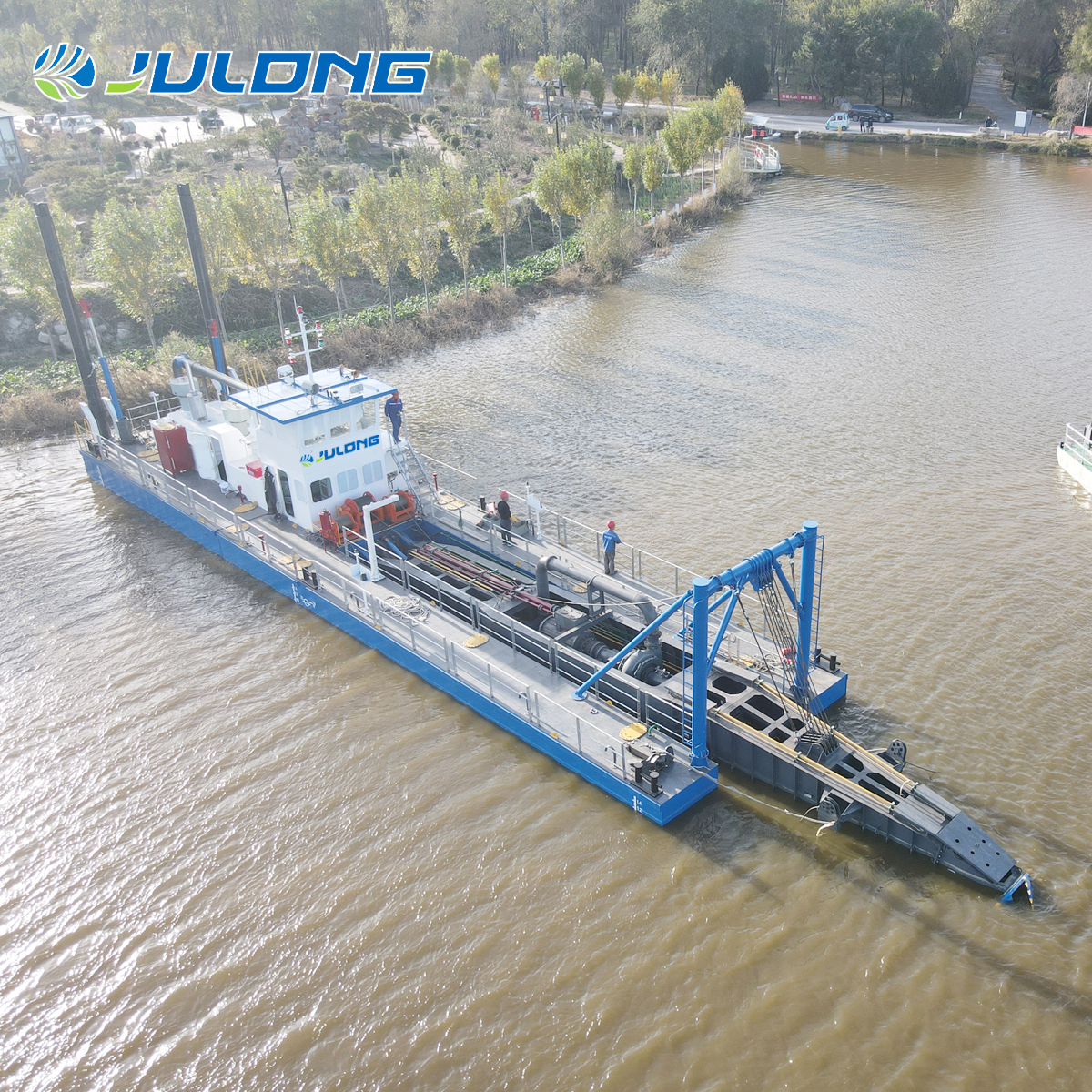
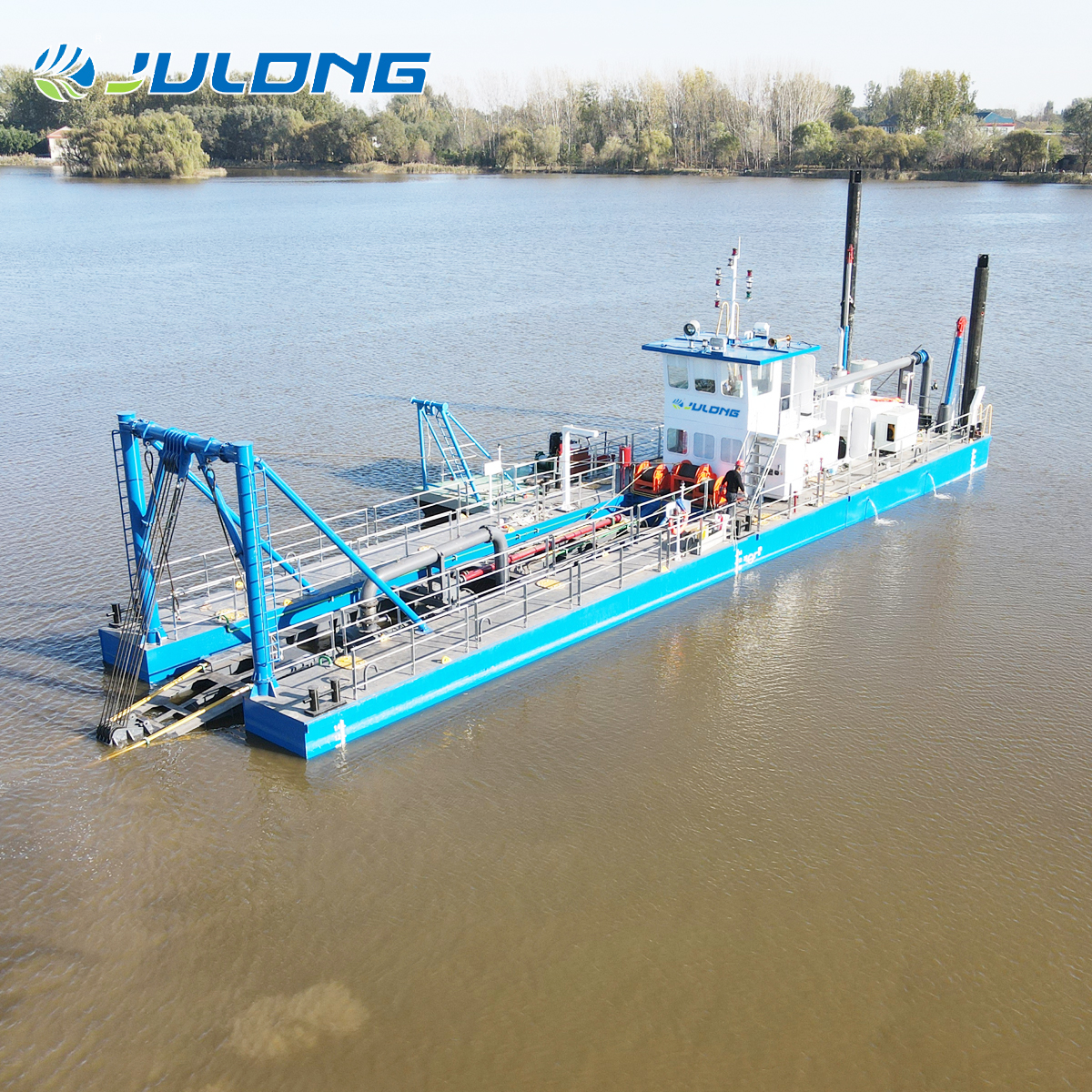
When assessing cutter suction dredgers, several key specifications warrant close examination. First, the dredging depth is critical; it determines how deep the dredger can operate effectively. Depending on your project requirements, ensure the dredger's capabilities align with the depth of the water body involved. Another essential specification is the cutter diameter, which influences the dredger's ability to penetrate various sediment types. A larger cutter diameter typically increases efficiency when dealing with harder materials, but it may also require more power. Additionally, consider the pump capacity, measured in cubic meters per hour (m³/h), which indicates how much material can be moved in a given time frame. This directly impacts the productivity of your operations. Lastly, evaluate the dredger's mobility features. Cutter suction clamshell dredgers may need to navigate restricted areas or operate in shallow waters, so factors like the vessel's draft and maneuverability are vital. Ensure that the dredger's design suits the environmental conditions and operational constraints of your cutter suction dredgers project. 

Frequently Asked Questions

What types of dredgers do you offer?

We supply cutter suction dredgers, amphibious dredgers, and excavator-style dredgers tailored for river, lake, and port projects.
Yes. Our products hold ISO and CE certifications, ensuring compliance with international quality and safety standards.
Our fleet covers small to large-scale projects, from local river maintenance to major port and lake dredging operations.
Yes. We offer technical support, maintenance services, and spare parts to ensure durable, efficient operation throughout the machine lifecycle.
We serve 93 countries and operate a 12,000 m² production facility capable of delivering reliable dredging solutions on schedule.

Get a Free Quote

Our representative will contact you soon.
0/1000