Quality Dredging Equipment for Your Projects

application/dredger-company, application/dredger-company, 
Inquiry
Inquiry

dredger company

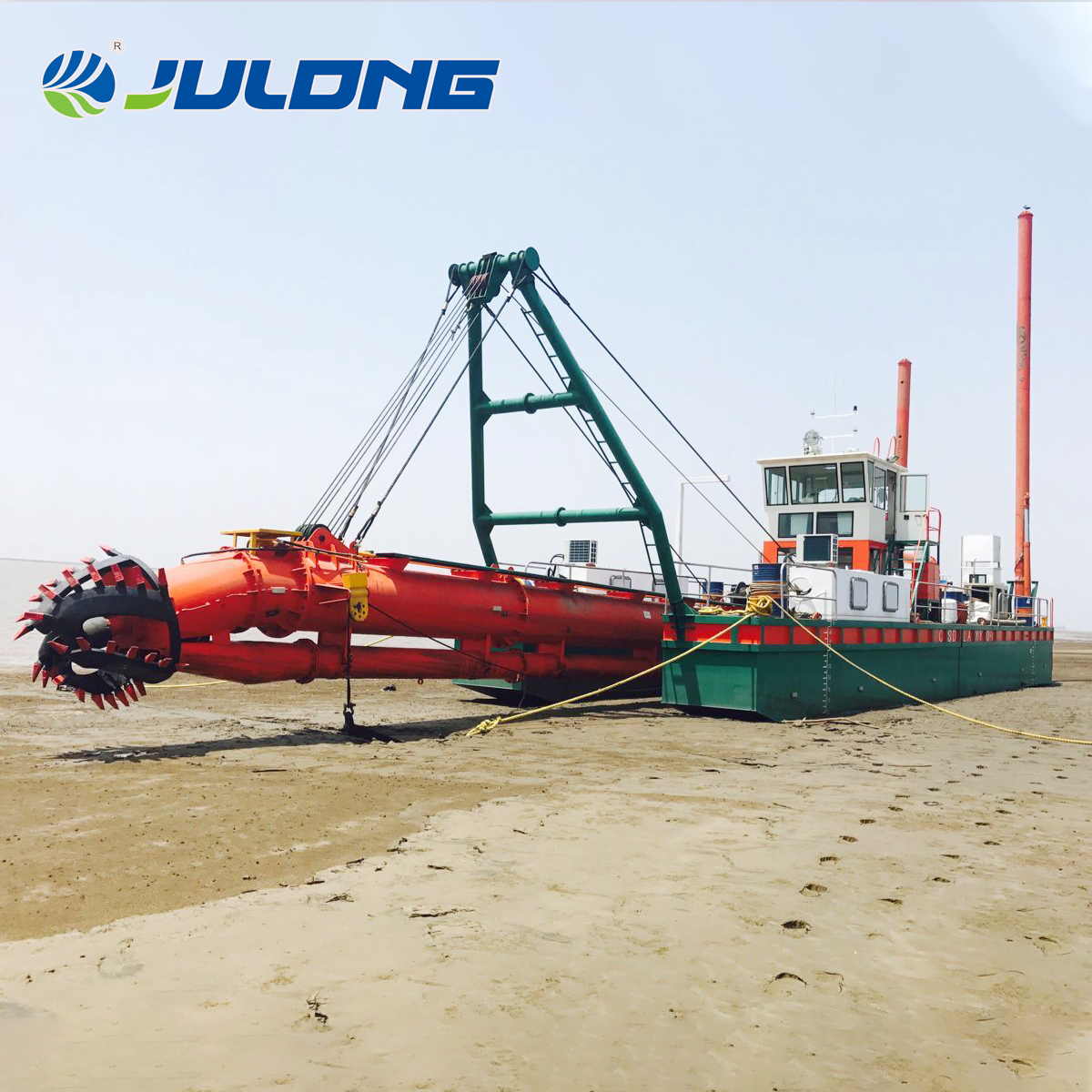
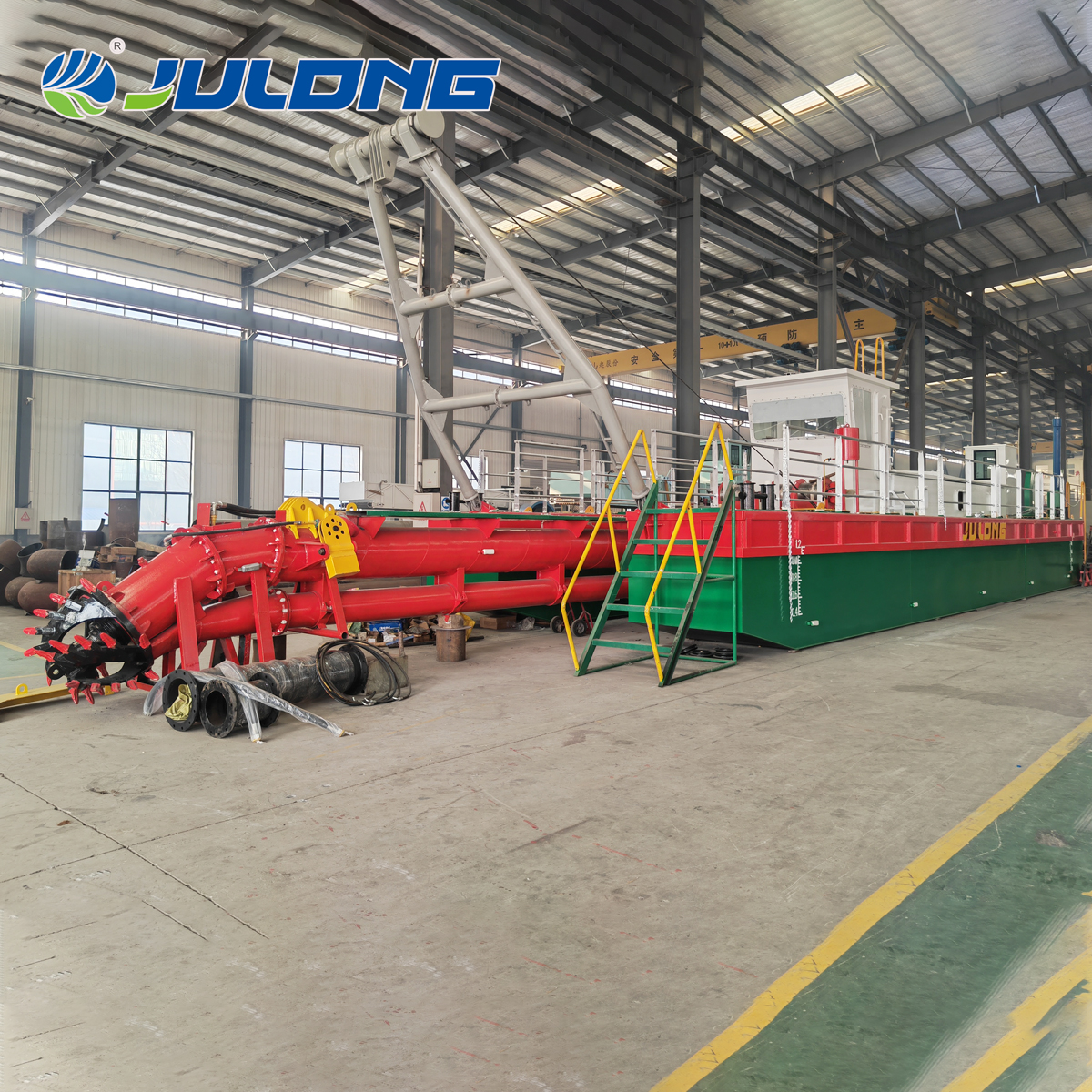
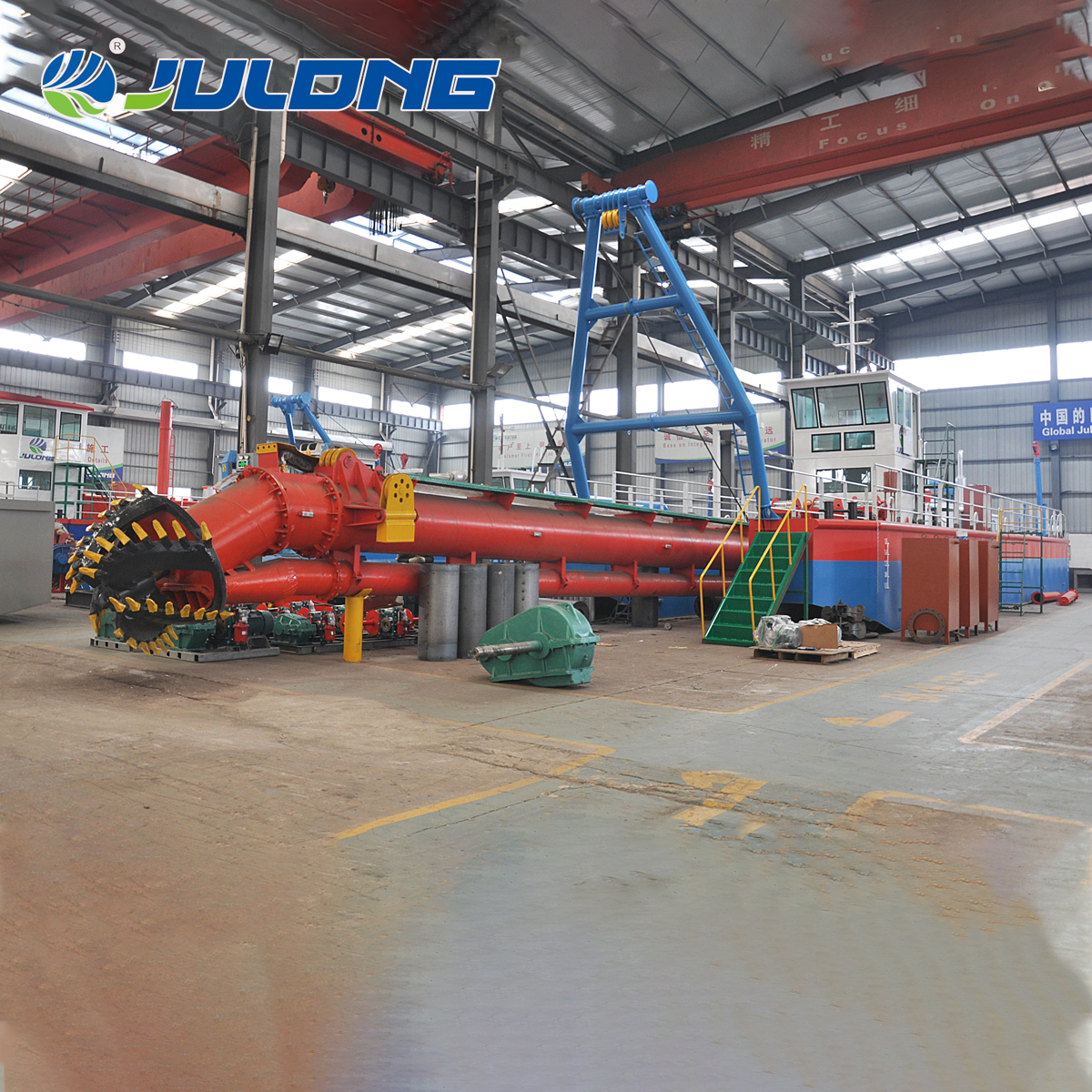
Dredging equipment is  essential for  various projects,  including  river,  lake,  and port developments. As a leading dredger company, Qingzhou JULONG Environmental Technology Co., Ltd.  specializes in providing cutter suction dredgers  and  amphibious dredgers  that are not only durable  but also efficient.  For purchasing managers and project engineers, understanding  how to  evaluate, source, and implement  dredging equipment  is critical. This article will guide you through  key considerations that  will help you make informed  decisions when  selecting dredging equipment for your projects.

Sourcing Reliable Suppliers for Bulk Orders

Sourcing Reliable Suppliers for Bulk Orders

Finding a trustworthy  supplier for bulk orders of dredging equipment is crucial for project success. Here are several strategies to consider:

Industry  Reputation: Research potential suppliers’ reputations within the industry. Look for companies with a proven track record  of  delivering  high-quality  products and excellent customer service.

Capability to Handle Bulk Orders: Confirm  that the supplier has the capacity to meet your order size  and timeline. This includes evaluating their production capabilities and lead times.

Customization Options: If your project  has specific requirements, check if the supplier offers  customization  services. A good supplier should be able to accommodate special requests regarding specifications, features, or branding.

Logistics and Support: Assess  the supplier's logistics capabilities, including shipping  options and  support for installation or maintenance. Good suppliers  will provide comprehensive support  to ensure a smooth delivery and set-up process.

Sample Quality  Assurance: Before committing to a bulk order, request samples of the dredging equipment. This  allows you to inspect the quality firsthand  and ensure it meets your expectations.

By following these guidelines, you can establish a reliable partnership with your  supplier, minimizing risks and ensuring project success.

Understanding the Cost Factors of Cutter Suction Dredgers

Understanding the Cost Factors of Cutter Suction Dredgers

When  evaluating  the cost of cutter suction dredgers, various factors  come into  play that can affect the  final price. Understanding  these can help you  budget accurately:

Initial Purchase Price: This includes the base cost of the  dredger itself, which can vary based on size, features, and technology. Compare different models to find  one that fits your budget while still meeting performance needs.

Operational Costs: Consider  fuel  efficiency, maintenance, and repair costs. Efficient machines  may have a higher upfront cost but can save money in the long run through lower operational expenses.

Customization Fees: If you require specific modifications, these can add to the overall cost. Ensure you discuss any customization needs upfront to get accurate pricing.

Shipping and Handling: Depending on the supplier's location, shipping fees can significantly impact the total cost.  Be sure to factor in any additional handling charges that may apply.

Financing Options: Some suppliers may offer financing or leasing options, which can help spread out the cost over  time and make high-quality  dredging equipment more  accessible.Multi-Function Work Boat

By carefully analyzing these cost factors, you can make  a  more informed purchasing decision that aligns with  your budget and project requirements.

Common Problems in Dredging Projects and Effective Solutions

Common Problems in Dredging Projects and Effective Solutions

Dredging projects can encounter a  variety of challenges. Being aware of these issues can help in devising  effective solutions:

Equipment Failure: Mechanical issues can lead to project  delays. Regular maintenance and pre-project inspections  can help mitigate this risk. Ensure  your supplier provides a comprehensive maintenance plan and readily available spare parts.

Environmental Challenges: Dredging in  sensitive ecological zones may lead to environmental concerns. Engage environmental consultants early  in the planning process to  ensure compliance with regulations and minimize impact.

Inadequate Performance: Selecting equipment that  does not meet the project specifications  can cause inefficiencies. Always  verify that the dredger's capabilities align with project needs before finalizing the purchase.

Logistical Issues: Delays in shipping or handling  can disrupt project  timelines. Establish clear communication with your supplier regarding delivery schedules and logistics planning.

Budget Overruns: Unexpected costs can arise from various sources. Create a  buffer in  your budget for  unforeseen expenses and maintain a clear line of  communication with all  stakeholders involved.

By understanding these  common problems and implementing proactive measures, you can enhance the likelihood of a successful dredging project.

Where to Use Cutter and Amphibious Models

Cutter suction dredgers  and amphibious dredgers serve unique purposes in various applications. Understanding where to deploy each  type  can optimize project outcomes:

Cutter  Suction Dredgers: These are ideal for deep-water dredging and are commonly  used in ports,  rivers, and  lakes with significant sediment build-up. They can efficiently remove hard materials  and are suitable for large-scale projects  requiring high  capacity.

Amphibious Dredgers: These versatile machines  are designed for shallow waters and marshy terrains. They excel  in environments where conventional dredgers  cannot operate efficiently, such as wetlands  and swamps. Amphibious dredgers can also transition between land and water, making them suitable for projects that require flexibility.

Specialized Applications: Both types can be equipped with various attachments for  specialized tasks, such as dredging for construction materials or environmental restoration. Discuss your specific  application with the supplier to ensure you select the right model with the necessary features.

By understanding  the optimal use  cases for  each type of dredging equipment, you can enhance project efficiency and effectiveness, ensuring  that your investment yields the best possible results.

How to Evaluate the Quality of Dredging Equipment for Your Projects

When assessing the quality of  dredging equipment, several factors should be  considered to ensure optimal  performance and  longevity.

Material and Construction: The materials used in the dredging equipment can significantly impact  its durability and efficiency. For  instance, high-strength steel is often preferred  for its resistance to corrosion and wear, especially in harsh aquatic environments.

Performance Specifications: Evaluate the technical specifications such as dredging depth, pump capacity, and power requirements. These metrics will help you determine if the equipment  meets the demands of  your specific project.

Certifications: Look for  equipment that carries international certifications like ISO and  CE. These  certifications indicate that the equipment has undergone rigorous testing and meets international quality standards.

Quality Control  Processes: Investigate the manufacturer’s quality control  measures. A  reliable amphibious equipment company will implement strict quality checks throughout the manufacturing process to ensure that each unit meets specifications.

Customer Feedback  and Case Studies: Researching past customer experiences  and case studies can provide valuable insights into the equipment's performance in real-world conditions.

By focusing on these aspects, you can ensure  that the dredging equipment selected  will deliver the expected results  for your project.

Frequently Asked Questions

What types of dredgers do you manufacture?

We manufacture cutter suction dredgers, amphibious dredgers, and excavator-type dredgers for river, lake, and port projects.
We hold ISO and CE certifications, ensuring compliance with international quality and safety standards.
Our equipment suits small to large projects in rivers, lakes, ports, and wetlands, including shallow and soft-bottom conditions.
Yes. We offer technical support, training, maintenance guidance, and supply genuine spare parts to ensure long-term performance.
We serve 93 countries and operate a 12,000 square meter facility for production, testing, and quality control.

Get a Free Quote

Our representative will contact you soon.
0/1000