Hydraulic Dredger Specifications and Applications

application/hydraulic-dredger, application/hydraulic-dredger, 
Inquiry
Inquiry

hydraulic dredger

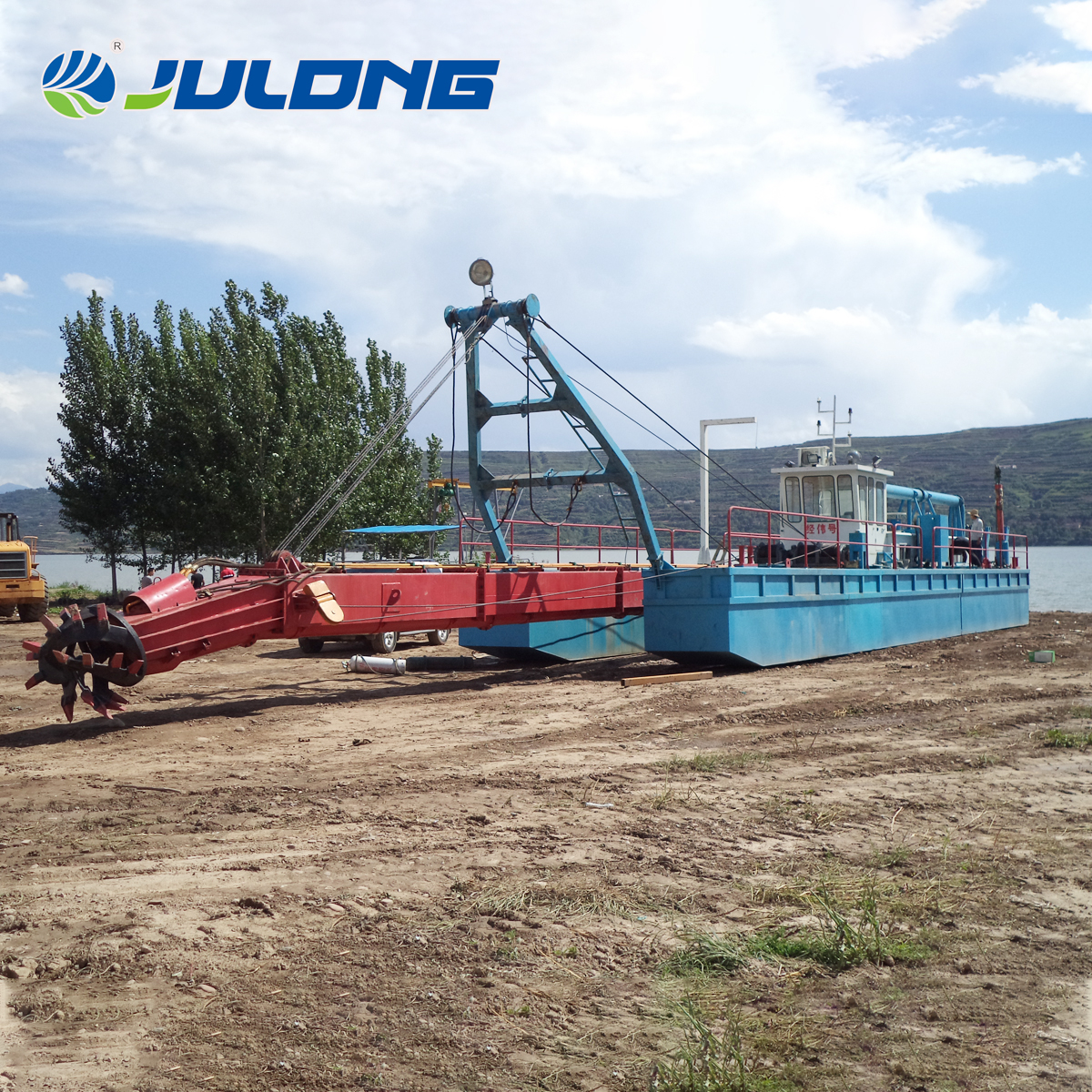
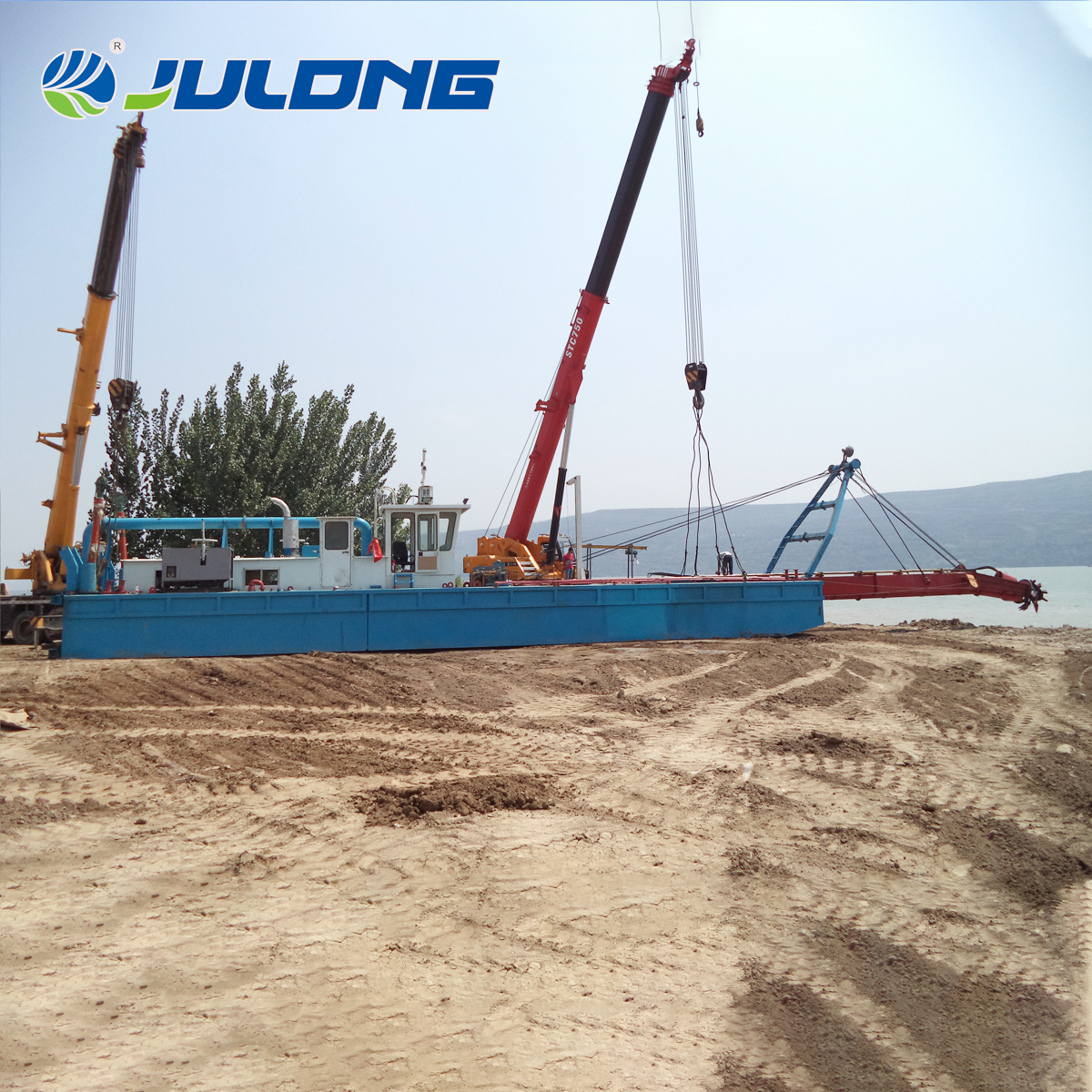
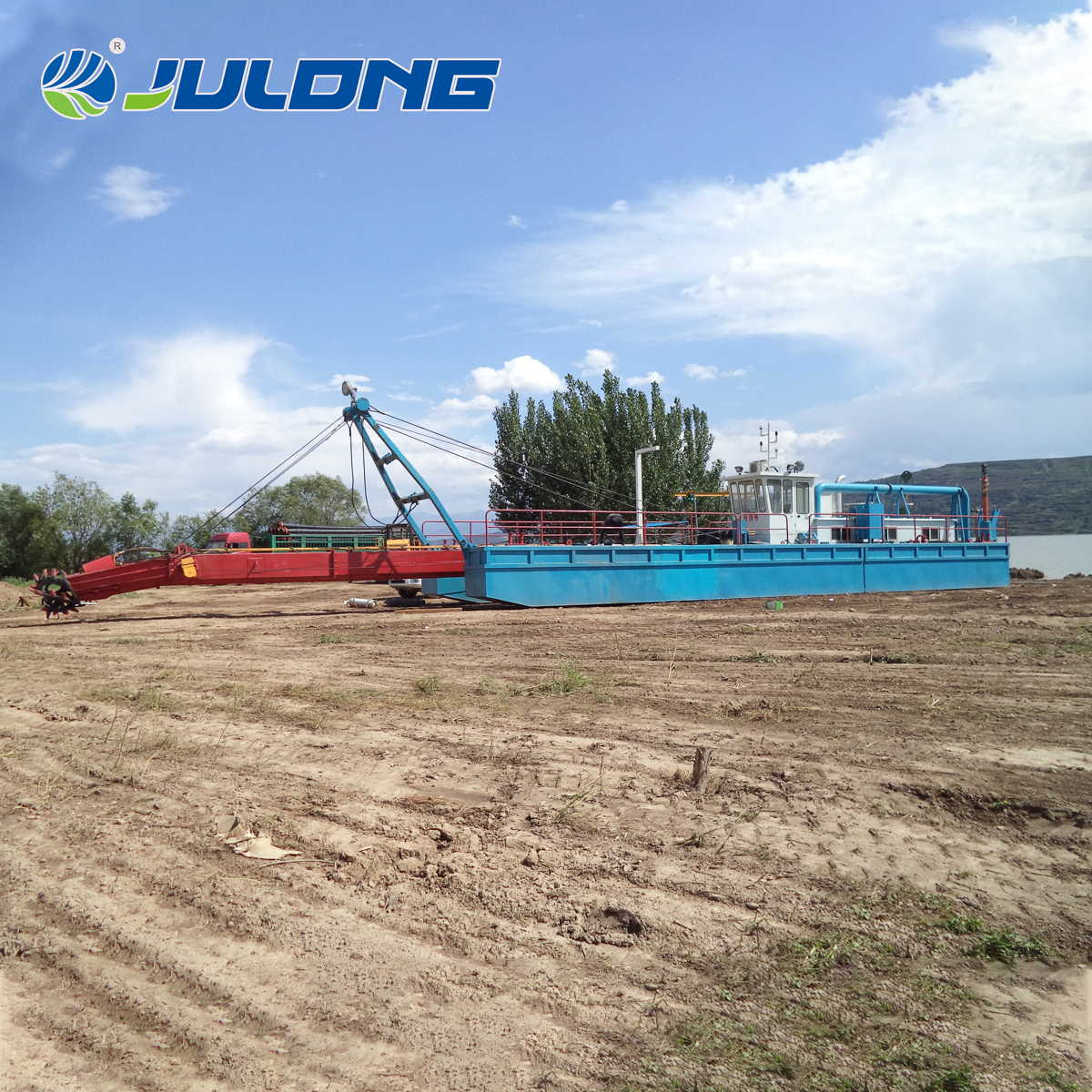
Hydraulic dredgers  are essential equipment for various marine and environmental  projects, designed  to excavate  and remove sediment  from water bodies such as rivers, lakes,  and  ports.  For B2B buyers, understanding the specifications,  quality evaluation, and cost factors  associated  with hydraulic dredgers  is crucial. This article will provide insights  that  help  purchasing managers, engineers, and  project managers  make informed decisions  when sourcing hydraulic dredgers for their specific  applications. Additionally, buyers may also consider exploring options like Aquatic Cleaning Boat for complementary solutions in aquatic environments.

 
Evaluating Quality Standards in Hydraulic Dredgers for Wholesale

Evaluating Quality Standards in Hydraulic Dredgers for Wholesale

Evaluating the quality  of hydraulic  dredgers involves several important steps:

Certifications: Verify that  the manufacturer has necessary certifications,  such as  ISO and CE, which indicate compliance with international standards for quality and safety.

Quality  Control  Processes: Inquire about  the manufacturer's quality control (QC) measures throughout the  production process. Effective QC systems ensure that each dredger meets the  required standards before  it leaves the factory.

Material Quality: Inspect the materials used in the dredger's construction. High-quality materials can significantly reduce maintenance costs and increase the dredger's lifespan.

Performance Testing: Request performance testing data or samples. Testing  under real operating conditions can help  assess the dredger's efficiency and  reliability.

Customer Reviews and Case Studies: Look for testimonials or case studies from previous  customers. Insights into  real-world performance can provide a clearer picture of the dredger's capabilities and any  potential issues.

By conducting thorough  evaluations, buyers can mitigate risks and ensure they are investing in reliable  hydraulic dredging  equipment.

Common Problems with Hydraulic Dredgers and Their Solutions

Common Problems with Hydraulic Dredgers and Their Solutions

The cost  of hydraulic dredgers is influenced by various factors that buyers  should be aware  of:


Manufacturing Complexity: Dredgers with  advanced features, such as automated controls or specialized attachments, generally incur higher manufacturing costs.


Material Costs: The raw materials used in the  dredger's construction  directly affect  the  overall cost. High-quality,  durable materials may result in a higher initial price  but  can offer better  long-term  value.

Customization: Customization options, such as specific dimensions, power configurations, or additional  features, can increase costs. Buyers should weigh the benefits of customization  against their budget.

Shipping and  Import Fees: For international purchases, shipping costs and import duties can significantly impact the total expenditure. Understanding these costs upfront can help in budgeting.

After-Sales Support and Warranty: Consider the manufacturer's warranty and the availability of after-sales services. A longer warranty or robust support  can justify a higher initial purchase  price.

By considering these cost factors, buyers can make informed financial decisions while ensuring they meet their operational requirements.

What Buyers Need

What Buyers Need

Before  initiating the procurement process for hydraulic dredgers,  buyers should prepare specific  information to facilitate discussions with  suppliers. Here are  essential details  to gather:

Project Specifications: Clearly  outline the dredging depth, width, and expected material type. Required Performance: Specify  desired pump  capacity  and  operational  speed. Customization Needs: Identify any project-specific requirements or adaptations. Quantity: Determine the number of  units needed, as this may influence pricing and lead time. Budget  Constraints: Set a budget range to guide supplier negotiations.

Having this information  ready  will streamline  the RFQ  process and help suppliers  provide accurate quotations and options tailored to the  project.

Applications of Hydraulic Dredgers in Environmental Projects

Hydraulic dredgers play  a vital role in numerous environmental projects, including:

Sediment Removal: In rivers and lakes, hydraulic dredgers are used  to remove sediment build-up, improving water flow and reducing flood risks.

Port Maintenance:  Dredgers  are essential for maintaining navigable depths in ports, ensuring that vessels can safely dock  and navigate.

Habitat Restoration: In environmental restoration  projects, dredgers help remove contaminated sediments, allowing for  the rehabilitation of  aquatic ecosystems.

Land  Reclamation: Hydraulic dredging is used to create new land by depositing dredged materials in designated areas,  often for urban development or infrastructure projects.

Infrastructure Construction: These  dredgers support large-scale  construction projects  requiring deep excavation  in marine environments, such as bridges and offshore installations.


Understanding these applications can help buyers  align procurement with specific project  goals and environmental considerations.  Furthermore, for certain projects, exploring options like Multi-Function Work Boat may also be beneficial.


By  comprehensively evaluating specifications, quality, and cost factors,  along with understanding the applications of hydraulic dredgers, B2B buyers can make informed decisions that meet their operational needs and project objectives.

Understanding Hydraulic Dredger Specifications for Bulk Orders

When sourcing hydraulic dredgers, several key  specifications should be evaluated to  ensure the equipment meets project requirements.

Dredging Depth and Width: The dredging depth indicates how deep the dredger can excavate, while the width  indicates the area it can cover. Buyers should assess  the project specifications to determine the necessary dimensions.

Pump Capacity: This refers to the volume of material the  dredger  can move  per unit of time, measured in cubic meters per hour (m³/h). A higher pump  capacity is essential for larger projects with significant sedimentation.

Power Source: Hydraulic dredgers can be powered by diesel engines, electric motors, or  hybrid systems.  The chosen power source should align with operational needs, environmental regulations,  and fuel availability.

Material Construction: The materials used  in construction, such as high-strength steel or aluminum, affect durability and resistance to corrosion. Buyers should consider local environmental conditions,  including salinity and temperature, which may influence material selection.

Mobility: Depending on the project site, the dredger's mobility—whether it is  a  cutter suction dredger, amphibious  dredger,  or  a stationary unit—can impact operational efficiency. Buyers might also look into Amphibious Equipment for enhanced mobility solutions.

Understanding these specifications allows  buyers to select a hydraulic dredger that aligns with their project's unique demands.

Frequently Asked Questions

What applications suit this hydraulic dredger?

Ideal for river, lake, and port dredging, sediment removal, channel maintenance, and reclamation projects where cutter suction or hydraulic excavation is required.
Manufactured under ISO and CE standards to ensure safety, reliability, and compliance with international quality requirements.
Operating depth and capacity vary by model; we provide customized specifications to match project depth, flow rate, and production targets.
Yes. We provide customized designs, installation guidance, training, spare parts, and technical support to ensure long-term performance.
We serve 93 countries and operate a 12,000 m² facility dedicated to producing durable, efficient hydraulic dredging equipment.

Get a Free Quote

Our representative will contact you soon.
0/1000