Key Features and Specifications of Suction Dredgers

application/suction-dredger, application/suction-dredger, 
Inquiry
Inquiry

suction dredger

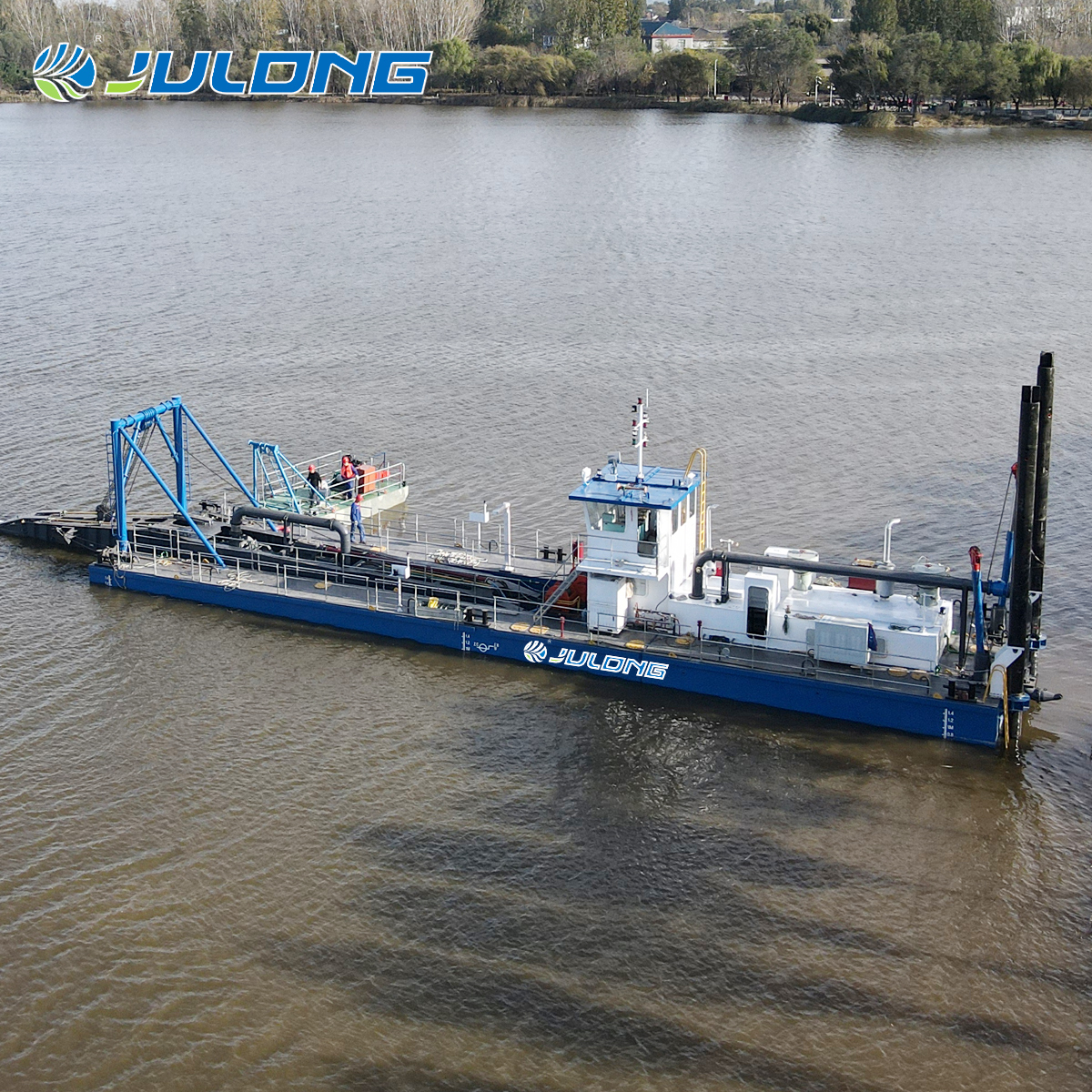
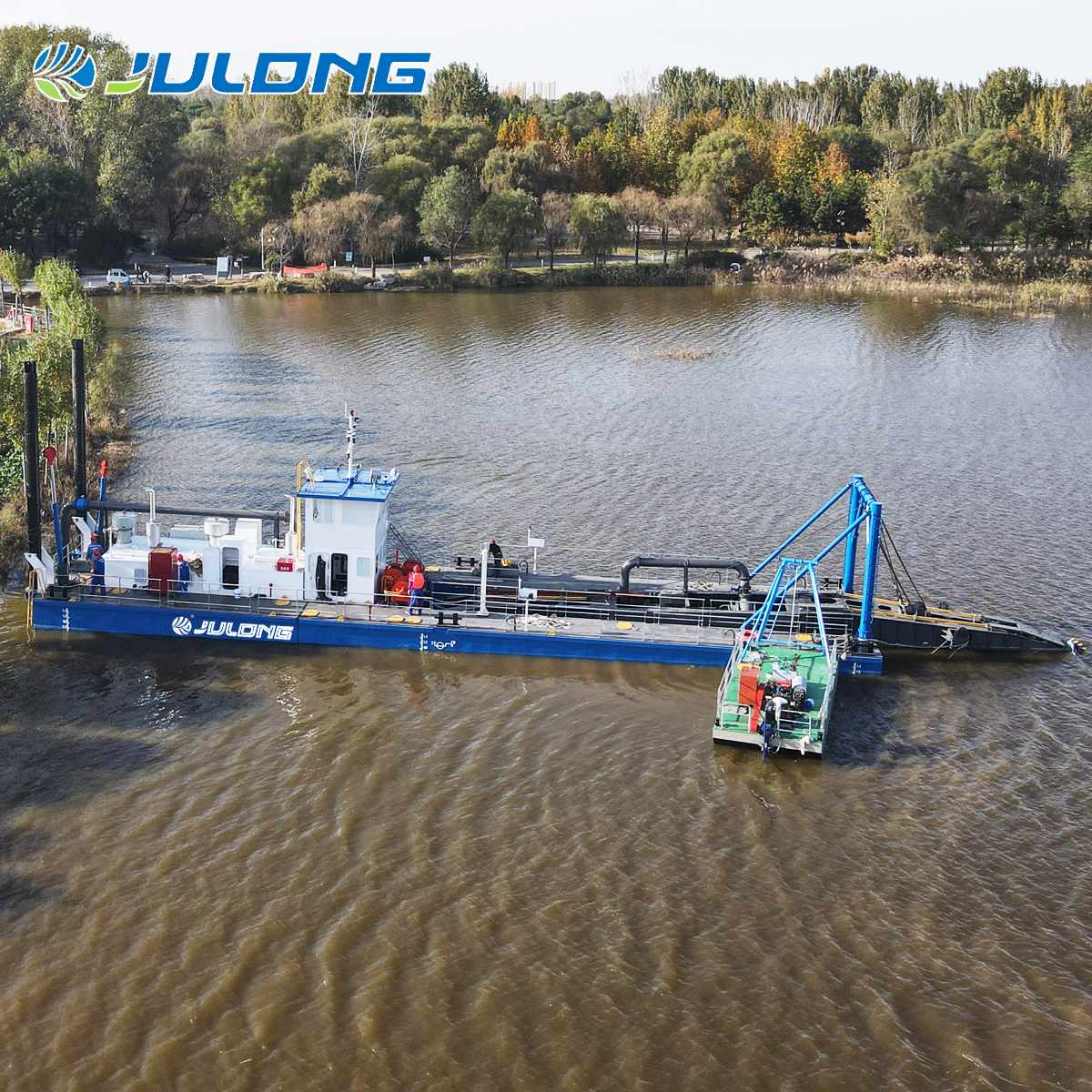
Suction dredgers are specialized  machines designed for the excavation of sediment  from  the bottom of lakes,  rivers,  and harbors.  These machines play a critical role in various projects, including environmental restoration, port maintenance,  and land  reclamation. For B2B  buyers,  including purchasing managers and  project engineers, understanding the specifications  and quality standards of suction dredgers is essential to ensure  the right equipment is selected for their specific application.  This article will guide you through  the key  considerations for purchasing suction dredgers, their  quality standards, installation guidance, common  problems, and their  applications  across different industries.

Understanding the Quality Standards of Suction Dredgers

Understanding the Quality Standards of Suction Dredgers

Quality standards play a significant role in the performance  and  reliability of suction dredgers.  Certifications such  as  ISO and CE indicate that the dredgers meet international safety and manufacturing  quality standards.

ISO Certification: This certification is crucial for  ensuring  that the manufacturing processes are consistent and meet global  standards for quality management.  It reflects a commitment to continual improvement and customer satisfaction.

CE Marking: Indicates that the  dredger complies with European safety, health, and environmental protection standards. This is particularly important if the dredger will be used in Europe or exported to CE-marked countries.

Material  Testing Standards: Ensure  that materials used in the construction of the dredger are tested for strength, durability, and resistance to corrosion. Regular testing ensures that the dredger can withstand operational stresses over time.

Performance Testing: Before delivery,  it's  advisable to conduct performance tests  to confirm that the  dredger meets  the required  specifications. This may include testing under various operational conditions to validate pump capacity and dredging efficiency.

Understanding and verifying these  quality standards can help buyers make informed decisions and avoid potential operational issues in the future.

Installation Guidance for Efficient Use of Suction Dredgers

Installation Guidance for Efficient Use of Suction Dredgers

Proper installation of suction  dredgers  is essential for maximizing operational efficiency. Here are key steps to ensure  a successful setup:

Site Preparation: Assess  the project site for accessibility, water depth, and sediment  type.  This will affect the dredger's setup and  operational plan.

Positioning: The dredger  should be positioned to optimize its reach  while minimizing the length of the discharge pipe. This  will enhance efficiency and reduce  energy consumption.

Connection to Power Source: Ensure that the  dredger has a reliable power source, whether it be a generator or connection to the grid. Verify that all electrical connections are secure and compliant with safety  standards.

Testing Before Operation:  Conduct a thorough check of all systems, including pumps,  cutter heads, and controls, before starting. Run a test at low capacity to ensure everything functions  as  intended.

Safety Protocols: Implement safety measures during installation  and operation.  Ensure that all personnel are trained  in safe operating procedures and emergency protocols.

Following these installation guidelines will help ensure that your suction dredger operates efficiently and safely throughout its working life.

Common Problems with Suction Dredgers and Their Solutions

Common Problems with Suction Dredgers and Their Solutions

Despite their robust design, suction  dredgers  can encounter several common  issues during operation. Understanding these problems and their solutions can  minimize downtime and operational costs:

Clogged Suction Pipes: Sediment buildup can  lead to clogs, which impede the dredging process. Regular maintenance and clearing of  the pipes  can prevent this issue.  Installing a strainer can  also help reduce clogging.

Pump Failures:  Pumps may fail due to wear and tear or  improper maintenance. To mitigate this, ensure that pumps are regularly inspected and maintained according to manufacturer guidelines. Keeping spare parts on  hand can also reduce downtime.

Electrical Issues:  Electrical faults can halt operations. Routine inspections of electrical systems and connections can  help identify issues before they become serious problems.

Hydraulic Leaks: Leaks in hydraulic systems can lead to performance drops. Regular checks  for leaks and ensuring that hydraulic fluids are at appropriate levels can  help maintain optimal performance.

Operational Errors: Misjudgments in dredging depth or path can lead to inefficiencies. Training operators thoroughly on the dredger's capabilities and operational protocols is essential to avoid such mistakes.

By proactively addressing these  common issues, buyers can ensure  a smoother operational experience with their suction dredgers.

Exploring Applications of Suction Dredgers in Various Industries

Suction dredgers are  versatile machines used across  a variety of industries, making them invaluable for  many projects:

Environmental Restoration: In  ecological projects, suction dredgers are used to remove contaminated sediments from water bodies to restore habitats and improve water quality.

Port Maintenance: Regular dredging is  essential for maintaining navigable channels in ports. Suction dredgers help keep waterways clear for  shipping and fishing activities.

Land  Reclamation:  In construction and development projects, suction  dredgers can reclaim land by dredging sediments and  transporting them to designated areas, aiding in the creation of new land masses.

Mining Operations: In the mining sector, suction dredgers are used for extracting minerals from riverbeds  and lakes, providing an  efficient method to gather valuable resources.

Infrastructure Projects: Suction dredgers are critical  for infrastructure projects such as  bridge construction  or underwater  cable  laying, where excavation of  riverbeds or seabeds is required. For instance, the JLWB1600 Multi-function Work Boat is designed for various marine operations.

Understanding these diverse applications can help buyers assess the potential benefits of suction dredgers for their specific projects, ensuring they select the right equipment for their needs.

Key Specifications to Compare When Purchasing Suction Dredgers

When evaluating suction dredgers, several key specifications should be compared to ensure  optimal performance for your project.

Pump Capacity: This is measured in cubic meters  per hour (m³/h) and determines how much  material the dredger can move. The required capacity depends on the project's scale and the type of sediment being dredged.

Suction Depth: The maximum suction depth is crucial  for applications in deeper water  bodies.  Ensure the  dredger  can operate efficiently within the intended project depth.

Dredging Width: The  width of the  dredging path impacts the efficiency of the operation. A  wider  dredging head can cover more area, but may require more powerful pumps.

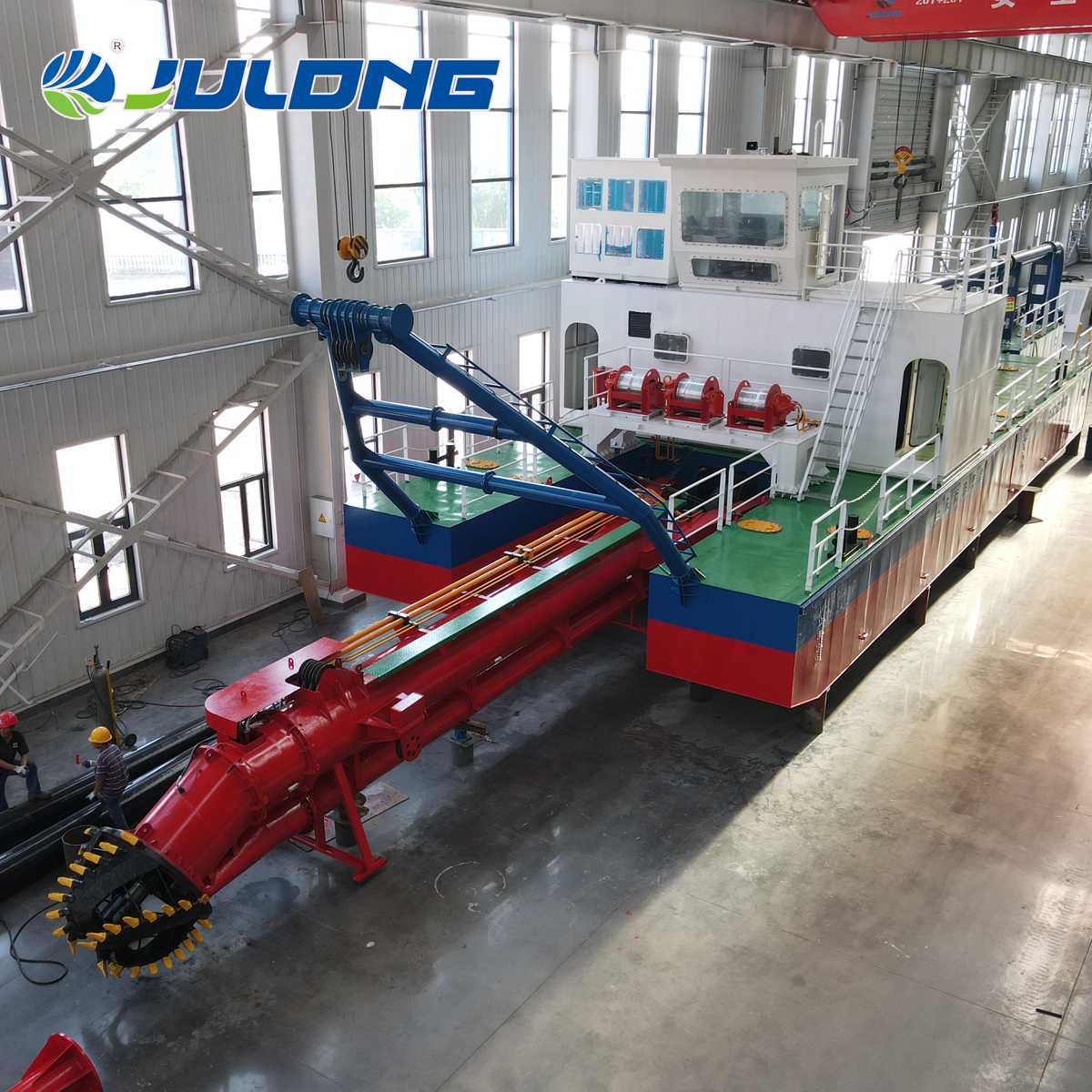
Cutter Head Specifications: The type of cutter head  affects the dredger’s ability to break up hard or compacted materials. Ensure the chosen dredger  has a cutter  head suited for  the sediment conditions you expect.

Material Construction: Durability is critical. Look for dredgers made from high-quality, corrosion-resistant materials that can withstand harsh environments. For example, the JLCSD700 Cutter Suction Dredger – 7,000 m³/h Heavy-Duty Hydraulic Dredging Vessel is designed with such materials.

Mobility Options: Depending  on the project site, you may need a dredger that is amphibious or easily transportable. Consider the machine's weight and transport methods.

Power  Supply: Suction dredgers can be powered by diesel engines or electric motors. Choose the power option that best suits your  operational environment and maintenance capabilities.

By carefully comparing these specifications, B2B buyers can select a suction dredger that aligns with their project requirements, ensuring both efficiency and effectiveness.

Frequently Asked Questions

What is a suction dredger used for?

A suction dredger removes sediment, silt, sand, and debris from rivers, lakes, ports, and channels to maintain depth, improve flow, and support construction or environmental remediation.
We provide cutter suction dredgers, amphibious dredgers, and excavator-mounted suction units in various power and size configurations to suit small to large river, lake, and port projects.
Yes. Our dredgers meet ISO and CE standards and are built in a 12,000 m² facility for long-term durability and reliable field performance.
Yes. We serve 93 countries with technical support, spare parts supply, installation guidance, and maintenance training to ensure continuous operation.
Yes. We offer customization of dredger specifications, cutter heads, pipelines, and propulsion to match project depth, soil type, and operational requirements.

Get a Free Quote

Our representative will contact you soon.
0/1000