Essential Guide to Trailing Suction Hoppers

application/trailing-suction-hopper, application/trailing-suction-hopper, 
Inquiry
Inquiry

trailing suction hopper

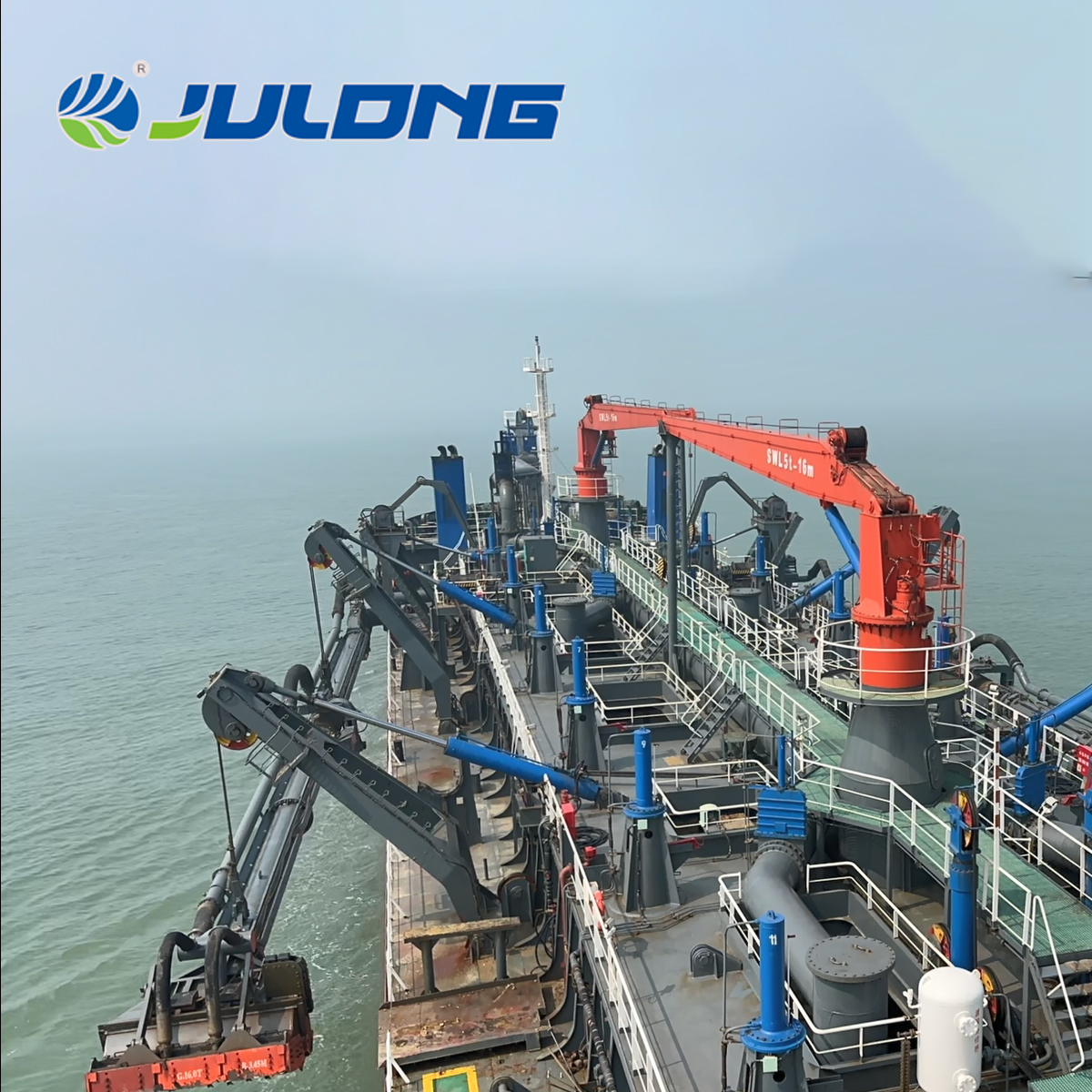
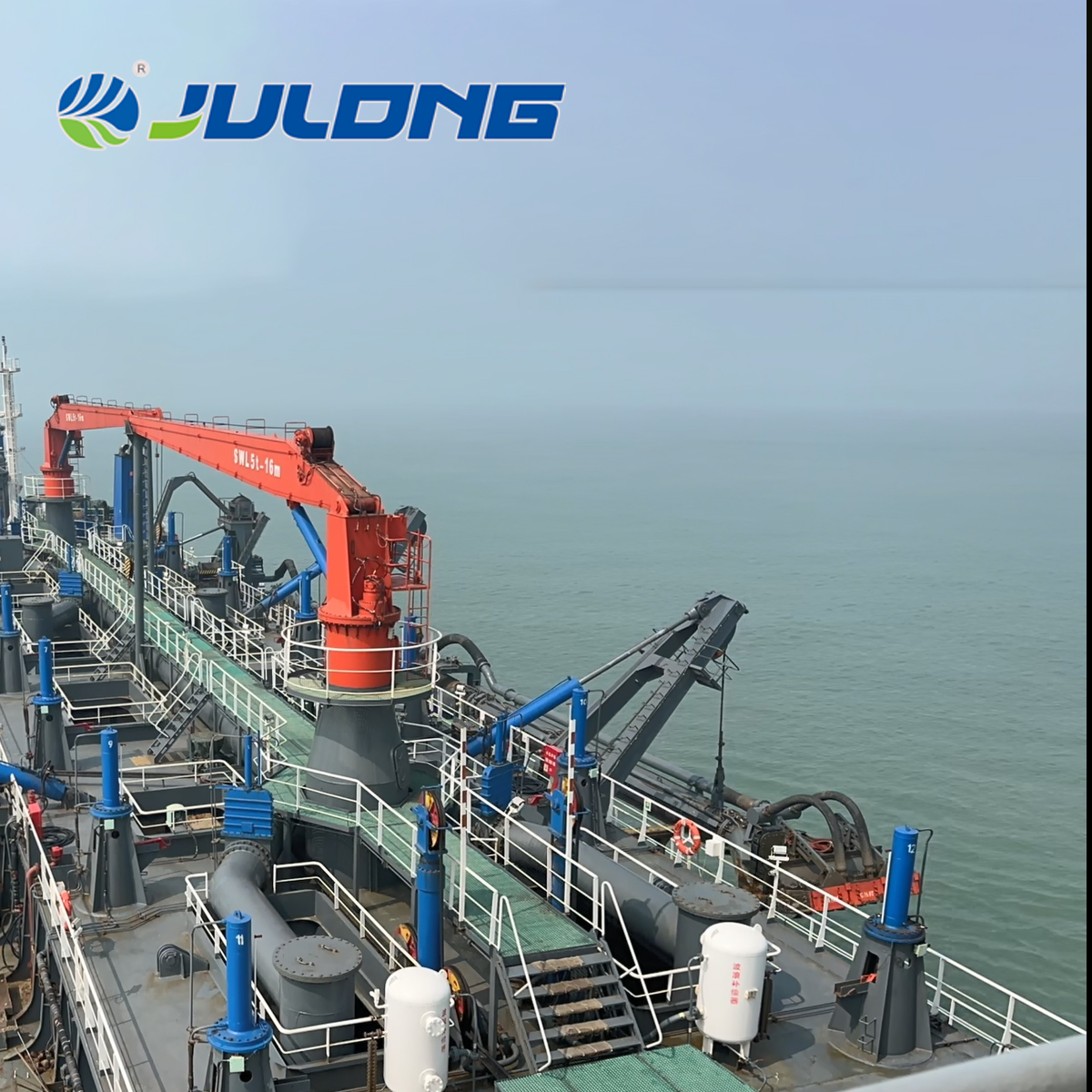
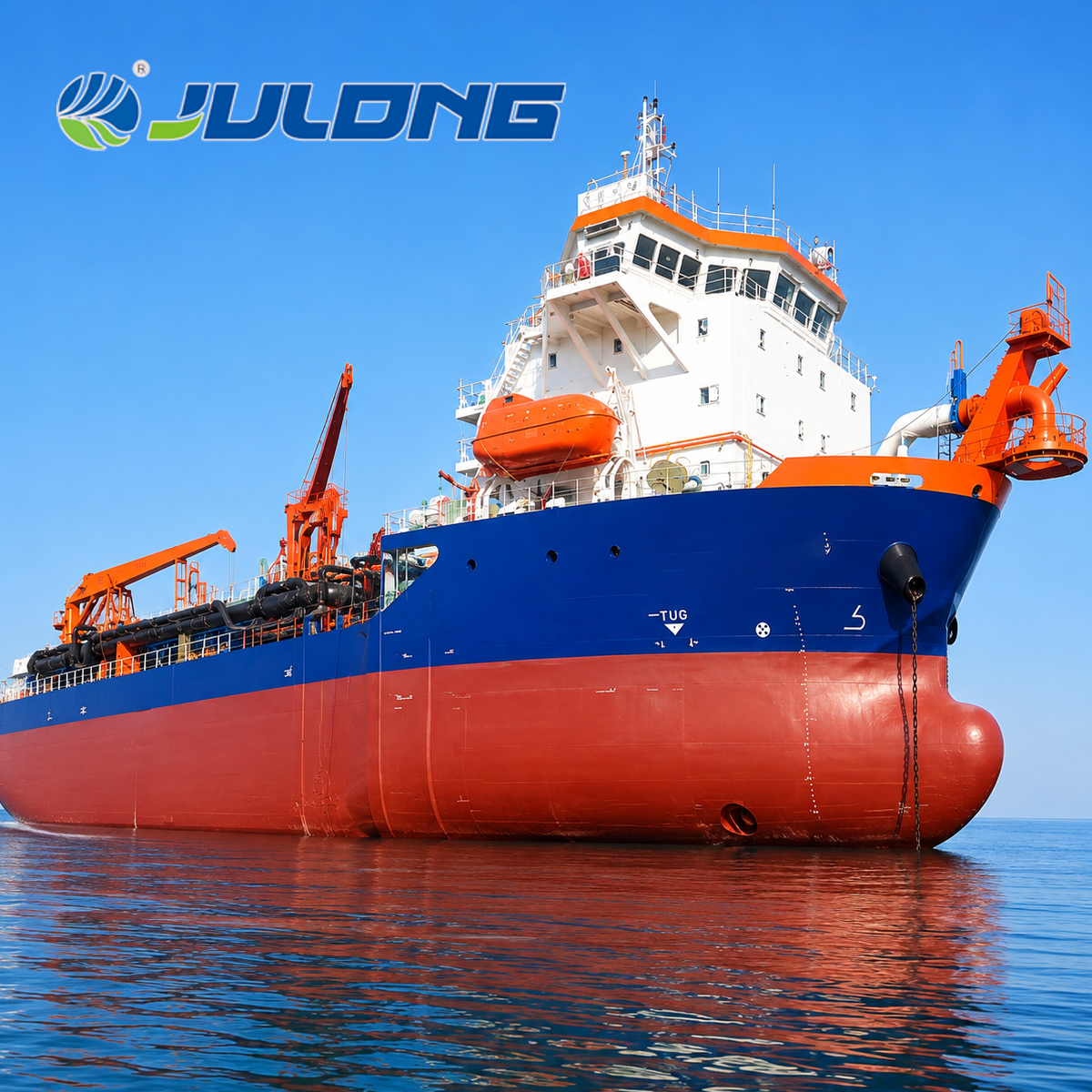
A trailing  suction hopper is a  specialized vessel commonly used  in dredging operations, designed  to efficiently gather and transport sediment from the seabed to a designated  disposal site. For purchasing managers  and engineers in the manufacturing and construction sectors,  understanding the nuances  of trailing suction hoppers is crucial  for  ensuring  optimal  performance  and cost-effectiveness. This article will outline key  considerations for evaluating manufacturers,  specifications,  cost factors,  common issues,  and sourcing  options,  aiding buyers in making informed purchasing decisions.

Key Specifications of Trailing Suction Hoppers for Bulk Orders

Key Specifications of Trailing Suction Hoppers for Bulk Orders

Understanding the specifications of trailing suction hoppers is essential for ensuring they  meet project requirements.  Key  specifications  include:

Dredging Depth: This indicates how deep the hopper can operate, typically ranging from a  few meters to over 20 meters. The right  depth is  crucial for the intended  application. Hopper Capacity: Measured in cubic meters, this reflects the amount of  material the hopper can collect. Larger capacities are beneficial for extensive dredging operations, reducing the number of trips needed for disposal. Pump Power: The power of the dredging pump affects the efficiency of sediment  collection. Higher  pump power can  lead to  faster and more  effective dredging. Material Construction: Hoppers are often constructed from high-strength  steel or composite materials that resist corrosion and abrasion. The choice  of material impacts durability and maintenance  needs. Loading and Unloading Mechanisms:  Efficient mechanisms are essential for minimizing downtime. Options may include bottom doors or drag-line systems  for  unloading.

Buyers should confirm these specifications align with their operational needs and project conditions before placing bulk orders.

Cost Factors to Assess When Purchasing Trailing Suction Hoppers

Cost Factors to Assess When Purchasing Trailing Suction Hoppers

The cost of trailing suction  hoppers can vary  significantly based on several factors. Understanding these  can help  buyers  budget effectively:

  Material  Costs: The choice of materials—such as steel grades or specialized composites—can influence the overall price. Higher-quality materials generally lead to higher initial costs but can offer long-term  savings through reduced maintenance. Customization: Custom features tailored  to specific  dredging requirements can increase costs. Buyers should balance the benefits of customization against their budget  constraints. Production Volume: Ordering in bulk may  qualify buyers for discounts.  However, minimum order quantities  (MOQ) should be verified  with the manufacturer. Transport and Shipping: The location of the manufacturer can affect shipping costs. Consider logistics when evaluating total expenditure. After-Sales Support: Some manufacturers may offer  extended warranties  or maintenance services, which can be factored into the total cost of ownership.

By comprehensively assessing  these factors, buyers can avoid unexpected  expenses and ensure their investment  aligns with operational goals.

Common Problems with Trailing Suction Hoppers and Their Solutions

Common Problems with Trailing Suction Hoppers and Their Solutions

Despite their efficiency,  trailing  suction hoppers can encounter common issues that  may hinder performance.  Awareness of these  problems and their solutions  can enhance  operational reliability:

Clogged Suction Lines: Sediment buildup can obstruct suction lines, reducing efficiency. Regular maintenance and  inspection of the suction system can prevent this issue. Implementing filter systems can also  minimize  sediment entry into the lines. Mechanical Failures: Components  such as pumps and  hydraulics may experience wear and tear.  Establishing  a routine maintenance schedule and using high-quality parts can  mitigate breakdown risks. Engaging  manufacturers for technical support can also  be beneficial. Corrosion: Exposure to saltwater and abrasive materials can lead to corrosion over time. Choosing corrosion-resistant materials during the manufacturing process can significantly extend the lifespan of the hopper.  Inefficient Loading/Unloading: Delays during loading or unloading can increase operational costs. Evaluating the efficiency of the loading mechanism and making adjustments or upgrades as necessary can streamline operations.

By  proactively addressing these potential issues, buyers can ensure smoother  operations and better return on investment.

Where to Source Quality Trailing Suction Hoppers for Wholesale Buying

Sourcing quality trailing suction hoppers requires careful  consideration  of potential suppliers. Here are several  strategies to  identify reputable  manufacturers:

Industry Associations and Trade Shows: Participating in industry events can provide  firsthand exposure to manufacturers and  their products. Networking with other professionals can also yield  valuable recommendations. Online Marketplaces and Directories: Platforms such as Alibaba or specialized industrial directories can connect buyers with a range of manufacturers. Reviewing supplier  ratings and feedback can help gauge  reliability. Consulting with Industry Peers:  Leveraging existing relationships  within the industry can lead  to trusted recommendations for manufacturers known for quality and service. Requesting Samples: Before making a bulk purchase, requesting a sample can help verify quality and specifications. This  step  allows  buyers to assess the product's suitability for their projects. 

By employing  these strategies, buyers can identify reliable  sources for high-quality trailing suction  hoppers, ultimately enhancing project outcomes.

How to Evaluate Trailing Suction Hopper Manufacturers

When assessing potential manufacturers of trailing suction hoppers,  buyers should consider several critical factors. First,  verify the manufacturer’s experience and  reputation in the industry, as longevity often correlates with reliability in product  quality and service. Look for companies with ISO  and  CE certifications,  which indicate adherence to international quality standards.

Next, evaluate the manufacturer’s  production capabilities. A well-equipped facility, such as Qingzhou JULONG  Environmental Technology Co., Ltd., with a substantial footprint (12,000 square meters) and advanced machinery, can  ensure high-quality fabrication and timely delivery. Additionally, inquire about their  customization options. Tailoring  a  hopper  to specific project requirements  can enhance operational  efficiency and  performance. For instance, exploring options for an Multi-Function Work Boat may also provide valuable insights into versatile solutions for dredging needs.

Finally, review customer testimonials and case studies. These provide insights into the manufacturer's support during and  after the purchase, which  is vital for  long-term operational success.

Frequently Asked Questions

What is a trailing suction hopper used for?

A trailing suction hopper dredger removes sediment from rivers, lakes, ports and transports it in an onboard hopper for disposal or reclamation, supporting maintenance and construction projects efficiently.
We offer a range of sizes and hopper capacities tailored to project needs, from small river units to larger port-class dredgers. Contact us with project details for specific recommendations.
Our trailing suction hoppers are built in an ISO/CE certified facility with stringent quality control, ensuring durable, safe and compliant equipment for international projects.
Yes. We customize dredger layout, pump power, cutter systems and hopper configuration to match site conditions, sediment type and operational requirements.
We provide installation guidance, operator training, spare parts supply and remote or onsite technical support to ensure reliable long-term operation across project lifecycles.

Get a Free Quote

Our representative will contact you soon.
0/1000