Choosing the Right Trailing Suction Dredger

application/trailing-suction-dredger, application/trailing-suction-dredger, 
Inquiry
Inquiry

trailing suction dredger

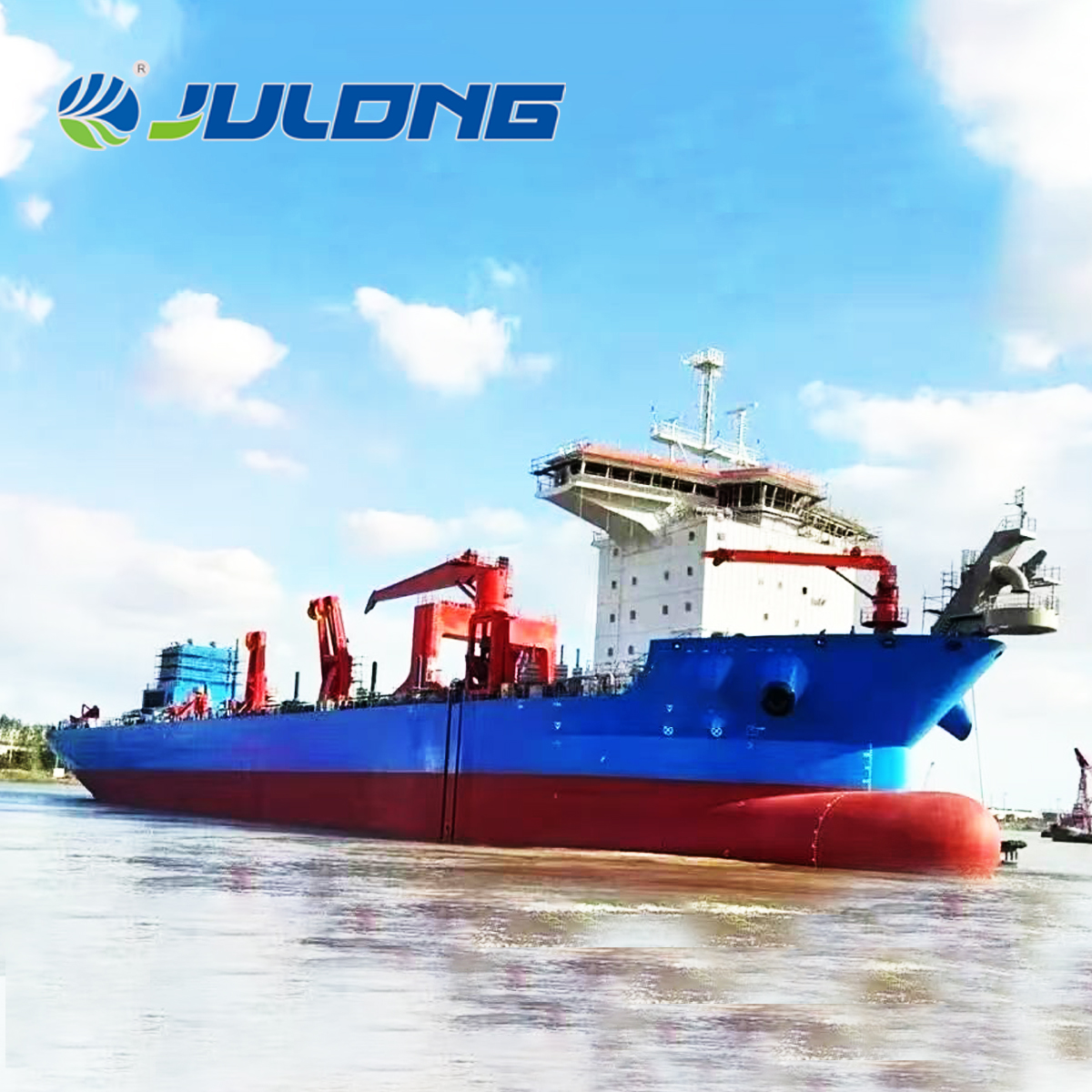
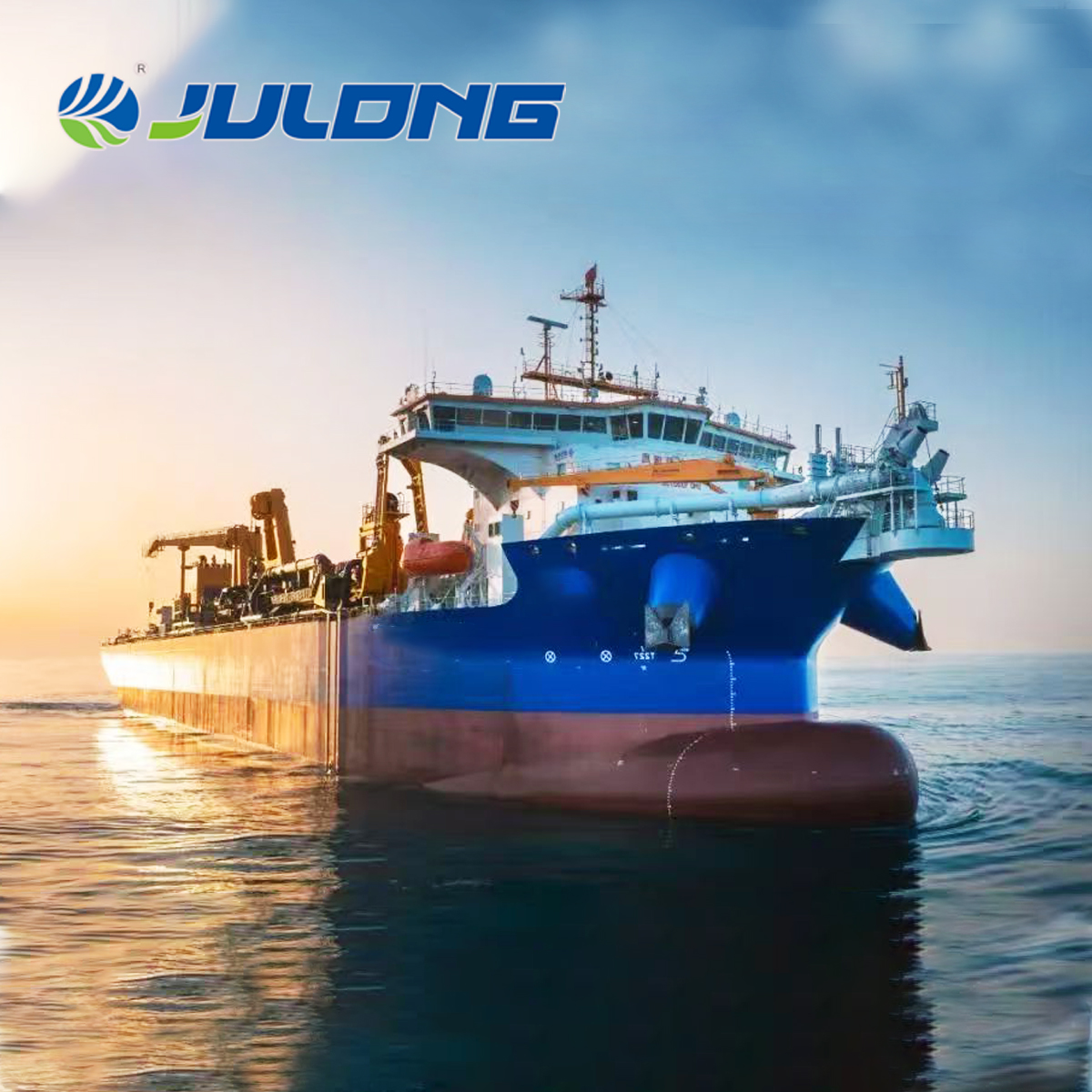
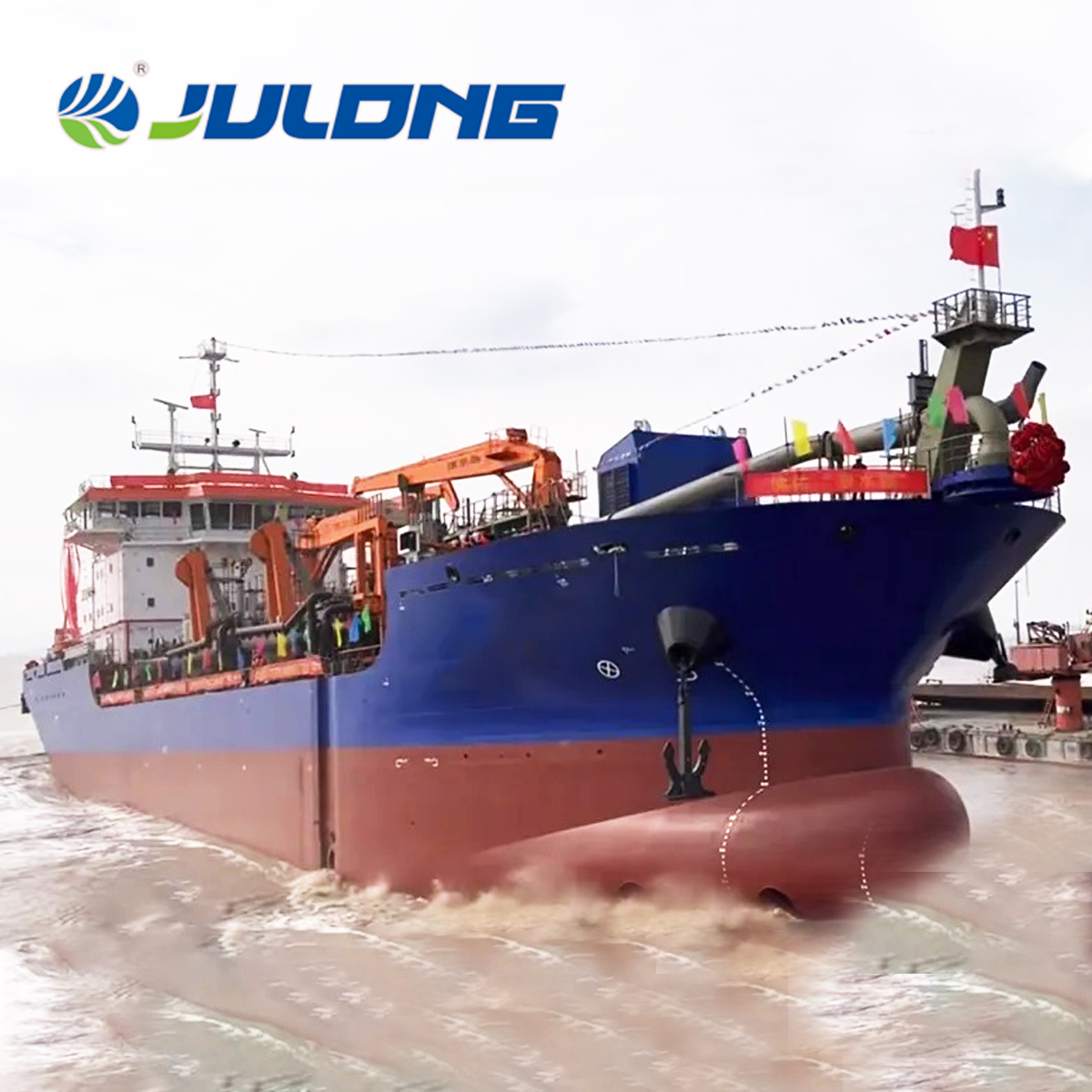
A trailing suction  dredger is  a specialized marine vessel  designed  for  efficient  underwater excavation and material  transportation. These machines  are crucial for various dredging  projects,  particularly in river, lake,  and port applications, where sediment  removal is essential for navigation,  construction, and environmental management. B2B  buyers often seek reliable, durable,  and efficient  dredging solutions, making it vital to understand  the key considerations when selecting a trailing suction dredger. This  article  aims to provide insights into choosing the right dredger, finding trustworthy suppliers,  exploring its applications across industries, and outlining essential factors for making informed purchasing decisions.

Where to Find Reliable Suppliers of Trailing Suction Dredgers

Where to Find Reliable Suppliers of Trailing Suction Dredgers

Finding a trustworthy supplier  is crucial for  ensuring the quality and reliability of your trailing  suction dredger. Start by researching manufacturers with  a proven track record in the industry. Look for suppliers that hold ISO/CE certifications, as these indicate compliance with international  quality and safety standards.

Industry Associations and Trade Shows:  Attending industry trade shows or joining relevant associations can connect  you with reputable suppliers. These venues often showcase the latest technology and innovations in dredging equipment, allowing you to evaluate multiple options in one place.

Online  Platforms and  Reviews: Utilize online marketplaces and  industry-specific forums to gather reviews and feedback on potential suppliers. Look for companies  that have positive testimonials and a  history of successful projects in your desired application area.


Requesting Quotes  and Proposals: Once you identify potential suppliers,  request detailed quotations that include specifications, pricing,  lead times, and warranty information.  This  step will help you  compare offerings and make an informed decision.

By leveraging these resources, you can find reliable suppliers who  meet your project’s requirements.

Applications of Trailing Suction Dredgers in Various Industries

Applications of Trailing Suction Dredgers in Various Industries

Trailing suction dredgers have versatile applications across different industries, emphasizing their importance in infrastructure development and environmental conservation.

1. Construction  and  Infrastructure: In construction, trailing suction dredgers are vital for excavating channels, berths, and harbors. They facilitate the movement of materials  necessary for building and maintaining maritime structures.

2. Environmental Remediation: These  dredgers play a key role in environmental  projects by removing contaminated sediments from water bodies. This helps restore ecosystems and ensures compliance with environmental regulations.

3. Mining: In the mining sector, trailing suction dredgers  are used for extracting minerals  from riverbeds and other  water sources.  Their  efficiency in handling large volumes  of material makes them ideal for this application. For example, the JLWB1600 Multi-function Work Boat is often utilized in mining operations.

4. Land Reclamation: Dredgers are essential in land reclamation projects  where  underwater  materials are  relocated to create new land. This  process is particularly prominent in coastal development and  urban planning.


Understanding the diverse applications of trailing suction dredgers can help buyers identify suitable equipment for their specific needs and  project  goals.

What You Need to Know

What You Need to Know

Before making a purchase,  several  critical factors should be addressed  to  ensure the chosen trailing suction  dredger meets your operational needs.

Technical Parameters: Familiarize yourself with the technical parameters  that impact performance, such as pump power, dredging  depth,  and hull design. These specifications  directly affect the dredger's  efficiency and suitability for specific applications.

Quality Control Processes: Investigate the quality control measures implemented by the manufacturer. A  rigorous quality  assurance program ensures that the dredger is built to  withstand the demands of its operational environment, minimizing the risk of failure  during use.

Maintenance Requirements: Understand the maintenance needs of the dredger, including routine inspections and repairs. Proper maintenance is  crucial for sustaining the dredger's operational lifespan and efficiency.

Lead Times and Delivery:  Inquire about lead  times for production and delivery, especially if your project  timeline is  tight. This information will help you plan your procurement process accordingly.

By addressing these considerations, buyers can ensure a well-informed purchase that aligns with  their project requirements.

Step-by-Step Process

To streamline the procurement of a trailing suction  dredger, follow  these steps:

Define  Your Project Requirements: Clearly outline the specifications and operational needs based on  the intended application.

Research Suppliers:  Identify potential  suppliers with a history  of reliability, quality, and industry expertise. Look for certifications that reflect their commitment to quality.

Request Detailed Quotations: Contact suppliers to  request comprehensive quotes, ensuring they include all necessary specifications  and costs associated with the dredger.

Evaluate Proposals: Compare received proposals,  focusing on technical capabilities,  pricing, warranty terms, and delivery timelines.

Review  Samples or Previous  Projects:  If possible, review samples or inspect  previous projects completed by the supplier. This can  provide insights into the dredger's performance  and quality.

Confirm Order Details: Once a supplier is selected, confirm all order details, including payment terms, shipping arrangements, and any customization requests.

Prepare for Delivery and Installation: Ensure that your team  is ready for the dredger's delivery and installation, including any  necessary training for operators.

By following this structured approach, buyers can effectively navigate the procurement process, ensuring the selection of the right trailing suction dredger for  their needs.

How to Choose the Right Trailing Suction Dredger for Your Projec

Selecting the appropriate trailing  suction dredger hinges on several critical factors. First, consider the  project requirements, including the  type of material to be dredged  (such as sand, silt, or clay), the dredging depth,  and the desired production capacity.

Product Specifications: Look for dredgers with specifications that match  your project's demands.  Key specifications include the dredging depth, suction pipe diameter, and the capacity of the  hopper. For example, a dredger designed  for deep-water projects will require a robust structure and powerful suction capabilities. For instance, the JLCSD700 Cutter Suction Dredger is known for its heavy-duty design and high capacity.


Materials: High-quality construction materials are essential for durability and performance. Stainless  steel or specially treated steel can  enhance resistance to  corrosion and wear, especially in harsh marine environments.

Customization Capabilities: Many manufacturers, including  Qingzhou JULONG Environmental Technology  Co., Ltd., offer customization options to  tailor the dredger to  specific project needs. This can include adjustments in size, suction systems, and additional features such as integrated monitoring systems.

In summary, evaluate your  project’s specific needs, materials, and available customization options to select the  right trailing suction dredger.


Frequently Asked Questions

What is a trailing suction dredger used for?

A trailing suction dredger removes sediment from river, lake, and port beds to deepen channels, maintain waterways, and support construction or environmental projects.
We offer multiple sizes and pump capacities to suit small maintenance to large-scale dredging projects; specifications are customized based on site requirements.
Yes. Our dredgers comply with ISO and CE standards and are built in our 12,000 m² facility to ensure quality and safety.
Yes. We customize hulls, pumps, pipelines, and control systems for river, lake, or port conditions to optimize performance and efficiency.
We provide commissioning, training, spare parts, and technical support. We export to 93 countries and coordinate logistics and documentation for smooth delivery.

Get a Free Quote

Our representative will contact you soon.
0/1000