Choosing a Trailing Suction Hopper Dredger: Key Factors

application/trailing-suction-hopper-dredger, application/trailing-suction-hopper-dredger, 
Inquiry
Inquiry

trailing suction hopper dredger

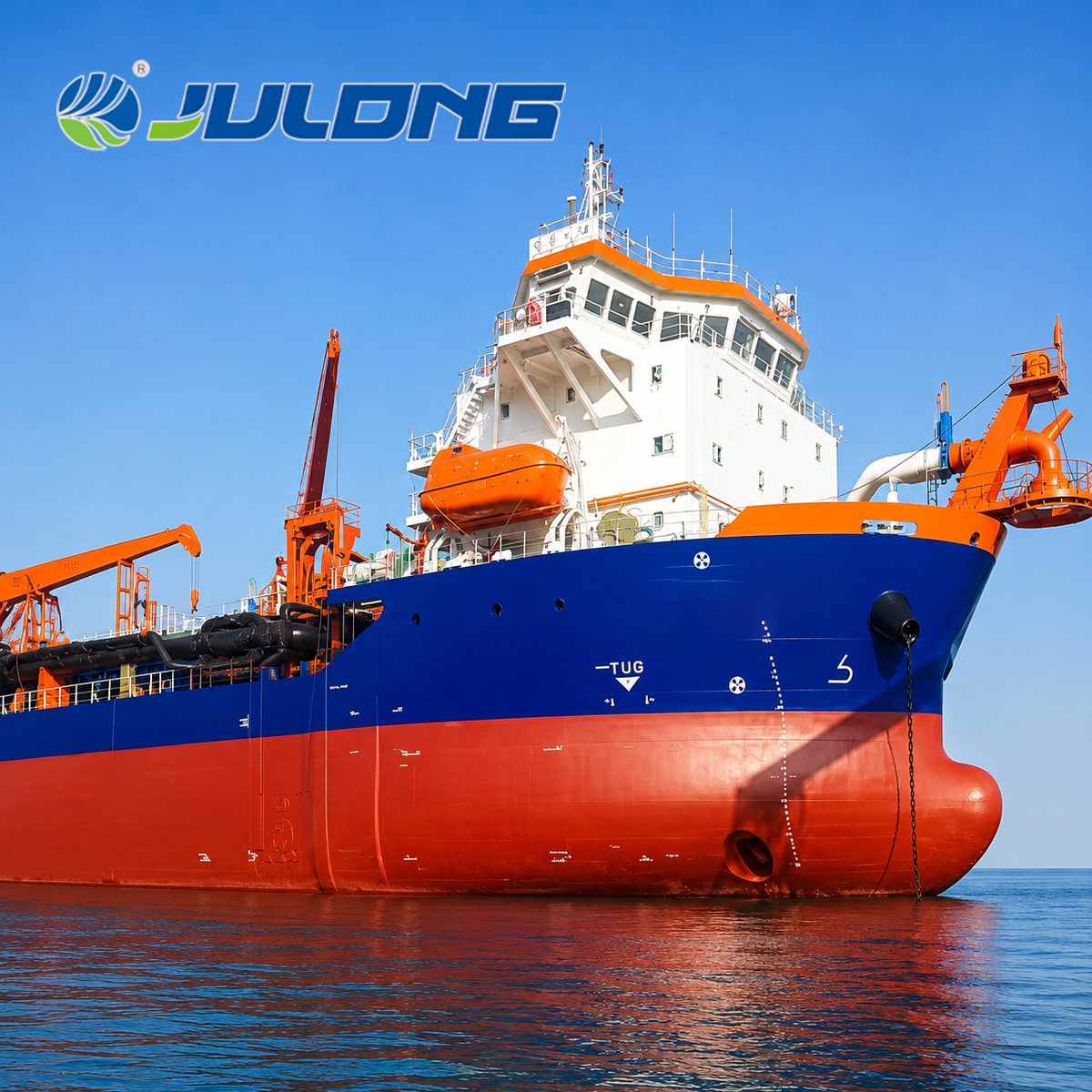
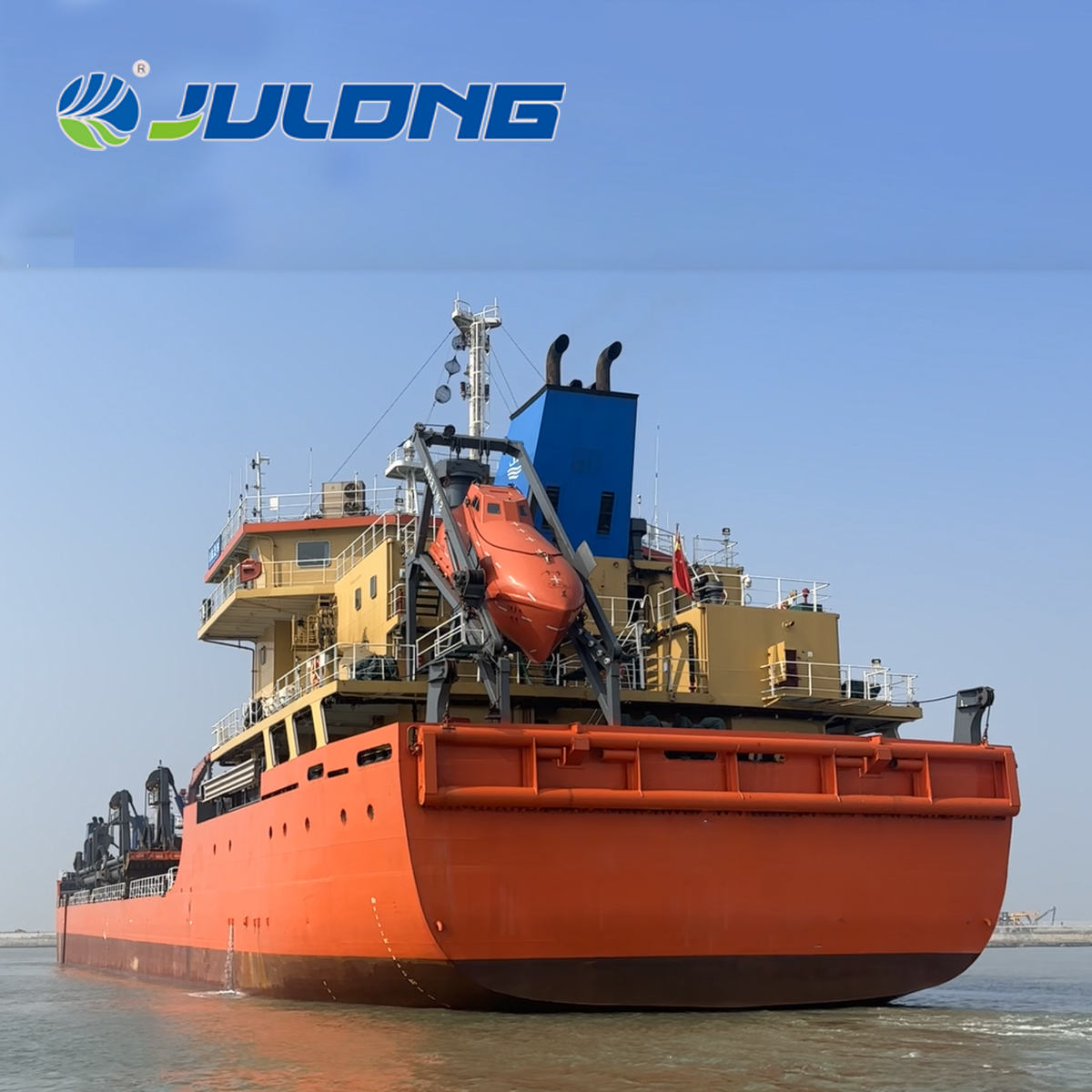
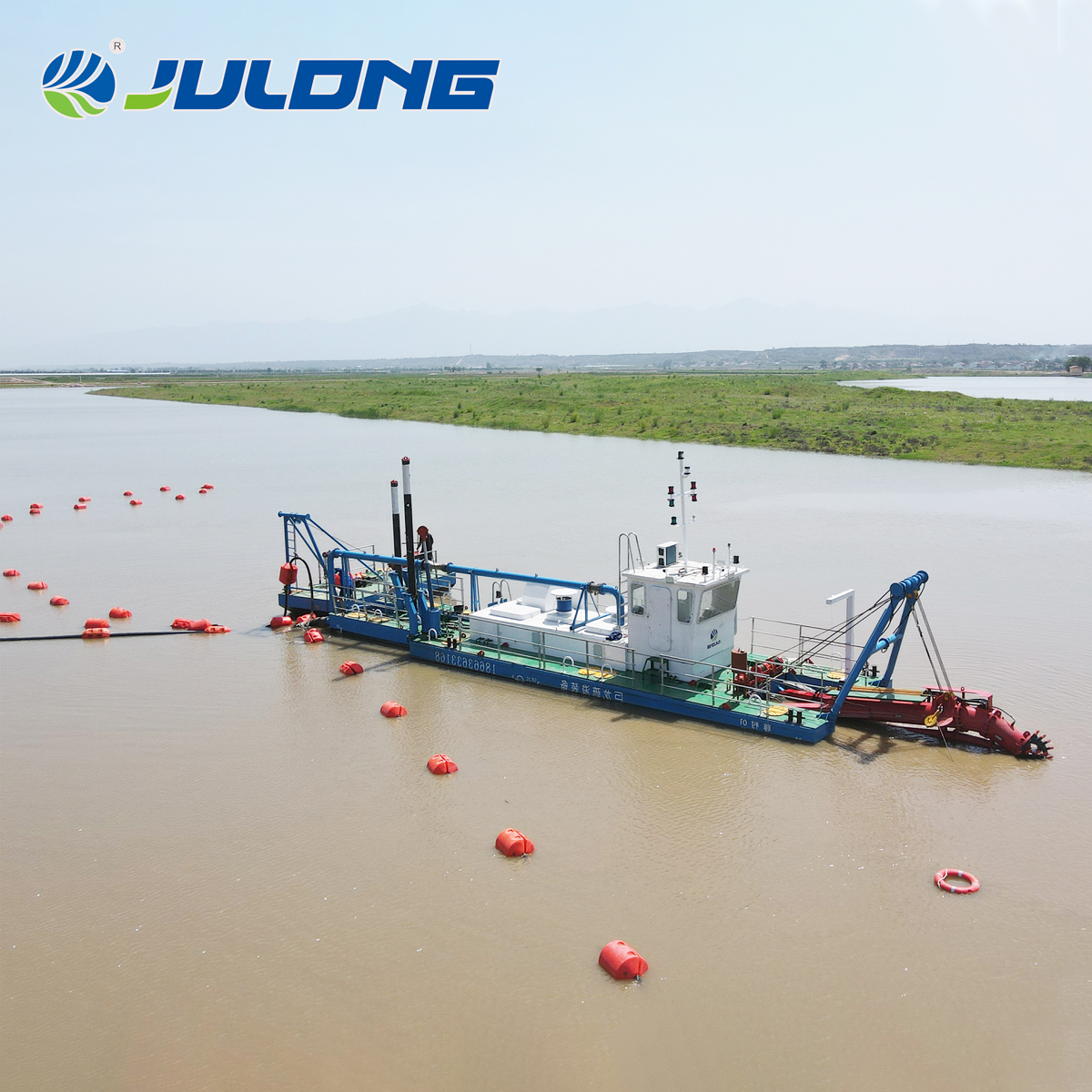
A trailing  suction hopper dredger (TSHD) is a specialized vessel designed for dredging and maintaining waterways, ports,  and  coastal areas. For buyers  in the industrial  and  commercial sectors, understanding  the intricacies of TSHDs is crucial, as  they must consider  various specifications, quality factors,  and operational  challenges. This  article aims  to  provide insights into what  to look for  when selecting a TSHD, key specifications  that  matter, how to assess quality, common issues, and  where  to find reliable suppliers. For instance, when considering different types of dredging equipment, it might be beneficial to explore options such as Amphibious Equipment that can complement your dredging operations.

Key Specifications of Trailing Suction Hopper Dredgers for Buyers

Key Specifications of Trailing Suction Hopper Dredgers for Buyers

Key specifications to evaluate include dredging depth, hopper volume, and pump capacity.

Dredging Depth: This specification indicates how  deep the dredger can operate effectively. The required depth may vary based on specific project  needs, so ensure that  the dredger can meet  these operational demands.


Hopper Volume:  The hopper volume determines  how much material can  be transported in a single  trip. A larger volume can lead to more  efficient operations but may also require larger vessels, which can be more expensive and complex to operate.

Pump Capacity: The pump capacity, measured in cubic meters per hour, indicates how quickly  material  can be excavated and transferred to the hopper. A higher  capacity means faster operations but could require  more powerful  engines, impacting fuel consumption.

Material and Build Quality: The materials used  in  construction can affect  durability and  maintenance requirements. Look for  vessels built with corrosion-resistant materials, especially for operations in marine environments. The selection of an appropriate vessel can significantly enhance the efficiency of projects, similar to the advantages offered by a Multi-Function Work Boat.

How to Evaluate the Quality of Trailing Suction Hopper Dredgers

How to Evaluate the Quality of Trailing Suction Hopper Dredgers

Evaluating the quality of a trailing suction hopper dredger involves several steps. 

Manufacturing Standards: Ensure  that the manufacturer follows stringent quality control processes  and holds relevant certifications, such as ISO or CE standards. This information typically  reflects  the manufacturer's commitment  to quality and safety.

Inspection and Testing: Before finalizing a purchase, consider requesting a sample or a demonstration  of  the dredger in action. Observing  its performance under real conditions can  provide  insights into its operational reliability and efficiency.

Customer Reviews and Case Studies: Research customer experiences and case studies related to the  dredger model you're considering. Feedback from other users can highlight potential issues, operational  capabilities, and maintenance needs.

Warranty and Support: Check the warranty terms and after-sales support offered  by the manufacturer. A solid warranty  and  responsive support are indicators of  a trustworthy supplier and  can save costs associated  with  repairs and maintenance.

Common Problems with Trailing Suction Hopper Dredgers and Solutions

Common Problems with Trailing Suction Hopper Dredgers and Solutions

While trailing suction  hopper dredgers are  robust machines, they can  encounter operational challenges.

Clogging Issues: One common problem is clogging of the suction pipes, especially when dredging sediment  with high clay content. Regular  maintenance and the use of appropriate suction nozzles can minimize this  risk.


Mechanical Failures: Mechanical components, such as pumps and engines, can fail due to wear and  tear or  improper maintenance. Establishing a regular maintenance schedule and using high-quality spare parts can help in avoiding significant downtimes.

Operational Inefficiencies:  Inefficient  dredging operations can result  from incorrect settings or lack of operator training. Ensuring that operators are well-trained  and familiar with the equipment can enhance performance  and reduce  operational costs.

Environmental Regulations:  Compliance with local environmental  regulations can pose  challenges. Understanding these regulations and ensuring the dredger  is equipped with  necessary technologies, such as silt curtains or eco-friendly engines, can facilitate smoother operations.

Where to Find Reliable Suppliers for Trailing Suction Hopper Dredgers

Finding a reliable supplier for trailing suction hopper dredgers  involves thorough research.

Industry Referrals: Networking within the industry can yield valuable  recommendations. Engage with other professionals who have experience  with TSHD suppliers to gain insights  into their  reliability and service quality.

Online Research: Utilize online directories and platforms that specialize in industrial equipment. Websites that  feature reviews and ratings  can help identify reputable suppliers.

Trade  Shows and Exhibitions: Attending industry-specific trade shows and exhibitions allows you to meet manufacturers and distributors in person. This can be an  excellent opportunity to assess the equipment firsthand and discuss  your specific needs with knowledgeable representatives.

Certifications and  Reputation: Verify that the  suppliers you consider have the necessary certifications and  a solid  reputation in the industry.  Look  for suppliers with a proven track record in delivering quality equipment and responsive customer  service.

By  considering these factors, potential buyers can make informed  decisions when it comes to purchasing a trailing suction  hopper dredger, ensuring that they select a solution that meets their operational needs effectively.

What to Consider When Choosing a Trailing Suction Hopper Dredger

When selecting a trailing suction hopper dredger, several key factors should be  considered. First, identify the primary application—whether it’s for dredging rivers, lakes, or ports—as this  will influence the design and  capabilities of the dredger.


Size and  Capacity: The dredger's size and hopper capacity  are integral to its operational efficiency. Larger hoppers can accommodate more material, reducing the frequency of disposal operations. Consider the dredging  depth and the sediment type you will encounter, as  these factors will dictate the dredger's suction power and operational range.


Power Source: Assess the power source of the dredger. Diesel engines are common, but  hybrid or electric options may offer  reduced operational  costs and lower emissions.  The choice of power system can  impact both performance  and compliance with environmental regulations.

Customization Options: Depending on  the specific requirements of your projects, you may need to consider customization options. Features such as  the type of dredging  equipment, automation  systems, or additional safety mechanisms can enhance operational capabilities and efficiency.


Frequently Asked Questions

What is a trailing suction hopper dredger?

A trailing suction hopper dredger (TSHD) is a vessel that uses suction dragheads to extract sediment and store it in onboard hoppers for transport and disposal or reclamation projects.
TSHDs are ideal for port maintenance, river and lake dredging, beach nourishment, land reclamation, and sediment management in coastal and inland projects.
We hold ISO and CE certifications and manufacture dredgers in a 12,000 m² facility, ensuring compliance with international quality and safety standards.
Yes. We offer customization of hopper capacity, pump power, draghead type, and onboard systems to match site conditions and project specifications.
Yes. We provide technical support, training, and spare parts supply to clients across 93 countries to ensure reliable operation and maintenance.

Get a Free Quote

Our representative will contact you soon.
0/1000