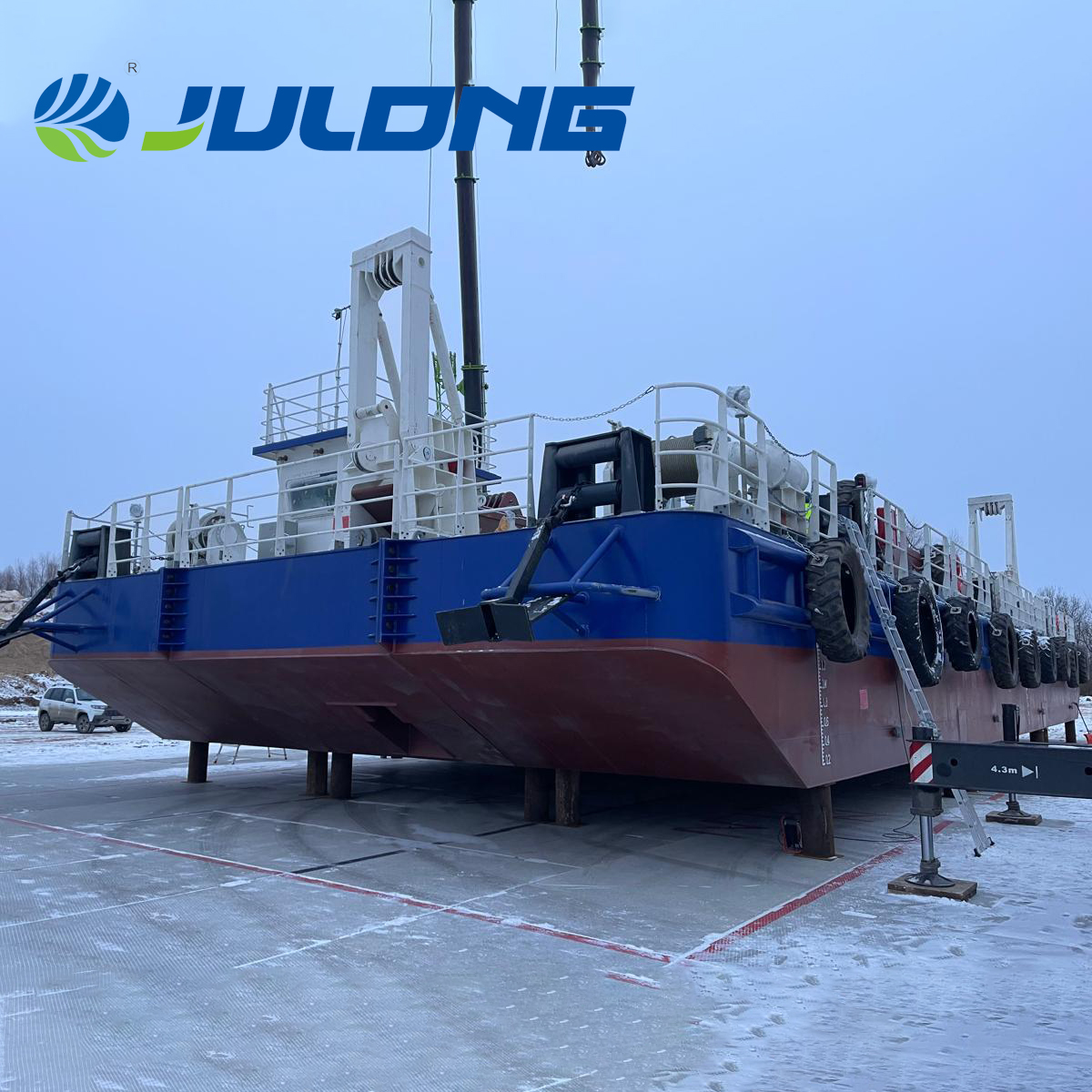
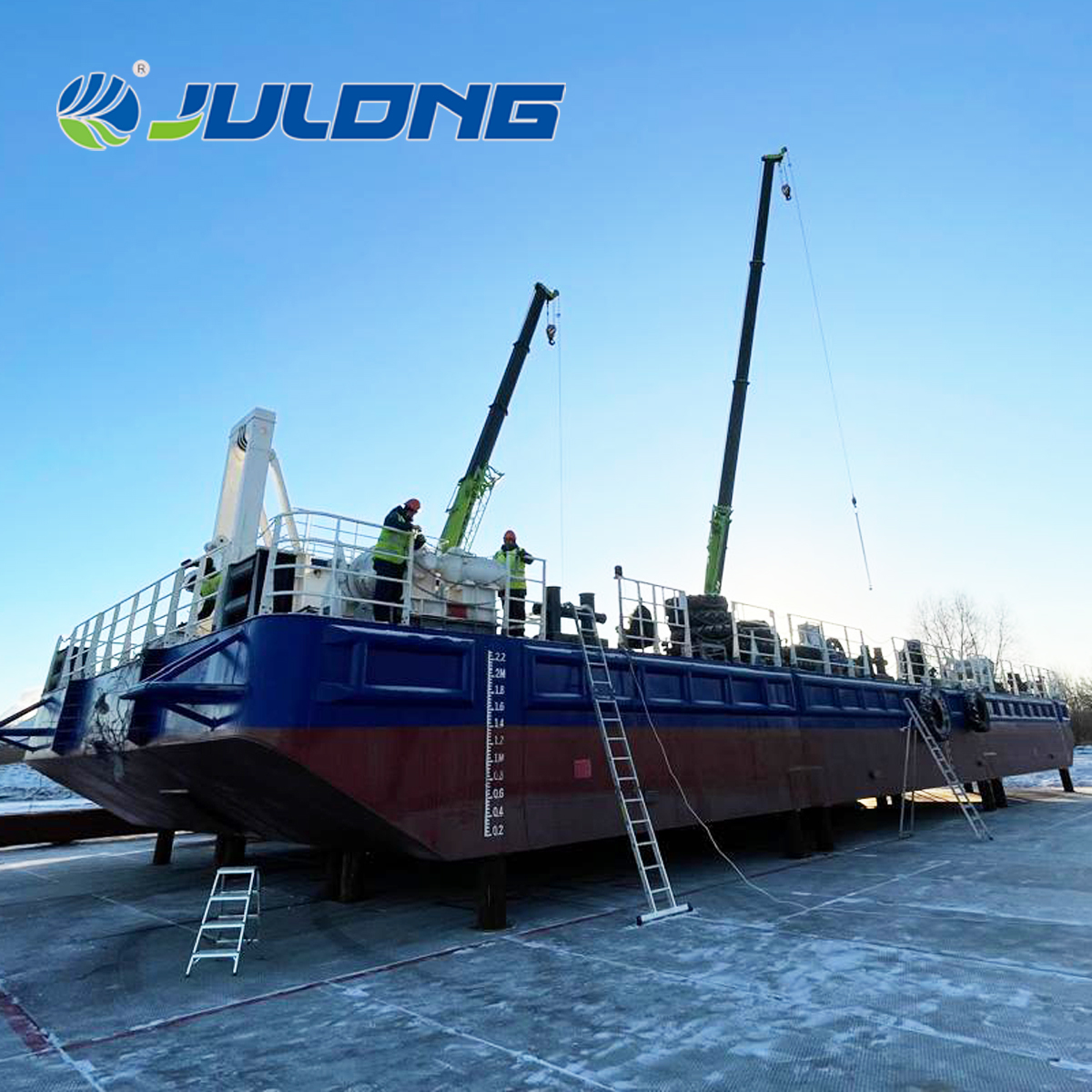
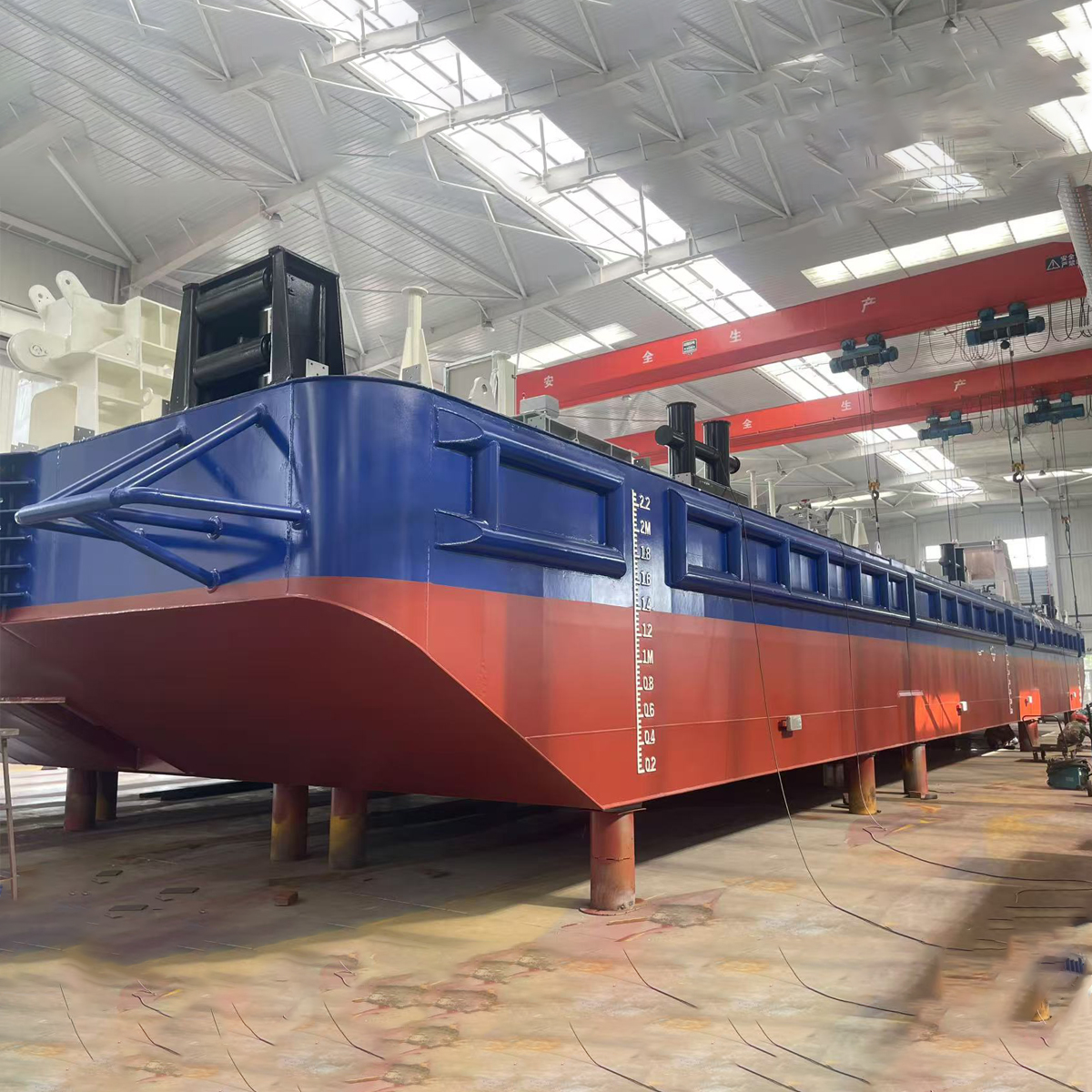
Backhoe Dredger Specifications and Applications

application/backhoe-dredger, application/backhoe-dredger, 
Inquiry
Inquiry

backhoe dredger

Backhoe dredgers are specialized excavating machines designed for  efficient sediment removal in  various aquatic environments.  As a purchasing manager  or  project  engineer,  your primary concerns  likely revolve around  specifications,  quality, and application suitability. This  article will  provide  you with  essential  insights into  backhoe dredgers, helping you  make informed decisions  for  your  projects.

Evaluating Backhoe Dredger Quality and Performance Metrics

Evaluating Backhoe Dredger Quality and Performance Metrics

Quality and performance metrics are critical when selecting a backhoe  dredger.  Key factors to consider include:

Build Quality: Assess the materials used  in construction, such as high-strength steel,  which enhances durability and  resistance to wear and tear.  A robust build quality is essential for prolonged  operational life, especially  in challenging environments.

Hydraulic System Efficiency: The hydraulic system's  design affects the dredger's power  and  efficiency.  Look  for models with advanced hydraulic systems that provide smooth operation and quick response times. This can lead to increased productivity and reduced  operational costs.

Performance Metrics: Review performance metrics such as fuel efficiency, operational speed, and maintenance intervals. A dredger that operates efficiently not only reduces fuel costs but also minimizes downtime, which is crucial for project timelines.

Certifications: Ensure that the dredger meets industry standards and certifications,  such as  ISO and  CE, which indicate  adherence to quality and  safety standards.

A Step-by-Step Guide

A Step-by-Step Guide

When purchasing  a backhoe dredger, follow  this step-by-step  guide:

Define  Project Requirements: Clearly  outline  the project  scope, including dredging depth, material types, and site conditions. This will  help narrow down the specific dredger  models  that meet your needs.

Research Manufacturers: Investigate  manufacturers with a  solid reputation in producing backhoe dredgers. Look  for companies that have experience in your geographical region and understand local regulations and challenges.

Request Quotations: Prepare a detailed RFQ (Request for Quotation) that includes your  project specifications, required performance metrics, and any customization  options you may need. This will  ensure you receive accurate pricing and lead time estimates.

Examine Samples: If possible,  request a demonstration or sample of the dredger. This allows you to evaluate  its performance under real conditions, ensuring it meets your operational expectations.

Review Maintenance and  Support: Ensure that the manufacturer provides comprehensive support and maintenance services. Understanding the service network can significantly impact the long-term performance of the dredger.

Common Problems with Backhoe Dredgers and Their Solutions

Common Problems with Backhoe Dredgers and Their Solutions

Buyers should be aware of common issues that  may arise  with  backhoe dredgers and  how to address them effectively:

Hydraulic Failures: These can occur due to leaks or component failure. Regular maintenance and inspection of hydraulic lines and connections can  help  prevent issues. Ensure that spare parts are readily available from the manufacturer.

Operational Efficiency Loss: This  may result  from wear and tear or improper usage. Implementing a routine  maintenance schedule and  training operators on best practices can improve efficiency and prolong the machine’s lifespan.

Material Blockage: Sometimes, the dredger may struggle with  dense or compacted materials. In such cases, consider using a dredger equipped with a specialized bucket or additional cutting tools designed for  tough  conditions.

Environmental  Concerns: Dredging can impact local ecosystems. Ensure that your  operations  comply with environmental regulations and that  you have measures in  place to  minimize disruption.

Applications of Backhoe Dredgers in Various Construction Projects

Backhoe dredgers are versatile machines used  in a variety of construction projects. Key applications include:

River and  Lake Dredging: They are commonly employed for sediment removal in rivers and lakes, helping to maintain  navigable waterways and enhance water quality.

Port  and Harbor Maintenance: Backhoe dredgers are essential for  keeping ports and harbors clear of sediment and debris, allowing for safe navigation and  docking of vessels.

Land Reclamation: In land reclamation projects, these  dredgers can be used to  excavate  and  transport materials to create new land areas, particularly in coastal regions.

Infrastructure Development:  They play a crucial role in preparing sites  for construction projects by removing unwanted materials, allowing for a  solid foundation.

By  understanding the specifications, quality metrics, common issues, and applications of backhoe dredgers, you can make more informed decisions that  align with your project  requirements. At Qingzhou JULONG Environmental Technology Co., Ltd., we offer a  range of backhoe dredgers designed to meet diverse project needs, equipped with the  latest technology  for  enhanced performance and reliability, including options like Dredger to suit your specific applications.

Understanding Backhoe Dredger Specifications for Your Projects

When evaluating backhoe dredgers,  it’s crucial to understand several key  specifications that will affect your project outcomes. These include the dredging depth, bucket capacity, and the type of  material the dredger can effectively handle. Understanding the specifications not only helps in selecting the right equipment but also in identifying the most suitable Aquatic Cleaning Boat for specific tasks.

Dredging Depth: This specification determines how deep the dredger can  operate. For projects in  rivers and lakes, a dredging depth of 6 to 15 meters is common, but specific requirements may vary based on local conditions. Ensure that the dredger can accommodate the  depth of sediment  that needs removal without compromising efficiency.

Bucket Capacity: The size and capacity of the dredging bucket  directly  impact the dredger's productivity. Common capacities range from 0.5 to 2 cubic meters.  A larger bucket can remove more material  in a single pass but may require more power and a more robust machine  to operate effectively. For larger operations, consider the Multi-Function Work Boat which can enhance productivity.

Material Compatibility: Backhoe  dredgers are designed to work with various materials,  including sand, silt,  clay, and  even compacted debris. Understanding the material composition of your project site will help in selecting a  dredger equipped to handle  those specific conditions.

Frequently Asked Questions

What is a backhoe dredger used for?

A backhoe dredger excavates and removes sediment from rivers, lakes, ports and channels, ideal for precision dredging, maintenance, and relocation of silt and debris.
We offer multiple models with varying bucket capacities and reach suited to small maintenance works up to larger channel projects; specifications are provided per project requirements.
Yes. Our machines are produced in a 12,000 m² facility and comply with ISO and CE certifications for quality, safety and environmental standards.
Yes. We provide assembly, on-site installation, testing and commissioning support, plus operator training to ensure safe and efficient operation.
We supply spare parts, technical support and maintenance guidance. Remote assistance and global logistics support are available for clients across our served regions.

Get a Free Quote

Our representative will contact you soon.
0/1000

Related product categories