TSHD Dredger: Key Insights for B2B Buyers

application/tshd-dredger, application/tshd-dredger, 
Inquiry
Inquiry

tshd dredger

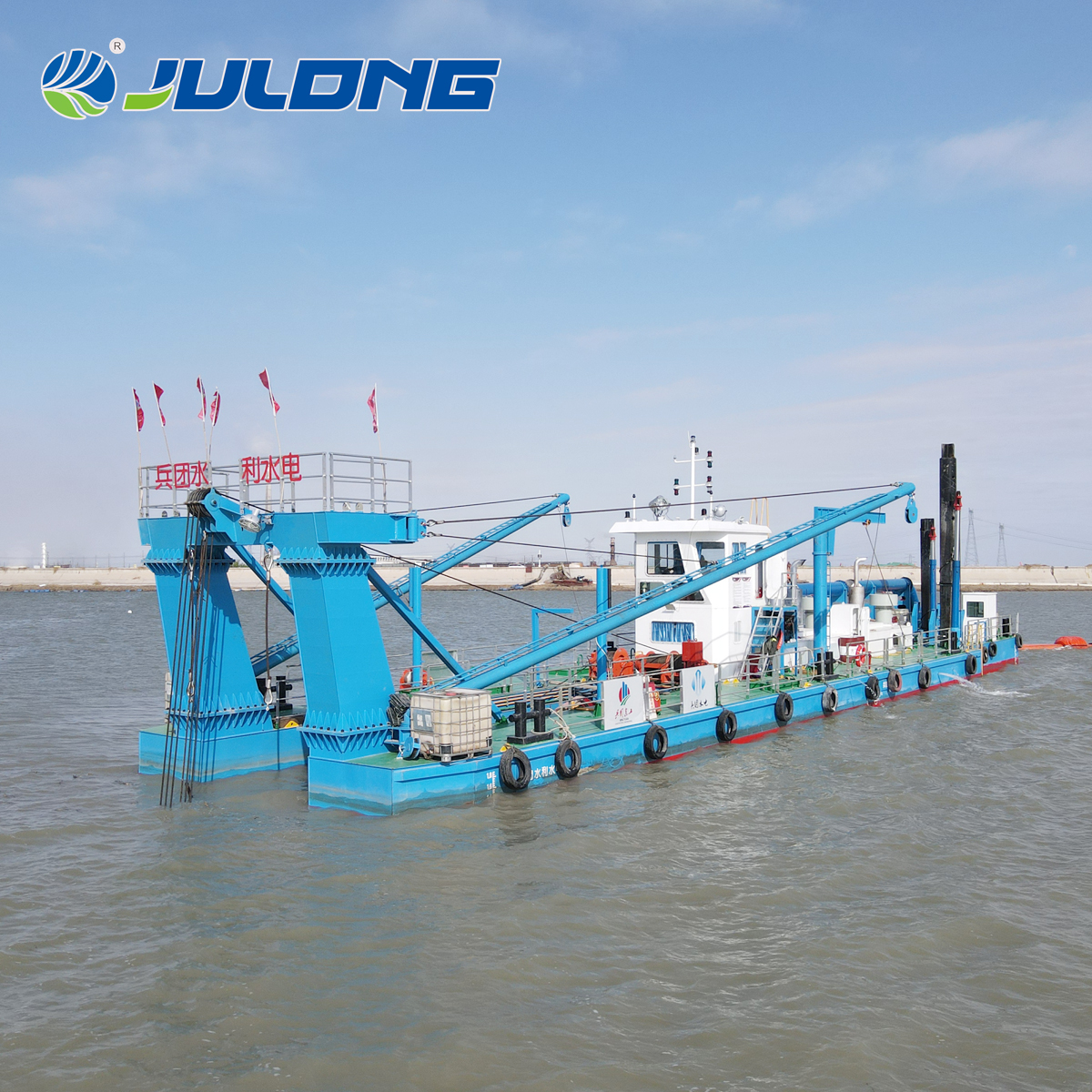
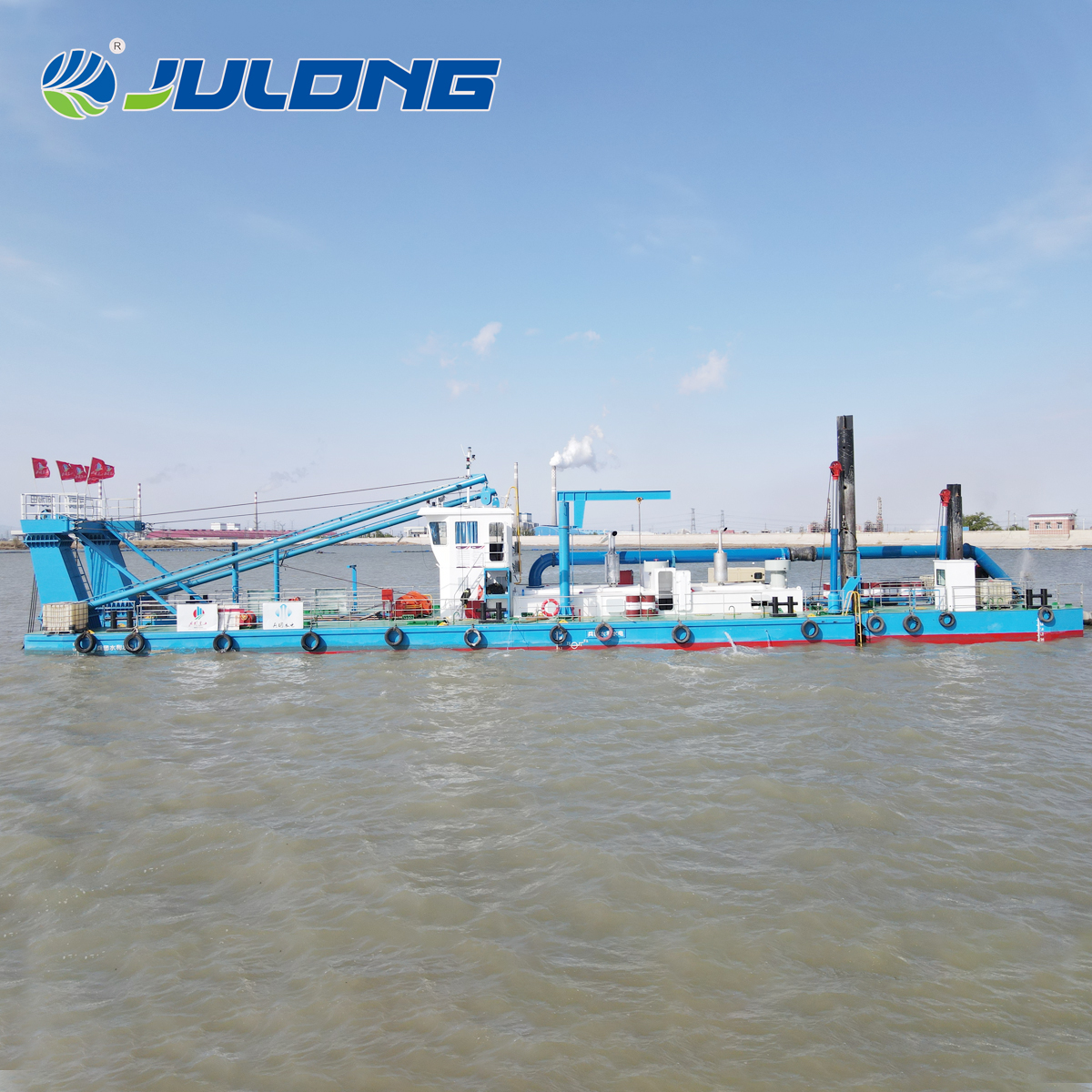
A TSHD  dredger, or Trailing Suction Hopper  Dredger,  is a  critical piece of equipment  used in various dredging  operations, such as maintaining waterways, creating new ports,  and  deepening existing channels. B2B buyers, including purchasing managers  and engineers, often seek  reliable performance, durability, and cost-efficiency  when  selecting dredging  equipment. ,  we aim  to provide  insights  on TSHD dredgers, focusing on product specifications,  supplier sourcing,  common issues, best practices, and various applications across industries.

 
Where to Find Reliable Suppliers for TSHD Dredgers in Bulk

Where to Find Reliable Suppliers for TSHD Dredgers in Bulk

When searching for suppliers of TSHD dredgers, it’s vital to  evaluate potential manufacturers based on their experience, product range, and  customer support. Here are  some tips  for finding reliable suppliers:

Industry Reputation: Look for manufacturers with a proven  track record in producing high-quality dredging  equipment. Check for  reviews and testimonials from previous customers.

Certifications: Suppliers with ISO and CE  certifications demonstrate a commitment  to quality and safety  standards.

Facility Visits: Whenever possible, visit the manufacturing facility to inspect  production processes, equipment, and quality control measures. This firsthand experience can provide insights into the  supplier's operational capabilities.


Customization Options: Discuss potential customization  capabilities  with suppliers to ensure  the dredger meets specific project  requirements. For example, the JLWB1600 Multi-function Work Boat offers customizable features for diverse marine operations.

Export Experience: Suppliers with a robust export history are likely to have the necessary logistics in  place  to handle international  shipping and compliance with customs regulations.

Common Problems with TSHD Dredgers and Their Effective Solutions

Common Problems with TSHD Dredgers and Their Effective Solutions

Despite  their efficiency, TSHD  dredgers can encounter several  common issues.  Understanding these problems can help  buyers  prepare for maintenance and operational challenges:


Clogged Suction Pipes: This is a frequent issue caused  by debris or larger particles  during dredging. Regular maintenance and using appropriate  suction nozzle designs can mitigate this risk.

Insufficient Suction Power: If a  dredger struggles to maintain suction, it may indicate a need for pump repairs or upgrades. Properly assessing  the pump's condition and performance is essential for operational efficiency.

Wear and Tear on Components: Continuous operation can lead to  wear on components such as  pumps and hoppers.  Implementing a regular maintenance  schedule, including inspections and part replacements, can prolong the dredger’s lifespan.

Fuel Efficiency: TSHD  dredgers can consume significant  amounts of fuel, impacting  operational costs.  Using fuel-efficient engines and optimizing dredging operations can help reduce fuel consumption.

By proactively addressing these issues, operators can enhance the performance and reliability of TSHD dredgers.

Best Practices for Success

Best Practices for Success

To maximize the effectiveness and longevity of  TSHD dredgers,  consider these best practices:

Conduct Thorough Training: Ensure that operators are well-trained  in the dredger's functions, safety protocols, and maintenance procedures. This  investment in human capital can significantly  reduce operational  errors.

Regular Maintenance Checks: Establish a comprehensive maintenance schedule to inspect and  service key components regularly. This includes checking hydraulic systems, pumps, and  the hull  for signs of wear  or damage.

Utilize Technology: Implementing monitoring systems can provide real-time data on dredger  performance, helping to identify issues before they escalate. Technologies like GPS and sonar can enhance  operational efficiency  by guiding  dredging activities.


Environmental Considerations:  Adhering to environmental regulations is crucial for dredging projects.  Ensure that the dredging operations minimize  ecological impact by following best practices for sediment disposal and habitat preservation.

By adhering  to these practices, operators can ensure  smoother dredging operations and reduce downtime.

Applications of TSHD Dredgers in Various Industrial Projects

TSHD dredgers serve  a wide array of applications across multiple industries,  underscoring their versatility:

Port Development: TSHD dredgers are instrumental in creating and maintaining ports, ensuring vessels can access deeper waters safely.

Land Reclamation:  In  land reclamation projects, TSHD dredgers help  build  new land by transporting dredged materials to designated  areas.

River Maintenance:  Regular dredging of  rivers helps prevent flooding  and  improves navigation for commercial and recreational  vessels.

Environmental Restoration: TSHD dredgers can  assist in environmental cleanup efforts by removing contaminated sediments from waterways.

Understanding these  applications allows buyers to assess how TSHD dredgers  fit into their specific project needs,  whether they involve construction, environmental management, or transportation infrastructure.

By focusing on these aspects, B2B buyers can make informed  decisions  regarding the procurement and utilization of TSHD dredgers, ensuring that their projects are  completed efficiently  and successfully.

A Comprehensive Overview

TSHD dredgers  are designed to efficiently excavate materials from the seabed or  riverbed  and transport them for disposal  or further processing. These vessels utilize a suction mechanism to collect sediment, which  is then stored in a hopper. Key specifications to consider when evaluating TSHD dredgers include:

Hopper Capacity: The size  of the hopper directly affects how much material can be transported at  one time. Larger hoppers can reduce the  number of trips  required, improving efficiency. Suction Depth: The maximum depth from  which a TSHD can  effectively dredge is crucial for operations in deeper waters. Buyers should confirm  the dredger's specifications against their project requirements. Pump Power: The suction and discharge pumps'  power ratings determine the dredging efficiency and the speed at which material can be processed. Material  Handling:  TSHDs are often equipped with features to manage  various types of material, including sand, silt, and clay. Understanding the material characteristics  expected in your  project is essential for selecting the right dredger. For instance, the JLCSD700 Cutter Suction Dredger is designed to efficiently handle various materials in different environments.

When evaluating TSHD dredgers, it is  also important to consider manufacturing quality and certification, such as ISO  and CE, which ensure compliance with international standards.

Frequently Asked Questions

What is a TSHD dredger used for?

A trailing suction hopper dredger (TSHD) is used for dredging rivers, lakes, ports, and coastal areas by suctioning sediment into an onboard hopper for transport and disposal or reclamation.
We offer various TSHD sizes with hoppers and pump capacities tailored to project needs. Specific dimensions and capacities are provided after assessing site requirements.
Yes. Our dredgers meet ISO and CE standards, ensuring compliance with international quality, safety, and environmental requirements.
Yes. We supply technical support, maintenance guidance, and spare parts to ensure long-term operation and minimal downtime.
TSHDs can operate in many environments, but suitability for shallow or confined waters depends on draft, suction depth, and project specifics. We assess site conditions to recommend optimal solutions.

Get a Free Quote

Our representative will contact you soon.
0/1000