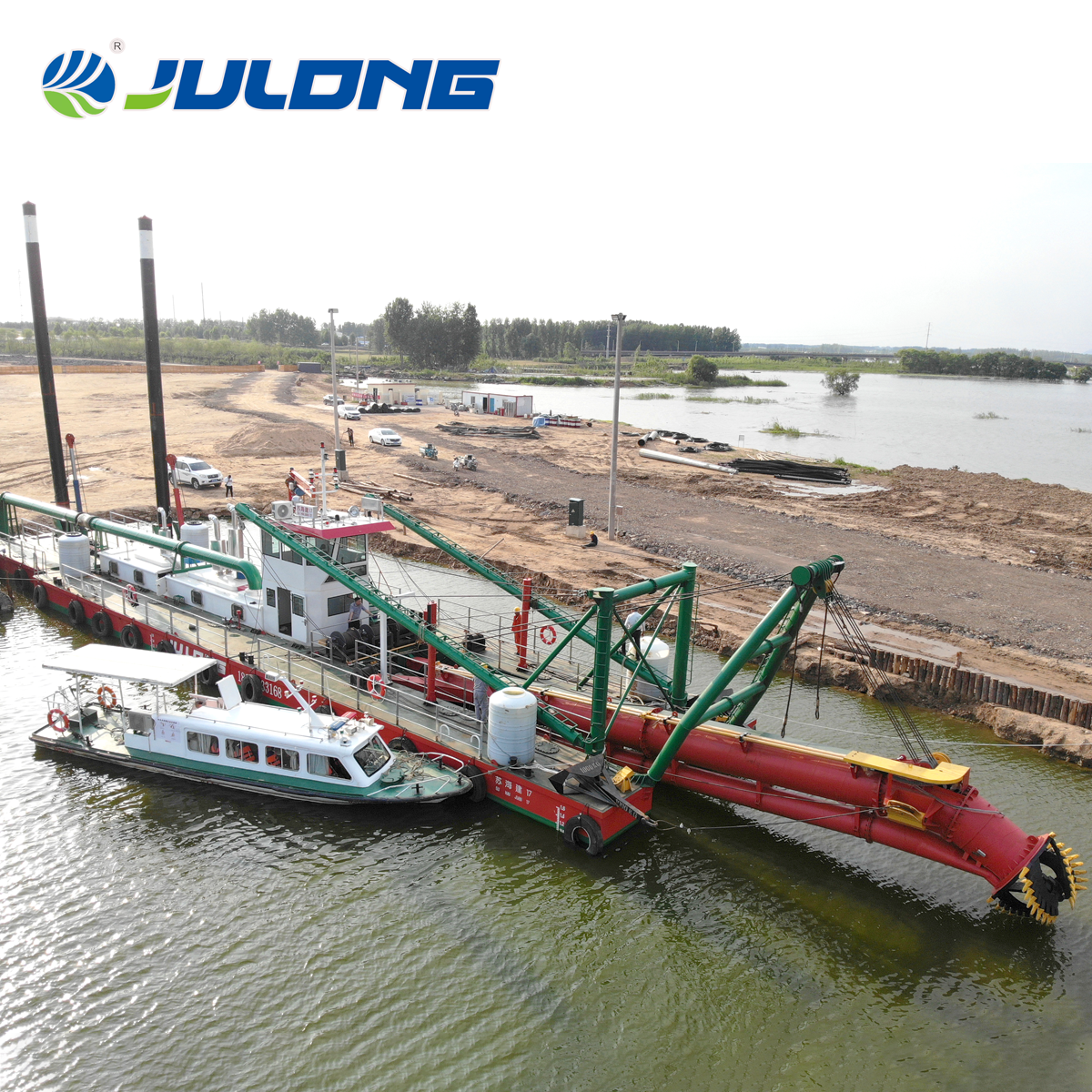
Understanding Dredgers: Key Considerations for Projects

application/dredger-means, application/dredger-means, 
Inquiry
Inquiry

Dredger means

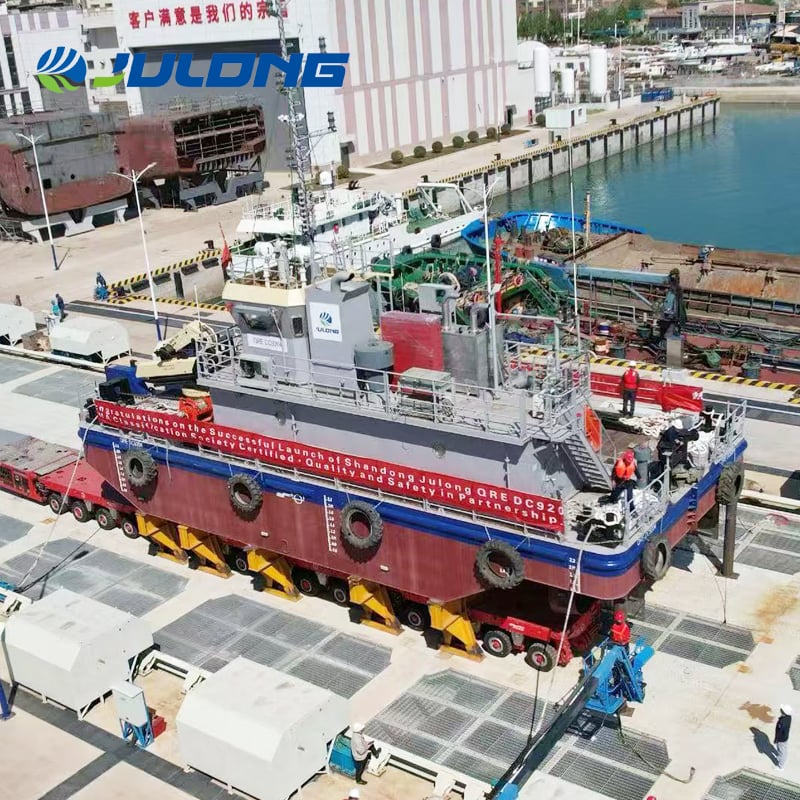
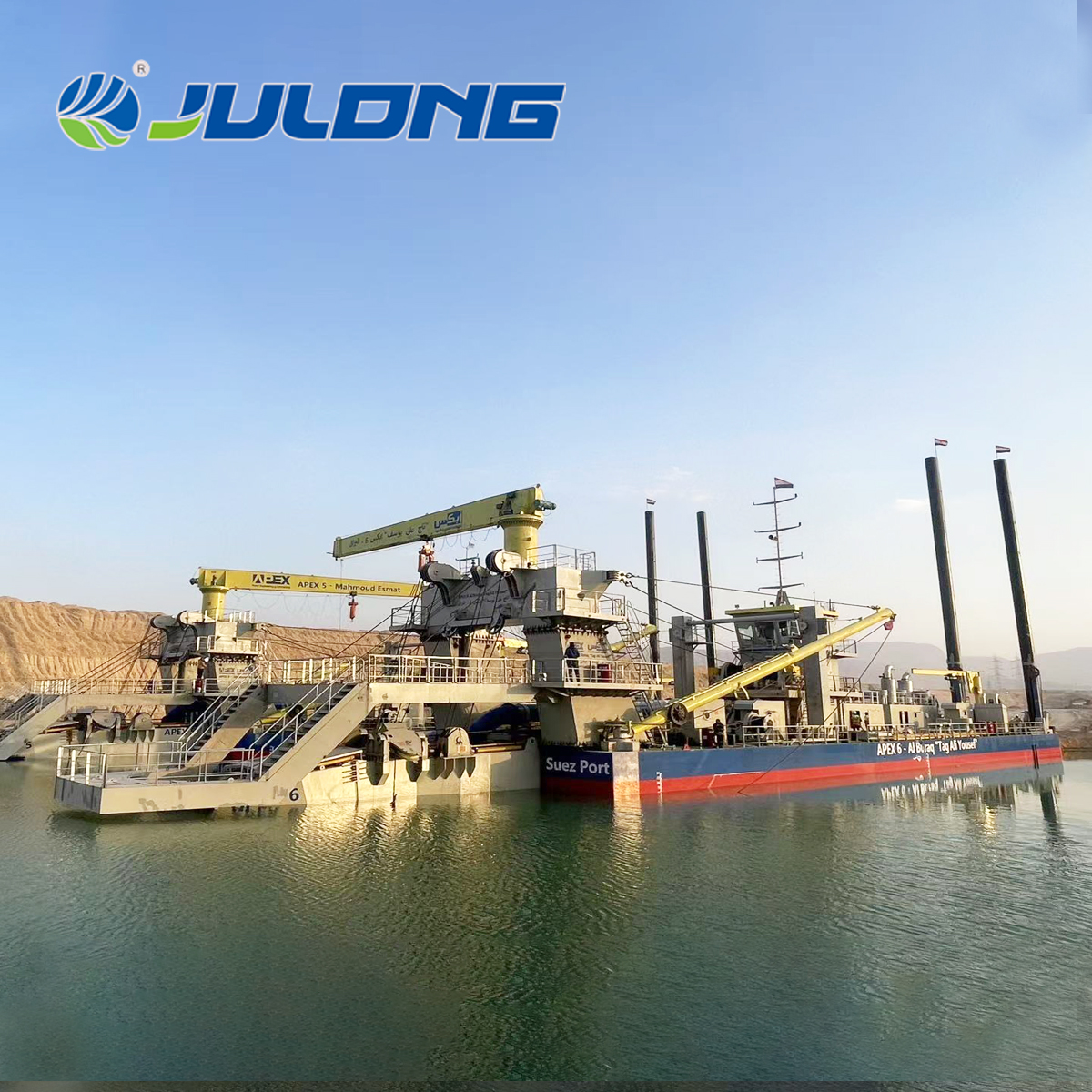
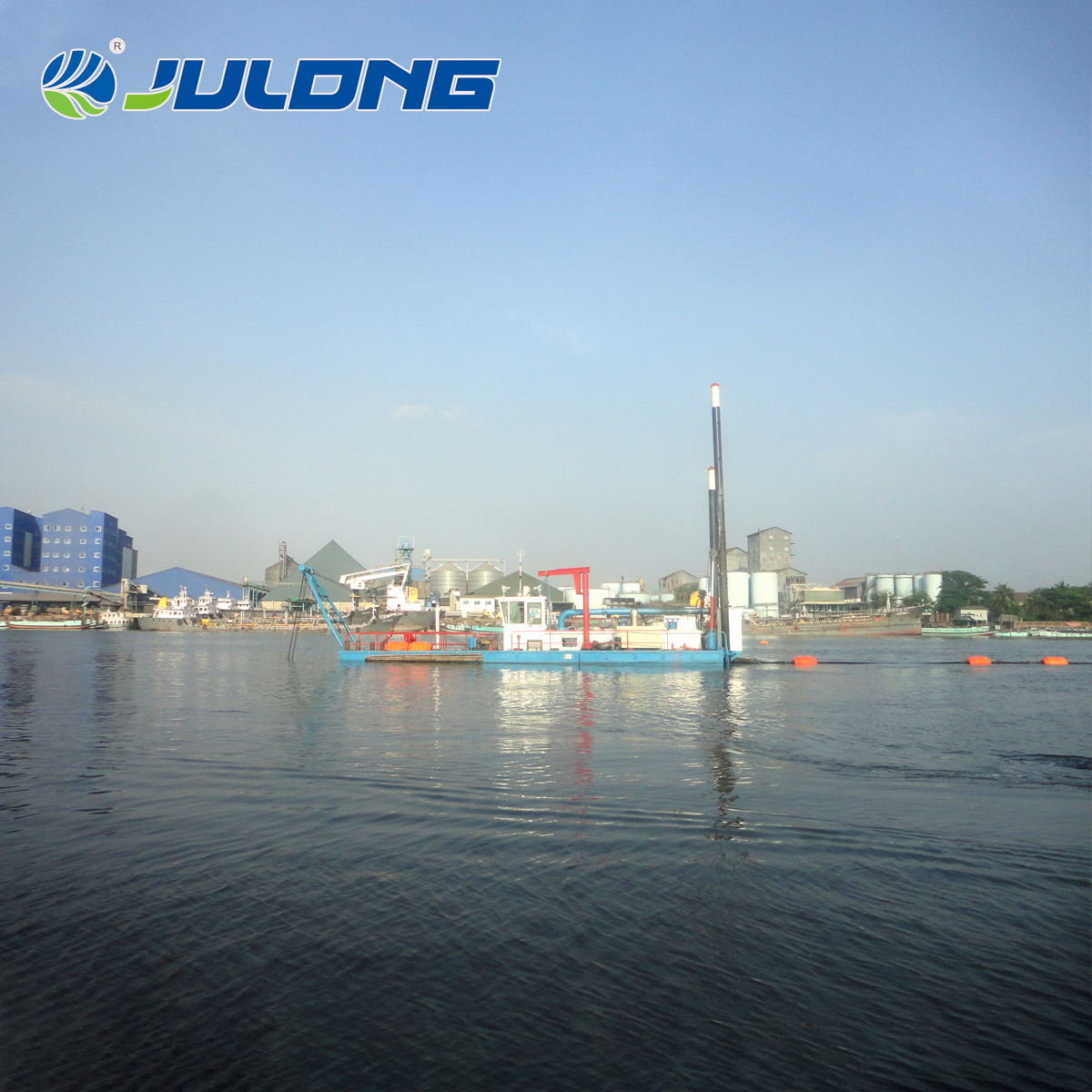
Understanding what a dredger means is critical for professionals involved in projects related to waterways, such as rivers, lakes, and ports. Dredgers are specialized vessels designed to excavate and remove sediment from the bottom of these bodies of water. For B2B buyers, this understanding translates into essential considerations when selecting the right type of dredger for their projects. This dredger company article aims to provide insights into key factors that influence dredger selection, specifications, cost considerations, installation guidelines, and various applications, helping purchasing managers and project engineers make informed decisions. 

When placing bulk orders for dredgers

When placing bulk orders for dredgers

When placing bulk orders for dredgers, understanding and comparing key specifications is vital. These include:

Dredging Depth: The maximum depth to which the dredger can operate is crucial for project feasibility.  Specifications should clearly outline the dredging capabilities for different sediment types. 

Production Capacity: Measured in cubic meters per hour, this specification indicates the dredger's efficiency and effectiveness in completing the project within the required timeframe. 

Power and Engine Specifications: The dredger mining type and power of the engine directly affect the dredger's performance. Higher horsepower may be necessary for tougher sediment conditions. 

Material Construction: The materials used in the dredger's construction can affect durability and maintenance needs. For instance, using high-strength steel can extend the life of the dredger in abrasive environments. 

Dimensions and Weight: These factors influence transportation and installation logistics. Ensure the dredger can be easily transported to the project site without special permits. 

Customization Options: Depending on unique project requirements, discussing customization capabilities with the manufacturer can lead to a more suitable dredger design. 

Buyers should develop a checklist based on these specifications to facilitate side-by-side comparisons among potential suppliers. 

Several cost factors come into play

Several cost factors come into play

Several cost factors come into play when purchasing dredgers. The dredging equipment initial purchase price is often the most apparent cost but should not be the only consideration. Here are some key factors: 

Operational Costs: Fuel efficiency, maintenance frequency, and the type of dredging will influence operational costs. For instance, cutter suction dredgers may have higher fuel consumption but offer better efficiency in solid material removal. 

Transportation and Installation Costs: Depending on the dredger's size and complexity, logistics can become a significant part of the overall cost. Ensure to factor in costs related to transport permits, specialized equipment for unloading, and site preparation. 

Financing and Warranty: Understanding financing options and warranty terms can affect the total cost of ownership. A longer warranty period often indicates a manufacturer's confidence in product durability. 

Training and Support: Additional costs may arise from training operators and ongoing support. Consider suppliers that provide comprehensive training programs to ensure efficient dredger operation. 

Replacement Parts: The availability and cost of replacement parts can impact long-term maintenance expenses. A supplier with readily available parts can help minimize downtime. 

Assessing these factors can help buyers develop a more accurate budget and avoid unforeseen expenses. 

Proper installation of dredgers

Proper installation of dredgers

Proper installation of dredgers is essential for maximizing operational efficiency and ensuring safety. Here are some guidelines to follow: 

Site Assessment: Before installation, conduct a thorough site assessment to understand the water conditions, sediment types, and any environmental regulations that may apply. 

Foundation Preparation: Ensure that the dredger's operating area is adequately prepared to support its weight and operational requirements. This may involve reinforcing the shoreline or creating a stable platform. 

Hydraulic Connections: For dredgers that employ hydraulic systems, ensure that all connections are secure and leak-free. Proper hydraulic fluid levels should be maintained to prevent operational failures. 

Testing and Calibration: Before full-scale operation, conduct trial runs to test the dredger's performance under actual working conditions. This helps identify any adjustments needed for optimal performance. 

Operator Training: Ensure that operators are trained not only on the dredger’s controls but also on safety protocols and emergency procedures. This can significantly reduce the risk of accidents and equipment damage. 

Following these guidelines will help ensure that the dredger operates efficiently from day one. 

Dredgers play a crucial role

Dredgers play a crucial role in various applications related to waterways. Here are some of the primary uses: 

Maintenance Dredging: Regular removal of accumulated sediment is vital in maintaining navigable waterways. Dredgers help ensure that shipping lanes remain open and safe. 

Capital Dredging: In port projects, dredgers are used to create new shipping channels or deepen existing ones to accommodate larger vessels. This requires specialized dredgers capable of handling solid materials. 

Environmental Projects: Dredgers are increasingly used in environmental restoration projects, such as removing contaminated sediments from riverbeds and lakes. This often involves careful planning and the use of specialized equipment to minimize ecological disruption. 

Reclamation Projects: Dredgers can be instrumental in land reclamation efforts, where sediment is removed and used to create new landforms or habitats. 

Flood Control: In areas prone to flooding, dredging can help improve the capacity of rivers and lakes to manage excess water, thereby reducing flood risks for nearby communities. 

Understanding these applications can aid buyers in selecting the right dredger for their specific project requirements, ensuring that it meets both operational and environmental standards. 

When selecting a dredger

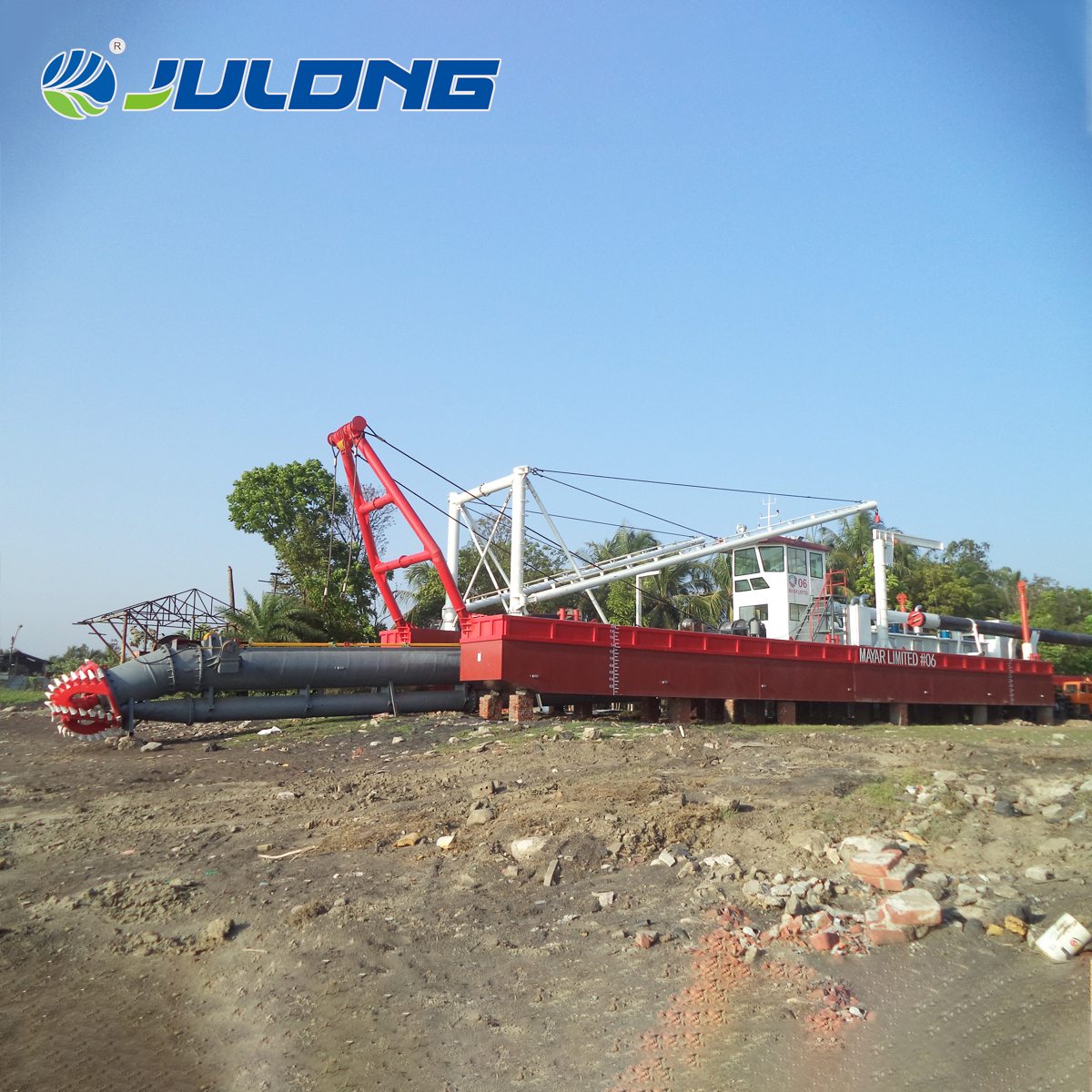
When selecting a dredger, several factors must be considered to ensure that the chosen equipment aligns with project requirements. First, assess the type of dredging required—whether it’s maintenance dredging, capital dredging, or environmental dredging. This will influence the type of dredger, such as cutter suction dredgers for solid materials or amphibious dredgers for shallow water conditions. 

Next, consider the dredger's operational efficiency and capabilities. Factors such as the dredging depth, production capacity, and the type of materials to be dredged must be evaluated. A dredger's power source, whether diesel or electric, also impacts operational costs and environmental considerations. 

Finally, it's essential to look at the manufacturer's reputation and support services. Companies like Qingzhou JULONG Environmental Technology Co., Ltd. offer ISO and CE-certified products, ensuring adherence to international quality standards. Engaging with manufacturers that provide robust after-sales support and maintenance services can significantly enhance the performance and longevity of the dredging equipment. 

Frequently Asked Questions

What types of dredgers do you manufacture?

We manufacture cutter suction dredgers, amphibious dredgers, and excavator-based dredgers for river, lake, and port projects.
Yes. Our equipment carries ISO and CE certifications, ensuring compliance with international quality and safety standards.
Our dredgers suit small to large projects, adaptable for shallow waterways, rivers, lakes, and port maintenance or construction tasks.
Yes. We offer technical support, maintenance guidance, and spare parts supply from our 12,000 m² facility to ensure durable operation.
Yes. We export to 93 countries and can assist with logistics, documentation, and local compliance for international delivery.

Get a Free Quote

Our representative will contact you soon.
0/1000