Dredger Mining: Choosing the Right Equipment

application/dredger-mining, application/dredger-mining, 
Inquiry
Inquiry

dredger mining

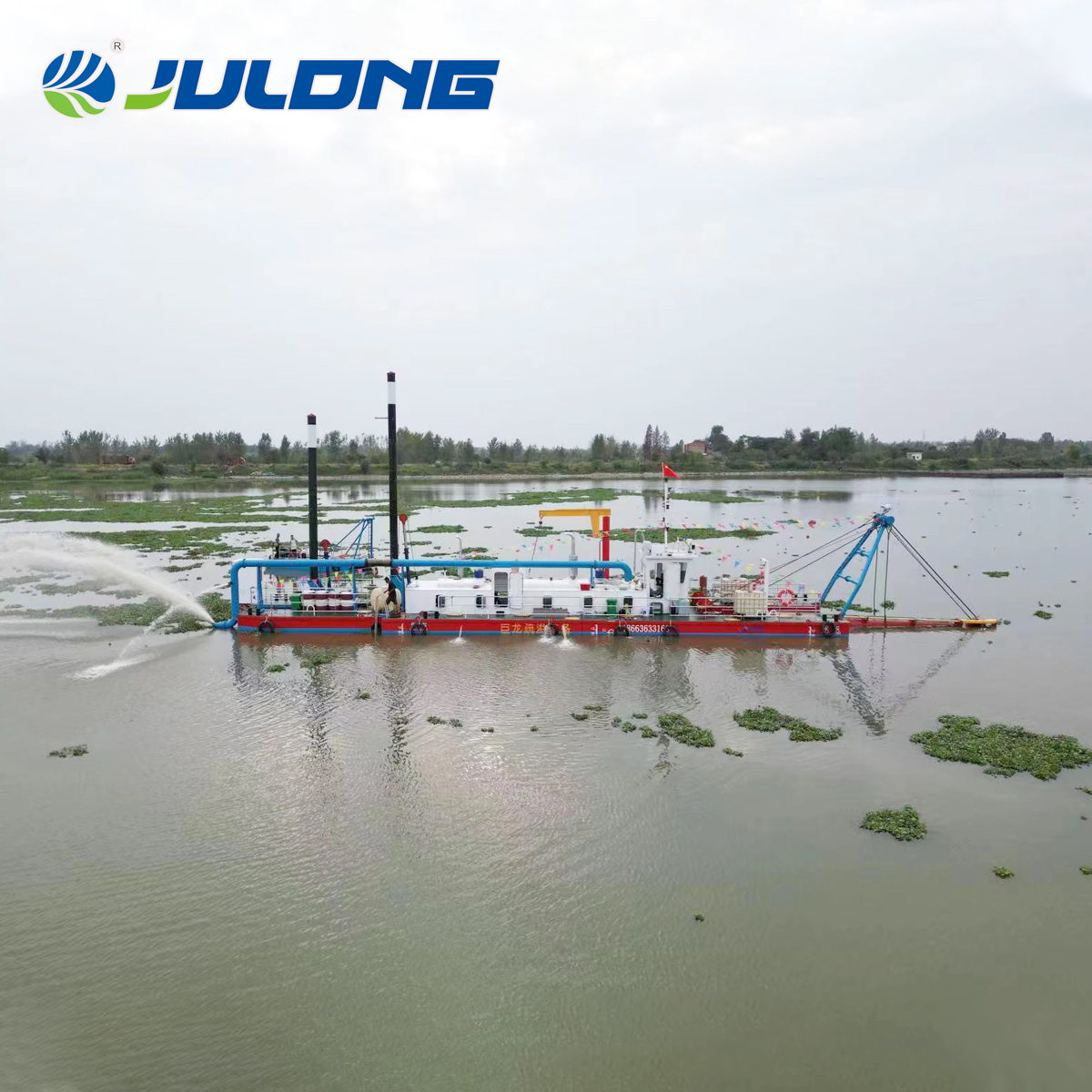
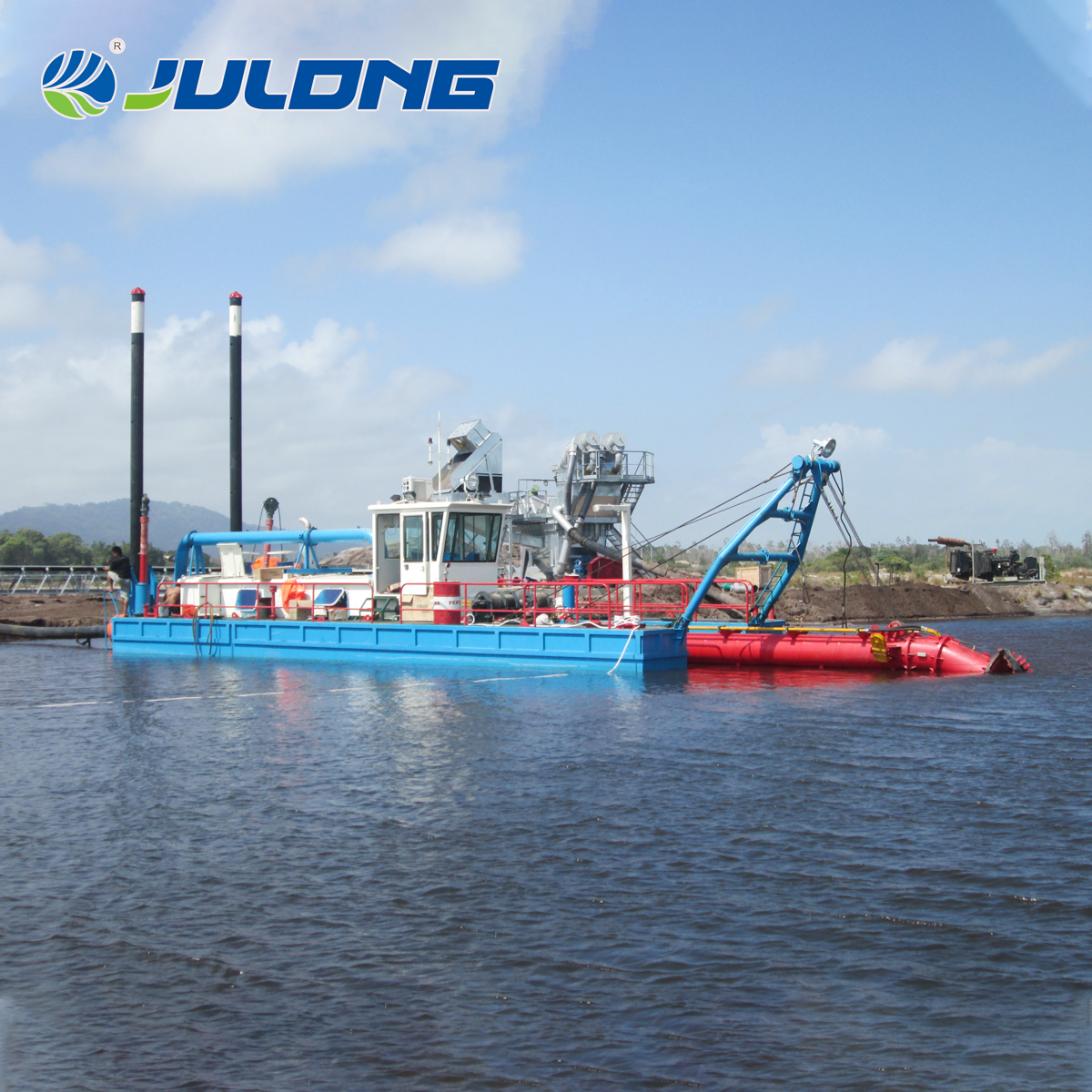
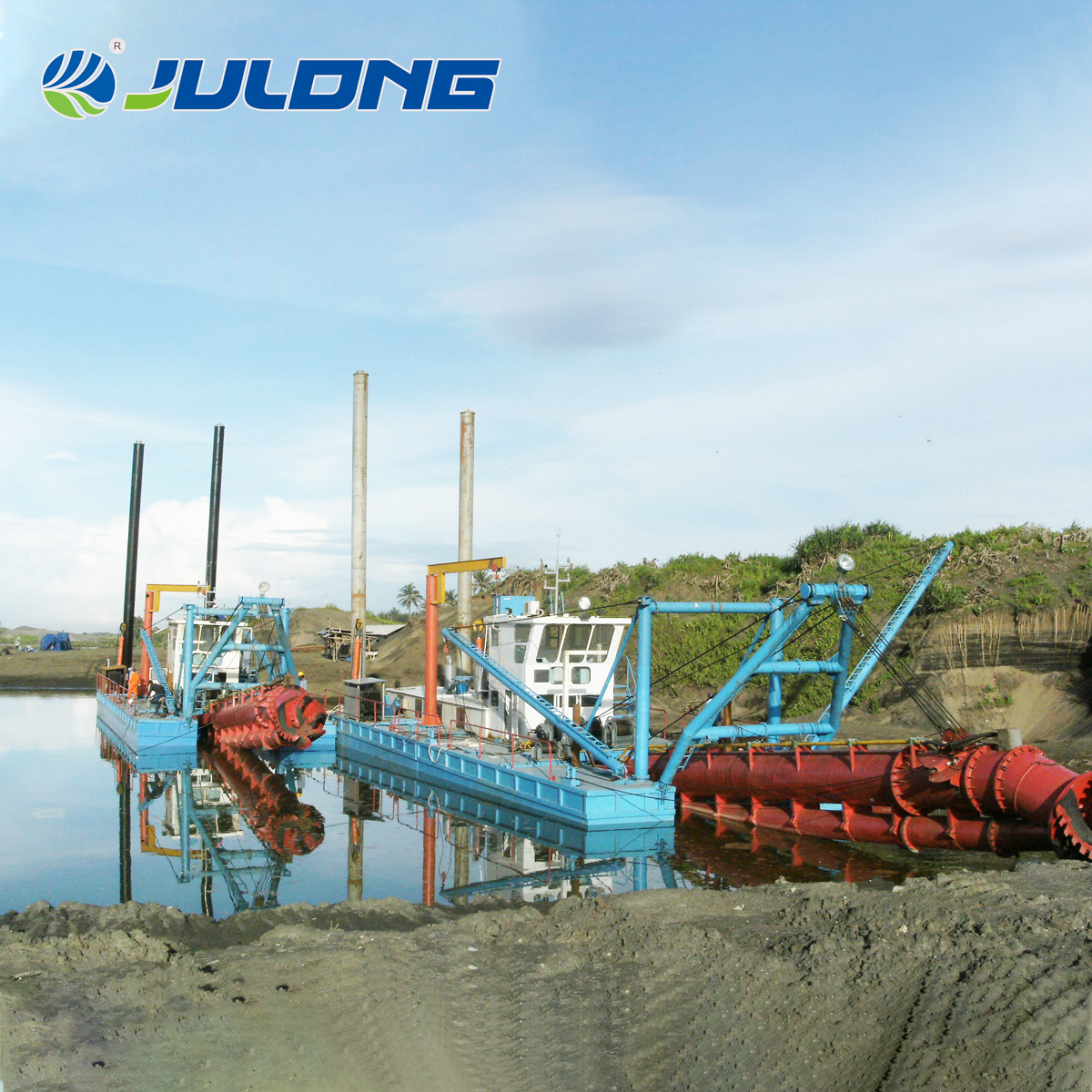
Choosing the right dredger is critical for successful  mining operations. Dredger mining, particularly  involving cutter suction dredgers and amphibious dredgers, requires careful consideration  of  various  factors to  ensure efficiency,  durability, and  suitability for specific applications. This  article  aims  to  guide purchasing managers, engineers, and  product managers through the process  of  selecting the appropriate  dredger  for their mining projects, highlighting key specifications, common  challenges, and  reliable suppliers.

 
Evaluating the Quality of Cutter Suction Dredgers and Their Materials

Evaluating the Quality of Cutter Suction Dredgers and Their Materials

Quality assessment of cutter suction dredgers involves several critical aspects:

Material Composition: The materials used  in the construction of dredgers significantly influence their durability. High-strength  steel is commonly used for hulls and frames, providing resistance against wear and  corrosion. Ensure that the manufacturer  employs  quality materials that meet industry standards.

Welding and Fabrication Quality: Inspecting the  welding techniques and  fabrication  processes is essential. Poor welding can lead to structural failures. Look for manufacturers that adhere to ISO and CE certifications, which signify compliance with international quality standards.

Performance Testing: Request information about performance testing  conducted on the dredgers. This includes tests for  suction capabilities, operational efficiency, and stability under various conditions. A reputable  manufacturer will provide  documentation  confirming these tests.

Customer Feedback and Case Studies: Reviewing customer testimonials and case studies can provide insights into the dredger's reliability and performance in real-world  applications. Reach out to existing users  to gather feedback on  their  experiences.

Warranty and Support Services: Evaluate the warranty offered  and the manufacturer's capacity for after-sales support. A robust warranty and responsive customer service can mitigate risks associated with equipment failure.

By focusing on these quality indicators,  buyers can ensure they are investing  in a dredger that will perform reliably over its operational lifespan.

Common Problems in Dredger Mining and Effective Solutions to Overcome Them

Common Problems in Dredger Mining and Effective Solutions to Overcome Them

Dredger mining can encounter several challenges. Here are common issues and practical solutions:

Clogging and Blockages: Dredgers can experience clogging due to the accumulation of material in the suction line. Regular  maintenance, along with proper training for operators  on how to recognize and address blockages, can minimize  downtime.

Mechanical  Failures:  Wear and tear on components can lead to mechanical failures. Implementing a routine maintenance  schedule and using high-quality spare parts can extend the life of the dredger and  reduce the  likelihood of unexpected breakdowns.

Environmental Impact: Dredging operations can impact local ecosystems. Employing environmentally friendly practices and ensuring  compliance with local regulations can  help mitigate these  effects while maintaining operational efficiency.

Operational Efficiency: Inconsistent operational practices can hinder efficiency.  Implementing standard operating procedures (SOPs) for dredger operation and maintenance can ensure that all  team members  are  on the same page, improving productivity.

By anticipating  these challenges and  applying the suggested solutions,  companies can enhance their dredger mining operations and reduce potential  setbacks.

 
Installation Guidance for Maximizing Dredger Mining Equipment Performance

Installation Guidance for Maximizing Dredger Mining Equipment Performance

Proper installation  of dredging equipment is critical for optimizing performance.  Here  are key points to consider:

Site Preparation: Before installation, ensure the site is properly prepared. This includes clearing any debris, assessing the stability of the ground, and ensuring that access routes for transporting the dredger  are  clear.

Installation  Procedures:  Follow the manufacturer's installation  guidelines meticulously. This  often includes specific instructions  for anchoring the dredger, connecting hoses, and ensuring that the  hydraulic systems are properly configured.

Calibration and Testing: After installation, conduct thorough testing and calibration of the dredger’s systems. This includes checking the suction  and discharge systems, ensuring that the dredger  operates smoothly under load conditions.

Operator  Training:  Ensure that operators are trained on the specific dredger model being used. Familiarity  with the equipment will enhance operational efficiency and safety.

Regular  Monitoring: After installation, keep monitoring the equipment's performance. Implementing an ongoing maintenance and monitoring program can help identify issues  before they escalate.

By following these guidelines,  companies can maximize  the performance and longevity of their dredging equipment.

Where to Find Reliable Suppliers for Dredger Mining Equipment Worldwide

Finding a  trustworthy supplier for dredger  mining equipment is essential. Consider  these  strategies:

Industry  Trade Shows: Attend trade  shows and exhibitions focused on mining and dredging. These events  provide opportunities  to meet  manufacturers, view equipment firsthand, and discuss specifications  directly.

Online Marketplaces  and Directories: Utilize online B2B marketplaces that specialize in industrial equipment.  Websites like Alibaba or ThomasNet can be useful for finding  reputable suppliers and comparing products.

Networking: Leverage industry contacts and professional networks. Engaging with peers can provide recommendations for reliable suppliers based on firsthand experiences.

Certifications and Quality Standards: When evaluating potential suppliers, check for relevant certifications such as ISO and CE.  These certifications indicate adherence to international quality and safety standards, providing assurance of the supplier's  credibility.


Requesting References: Ask potential suppliers for references from previous clients. Speaking directly  with past  customers can provide insights into  the supplier's reliability, product quality, and service levels. For example, the JLWB1600 Multi-function Work Boat has received positive feedback for its performance in various applications.

By employing these strategies, buyers can identify reputable suppliers that meet their dredger mining equipment needs and establish long-term partnerships.


How to Choose the Right Dredger for Your Mining Operations

When considering dredger mining, the first step is to evaluate your  specific project requirements. Factors to  consider include:

Type of  Material: Are you extracting sand, gravel, or minerals? Different dredgers are designed for  various materials. For instance, cutter suction dredgers excel in harder materials, while amphibious dredgers are suitable for shallow water and marshy areas. If you are looking for a robust option, consider the JLCSD700 Cutter Suction Dredger – 7,000 m³/h Heavy-Duty Hydraulic Dredging Vessel.


Project Scale: Assess the scale of your operations. Larger projects may require more powerful  dredgers with higher production capacities. Ensure the dredger's specifications align with your project’s  demands.

Operating Environment: Consider the water  conditions, such as depth and  flow rate. Dredgers have specific operating limits, and choosing one that can handle  the expected conditions is crucial for operational  efficiency.

Customization Needs: Depending on your project, you may require specific features, such as enhanced propulsion systems or specialized attachments. Discuss customization options  with manufacturers to ensure the dredger  meets your unique operational needs.

Budget and Lifecycle Costs: While the  initial purchase price is important, also  evaluate the long-term operating costs,  including maintenance, fuel consumption, and potential  downtime.

By carefully  assessing these factors, buyers can make informed decisions that align with  their operational goals and budget constraints.

Frequently Asked Questions

What types of dredgers do you offer?

We manufacture cutter suction dredgers, amphibious dredgers, and excavator-mounted dredgers tailored for river, lake, and port projects.
Yes. Our equipment carries ISO and CE certifications, ensuring compliance with international quality and safety standards.
Our range serves small restoration works to large-scale port and river projects, offering models suited for various depths and production requirements.
Yes. We offer technical support, maintenance guidance, and supply spare parts from our facility to ensure long-term operation and uptime.
We serve 93 countries worldwide. Lead times vary by model and order size; contact us with project details for a specific delivery estimate.

Get a Free Quote

Our representative will contact you soon.
0/1000