Choosing the Right Cutter Suction Dredger

application/cutter-suction-dredger, application/cutter-suction-dredger, 
Inquiry
Inquiry

cutter suction dredger

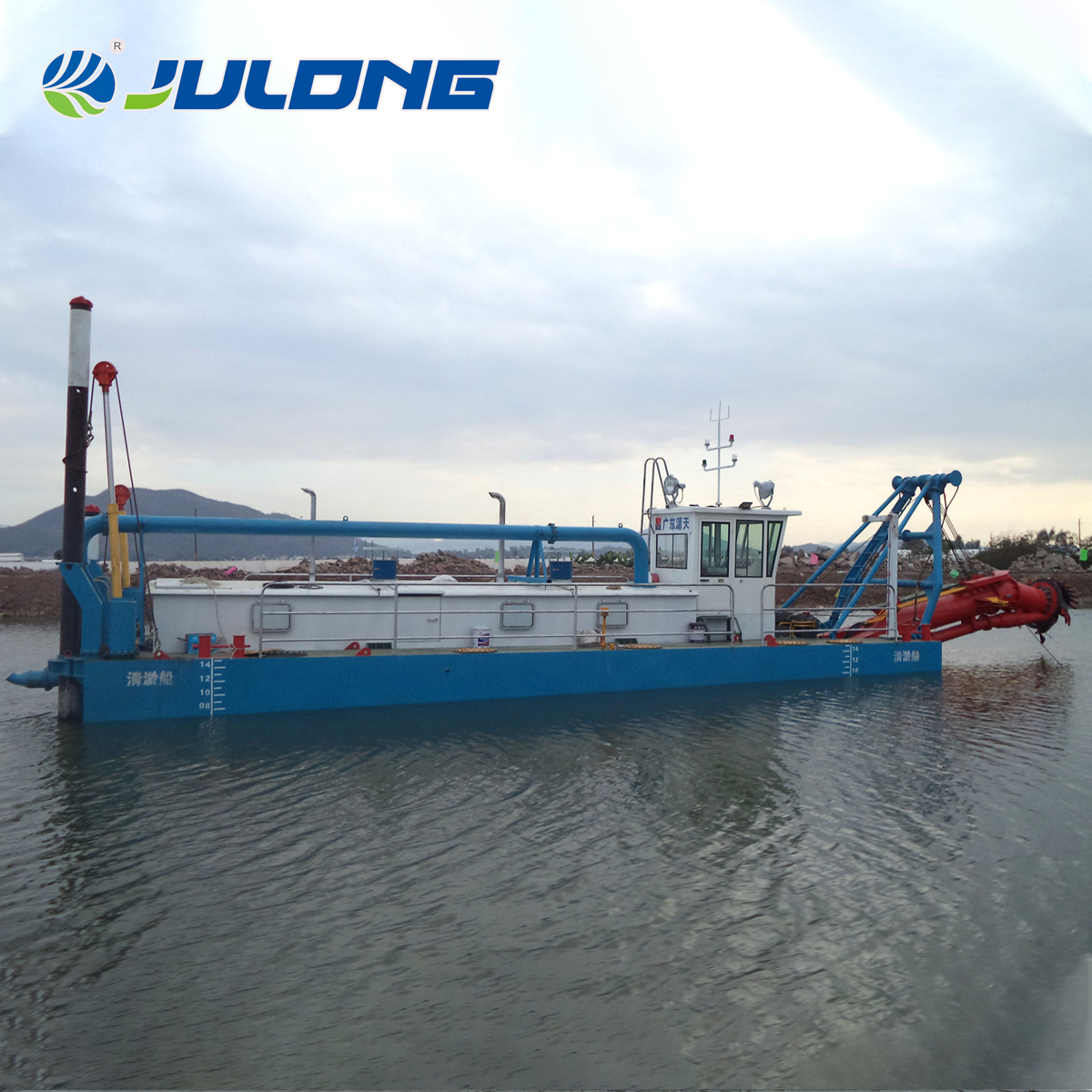
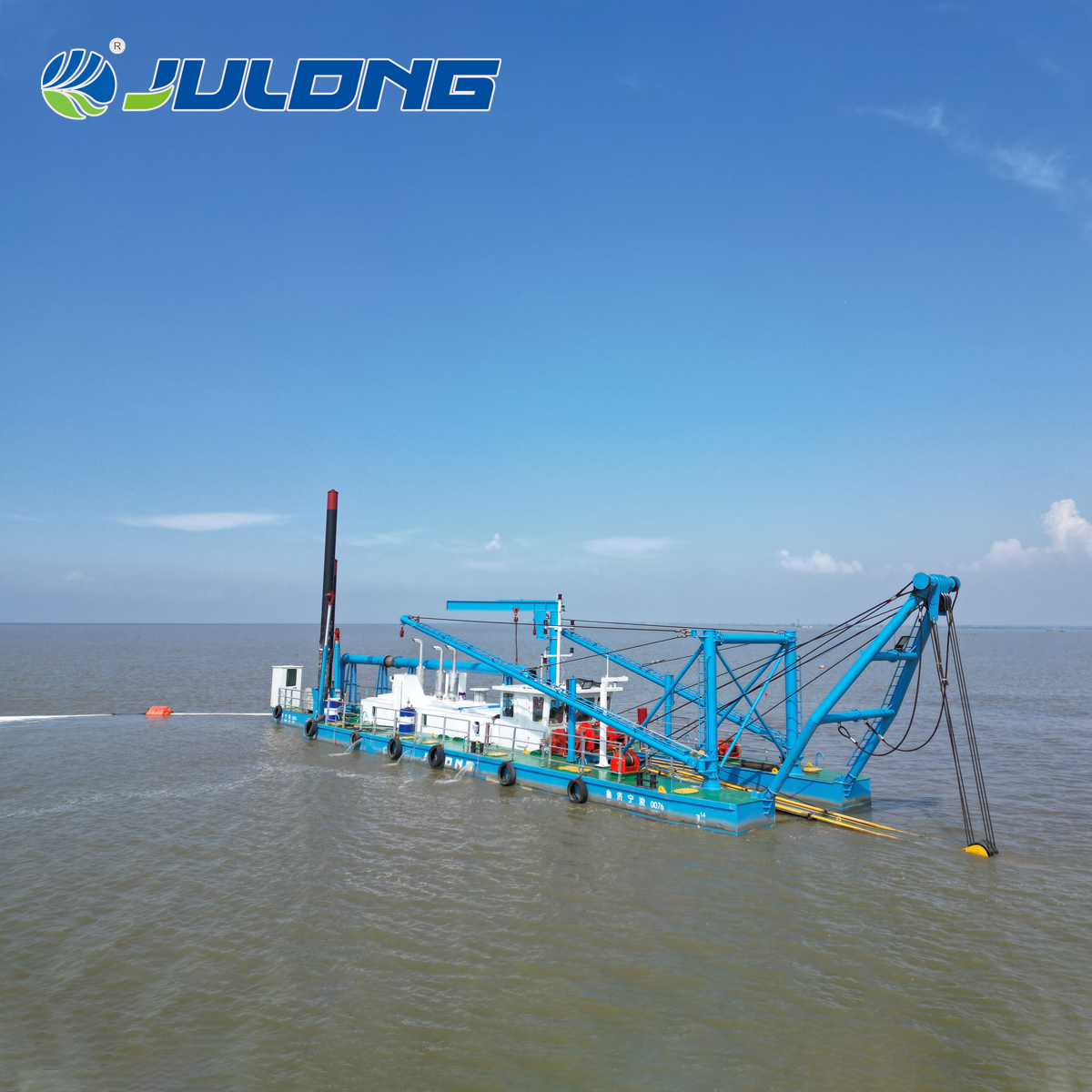
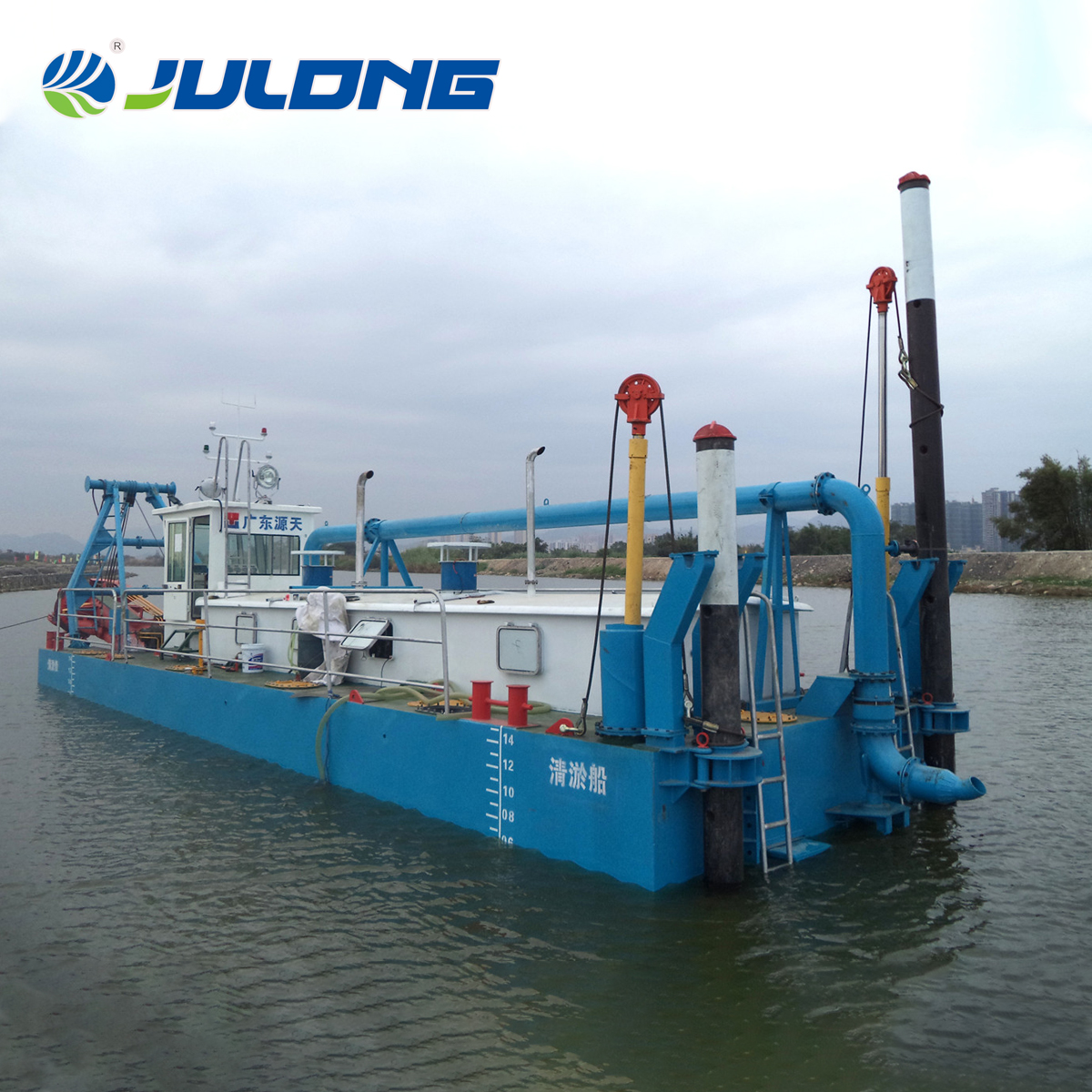
Cutter suction  dredgers are vital equipment in the construction  and  maintenance of waterways, ports, and other  aquatic projects.  As  a purchasing manager  or project engineer, the  choice of  the right dredger can  greatly  impact the  efficiency  and success of your project. This article will address  key  factors to  consider when selecting a cutter  suction dredger, including  specifications, supplier reliability, installation guidance, and common operational issues,  to help  you make an informed purchasing decision.

Key Specifications to Consider When Sourcing Cutter Suction Dredgers

Key Specifications to Consider When Sourcing Cutter Suction Dredgers

When sourcing cutter suction dredgers, there are  several key specifications that must not be overlooked:

Dredging  Depth and Width: Ensure the dredger meets the maximum depth and width required for your project. This is crucial for both efficiency and compliance with project specifications.

Pump Power and Capacity: The pump's power directly influences  the dredger's performance. Higher capacity pumps can handle larger volumes and more  challenging materials,  reducing operational time.

Cutter  Head Design: Different cutter head designs are optimized for specific soil  types. A robust  cutter head is essential for penetrating hard materials, while  a multi-toothed cutter is more efficient in softer conditions.

Material and Build Quality: The durability of a dredger is contingent on its  construction materials. High-quality steel  or  corrosion-resistant composites can extend  the dredger's operational life, especially in harsh  environments.

Fuel Efficiency: Consider the  dredger's fuel consumption relative to its output. Efficient  models can lead to significant cost savings over time.

Control Systems: Advanced control systems can enhance  operational precision and safety. Look for features like remote monitoring and automated dredging capabilities.

By comparing these specifications, you can determine which cutter suction  dredger aligns with  your operational requirements and budgetary constraints.

Where to Find Reliable Suppliers of Cutter Suction Dredgers

Where to Find Reliable Suppliers of Cutter Suction Dredgers

Finding a reliable supplier is essential for securing  a quality cutter  suction  dredger. Start by researching manufacturers with  proven industry experience, like  Qingzhou JULONG Environmental Technology Co., Ltd.,  which specializes in durable dredging solutions and holds ISO/CE certifications.

Check supplier reviews and testimonials to gauge  customer  satisfaction. Engage  with peers in your industry to  gather recommendations based on  their experiences. Additionally,  attend industry trade  shows and  exhibitions where manufacturers showcase  their latest  technologies and innovations.

It's also  wise  to request references from potential suppliers. Engaging past clients can provide  insights into the supplier's reliability, post-sale support,  and responsiveness to quality issues.

Installation Guidance for Efficient Use of Cutter Suction Dredgers

Installation Guidance for Efficient Use of Cutter Suction Dredgers

Proper  installation  is fundamental to the effective operation of cutter suction dredgers. Begin by ensuring  that the site is adequately prepared,  with clear access routes for the dredger and support  equipment.

Next, consult  the manufacturer's installation manual for  specific instructions,  including anchoring  methods and underwater positioning. It's also advisable to have experienced  personnel oversee the installation, as  their expertise can prevent common mistakes that might affect dredger performance.

Before commencing dredging  operations, conduct a thorough equipment  check. Inspect all hydraulic systems for  leaks, test  the cutter head's functionality, and ensure that communication  systems are operational. Familiarize your crew  with the dredger's  controls and safety features,  as well.

Common Problems with Cutter Suction Dredgers and Their Solutions

Cutter suction dredgers, while  highly effective, can  encounter various operational challenges. Understanding these issues can help mitigate downtime and maintain efficiency:

Clogging: One of the most common problems  is clogging due to dense material or debris. Regular maintenance and checks on the suction line can help prevent this. Implementing a routine inspection schedule will ensure that any blockages are addressed promptly.

Hydraulic Failures: Hydraulic systems are crucial for  dredger operation. Regularly check hydraulic fluid levels and inspect hoses for wear. Consider investing in  quality  hydraulic components to minimize failure risks.

Wear and Tear on the Cutter Head: The cutter  head can  experience significant wear, especially in abrasive materials. Monitor its condition regularly and replace it as needed. Using high-quality materials  for the cutter head can also  enhance  longevity.

Poor Fuel Efficiency: If you  notice increased fuel consumption, this could indicate underlying issues with the engine or propeller efficiency. Conduct a complete system check and consult the manufacturer for troubleshooting advice.

By being proactive  about these common problems, you can enhance the operational efficiency  of  your cutter suction dredger and prolong its operational lifespan. Dredgers are essential in ensuring effective aquatic construction processes.

Choosing the right cutter suction dredger involves careful consideration  of your project requirements, understanding key  specifications, selecting reliable suppliers, ensuring proper installation, and being prepared to address common operational challenges. By following these guidelines, you can make informed  decisions that will  contribute to the success of your aquatic construction projects.

Choosing the Right Cutter Suction Dredger for Your Project Needs

Selecting the appropriate cutter suction dredger for  your project hinges on several critical  factors. First, consider the specific application—are  you dredging a river, lake, or port? Each  environment  requires different dredging capabilities. For instance,  if  you are working in a  densely vegetated area, an amphibious dredger may be more suitable than a traditional cutter suction dredger.

Next, assess the  dredging  depth and material. Different models  have varying capacities for handling soil types, including clay, sand, or silt. Understanding the sediment composition of your project site is essential, as it affects the dredger's  efficiency  and operational lifespan. Additionally, consider the dredging volume  required; this will dictate the size and capacity of the dredger you need.

Lastly, evaluate the  dredger's mobility and operational ease. For projects involving limited  access or challenging terrain,  a smaller, more maneuverable dredger  could be advantageous.

Frequently Asked Questions

What is a cutter suction dredger used for?

A cutter suction dredger excavates and removes sediment from rivers, lakes, ports and waterways, cutting compacted material and conveying slurry to disposal or reclamation sites for dredging and maintenance projects.
We provide a range of cutter suction dredgers in various power and size configurations to suit small maintenance jobs to large port projects. Specific model selection depends on depth, clay type and production requirements.
Our equipment is manufactured in a 12,000 m² facility and holds ISO and CE certifications, ensuring compliance with international quality and safety standards.
Yes. We offer customization of dredger dimensions, cutter heads, pump capacity and onboard systems to match site conditions, project scope and client requirements.
We provide technical support, commissioning, operator training and spare parts supply for maintenance. Remote assistance and field service can be arranged to ensure reliable operation.

Get a Free Quote

Our representative will contact you soon.
0/1000