Choosing the Right Working Canal Boats for Projects

application/working-canal-boats, application/working-canal-boats, 
Inquiry
Inquiry

Working canal boats

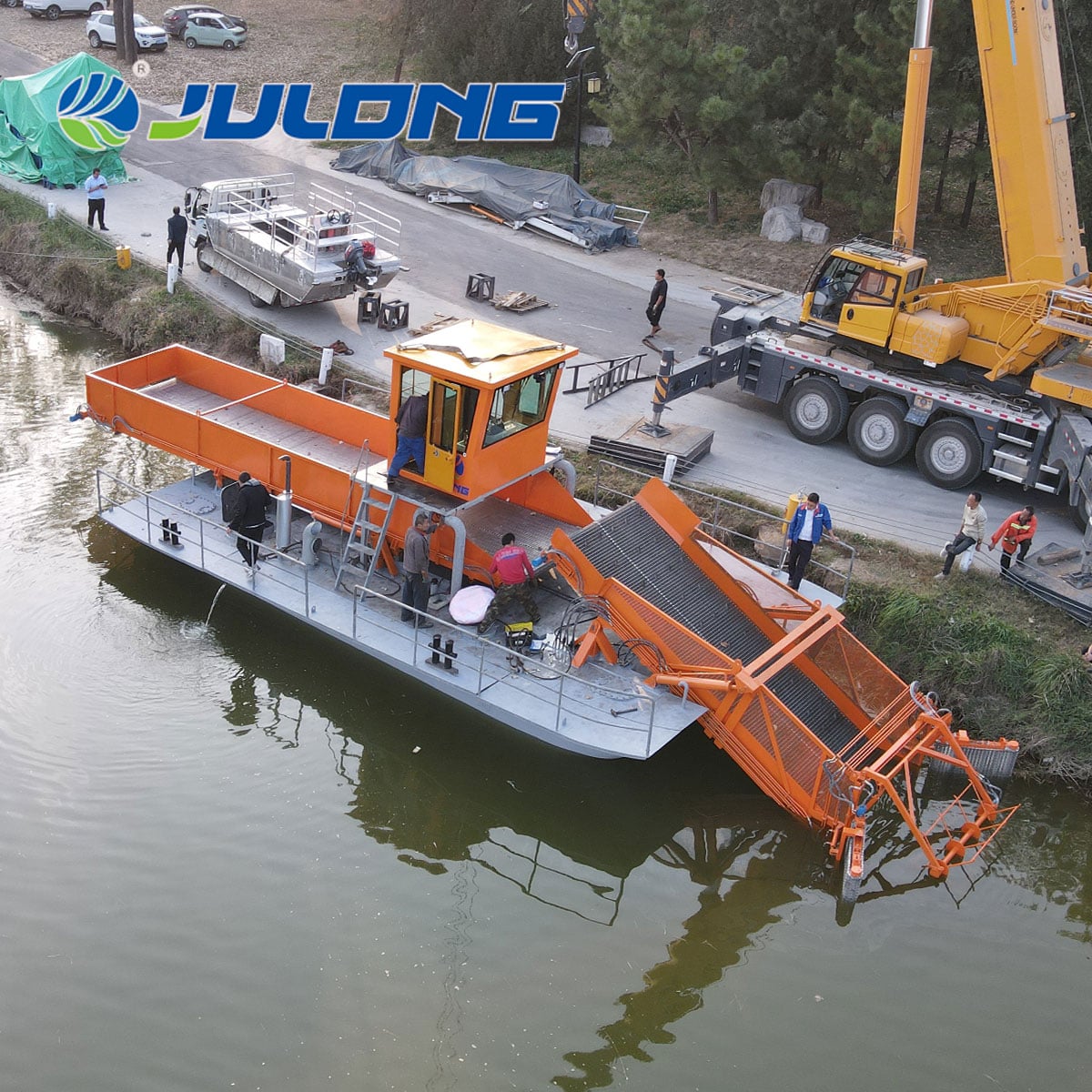
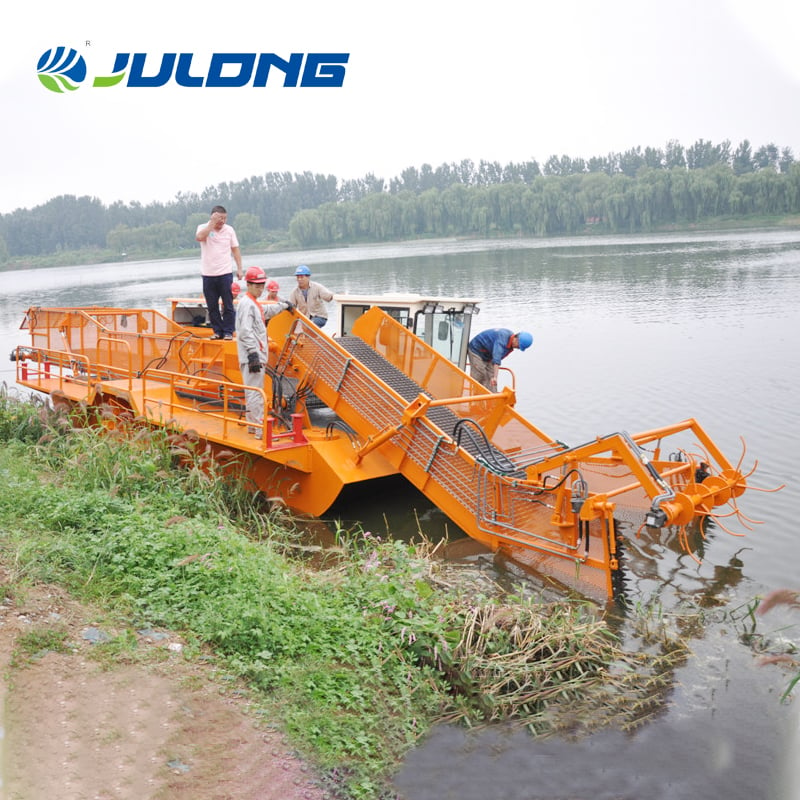
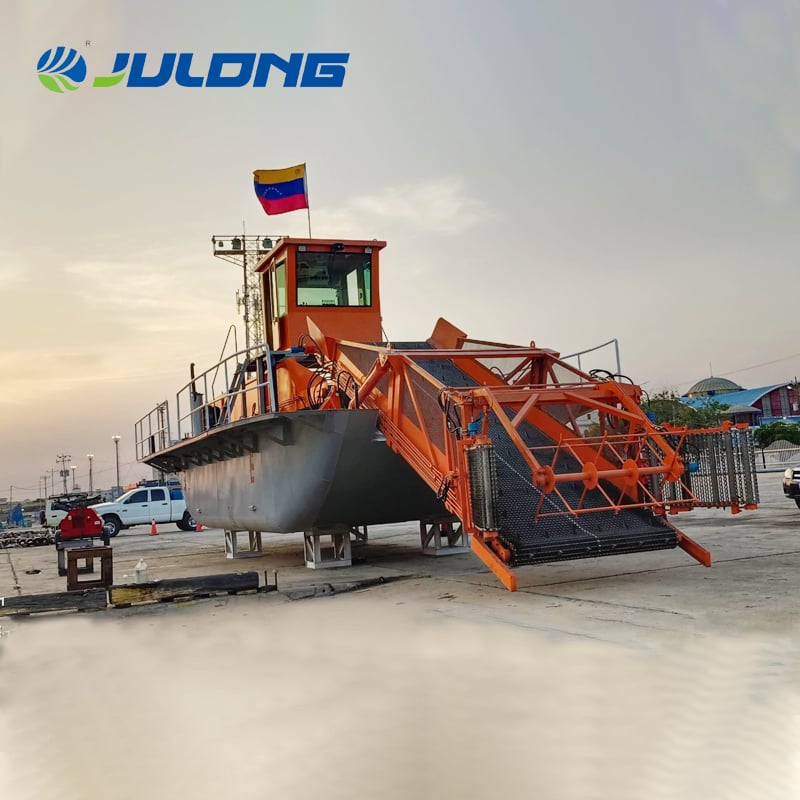
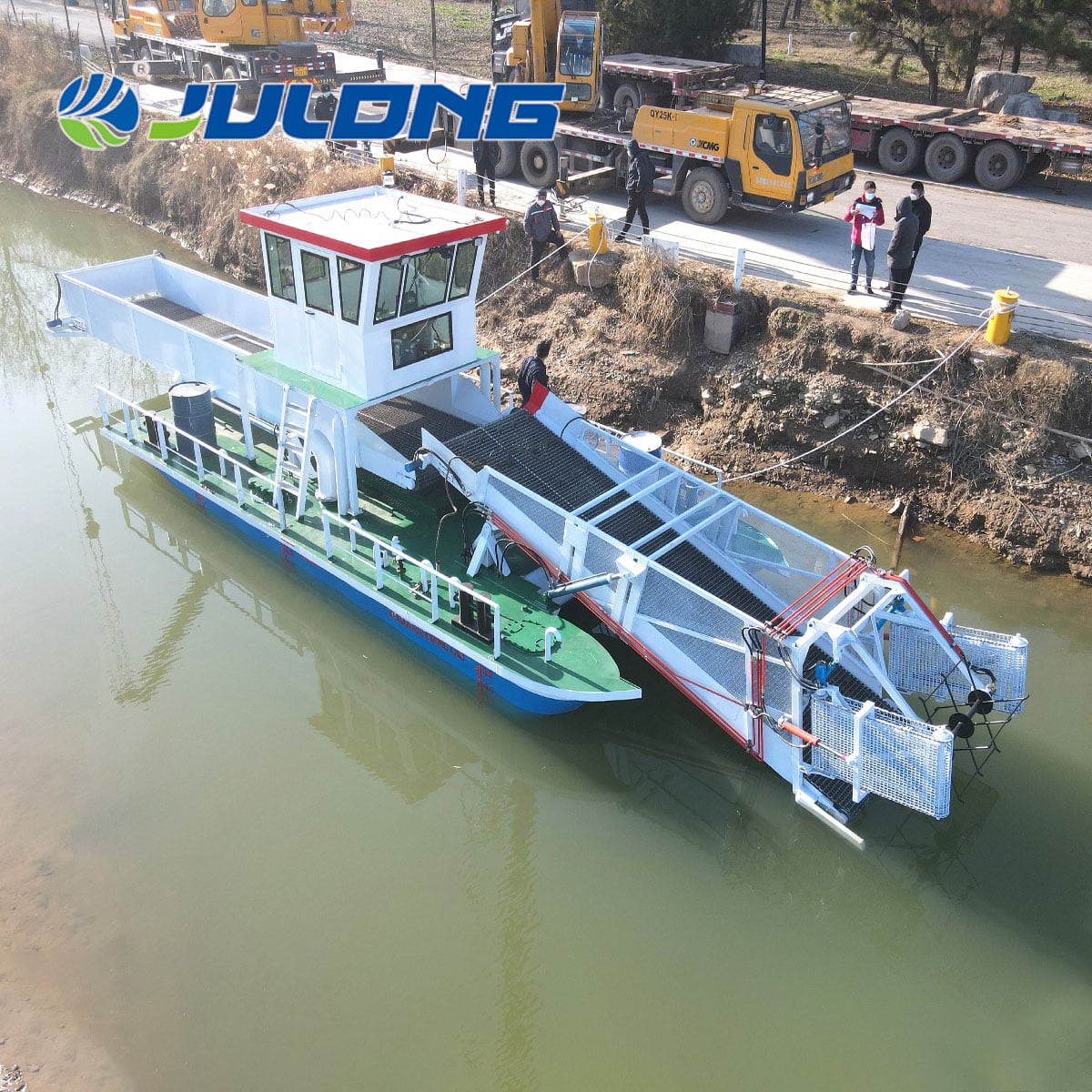
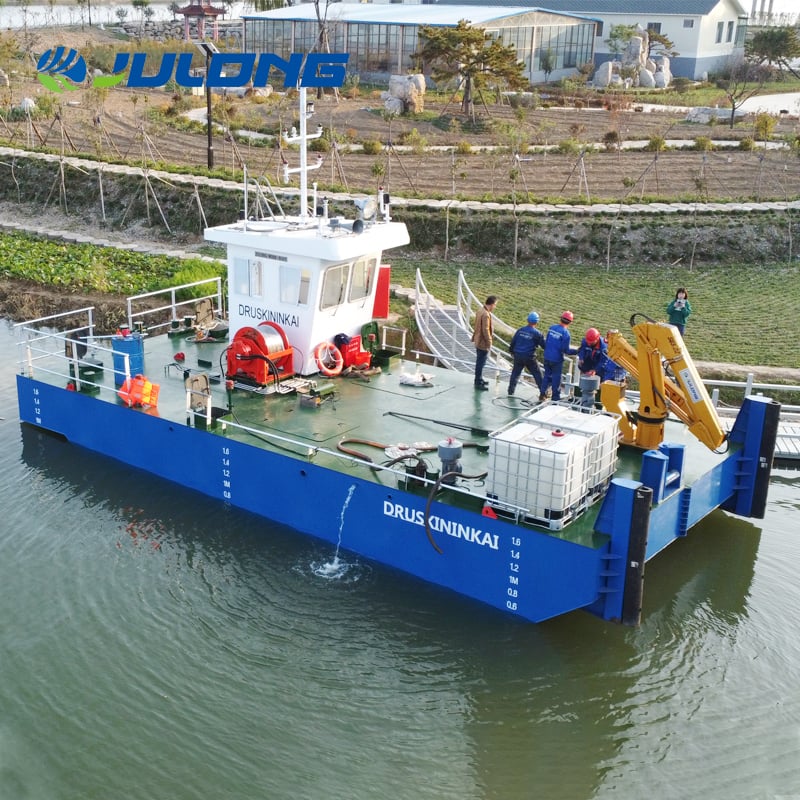
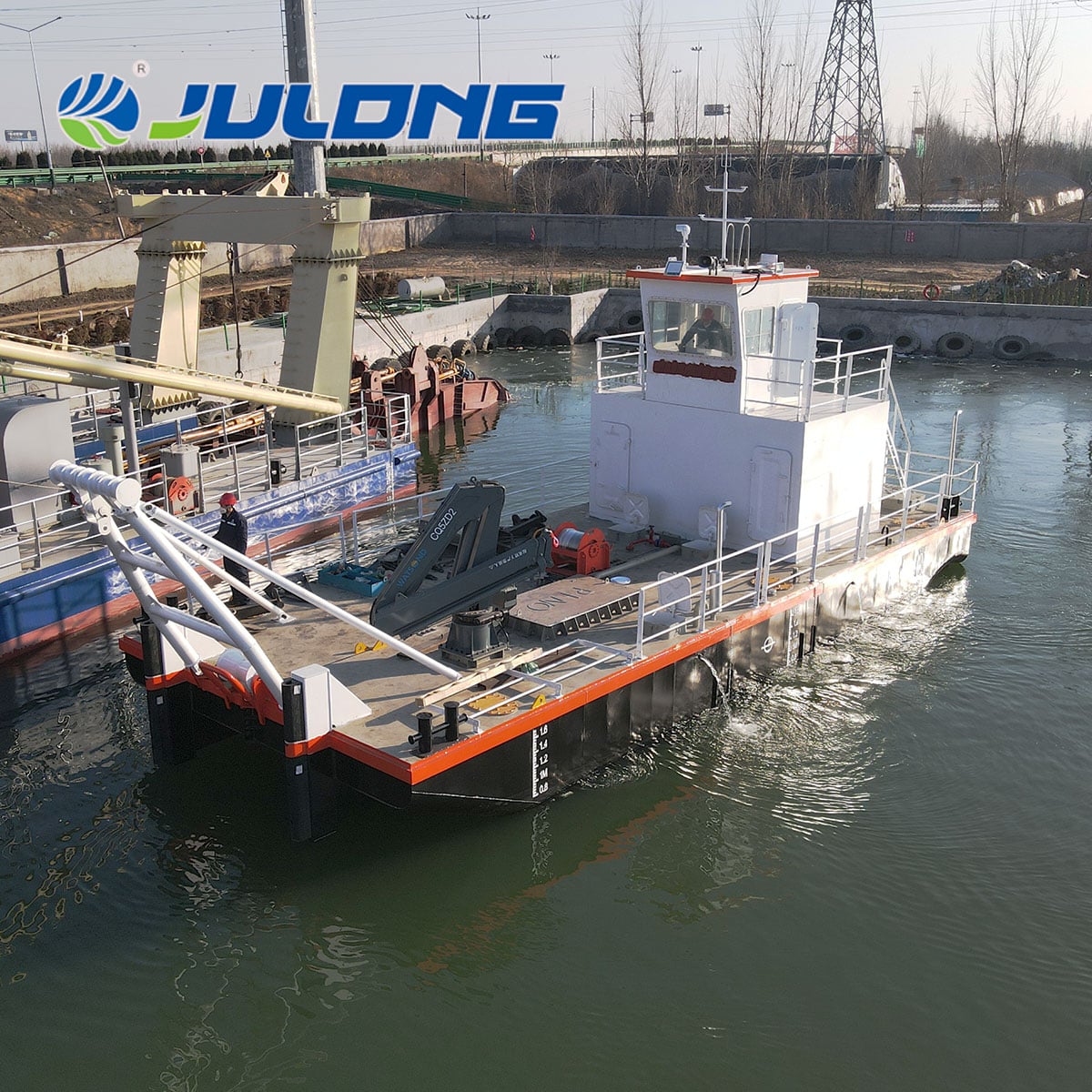
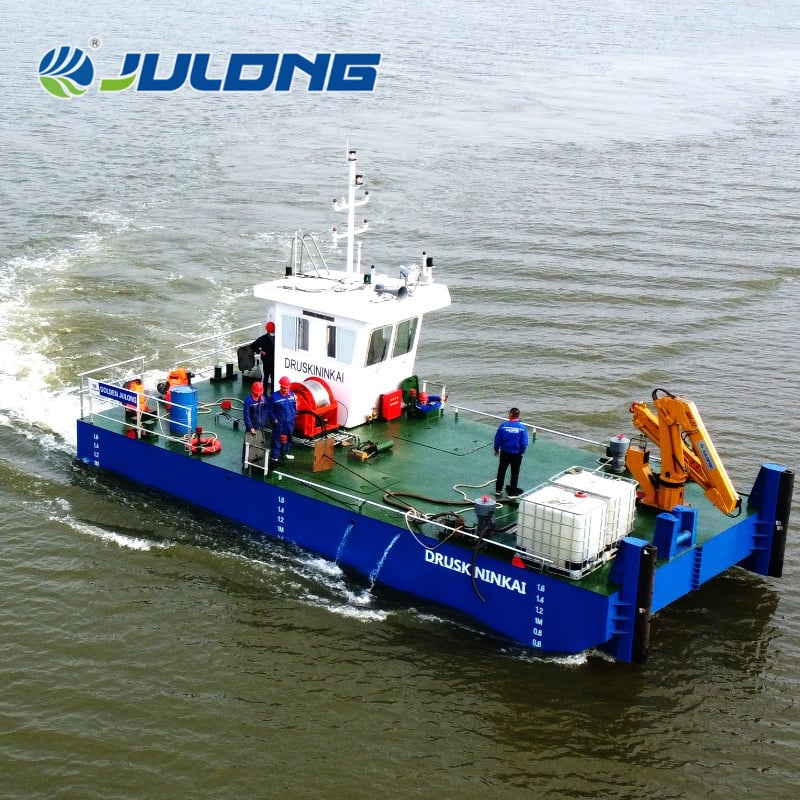
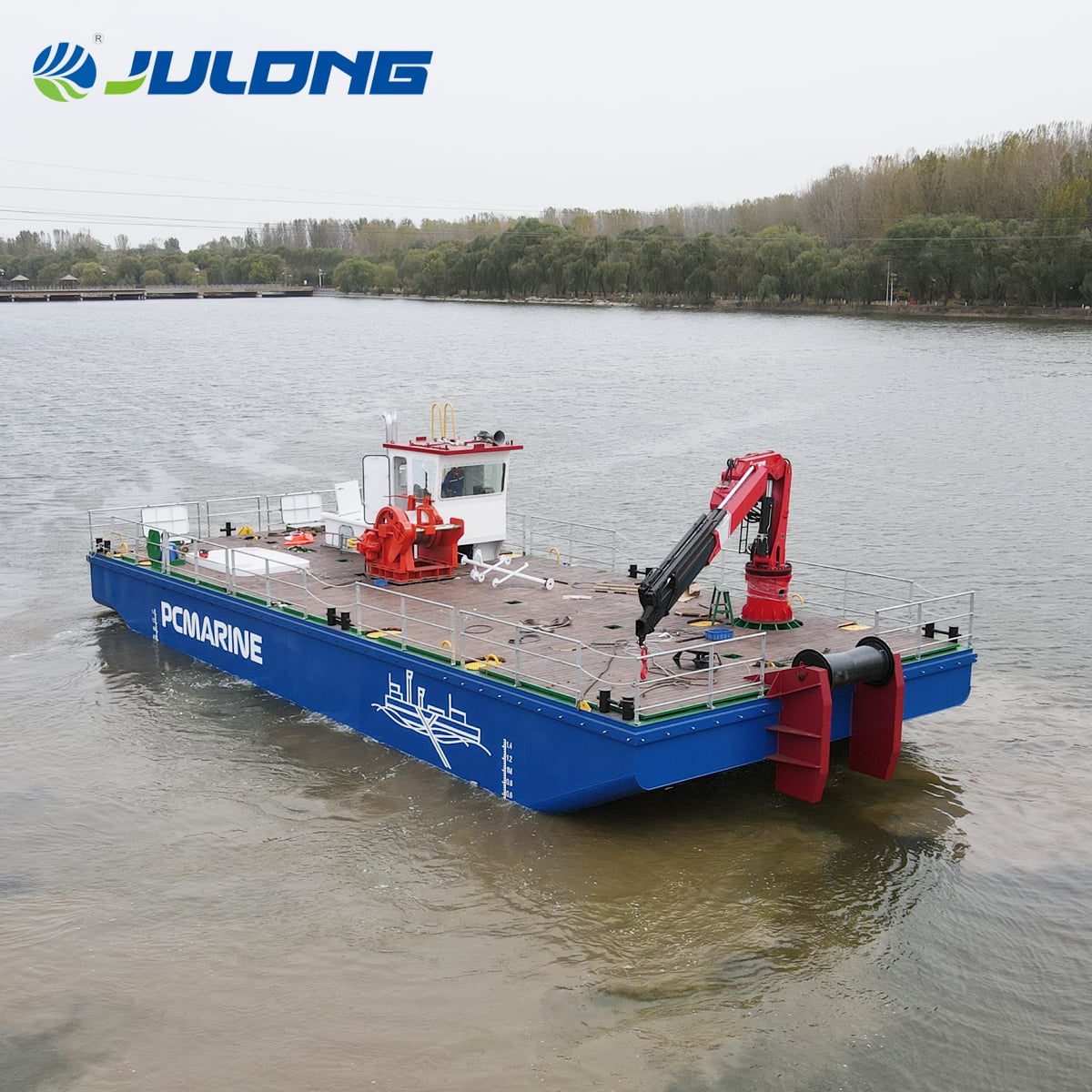
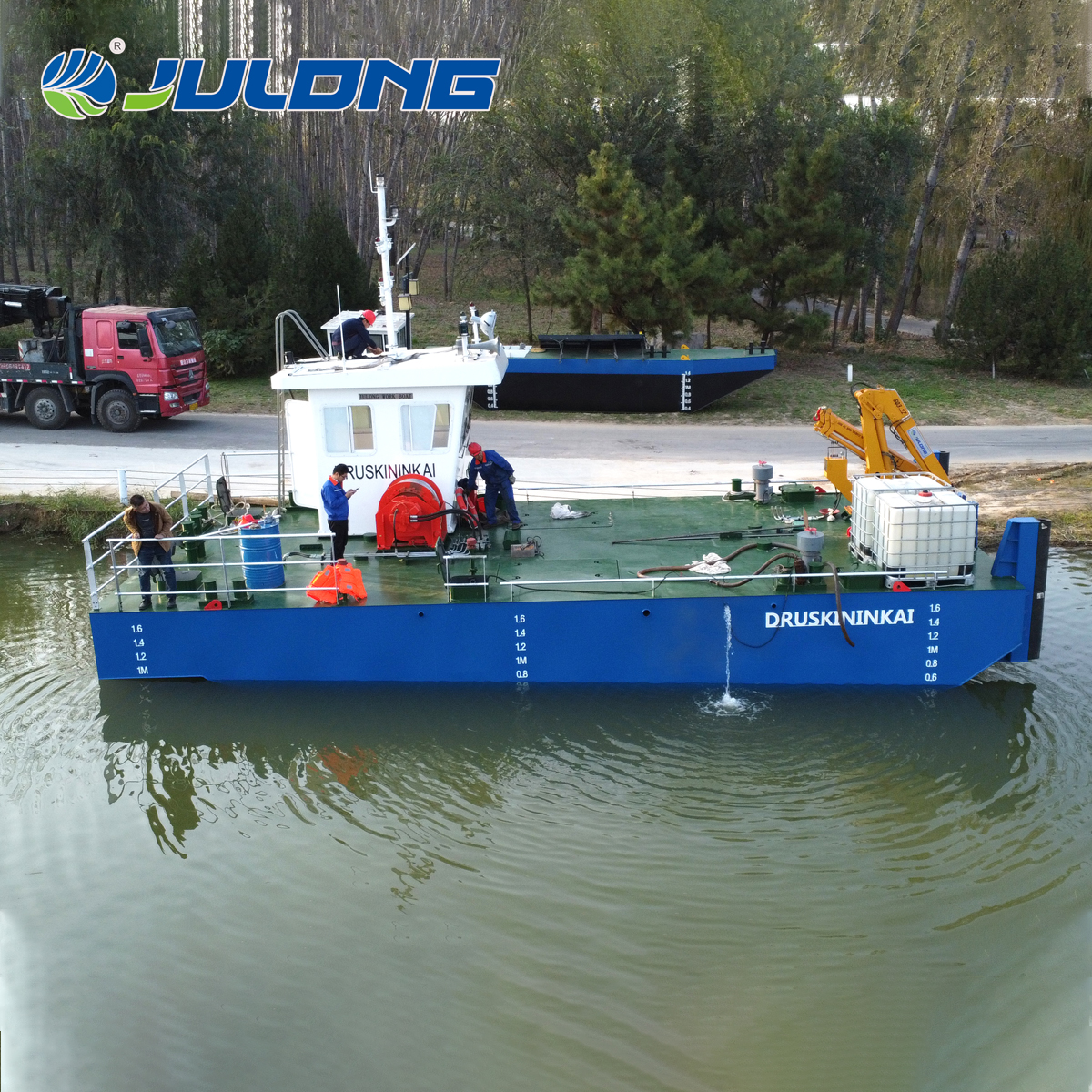
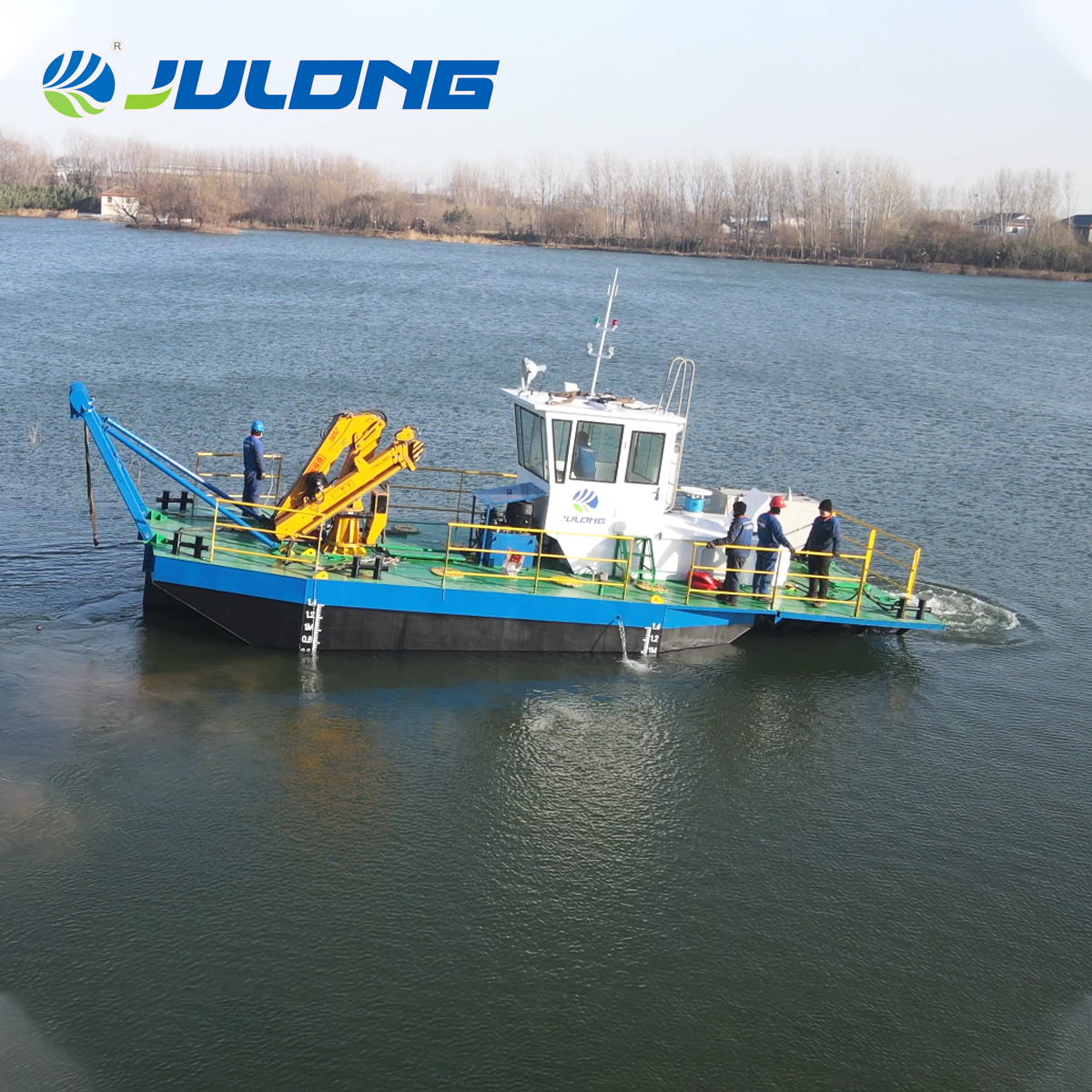
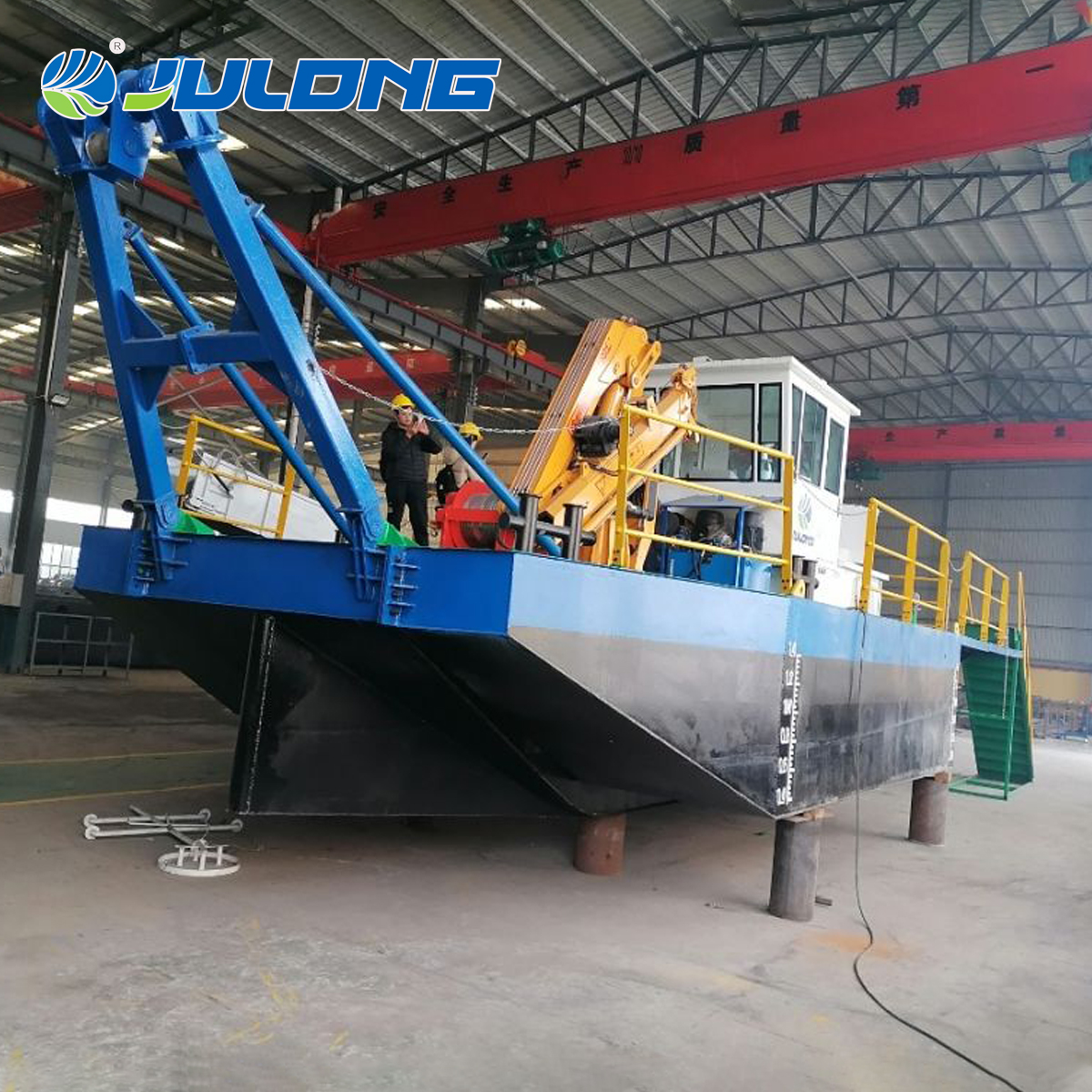
Working canal boats, essential for various dredging and excavation projects, are specialized vessels designed to operate efficiently in shallow waters, particularly in rivers, lakes, and ports. For B2B buyers, understanding the unique features and specifications of working canal boats is critical, as it can significantly impact project success and operational efficiency. This article will help purchasing managers, engineers, and distributors evaluate their JULONG small dredge boat options effectively by discussing how to choose the right working canal boats, key specifications to consider, common problems and solutions, as well as insights for wholesale buyers. 

Key Specifications to Consider When Sourcing Canal Boats

Key Specifications to Consider When Sourcing Canal Boats

When sourcing working canal boats, several key specifications should be scrutinized to ensure they meet your project needs. 

Dimensions: The length, width, and draft of the canal boat are vital. These measurements dictate the boat's operational capacity and its ability to navigate through specific waterways. A narrow draft is preferable for shallow areas, while larger dimensions may be necessary for heavy-duty tasks. 

Engine Power: The engine specifications, including horsepower and type (diesel or electric), will influence the boat's operational capabilities and efficiency. For high-performance requirements, opt for boats with robust engines that can handle substantial workloads. 

Material Composition: The construction materials used in the boat's hull and structure can affect durability and resistance to corrosion. Consider boats made from high-quality steel or aluminum, which provide longevity and resilience against harsh environmental conditions. 

Dredging Depth: The maximum dredging depth is a crucial specification, especially for projects that require deep sediment removal. Ensure that the canal boat can reach the necessary depth for your specific application. 

Customization Options: Look for manufacturers that offer customization capabilities to tailor the boat to your project specifications. Custom features may include specialized dredging equipment, onboard technology, or modifications for increased efficiency. 

What You Need to Know

What You Need to Know

Before making a purchase, buyers should gather comprehensive information regarding the working canal boats they are considering. This includes understanding the manufacturer’s reputation, production capabilities, and quality control processes. Verify that the manufacturer holds relevant certifications (such as ISO or CE), which indicate adherence to international quality standards. 

Additionally, assess the availability of replacement parts and after-sales support. Reliable manufacturers will provide extensive support for maintenance and repairs, ensuring that your JULONG canal dredger for sale remains operational throughout its lifespan. 

When requesting quotes, provide detailed information about your project, including specifications like type, model, dimensions, required performance, and any customization needs. This will help suppliers give accurate pricing and lead times. 

Common Problems with Canal Boats and Effective Solutions

Common Problems with Canal Boats and Effective Solutions

Despite their robust design, working canal boats can experience several common issues that may arise during operation. Understanding these potential problems and their solutions can aid in maintaining efficiency. 

Engine Performance Issues: If the engine fails to perform optimally, it may lead to reduced dredging efficiency. Regular maintenance checks, including oil changes and filter replacements, can prevent operational downtimes. 

Hull Damage: Wear and tear can lead to hull breaches, particularly in environments with abrasive materials. Conducting routine inspections and applying protective coatings can prolong the hull's lifespan. 

Dredging Equipment Malfunctions: Equipment attached to the canal boat, such as pumps and cutters, may experience wear over time. Ensure that you have access to high-quality spare parts and establish a maintenance schedule to address these issues promptly. 

Navigation Challenges: In shallow or narrow waterways, maneuverability can be limited. Choosing a canal boat with advanced navigation tools or a more agile design can help mitigate these challenges. 

Working Canal Boats for Wholesale Buyers

Wholesale buyers looking to purchase working canal boats should consider several factors to ensure a successful transaction. Start by evaluating the minimum order quantity (MOQ) requirements set by the manufacturer, as this can vary significantly. 

Additionally, consider the lead time for production and delivery, which can impact project timelines. Engage with manufacturers that provide clear timelines and adhere to them, as delays can result in additional costs. 

Quality control is paramount when purchasing multiple units. Request detailed information on the quality inspection processes used by the manufacturer, including pre-shipment inspections and testing protocols to ensure that every JULONG canal dredges meets the required specifications. 

Finally, assess the packaging and shipping options available. Proper packaging is essential to prevent damage during transportation, and understanding the shipping methods can help you plan for logistics effectively. 

By taking these considerations into account, wholesale buyers can make informed decisions and secure working canal boats that meet their operational needs. 

Choosing the Right Working Canal Boats for Your Project Needs

Selecting the appropriate working canal boat involves assessing your project requirements, including the type of material to be moved, water conditions, and project scope. First, consider the boat's design and capacity. Canal boats can vary in size, load capacity, and engine power, which directly affects their performance in specific environments. For example, if your project involves extensive sediment removal in shallow waters, a cutter suction dredger might be the best fit due to its ability to efficiently cut through material while operating in limited depths. 

Next, evaluate the boat's adaptability to various terrains. Some canal boats are amphibious, allowing for operations on both land and water, which can be advantageous for projects that require flexibility. Furthermore, consider the operational efficiency of the vessel, including fuel consumption and maintenance requirements, which can impact the overall cost-effectiveness of your project. 

Frequently Asked Questions

What are working canal boats used for?

Working canal boats are used for dredging, sediment removal, bank maintenance, and transporting equipment in rivers, lakes, and canals to maintain navigation and waterway health.
We offer cutter suction, amphibious, and excavator-equipped canal boats tailored to project depth, sediment type, and access constraints for optimal performance.
Yes. Our vessels are built in an ISO/CE certified facility and comply with international quality and safety standards for reliable operation.
Yes. We provide customization on dredging systems, hull size, power options, and onboard equipment to suit river, lake, and port project requirements.
We offer technical support, spare parts supply, maintenance guidance, and remote troubleshooting to ensure long-term, efficient operation worldwide.

Get a Free Quote

Our representative will contact you soon.
0/1000