Key Specifications and Applications of Canal Dredges

application/canal-dredges, application/canal-dredges, 
Inquiry
Inquiry

canal dredges

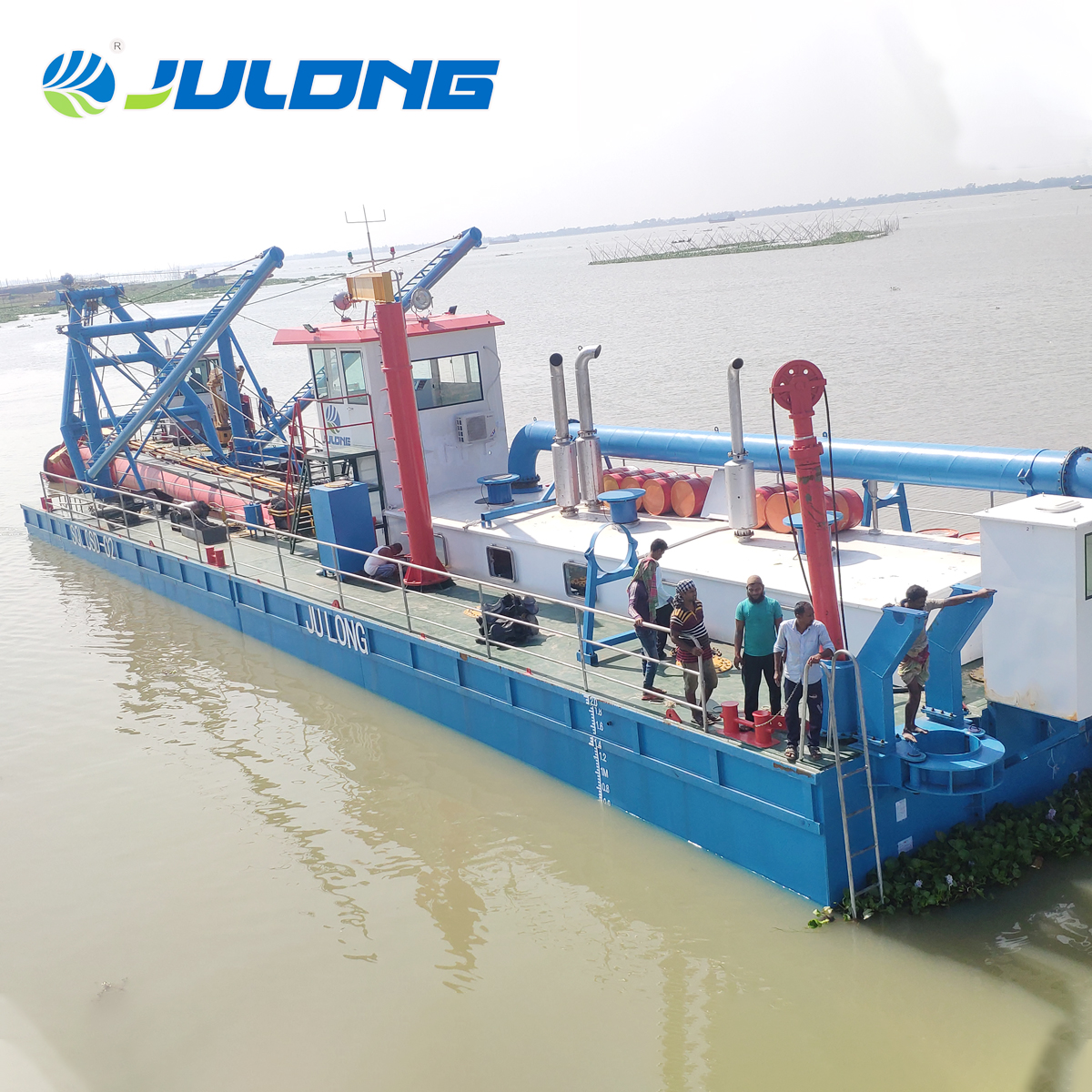
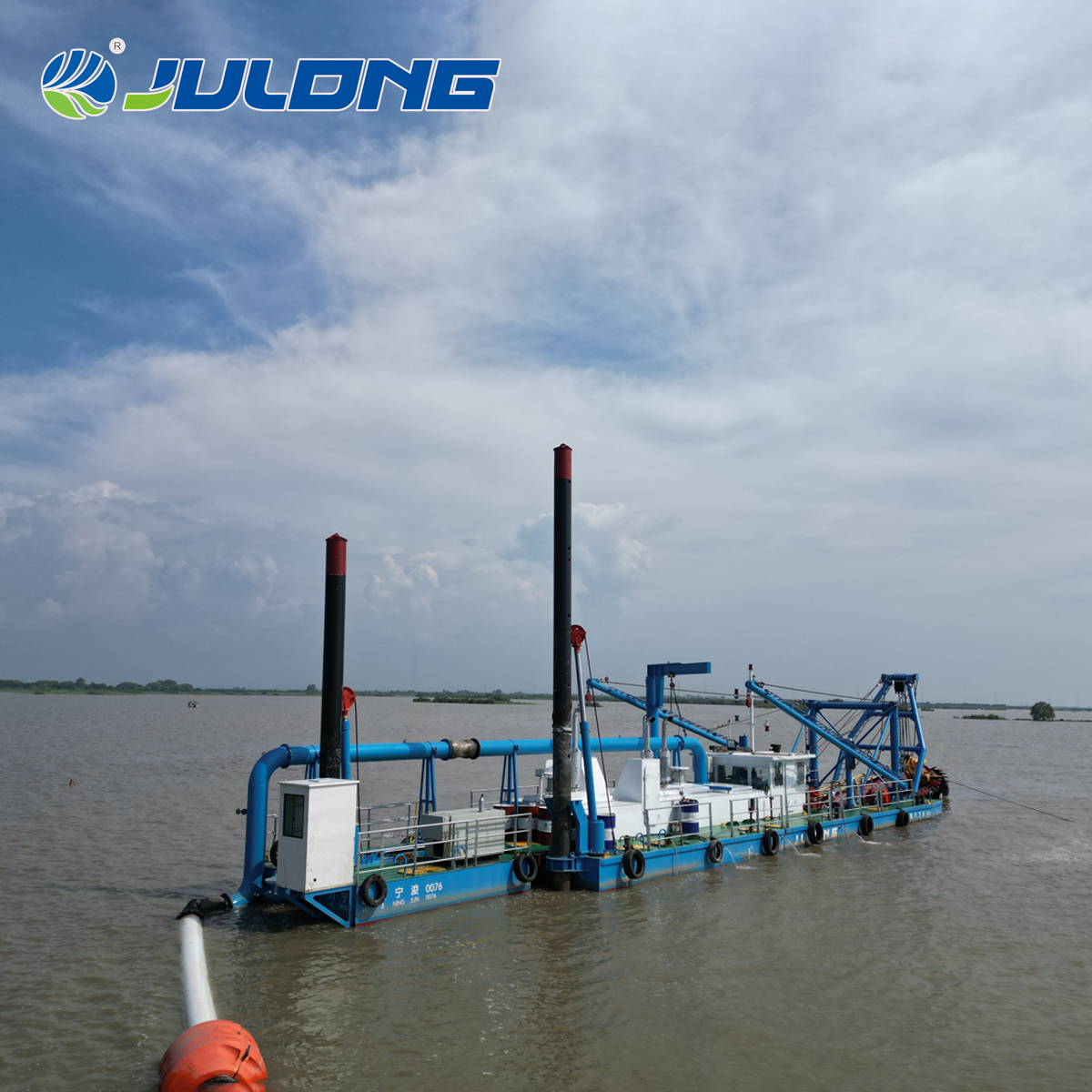
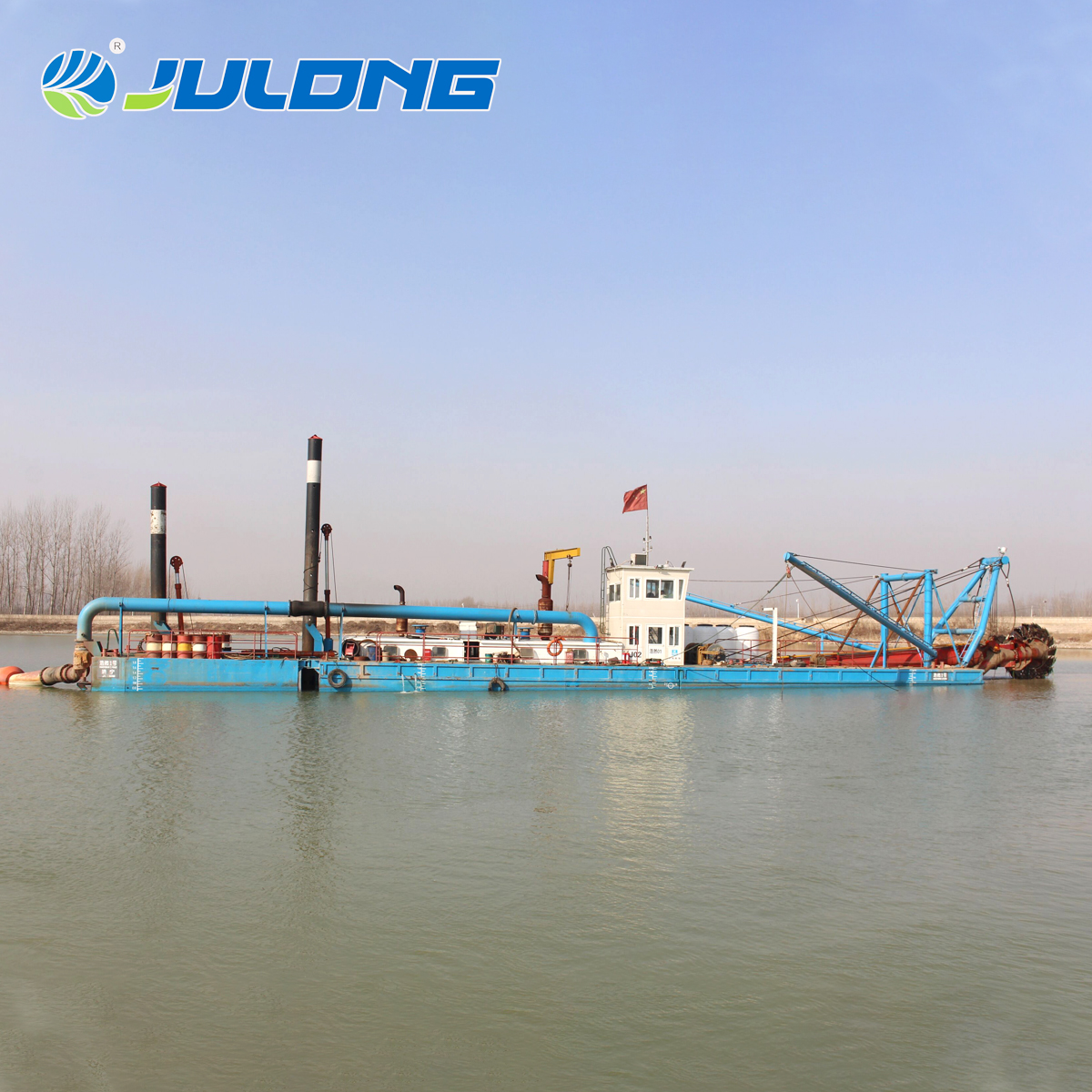
Canal dredges are essential equipment  utilized in various  waterway projects, including  river, lake, and  port developments. As a  purchasing  manager or project engineer, understanding the key specifications,  costs, potential problems, and applications  of  canal dredges is crucial for  making informed decisions. This  article provides insights  into these aspects, helping  you  navigate the  complexities of  selecting  the right dredging  equipment  for your projects.

 
Understanding Cost Factors in Canal Dredge Purchases

Understanding Cost Factors in Canal Dredge Purchases

Several cost factors influence the overall price of canal  dredges, which are crucial for  budget planning:

Initial Purchase Price: The  baseline price of a dredge is influenced  by its specifications,  brand reputation, and manufacturing quality. It's essential to balance quality with budget constraints, as lower-priced equipment may incur higher maintenance costs over time.

Customization Options: Custom features tailored to specific project needs can significantly increase costs. Buyers should evaluate whether these modifications are essential or if standard models can suffice.

Shipping and Handling: Given the size and weight of canal dredges, shipping costs can  be substantial. It's advisable to work  with suppliers who have experience  in international logistics to minimize  unexpected  expenses.

Operational Costs:  Consider ongoing expenses,  such  as fuel consumption,  maintenance, and repair parts.  Dredges with efficient engines and durable components typically  result in lower long-term costs.

Financing Options:  Many manufacturers offer financing  or  leasing plans, which can make high-quality dredges more accessible without the burden of a large upfront cost. For example, the JLCSD700 Cutter Suction Dredger may have various financing options available.

Understanding these factors enables buyers to create  a comprehensive budget and compare suppliers effectively.

Common Problems with Canal Dredges and Effective Solutions

Common Problems with Canal Dredges and Effective Solutions

Canal dredges can encounter various operational challenges. Here are some  common issues and their solutions:

Clogging Issues: A common  problem during dredging operations is clogging in the suction system. To mitigate this,  regular maintenance  and inspections of the pump and suction hoses are critical. Utilizing dredges  designed with larger diameter  pipes can help minimize this risk.

Mechanical Failures:  Wear and  tear on components can lead to breakdowns. Buyers should ensure that the dredge comes with robust warranties and that the manufacturer provides easy access to spare parts.

Inefficient Fuel Use: If a dredge consumes more fuel than expected, it can affect overall project costs. Selecting a model known  for fuel efficiency and regularly servicing the engine can help keep consumption in check.

Environmental Compliance: Dredging operations must often adhere to strict environmental regulations. Ensuring your dredge  is  equipped with the latest technology for reducing emissions can help avoid fines and project  delays.

Limited Versatility: Some dredges  may not be  suitable for all types of  dredging tasks. Buyers  should consider their  specific needs and opt for multi-functional models when  possible, such as the JLWB-900 Multi Cat Work Boat.

By being aware of these potential issues and implementing preventive measures, buyers  can enhance the  operational efficiency of their canal dredges.

Where to Source Durable Canal Dredges for Wholesale Orders

Where to Source Durable Canal Dredges for Wholesale Orders

Finding a reliable  source for canal dredges involves assessing  manufacturers and suppliers with proven expertise. Here are some effective strategies:


Industry Trade Shows: Participating in trade  events allows buyers to interact directly with manufacturers, inspect products, and negotiate terms. It's also an opportunity to learn about the latest innovations in dredging  technology.

Online Marketplaces: Websites  specializing in industrial equipment can provide a vast selection of dredges from various suppliers. However, it’s essential to verify the credibility of sellers through reviews and ratings.

Direct Manufacturer Contacts: Establishing a  relationship with manufacturers like Qingzhou  JULONG Environmental  Technology Co., Ltd. can yield advantages. Direct communication often leads  to better pricing, customization  options, and  after-sales support.

Networking with Industry  Peers: Fellow contractors and engineers often have insights into  reliable suppliers. Engaging in industry forums or groups can help  identify  trustworthy sources.

Requesting References: When considering a supplier, ask for references from previous clients. Past performance can provide valuable insights into the  reliability and durability of their products.

Sourcing canal  dredges from reputable suppliers ensures  that buyers receive high-quality equipment that meets  their operational demands.

Applications of Canal Dredges in River and Port Projects

Canal dredges play a vital role in various applications,  particularly in river and  port projects. Understanding their specific uses can help  buyers make  informed decisions:

River Maintenance: Dredging  is essential for maintaining navigability in rivers. Canal dredges clear sediment buildup and debris, ensuring safe passage  for vessels.

Port Development:  In port construction and expansion projects, dredges remove large quantities of soil and  sediment. This is crucial for creating  deeper berths and accommodating larger ships.

Ecosystem Restoration:  Canal  dredges can aid in environmental restoration efforts by removing invasive plant species  and debris that disrupt local ecosystems.

Flood Control: Dredging riverbeds can enhance flood  control measures by increasing water flow  capacity. This is particularly important in areas prone to seasonal  flooding.

Land Reclamation: Some projects require the creation of new land from water bodies. Canal dredges enable the movement of large  volumes of material  to reshape coastlines  and create new land for development.

By  understanding these applications, buyers can better assess the capabilities needed in their dredging equipment, ensuring they select a model that aligns with  their project goals.

Key Specifications of High-Quality Canal Dredges for Buyers

When evaluating canal dredges,  several  key specifications should be prioritized to ensure the equipment meets project  requirements.


Dredging Depth and Width: The dredging  depth and width determine the  dredge's capability to excavate specific materials. A dredge designed for deeper waterways needs robust  construction to handle the increased pressure.

Power and Efficiency: Look for dredges equipped  with high-performance engines that meet the required horsepower for the intended application. Efficient  fuel consumption is also essential for reducing  operational costs.

Material Composition: The hull and components of canal  dredges should be made from  high-strength materials, such as marine-grade steel, to withstand harsh aquatic environments.  Corrosion resistance is particularly important, as dredges operate in water where exposure to salts and pollutants  can accelerate deterioration.

Pump and Suction  System: The efficiency of  the dredging process heavily relies on the pump's capacity and the design  of the suction system. A well-designed pump can enhance material flow  and minimize clogging, improving overall productivity.

Mobility Features: Depending on project requirements, consider whether an amphibious dredge is necessary. Its ability to operate on land and water can be beneficial for diverse projects. For instance, a model like the JLWB1600 Multi-function Work Boat can efficiently handle such tasks.

Understanding  these specifications helps  buyers assess which dredges best fit their operational needs and project environments.

Frequently Asked Questions

What types of canal dredges do you offer?

We provide cutter suction dredgers, amphibious dredgers, and excavator-based dredging solutions tailored for canal, river, lake, and port projects.
Yes. Our machines carry ISO and CE certifications, ensuring compliance with international quality and safety standards.
Our fleet and custom options cover small irrigation canals to large navigation channels and port maintenance projects with varying depth and volume requirements.
Yes. We offer installation guidance, commissioning, operator training, spare parts supply, and technical support to ensure reliable operation.
Yes. Operating from a 12,000 m² facility, we export to 93 countries and can ship machines, parts, and provide remote technical assistance.

Get a Free Quote

Our representative will contact you soon.
0/1000

Related product categories