Choosing the Right Small Dredge Boat for Projects

application/small-dredge-boat, application/small-dredge-boat, 
Inquiry
Inquiry

small dredge boat

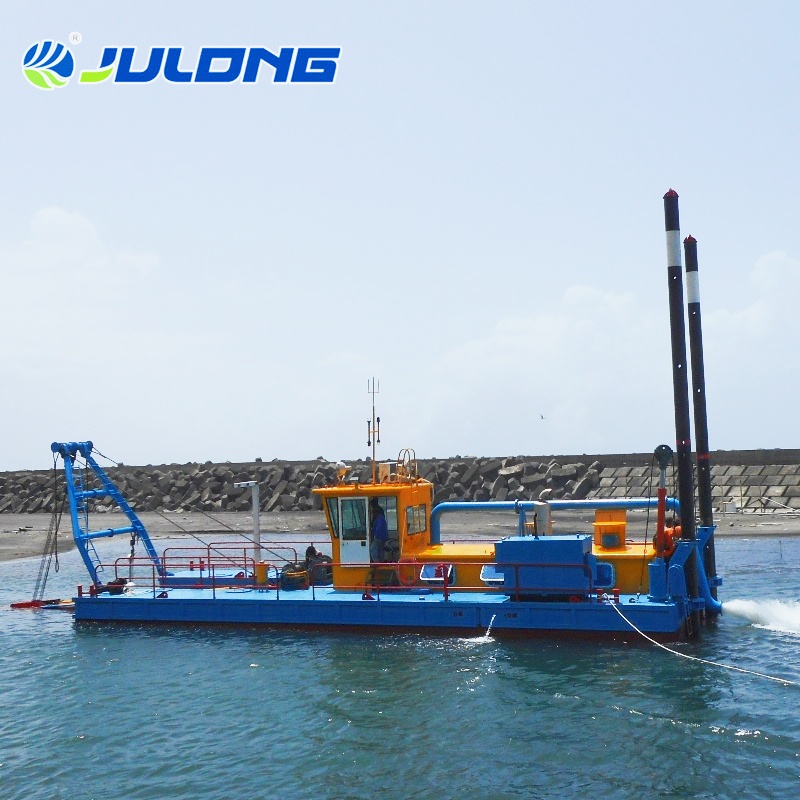
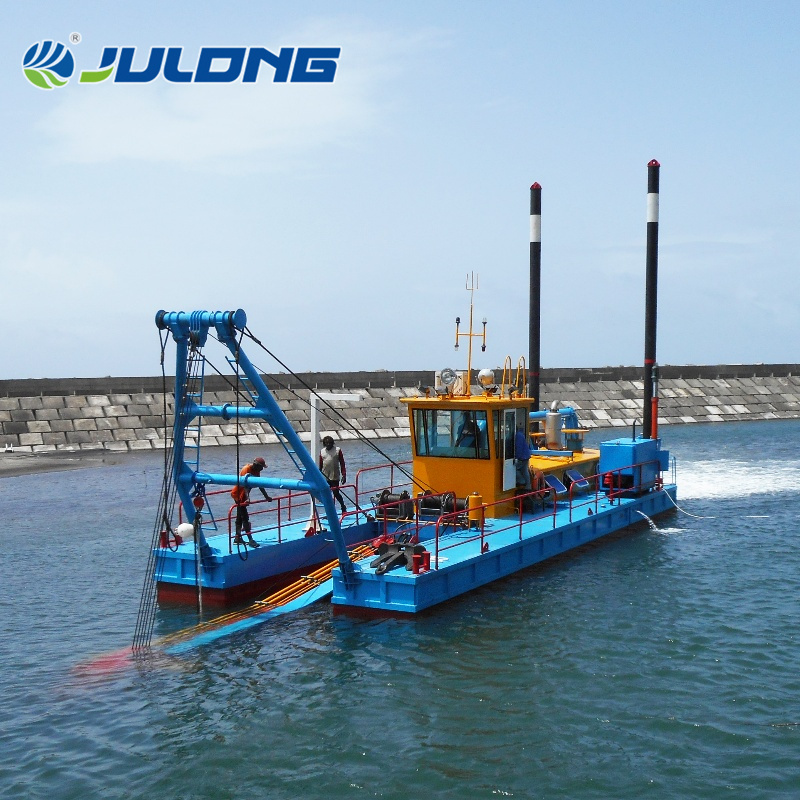
Small  dredge boats are  essential machinery  used in various waterway  projects, including river, lake, and  port maintenance. These specialized vessels  enable efficient sediment  removal, allowing for improved navigation  and ecosystem  health. B2B buyers,  such as purchasing managers  and engineers,  often seek insights on selecting the  right  small  dredge boat,  understanding cost factors, and identifying common issues. This article aims to provide practical guidance  on  these  aspects, ensuring informed  purchasing decisions.

Where to Source Reliable Small Dredge Boats for Bulk Orders

Where to Source Reliable Small Dredge Boats for Bulk Orders

Sourcing small dredge boats for bulk orders requires identifying  reputable manufacturers  and suppliers. Key steps  include:


Industry Research:  Begin  by  researching established manufacturers with a proven track record in producing small dredge boats. Look for certifications like ISO/CE, which  reflect  adherence to quality standards.

Supplier Evaluation: Examine potential suppliers' facilities and production capabilities. A manufacturer like Qingzhou JULONG Environmental Technology Co., Ltd., which operates from  a 12,000 square meter facility, can often accommodate  bulk requests efficiently.

Customization Options: Choose suppliers that offer customization to meet specific project needs. This  can include modifications in size, engine specifications,  or dredging capabilities, such as those offered by the Multi-Function Work Boat.

Client References and Case Studies: Request client references or case studies to  gauge the supplier's reliability and product performance in  similar applications. This insight can help mitigate risks associated with bulk orders.

Lead Times and Logistics: Discuss lead times and logistics to ensure  timely  delivery. Understanding the supplier’s production capacity will help in planning project  timelines effectively.

By following  these steps, buyers can confidently source small dredge  boats that align with their operational needs.

Cost Factors to Consider When Purchasing Small Dredge Boats

Cost Factors to Consider When Purchasing Small Dredge Boats

Understanding  the cost factors involved in purchasing small dredge boats is  crucial for  budgeting. Key considerations include:

Initial Purchase Price: This includes  the base price of  the dredge  boat and any optional  features. Buyers should compare multiple quotes to ensure competitive pricing.

Operational Costs: Consider fuel consumption, maintenance, and repair  costs. More efficient engines may have a higher upfront cost but can lead to  significant  savings over time.

Customization Expenses: Custom features can  increase the base price. Clearly  define requirements to receive accurate quotes from manufacturers.

Shipping and Handling:  Factor in transportation costs from the supplier to the project site. This may include freight charges, customs duties, and insurance.

Warranty and Support:  Evaluate warranty  options and  after-sales support. A more comprehensive  warranty may indicate higher product confidence and lower long-term costs.

By analyzing these cost factors,  buyers can prepare a realistic budget and  make informed purchasing decisions.

 
Common Problems with Small Dredge Boats and Their Solutions

Common Problems with Small Dredge Boats and Their Solutions

While  small  dredge boats  are effective tools, they can  encounter specific problems. Understanding these issues and their solutions can help prevent  downtime:

Clogged Suction Hoses: Sediment  buildup  can obstruct  suction hoses. Regular maintenance,  including cleaning schedules and visual inspections,  can prevent  this issue.

Engine Performance  Issues: Engines may experience performance drops due to fuel quality or mechanical wear. Maintaining a routine  inspection and using high-quality fuel  can mitigate these risks.

Hull Damage:  Frequent contact with abrasive materials  can lead to hull wear. Selecting  boats with reinforced hull designs can enhance durability, and prompt repairs are essential to prevent leaks.

Operational Inefficiencies: Improper weight distribution can affect maneuverability. Operators  should be trained to load materials evenly  to maintain balance.

Electrical Failures: Electrical systems can fail due to water exposure. Ensuring all connections are sealed and using waterproof components can enhance reliability.

By being aware of these common problems, buyers can implement proactive  measures to ensure smoother operations and reduce unexpected maintenance costs.

Exploring Applications of Small Dredge Boats in Various Environments

Small dredge boats serve diverse applications  across various environments. Understanding these applications can aid in selecting  the right  equipment:

River Dredging: In river environments, small dredge boats are commonly used to remove sediment that  can obstruct navigation. Their maneuverability allows for efficient dredging in  narrow waterways.

Lake Maintenance: Lakes often require dredging to enhance  water quality  and improve recreational areas.  Small dredge boats facilitate sediment removal, contributing to healthier ecosystems.


Port Operations: Ports utilize small dredge boats for  maintenance  tasks, ensuring  that shipping lanes remain clear. Their efficiency in shallow waters makes them ideal for regular sediment removal.

Environmental Restoration: These boats play a crucial role in environmental restoration projects, helping to remove pollutants and restore natural habitats by  dredging contaminated sediments.

Construction  Projects: In construction, small dredge boats are used to prepare sites by  clearing waterways. Their compact size allows for  easy operation in confined spaces.

By recognizing these applications, buyers can better assess the capabilities needed  for their specific  projects, ensuring that they  select the appropriate  small dredge boat for their needs.

How to Choose the Right Small Dredge Boat for Your Projects

Selecting the  right small dredge boat hinges on understanding project requirements and operational conditions.  Key considerations include:

Project  Scope: Determine the size and depth of the area requiring  dredging. Small dredge boats are typically  suited for shallow waters but can vary in their suction  depth and capacity.

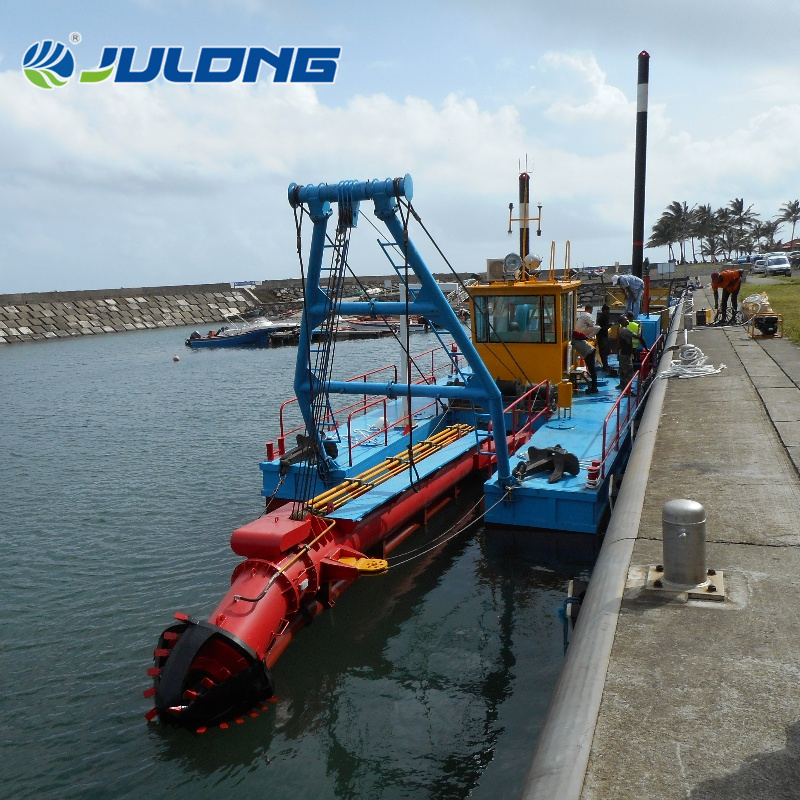
Dredging  Method: Evaluate the  necessary dredging method—cutter suction is ideal for tougher  sediment, while traditional suction may suffice for lighter materials. Some boats combine  both methods, enhancing versatility.

Power and Efficiency: Assess the  engine specifications, including horsepower  and fuel efficiency. A more powerful engine may be required for challenging  conditions, while an efficient engine can  reduce operational costs.

Durability and Construction: Look for boats made with corrosion-resistant materials, especially if working in saline or acidic waters. The construction quality  directly impacts maintenance needs and longevity.


Mobility  and Portability: Consider  whether the boat needs  to be transported frequently. Some designs allow for easy disassembly or trailer compatibility, facilitating transport across various sites. Additionally, incorporating an Amphibious Equipment can enhance mobility in diverse environments.


By aligning the dredge boat's specifications with project demands, buyers can ensure optimal performance and cost-effectiveness.

Frequently Asked Questions

What is the small dredge boat used for?

Designed for river, lake, and small port dredging, it removes silt, sand, and debris to improve navigation, depth, and water flow.
Our small dredge boats carry ISO and CE certifications, ensuring compliance with international quality and safety standards.
Sizes vary by model; typical small dredge boats are compact with modest pumping and cutter capacity suitable for shallow to medium-depth projects.
Yes. We offer technical support, maintenance guidance, and spare parts supply backed by our experienced service team and manufacturing facility.
Yes. We customize propulsion, cutter type, pump capacity, and hull layout to match site conditions and project requirements.

Get a Free Quote

Our representative will contact you soon.
0/1000