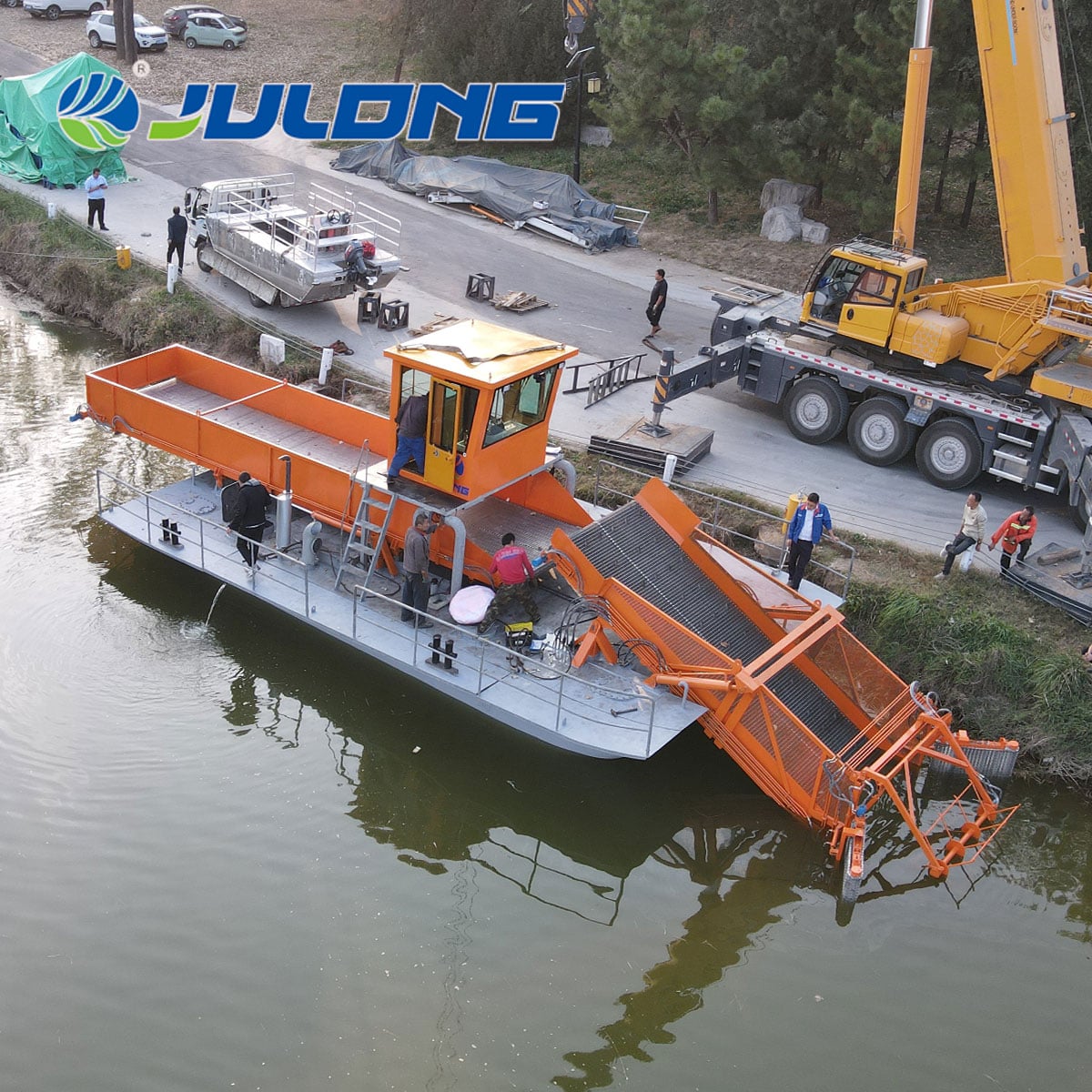
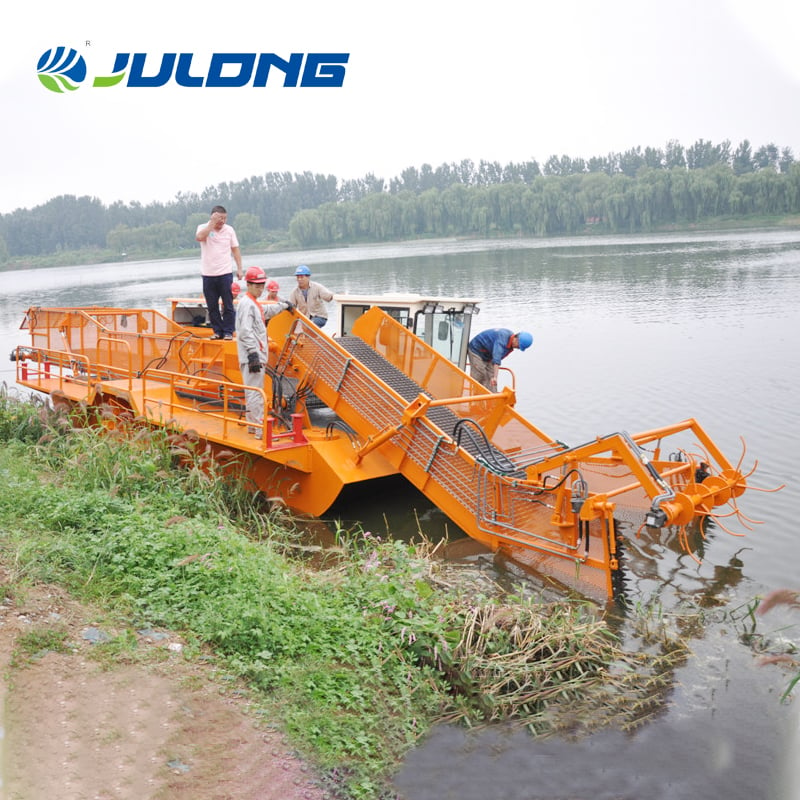
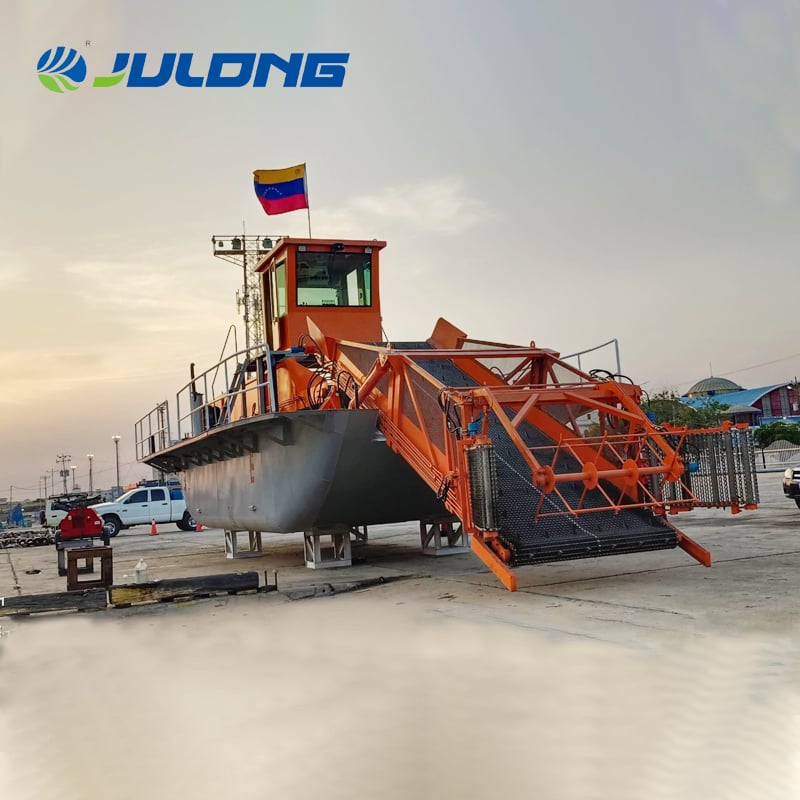
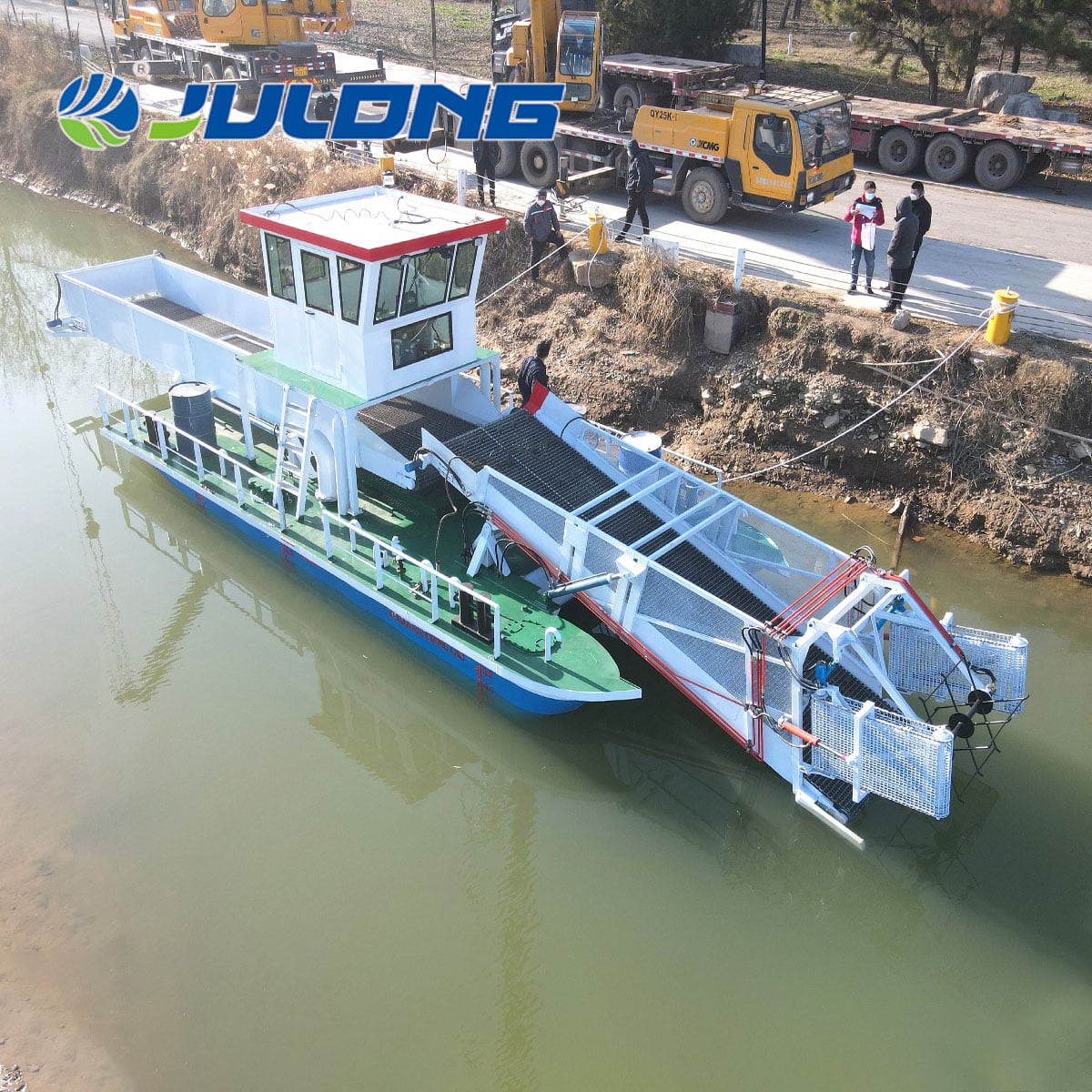
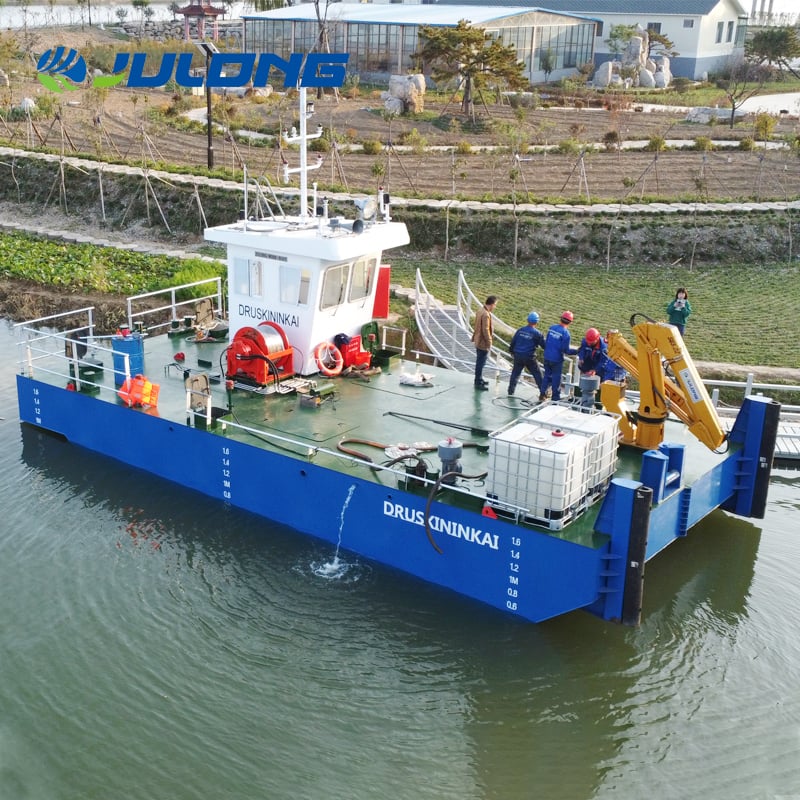
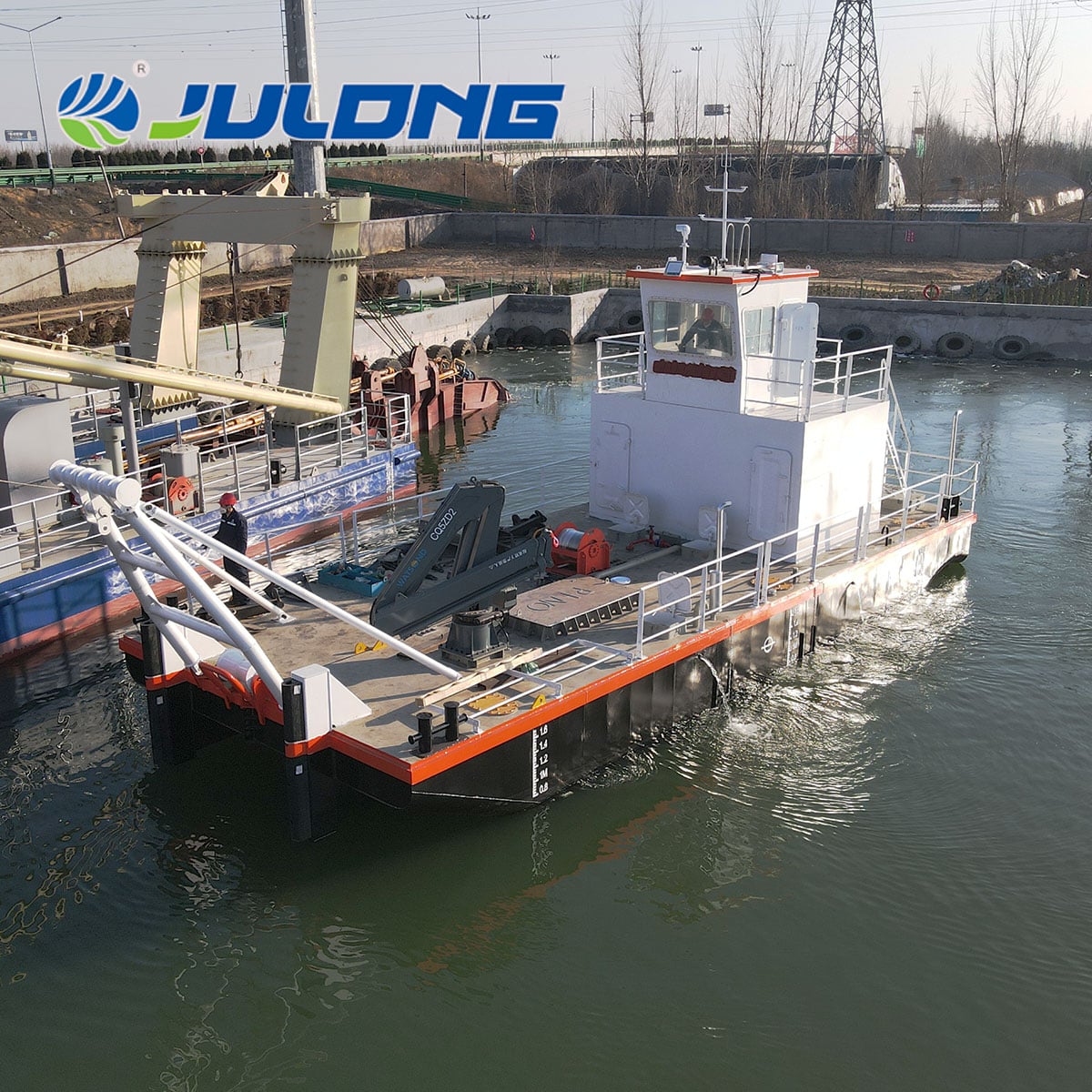
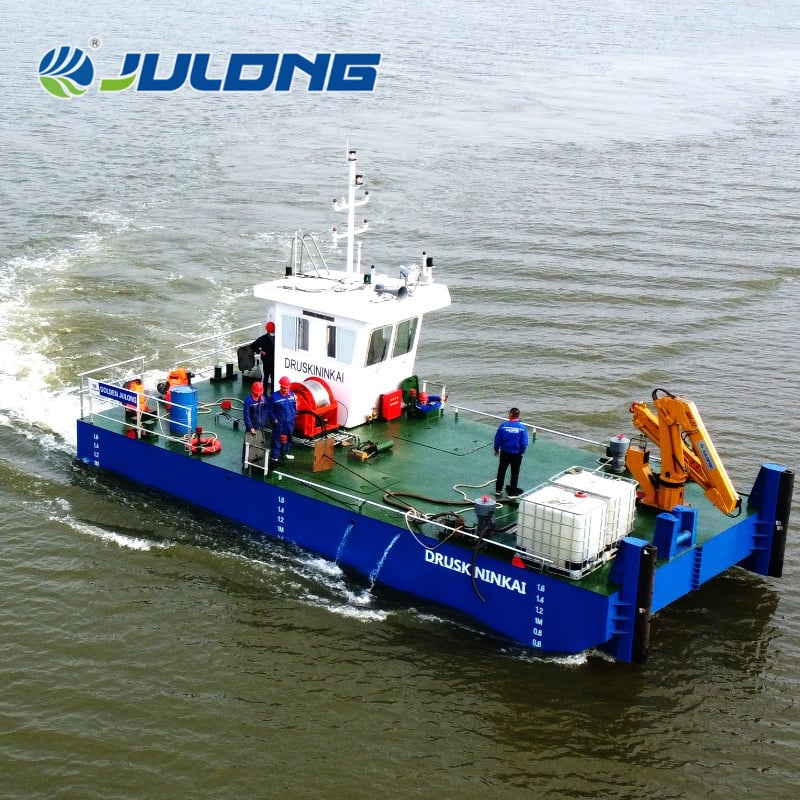
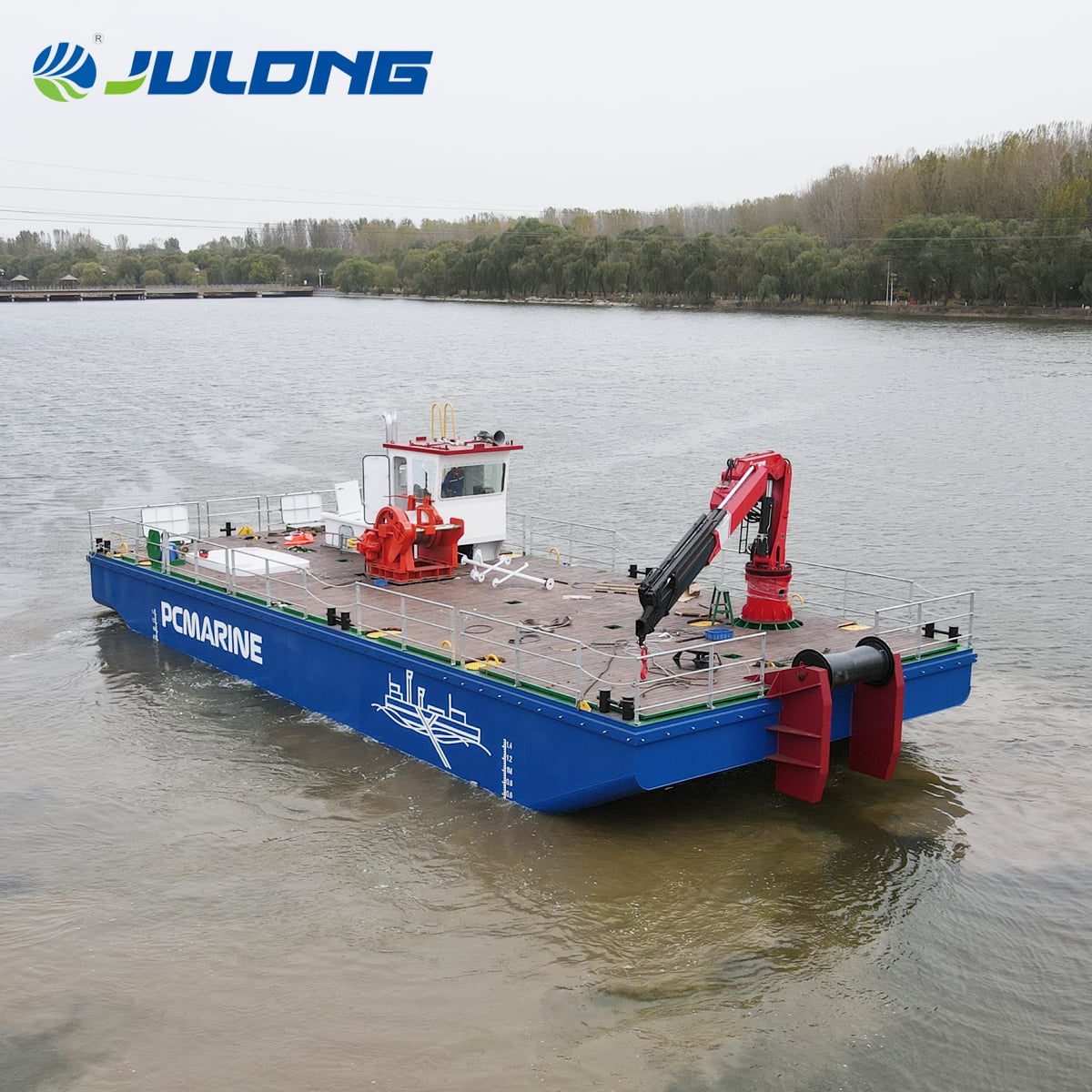
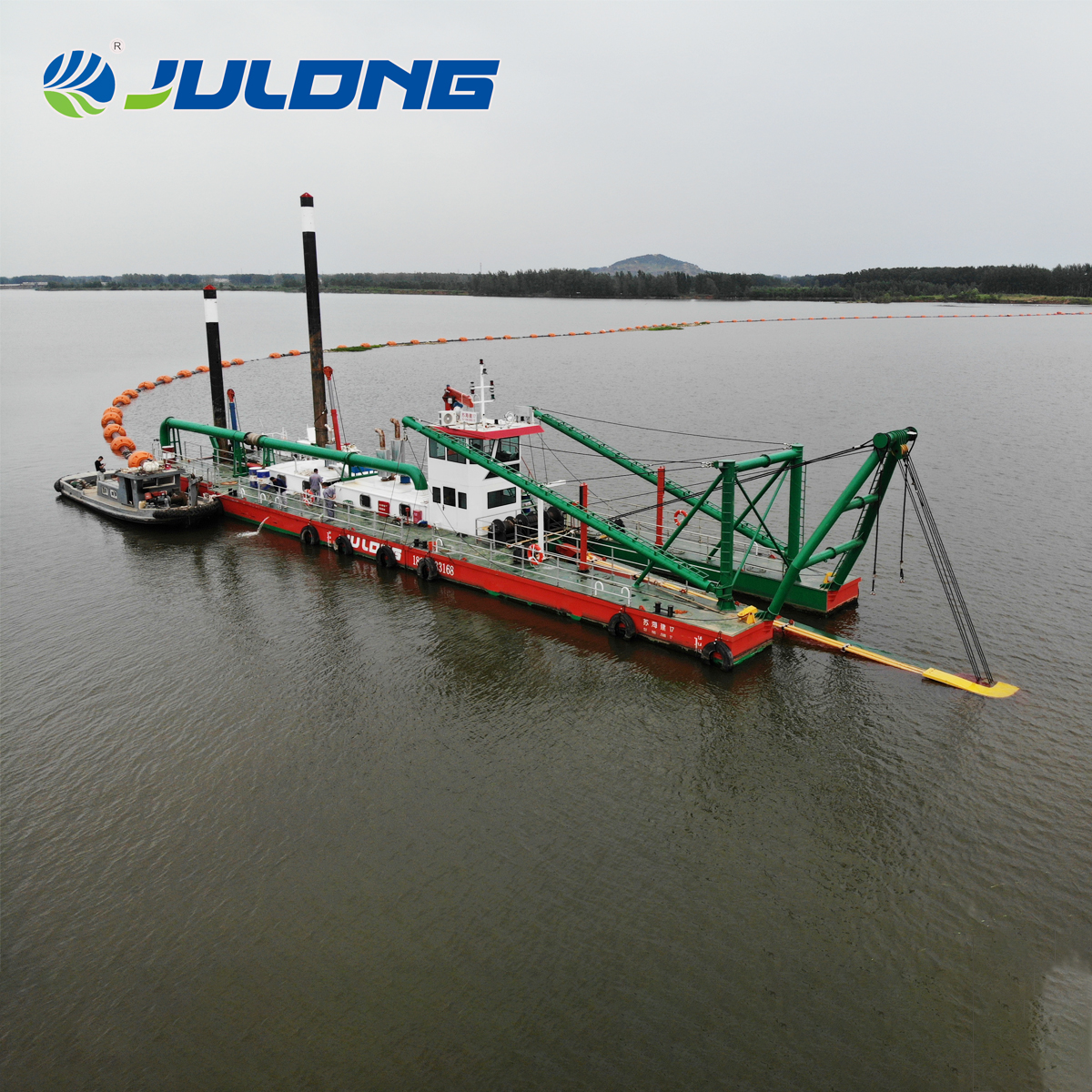
Selecting the right dredging equipment is crucial
Selecting the right dredging equipment is crucial for project success. Factors such as project size, type of material to be dredged, and environmental conditions play significant roles in this decision. Here are some key considerations:
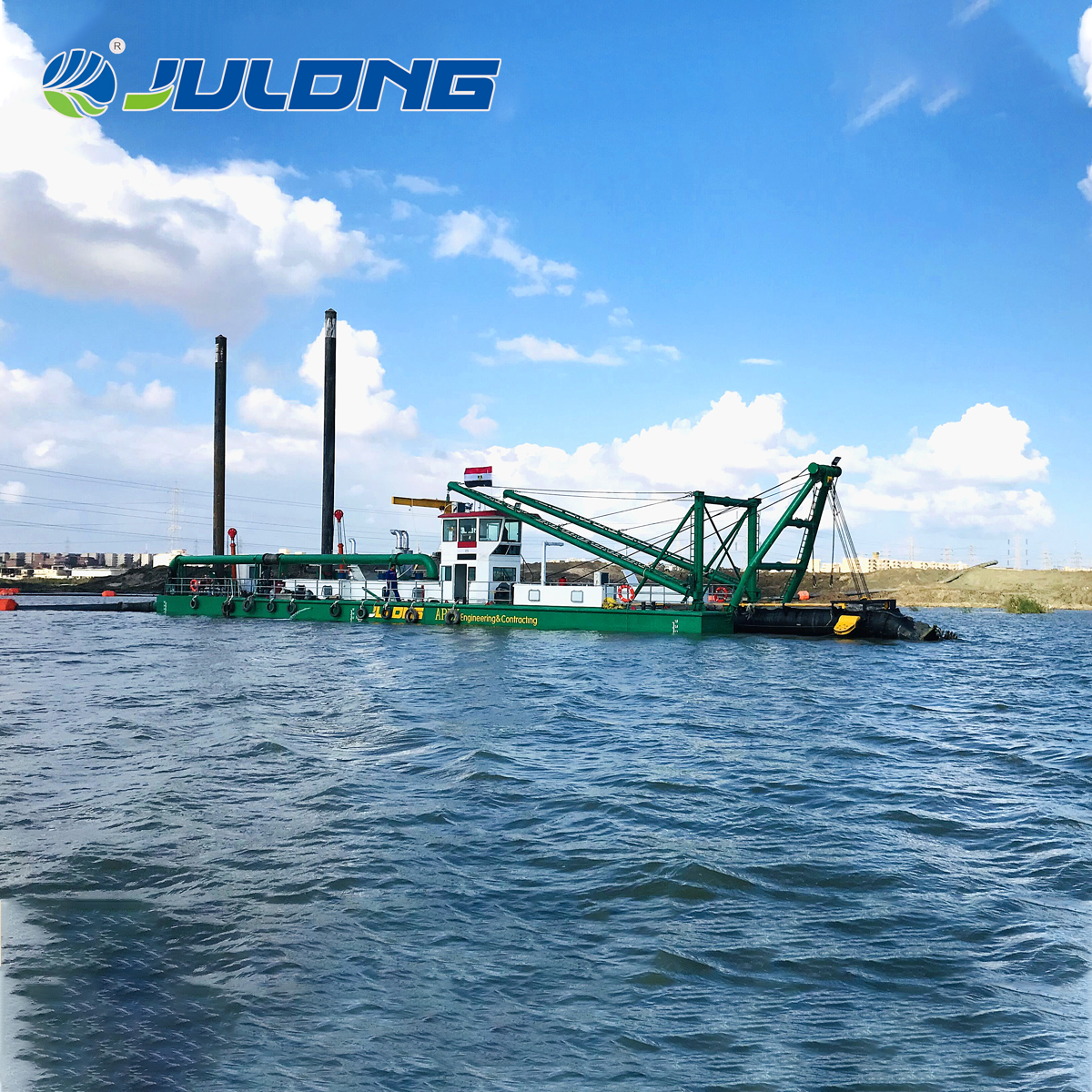
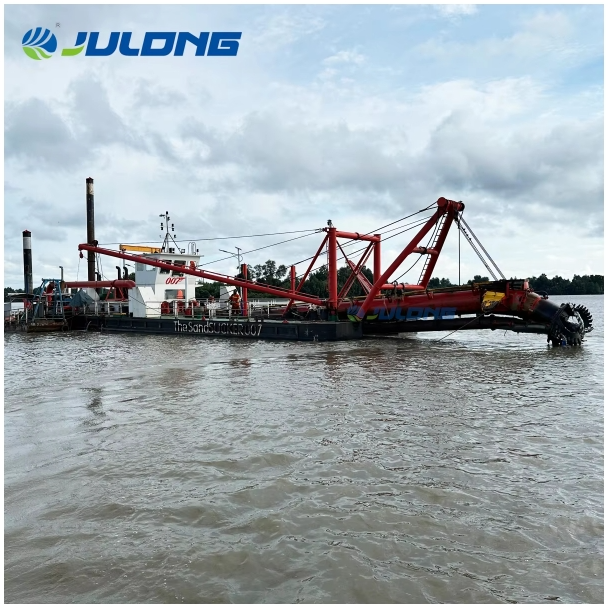
Type of Dredger: There are various types of dredgers, including cutter suction dredgers, amphibious dredgers, and hydraulic dredgers. Each type has specific applications; for example, cutter suction dredgers are ideal for hard materials, while amphibious dredgers are suited for shallow waters and marshy areas.
Material Specifications: Understanding the type of material to be dredged—whether it's sand, clay, or contaminated sediment—will influence the equipment's design and features. Each material requires different handling capabilities, so confirm the dredger's specifications against the project requirements.
Environment and Conditions: The dredging site’s environmental conditions, such as water depth, salinity, and sediment composition, will affect equipment selection. For instance, dredging equipment an amphibious dredger may be necessary in wetlands, while a conventional cutter suction dredger might work better in deeper waters.
Manufacturing Capabilities: Consider the manufacturing capabilities of the dredging equipment supplier. Check for certifications like ISO or CE, which indicate adherence to industry standards, and ensure that the equipment meets the necessary safety and quality requirements.
Customization: Evaluate whether the manufacturer can customize the dredging equipment to meet specific project needs. Custom features can enhance operational efficiency and ensure compatibility with existing equipment.
 EN