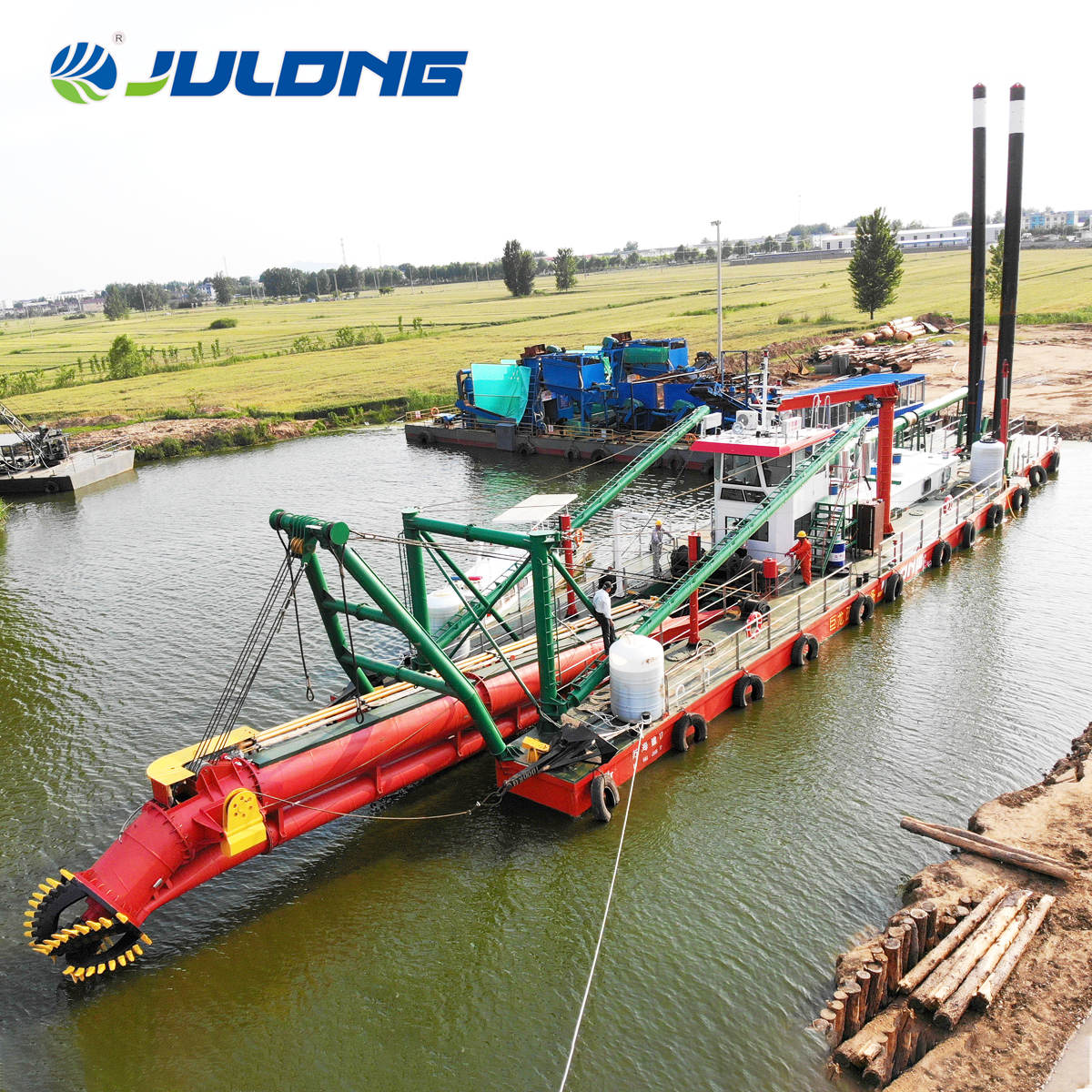
What is Dredging a Lake: Benefits and Specifications

application/what-is-dredging-a-lake, application/what-is-dredging-a-lake, 
Inquiry
Inquiry

What is dredging a lake

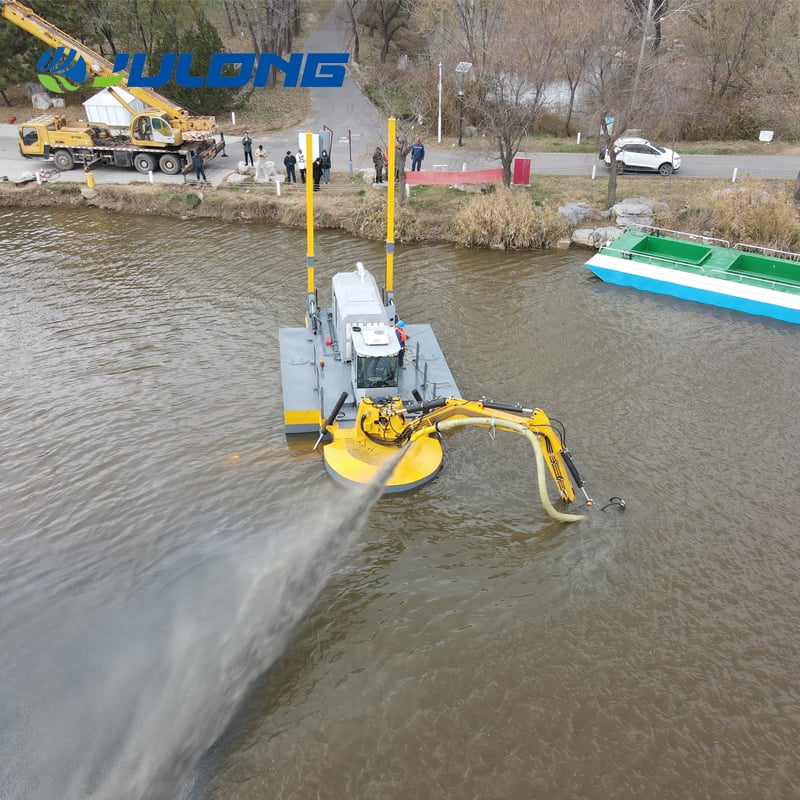
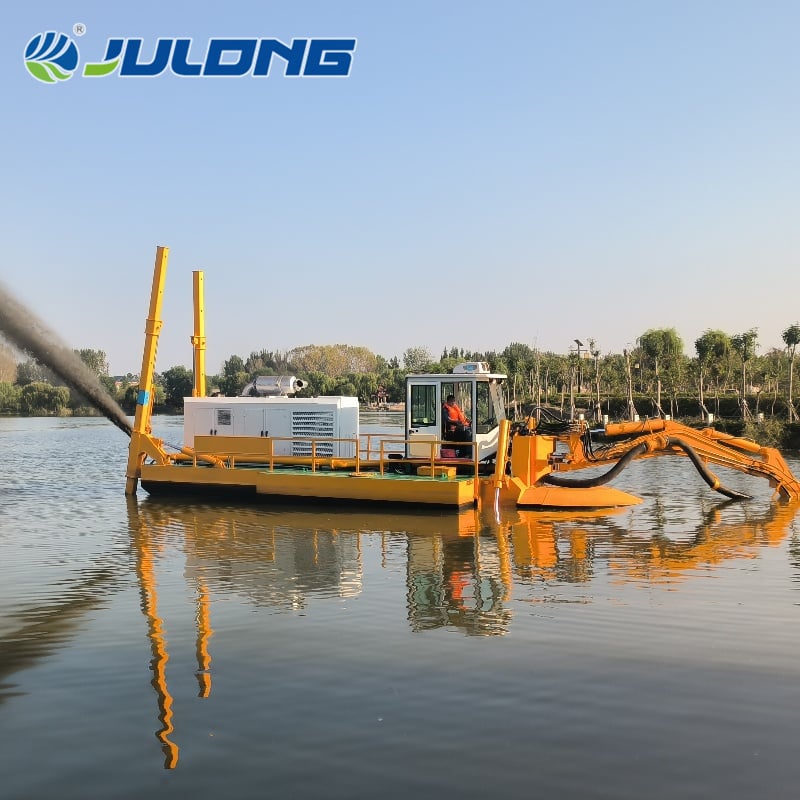
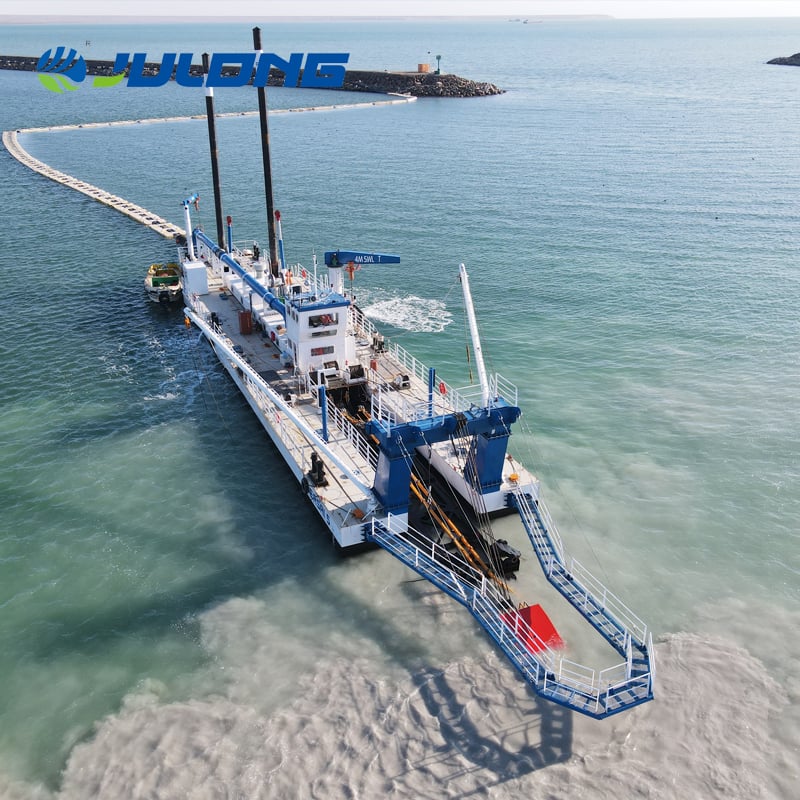
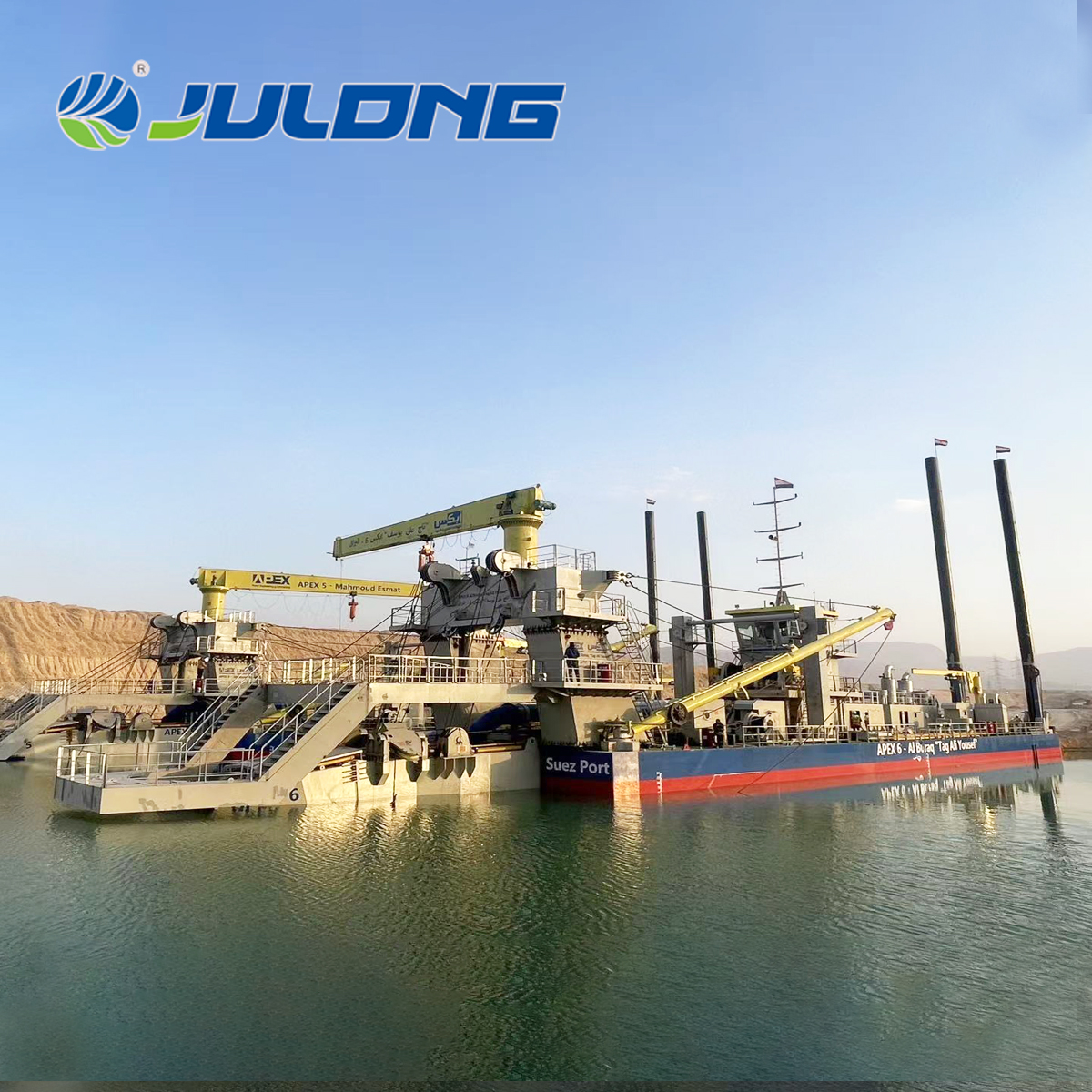
Dredging a lake is a critical process that involves the removal of sediments and debris from the bottom of the water body. This activity is essential for maintaining water quality, enhancing aquatic habitats, and ensuring navigability. For purchasing managers, engineers, and project managers in the industrial and environmental sectors, understanding the nuances of lake dredging is vital for making informed decisions. This article will explore the key aspects of sand dredging equipment, including its benefits, equipment specifications, supplier reliability, material advantages, and its applications in environmental restoration projects.

Key Specifications to Evaluate for Lake Dredging Equipment

Key Specifications to Evaluate for Lake Dredging Equipment

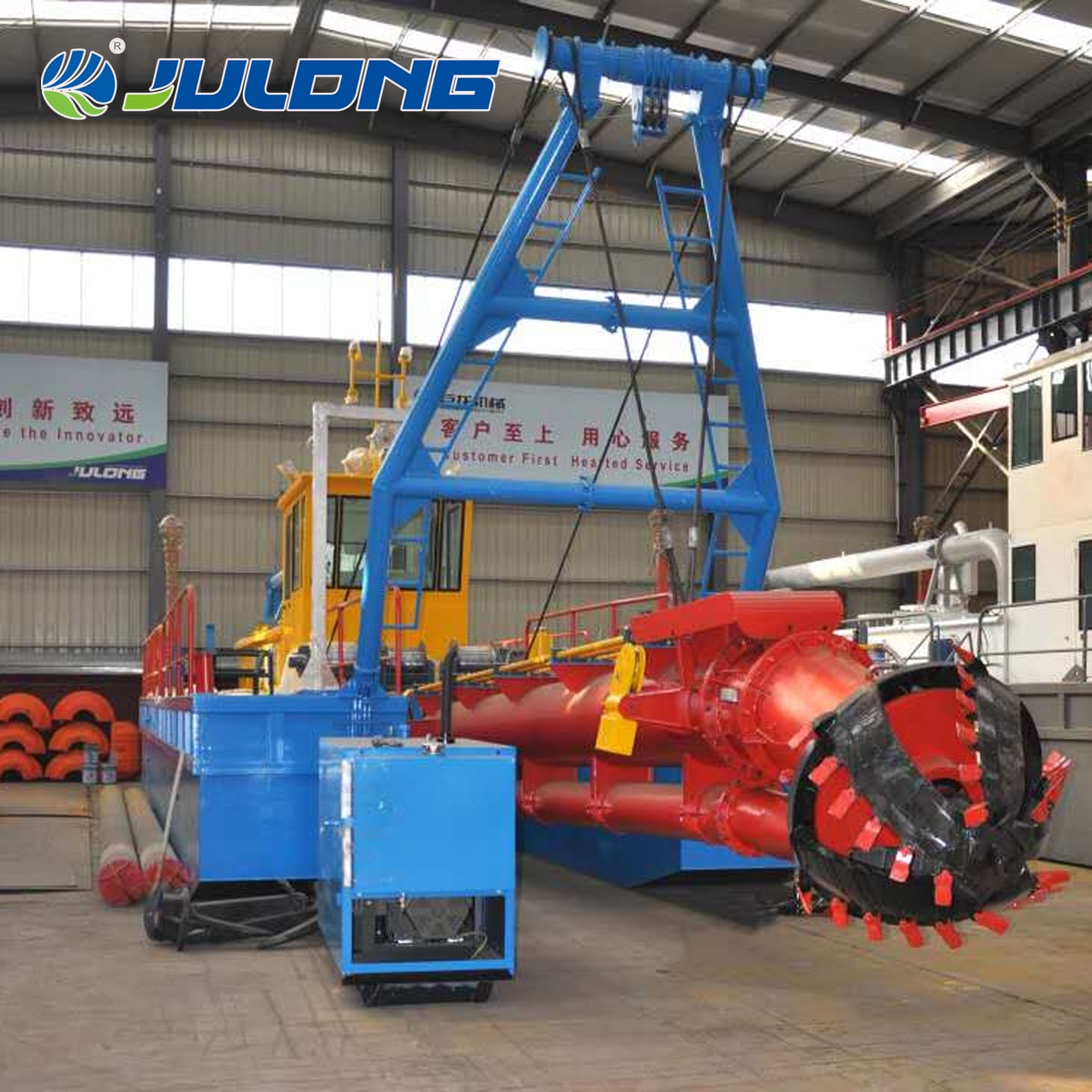
When selecting JULONG dredging equipment for lake projects, there are several specifications that buyers should evaluate to ensure optimal performance. Key considerations include: 

Dredging Depth: The equipment must be capable of reaching the necessary depth to effectively remove sediments. This is particularly important in lakes with varying depths. 

Dredging Width: The width of the dredge can affect the efficiency and speed of the operation. A wider dredge may cover more area but may be less maneuverable in tighter spaces. 

Pump Capacity: The capacity of the dredge's pump is crucial for effectively transporting the dredged material. Higher capacity pumps can reduce operational time. 

Material Handling: Understanding the type of sediment to be dredged—whether it’s soft silt or hard clay—will determine the appropriate dredging technology and equipment configuration. 

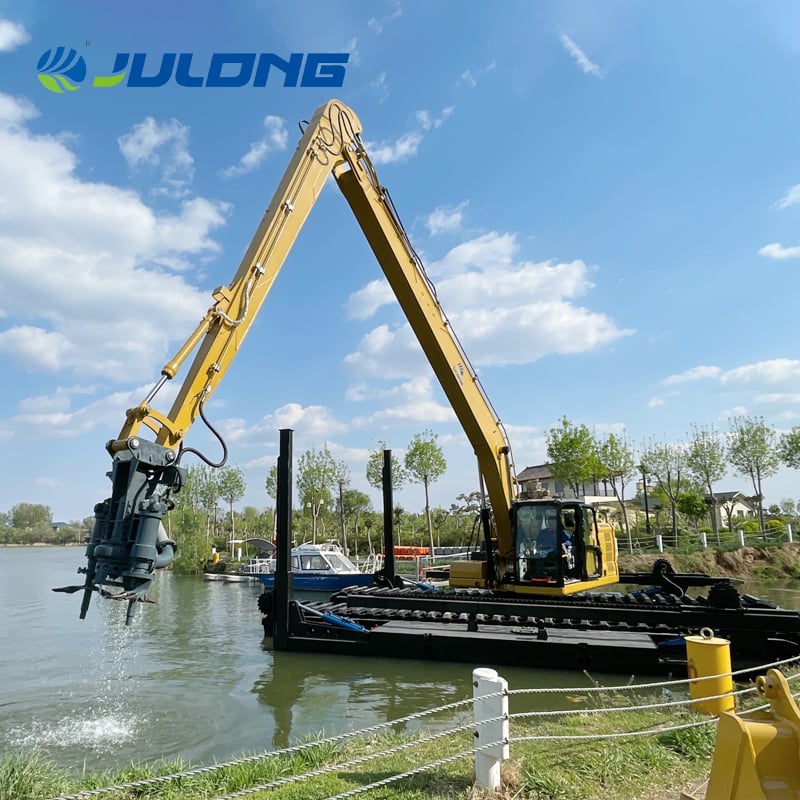
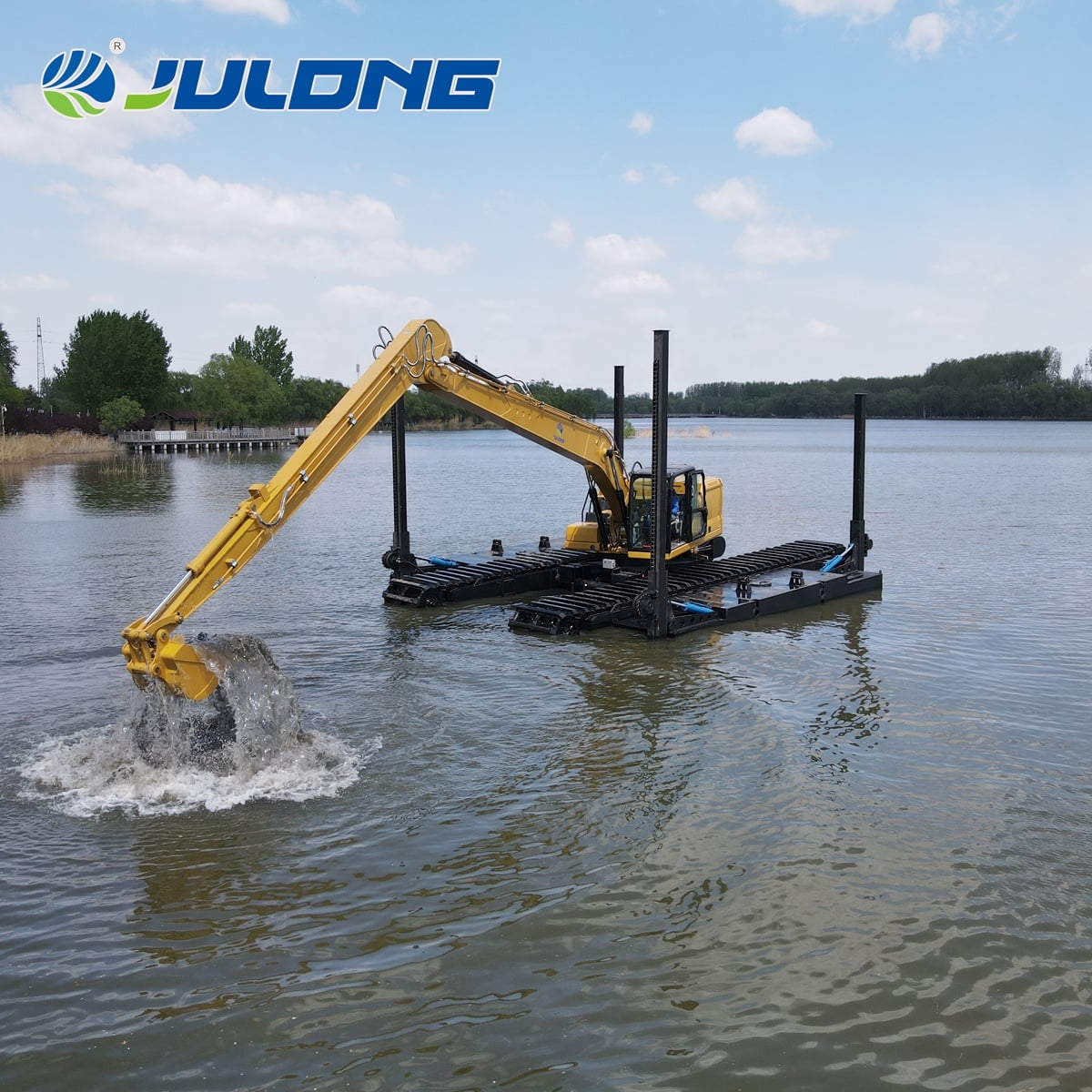
Mobility: For projects in lakes, mobility features such as amphibious capabilities can be advantageous, allowing the dredger to operate in shallow or variable water levels. 

Evaluating these specifications will help ensure that the selected sand dredging machine meets the project’s specific requirements and operational conditions.

Reliable Suppliers for Lake Dredging Solutions

Reliable Suppliers for Lake Dredging Solutions

Choosing a reliable supplier for lake dredging equipment is critical to the success of any dredging project. Buyers should look for manufacturers that have a proven track record in producing durable and efficient dredging solutions. Key factors to consider when evaluating suppliers include: 

Certifications: Look for suppliers with ISO and CE certifications, which indicate adherence to international quality and safety standards. 

Experience: Suppliers with extensive experience in the dredging industry will have a better understanding of the challenges and requirements of various projects. 

Customer Support: Reliable suppliers should offer comprehensive customer support, including technical assistance during equipment selection, operation training, and maintenance services. 

Customization: The ability to customize dredging equipment to meet specific project needs can be a significant advantage.  Suppliers should be willing to work closely with buyers to ensure that equipment specifications align with project goals. 

Qingzhou JULONG Environmental Technology Co., Ltd. exemplifies a dependable supplier in this field, specializing in various dredging solutions for lakes and other bodies of water. 

Material Advantages of Advanced Dredging Equipment for Lakes

Material Advantages of Advanced Dredging Equipment for Lakes

The materials used in JULONG dredging equipment significantly impact its performance and longevity. Advanced dredging equipment typically incorporates high-strength steel and corrosion-resistant coatings, enhancing durability and reducing maintenance needs. Some material advantages include: 

Corrosion Resistance: Dredgers exposed to water and sediment can suffer from corrosion over time. Utilizing high-quality materials with corrosion-resistant properties can extend the life of the equipment. 

Weight-to-Strength Ratio: The right materials can provide a favorable weight-to-strength ratio, allowing for easier maneuverability while maintaining structural integrity during operation. 

Wear Resistance: The dredging process can be abrasive; therefore, equipment designed with wear-resistant materials will withstand the harsh conditions and reduce downtime for repairs. 

By selecting dredging equipment made from advanced materials, buyers can ensure more efficient operations and lower long-term costs associated with equipment replacement and maintenance.

Applications of Lake Dredging in Environmental Restoration Projects

Lake dredging is not only vital for maintaining water quality but also plays a crucial role in environmental restoration projects. Here are some key applications: 

Restoration of Natural Habitats: Dredging can help restore natural habitats that have been degraded by sediment buildup or contamination, providing a healthier environment for wildlife. 

Flood Control: By removing excess sediment, dredging can improve water flow and reduce flooding risks in surrounding areas, which is particularly important in urban environments. 

Recreational Improvement: Dredging can enhance recreational activities by clearing waterways for boating, fishing, and swimming, thereby increasing the overall enjoyment of natural resources. 

Pollution Mitigation: In cases where lakes have been contaminated, dredging excavator can be part of a remediation strategy to remove hazardous materials, leading to a safer environment for local communities. 

understanding what dredging a lake entails is essential for B2B buyers looking to invest in dredging solutions. By focusing on the benefits of dredging, evaluating key specifications, selecting reliable suppliers, recognizing material advantages, and exploring applications in environmental restoration, buyers can make informed decisions that align with their project goals and sustainability efforts.

How Dredging a Lake Enhances Water Quality and Ecosystem Health

Dredging a lake plays a significant role in improving water quality and promoting a healthier ecosystem. Over time, lakes can accumulate sediments, organic matter, and pollutants, leading to reduced water clarity, oxygen depletion, and unwanted algae blooms. By removing these materials, dredging helps to restore the lake’s natural balance. 

One of the primary benefits of dredging is the removal of nutrient-rich sediments, which can contribute to eutrophication—a process that leads to excessive growth of algae. Dredging can also deepen the lake, allowing for better water circulation and increased oxygen levels, which are crucial for fish and other aquatic organisms. Furthermore, removing contaminated sediments can mitigate environmental hazards and improve the habitat for native species, fostering biodiversity.

Frequently Asked Questions

What does dredging a lake mean?

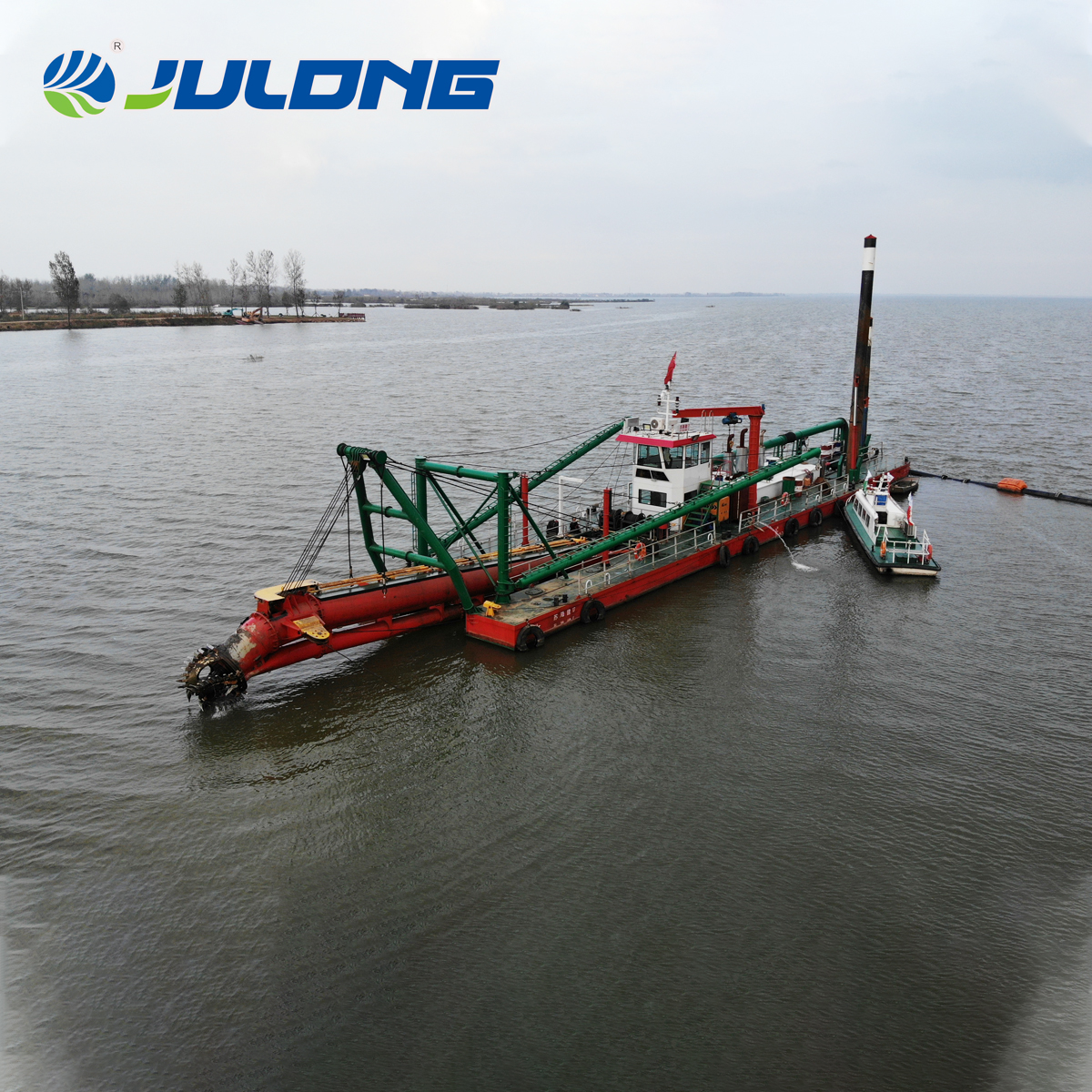
Dredging a lake is removing silt, debris, and vegetation from the lakebed to restore depth, improve water flow, and enhance habitat and navigation using specialized equipment like cutter suction dredgers and excavators.
Dredging prevents flooding, restores storage capacity, improves water quality, removes contaminated sediments, and supports navigation and ecological health in rivers, lakes, and ports.
Common equipment includes cutter suction dredgers, amphibious dredgers, and excavators, chosen for site conditions, sediment type, and project scale to ensure efficient, durable operation.
Duration varies by lake size, sediment volume, access, and permits; projects range from weeks to months. Our team assesses conditions to provide accurate timelines and efficient work schedules.
We follow ISO/CE standards, conduct environmental assessments, obtain necessary permits, use certified equipment, and implement sediment management plans to meet regulatory and safety requirements.

Get a Free Quote

Our representative will contact you soon.
0/1000