Essential Guide to Dredging Excavators

application/dredging-excavator, application/dredging-excavator, 
Inquiry
Inquiry

dredging excavator

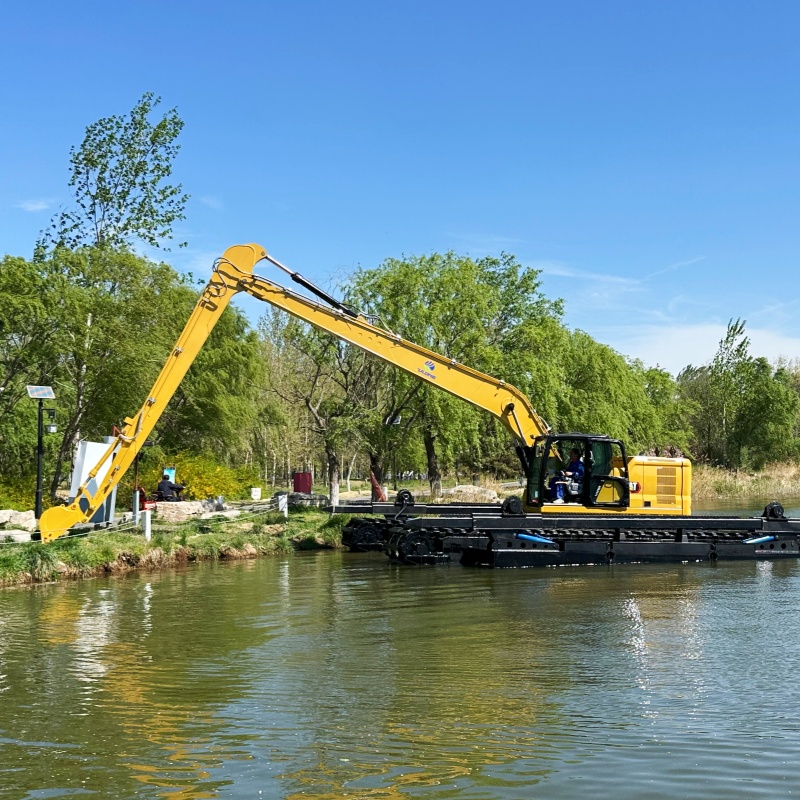
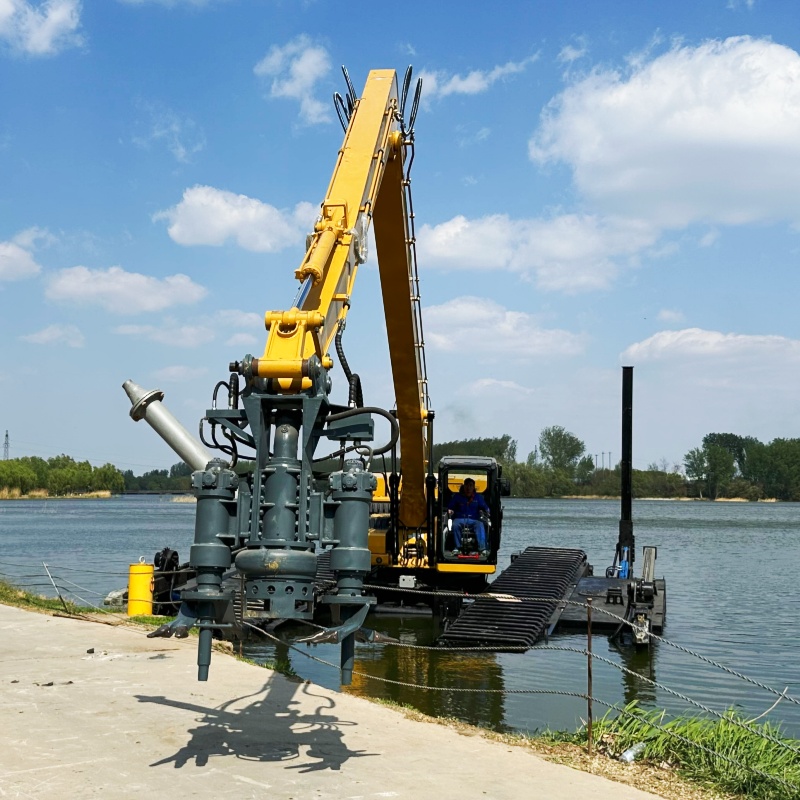
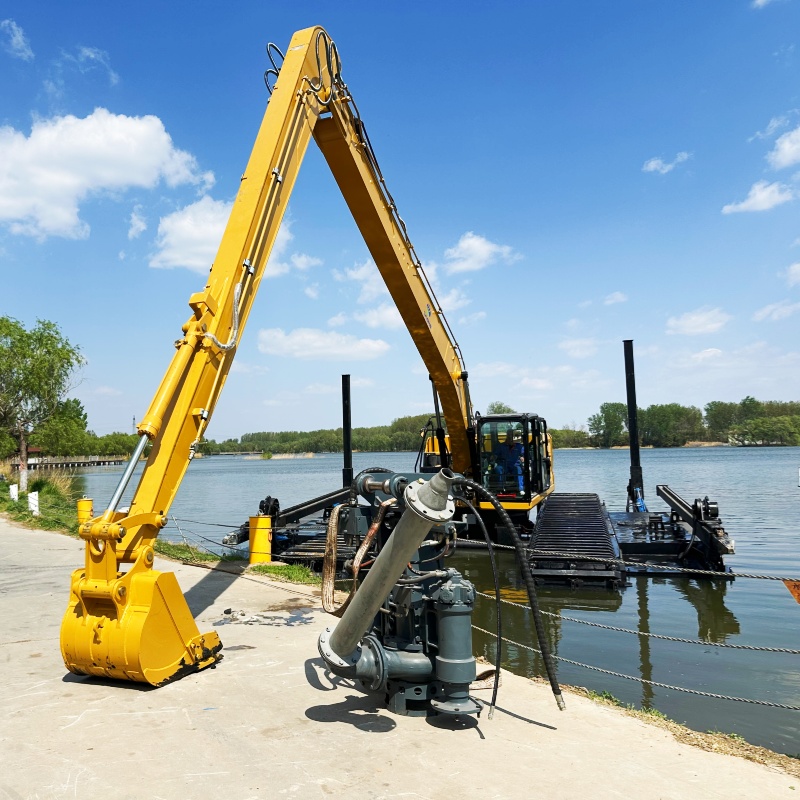
Choosing the right dredging  excavator can significantly impact  project efficiency and overall success in waterway management and  excavation tasks. Dredging excavators are specialized  machines designed to remove sediment and debris from water bodies, such  as rivers,  lakes, and ports. As a purchasing manager or project engineer,  your main concerns may include  the  excavator's  specifications,  application suitability, cost, and reliability. This article will guide  you through  essential factors to consider when selecting a dredging  excavator,  including supplier options, cost  factors,  and  common issues related  to  these machines.

Where to Find Reliable Suppliers of Dredging Excavators

Where to Find Reliable Suppliers of Dredging Excavators

When selecting a supplier for your dredging excavator, consider the following:

Experience and  Expertise: Choose a supplier with a proven  track record in providing dredging equipment.  Companies like Qingzhou  JULONG, with extensive experience and ISO/CE certifications, are more likely to deliver reliable  products.

After-Sales Support: Evaluate the  level of  service and support offered post-purchase.  This includes training for operators, maintenance services, and availability of spare parts.

Customization Capabilities: Some  projects  may require  specific features not available in standard models.  Ensure the supplier can customize machines to meet  your exact specifications.

Export Markets: Consider suppliers that have experience exporting to various  countries,  as this often indicates a solid  understanding of international regulations and standards.

Pricing Transparency: Request detailed pricing information, including  quotes for different configurations and any  potential  hidden costs related to shipping, taxes, or custom  duties.

What You Need to Know

What You Need to Know

As you  prepare to  purchase a dredging  excavator, here  are practical steps to guide your decision-making:

Define Project Requirements: Clearly outline the specifications needed for your project, including dredging  depth, material type, and operational environment.

Request Quotations: Provide potential  suppliers with your specifications and request detailed quotations.  Include necessary details  such as project duration, expected usage, and required performance  metrics.

Evaluate Samples: Before finalizing your order, request a demonstration or a sample dredging excavator, if  possible. This allows you to assess performance under real conditions.

Check References:  Ask for references or  case studies from  previous clients  who have used  the supplier’s excavators. This can provide insight into the machine's performance  and the supplier's reliability.

Review Specifications Thoroughly: Ensure that all specifications align with your project requirements. Pay  attention to key metrics such  as pump capacity,  fuel efficiency, and operating weight.

Cost Factors to Consider When Buying Dredging Excavators

Cost Factors to Consider When Buying Dredging Excavators

Understanding the cost structure  of dredging excavators is  crucial for budgeting:

Initial  Purchase Price: The base price of the  excavator itself can vary significantly based on the model and specifications. Ensure you compare  similar  models  across different suppliers.

Operational Costs: Factor in ongoing  costs such as fuel consumption, maintenance, and repair services. A  more efficient machine may have a higher upfront cost but can offer savings in  operational expenses.

Customization Fees: If you require specific modifications or additional  features, request a  breakdown of customization costs. This can help avoid surprises later in the purchasing process.

Shipping  and Handling: Depending on your location, shipping costs  can vary. Confirm these costs upfront, especially for international shipments.

Financing Options: Explore financing options or leasing arrangements  as alternatives to  outright purchase. This can  help manage cash flow while allowing  access to necessary  equipment.

Step-by-Step

Understanding common challenges  associated with dredging excavators can help you mitigate issues before they arise:

Mechanical Failures: Regular maintenance is vital to prevent mechanical failures. Establish a maintenance schedule with  your supplier to ensure consistent performance.

Dredging Depth Issues:  If the excavator  cannot reach the required dredging depth, re-evaluate the specifications or consider  a different model. Additionally, ensure that the equipment is  correctly calibrated for  the task.

Material Blockages: Clogs can occur,  especially in areas with mixed sediment types. Implementing a pre-dredging assessment can help identify potential issues, and training operators on handling blockages can  minimize downtime.

Operator Training: Inadequate operator training can lead to inefficient dredging practices and increased  wear on  the machine. Ensure that your operators receive comprehensive training from the supplier.

Environmental Regulations: Stay  informed about local regulations regarding dredging operations, as non-compliance can  lead to fines or project delays. Work closely with  your supplier to ensure that the equipment meets all regulatory standards.

By carefully considering these factors and  insights, you can make  an informed decision when purchasing a dredging excavator, ensuring that the equipment meets  your project's requirements and enhances operational efficiency.

Wholesale Purchasing Tips for Dredging Excavators

Selecting the  appropriate dredging excavator involves understanding  your project's specific requirements, including the type of material to be dredged, the working environment, and the desired operational capabilities. Key factors to consider include:

Type of Dredging Excavator:  Cutter suction dredgers and amphibious  dredgers serve different purposes. For instance, cutter suction dredgers are ideal for hard materials and deeper  water bodies, whereas amphibious equipment are suitable for shallow areas and marshy  terrains.

Performance Specifications: Evaluate the machine's dredging depth, pump capacity, and overall efficiency. The  dredging depth must align with  your  project's needs, as inadequate depth can lead  to inefficiencies.

Mobility and Stability: Consider the terrain where  the dredging excavator will operate. An amphibious model  may  be necessary for unstable or uneven ground, while traditional models may be  sufficient for more stable environments.

Customization Options: Many manufacturers, including Qingzhou  JULONG, offer customization to suit specific project requirements,  such as  unique attachments or modifications to enhance performance, including options like the multi-function work boat.

Manufacturer's Reputation: Research suppliers’ experience, certifications, and customer feedback. A reputable manufacturer not only guarantees quality  but also provides support and maintenance services.

Frequently Asked Questions

What types of dredging excavators do you offer?

We provide cutter suction dredgers, amphibious dredgers, and excavators tailored for river, lake, and port projects, designed for durability and efficiency.
Yes. Our machines carry ISO and CE certifications, ensuring compliance with international quality and safety standards.
They are used for river and lake dredging, port maintenance, sediment removal, channel deepening, and environmental restoration projects.
Yes. We offer spare parts, technical support, maintenance guidance, and remote assistance to ensure long-term operation and performance.
Yes. We can customize dredger specifications, configurations, and attachments to meet project requirements, soil conditions, and operational constraints.

Get a Free Quote

Our representative will contact you soon.
0/1000