What Does Dredging Mean: A Comprehensive Guide

application/what-does-dredging-mean, application/what-does-dredging-mean, 
Inquiry
Inquiry

What does dredging mean

Dredging is a critical process in various industrial applications, especially for maintaining and enhancing waterways such as rivers, lakes, and ports. Understanding what dredging means is fundamental for purchasing managers, contractors, and engineers involved in projects that require sediment removal or underwater excavation. This article will explore the technical aspects of dredging, common challenges faced by JULONG contractors, and how to select the dredging equipment solutions for your needs. This article will help you to understand the product more, so keep on reading it all. 

Key Specifications to Evaluate When Selecting Dredging Solutions

Key Specifications to Evaluate When Selecting Dredging Solutions

When considering dredging equipment, several key specifications should be evaluated: 

Suction Depth and Capacity: The maximum depth a cutter suction dredgers  can operate effectively is critical. For instance, if a project requires dredging in deeper waters, a cutter suction dredger with an appropriate suction depth rating is necessary. 

Power Output: The cutter suction dredgers engine power influences its efficiency and operational speed. A higher horsepower rating typically translates to more effective sediment removal, especially in challenging conditions. 

Material Handling Capability: Understanding the type of material to be dredged, whether it be sand, silt, or clay, is essential for selecting the right equipment. Some cutter suction dredgers are designed to handle specific materials better than others. 

Mobility and Transportability: Depending on the project site, the ability to transport the cutter suction dredgers easily can be a deciding factor. Amphibious dredgers are particularly beneficial in environments where access is difficult. 

Durability and Construction: The materials used in constructing the cutter suction dredgers, such as steel or composite materials, can significantly impact its longevity and performance under harsh conditions. 

Buyers should verify these specifications with manufacturers like Qingzhou JULONG Environmental Technology Co., Ltd., which specializes in producing durable and efficient small dredging equipment solutions, ensuring that the selected dredger meets the specific project needs.

Common Dredging Problems and Effective Solutions for Contractors

Common Dredging Problems and Effective Solutions for Contractors

Contractors often face challenges during dredging projects that can affect outcomes. Some common problems include: 

Sediment Disposal: After dredging, managing the disposal of dredged material can be complex. Contractors should explore local regulations regarding disposal sites or consider options for reuse, such as land reclamation projects. 

Equipment Downtime: Mechanical failures can halt operations and lead to increased costs. Regular maintenance and having access to spare parts can minimize downtime and keep projects on schedule. 

Environmental Concerns: Dredging can impact aquatic ecosystems. Contractors must conduct environmental assessments and develop mitigation plans to lessen the ecological footprint of their projects. 

To address these challenges effectively, contractors should work closely with experienced manufacturers who can provide technical guidance and support throughout the dredging process. 

Benefits for Rivers, Lakes, and Ports

Benefits for Rivers, Lakes, and Ports

This product is made with high-quality materials to ensure its efficiency and functionality. You will never ever regret off using this kind of product. Dredging offers numerous benefits, such as: 

Improved Navigation: Removing sediment build-up enhances navigational channels, allowing larger vessels to access ports and reducing the risk of groundings. 

Habitat Restoration: Dredging can help restore natural habitats by removing contaminants and promoting healthier ecosystems for fish and other aquatic life. 

Flood Prevention: Regular dredging of rivers and lakes can prevent flooding by increasing water capacity and improving drainage systems. 

Economic Growth: By enhancing port facilities and waterways, dredging supports local economies by facilitating trade and tourism. 

These benefits highlight the importance of investing in reliable dredging solutions that can deliver effective and sustainable outcomes.

How to Compare Different Dredging Methods for Your Needs

When selecting a dredging method, consider the following factors to ensure it aligns with your project goals: 

Project Scope: Assess the size and complexity of the project. Larger projects may require more robust equipment, such as cutter suction dredgers, while smaller tasks might be efficiently handled by smaller amphibious models. 

Environmental Impact: Different dredging methods can have varying effects on the environment. Evaluate which method minimizes ecological disruption while meeting project objectives. 

Cost Efficiency: Analyze the total cost of ownership, including initial investment, operational costs, and maintenance. Sometimes, a higher upfront cost may lead to lower operational costs in the long run. 

Customization Options: Some projects may have unique requirements that necessitate customized dredging solutions. Ensure that the manufacturer can accommodate these needs. 

Supplier Reputation: Research potential suppliers’ experience and expertise in the industry. Manufacturers like Qingzhou JULONG Environmental Technology Co., Ltd. are known for their quality and reliability in river dredging equipment solutions across 93 countries. 

By considering these factors, buyers can make informed decisions that align with their operational and financial objectives, ensuring successful project completion. Don't waste your time spending with low-quality materials. You will surely enjoy this kind of product because of its quality. So, trust on our brand. 

A Comprehensive Guide

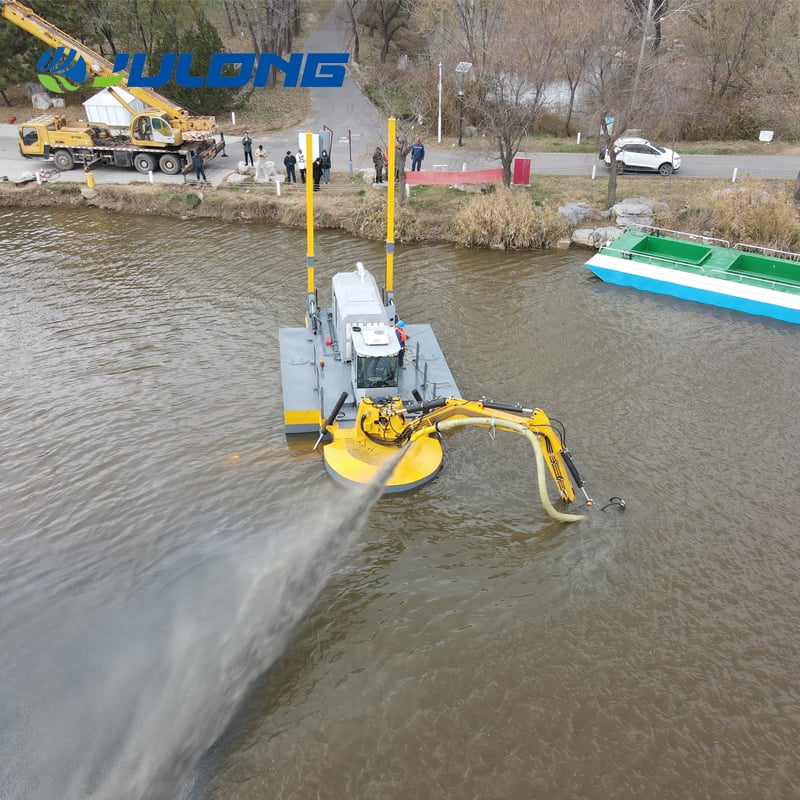
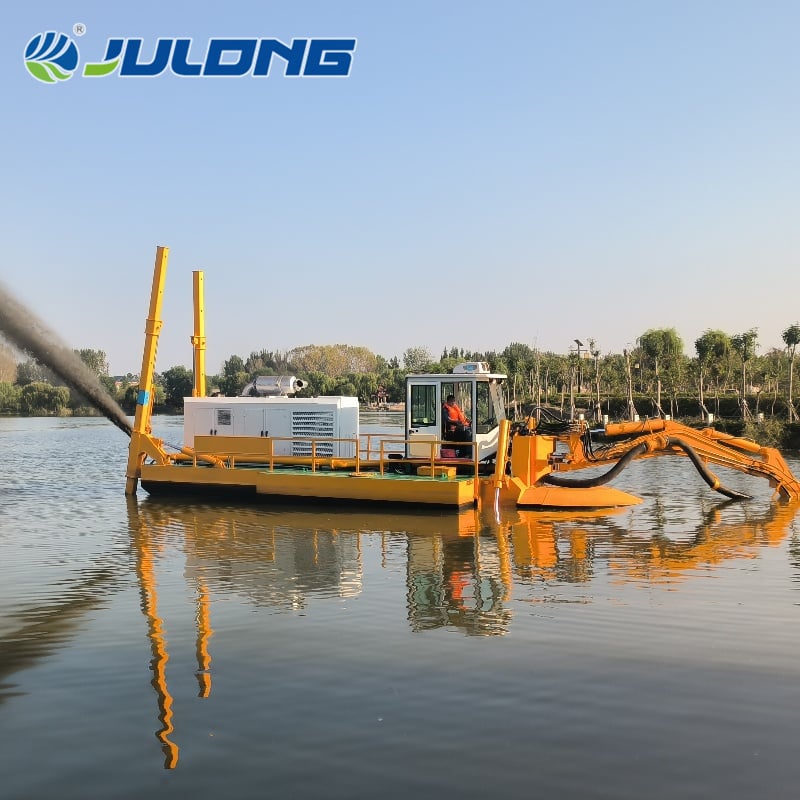
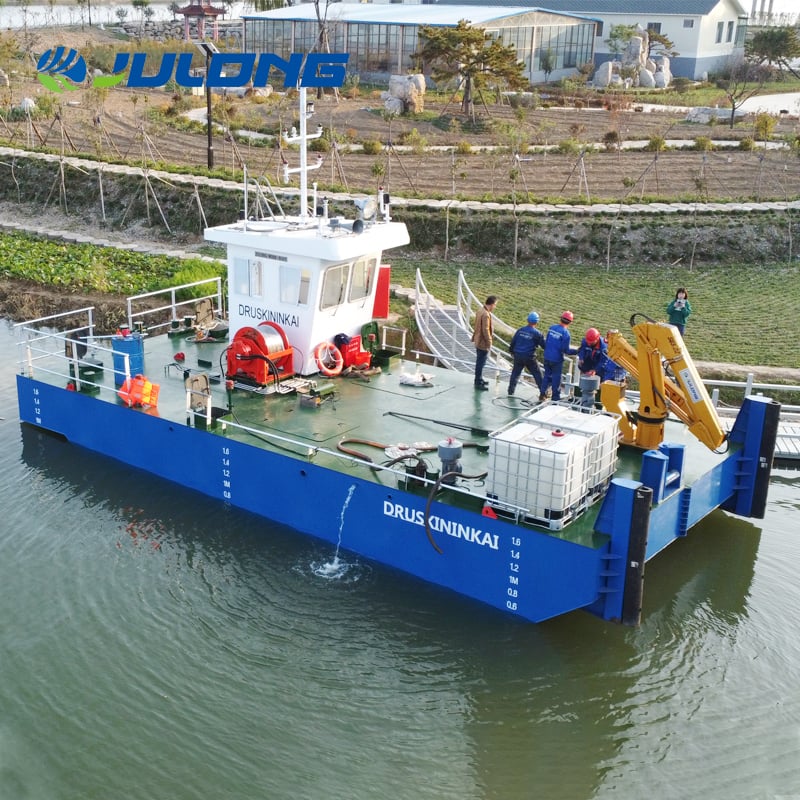
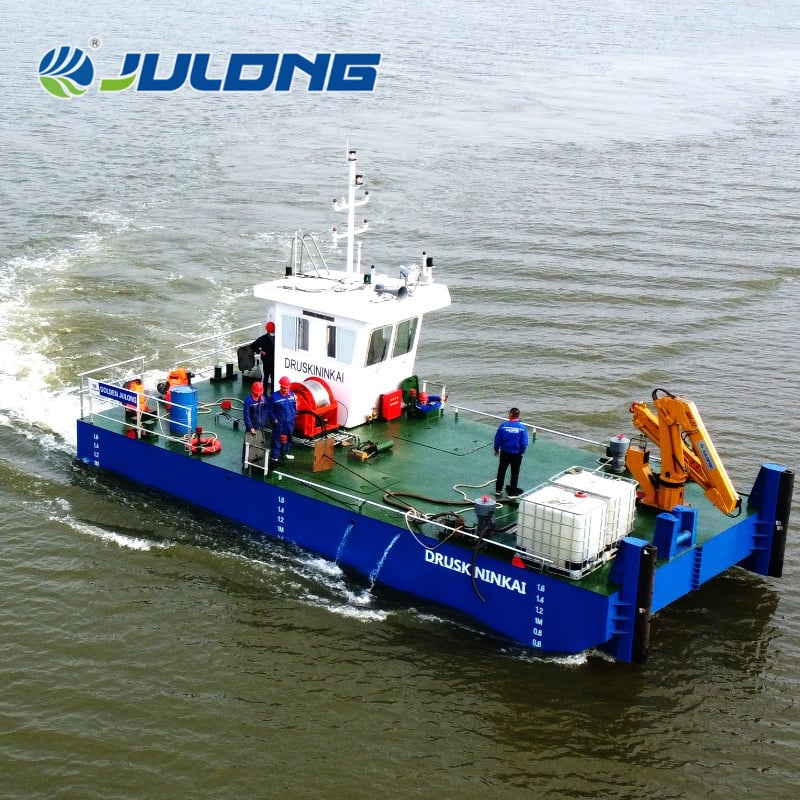
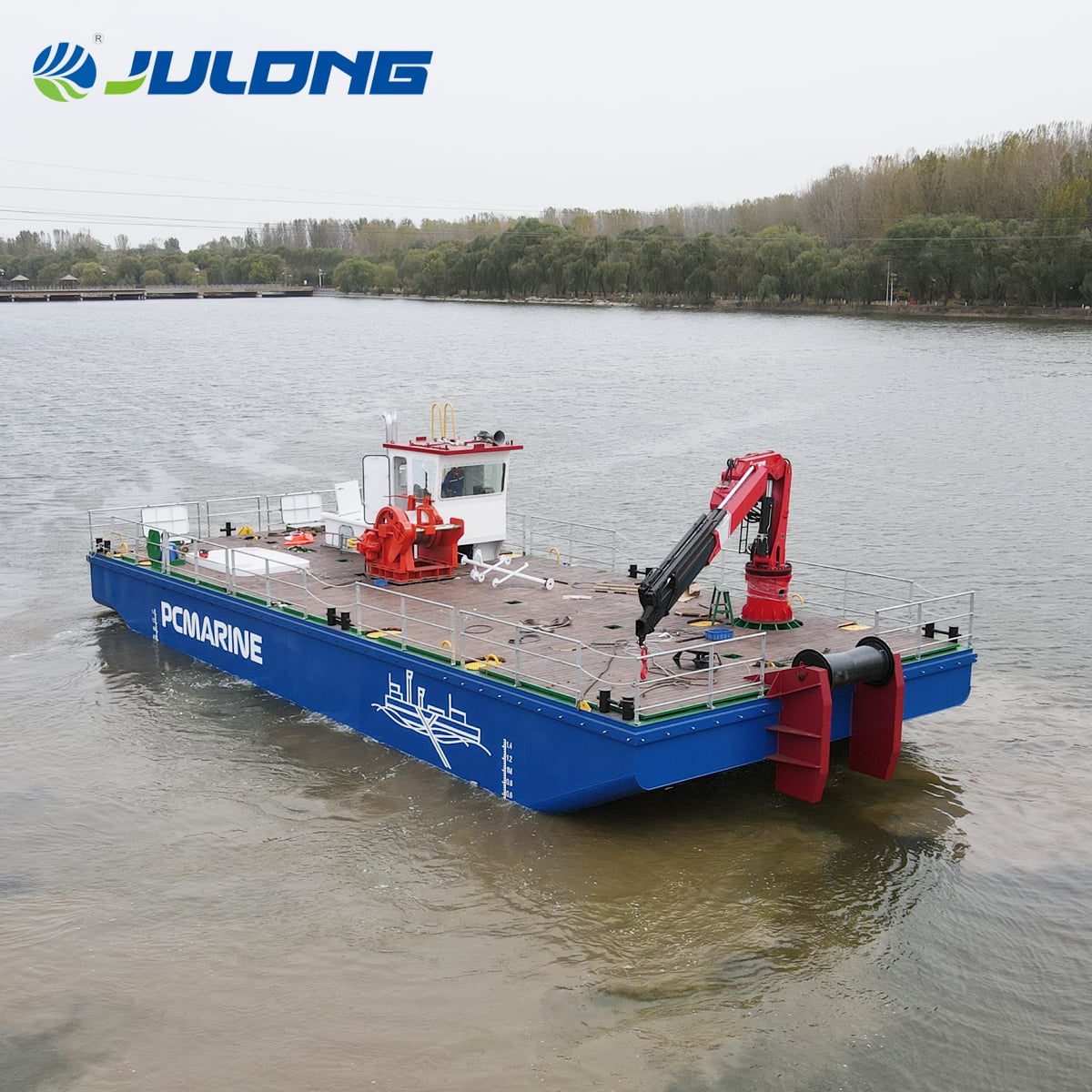
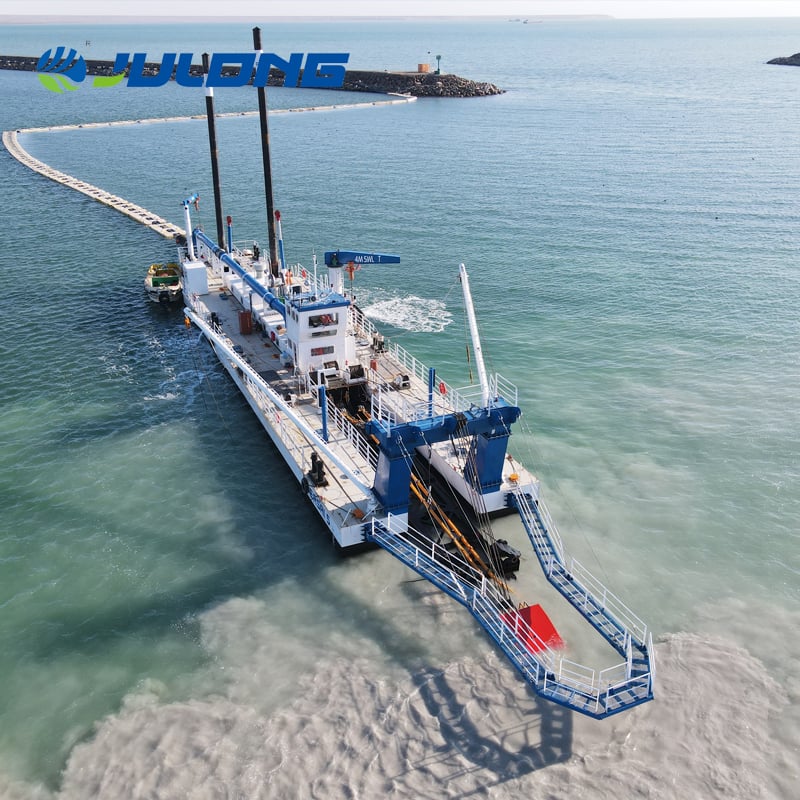
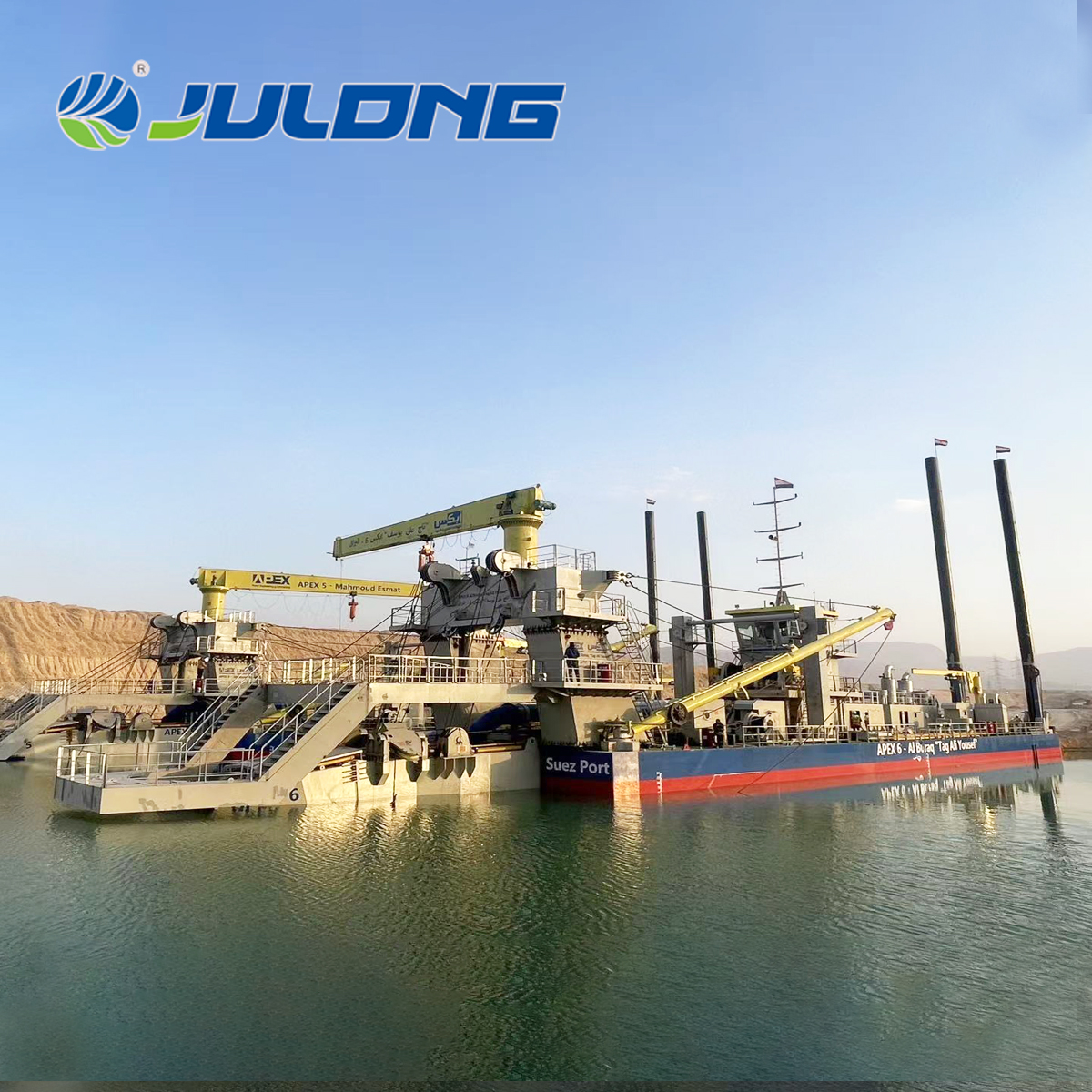
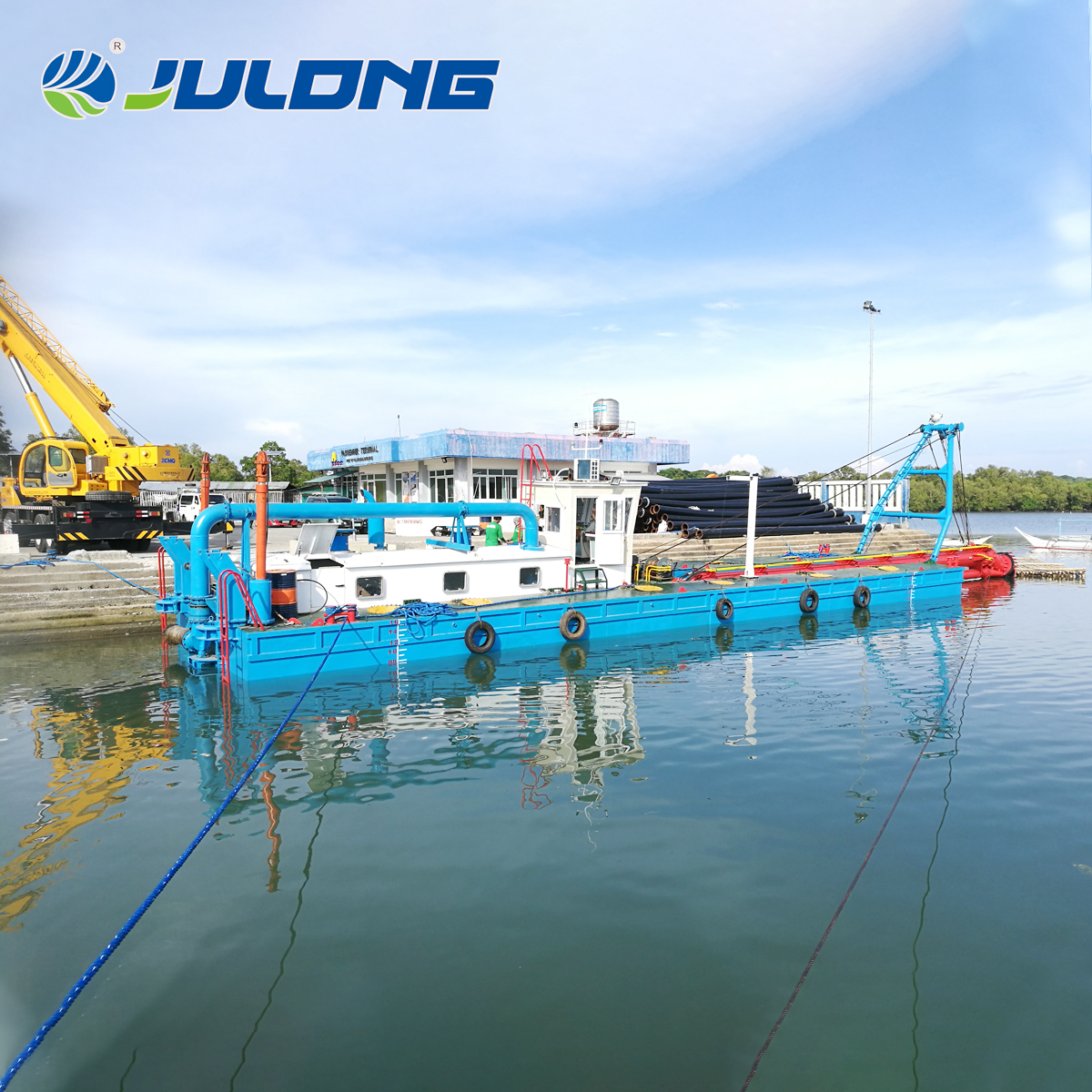
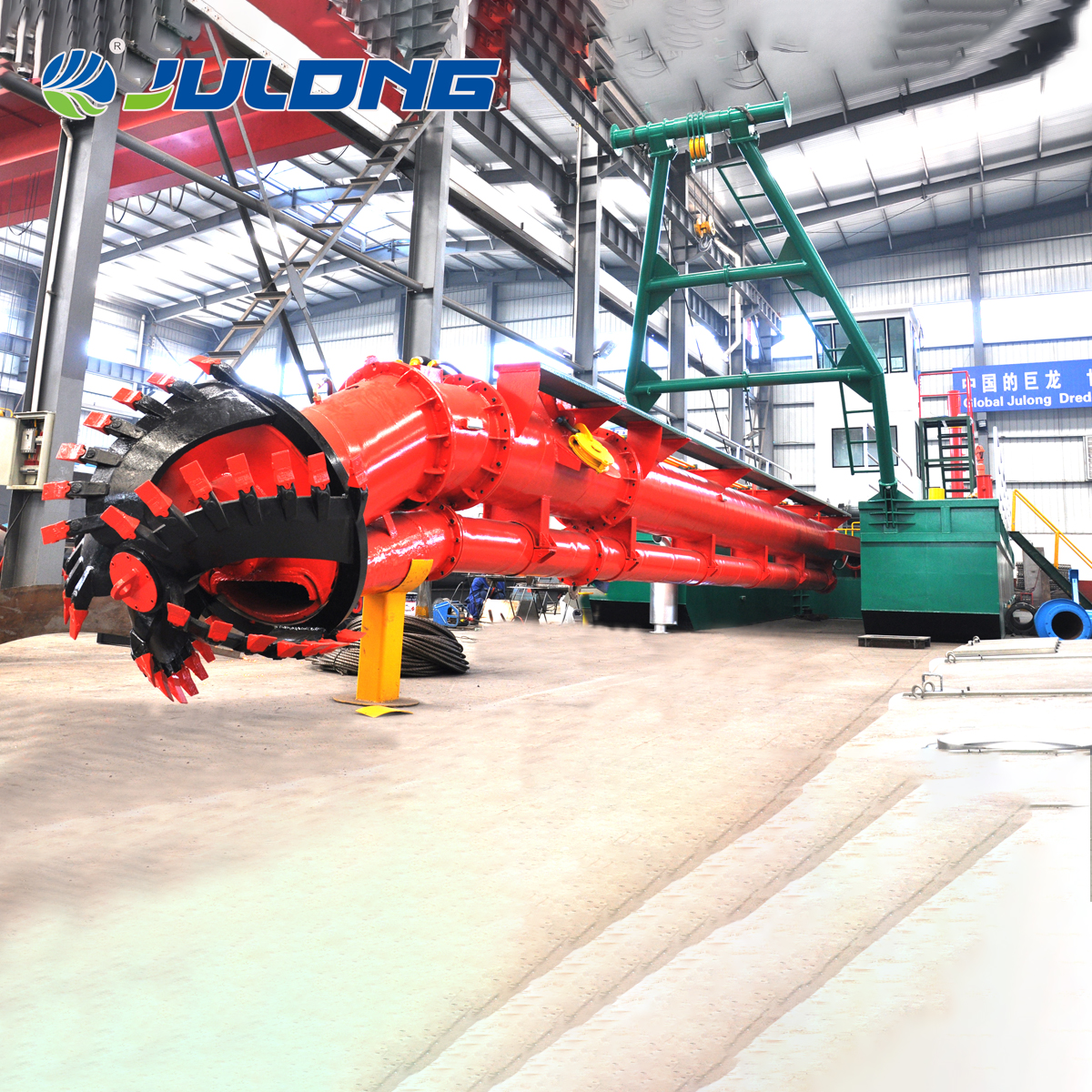
Dredging refers to the excavation of material from the bottom of water bodies, such as rivers, lakes, and harbors, to improve navigation, increase water depth, and restore aquatic habitats. It is performed using specialized equipment, primarily cutter suction dredgers, which can vary in type and capability. The most common types of cutter suction dredgers include cutter suction dredgers and amphibious dredgers. 

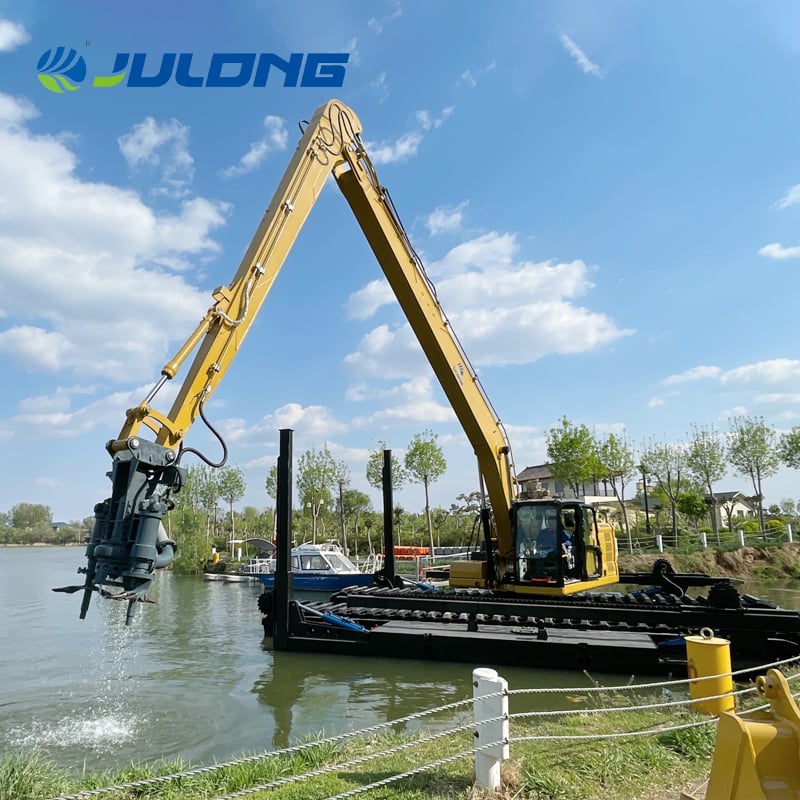
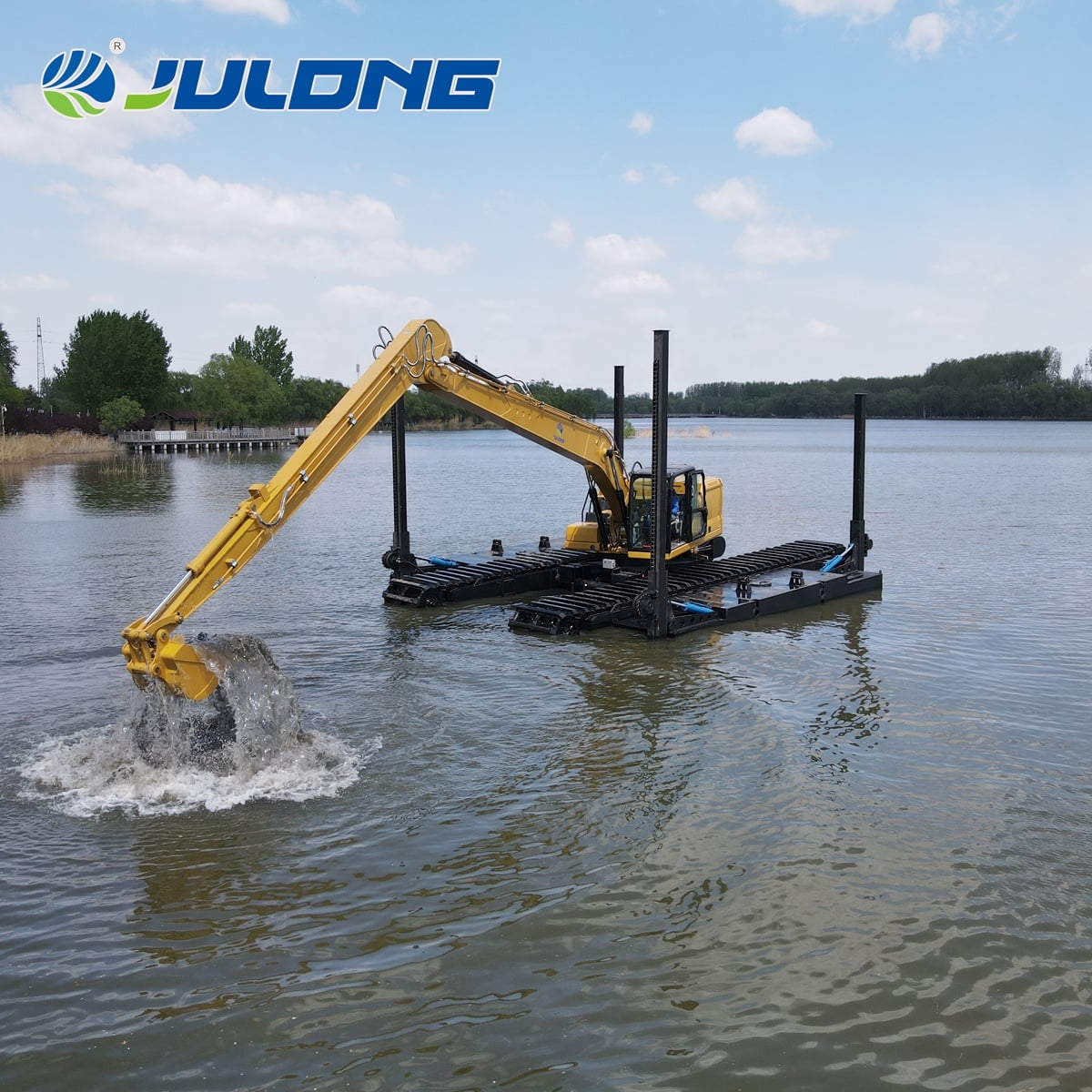
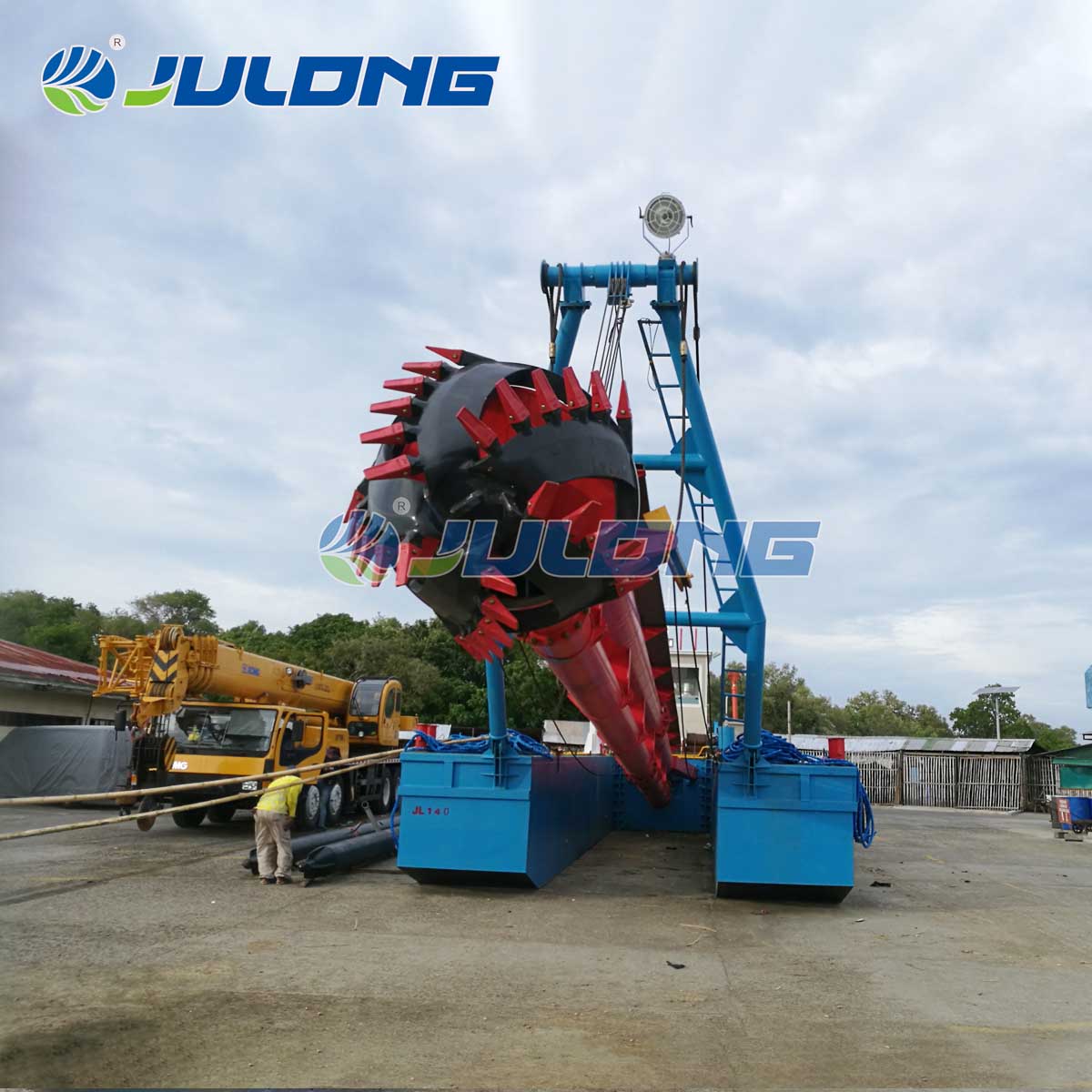
Cutter suction dredgers are equipped with a rotating cutter head that loosens the material, allowing it to be suctioned through a pipeline. Amphibious dredgers, on the other hand, can operate on both land and water, offering versatility in applications where access may be limited. Understanding these distinctions is crucial for selecting the appropriate dredging solution based on project requirements.

Frequently Asked Questions

What does dredging mean in simple terms?

Dredging is the process of removing sediment, silt, and debris from waterways to deepen or clear channels, improving navigation, flood control, and water flow for rivers, lakes, and ports.
Dredging maintains navigable channels, prevents flooding, restores water depth, and supports port operations and environmental management for long-term asset reliability.
Common types include cutter suction dredgers, amphibious dredgers, and excavators adapted for river, lake, and port excavation tasks.
Our machines are ISO/CE certified, built in a 12,000 m² facility with robust components and optimized designs to deliver efficient, long-lasting performance.
Yes. Properly planned dredging can restore habitats, reduce pollution accumulation, improve water quality, and support sustainable river and lake management.

Get a Free Quote

Our representative will contact you soon.
0/1000