Underwater Dredges for Sale: Key Specifications & Tips

application/underwater-dredge-for-sale, application/underwater-dredge-for-sale, 
Inquiry
Inquiry

Underwater dredge for sale

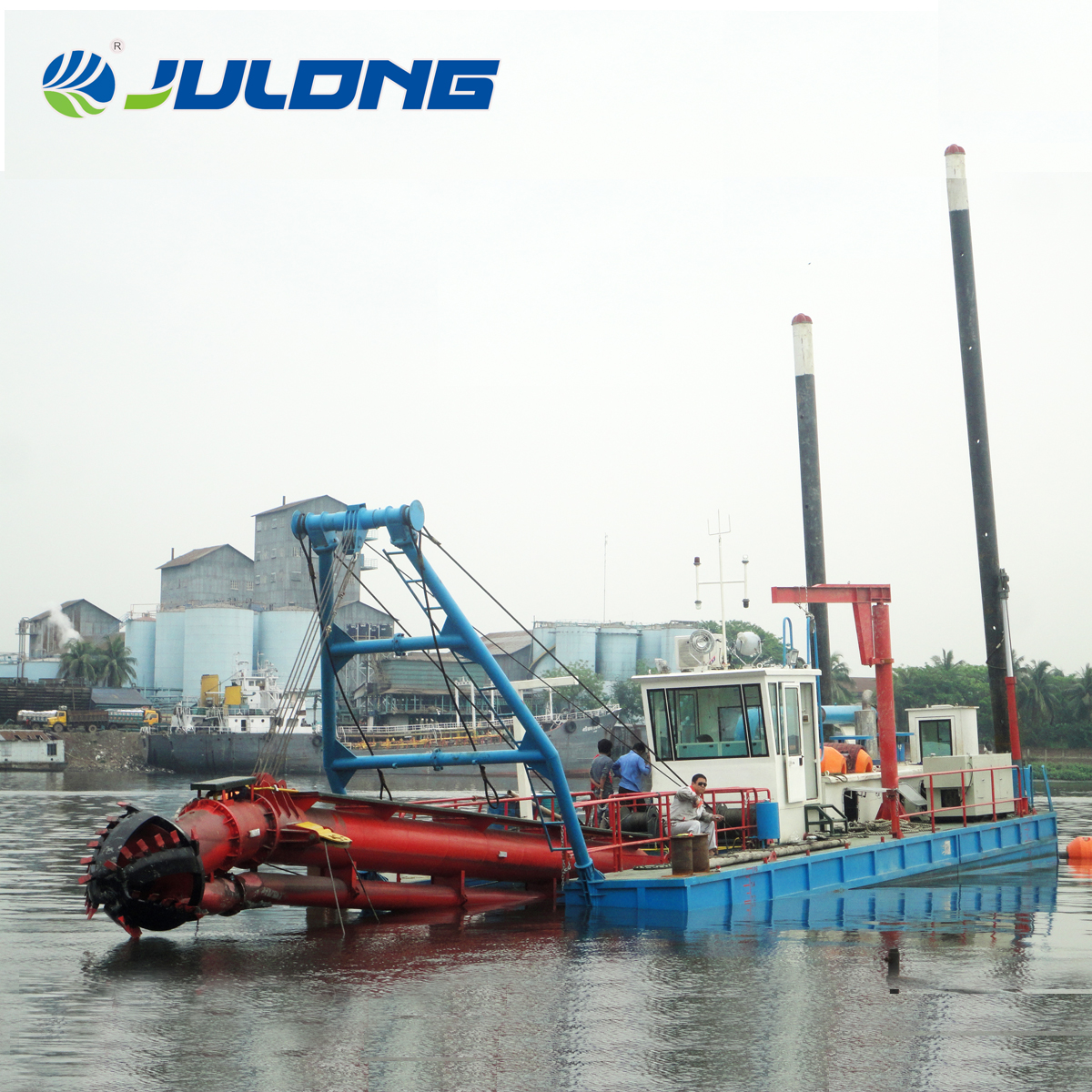
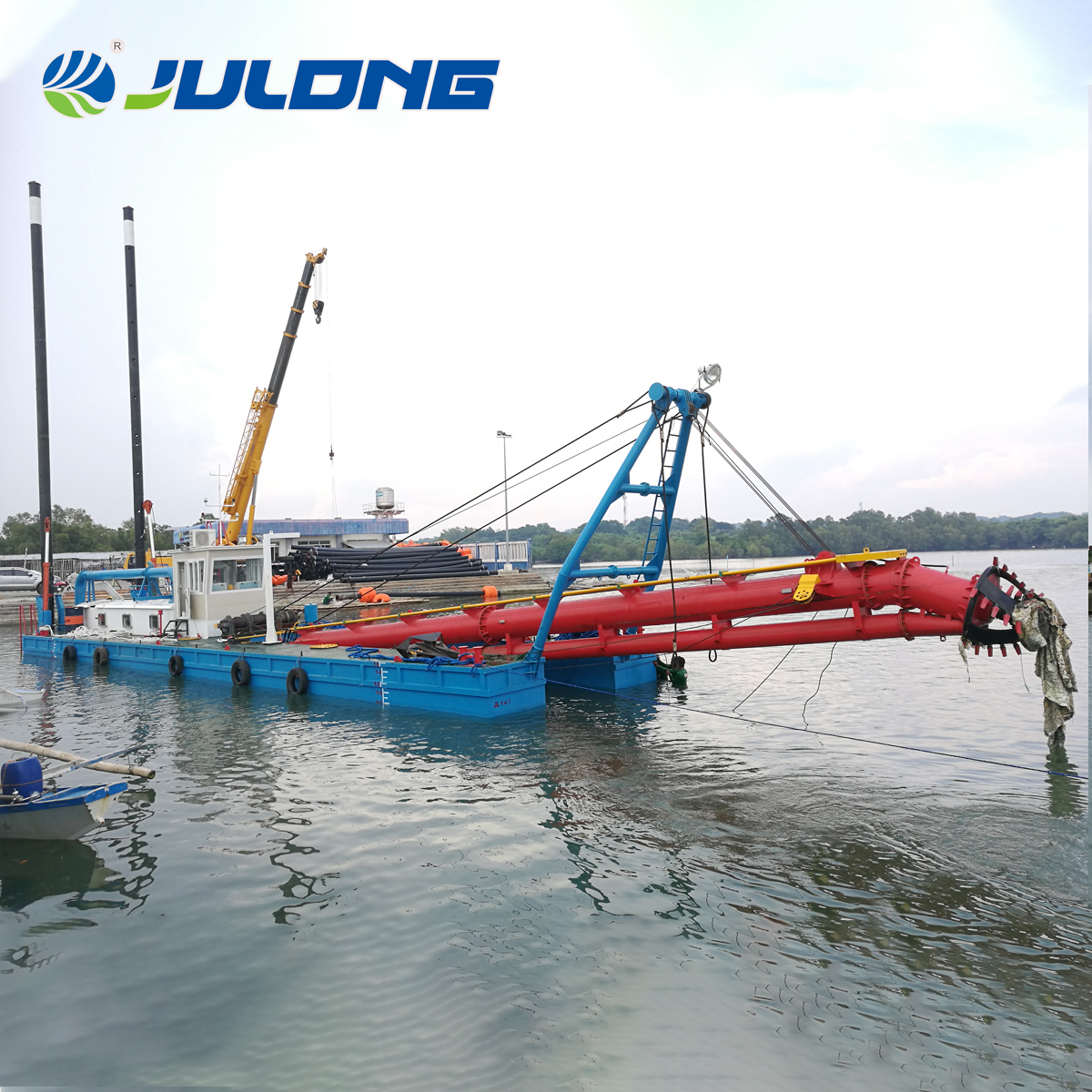
Underwater dredges are essential equipment for various projects involving the excavation of sediment and debris from underwater environments, particularly in rivers, lakes, and ports. When searching for an underwater dredger for sale, buyers typically have concerns regarding product specifications, quality of underwater dredges, and overall cost. This article will guide purchasing managers, engineers, and project managers through the process of evaluating, selecting, and purchasing underwater dredges, ensuring they make informed decisions tailored to their specific needs.

How to Evaluate the Quality of Underwater Dredges for Your Projects

How to Evaluate the Quality of Underwater Dredges for Your Projects

Evaluating the quality of underwater dredges is essential to ensure long-term performance and reliability. Here are several key factors to consider: 

Manufacturer Reputation: Research the manufacturer's history and reputation in the industry. Established manufacturers like Qingzhou JULONG Environmental Technology Co., Ltd., known for their durable and efficient dredging solutions, often have a track record of quality and reliability. 

Quality Control Processes: Inquire about the manufacturer’s quality control measures during production. Rigorous testing protocols, including performance benchmarks and safety inspections, are indicators of a quality product. 

User Reviews and Case Studies: Look for feedback from previous users and case studies that demonstrate the dredge's performance in real-world applications. This information can provide insights into potential issues and the dredge’s capabilities. 

Warranty and Support: A robust warranty indicates the manufacturer's confidence in their product. Additionally, assess the level of customer support offered, as ongoing maintenance and troubleshooting are critical for operational success. 

Cost Factors to Consider When Purchasing Underwater Dredges in Bulk

Cost Factors to Consider When Purchasing Underwater Dredges in Bulk

When purchasing underwater dredges for large-scale projects, understanding the cost factors when purchasing underwater dredges is vital to ensure budget compliance. Key considerations include: 

Initial Purchase Price: The upfront cost of the dredge is often the most significant investment. However, it’s essential to balance this against the dredge’s capabilities and expected lifespan. 

Operational Costs: Evaluate fuel consumption, maintenance schedules, and labor costs associated with operating the dredge. An efficient dredge may have a higher initial cost but can lead to lower long-term operational expenses. 

Customization Requirements: Customizing dredges to meet specific project needs can increase initial costs. Determine the necessity of these features to justify the investment. 

Shipping and Handling: For international customers, shipping costs can significantly impact the overall price. Understanding shipping logistics and potential tariffs is crucial for budgeting. 

Bulk Discounts: Inquire about discounts for bulk purchases. Manufacturers often provide pricing incentives for larger orders, which can lead to significant cost savings. 

Step-by-Step Tips

Step-by-Step Tips

When preparing to purchase an underwater dredge, follow these steps to ensure a successful transaction: 

Define Project Requirements: Clearly outline the specifications needed for your project, including dredging depth, capacity, and environmental considerations. 

Research Suppliers: Evaluate multiple suppliers and manufacturers, focusing on their product offerings, reputation, and support. 

Request Quotes: Reach out to manufacturers for quotes, including detailed pricing for the dredge, shipping, and any additional services. 

Review Samples: If possible, request a demonstration or a sample of the small dredger to assess its performance and suitability for your needs. 

Final Negotiation: Based on the gathered information, negotiate terms, pricing, and warranties before finalizing the purchase. 

Applications of Underwater Dredges in River and Port Projects

Underwater dredges serve critical roles in various applications, particularly in river and port projects: 

Channel Maintenance: Dredges are essential for maintaining navigable waterways by removing sediment buildup that can impede vessel movement. Regular dredging ensures safe navigation and access to ports. 

Environmental Remediation: In projects aimed at restoring ecosystems, dredging equipment can efficiently remove contaminated sediments from riverbeds and port areas, facilitating environmental recovery. 

Construction Support: During the construction of docks, piers, and bridges, dredges are used to prepare the underwater foundation by removing debris and ensuring stability. 

Sand and Gravel Extraction: Dredges are also utilized for extracting sand and gravel from riverbeds, which is crucial for the construction industry. Understanding the dredge's capacity and suitability for these materials is vital for successful operations. 

In summary, selecting an underwater dredge for sale involves careful consideration of specifications, quality, costs, and applications. By following these guidelines, buyers can make informed decisions that align with their project needs while ensuring long-term efficiency and effectiveness. 

Key Specifications of Our Underwater Dredges for Wholesale Buyers

When considering an underwater dredge for sale, there are several critical specifications that buyers should evaluate. These include: 

Dredging Depth and Capacity: The dredging depth is crucial for determining the dredge's effectiveness in specific applications of underwater dredges. A dredge's capacity, often measured in cubic meters per hour, indicates how much material can be excavated. Buyers should assess their project's requirements to ensure the dredge can meet operational demands. 

Power Source: Underwater dredges can be powered by diesel engines or electric motors. Each option has its advantages; for instance, diesel engines are often more powerful and suitable for remote areas, while electric motors are quieter and have lower emissions, making them ideal for environmentally sensitive locations. 

Construction Materials: The durability of the dredge largely depends on the materials used in its construction. High-strength steel is commonly used for the hull, while components like impellers and cutters may be made from wear-resistant alloys. Understanding the material choices can help buyers evaluate the dredge's longevity and maintenance needs. 

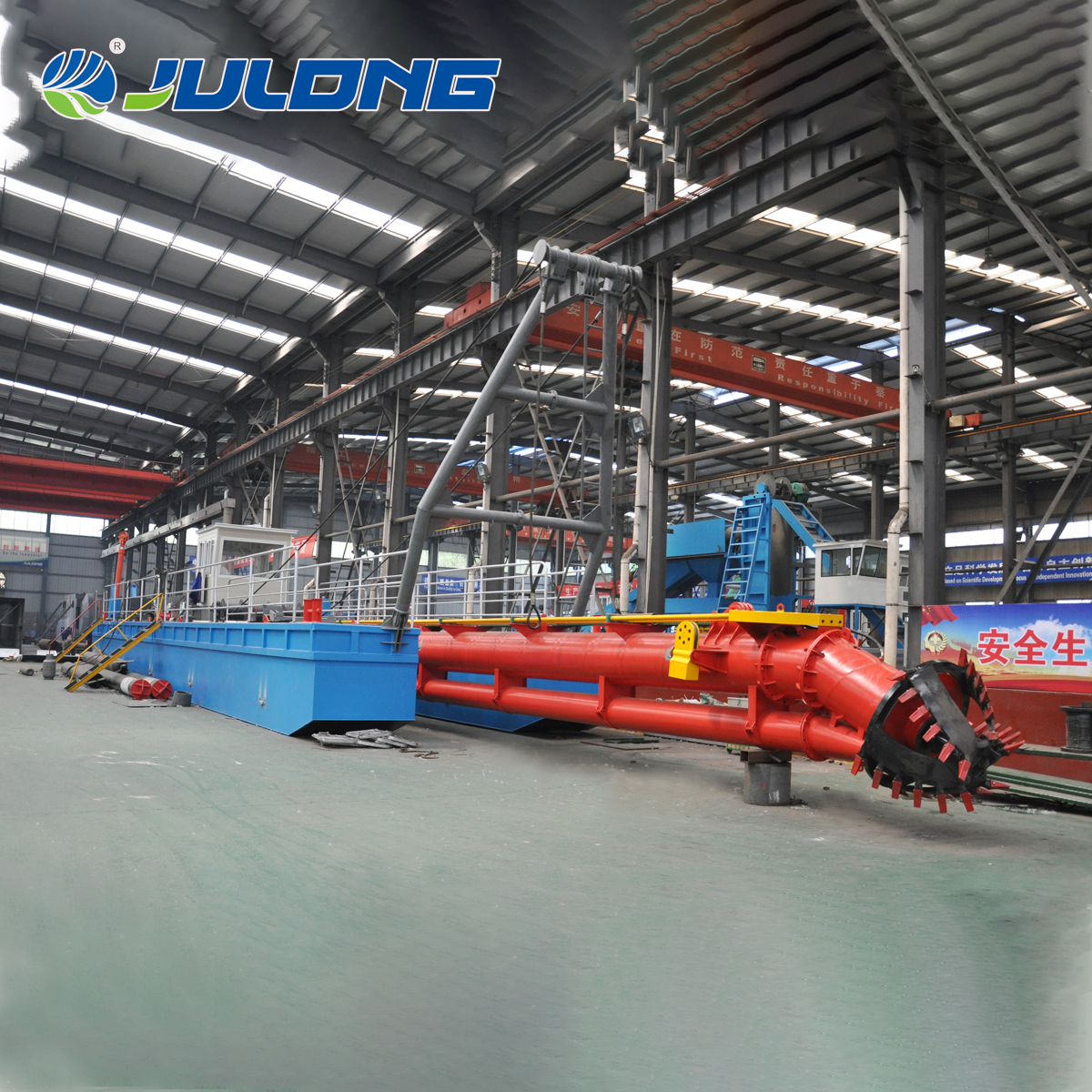
Design Features: Key design features such as cutter heads, suction hoses, and spud poles enhance the dredging process. Buyers should consider the adaptability of these features for various sediment types and underwater conditions. 

Certifications: Ensure that the dredge complies with relevant industry standards, such as ISO and CE certifications. These certifications indicate that the dredge meets safety and quality benchmarks. 

Frequently Asked Questions

What types of underwater dredges do you offer?

We supply cutter suction dredgers, amphibious dredgers, and excavator-mounted dredges suitable for rivers, lakes, and ports, customizable to project needs and certified for quality.
Yes. Our equipment is ISO and CE certified, ensuring compliance with international quality and safety standards for dredging operations.
Yes. We offer custom configurations for suction power, discharge distance, hull design, and auxiliary systems to match site conditions and project requirements.
We provide installation guidance, operator training, spare parts supply, technical support, and field service to ensure durable, efficient operation.
We serve clients in 93 countries and support international shipping, on-site assembly, and project consultation for river, lake, and port dredging projects.

Get a Free Quote

Our representative will contact you soon.
0/1000