Reliable Small Dredgers for Environmental Projects

application/small-dredger, application/small-dredger, 
Inquiry
Inquiry

small dredger

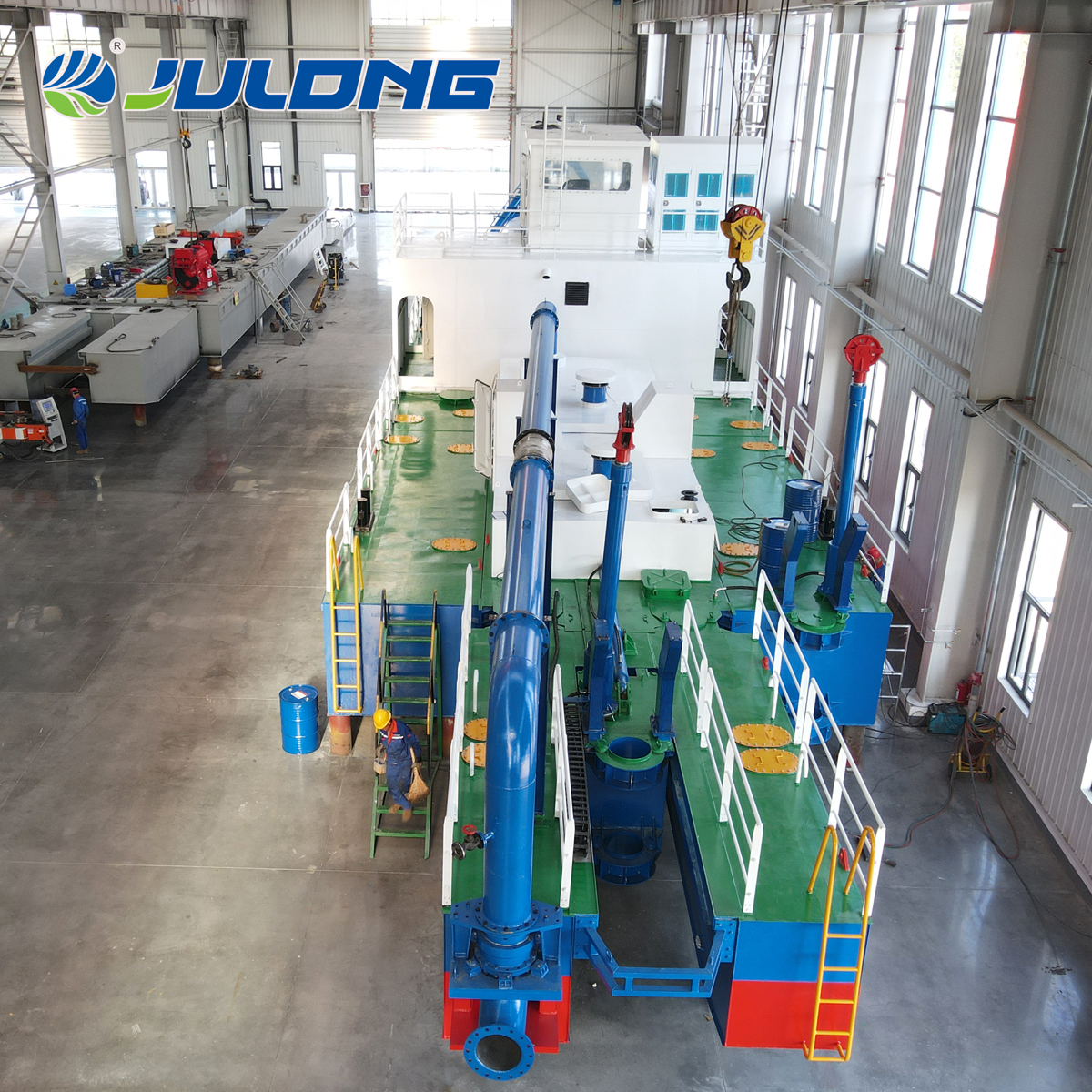
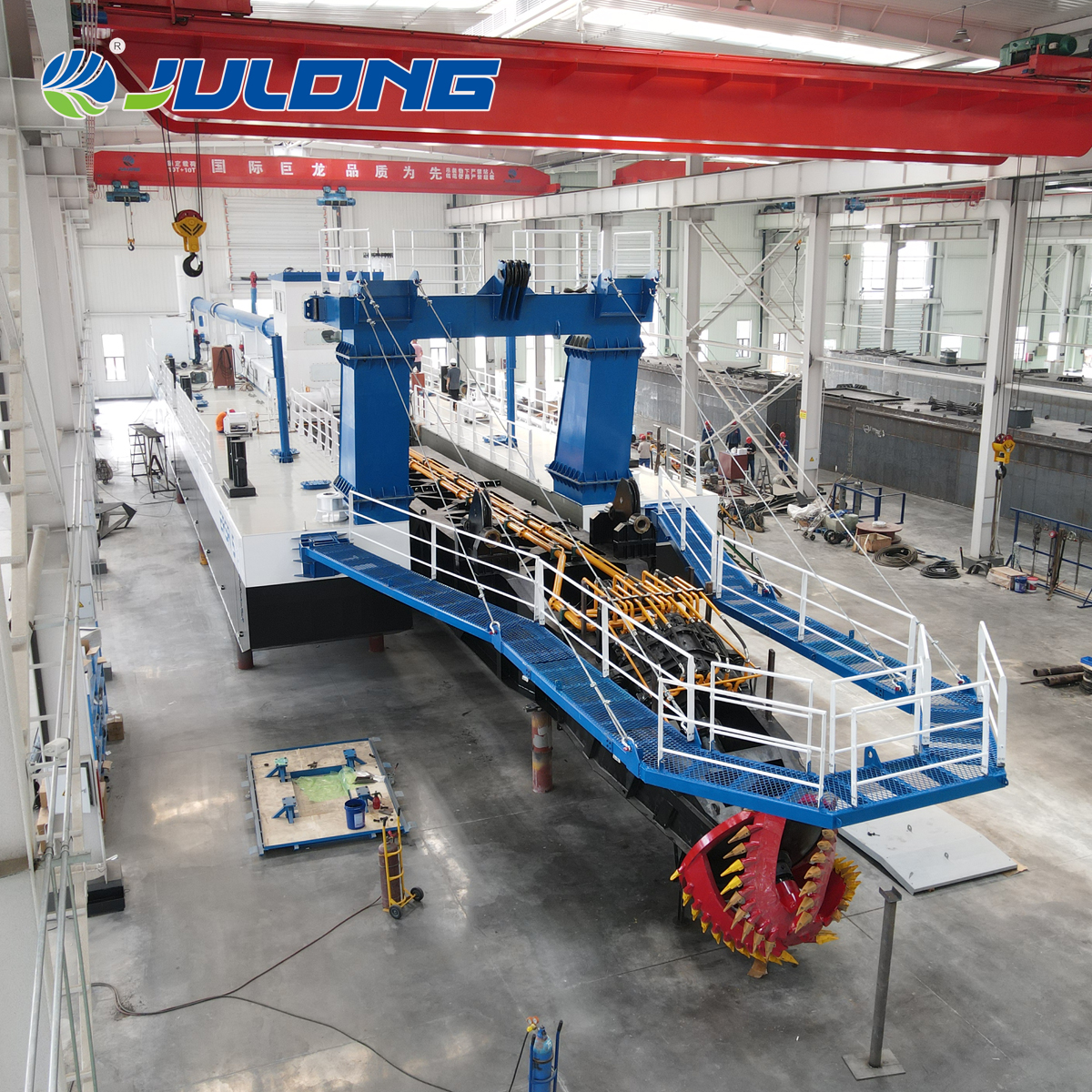
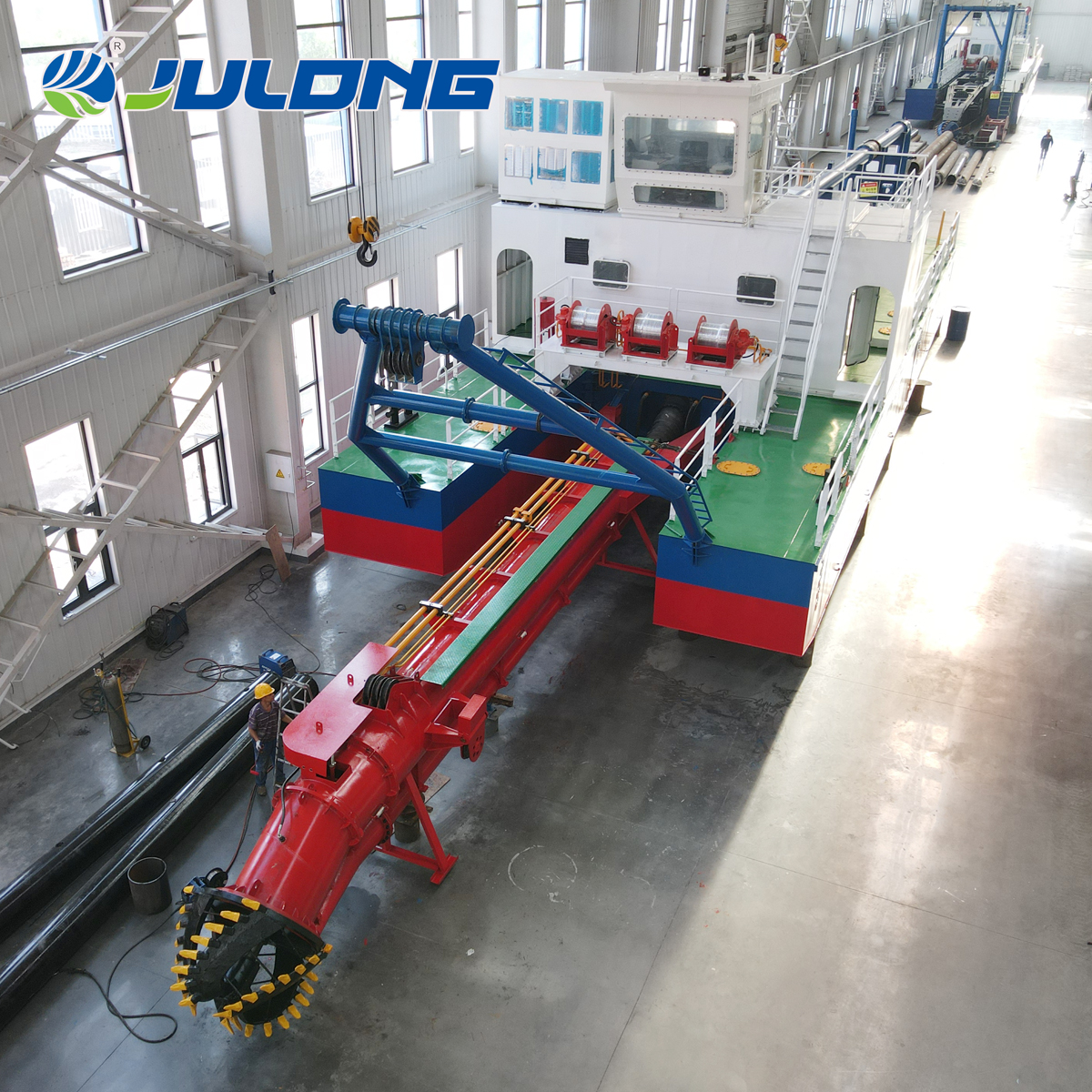
Small dredgers are specialized  machines  designed for dredging shallow  waters in rivers,  lakes, and ports.  They  are essential for various environmental projects,  including the removal of sediment, debris, and vegetation  that can obstruct waterways.  For  B2B buyers, particularly purchasing managers and  engineers, understanding the specifications, installation challenges, and applications  of small  dredgers is crucial for making informed decisions. This  article will guide  you through the key considerations  when sourcing small dredgers,  ensuring that  you choose the  right equipment for your projects.

 
Evaluating the Quality of Small Dredgers for Long-Term Use

Evaluating the Quality of Small Dredgers for Long-Term Use

When evaluating the quality of small dredgers, focus on several key  specifications.  Material selection is critical; high-quality steel or aluminum should be  used  to enhance durability and resistance to corrosion. The thickness of the hull and other structural components directly affects the  dredger's performance and longevity. As  a buyer,  you  should ask for detailed specifications and material  compositions  to  ensure they meet your project’s demands.

Additionally, examine the dredger's design features, such as the pump type  and capacity, which significantly impact efficiency  and operational capabilities. A dredger with a well-designed  cutter head  can improve sediment removal rates and overall productivity.  It’s advisable to request a sample  or conduct a  site visit to inspect the dredger’s build quality and operation under realistic conditions.

Quality control processes are also vital. Ensure that the manufacturer  implements  rigorous testing procedures to verify the performance and reliability of their dredgers before they are shipped. Ask for documentation of quality checks and compliance with relevant industry standards.

Common Installation Challenges with Small Dredgers and Solutions

Common Installation Challenges with Small Dredgers and Solutions

Installing small dredgers can present various challenges that buyers should  be prepared to address. One  common issue is ensuring  proper alignment and leveling  during setup,  which is critical for  optimal performance. Any misalignment can lead to operational inefficiencies and increased  wear on components.

Another challenge  is the  integration of the  dredger with existing equipment and  infrastructure. Buyers  should assess compatibility with other machinery, such as excavators or transport vehicles. It’s wise  to consult  with the manufacturer about any specific installation requirements or modifications needed to facilitate smooth integration.

Buyers  should also prepare for potential  logistical challenges, such as transportation and  site access. Ensure that the dredger can  be delivered to the intended location without obstructions or delays. Consider discussing with the supplier  about delivery options and any necessary support during the  installation process to mitigate these challenges.

Exploring Applications of Small Dredgers in Environmental Projects

Exploring Applications of Small Dredgers in Environmental Projects

Small dredgers play a significant role in various environmental projects, making  them versatile tools for contractors and  engineers. They are primarily used in sediment  removal to  enhance  water flow, improve  aquatic habitats, and maintain navigability of waterways. For instance, in  river and lake restoration projects, small  dredgers can effectively remove excess silt and organic  material that disrupts ecosystems.


In addition to sediment management, small dredgers are  often employed in environmental remediation efforts. They can assist in cleaning up contaminated sites by removing pollutants from water bodies, thus  supporting ecological health. Buyers  should evaluate the dredger's specifications to ensure they are suitable for the specific contaminants  and conditions of the project, such as the JLWB1600 Multi-function Work Boat.

Furthermore, small dredgers are increasingly used in construction projects, such as creating or maintaining marina facilities. Their ability to  operate in shallow waters makes them indispensable for  tasks  that involve precise dredging in  confined spaces.  Understanding these applications helps buyers select the right dredger configurations for their specific  project needs.

Benefits of Bulk Ordering Small Dredgers for Distributors and Contractors

Bulk  ordering small  dredgers can offer significant advantages for distributors and contractors. One of the  primary benefits is cost savings.  Manufacturers often provide discounted pricing for bulk purchases, which can improve  profit margins for resellers.  Additionally,  ordering in bulk allows for better inventory management, enabling distributors to meet customer demands more efficiently.

Another  advantage is the consistency in product quality. When purchasing multiple units from the same manufacturer, buyers can  expect uniformity in specifications and performance. This is crucial for maintaining operational standards across various projects.

Moreover, bulk orders can streamline the logistics process. Coordinating a single shipment for multiple units reduces transportation  costs and simplifies delivery schedules.  Buyers should negotiate terms with suppliers, including  lead times and payment options, to ensure a  smooth procurement process.

Navigating the  procurement  of small dredgers requires careful consideration of supplier  reliability, product quality,  installation challenges, application suitability, and purchasing strategies. By focusing on these key  areas, B2B buyers can make informed decisions that enhance their project outcomes and operational  efficiency.


Where to Find Reliable Suppliers for Small Dredgers in Bulk

Finding reliable suppliers for small dredgers involves a thorough evaluation of potential manufacturers and their capabilities. Start by  identifying manufacturers with a  proven track record in the industry,  such as Qingzhou  JULONG Environmental Technology Co., Ltd., which specializes in cutter suction  and amphibious dredgers. Verify their certifications,  like ISO  and CE, which indicate adherence to  international quality standards. For instance, you might want to explore the JLCSD700 Cutter Suction Dredger – 7,000 m³/h Heavy-Duty Hydraulic Dredging Vessel for reliable dredging solutions.

Next, assess their production capacity  and facility size.  A manufacturer  with a 12,000 square meter facility typically has the capability to produce equipment efficiently and  at  scale. Inquire about their experience in  exporting to various  countries; for example, suppliers who have served 93 countries demonstrate their ability to meet diverse market needs.

Engage with  suppliers to understand their customization capabilities. A  reputable supplier should be willing to tailor their offerings to meet specific  project requirements, such as dredger size, engine  type, and operational  features. Additionally, consider requesting references from previous customers to gauge their reliability and service quality.

Frequently Asked Questions

What is the small dredger used for?

Our small dredger is designed for river, lake and port sediment removal, channel maintenance, and shallow water excavation in constrained sites.
Typical specs include compact dimensions, cutter suction head, adjustable dredging depth up to 6–10m, and diesel power options; specific specs provided on inquiry.
Yes. It is manufactured in an ISO/CE certified facility meeting international quality and safety standards.
Yes. We offer customization of dredging depth, pump capacity, propulsion and attachments to suit your river, lake or port project needs.
We provide global delivery, installation guidance, training, spare parts and remote technical support from our 12,000 m² facility serving 93 countries.

Get a Free Quote

Our representative will contact you soon.
0/1000