Essential Guide to Underwater Dredgers

application/underwater-dredger, application/underwater-dredger, 
Inquiry
Inquiry

underwater dredger

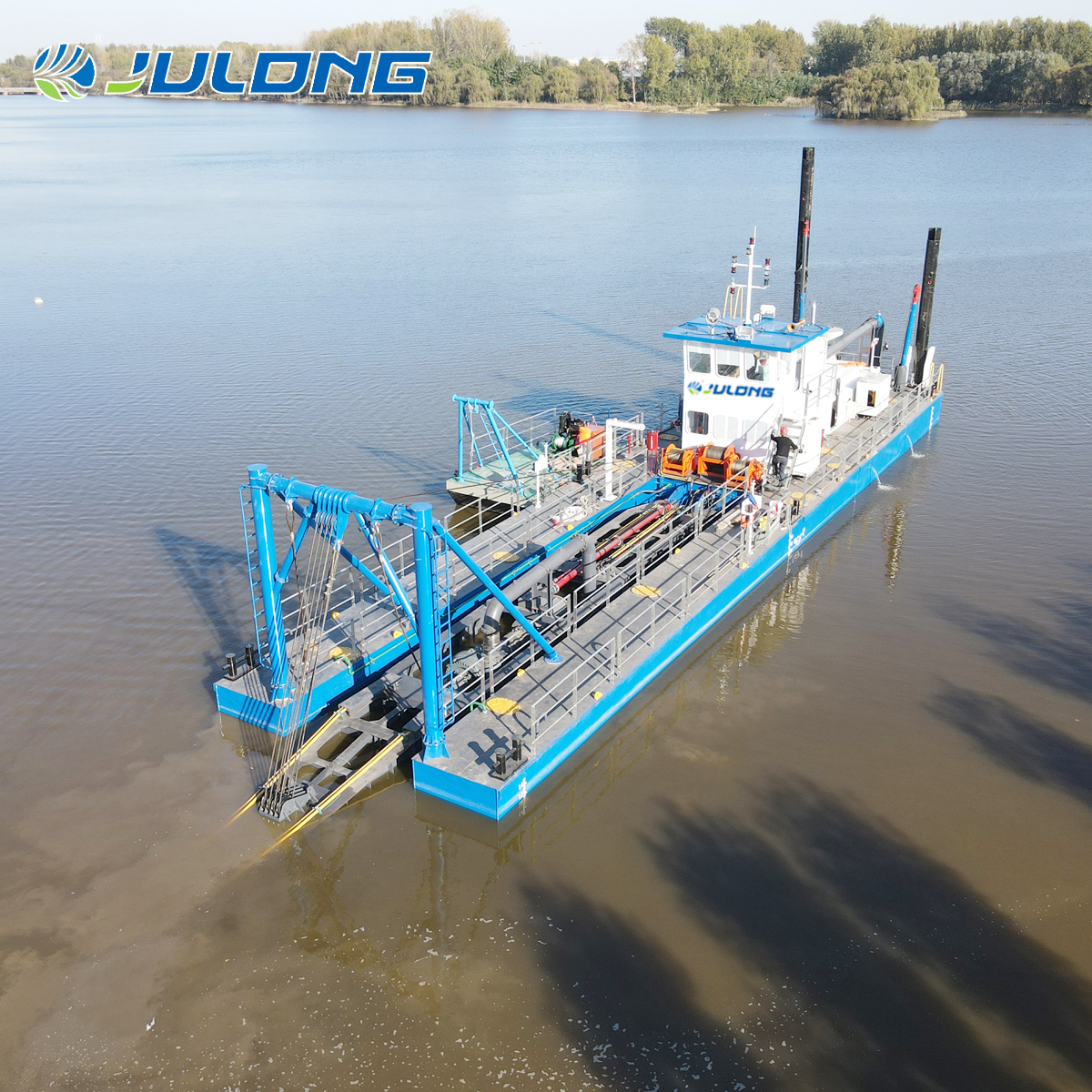
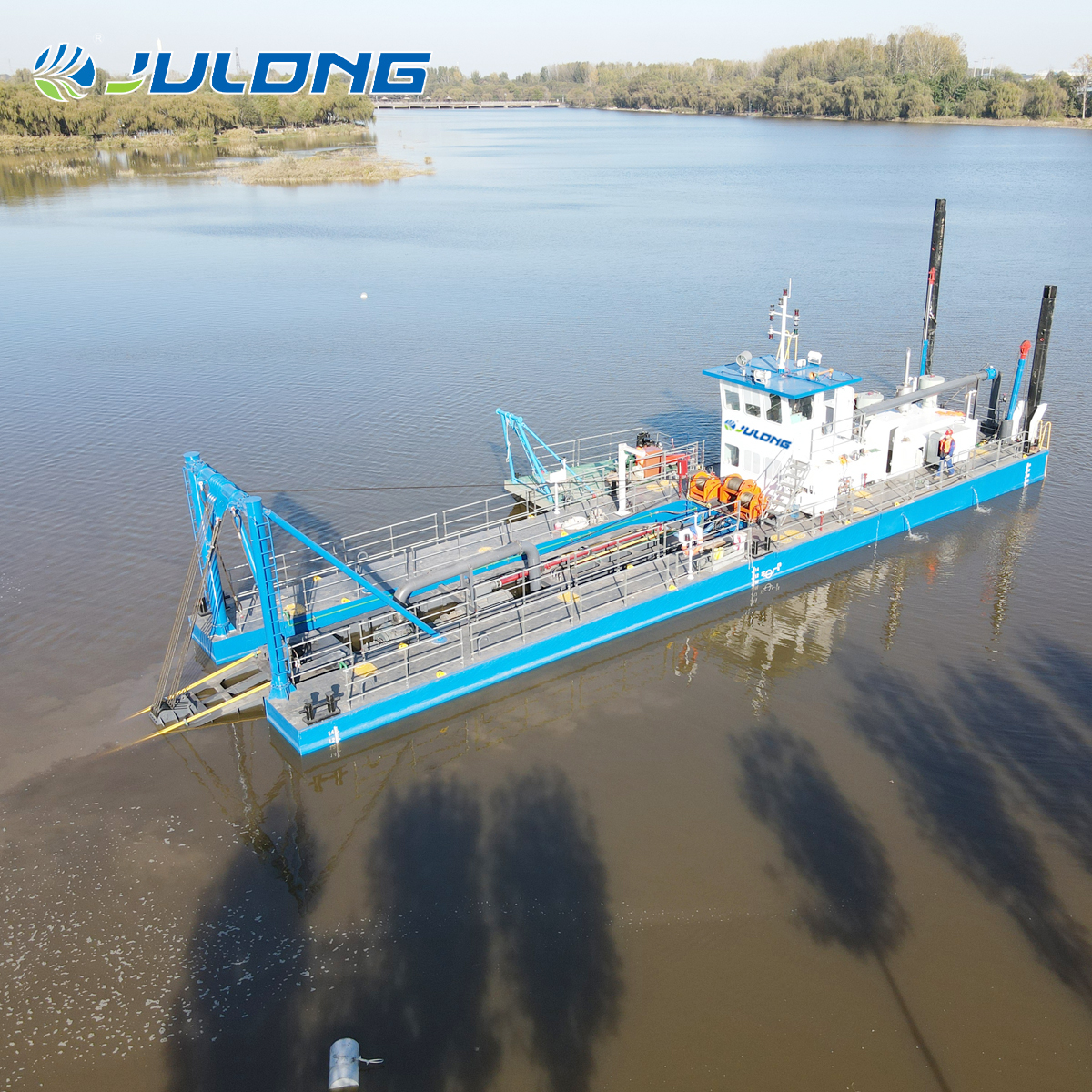
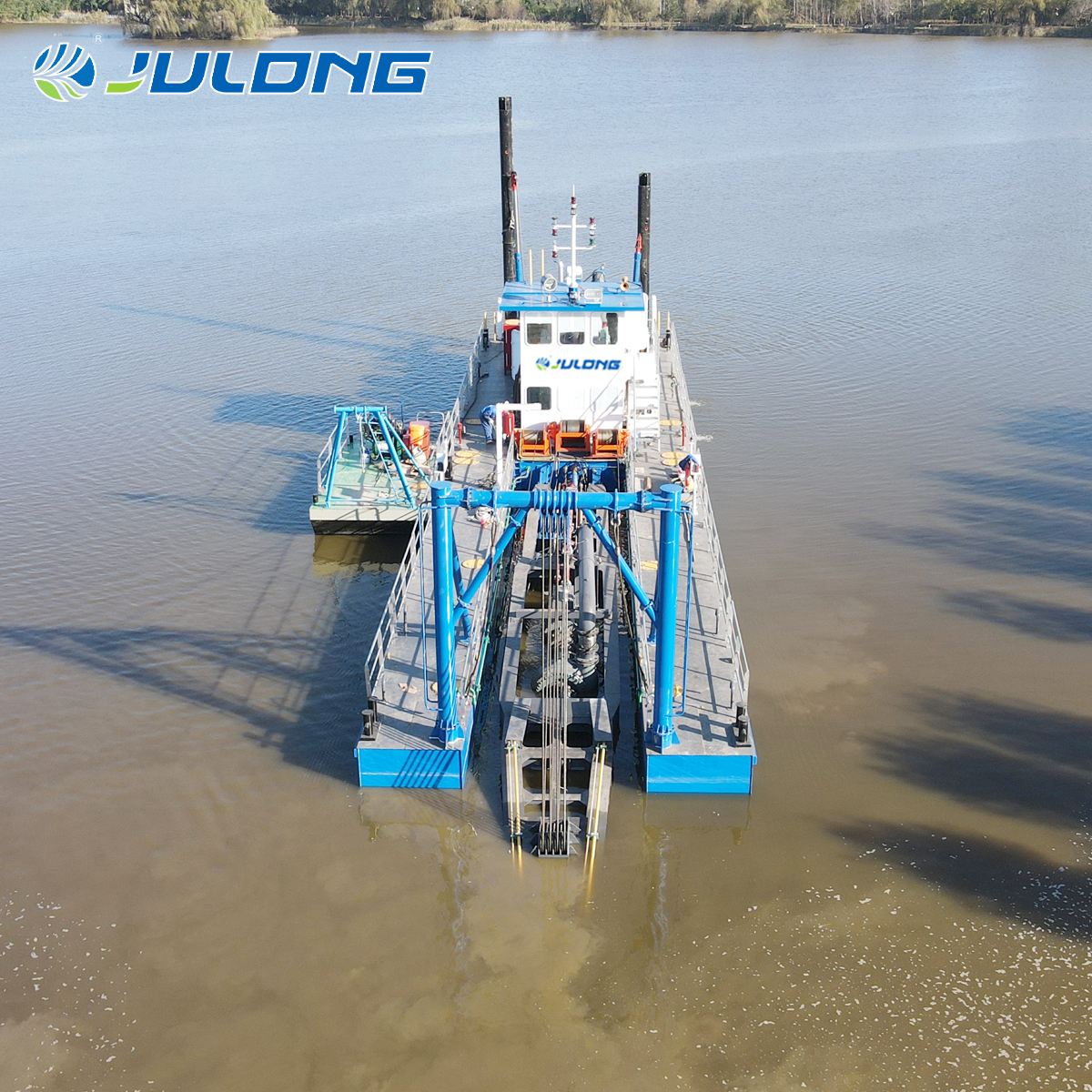
Underwater  dredgers  are specialized  machines designed to excavate materials from the seabed or riverbed, playing  a crucial  role in  various environmental  projects. B2B buyers, including  purchasing  managers and engineers, often seek reliable  and efficient dredging solutions.  This article will address essential factors to consider when sourcing  underwater dredgers,  outline  key specifications,  and provide insights  into  cost factors, installation  guidance, and applications relevant  to  environmental projects.

Comparing Underwater Dredger Models for Optimal Performance

Comparing Underwater Dredger Models for Optimal Performance

When comparing different underwater dredger models, it’s essential to assess  their performance capabilities in  relation to the specific project requirements. Key comparison factors  include:

Operational Efficiency: Evaluate the  efficiency of various models based on their pump capacity, fuel  consumption, and dredging speed. A model that offers a higher efficiency ratio will reduce operational costs over time.

Versatility: Some dredgers  are designed for multiple applications, including both land and underwater dredging. Versatile models can adapt to different project needs, making  them  a cost-effective choice for companies involved in various  environmental projects. For example, the JLWB1600 Multi-function Work Boat can be used in diverse settings.

Maintenance Requirements: Consider the  maintenance needs  of each model. Dredgers that require  frequent servicing can lead to increased  downtime and costs. Look for models with easy access to components for quicker maintenance.

User-Friendliness: The ease of operation, including control systems and safety features,  can significantly impact productivity. Models  that offer intuitive controls and safety features can enhance operator efficiency.

Customer Feedback: Researching customer reviews and case studies can provide insights into the  real-world performance of different models.  Feedback from existing users can highlight strengths and  weaknesses that specifications may not reveal.


By thoroughly comparing these aspects, buyers can make informed decisions that  align with their operational goals and budget.

Understanding Cost Factors for Bulk Orders of Dredging Equipmen

Understanding Cost Factors for Bulk Orders of Dredging Equipmen

When placing bulk orders  for underwater dredgers, several cost  factors must be considered  to ensure a satisfactory investment.  Key elements include:

Volume  Discounts: Many  suppliers offer discounts for bulk purchases. Understanding the pricing structure can help buyers negotiate  better terms and reduce overall costs.

Customization Costs: Custom features or specifications may  incur additional costs. Buyers should determine if customization is  necessary for their application  and factor those costs into the budget.


Shipping and Logistics: Transportation costs  can vary significantly based on the dredger’s size, weight, and delivery location. Obtain quotes from multiple  logistics providers to  find the  most cost-effective solution.

Import Duties and Taxes: Depending on the sourcing country, import duties and taxes can affect the total cost  of ownership. Buyers should research these potential expenses and plan accordingly.


Warranty and Support: Consider the warranty offered by the manufacturer and any associated costs for extended  support or parts replacement.  A  comprehensive warranty can save money in the long run should issues arise.

By understanding these cost factors, buyers can ensure they are financially prepared for a bulk order and secure the best overall value for their investment.

Installation Guidance for Effective Use of Underwater Dredgers

Installation Guidance for Effective Use of Underwater Dredgers

Proper installation is  critical for ensuring the effective operation of underwater dredgers.  Here are  key guidelines for installation:

Site Assessment: Before installation, conduct a thorough assessment of the site, including underwater topography and material composition. This evaluation helps in determining the  right dredger configuration and installation methods.

Equipment Setup: Follow the manufacturer's  installation instructions closely. Ensure that all  components are securely mounted and that the dredger is aligned correctly to prevent  operational issues.

Testing and Calibration:  After installation, perform tests to calibrate  the dredger’s systems. This may include checking the pump’s performance, engine functionality, and control systems to  ensure everything operates as expected.

Operator Training: Invest in training for operators to familiarize them with the  dredger’s features and safety protocols.  Proper training can minimize accidents  and operational errors, enhancing overall efficiency.


Regular Maintenance Checks: Establish a routine maintenance schedule  to ensure the  dredger remains in optimal condition. Regular  checks on  essential components can prevent breakdowns and extend the equipment’s lifespan.

By following these  installation guidelines, buyers can maximize the performance and  longevity of their underwater dredgers.

Applications of Underwater Dredgers in Environmental Projects

Underwater dredgers  play  a vital role in various environmental projects, including:

Sediment Removal: Dredgers are commonly used to remove accumulated sediments from  rivers, lakes,  and ports. This process helps maintain waterway navigation and reduces the risk of flooding.


Habitat Restoration: In restoration projects, dredgers can  be used to remove contaminants from the seabed or riverbed, promoting ecological recovery and improving aquatic habitats.

Land Reclamation: Dredgers  contribute to  land reclamation  efforts by excavating materials  that  can be used to build new land areas,  particularly in coastal  regions.

Pollution Control:  In areas affected by industrial pollution,  dredgers are essential for removing contaminated sediment to restore water quality and environmental health.

Infrastructure Development: Dredgers support the construction of underwater infrastructure, such as bridges  and docks, by preparing the seabed and ensuring stable foundations.

By  understanding these applications, buyers can better assess how underwater dredgers align with their project objectives and environmental goals.

Through careful consideration of  specifications, model comparisons, cost factors,  installation guidance, and applications, B2B buyers can make informed decisions when selecting underwater  dredgers that best fit their operational needs.

Key Specifications to Consider When Sourcing Dredgers

When sourcing  underwater dredgers, it’s vital to consider specifications  that directly impact performance and application suitability.  Key specifications include:


Dredging  Depth and Width: Understanding the dredging depth necessary for your project ensures that the dredger selected can perform effectively. Width is  equally important, especially in confined areas like rivers or lakes.

Pump Capacity: The pump  capacity, usually measured in cubic meters per hour (m³/h), determines the volume of material the dredger can move. A higher capacity is beneficial for  large-scale operations to maximize efficiency.

Material Type: Different dredgers are designed for specific  material types,  such as sand, gravel, or silt. Buyers should evaluate the dredger's compatibility with  the intended material to avoid operational issues. For example, the JLCSD700 Cutter Suction Dredger is suitable for heavy-duty operations.

Engine  Power: The  power of the  engine  affects the dredger’s operational efficiency and ability to handle tough conditions. A more powerful engine can provide better performance in challenging environments.

Construction Material: Durability is critical for underwater dredgers, especially in  harsh environments. The materials used in construction, such as high-strength steel or corrosion-resistant alloys, should be evaluated  based on expected  operational conditions.

Certifications: Ensure the dredger meets relevant industry standards and certifications, such  as ISO or CE. These certifications indicate that the equipment adheres to quality and safety norms.

By carefully reviewing these specifications, buyers can ensure they select a dredger that meets their operational requirements and budgetary constraints.

Frequently Asked Questions

What is an underwater dredger used for?

An underwater dredger removes sediment, silt, and debris from rivers, lakes, ports, and waterways to restore depth, improve navigation, and support construction or environmental projects.
We supply cutter suction dredgers, amphibious dredgers, and excavator-based dredgers tailored for river, lake, and port applications.
Our products are manufactured in a 12,000 m² facility and hold ISO and CE certifications, ensuring reliability, safety, and consistent quality.
Yes. Our durable, efficient dredgers are designed for varied conditions and are already serving customers in 93 countries worldwide.
We offer technical support, maintenance guidance, and spare parts availability to ensure long-term operation and rapid service response.

Get a Free Quote

Our representative will contact you soon.
0/1000