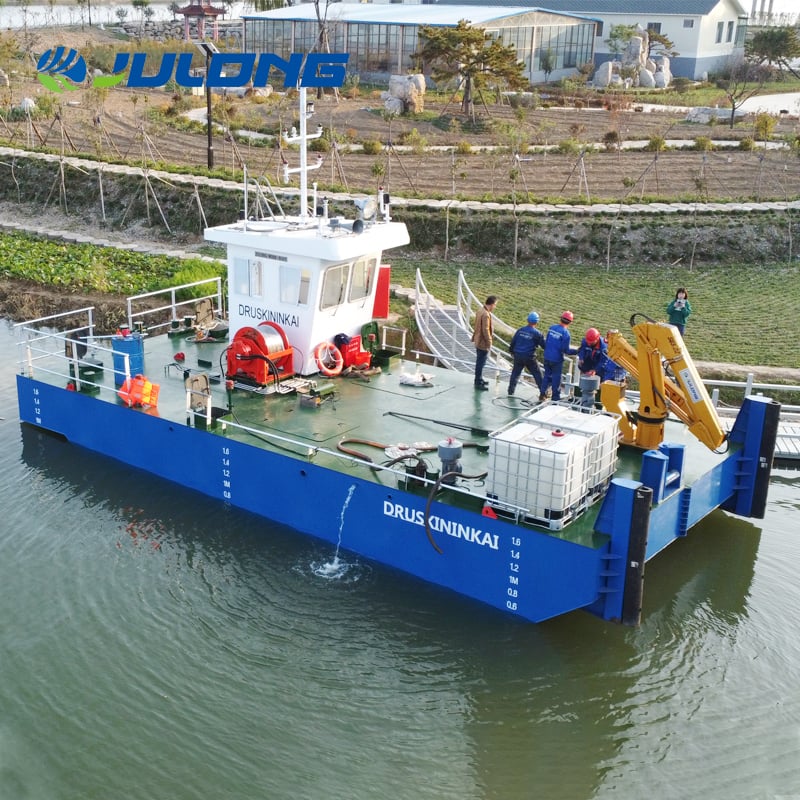
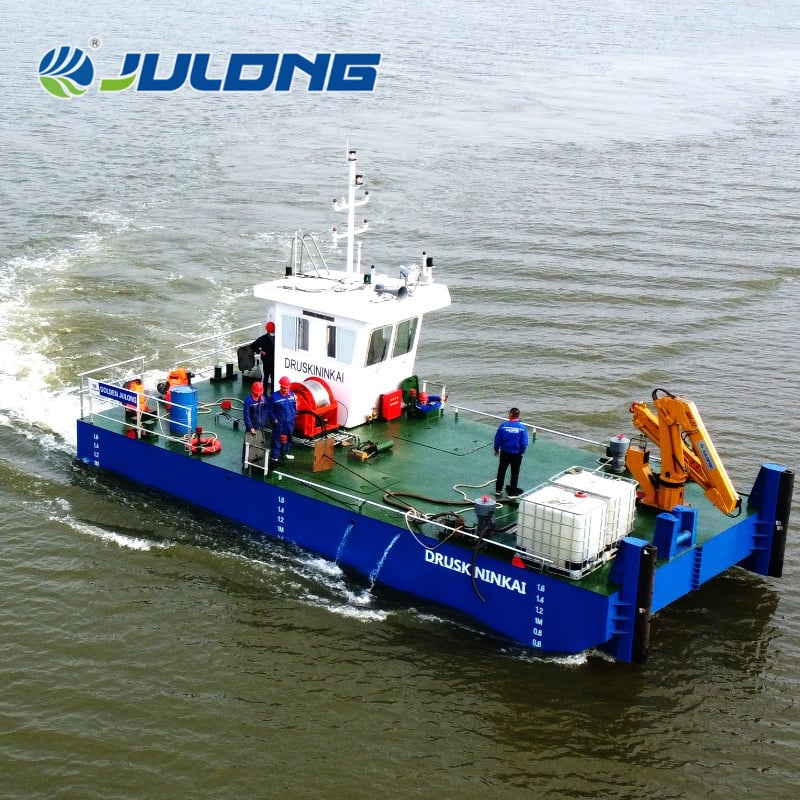
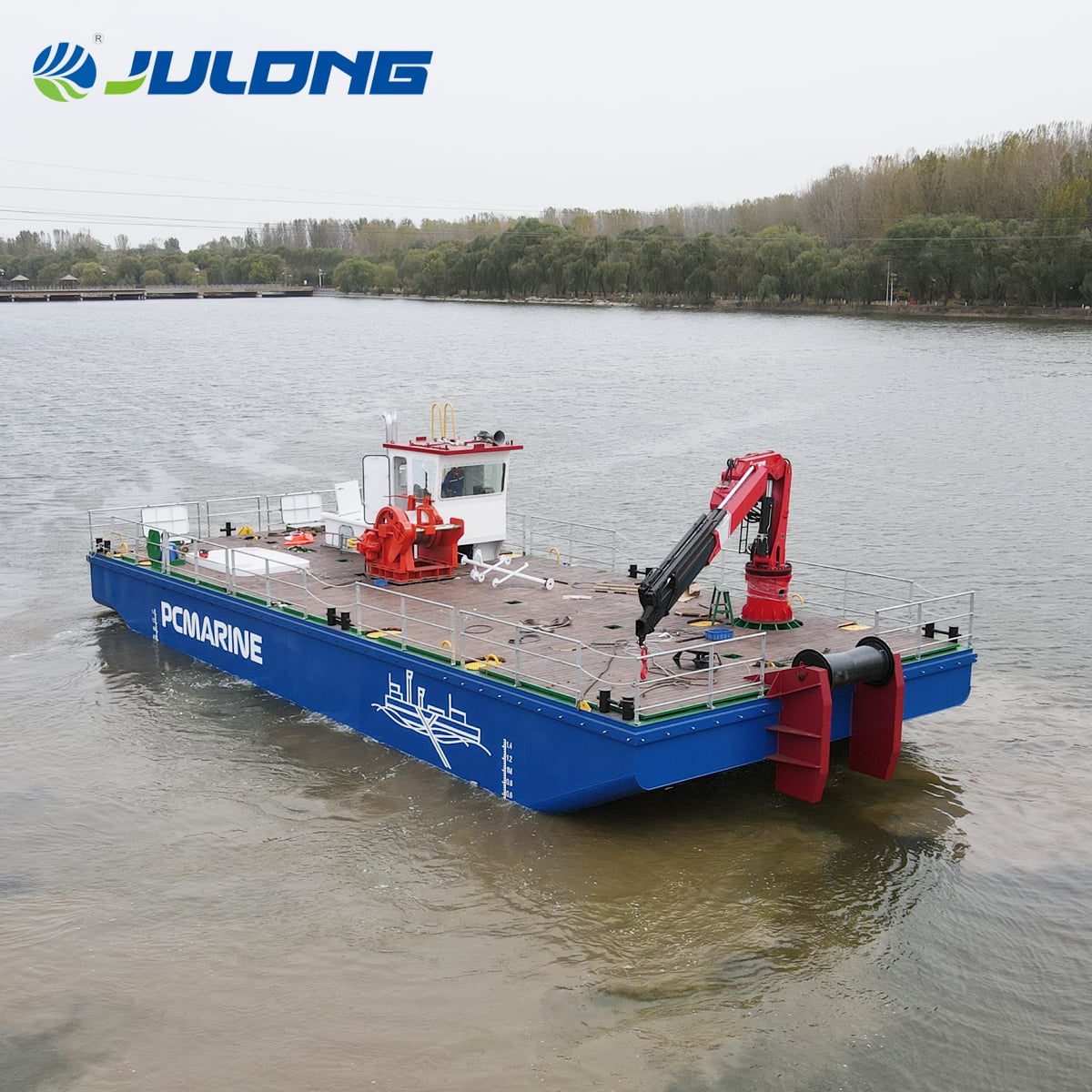
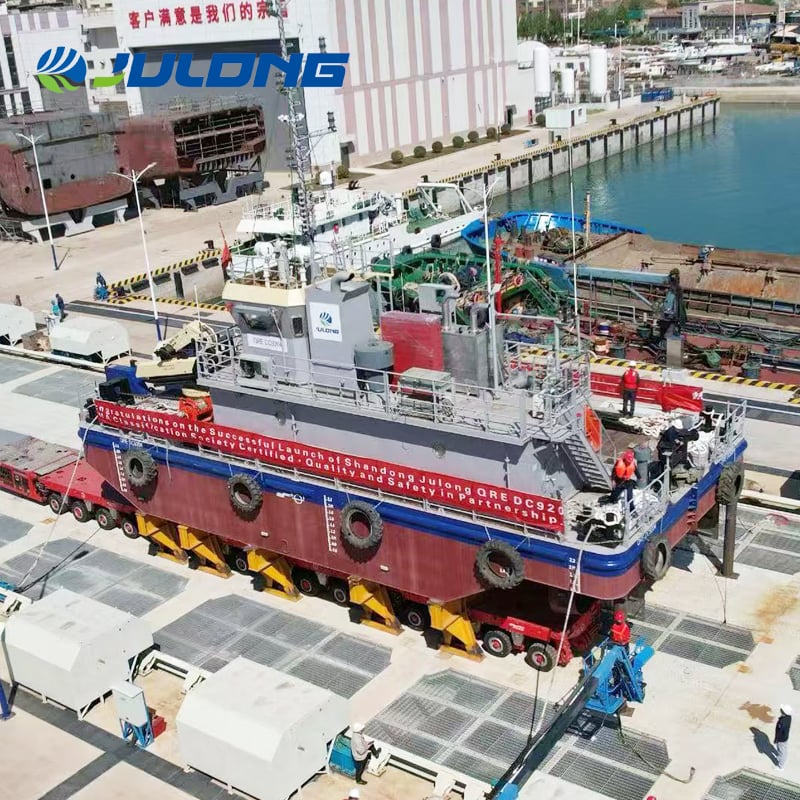
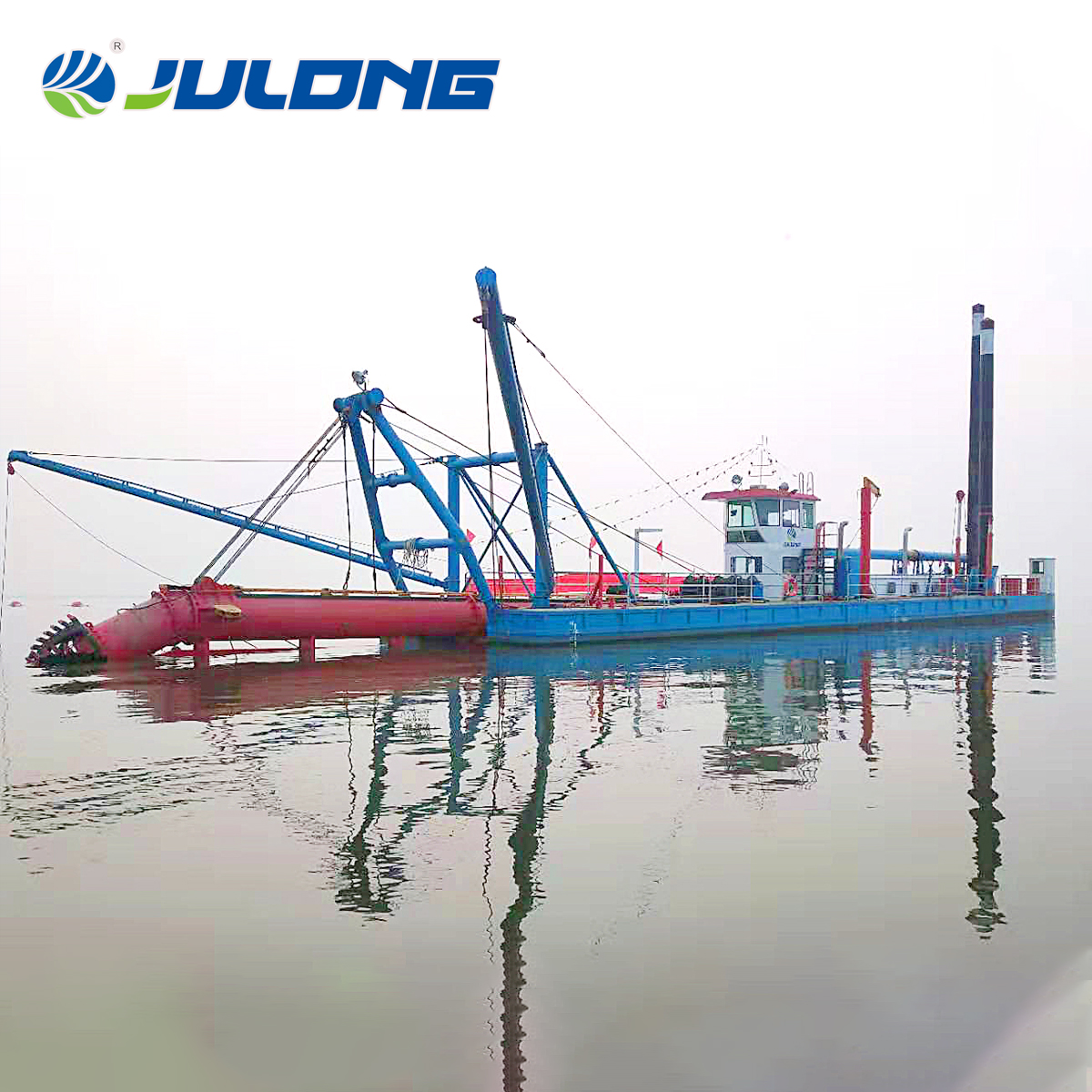
Key Specifications for Sand Dredging Equipment

application/sand-dredging, application/sand-dredging, 
Inquiry
Inquiry

Sand dredging

Sand dredging is a crucial process in various industries, including construction, mining, and environmental management. It involves the removal of sand and sediment from water bodies such as rivers, lakes, and ports. As a purchasing manager or distributor, you may be concerned about the efficiency, durability, and suitability of the dredging equipment you select. This article will provide insights into key specifications for sourcing sand dredgers, purchasing options, equipment comparisons, cost factors, and common challenges in the sand dredging process. 

Wholesale Purchasing Options for Reliable Sand Dredging Solutions

Wholesale Purchasing Options for Reliable Sand Dredging Solutions

When considering wholesale purchasing options for sand dredging equipment, it's important to evaluate suppliers based on reliability and support. Manufacturers like Qingzhou JULONG Environmental Technology Co., Ltd. offer various purchasing avenues, including: 

Direct Purchases: Working directly with manufacturers ensures you receive the best pricing and can negotiate terms based on your volume needs. 

Distributors: Engaging with established distributors can provide local support and quicker access to parts and service, which is essential for minimizing downtime during operations. 

Bulk Orders: Suppliers often provide discounts for bulk purchases. This can significantly reduce costs, especially for large projects requiring multiple units. 

Customized Solutions: Some manufacturers offer customization options to tailor dredging equipment to specific project requirements. Discussing your needs with the supplier can lead to enhanced performance and efficiency. 

By exploring these wholesale options, you can secure reliable sand dredging solutions that meet your operational needs. 

Comparing Cutter Suction and Amphibious Dredgers for Efficiency

Comparing Cutter Suction and Amphibious Dredgers for Efficiency

Selecting the right type of dredger is critical for project efficiency. Two popular options are cutter suction dredgers and amphibious dredgers, each with distinct advantages. 

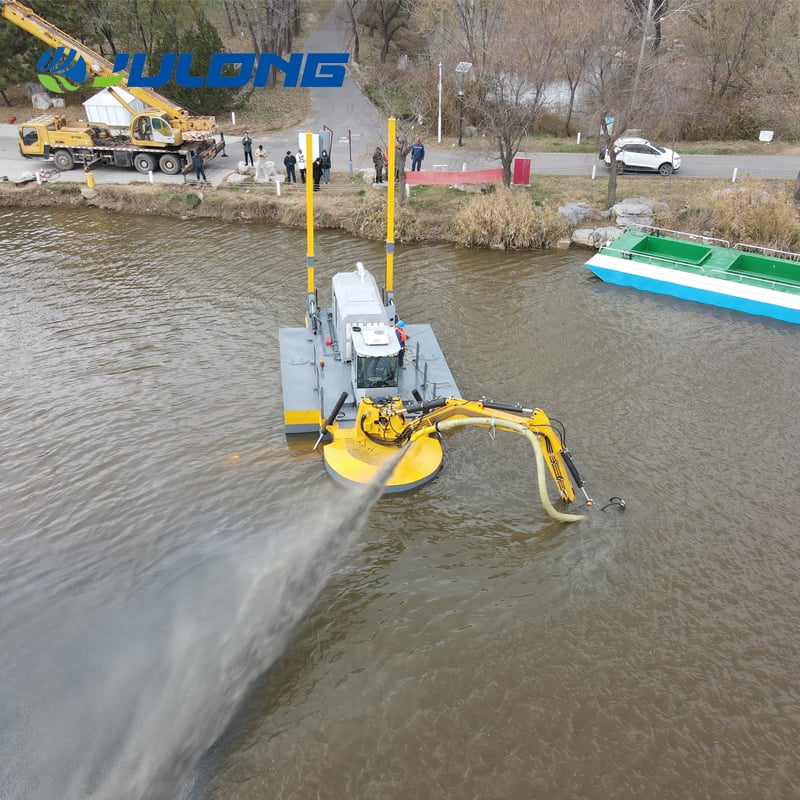
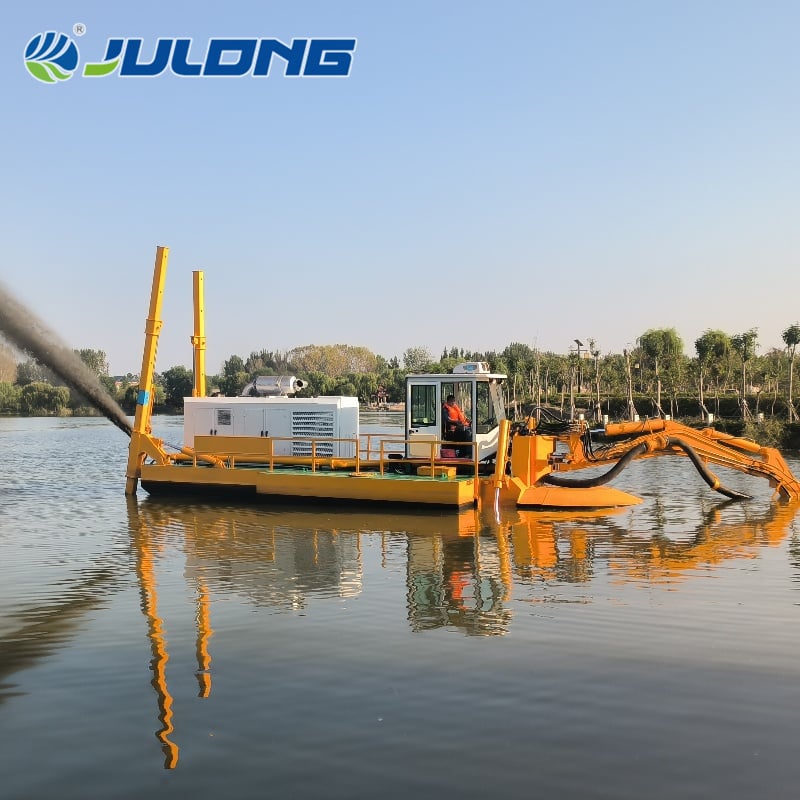
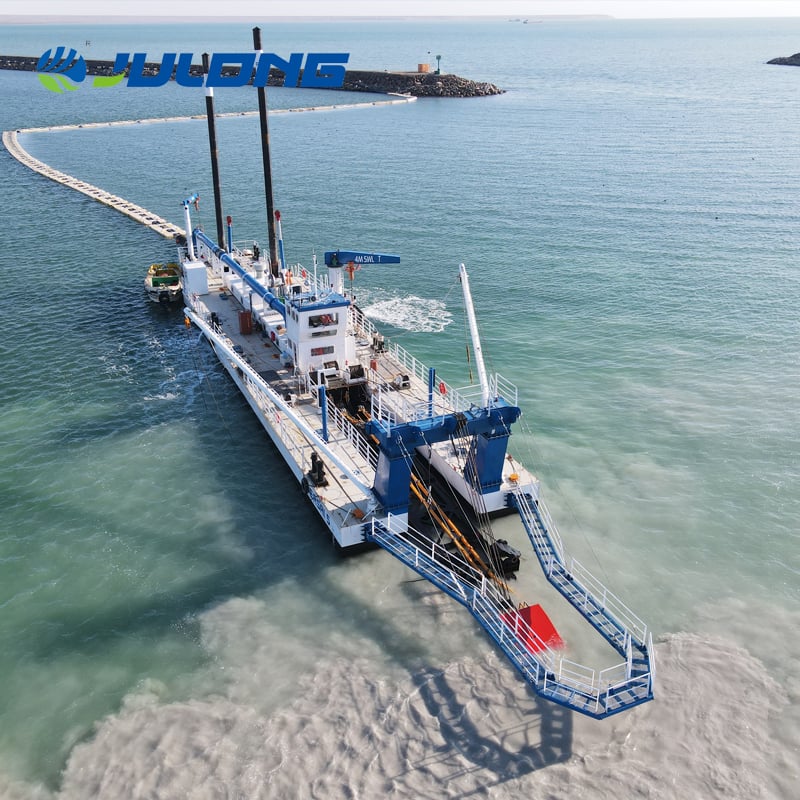
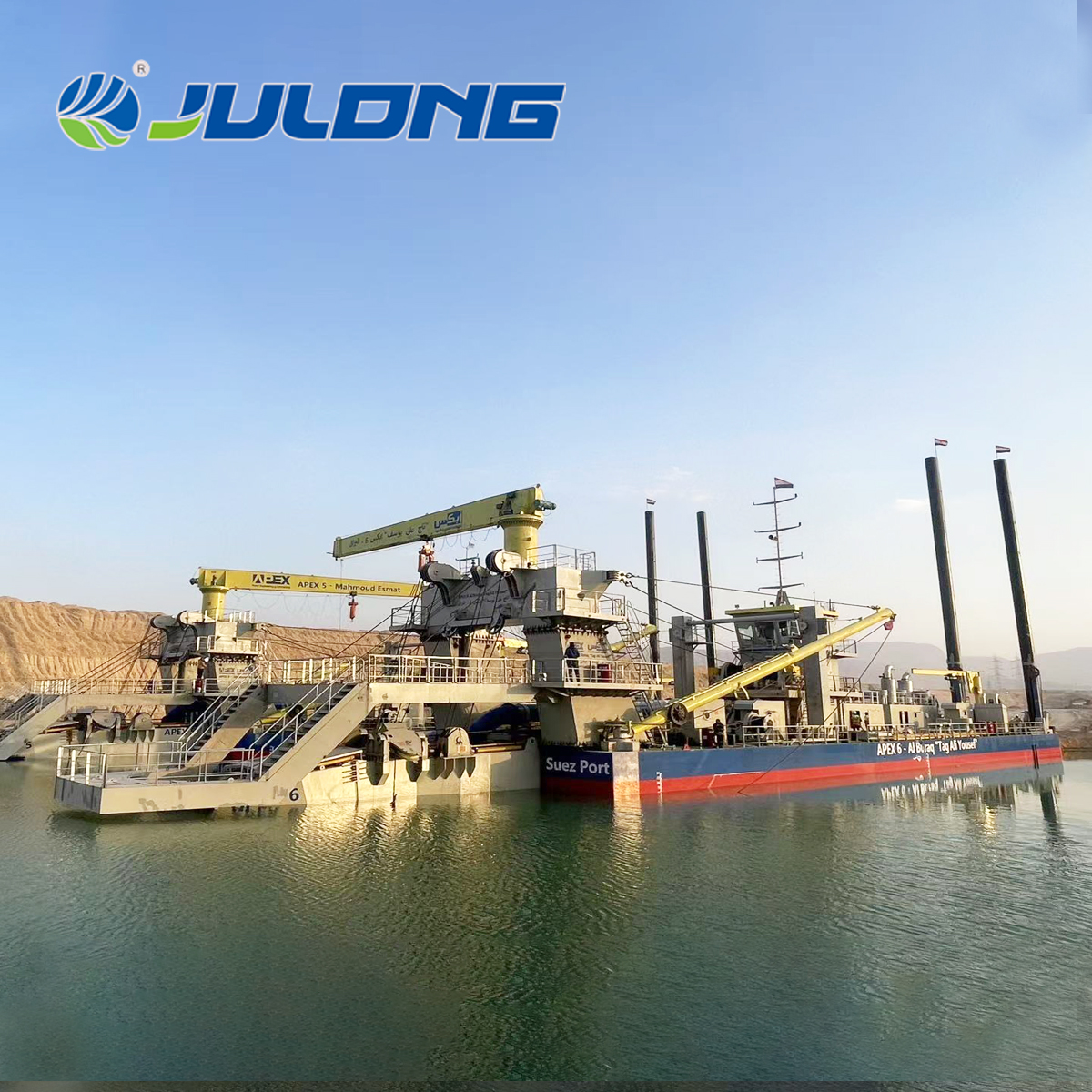
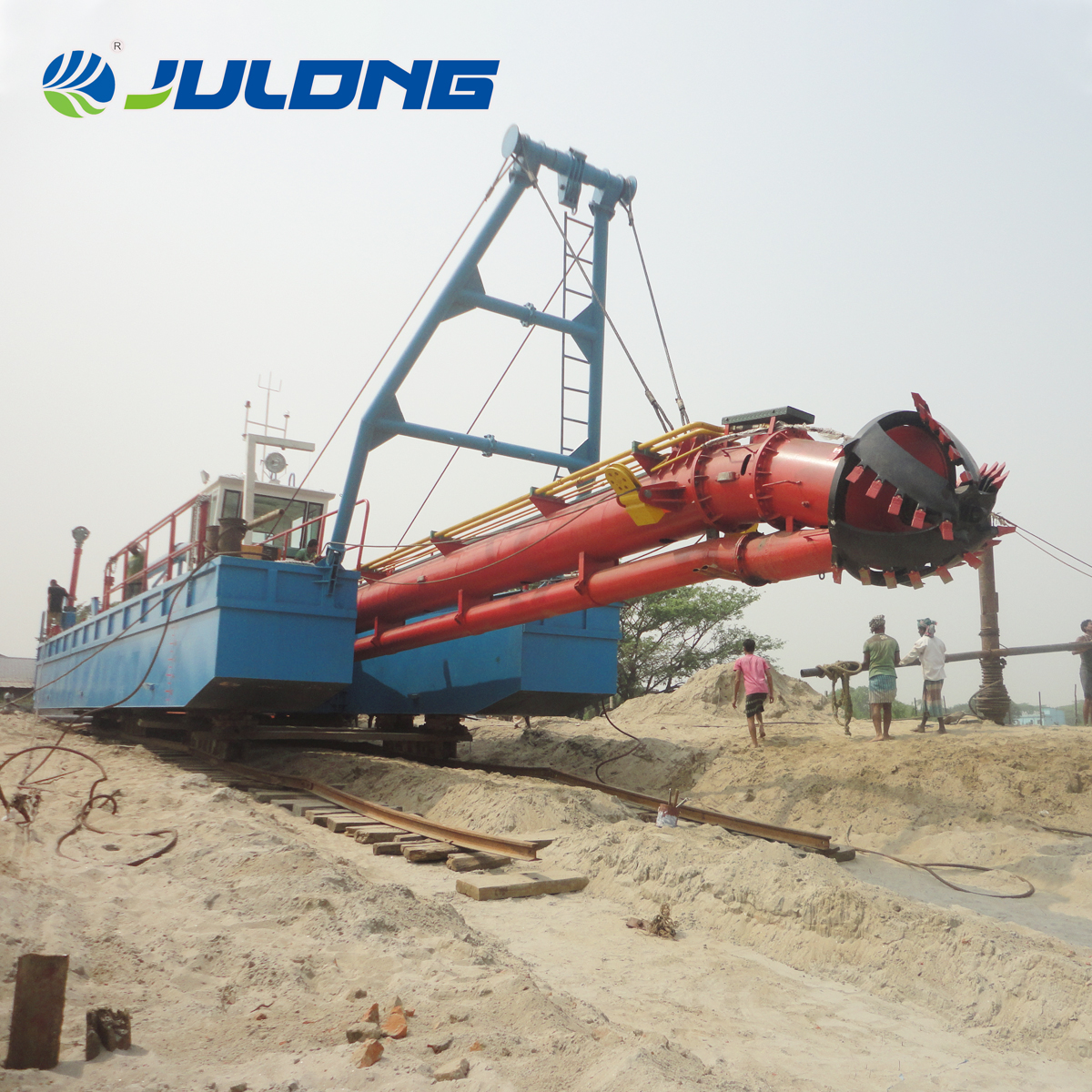
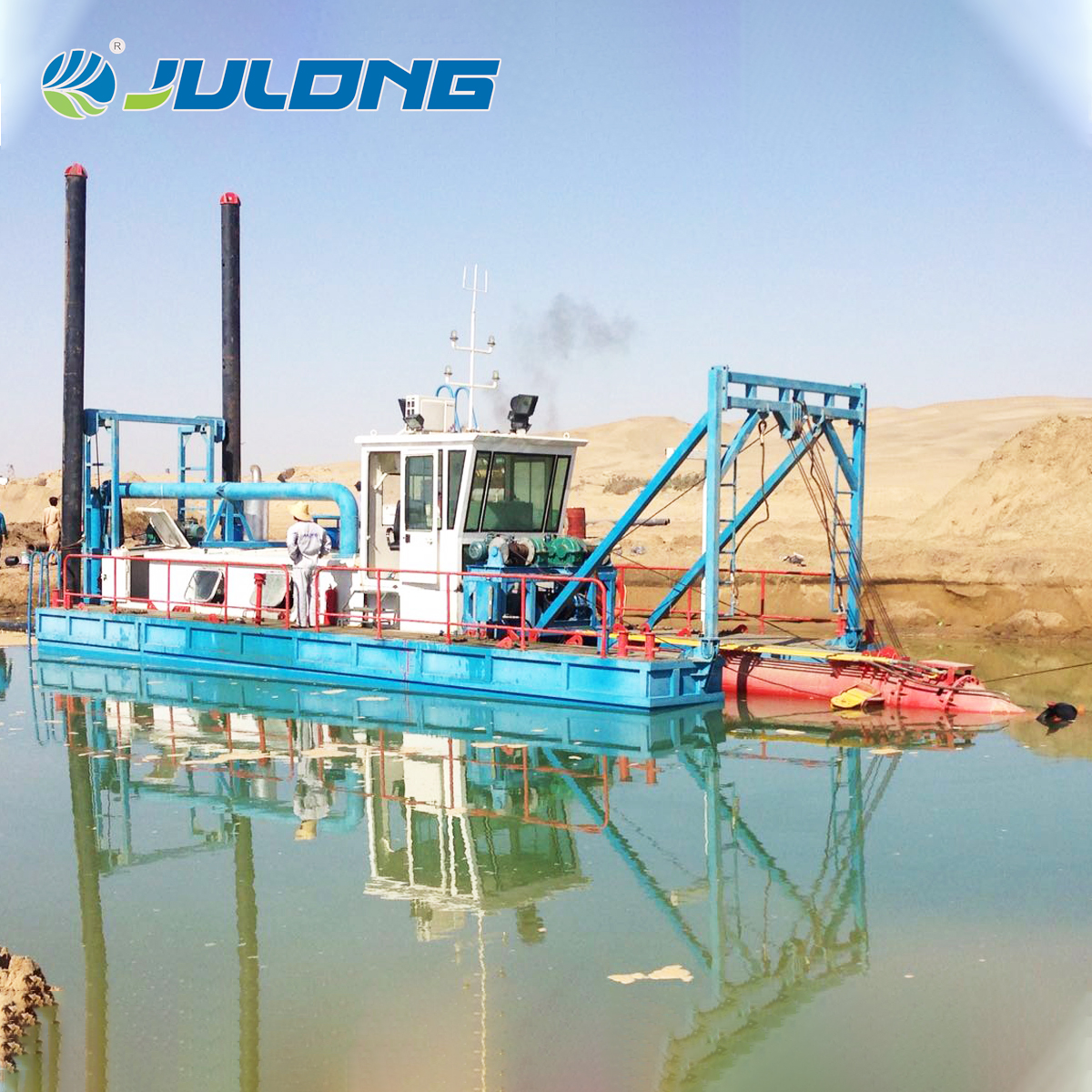
Cutter Suction Dredgers: These are designed for deep dredging operations and are highly effective for removing compacted sand and silt. They utilize a rotating cutter head to loosen material before suctioning it into the dredge. This type is ideal for projects requiring significant excavation depth and material removal. However, they tend to be less maneuverable in shallow waters. 

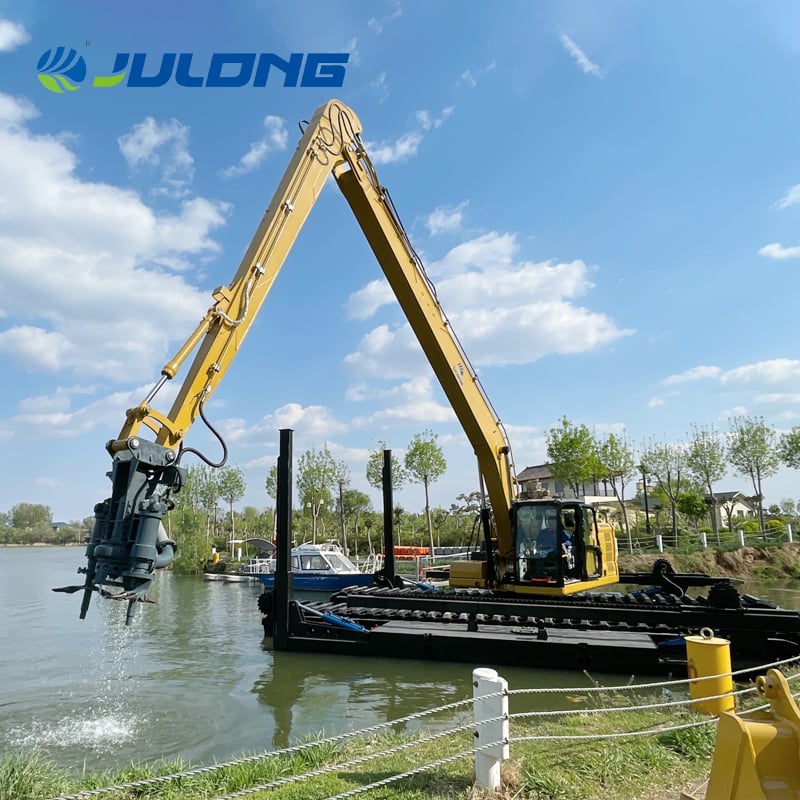
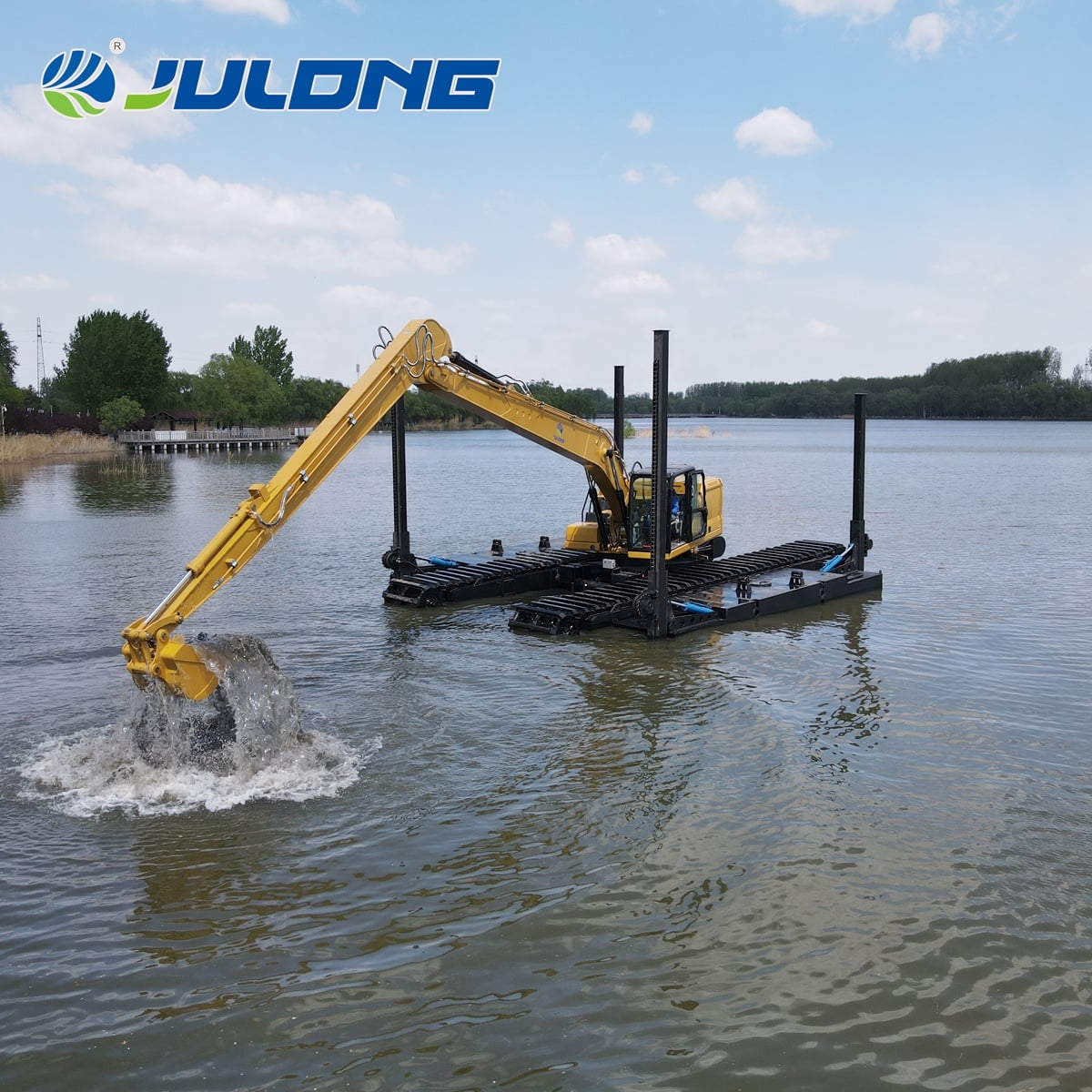
Amphibious Dredgers: These dredgers are versatile and can operate in both water and on land, making them suitable for wetland and shallow water projects. Their design allows for easy transportation and operation in challenging environments, reducing the need for additional equipment. However, they may not achieve the same dredging depth as cutter suction models.  

Choosing between these types depends on your specific project needs, including water depth, material composition, and operational environment.  

Understanding Cost Factors in Sand Dredging Equipment Purchases

Understanding Cost Factors in Sand Dredging Equipment Purchases

The cost of sand dredging equipment can vary widely based on several factors. Understanding these can help you budget effectively:  

Initial Investment: The purchase price of the dredger itself can vary based on its specifications, brand, and whether it is new or refurbished.  

Operational Costs: Consider ongoing costs such as fuel, maintenance, and repairs. Electric dredgers may have lower operational costs compared to diesel-powered models. 

Customization: If your project requires specific modifications, these can increase the initial investment but may lead to better performance and efficiency in the long run. 

Logistics: Transportation costs can add to your overall expenditure. Evaluating suppliers based on their shipping capabilities can help you manage these costs effectively. 

Warranty and Support: Investing in equipment with a robust warranty and reliable customer support can save you money on repairs and downtime. 

By comprehensively assessing these cost factors, you can make a more informed purchasing decision that aligns with your financial constraints and project needs. 

Common Challenges in Sand Dredging and Effective Solutions

Sand dredging can present various challenges that may impact project timelines and costs. Here are some common issues and their solutions: 

Equipment Downtime: Mechanical failures can halt operations. Regular maintenance and investing in quality equipment can mitigate this risk. Ensure that the supplier provides adequate support and spare parts availability. 

Environmental Regulations: Projects may face regulatory scrutiny due to their environmental impact. Engage with local authorities early to ensure compliance with environmental standards and secure the necessary permits. 

Material Composition: Variations in material types can complicate dredging. Conducting a thorough site survey prior to operation can help in selecting the right dredger and adjusting techniques accordingly. 

Weather Conditions: Adverse weather can impede dredging operations. Have contingency plans in place, such as flexible timelines and alternative equipment options, to manage these risks effectively. 

By recognizing these challenges and proactively addressing them, you can enhance the efficiency and success of your sand dredging projects.  

Understanding the intricacies of sand dredging, from sourcing equipment to navigating challenges, is vital for B2B buyers. By focusing on specifications, purchasing options, equipment comparisons, cost factors, and common challenges, you can make informed decisions that drive project success.  

Key Specifications to Evaluate When Sourcing Sand Dredgers

When sourcing sand dredgers, it's vital to understand the specific technical specifications that impact performance. Key specifications to evaluate include: 

Pump Capacity: This determines the volume of sand that can be dredged per hour. A higher capacity pump is essential for larger projects, as it reduces operational time and enhances productivity. 

Dredging Depth: The maximum depth the dredger can operate at is crucial. Ensure that the dredger can reach the required depth for your specific project, as this can vary significantly between applications. 

Material of Construction: Dredgers are often subjected to harsh environments. Selecting materials that resist corrosion and wear, such as high-strength steel or specialized coatings, can enhance the longevity of the equipment. 

Power Source: Dredgers can be diesel-powered or electric. Assess the availability of power sources at your project site and consider the operational costs associated with each type. 

Portability: For projects that require mobility, consider the weight and design of the dredger, as amphibious dredgers offer the advantage of traversing both land and water. 

Understanding these specifications will help you make an informed decision that aligns with your project requirements. 

Frequently Asked Questions

What types of sand dredging equipment do you offer?

We provide cutter suction dredgers, amphibious dredgers, and excavator-mounted dredging solutions tailored for river, lake, and port projects.
Yes. Our equipment carries ISO and CE certifications, ensuring compliance with international quality and safety standards.
Our fleet and custom options cover small-scale river works to large port and lake projects, offering scalable dredging capacity and durable components.
Yes. We offer installation guidance, commissioning support, operator training, and remote or on-site technical assistance throughout project delivery.
We supply genuine spare parts, maintenance guidance, and global support across 93 countries to ensure uptime and long-term performance.

Get a Free Quote

Our representative will contact you soon.
0/1000