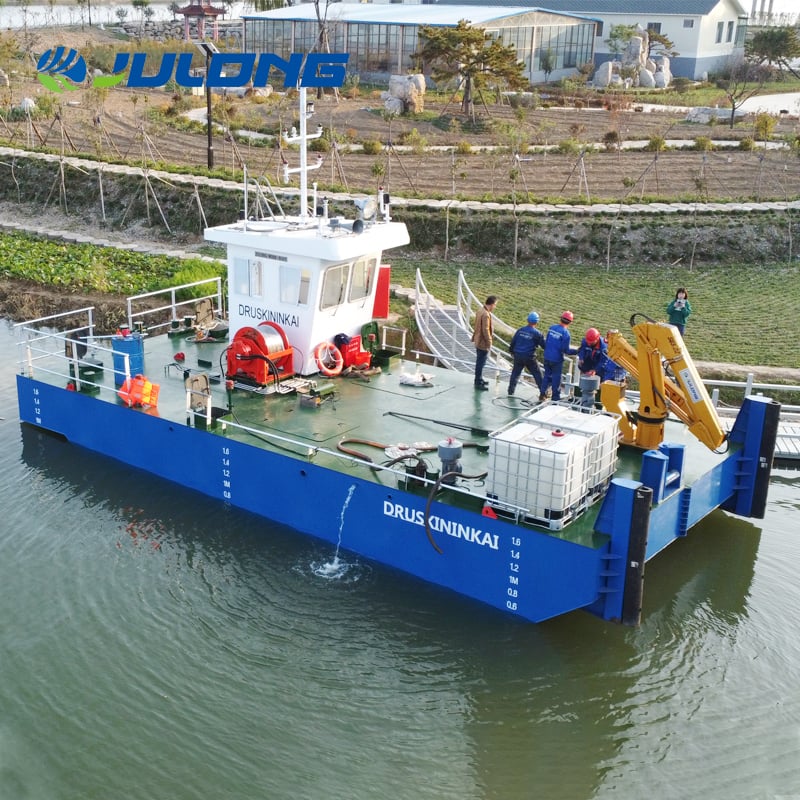
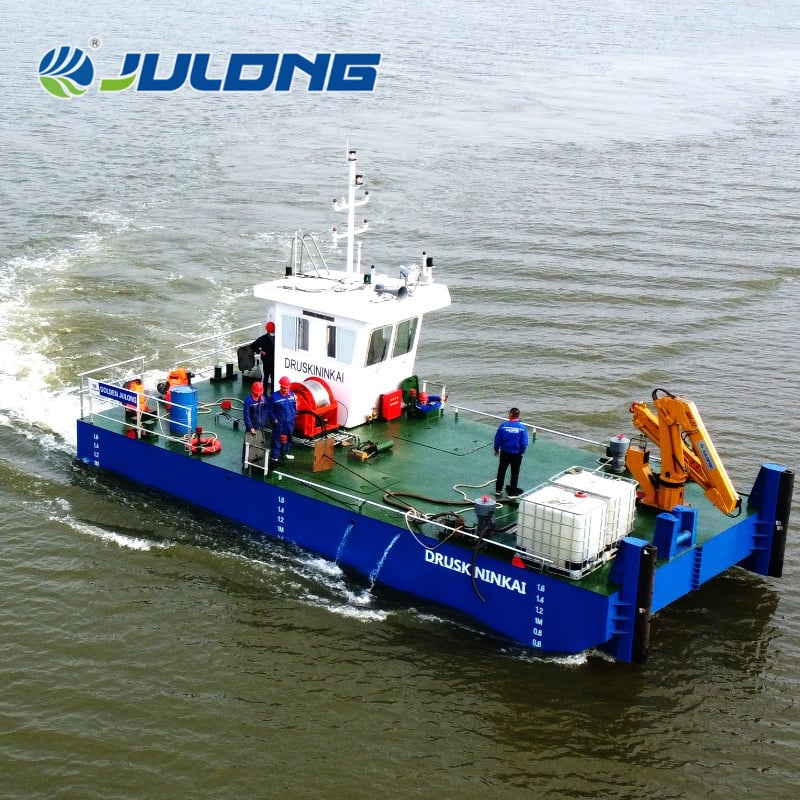
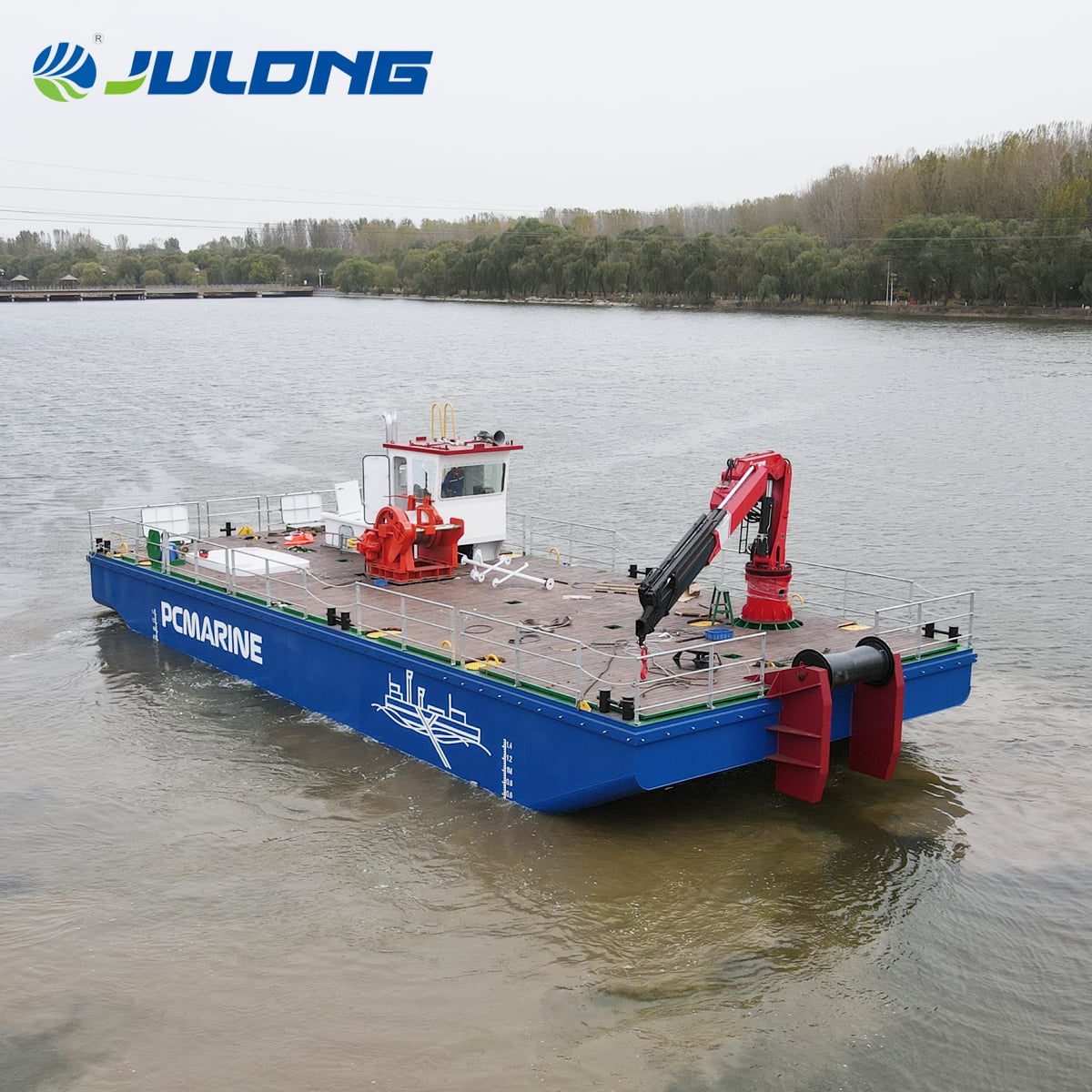
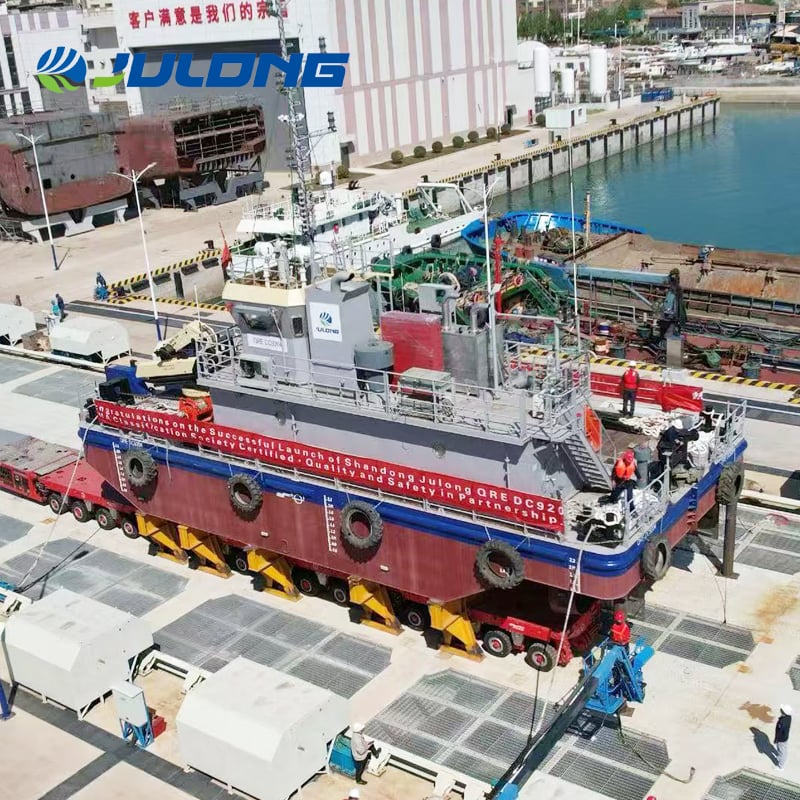
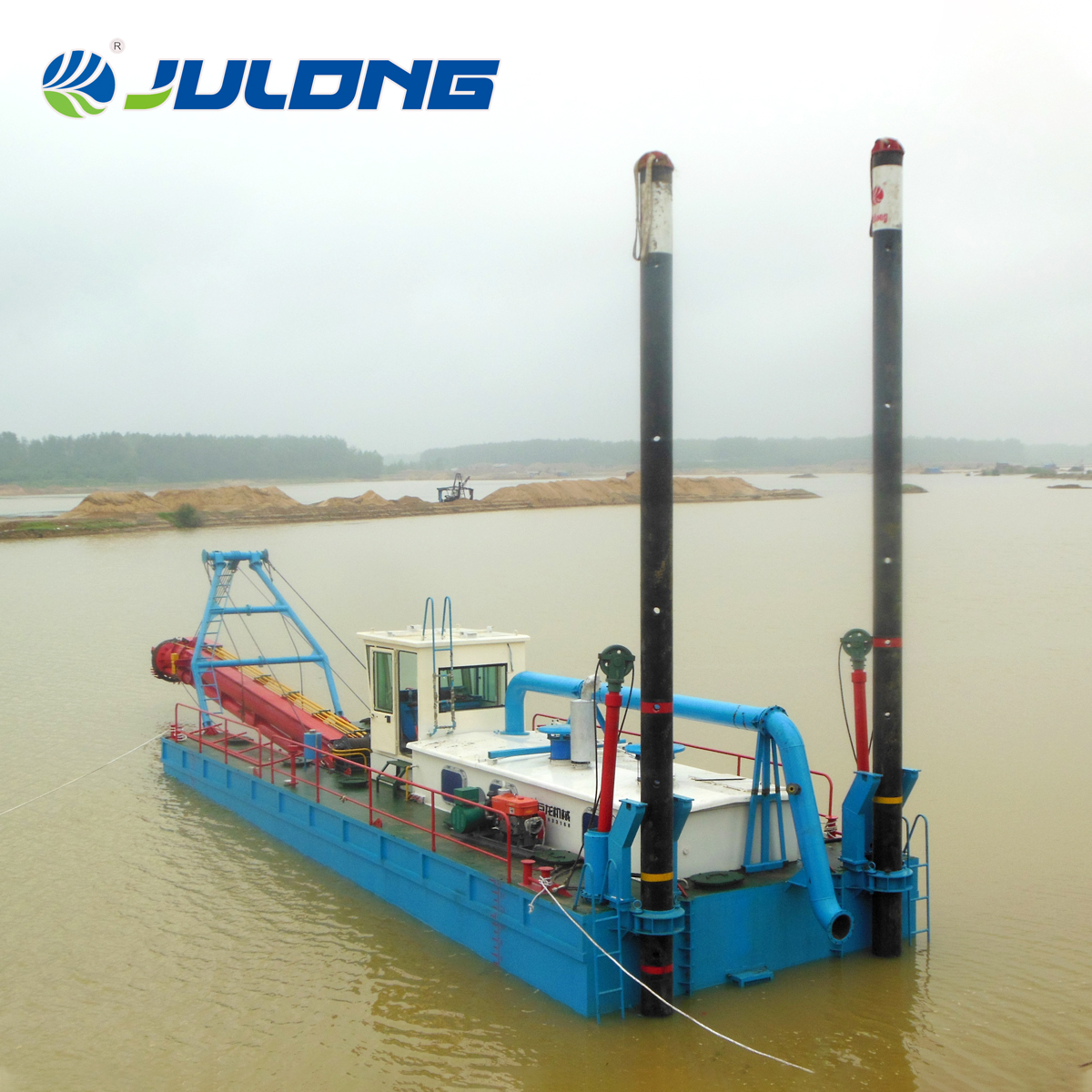
Understanding Dredging Applications for Buyers

application/dredging, application/dredging, 
Inquiry
Inquiry

Dredging

Dredging is a critical process in various industrial applications, involving the removal of sediment and debris from the bottom of water bodies such as rivers, lakes, and ports. As a wholesale buyer or importer of dredging equipment, your primary concerns likely include the machinery's durability, efficiency, and suitability for specific projects. This article aims to provide a comprehensive understanding of dredging applications, what to look for in machinery, guidance for contractors, common project challenges, and the advantages of durable materials in dredging equipment 

What to Look for in Dredging Machinery

What to Look for in Dredging Machinery

When sourcing JULONG dredging equipment, several key specifications should be prioritized: 

Power and Efficiency: Look for machinery with robust engines that provide the necessary power for the intended application. Consider fuel efficiency and operational costs, as these will impact long-term profitability. 

Material Quality: The construction materials used in dredging equipment significantly affect its longevity and performance. High-quality, corrosion-resistant materials ensure that machinery can withstand harsh environmental conditions typically found in dredging applications. 

Customization Options: Depending on specific project requirements, buyers should consider whether the supplier offers customization capabilities. This may include modifications to the dredger's size, operational features, or attachments, allowing for greater flexibility in various projects. 

Certification and Compliance: Ensure that the equipment complies with international standards such as ISO and CE certifications. These certifications not only guarantee quality but also enhance the equipment's marketability across different regions. 

Support and Maintenance: Evaluate the manufacturer's customer service and support options. A supplier that offers comprehensive maintenance programs and readily available spare parts can save buyers time and money in the long run. 

These factors will help ensure that the suction dredging equipment meets the required performance standards and offers a good return on investment.

A Guide for Contractors

A Guide for Contractors

Contractors involved in JULONG dredging projects must consider several practical aspects to ensure successful execution: 

Project Planning and Feasibility: Before commencing a project, conduct thorough planning. Assess site conditions, required dredging depth, and environmental considerations to determine the most suitable dredging equipment. 

Sample Approval: Prior to mass production or large-scale procurement, obtaining a sample or prototype of the dredging equipment is advisable. This allows contractors to evaluate the machinery's performance in real-world conditions, ensuring it meets project specifications. 

Training and Operation: Proper training for operators is crucial. Understanding the machinery's operational capabilities and limitations can prevent accidents and enhance efficiency during dredging operations. 

Environmental Compliance: Ensure that all dredging activities comply with local environmental regulations. This may involve obtaining necessary permits and following guidelines to minimize ecological impacts. 

By paying attention to these considerations, contractors can mitigate risks and enhance project outcomes.

Common Problems with Dredging Projects and Effective Solutions

Common Problems with Dredging Projects and Effective Solutions

Dredging projects often face challenges that can delay progress and increase costs. Here are some common problems and their effective solutions: 

Sediment Disposal: Proper disposal of dredged materials is essential. Contractors should establish a clear disposal plan upfront to avoid complications later in the project. 

Equipment Malfunctions: Regular maintenance and inspection schedules are critical to prevent equipment failures.  Buyers should work with suppliers that offer comprehensive service agreements and reliable spare parts availability. 

Weather Conditions: Adverse weather can hinder dredging operations. Contractors should have contingency plans in place, including flexible scheduling and alternative methods of operation. 

Regulatory Hurdles: Navigating legal and environmental regulations can be daunting. Engaging with local authorities early in the planning process can help clarify requirements and streamline approvals. 

Addressing these challenges proactively can lead to more efficient project management and successful dredging outcomes.

The Advantages of Durable Materials in Dredging Equipment

Choosing the right materials for dredging equipment is vital for performance and longevity. Here are the advantages of using durable materials: 

Corrosion Resistance: Dredging equipment is often exposed to water, sediment, and other corrosive elements. Materials such as high-strength steel or specialized alloys can enhance the equipment's resistance to corrosion, prolonging its lifespan. 

Structural Integrity: Durable materials ensure that the equipment can withstand the stresses of operation, including heavy loads and turbulent water conditions. This structural integrity minimizes the risk of equipment failure during critical operations. 

Cost Efficiency: While durable materials may have a higher upfront cost, they often result in lower long-term maintenance and replacement costs. Investing in high-quality materials can lead to significant savings over the equipment's lifecycle. 

Performance Optimization: Equipment made from advanced materials can offer enhanced performance characteristics, such as increased efficiency and reduced operational noise. This can improve overall project outcomes and client satisfaction. 

By prioritizing durable materials in JULONG dredging equipment, buyers can enhance operational reliability and achieve better project efficiency, making it a fundamental consideration in the purchasing process. 

In summary, understanding the nuances of suction dredging applications, machinery specifications, and common project challenges is vital for wholesale buyers, importers, and contractors. By focusing on these aspects, decision-makers can make informed choices that lead to successful dredging projects and sustainable business growth.

Understanding Dredging Applications for Wholesale Buyers and Importers

Dredging applications vary significantly depending on the project scope and environmental requirements. Common applications include maintaining navigable waterways, reclaiming land, and environmental restoration. For wholesale buyers and importers, understanding these applications can help in selecting the appropriate dredging equipment. 

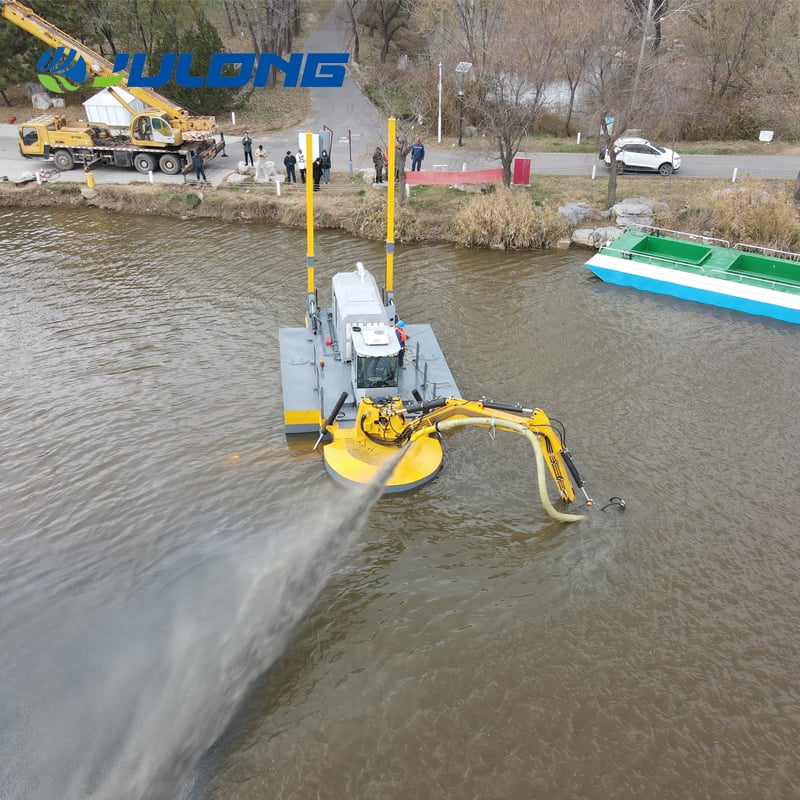
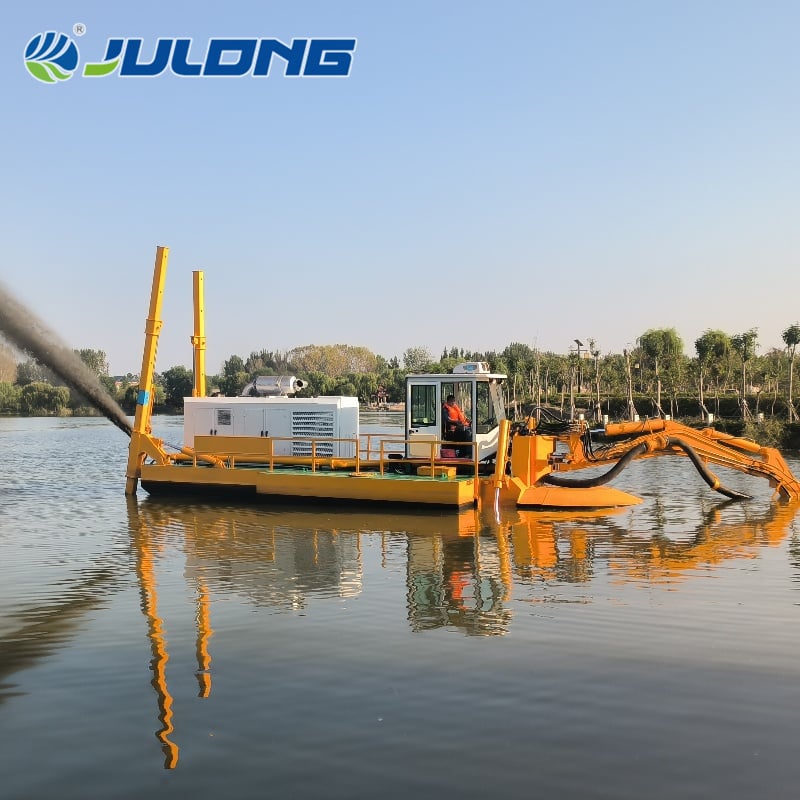
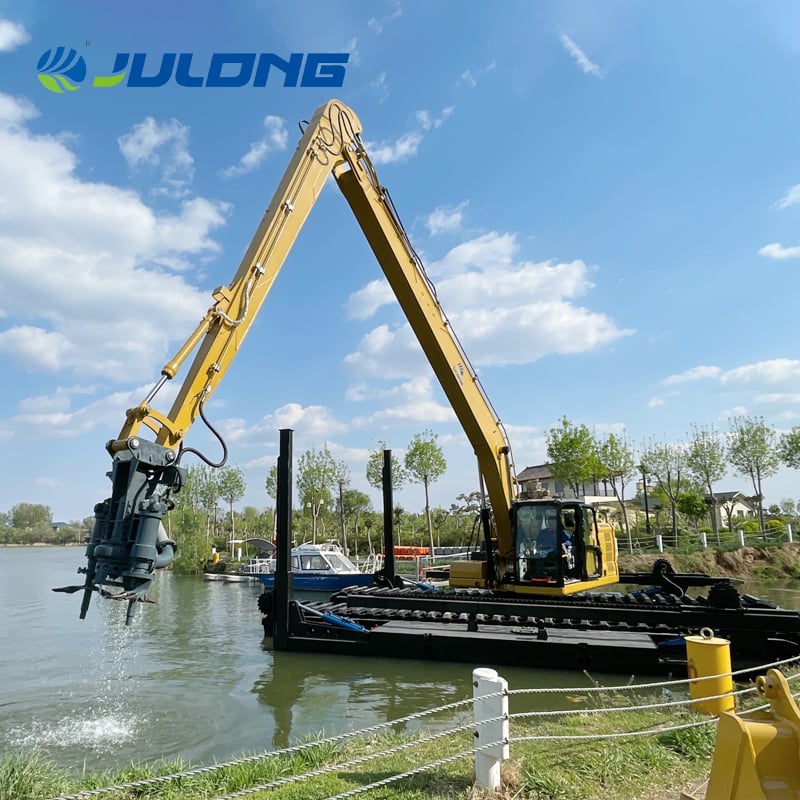
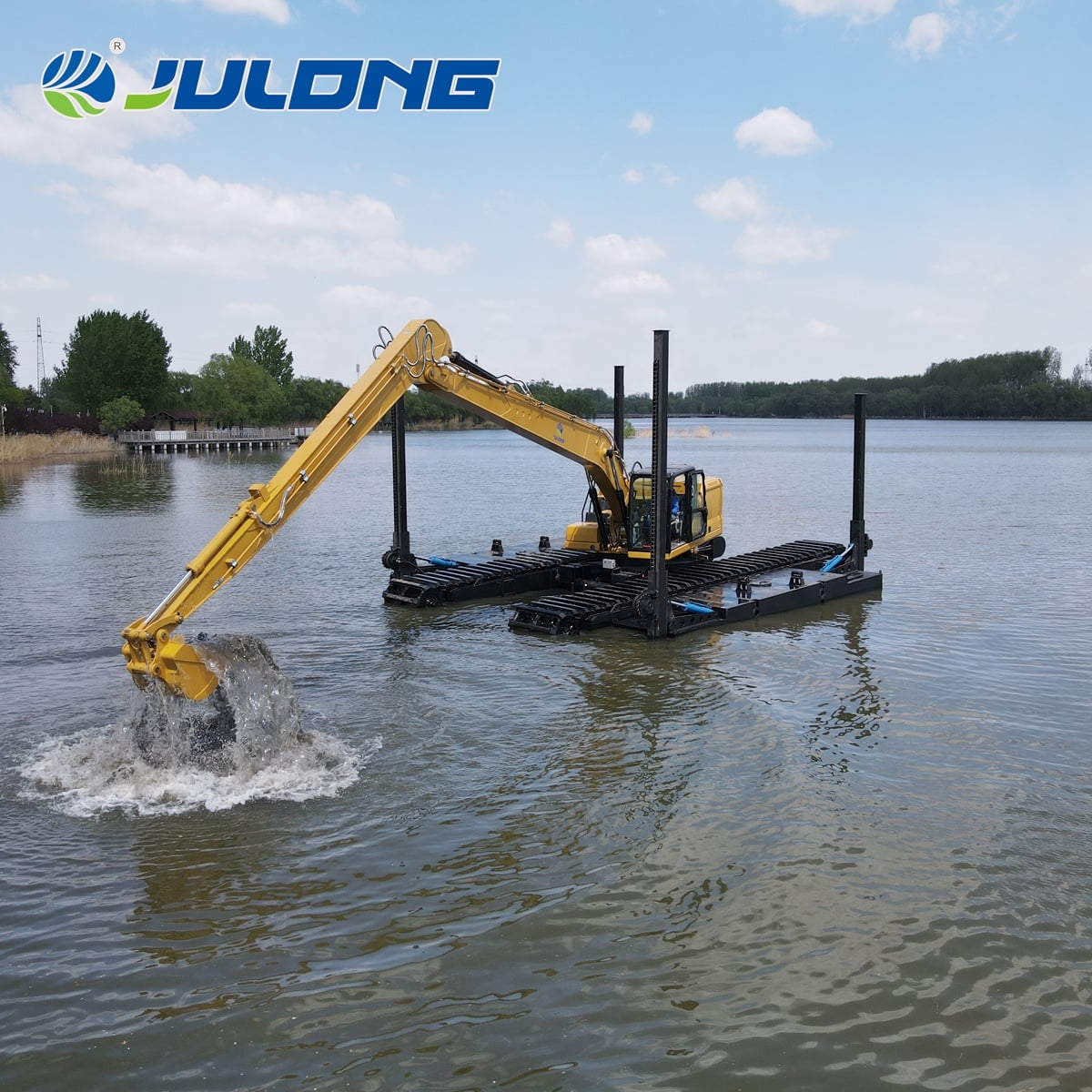
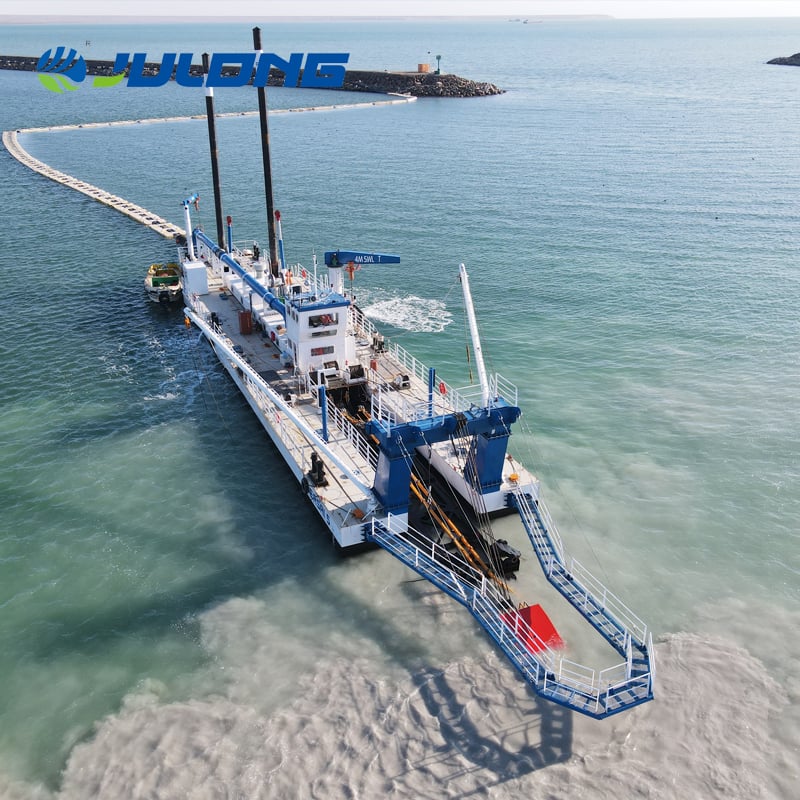
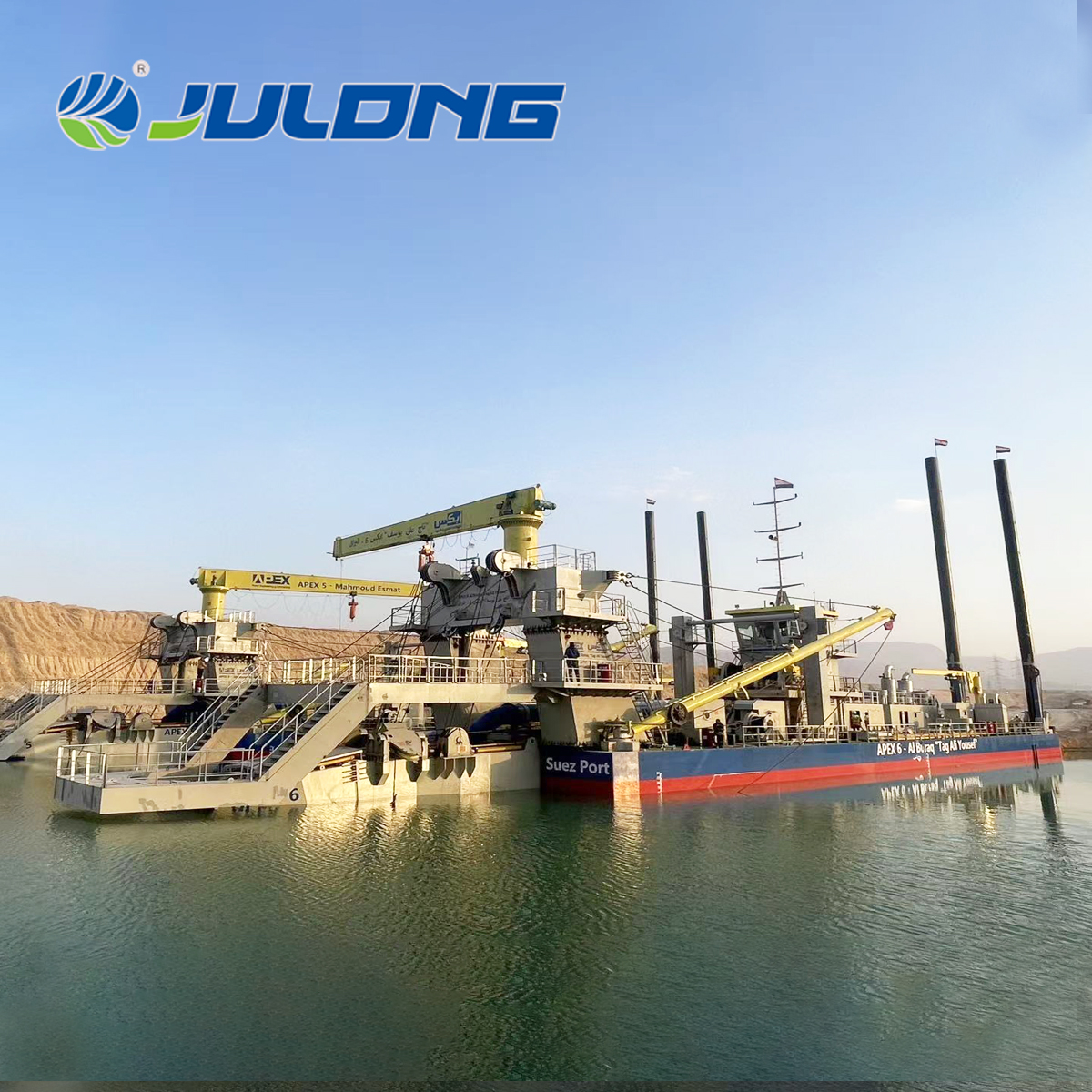
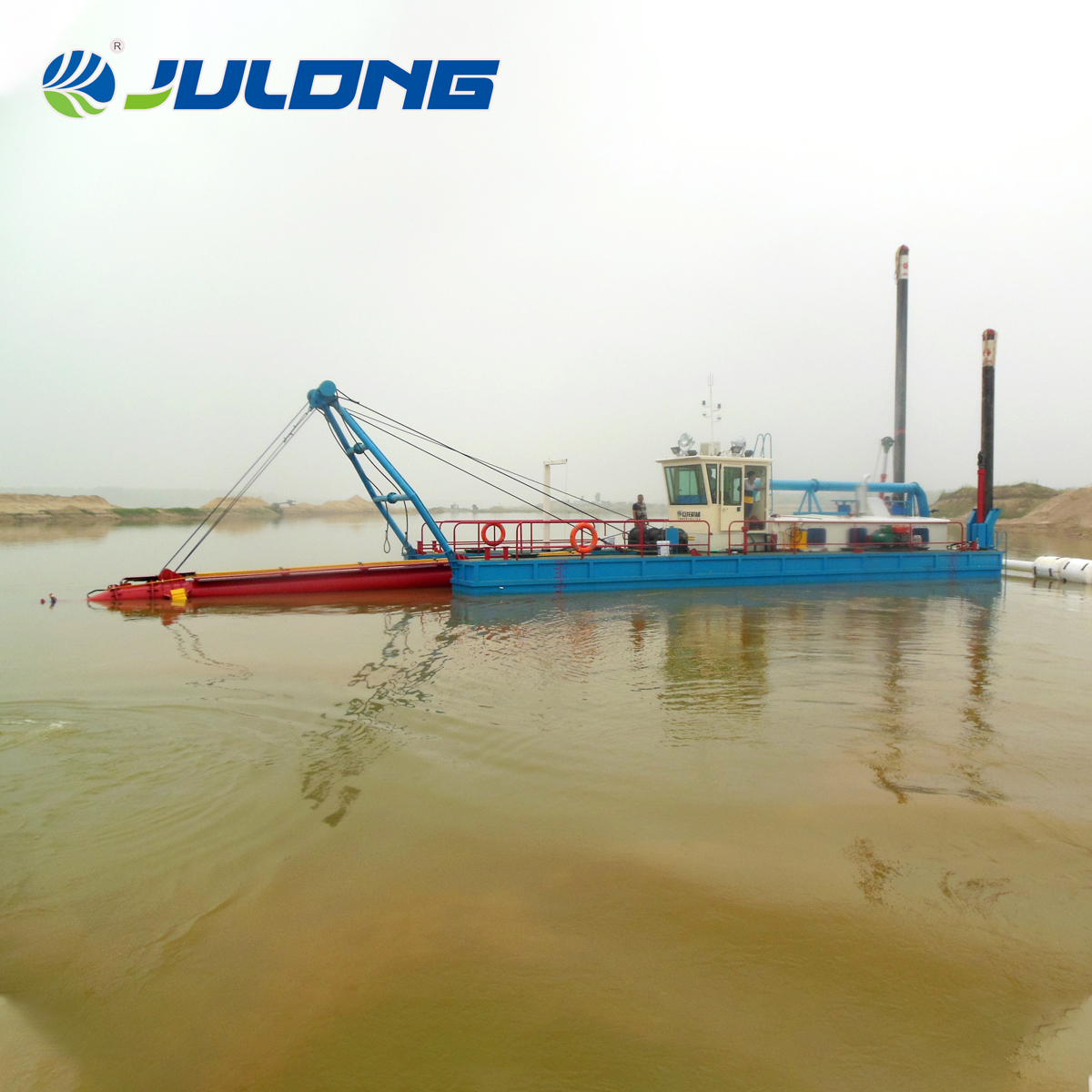
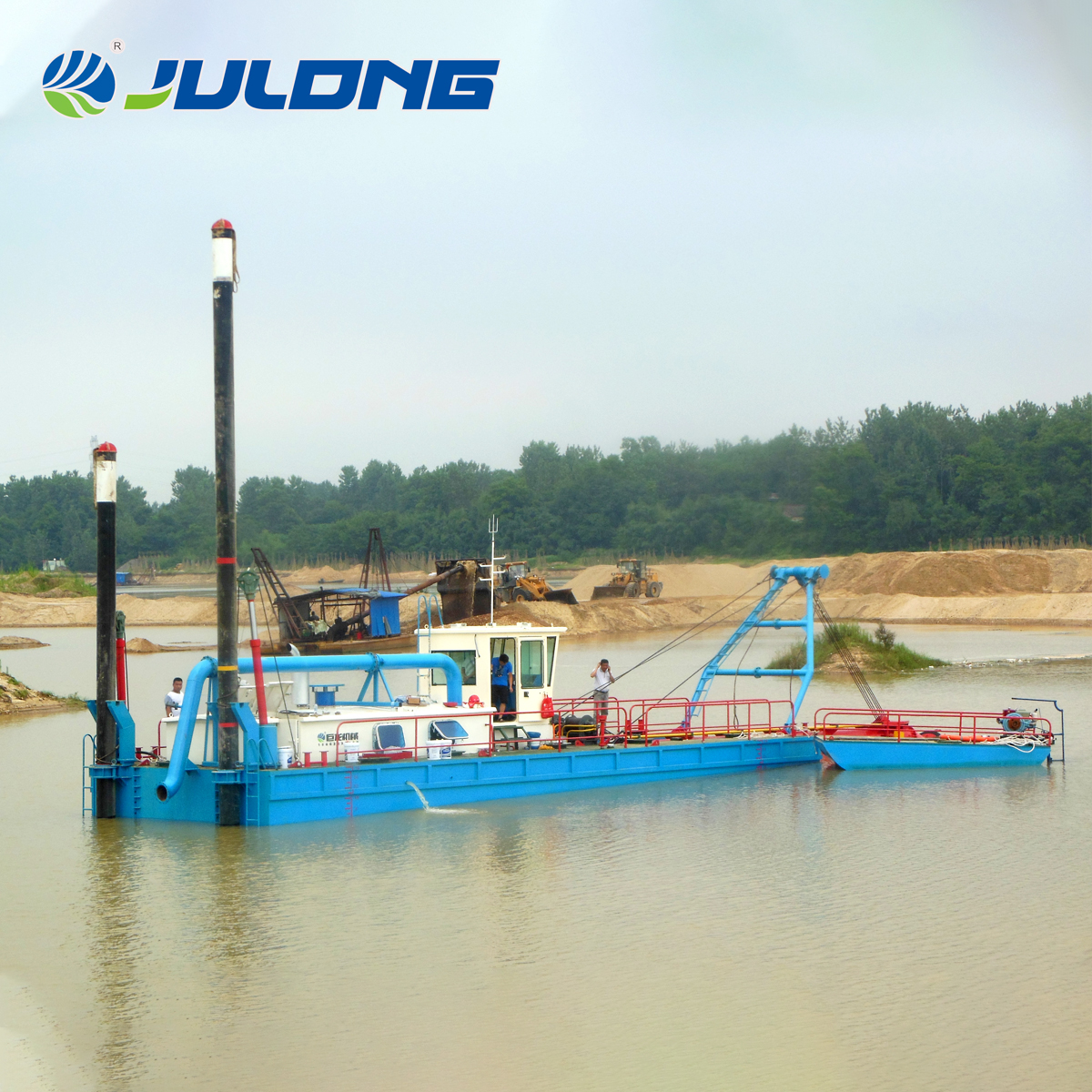
For instance, cutter suction dredgers are ideal for deep dredging projects, while amphibious dredgers are more suited for shallower, marshy areas. It’s essential to evaluate the specific needs of your target market, as this will influence the type and quantity of dredging equipment you should stock. The appropriate dredger can lead to improved project efficiency and reduced operational costs, making it a critical factor in your purchasing decisions. 

Frequently Asked Questions

What dredging equipment do you manufacture?

We produce cutter suction dredgers, amphibious dredgers, and excavator-based dredging units for river, lake, and port projects.
Yes. Our equipment carries ISO and CE certifications, ensuring compliance with international quality and safety standards.
Our fleet suits small to large-scale projects, from localized river maintenance to extensive port and lake reclamation works.
Yes. We offer spare parts, technical support, maintenance guidance, and remote assistance to ensure long-term operation.
We serve 93 countries. Lead times vary by model and customization; typical delivery estimates are provided after order confirmation.

Get a Free Quote

Our representative will contact you soon.
0/1000