Exploring the Advantages of Different Dredger Materials
Dredgers can be constructed from various materials, each offering unique benefits and limitations. The most common materials include:
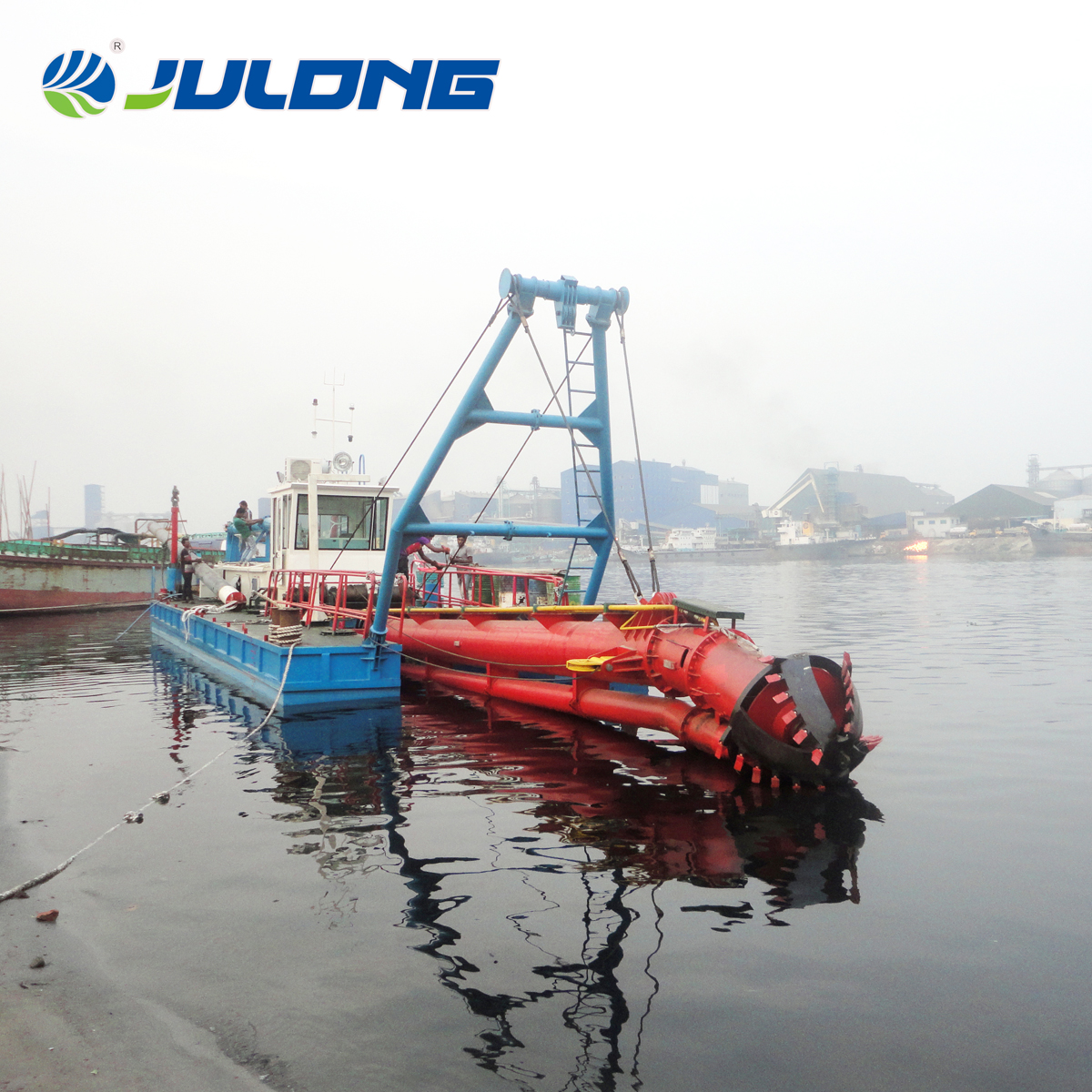
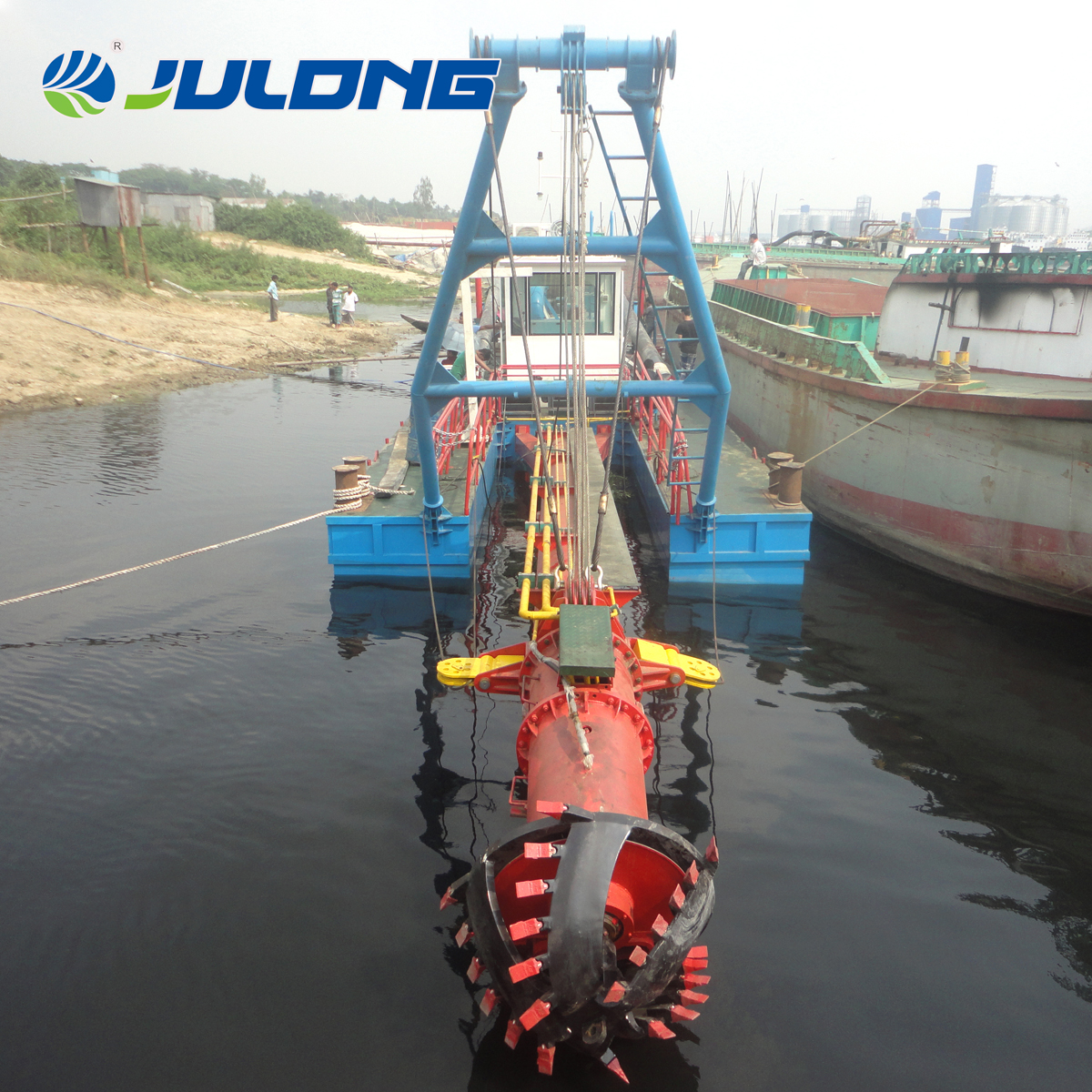
Steel: Known for its strength and durability, steel is often used in the construction of cutter suction dredgers. Its resistance to wear and tear makes it ideal for challenging environments, but it can be prone to corrosion, necessitating protective coatings.
Aluminum: Lightweight and resistant to corrosion, aluminum is used in areas where weight reduction is crucial, such as in amphibious dredgers. However, it may not provide the same structural strength as steel for heavy-duty applications.
Composite Materials: Increasingly used in modern dredger designs, composites can offer a balance between weight, strength, and resistance to environmental factors. These materials can enhance operational efficiency and longevity.
Selecting the appropriate material depends on various factors, including the operating environment, expected lifespan, and maintenance considerations. Buyers should discuss material options with manufacturers to ensure that the chosen dredger meets the specific demands of their projects.
Understanding the meaning of dredger, its applications, specifications, and material options is vital for making informed purchasing decisions. By considering the insights provided, buyers can effectively evaluate their needs and select the most suitable dredging equipment for their projects.
 EN