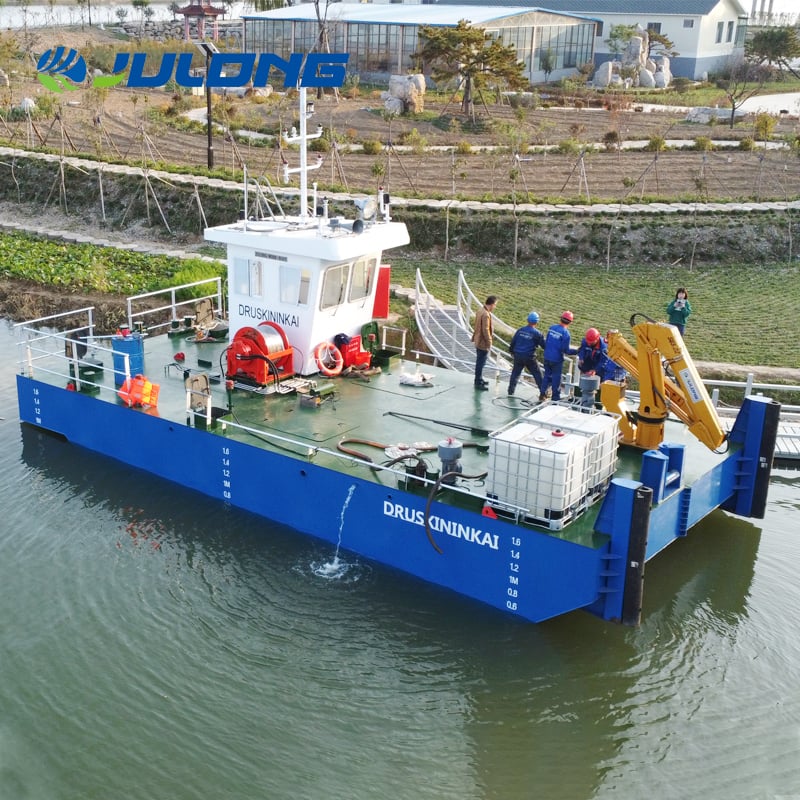
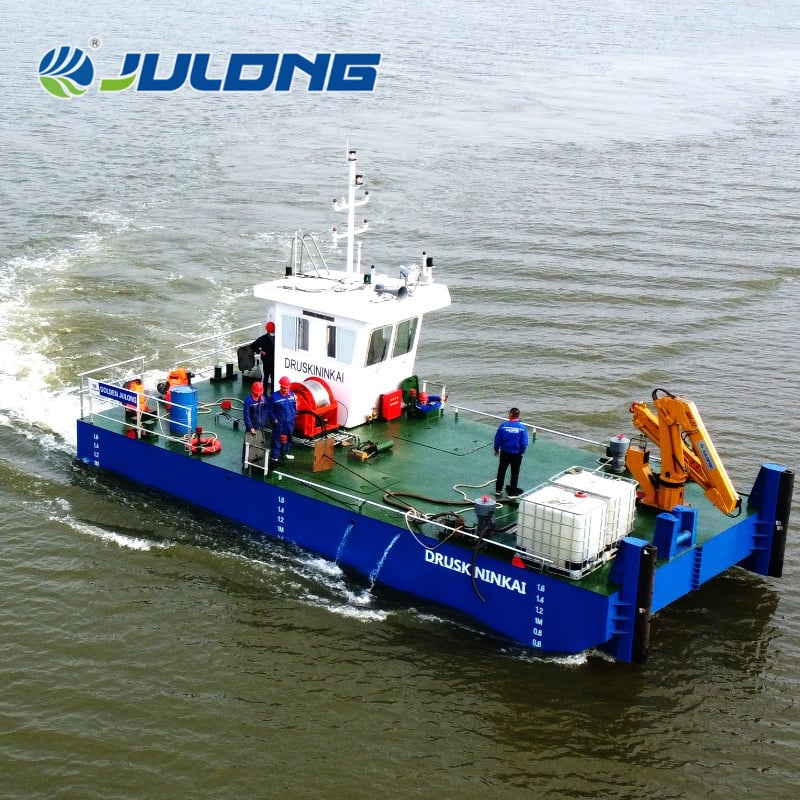
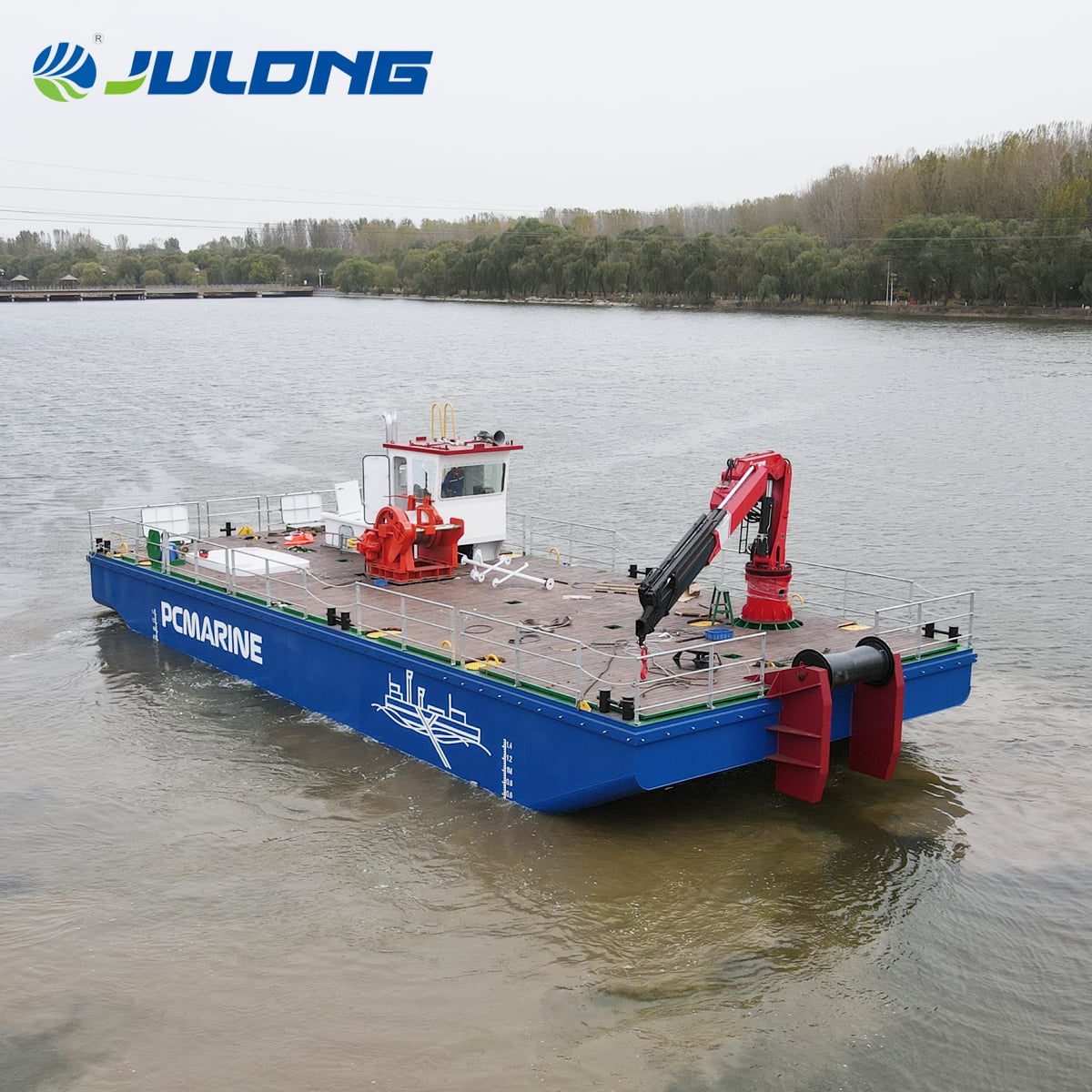
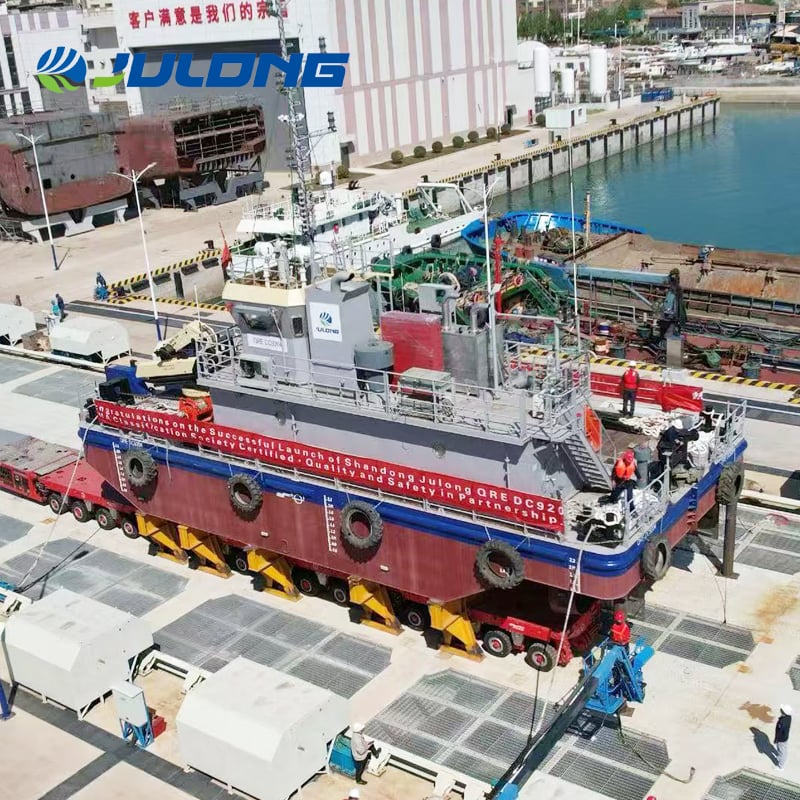
Choosing the Right Marine Dredging Equipment

application/marine-dredging, application/marine-dredging, 
Inquiry
Inquiry

Marine dredging

Marine dredging is a critical process in the construction and maintenance of waterways, ensuring that rivers, lakes, and ports remain navigable and functional. For B2B buyers, particularly purchasing managers and project engineers, the selection of the right marine dredging equipment is paramount. This article will delve into key considerations for choosing marine dredging solutions, exploring supplier reliability, essential JULONG machinery specifications, quality control processes, and common dredging equipment challenges along with their effective solutions. This article will help you to understand the product more, so keep on reading it all. 

Where to Find Reliable Suppliers of Marine Dredging Solutions

Where to Find Reliable Suppliers of Marine Dredging Solutions

Identifying a trustworthy supplier for marine dredging equipment is essential to ensure smooth operations and project success. Start by researching manufacturers with a solid reputation in the industry. Look for companies that possess ISO and CE certifications, as these indicate adherence to international quality and safety standards. 

Consider suppliers that have a proven track record of serving diverse markets. A company like Qingzhou JULONG Environmental Technology Co., Ltd., which operates in 93 countries, showcases extensive experience and reliability. Engage with potential suppliers to discuss their manufacturing capabilities, customer support services, and post-purchase assistance. Checking customer reviews and case studies can also provide insights into the supplier's reliability and product performance.

Critical Specifications to Evaluate in Marine Dredging Machinery

Critical Specifications to Evaluate in Marine Dredging Machinery

When assessing marine dredging machinery, several critical specifications warrant careful evaluation: 

Dredging Depth and Width: Determine the maximum dredging depth and width required for your project. This ensures that the equipment can operate effectively within your specified parameters. 

Pump Capacity: The pump's capacity is vital for determining the speed and efficiency of sediment removal. A higher pump capacity often translates to quicker job completion, which can reduce overall project costs. 

Engine Power: The engine's power rating affects the dredger's operational efficiency. Ensure the engine can handle the dredging workload without compromising performance. 

Material Construction: The durability of the materials used in the dredger's construction directly impacts its lifespan and maintenance needs. Look for marine dredging equipment made from high-strength, corrosion-resistant materials that can withstand harsh aquatic environments. 

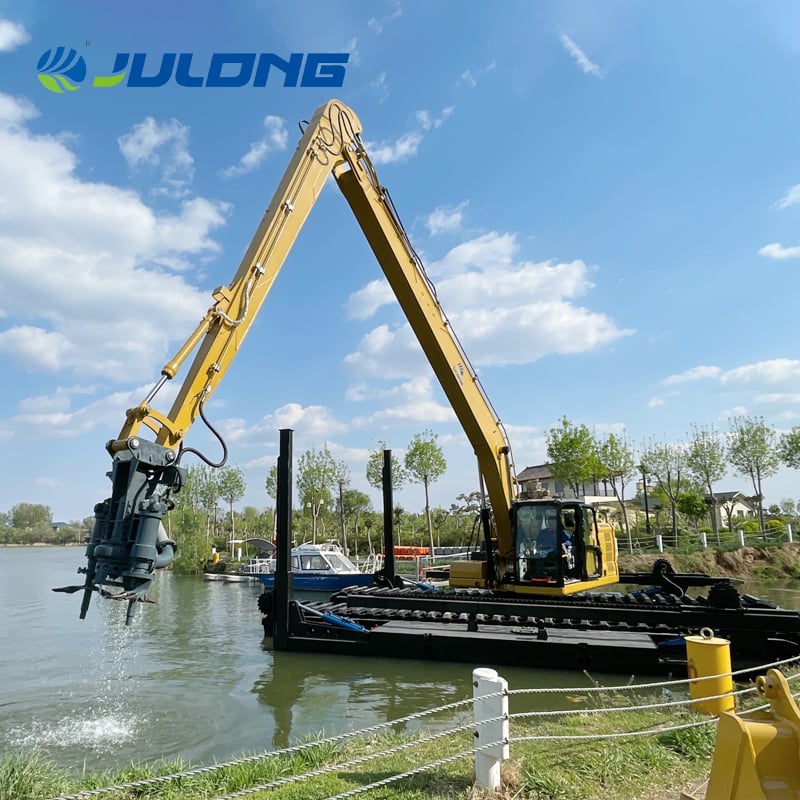
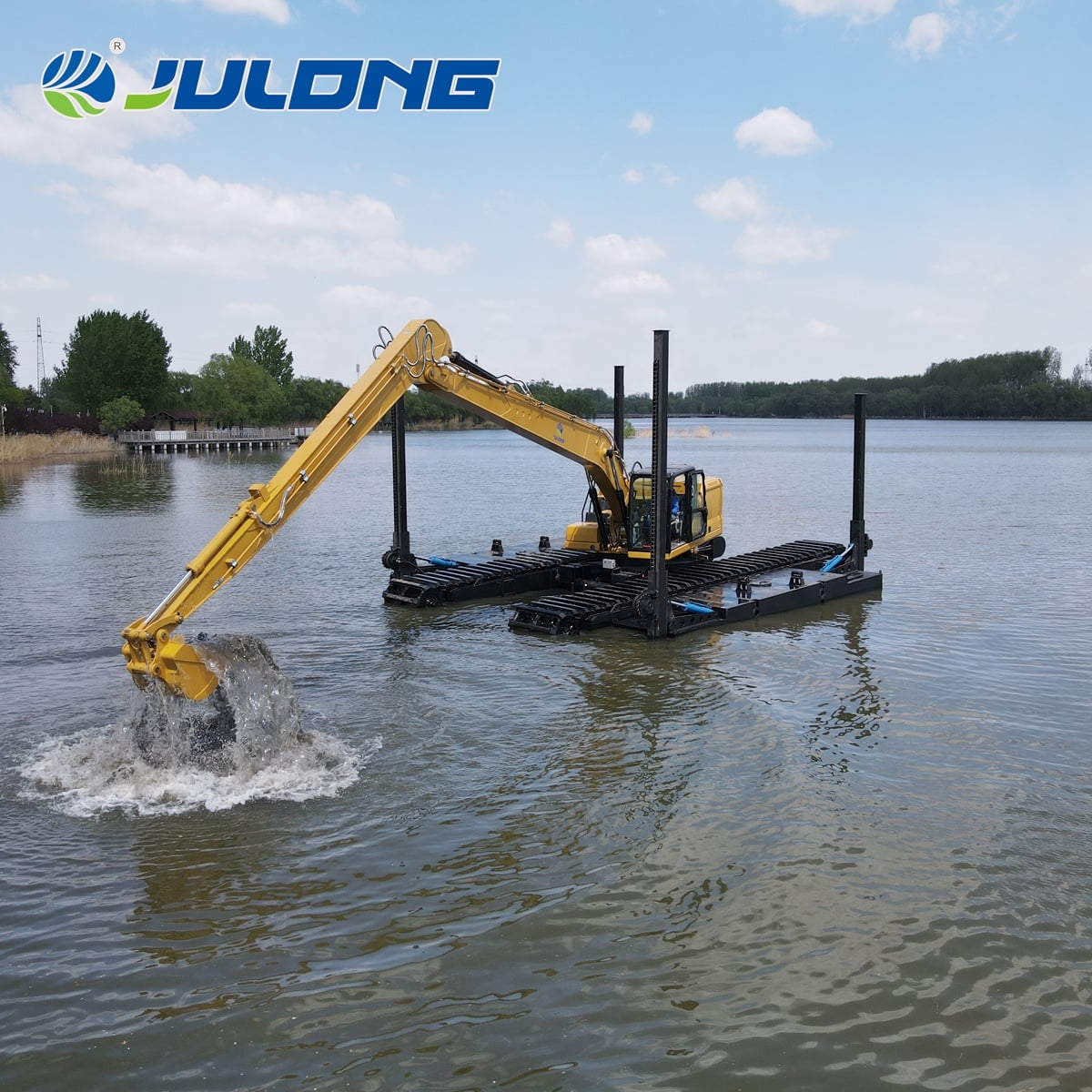
Mobility Features: If your project involves navigating difficult terrains, consider the mobility features of the dredging equipment. Amphibious dredgers, for example, offer enhanced mobility in shallow or wetland areas. 

Understanding these specifications is crucial not only for selecting the right marine dredging equipment but also for ensuring it meets the long-term needs of your project.

Understanding the Quality Control Process in Marine Dredging

Understanding the Quality Control Process in Marine Dredging

Quality control is a critical aspect of JULONG marine dredging equipment manufacturing. A robust quality control process ensures that every machine meets stringent performance and safety standards before it reaches the customer. 

Typically, this process involves several key steps: 

Material Inspection: Ensuring that all materials meet specified standards and are suitable for the intended application.

In-Process Testing: Regular inspections during the manufacturing process help catch any potential issues early, preventing defects from progressing to the final stages. 

Final Product Testing: After assembly, each dredger should undergo thorough testing to confirm functionality, performance, and safety compliance. This may involve operational tests in water to simulate real-world conditions. 

Documentation: Comprehensive records of inspections and testing should be maintained. This not only supports traceability but also provides buyers with confidence in the product's quality. 

By understanding and verifying the quality control processes a supplier employs, buyers can mitigate risks associated with equipment failure and ensure long-term operational success. 

Common Problems in Marine Dredging and Their Effective Solutions

Marine dredging projects are not without their challenges. Being aware of common issues and their solutions can help in effective project management. 

Clogged Pumps: A common issue in dredging operations is clogging due to large debris or sediment. To combat this, regular maintenance and monitoring are essential. Implementing screen filters can help prevent larger particles from entering the pump. 

Equipment Downtime: Downtime can significantly impact project timelines. Ensure that your supplier provides comprehensive after-sales support and access to spare parts. Regular maintenance schedules can also help minimize unexpected breakdowns. 

Environmental Compliance: Many dredging projects face regulatory scrutiny regarding environmental impact. Work with suppliers who understand local regulations and can offer marine dredging equipment that minimizes ecological disruption. 

Inadequate Training: Operators who lack proper training may misuse equipment, leading to inefficiencies or accidents. Ensure that your supplier provides adequate training for operators on marine dredging equipment handling, safety procedures, and maintenance. 

By proactively addressing these common issues, project managers can enhance operational efficiency and minimize disruptions during marine dredging projects. 

understanding the complexities of marine dredging equipment selection, supplier evaluation, and operational challenges is essential for success in this field. By focusing on key specifications, quality control processes, and common operational problems, buyers can make informed decisions that lead to effective and efficient suction dredging equipment operations.

Choosing the Right Marine Dredging Equipment for Your Project

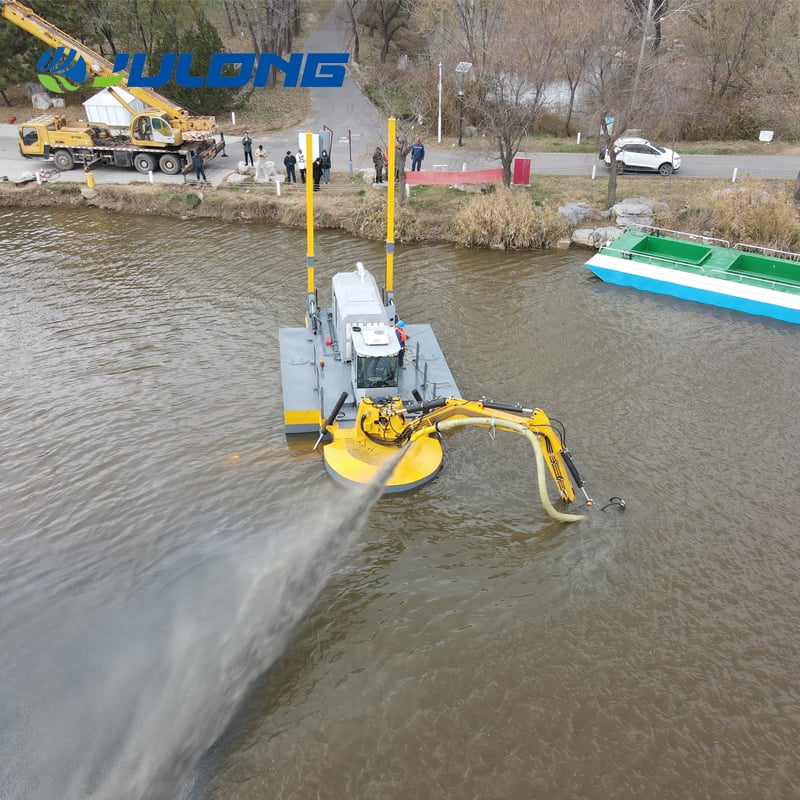
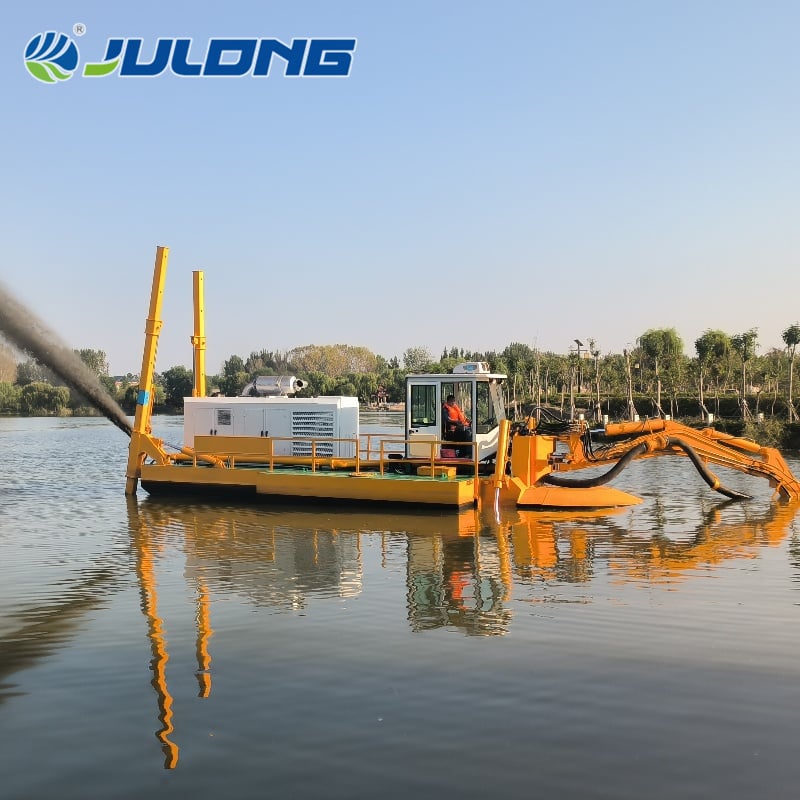
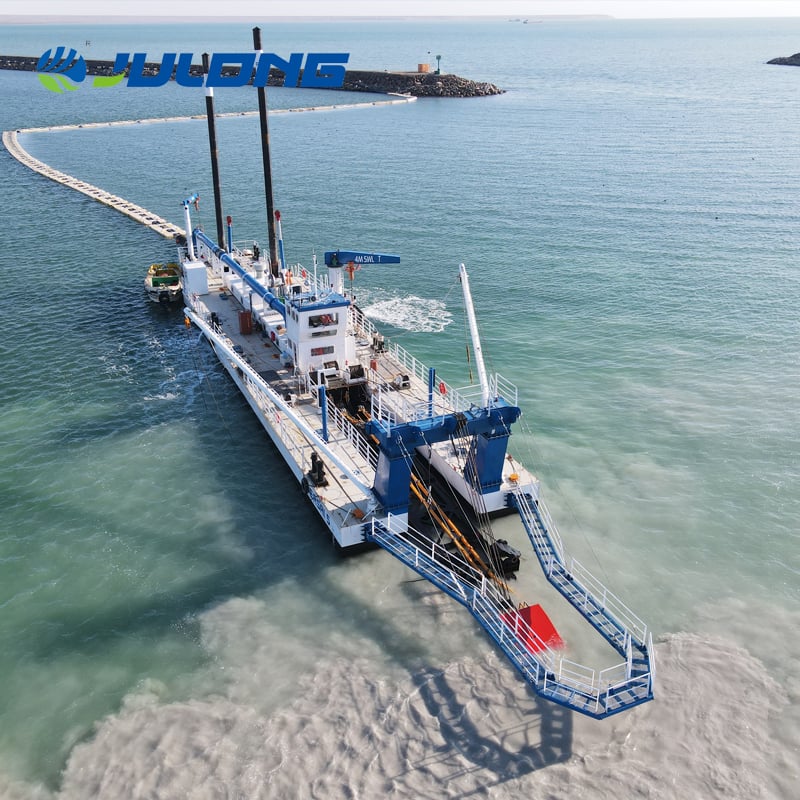
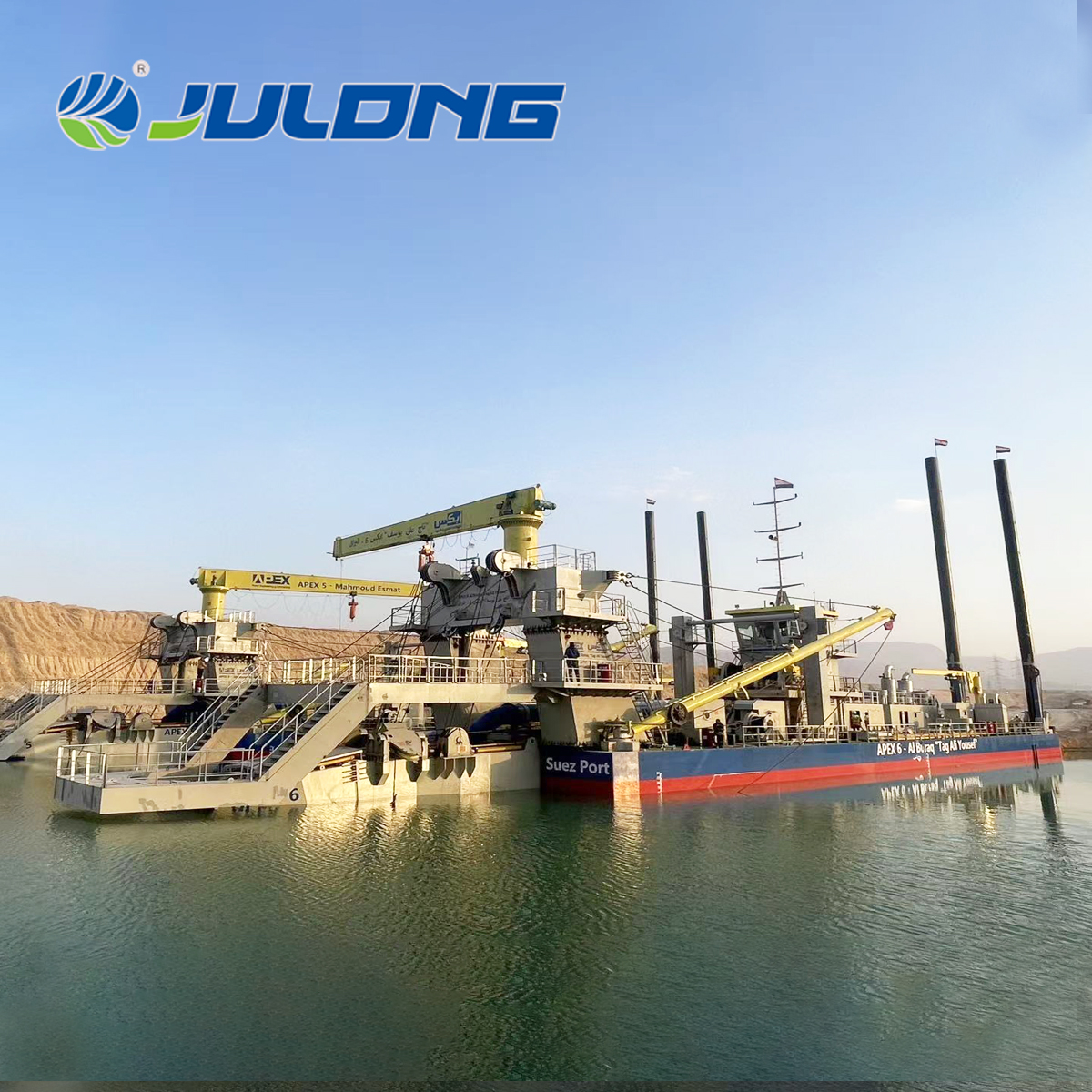
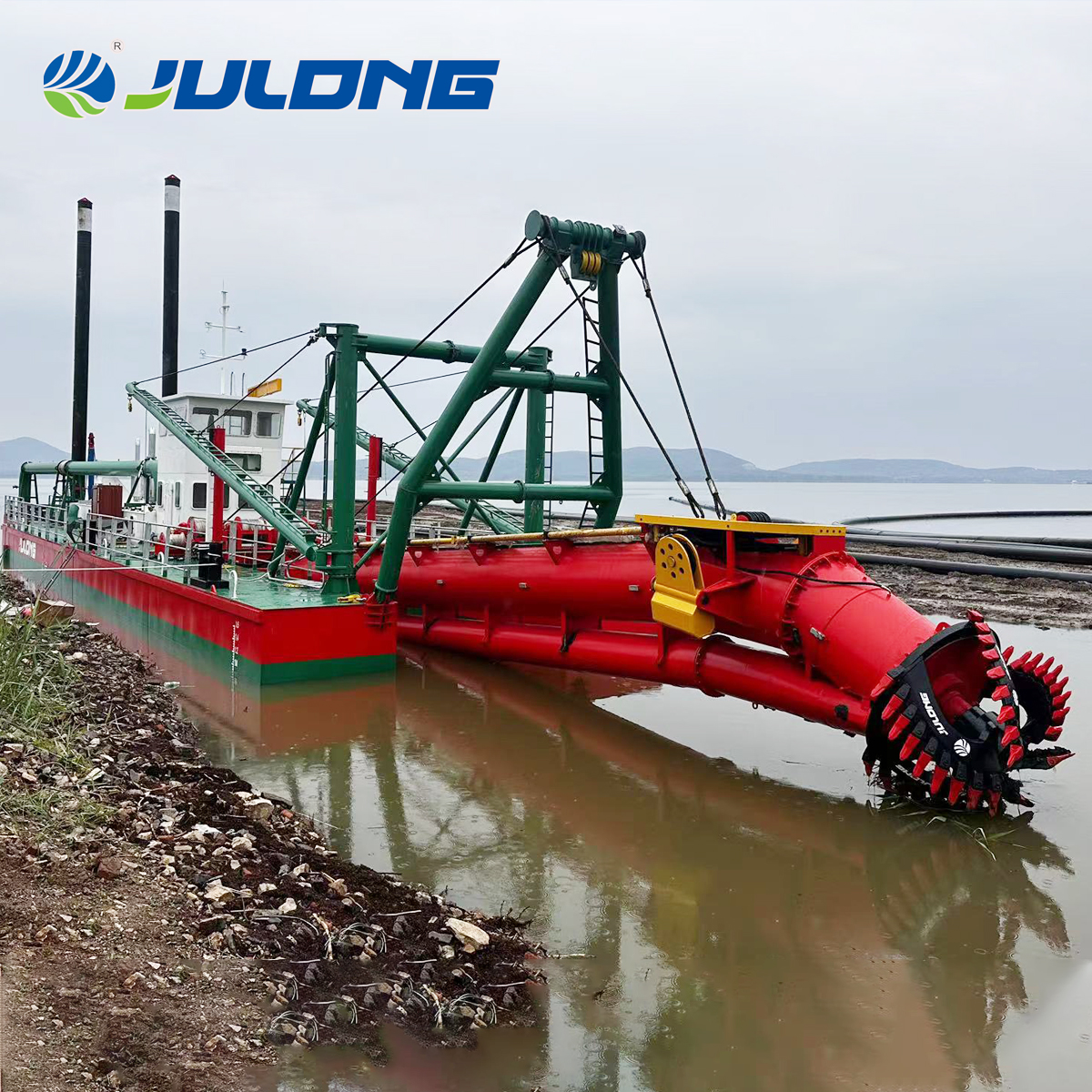
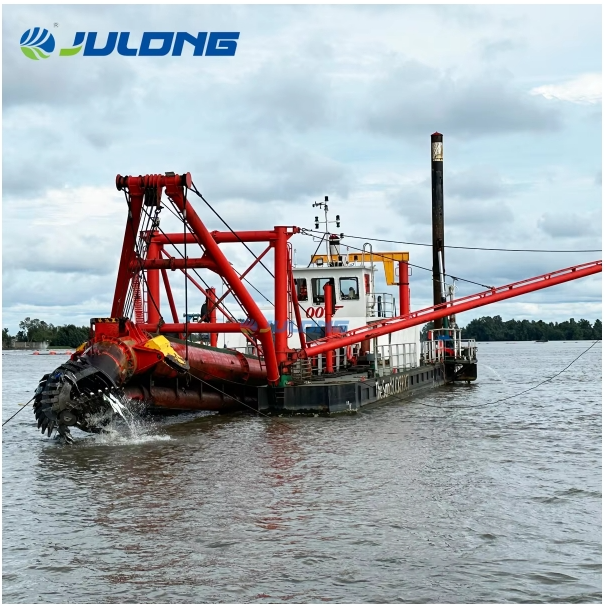
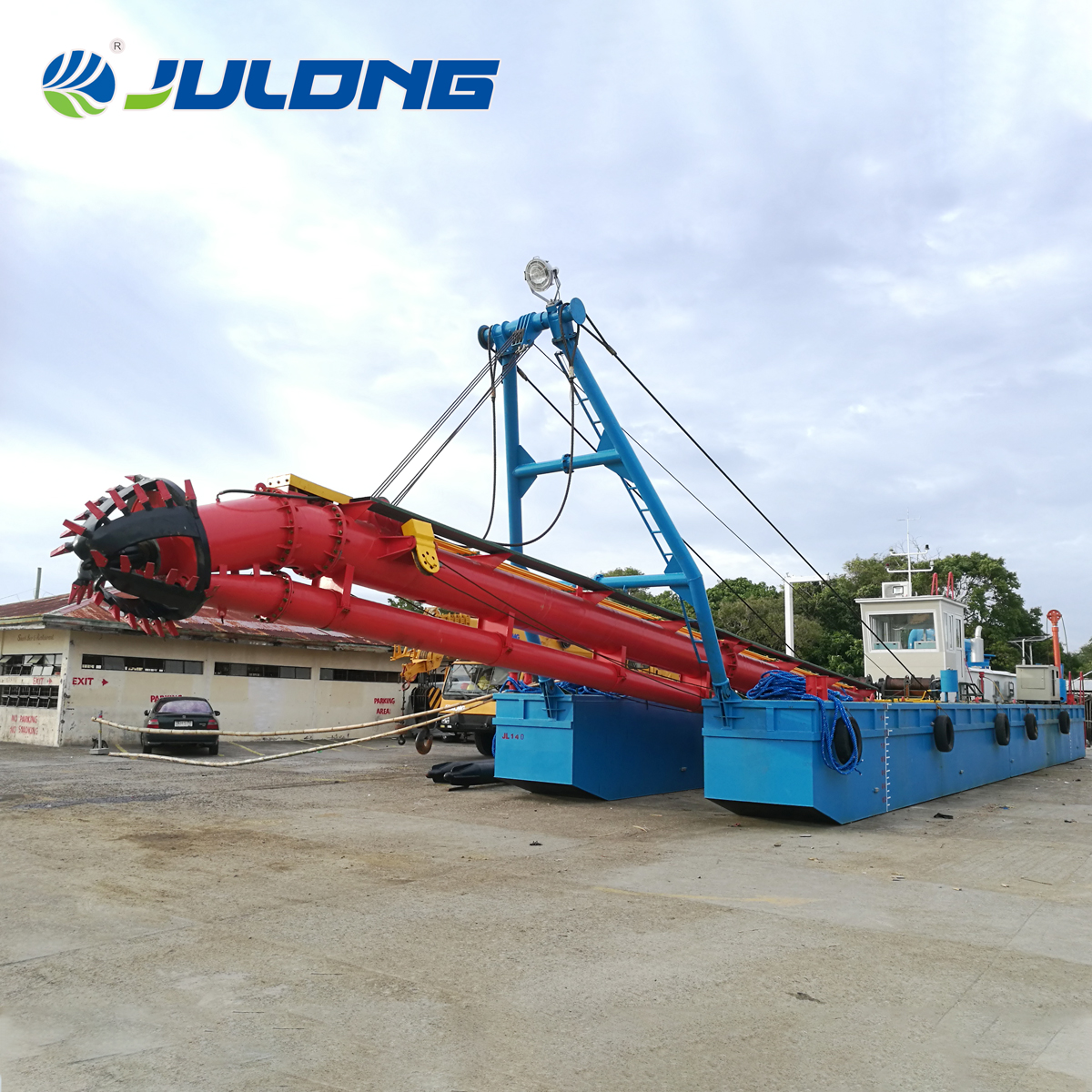
Selecting the appropriate marine dredging equipment involves understanding the specific requirements of your project. Factors such as project scale, soil composition, water depth, and environmental considerations significantly influence marine dredging equipment choice. Cutter suction dredgers are ideal for deeper water and more complex sediment types, whereas amphibious dredgers are suited for shallow or marshy areas where marine dredging equipment cannot operate effectively. 

To make an informed decision, evaluate the dredger's operational capacity, including its pumping power, small dredging equipment depth, and efficiency in sediment removal. Understanding these specifications will help you align the machine's capabilities with the demands of your project, thus ensuring optimal performance and cost-effectiveness.

Frequently Asked Questions

What types of marine dredging equipment do you offer?

We supply cutter suction dredgers, amphibious dredgers, and excavators designed for rivers, lakes, and ports, tailored to various depths and soil conditions.
Yes. Our equipment carries ISO and CE certifications, ensuring compliance with international quality and safety standards.
Yes. We customize dredger specifications, propulsion, cutter heads, and pump systems to meet project size, sediment type, and operational requirements.
We provide technical guidance, installation assistance, spare parts supply, and remote troubleshooting to ensure continuous, efficient operation.
Yes. We serve 93 countries from our 12,000 m² facility and can arrange international logistics, documentation, and export compliance for delivery.

Get a Free Quote

Our representative will contact you soon.
0/1000