Purchasing Dredging Equipment: Essential Insights

application/dredging-co, application/dredging-co, 
Inquiry
Inquiry

Dredging co

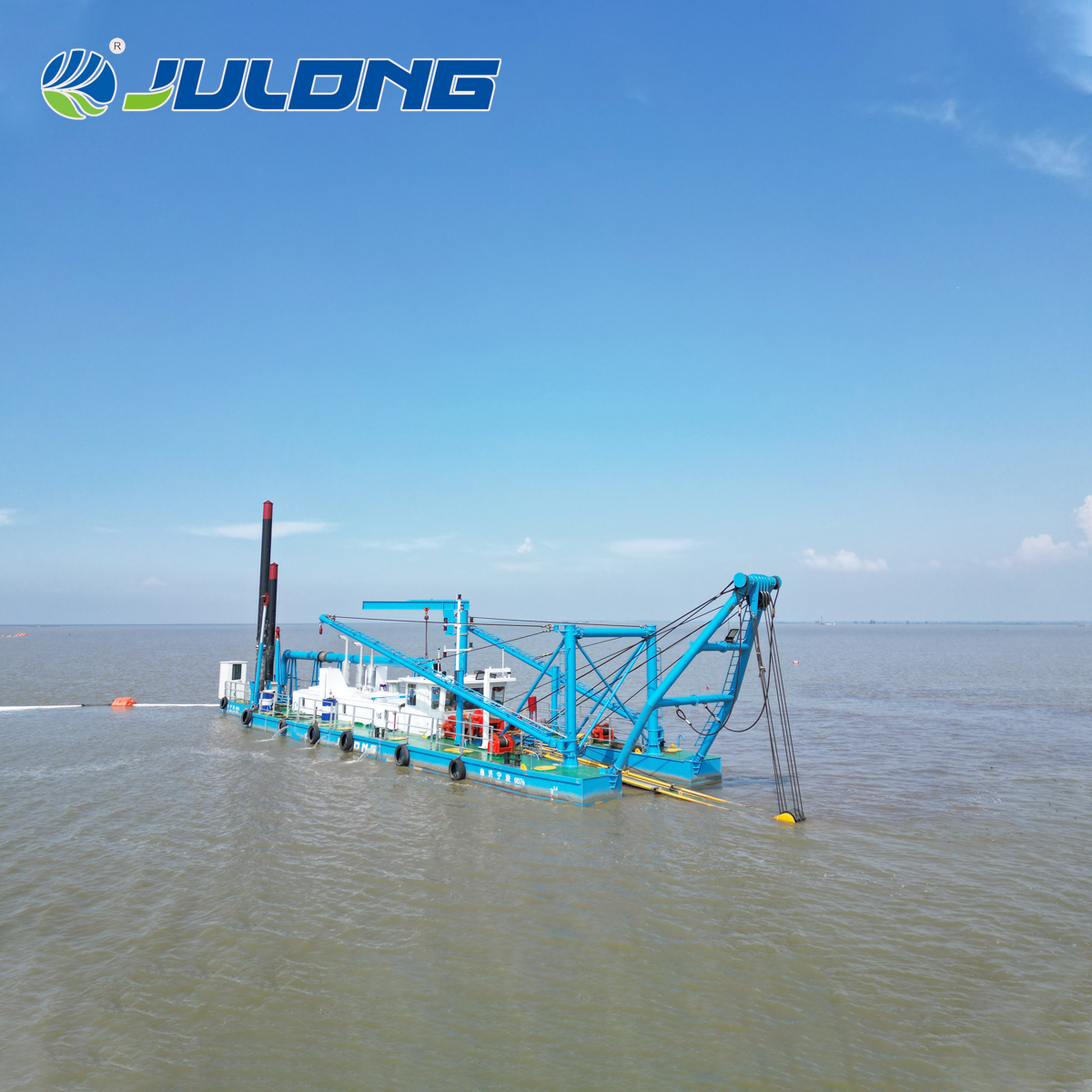
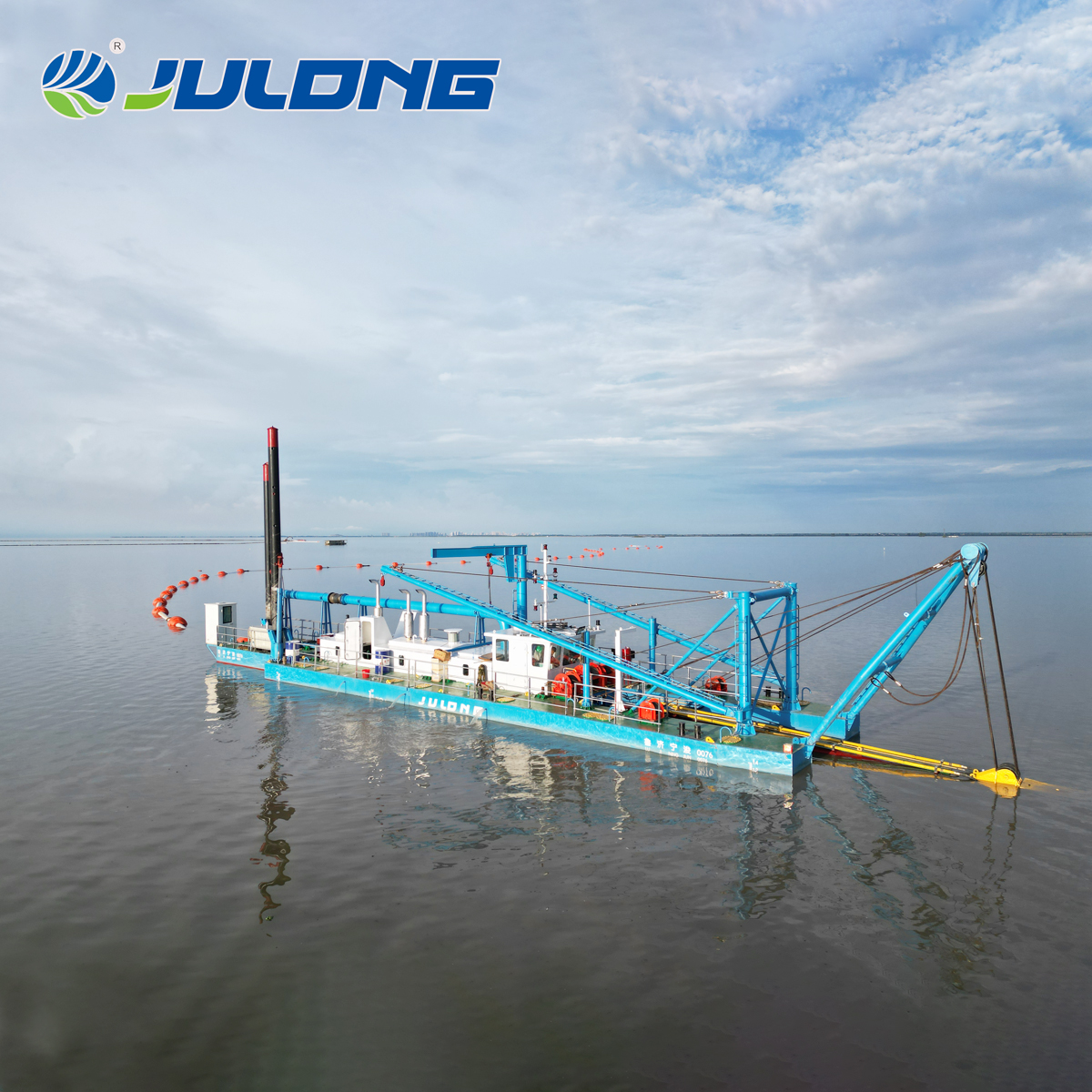
Purchasing dredging equipment such as cutter suction dredgers and amphibious dredgers is a significant investment for any business involved in environmental or construction projects. As a specialized manufacturer, Qingzhou JULONG Environmental Technology Co., Ltd. understands the complexities that buyers face when evaluating these machines. This article will provide insights into selecting the right dredging equipment, understanding specifications, and navigating the purchasing process to ensure that you make informed decisions that align with your project requirements.

How to Choose the Right Dredging Equipment for Your Projects

How to Choose the Right Dredging Equipment for Your Projects

Selecting the right dredging equipment involves several considerations beyond just specifications. Buyers should assess project scope, operational conditions, and equipment compatibility. 

Project Scope: Determine the scale and nature of your project. For large river or port projects, a more robust dredger with advanced capabilities may be required. Smaller projects may benefit from compact or amphibious dredgers. 

Operational Conditions: Consider environmental factors such as water depth, current speed, and sediment types. These elements influence the choice of dredger and its effectiveness on-site. 

Equipment Compatibility: Ensure that the dredger is compatible with existing equipment and processes. For example, if the dredged material needs to be transported via a specific method, the dredger's discharge mechanism should align with that method. 

By carefully considering these factors, buyers can make a more informed decision that minimizes operational disruptions and maximizes efficiency. 

What to Look for in Amphibious Dredgers

What to Look for in Amphibious Dredgers

Amphibious dredgers provide unique advantages for projects that involve both land and water applications. When evaluating amphibious dredgers, buyers should focus on the following aspects: 

Mobility: The ability to transition between land and water is crucial. Look for features such as adjustable tracks or wheels that enhance mobility across different terrains. 

Versatility: An amphibious dredger that can handle various soil types and water conditions will offer greater operational flexibility. Check for specifications that indicate the dredgers effectiveness in both shallow and deep water. 

Stability: Stability is vital for safe and efficient operations. Assess the design features that contribute to the dredger’s stability, especially when working on uneven terrain or in challenging weather conditions. 

Understanding these characteristics will help buyers select an amphibious dredger that meets the demands of their specific project environments. 

Exploring the Applications of Dredgers in River and Port Projects

Exploring the Applications of Dredgers in River and Port Projects

Dredgers play a crucial role in maintaining the navigability of rivers and ports. Their applications can include: 

Sediment Removal: Dredgers are extensively used to remove accumulated sediments from riverbeds and port facilities, ensuring safe passage for vessels. Over time, sediment can build up, leading to decreased water depth and navigation hazards. 

Land Reclamation: In port projects, dredging equipment can assist in land reclamation by removing unwanted materials and creating new land areas for development. 

Environmental Restoration: Dredging can also support environmental initiatives, such as restoring habitats affected by sedimentation. Understanding the specific application will help buyers select the appropriate dredging solution. 

By recognizing these applications, buyers can better align their equipment choices with the needs of their projects, ensuring effective and compliant operations. 

Wholesale Purchasing Tips for Importers and Distributors in Dredging

For importers and distributors looking to purchase dredging equipment wholesale, there are several important tips to consider: 

Minimum Order Quantity (MOQ): Establish your required quantities early on. Many manufacturers have MOQs that can affect pricing and availability. Understanding these requirements will help in planning your orders effectively. 

Product Customization: Discuss customization options with the manufacturer. Tailoring equipment to specific project needs can enhance performance and efficiency. Consider factors such as additional features, color specifications, or branding requirements. 

Supplier Evaluation: Conduct thorough evaluations of potential suppliers. Check for certifications like ISO or CE, which indicate compliance with quality and safety standards. Additionally, assess their production capabilities and reputation in the industry to ensure reliability. 

Logistics and Lead Times: Clarify lead times and shipping arrangements upfront. Understanding logistics is critical to avoid delays that could impact project timelines. 

By following these tips, importers and distributors can streamline their purchasing processes and secure the right dredging equipment for their operations. 

This comprehensive guide aims to equip buyers with the knowledge needed to make informed decisions regarding dredging equipment. By focusing on specifications, project requirements, and supplier evaluation, businesses can optimize their purchasing strategies and enhance operational success. Ultimately, strategic procurement builds resilient supply chains, minimizes financial risk, and establishes strong long-term partnerships with trusted international manufacturing leaders. 

Understanding the Specifications of Cutter Suction Dredgers for Purchase

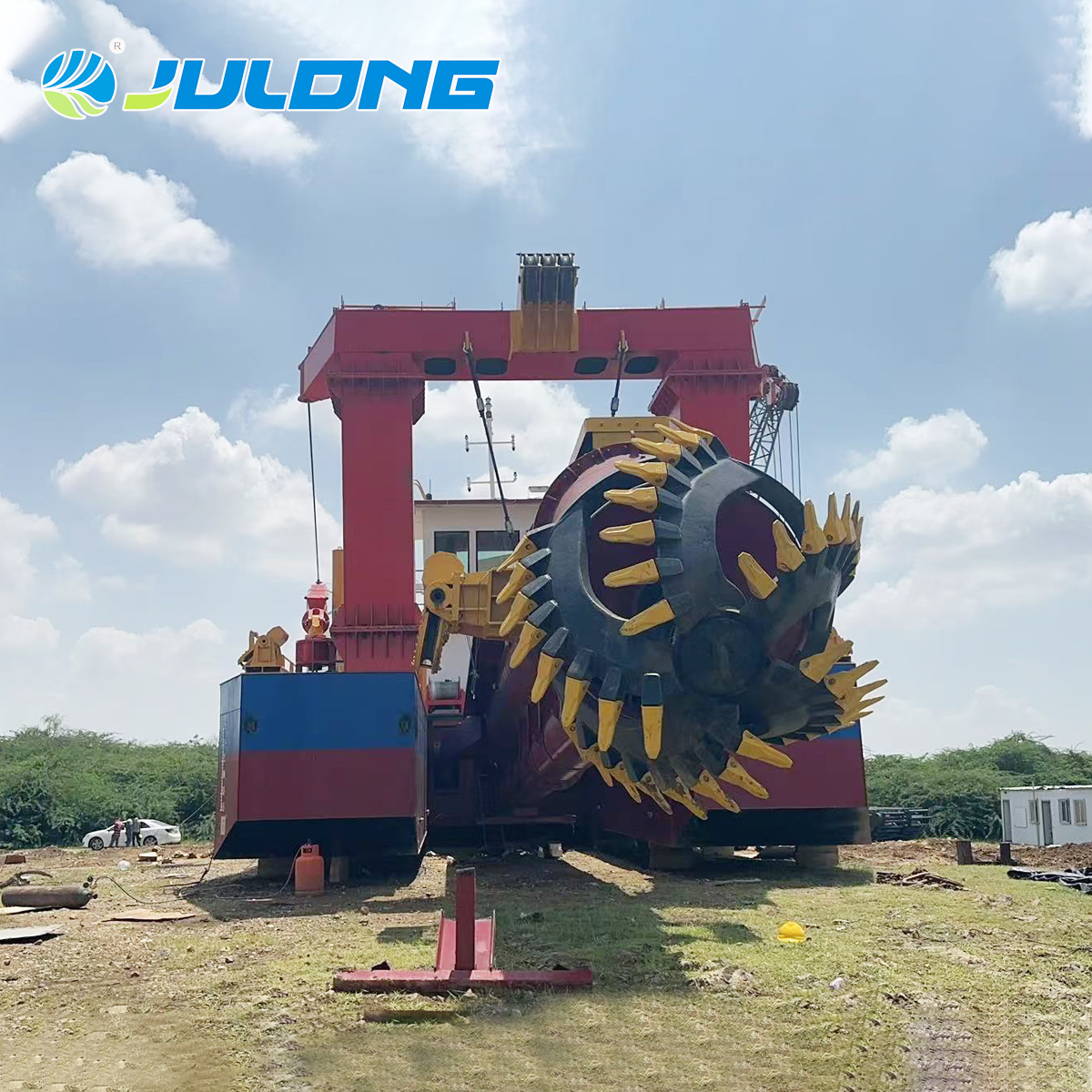
Cutter suction dredgers are designed for efficient excavation and dredging applications. When considering a purchase, it is essential to understand key specifications such as dredging depth, pump capacity, and cutter head design. 

Dredging Depth: This specification indicates how deep the dredger can excavate. It's critical to match the dredging depth to your project requirements; insufficient depth can lead to operational challenges. 

Pump Capacity: Measured in cubic meters per hour, this indicates how much material can be moved. Buyers should assess whether the pump capacity aligns with the scale of their project. A higher capacity may be necessary for larger projects but could lead to increased operational costs. 

Cutter Head Design: The type of cutter head affects the dredger's ability to break up various soil types. A versatile cutter head can handle a range of materials, from soft silt to hard clay, making it suitable for diverse applications. 

Understanding these specifications will allow buyers to evaluate whether a dredger meets their operational needs effectively. 

Frequently Asked Questions

What types of dredgers do you manufacture?

We manufacture cutter suction dredgers, amphibious dredgers, and excavator-type dredgers for river, lake, and port projects.
Yes. Our products carry ISO and CE certifications to meet international quality and safety standards.
They are designed for rivers, lakes, ports, wetlands and shallow water sites, offering durable performance in varied environments.
Yes. We supply spare parts, technical support, and maintenance guidance to ensure long-term, efficient operation.
Yes. With a 12,000 m² facility, we export to 93 countries and offer global shipping coordination and remote or onsite service.

Get a Free Quote

Our representative will contact you soon.
0/1000