Choosing the Right Canal Dredging Equipment

application/canal-dredging, application/canal-dredging, 
Inquiry
Inquiry

Canal dredging

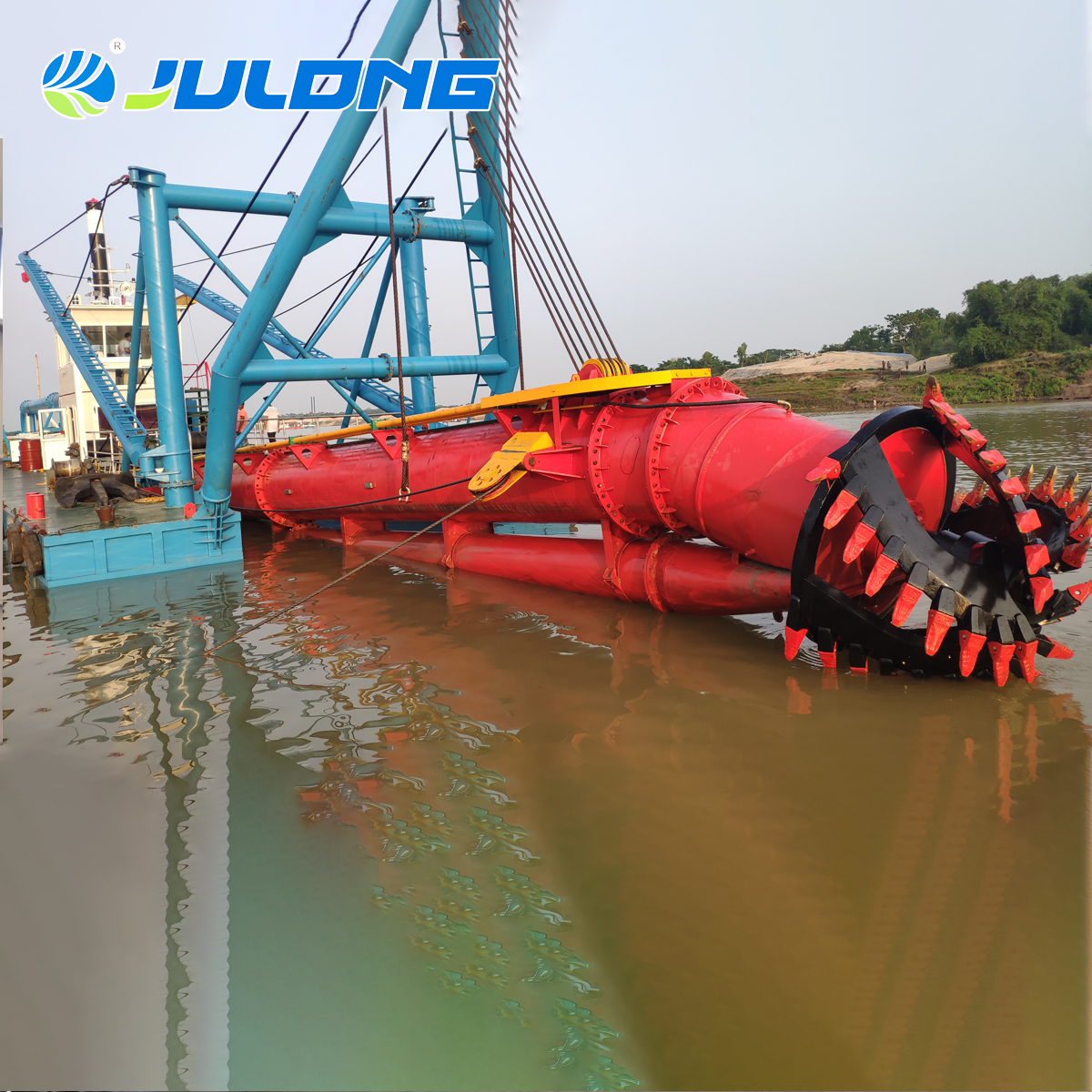
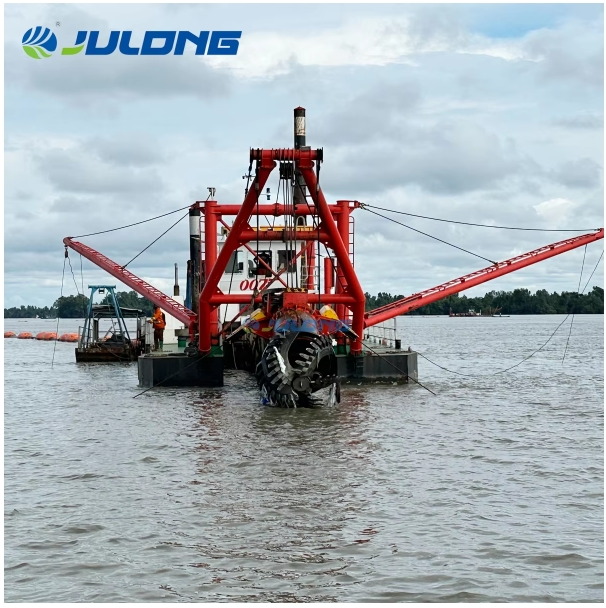
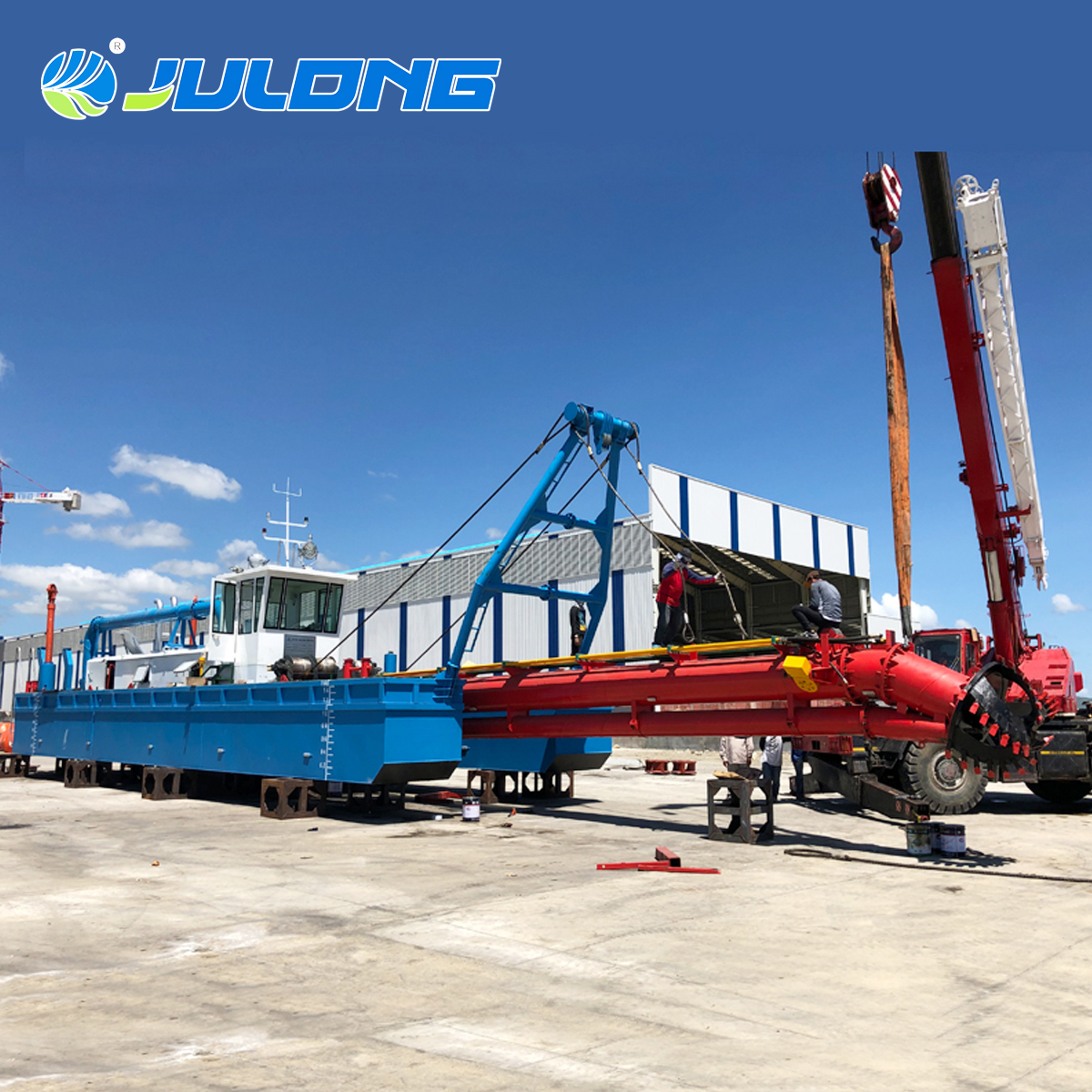
Canal dredging is a critical process for maintaining waterway infrastructure, ensuring navigability, and supporting aquatic ecosystems. For B2B buyers, selecting the right canal dredging equipment like cutter suction dredgers or amphibious dredgers can significantly impact project efficiency and costs. This article will delve into essential considerations for choosing canal dredging equipment, comparing canal dredging solutions, understanding wholesale purchasing, evaluating cost factors, and addressing common problems in canal dredging.  

How to Compare Canal Dredging Solutions for Optimal Performance

How to Compare Canal Dredging Solutions for Optimal Performance

When comparing canal dredging solutions, focus on performance metrics and operational costs. Look for dredgers that provide detailed performance specifications, including dredging depth, production rates, and fuel efficiency. A dredger's efficiency can greatly affect operational costs, as machines that consume less fuel while maintaining high output will save money over time. 

Another aspect to compare is the manufacturer’s reputation for quality and reliability. Consider suppliers with ISO and CE certifications, as these indicators reflect adherence to international quality standards. Furthermore, investigate the supplier’s experience in your specific application area and their ability to provide after-sales support and maintenance services. 

Practical factors such as ease of operation and maintenance requirements should also be taken into account. The dredging machine designed with user-friendly controls can minimize the learning curve for operators, while equipment that allows for easy access to components can simplify maintenance and reduce downtime. 

Wholesale Purchasing Guide for Canal Dredging Equipment Suppliers

Wholesale Purchasing Guide for Canal Dredging Equipment Suppliers

When engaging with suppliers for wholesale canal dredging equipment purchases, it is critical to prepare a comprehensive request for quotation (RFQ). Your RFQ should include detailed information such as the type of dredger, required specifications, and project timelines. Specify any customization needs and inquire about bulk pricing discounts or minimum order quantities (MOQ). 

Additionally, assess the supplier’s production capacity and lead times to ensure they align with your project schedule. A supplier with a larger production facility and experience in fulfilling large orders may be better positioned to meet tight deadlines without compromising quality. 

Don’t overlook the importance of shipping and logistics when purchasing wholesale. Discuss packaging methods and delivery options to ensure that the equipment arrives in optimal condition and on schedule. It’s advisable to confirm whether the supplier provides installation support or training for your team, as this can enhance operational efficiency. 

Cost Factors to Consider for Canal Dredging Projects

Cost Factors to Consider for Canal Dredging Projects

Cost is a critical consideration in canal dredging projects, encompassing not only the initial purchase price of the equipment but also ongoing operational expenses. Key cost factors to evaluate include fuel consumption, maintenance intervals, and repair costs. Dredgers with higher fuel efficiency can significantly reduce operating costs over time, making them more economical despite potentially higher upfront costs. 

Consider the total cost of ownership, which includes purchase price, financing options, and projected resale value. Engaging with experienced suppliers can provide insights into the longevity and resale market for dredging equipment, helping you make informed financial decisions. 

Another factor to consider is the potential for delays caused by equipment failure or inefficiency. Investing in higher-quality dredgers may result in fewer issues and less downtime, ultimately saving money in the long run. Ensure that you have a budget for routine maintenance, as well, to keep the equipment in top working condition. 

Common Problems in Canal Dredging and Effective Solutions

Canal dredging projects can encounter various challenges, including sediment buildup, equipment breakdowns, and environmental concerns. One common issue is the presence of unexpected obstacles, such as underwater debris or rock formations, which can impede dredging operations. To mitigate this risk, conducting thorough pre-dredging surveys can identify potential challenges and allow for appropriate planning. 

Equipment breakdowns can also disrupt projects, leading to costly delays. Ensuring that you select reliable equipment and having a maintenance plan in place can minimize these occurrences. It's advisable to choose dredgers from reputable manufacturers that provide robust warranties and support for their equipment. 

Environmental concerns, such as sediment displacement and impact on aquatic life, are increasingly important in dredging operations. Implementing best practices, such as using silt curtains and conducting environmental assessments, can help address these issues. Furthermore, collaborating with environmental agencies can ensure compliance with regulations and promote sustainable dredging practices. 

By understanding these common challenges and their solutions, buyers can better prepare for the complexities of canal dredging projects and enhance overall project success. Sourcing ISO 9001 and CE-certified cutter suction dredgers equipped with heavy-duty wear-resistant pumps, automated PLC monitoring, and turbidity-reducing shrouds ensures maximum operational uptime, regulatory compliance, and long-term project ROI. 

What to Consider When Choosing Canal Dredging Equipment for Projects

When selecting canal dredging equipment, several key factors should guide your decision. First, consider the type of dredger that suits your project needs. Cutter suction dredgers are ideal for deeper and more challenging environments, while amphibious dredgers excel in shallow waters and marshy areas. 

Next, evaluate the technical specifications of the equipment. Look for dredgers with robust construction materials, like high-strength steel, which offer durability and resistance to wear during operation. The dredger's suction depth, discharge distance, and pump capacity are critical parameters that determine its operational efficiency. For instance, a dredger with a higher pump capacity can remove sediment more rapidly, reducing project timelines. 

Additionally, consider customization options that may be available. Certain projects may require specific adaptations, such as modifications to the dredger arm or the addition of specialized attachments for different soil types. Understanding these capabilities can ensure that the equipment you select meets both current and future project demands. 

Frequently Asked Questions

What canal dredging services do you offer?

We provide cutter suction dredging, amphibious dredging, and excavator solutions for canals, rivers, lakes, and ports, tailored to project scale and site conditions.
Yes. Our equipment carries ISO and CE certifications, ensuring compliance with international quality and safety standards.
Yes. We have experience serving 93 countries and can support export logistics, documentation, and after-sales service for international clients.
Yes. We offer tailored configurations, propulsion, cutter types, and attachments to meet site-specific depth, soil conditions, and operational requirements.
We offer spare parts, technical guidance, remote support, installation assistance, and maintenance training from our 12,000 m² facility to ensure durable, efficient operation.

Get a Free Quote

Our representative will contact you soon.
0/1000