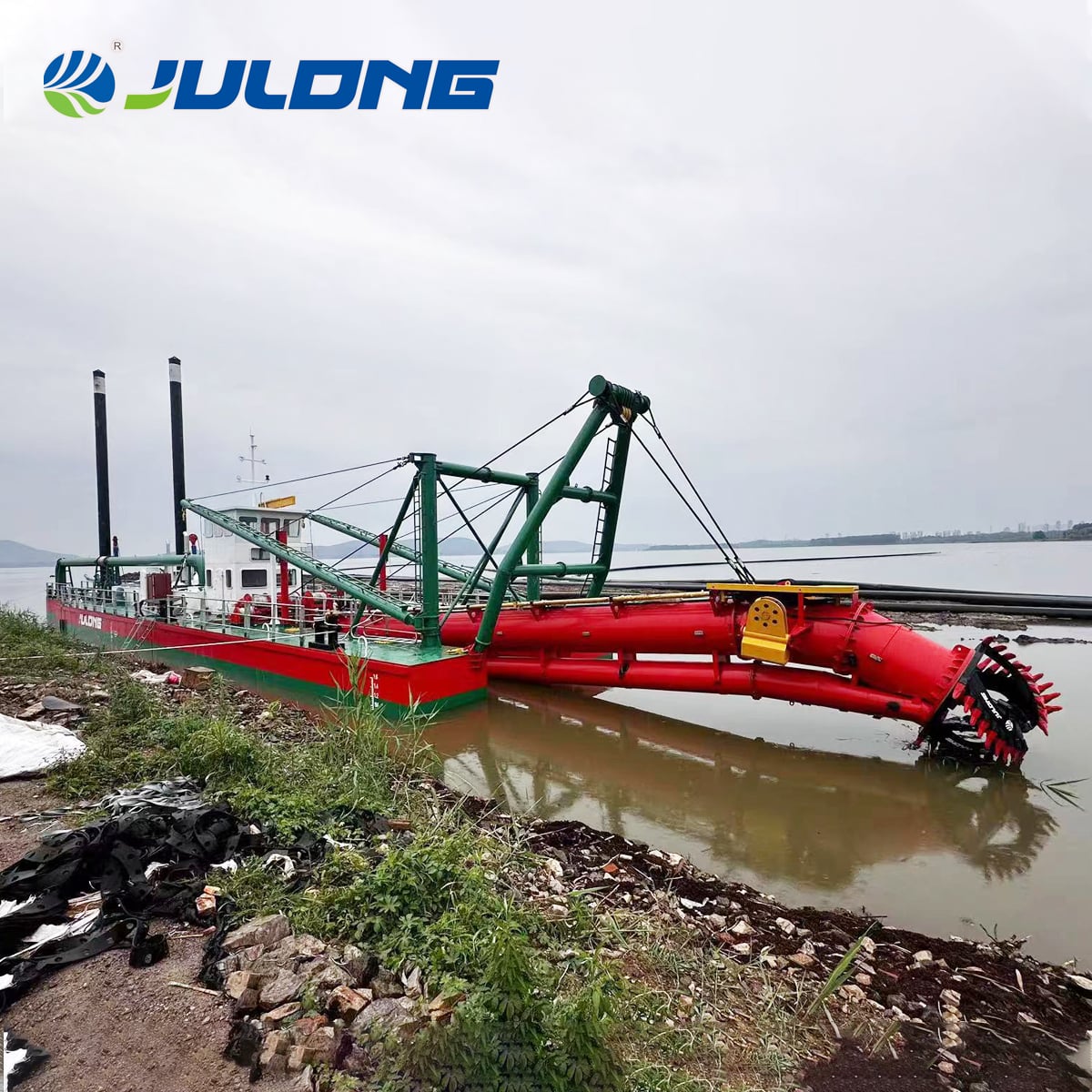
Understanding Sand Dredging: Key Specifications & Costs

application/what-is-sand-dredging, application/what-is-sand-dredging, 
Inquiry
Inquiry

What is sand dredging

Understanding sand dredging is essential for industries involved in construction, mining, and environmental management. Sand dredging involves the extraction of sand from water bodies, such as rivers, lakes, and ports, to meet various construction and industrial needs. Buyers, including purchasing managers and project engineers, often seek to understand the technical specifications, cost factors, and common challenges associated with sand dredging to make informed purchasing decisions. This article will provide insights into key specifications, budget considerations, challenges, and best practices for sand dredging projects. 

What to Know

What to Know

Before purchasing a sand dredger, buyers should familiarize themselves with the different types available and their respective applications. 

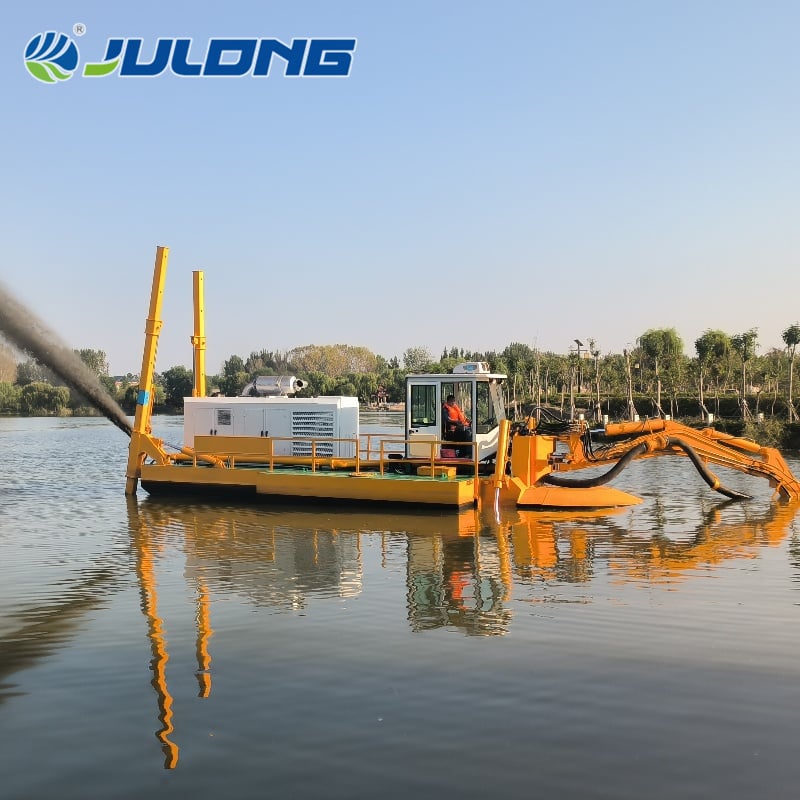
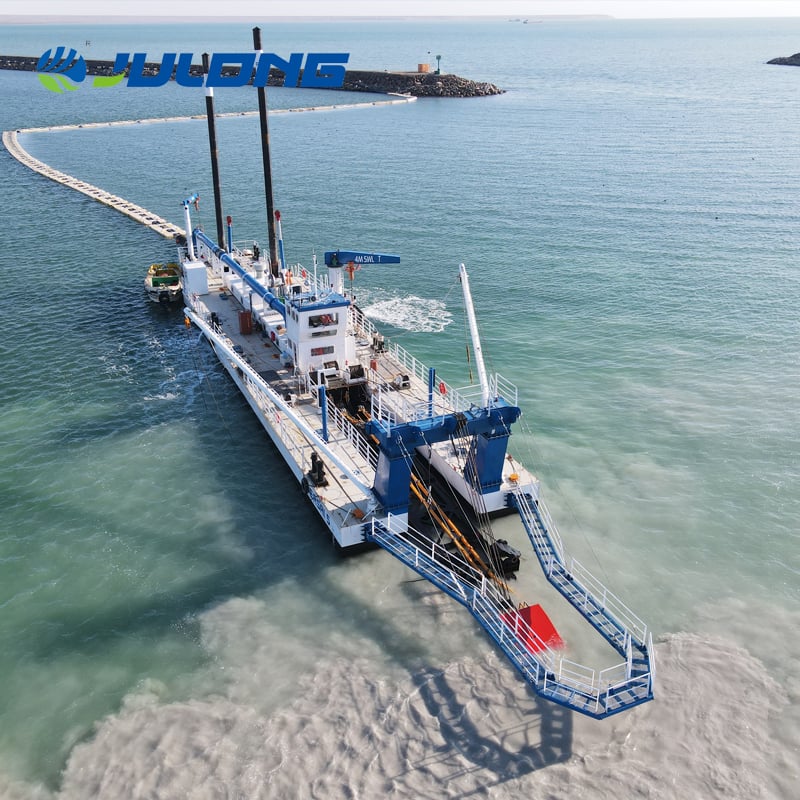
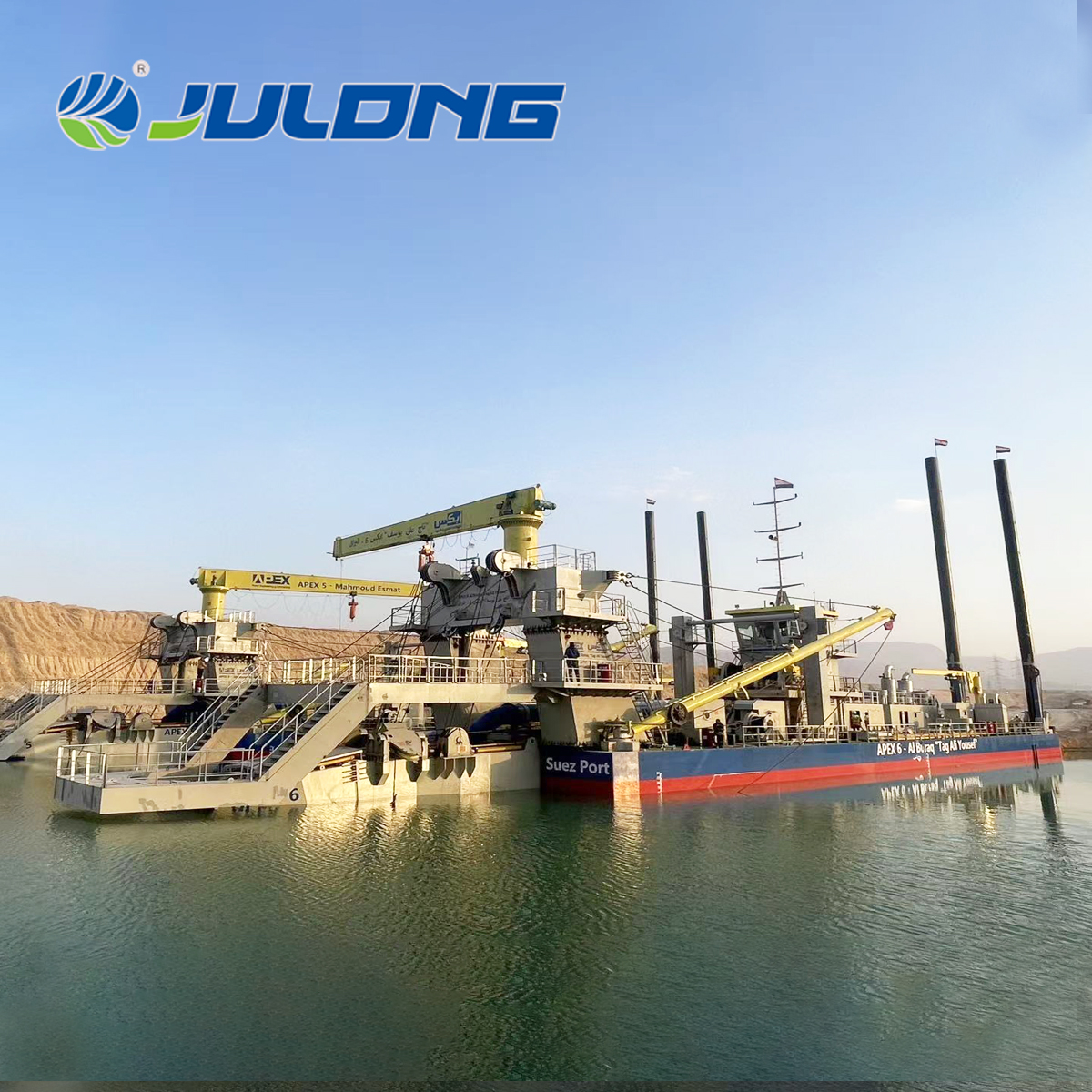
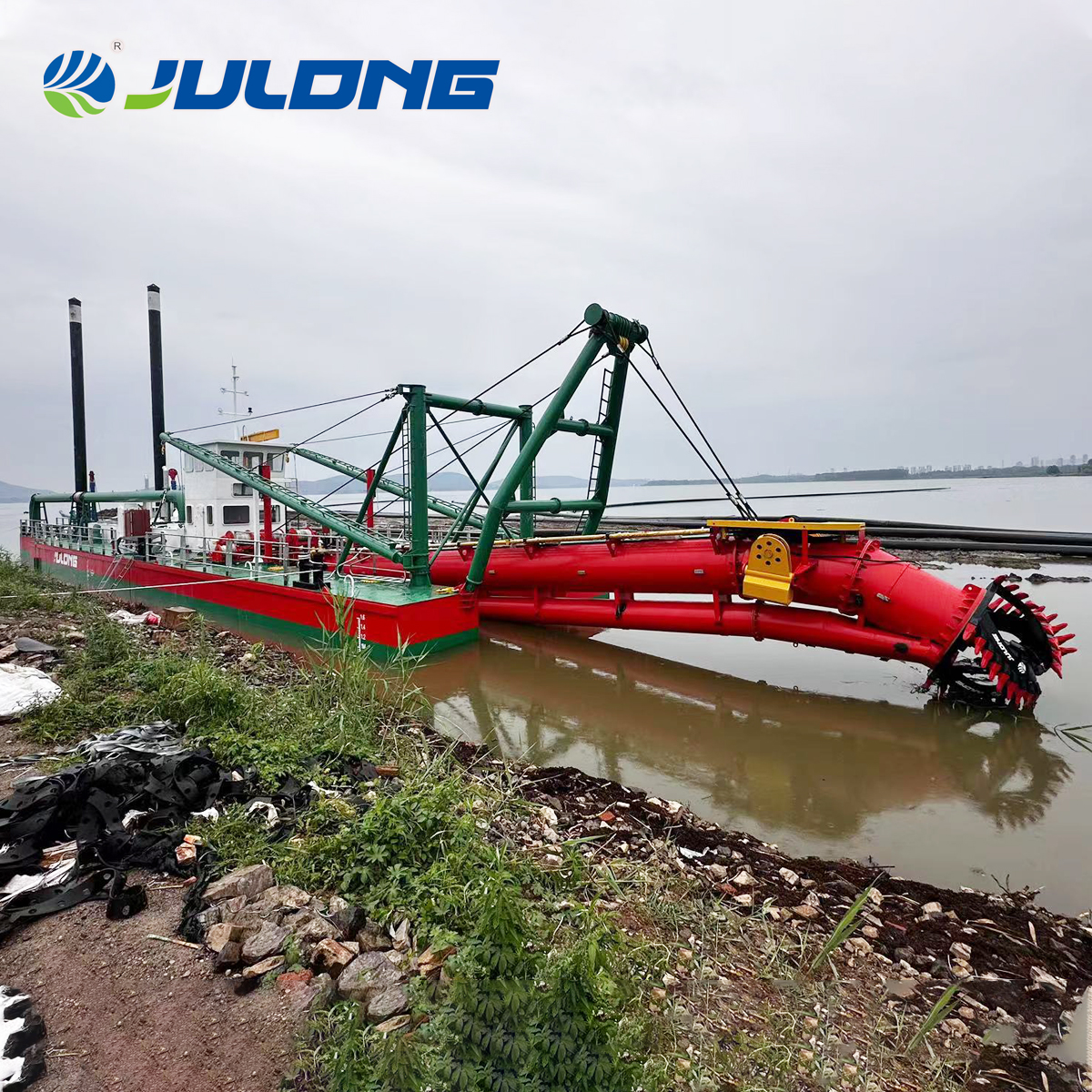
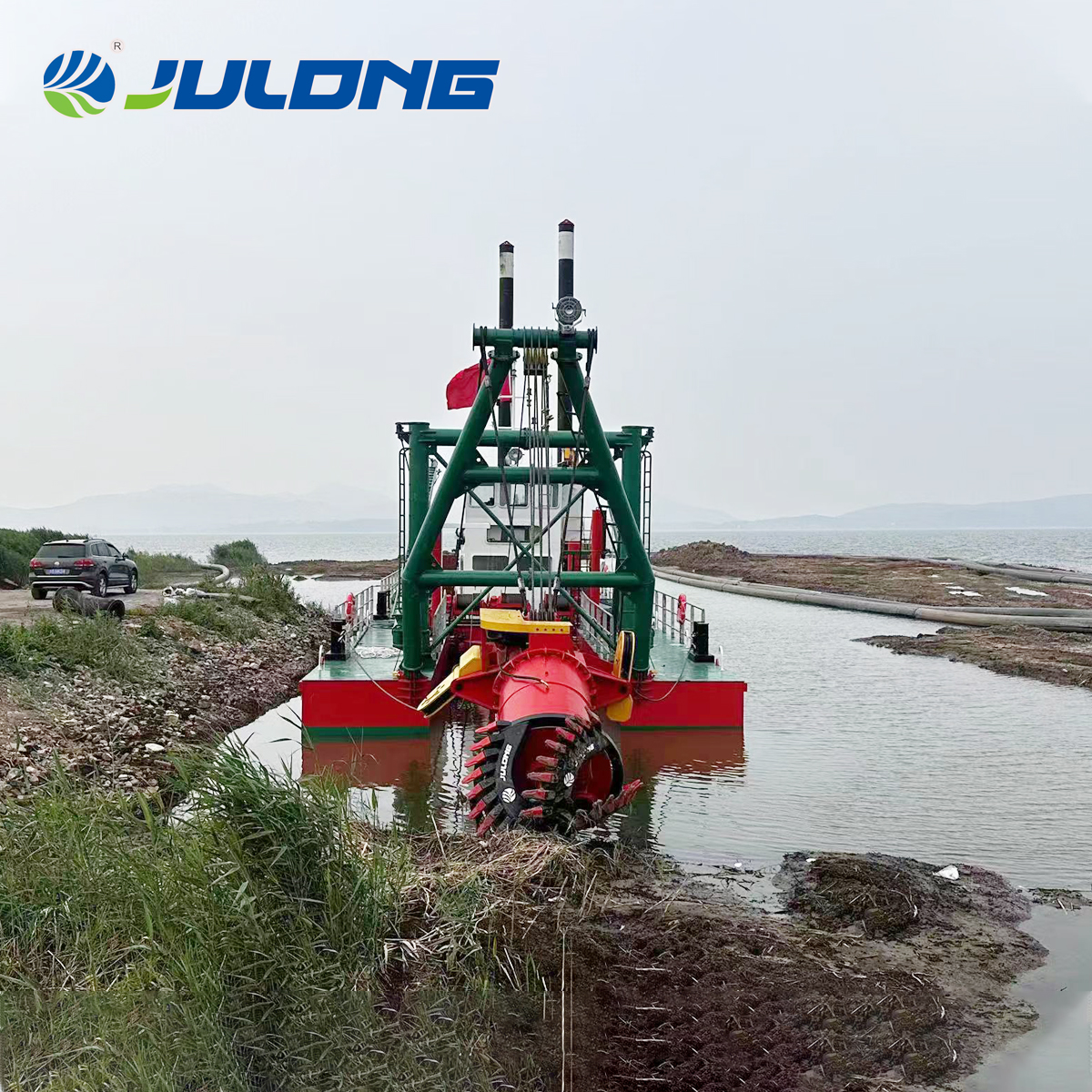
Cutter Suction Dredgers: Ideal for deep water bodies, these use a rotating cutter to loosen material, which is then suctioned into a pump. They are effective for hard materials and offer precise dredging capabilities. 

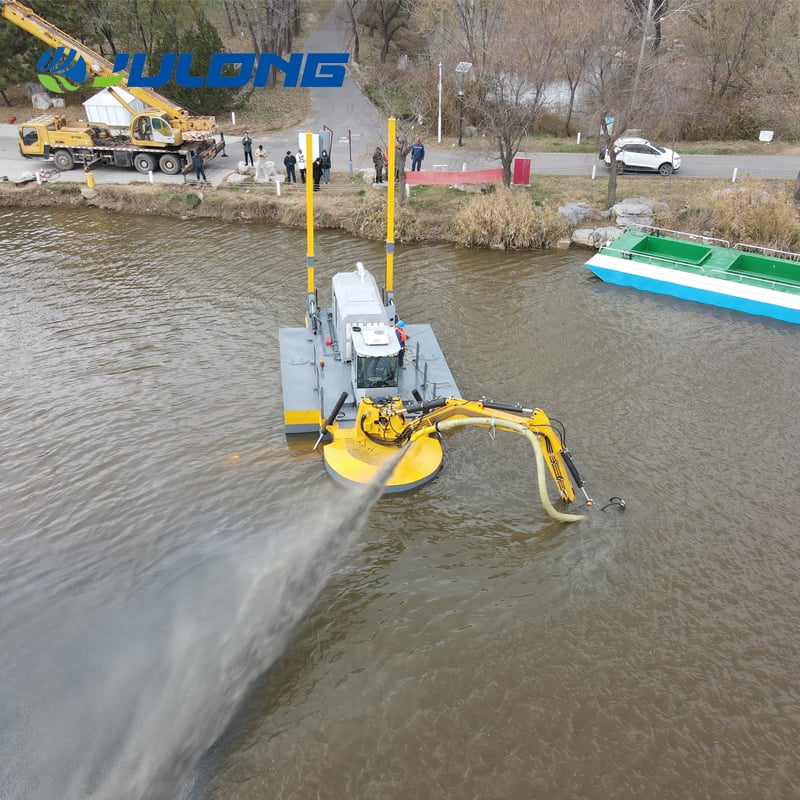
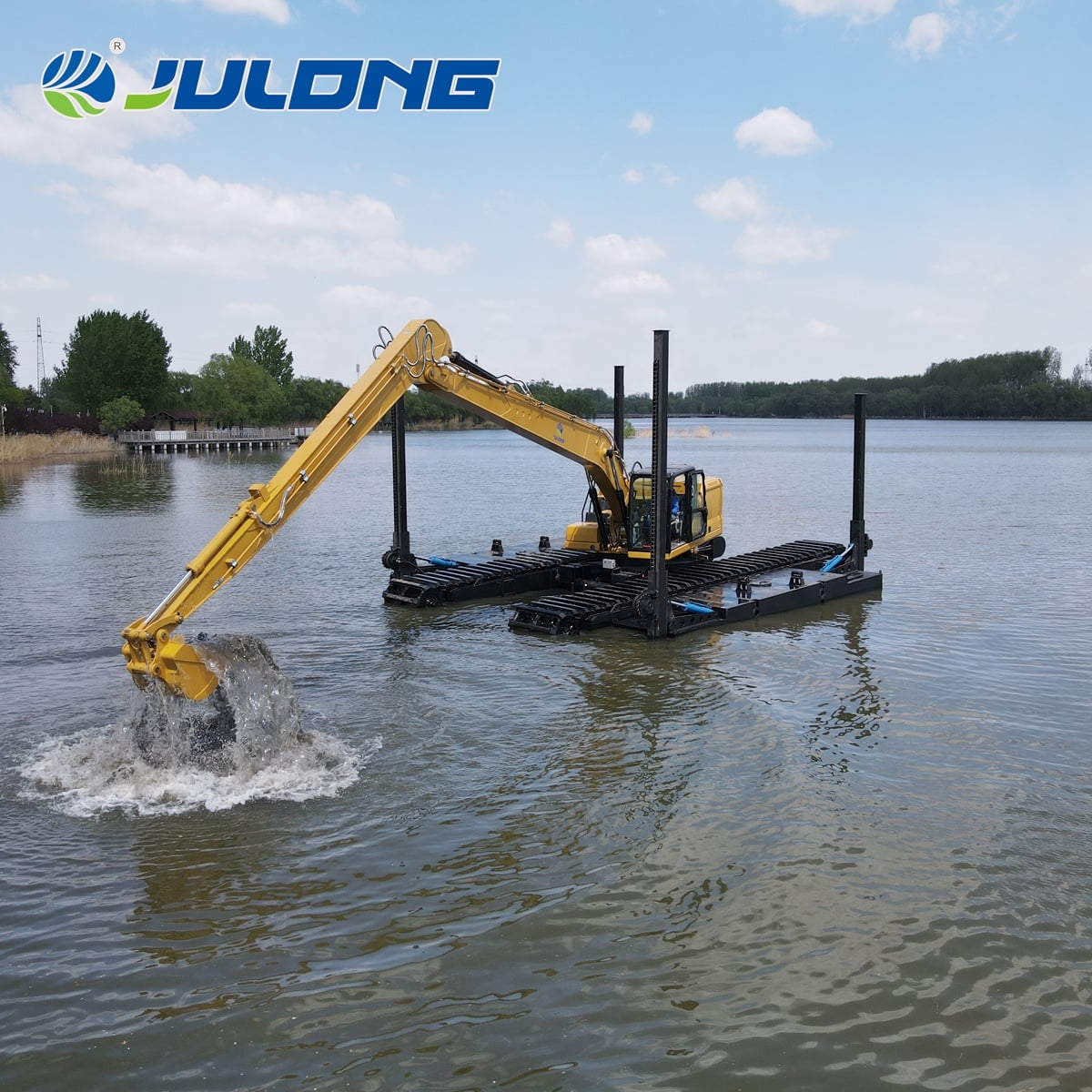
Amphibious Dredgers: These versatile dredging equipment can operate on land and water, making them suitable for wetland restoration and construction in shallow waters.  

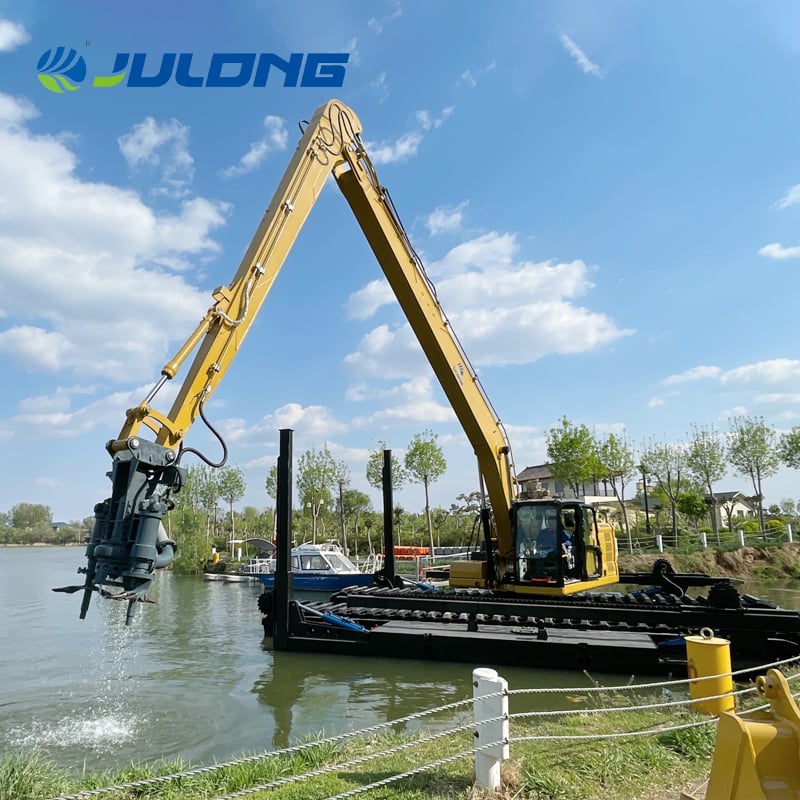
Excavators: While not traditional dredgers, specialized excavators can be used in sand dredging projects, particularly in areas where precision is required. 

Additionally, understanding operational factors such as local regulations, environmental impact assessments, and necessary permits can streamline the purchasing process and ensure compliance with local laws. 

Cost Factors to Consider When Budgeting for Sand Dredging Projects

Cost Factors to Consider When Budgeting for Sand Dredging Projects

The cost of sand dredging projects can vary significantly based on several factors: 

Equipment Costs: The initial purchase price of the dredger is a significant factor. Buyers should compare models based on specifications, features, and manufacturer reputation to ensure they are getting value for their investment. 

Operating Costs: These include fuel expenses, maintenance, and labor costs. Fuel consumption can vary based on engine type and dredging conditions, while regular maintenance is crucial for prolonging the dredger's lifespan and ensuring operational efficiency. 

Logistics and Transportation: If the dredger needs to be transported to different sites, logistics costs should be factored into the budget. This includes loading, unloading, and any necessary modifications for transport. 

Permitting and Environmental Compliance: Costs for obtaining necessary permits and conducting environmental assessments should be included in the overall project budget. Non-compliance can lead to significant fines and project delays. 

Project Duration: The estimated time to complete the dredging project will also affect costs. Longer projects may incur higher labor and operational expenses, so accurate scheduling and planning are essential. 

By carefully assessing these cost factors, buyers can create a realistic budget that accommodates both the initial investment and ongoing operational costs. 

Common Challenges in Sand Dredging and Effective Solutions

Common Challenges in Sand Dredging and Effective Solutions

Sand dredging projects can encounter several challenges that may impact efficiency and project timelines. 

Environmental Regulations: Navigating environmental regulations can be complex. Buyers should engage with environmental consultants to ensure compliance with all local laws and minimize the risk of fines or project halts. 

Equipment Downtime: Equipment failure can result in costly delays. Regular maintenance and having access to spare parts can mitigate this risk. Additionally, buyers should consider purchasing from manufacturers that offer comprehensive support and service agreements. 

Material Variability: Dredging in areas with variable material types can complicate operations. It’s crucial to conduct pre-dredging surveys to understand the composition of the sediment to choose the right dredger and adjust dredging techniques accordingly. 

Safety Risks: Sand dredging can pose safety risks to operators and the environment. Implementing a robust safety protocol, including operator training and emergency preparedness measures, can help mitigate these risks. 

By anticipating these challenges and preparing effective solutions, buyers can enhance the success rate of their sand dredging projects. 

Best Practices

To optimize sand dredging operations, consider the following best practices: 

Conduct Thorough Site Assessments: Before starting a project, conduct comprehensive site assessments to understand the dredging environment, sediment types, and any potential obstacles. 

Select the Right Equipment: Choose dredgers based on specific project requirements, including dredging depth, material type, and environmental considerations. Consulting with experienced manufacturers can provide valuable insights into the best equipment for your needs. 

Implement a Maintenance Schedule: Regular maintenance is critical for ensuring dredging machine reliability and performance. Establish a routine maintenance schedule and ensure operators are trained in basic maintenance tasks. 

Monitor Environmental Impact: Continuously monitor the environmental impact of dredging activities. This includes assessing water quality and biodiversity in the surrounding areas to ensure compliance with regulations and minimize ecological disruption. 

Engage Skilled Operators: Employing skilled operators familiar with dredging technologies and environmental practices is essential for achieving project goals efficiently and safely. 

By following these best practices, buyers can enhance the effectiveness of their sand dredging projects while ensuring compliance and operational efficiency. 

Key Specifications to Consider When Purchasing Sand Dredgers

When considering a sand dredger, several key specifications should be evaluated to ensure the equipment meets operational needs. 

Dredging Depth and Width: The dredging depth defines how deep the dredger can operate, while the width affects how much material can be excavated in a single pass. For instance, a cutter suction dredger is often preferred for deeper and narrower channels, whereas an amphibious dredger excels in shallow, marshy areas. 

Pump Capacity: This refers to the volume of material that the dredger can pump per hour, typically measured in cubic meters. A higher capacity allows for more efficient operations and reduced project time. 

Power and Engine Specifications: The engine type and power output are crucial for determining the dredger's efficiency and operational capabilities. The choice between diesel and electric engines may depend on site requirements, availability of power sources, and environmental regulations. 

Material Handling System: The dredger's ability to handle different types of materials, such as gravel or silt, is essential. Buyers should consider the type of material to be dredged and choose a dredger that can effectively manage those specific characteristics. 

Durability and Materials: The construction materials of the dredger significantly impact its lifespan and maintenance requirements. High-quality steel and corrosion-resistant coatings are often preferred for longevity in harsh environments. 

Understanding these specifications will help buyers select a sand dredger that aligns with their operational objectives and site conditions. 

Frequently Asked Questions

What is sand dredging?

Sand dredging is the process of removing sand and sediments from waterways using specialized equipment to deepen channels, reclaim land, or manage sedimentation for navigation and environmental purposes.
We supply cutter suction dredgers, amphibious dredgers, and excavators designed for river, lake, and port sand dredging projects.
Ideal for channel maintenance, port deepening, land reclamation, beach nourishment, and sediment control in rivers, lakes, and coastal areas.
ISO and CE certifications and our 12,000 m² facility ensure quality manufacturing, testing, and reliable production of durable, efficient dredging equipment.
Yes. We have experience serving 93 countries and provide technical support, customization, and after-sales service for global sand dredging projects.

Get a Free Quote

Our representative will contact you soon.
0/1000