Understanding Dredging for River Projects

application/what-is-dredging-a-river, application/what-is-dredging-a-river, 
Inquiry
Inquiry

What is dredging a river

Dredging a river involves the excavation and removal of sediment and debris from the riverbed to maintain or enhance navigability, improve water quality, and support various ecological and commercial activities. For B2B buyers, understanding what dredging entails, along with the right equipment and processes, is crucial in making informed purchasing decisions. This article will delve into the applications of dredging equipment, common challenges faced by contractors, how to source reliable equipment, installation guidance, and options for wholesale orders.

Common Dredging Challenges and Effective Solutions for Contractors

Common Dredging Challenges and Effective Solutions for Contractors

Contractors face several challenges in dredging projects, including sediment composition, environmental regulations, and logistical issues. Understanding the sediment's physical and chemical properties is crucial, as it influences the choice of dredging equipment and methods. For instance, heavy clay or rocky sediments may require more robust dredgers compared to softer silt. 

Environmental regulations often dictate the methods and materials used in dredging. Contractors must ensure compliance with local, national, and international standards to avoid costly penalties and project delays. Engaging with environmental consultants early in the project can help navigate these complexities effectively. 

Another common challenge is coordinating equipment logistics. Dredging projects often occur in remote locations, requiring careful planning for the transport and assembly of suction dredging equipment. It’s advisable for contractors to establish a timeline and a comprehensive plan that includes transportation, equipment setup, and operational phases to mitigate delays.

Where to Source Reliable Dredging Equipment Suppliers Worldwide

Where to Source Reliable Dredging Equipment Suppliers Worldwide

Finding a reliable supplier for dredging equipment is crucial for successful project execution. Buyers should look for manufacturers that have a proven track record in the industry, such as Qingzhou JULONG Environmental Technology Co., Ltd., which specializes in cutter suction dredgers and amphibious dredgers. 

When sourcing suppliers, consider the following criteria: 

Certifications: Ensure that the supplier has relevant certifications, such as ISO or CE, which indicate compliance with quality and safety standards. 

Product Range: A diverse product range allows buyers to find equipment that meets specific project needs, from small excavators for minor projects to large dredgers for extensive operations. 

Customer Support: Reliable manufacturers provide robust customer support, including installation assistance, maintenance guidance, and troubleshooting. 

Export Experience: Suppliers with experience in international markets can provide insights into local regulations and logistical considerations, facilitating smoother transactions. 

Engaging with suppliers at trade shows or industry conferences can also help buyers establish connections and evaluate equipment firsthand.

Installation Guidance for Dredging Equipment in River Projects

Installation Guidance for Dredging Equipment in River Projects

Proper installation of dredging equipment is vital for ensuring operational efficiency and safety. Before installation, buyers should: 

Site Assessment: Conduct a thorough assessment of the installation site, considering factors such as water depth, sediment type, and surrounding infrastructure. 

Equipment Preparation: Ensure all equipment is in optimal condition and that operators are trained for specific machinery. This includes reviewing safety protocols and operational procedures. 

Installation Plan: Develop a clear installation plan that outlines each step, from setting up the dredger to connecting necessary power sources and discharge lines. 

Testing: Before full-scale operation, conduct tests to confirm that all systems are functioning properly. This may include testing the dredging suction and discharge mechanisms to ensure they meet project specifications. 

By following these guidelines, buyers can enhance the efficiency of their small dredging equipment operations and reduce the likelihood of costly downtime.

Wholesale Options for Bulk Orders of Dredging Equipment Solutions

For businesses looking to invest in JULONG dredging equipment, wholesale options can provide significant cost savings. When considering bulk orders, buyers should keep the following factors in mind: 

Minimum Order Quantity (MOQ): Many manufacturers have an MOQ for wholesale purchases. Understanding this requirement can help buyers gauge costs and manage budgets effectively.  

Customization Needs: Wholesale orders may offer opportunities for customization, allowing buyers to tailor equipment specifications to their unique project requirements. 

Lead Time: Bulk orders often come with longer lead times due to manufacturing schedules. Buyers should communicate their project timelines clearly to ensure timely delivery. 

Quality Assurance: Implementing a quality control process for bulk orders is essential. This may involve requesting samples or conducting factory visits to evaluate manufacturing practices. 

Establishing a strong relationship with a reputable supplier can facilitate smoother negotiations and ensure consistent quality for future orders. 

understanding the intricacies of dredging a river — from equipment selection to installation and sourcing — is essential for B2B buyers. By considering the various applications, challenges, and supplier options, buyers can make informed decisions that lead to successful project outcomes.

Applications for River Projects and Beyond

Dredging serves multiple purposes across various industries. In river projects, it is primarily focused on maintaining navigational channels for shipping and boating, enhancing flood control, and restoring habitats for aquatic life. Dredging is also essential in environmental remediation, where it helps to remove contaminated sediments that threaten water quality. 

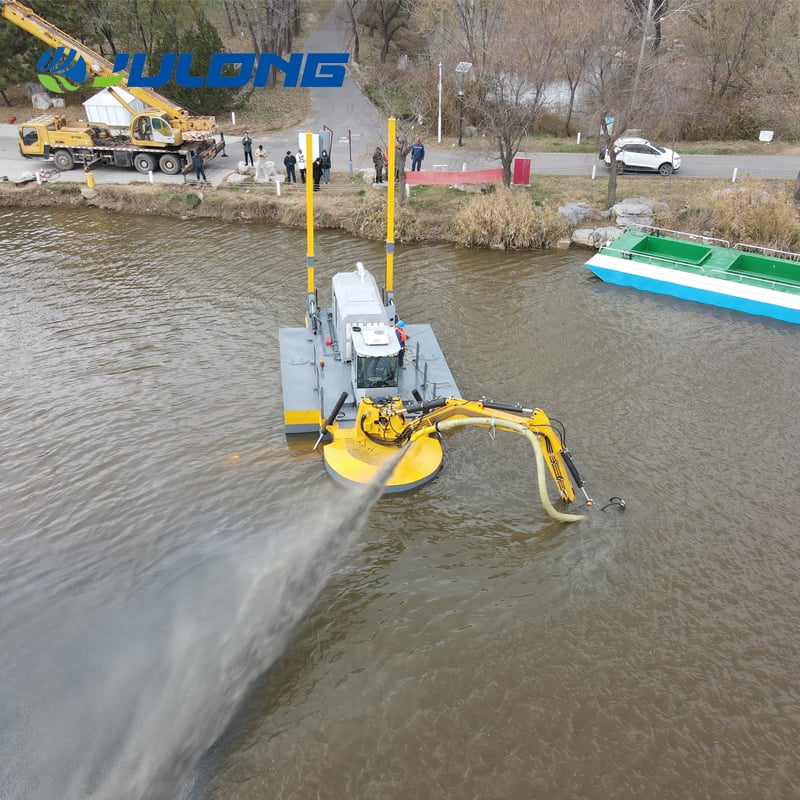
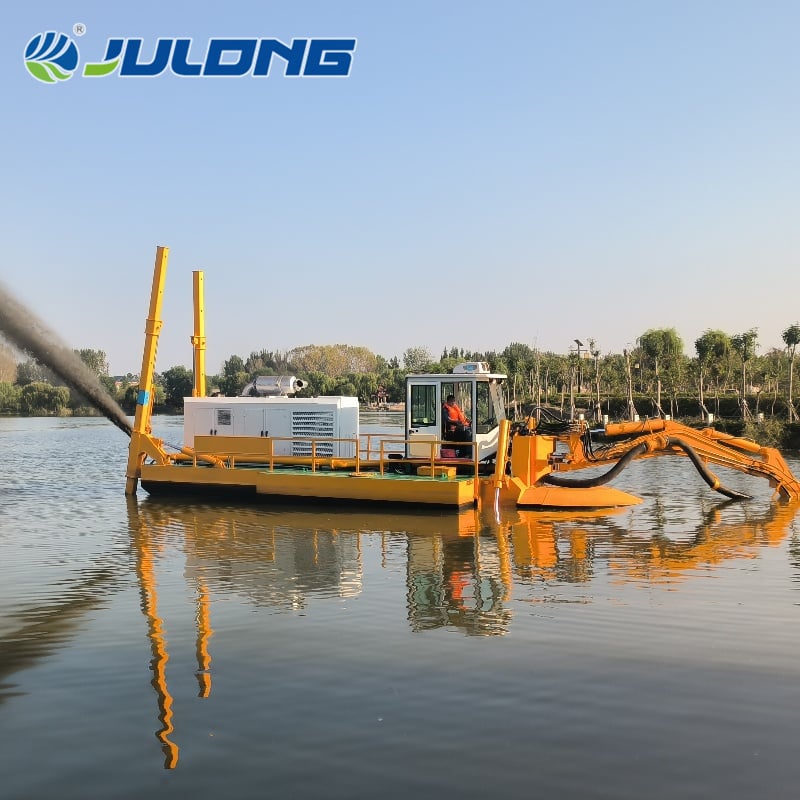
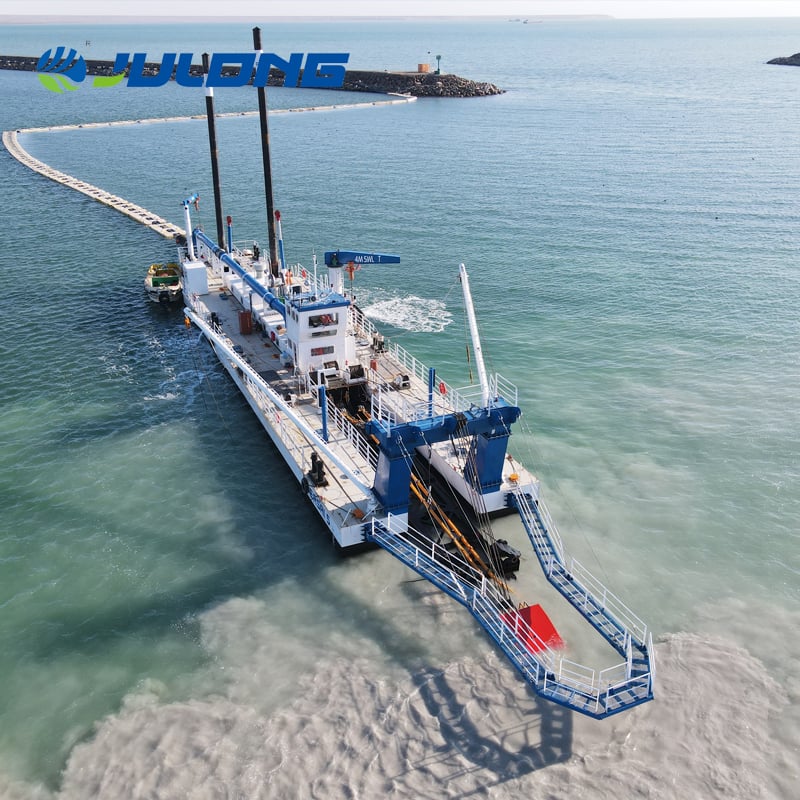
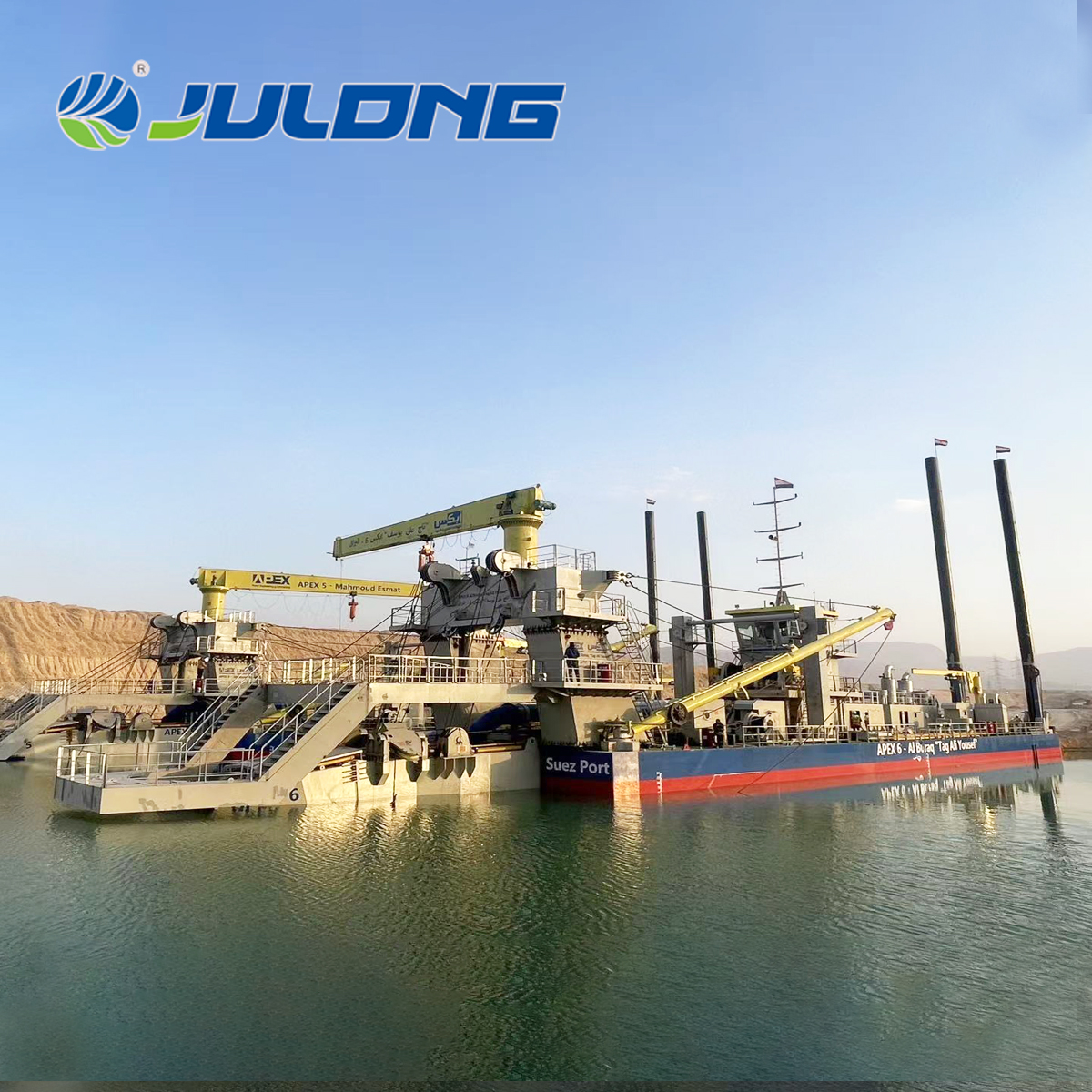
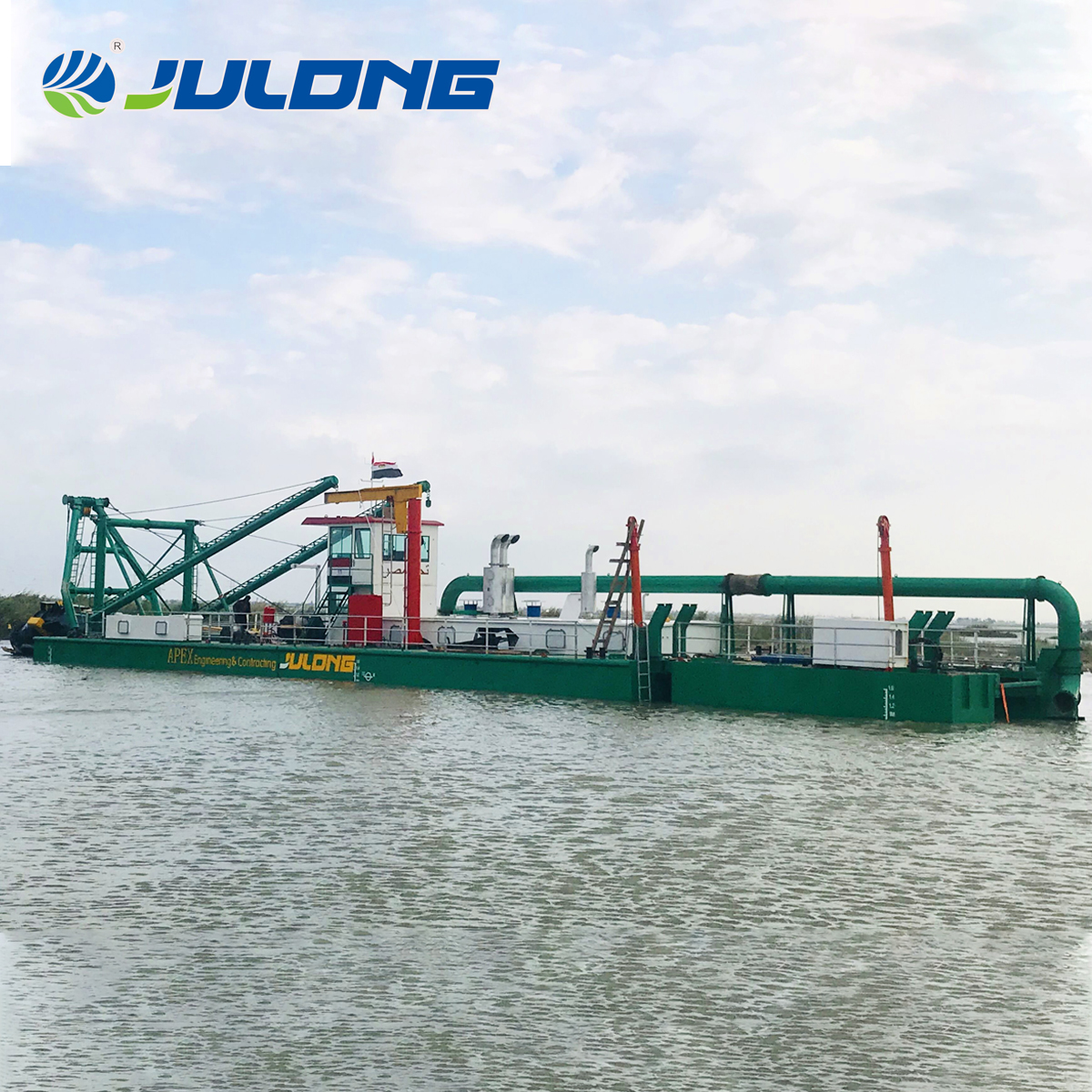
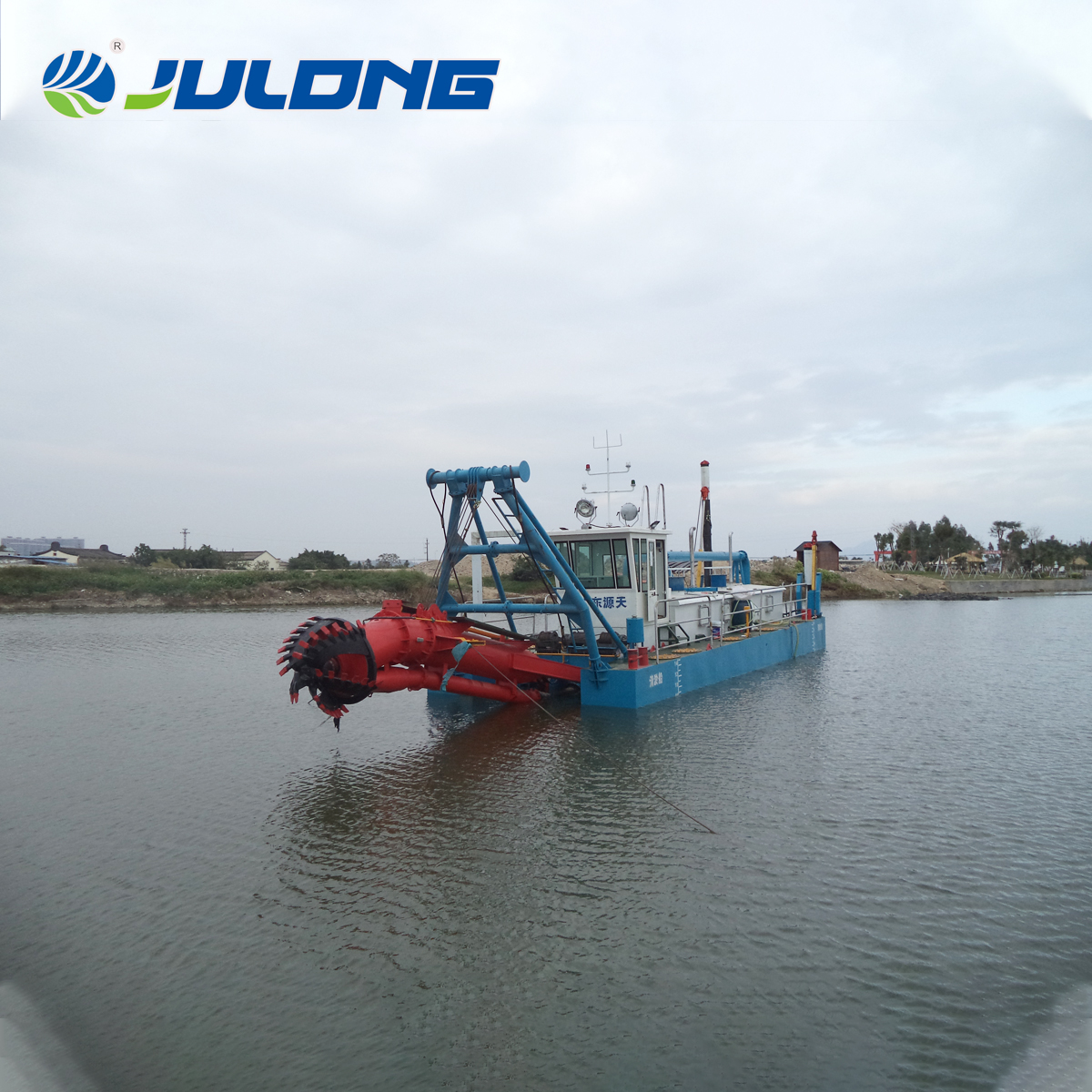
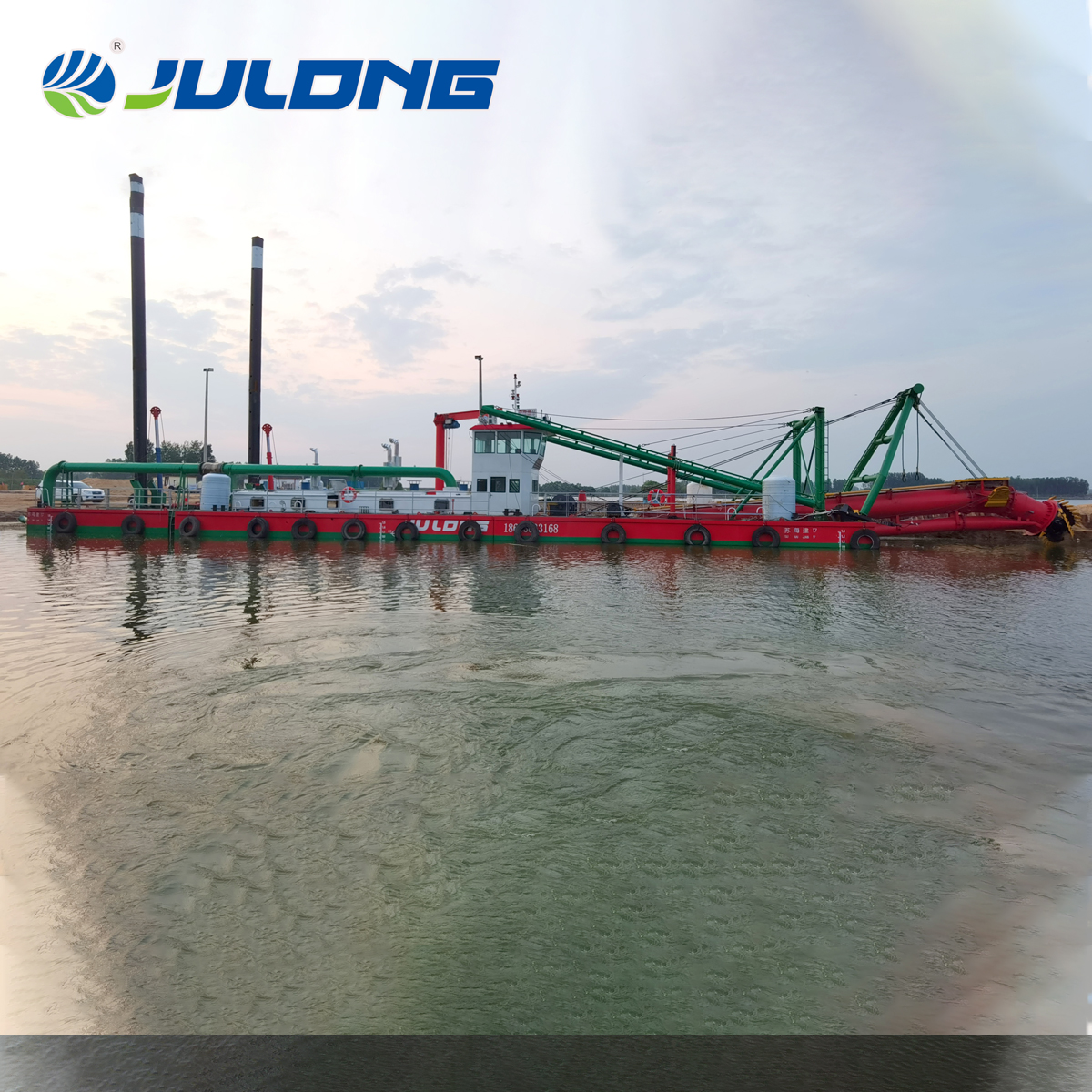
For example, JULONG cutter suction dredgers are commonly used in river dredging projects due to their efficiency and precision in removing sediment. These machines cut into the riverbed, sucking up the material and transporting it to a designated location. Their design allows them to operate in shallow and deep waters, making them versatile for different project scales. 

Additionally, dredging can be pivotal in construction projects, such as building bridges and docks, where it is essential to create stable foundations. The application of dredging technology extends to lake restoration, coastal protection, and even mining operations, where sediment removal is necessary to access valuable minerals.

Frequently Asked Questions

What does dredging a river involve?

Dredging a river removes sediment, debris and vegetation to restore depth and flow using equipment like cutter suction dredgers and amphibious excavators.
It prevents flooding, improves navigation, restores habitat, and maintains water flow and waterway capacity.
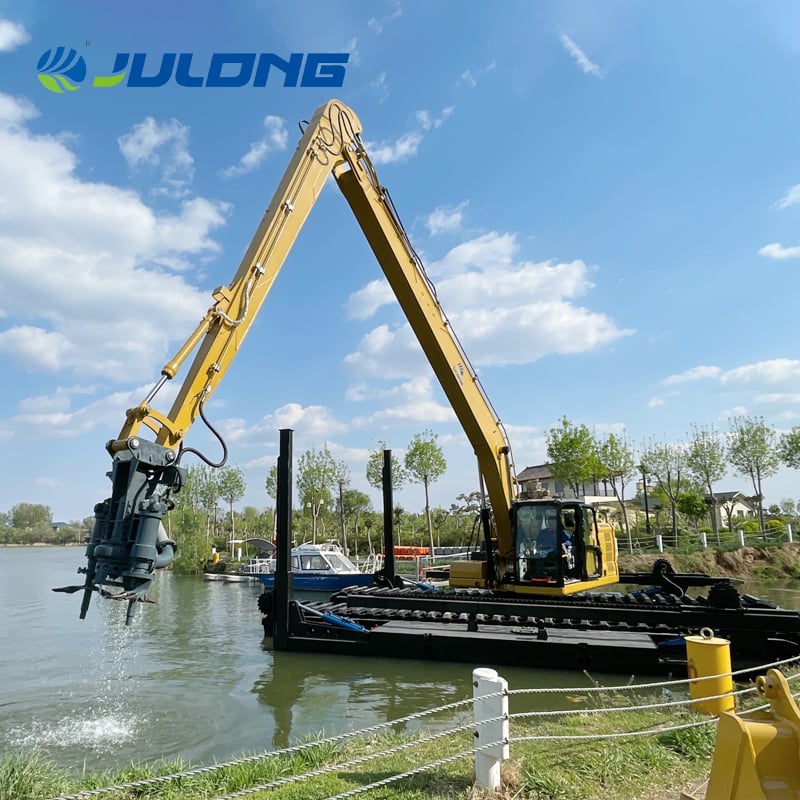
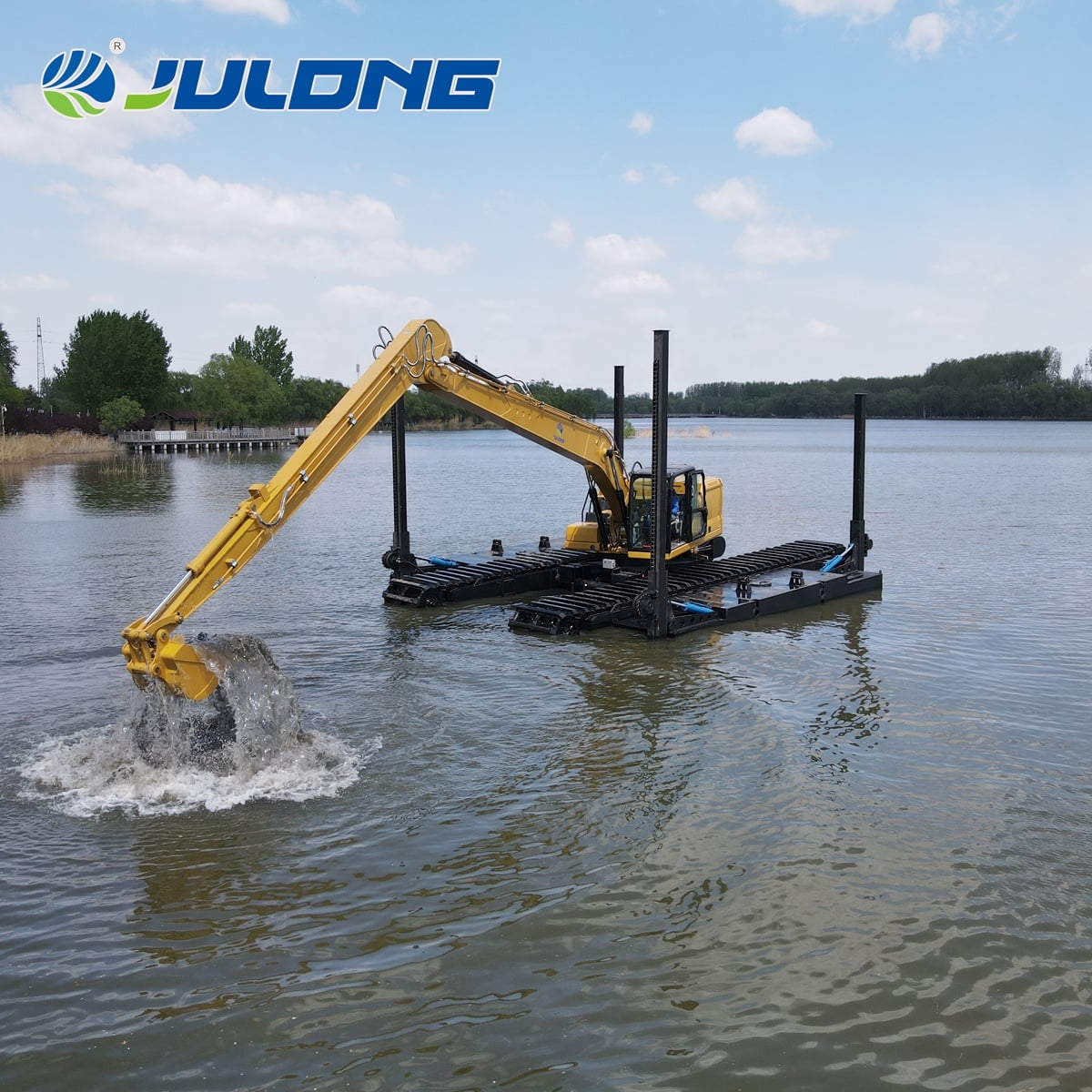
Cutter suction dredgers, amphibious dredgers and excavators are commonly used for different depths, soils and access conditions.
Select based on river depth, sediment type, access, discharge method and environmental limits; our team provides tailored recommendations.
Yes. We provide ISO/CE certified cutter suction and amphibious dredgers from a 12,000 m² facility, serving projects in 93 countries.

Get a Free Quote

Our representative will contact you soon.
0/1000