Understanding Dredge Mining: Key Features and Solutions

application/what-is-dredge-mining, application/what-is-dredge-mining, 
Inquiry
Inquiry

What is dredge mining

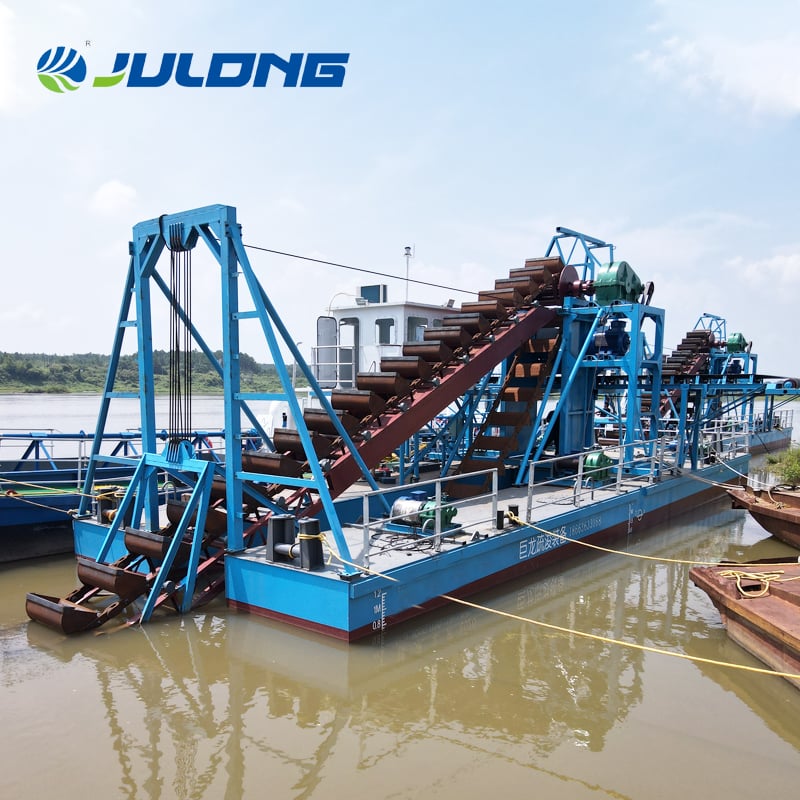
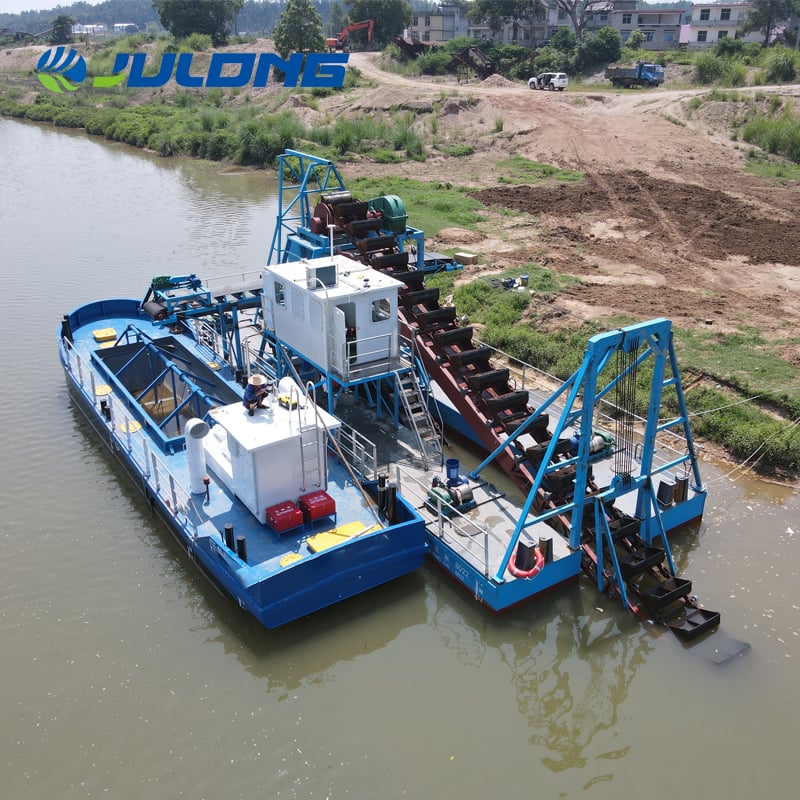
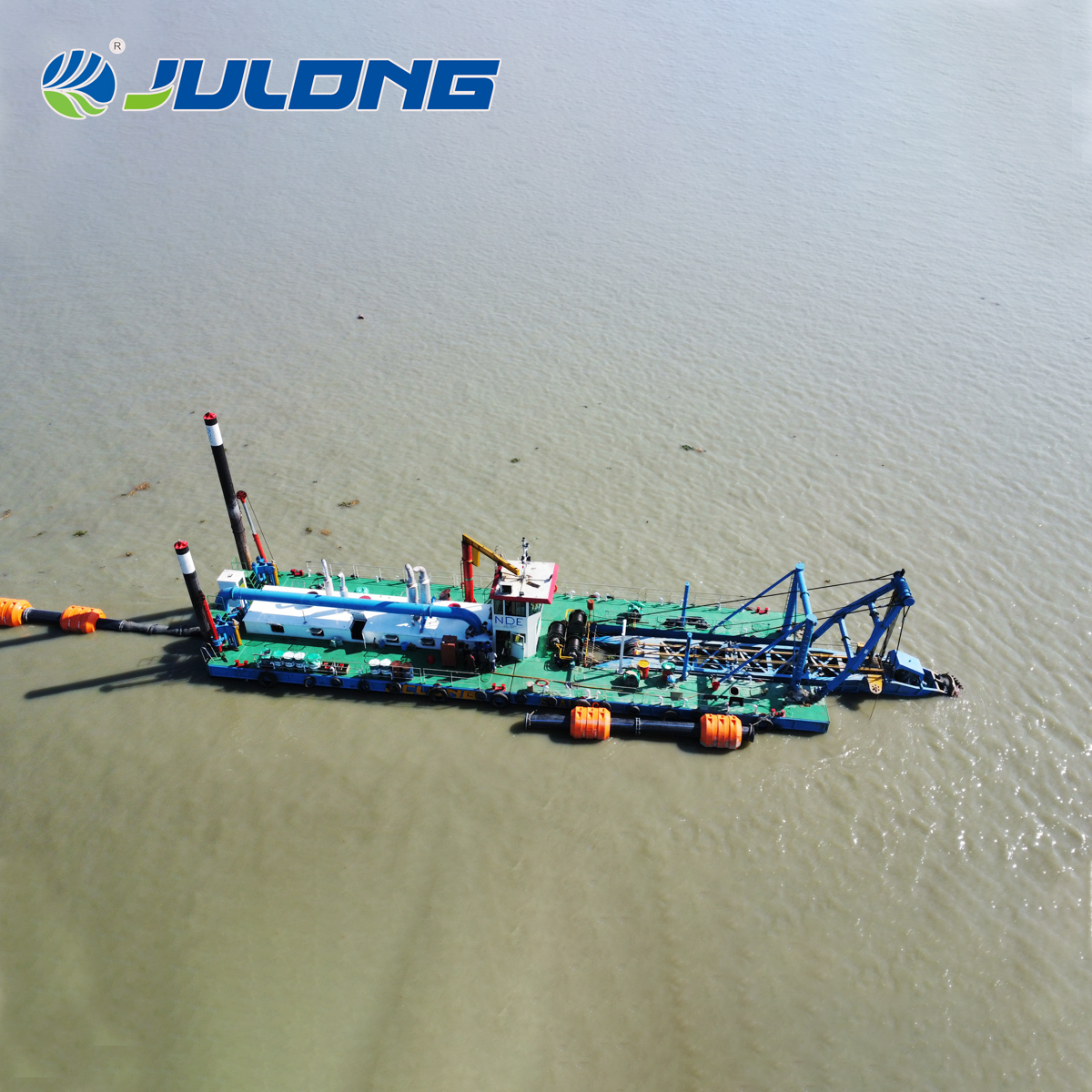
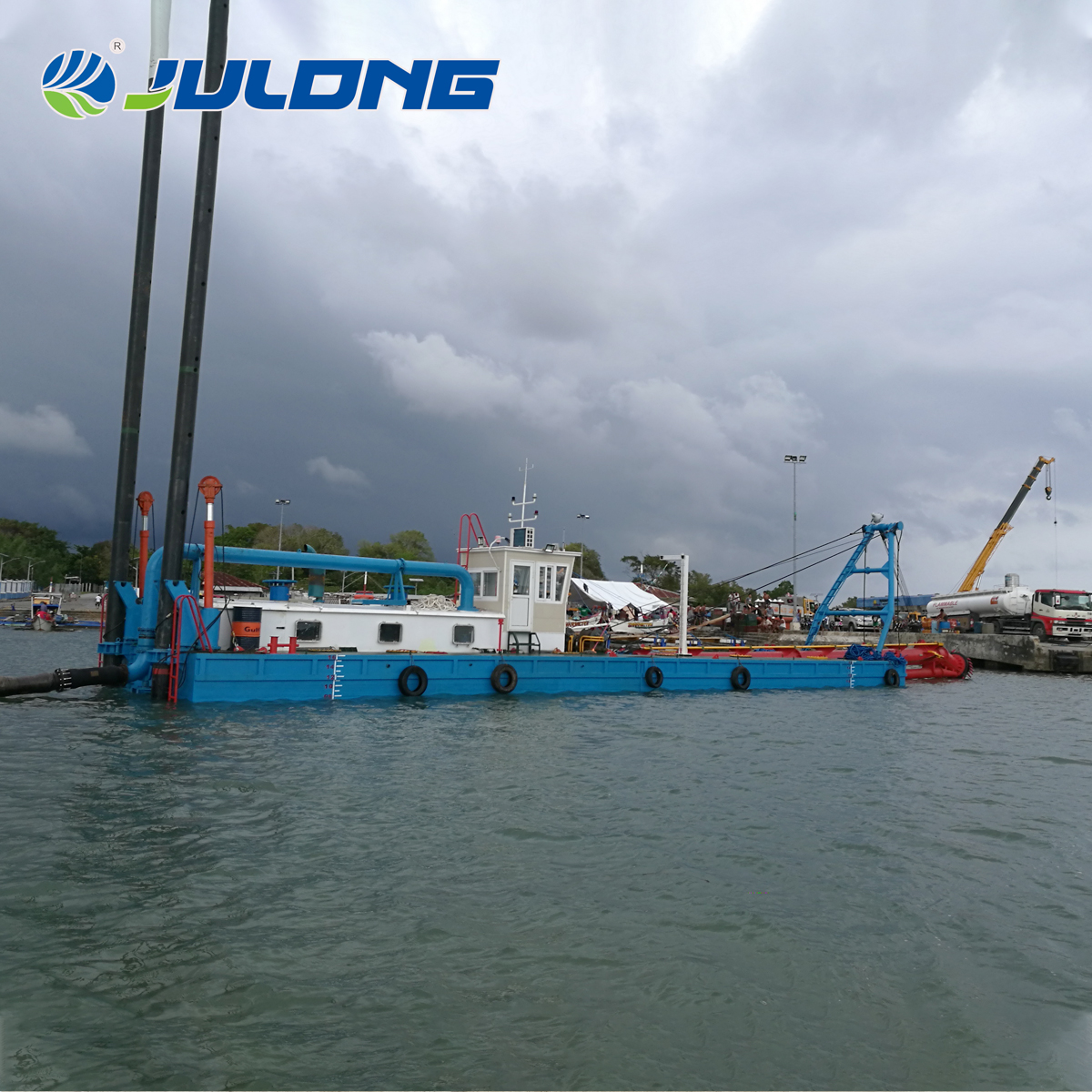
Dredge mining is a specialized method used to extract minerals and materials from underwater environments, such as rivers, lakes, and ports. This technique is particularly relevant for buyers involved in large-scale excavation projects, as it requires understanding specific equipment and operational factors. For purchasing managers, engineers, and product managers, knowing the intricacies of dredge mining helps in selecting the right machinery and ensuring efficient project execution. This article will delve into the essential features of dredge mining equipment, common problems faced during operations, and the importance of dredge mining in environmental projects. 

Common Problems in Dredge Mining and Effective Solutions

Common Problems in Dredge Mining and Effective Solutions

Dredge mining, while effective, can present several challenges: 

Equipment Malfunctions: Common issues include pump blockages and cutter head wear. Regular maintenance and employing high-quality components can mitigate these risks. For example, using wear-resistant materials for cutter heads can extend their life. 

Environmental Impact: Dredging can disrupt local ecosystems. Implementing best practices, such as sediment control measures and conducting environmental assessments prior to operations, helps minimize adverse effects. 

Regulatory Compliance: Navigating local regulations can be complex. Buyers should ensure they understand the legal requirements associated with dredging operations in their region, which can differ significantly. 

Supply Chain Delays: Delays in sourcing parts can halt operations. Establishing relationships with reliable suppliers and maintaining an inventory of critical components can prevent downtime. 

Operator Training: Improper handling of dredging equipment can lead to accidents and inefficiencies. Investing in comprehensive training for operators ensures safe and effective equipment use. 

What Buyers Need to Know

What Buyers Need to Know

Before making a purchasing decision for dredging equipment, buyers should consider the following: 

Specifications: Understand the technical specifications that matter most for your application, such as dredging depth, pump capacity, and engine power. These factors directly affect performance in specific environments. 

Pricing Factors: Be aware of factors influencing pricing, including equipment size, customization needs, and any additional features required. Request detailed quotes that break down costs to avoid hidden fees. 

Minimum Order Quantities (MOQ): Some manufacturers may have a minimum order requirement. Clarifying this upfront will help in planning procurement and budgeting. 

Lead Time: Custom orders may have longer lead times. Discuss expected delivery timelines with suppliers to align with project schedules. 

Sample Approval: Before committing to a large order, request a sample or prototype of suction dredging. This allows buyers to assess quality and performance under actual operating conditions. 

The Role of Dredge Mining in Environmental Projects and Sustainability

The Role of Dredge Mining in Environmental Projects and Sustainability

Dredge mining plays a crucial role in various environmental projects, particularly in habitat restoration and port maintenance. Sustainable dredging practices can enhance waterway management by removing sediment build-up that affects navigation and aquatic ecosystems. 

Habitat Restoration: Dredging is often employed to restore habitats by removing contaminated sediments or re-establishing waterways. This requires using specialized equipment that minimizes environmental impact. 

Sustainable Practices: Many modern dredging operations integrate technologies that reduce emissions and energy consumption. For instance, hybrid dredging vessels that utilize both diesel and electric power can lower carbon footprints significantly. 

Collaboration with Environmental Agencies: Working closely with environmental agencies ensures compliance with regulations and fosters community trust. This collaboration can lead to better project outcomes and enhanced public perception. 

Monitoring and Reporting: Implementing monitoring systems to evaluate the impact of dredging activities on local ecosystems is essential. Regular reporting can help address any issues that arise during operations. 

Best Practices

To ensure successful dredge mining operations, consider these best practices: 

Conduct Thorough Site Assessments: Before commencing dredging activities, perform detailed assessments of the site to identify potential challenges and plan accordingly. 

Invest in Quality Equipment: Choose reputable manufacturers known for producing durable, efficient dredging equipment. Equipment longevity can significantly reduce long-term costs. 

Prioritize Safety: Implement rigorous safety protocols for operators and support personnel. Regular safety drills and equipment checks can minimize accidents. 

Engage Stakeholders Early: Involve local communities and stakeholders in the planning process. Their insights can help address concerns and lead to smoother project execution. 

Stay Informed on Technology Advances: Keep abreast of advancements in dredger mining technology, which can enhance efficiency and reduce environmental impact. Regularly review and upgrade equipment as necessary. 

In summary, understanding the intricacies of dredge mining is vital for buyers involved in this field. By focusing on key equipment features, anticipating common challenges, and following best practices, organizations can ensure successful and sustainable dredging operations. 

Essential Features for Buyers

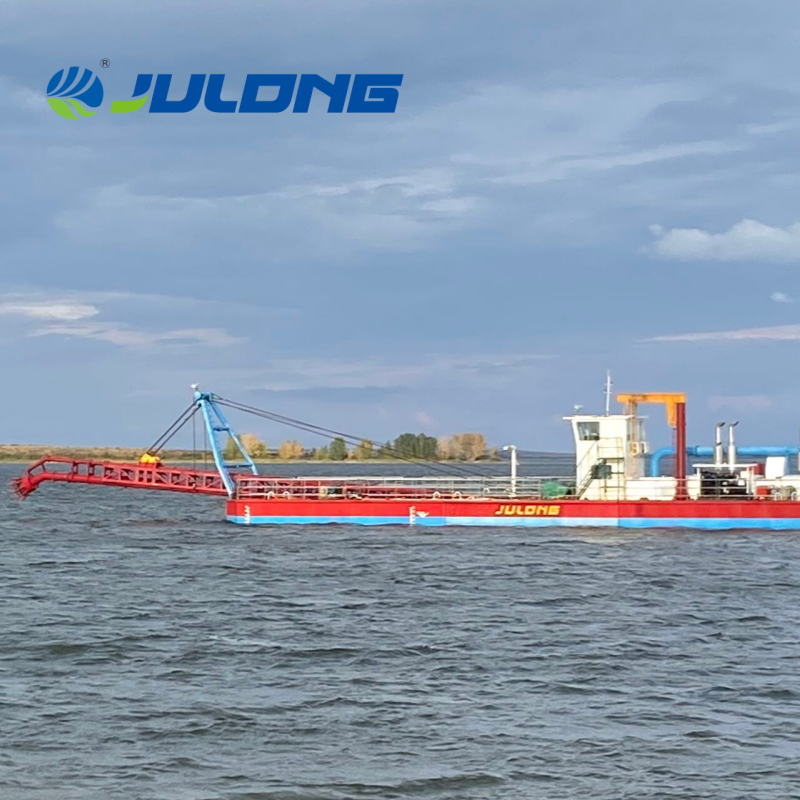
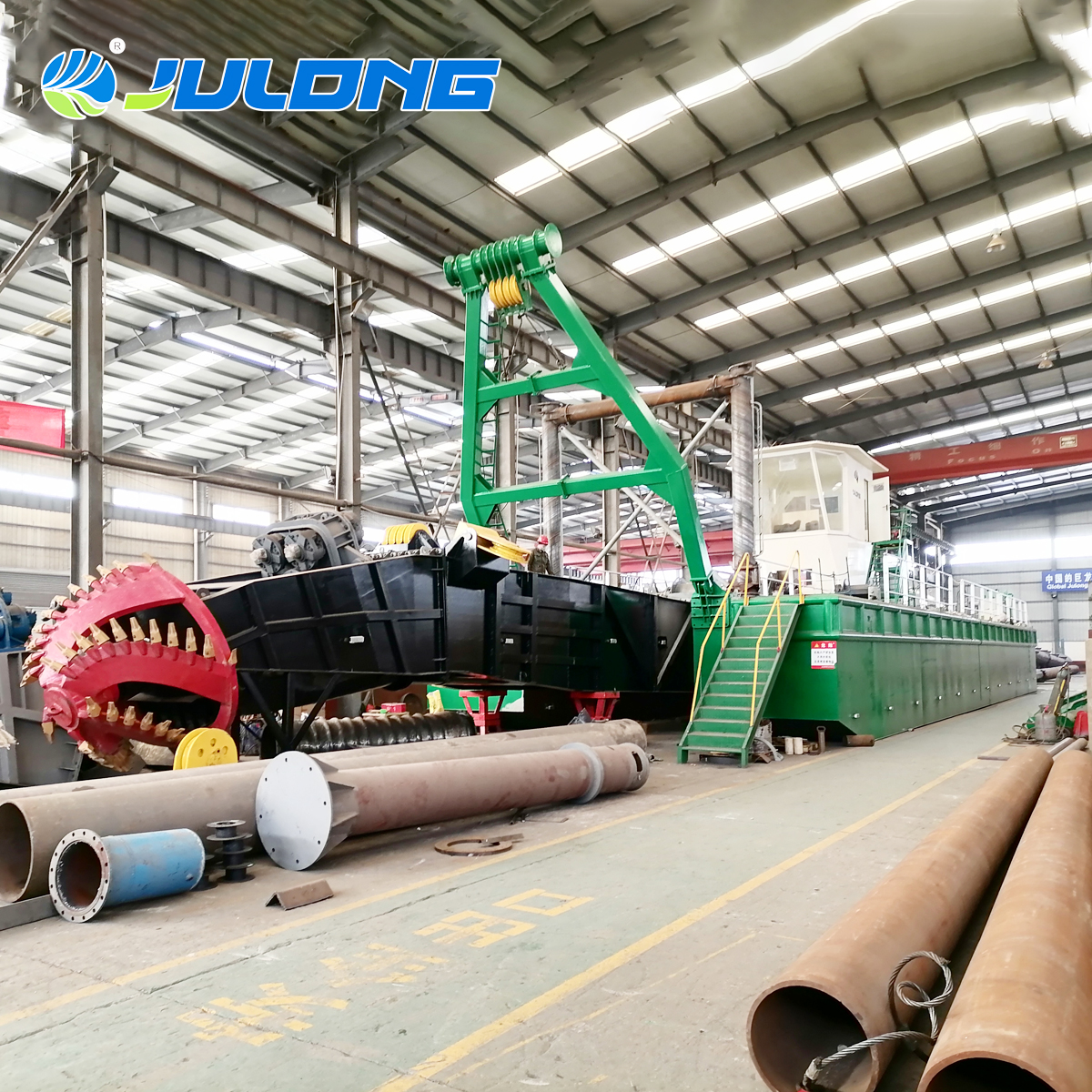
When considering dredging equipment, such as cutter suction dredgers or amphibious dredgers, buyers should focus on several key features: 

Operational Efficiency: Look for dredger machines that offer high operational efficiency. Cutter suction dredgers, for example, are designed to cut and suction material simultaneously, which can significantly reduce project time. 

Durability: Given the harsh underwater conditions, the materials used in dredging equipment should be corrosion-resistant and designed for heavy-duty use. Steel components, for instance, should have protective coatings to withstand abrasive materials. 

Customization Options: Different projects may require specific features, such as varying dredging depths or additional attachments. It’s essential to choose a manufacturer, like Qingzhou JULONG Environmental Technology Co., Ltd., that offers customization capabilities to meet unique operational needs. 

Certifications: Ensure that the equipment is certified by relevant industry standards, such as ISO and CE. These certifications provide assurance regarding quality and safety standards. 

Technical Support: Reliable technical support and easy access to spare parts can greatly influence maintenance efficiency. Choose a supplier known for robust after-sales service. 

Frequently Asked Questions

What is dredge mining and its purpose?

Dredge mining uses specialized machines to remove sediment, silt, or minerals from waterways to deepen channels, recover resources, or restore aquatic environments for navigation and construction.
Common types include cutter suction dredgers, amphibious dredgers, and excavator-mounted systems suited for different depths, substrates, and working environments.
It cuts and mixes material with a rotating cutter head, then sucks the slurry through a pipeline to a disposal or processing site, enabling continuous, efficient excavation.
River maintenance, lake restoration, port deepening, land reclamation, and sediment removal for environmental remediation and flood control.
We provide ISO/CE-certified dredging equipment built in a 12,000 m² facility, serving global projects with durable, efficient machines and technical support.

Get a Free Quote

Our representative will contact you soon.
0/1000