Understanding Suction Dredge Mining Applications

application/suction-dredge-mining, application/suction-dredge-mining, 
Inquiry
Inquiry

suction dredge mining

Suction dredge mining  is  a  critical process  used in  various industries, including construction,  environmental remediation, and mineral extraction. This technique utilizes  specialized equipment to efficiently remove sediment, debris, and minerals from  underwater environments. For contractors and purchasing managers, understanding  the  nuances  of suction  dredge mining is essential for  selecting the right equipment, ensuring  quality and durability, and identifying  reliable suppliers. This article will provide practical insights into  suction dredge mining  applications, equipment  selection, quality evaluation, sourcing suppliers, and  common  operational challenges.

How to Choose the Right Suction Dredge for Your Projec

How to Choose the Right Suction Dredge for Your Projec

Selecting the right suction dredge involves several critical  factors that will impact operational efficiency and project success. Consider the following:

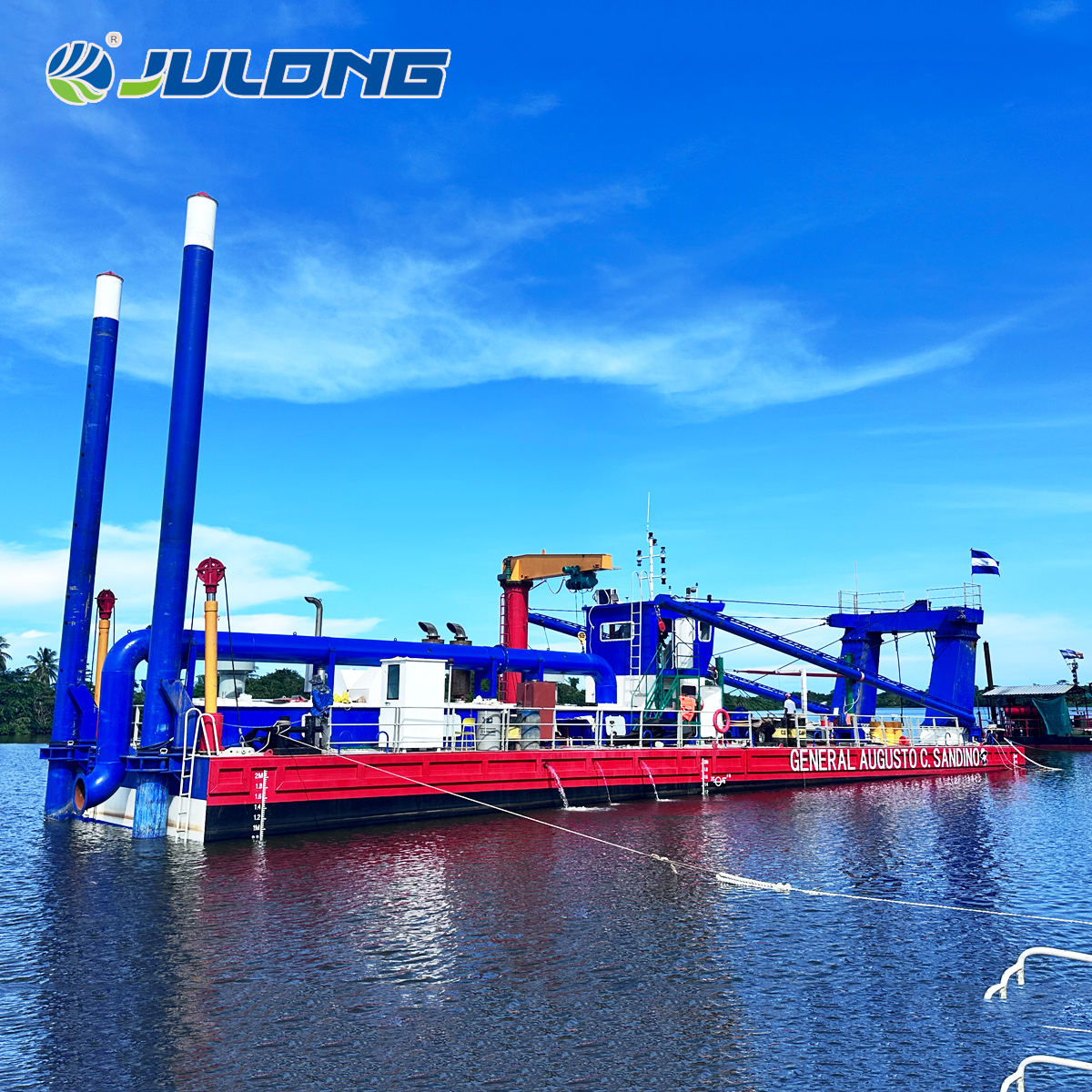
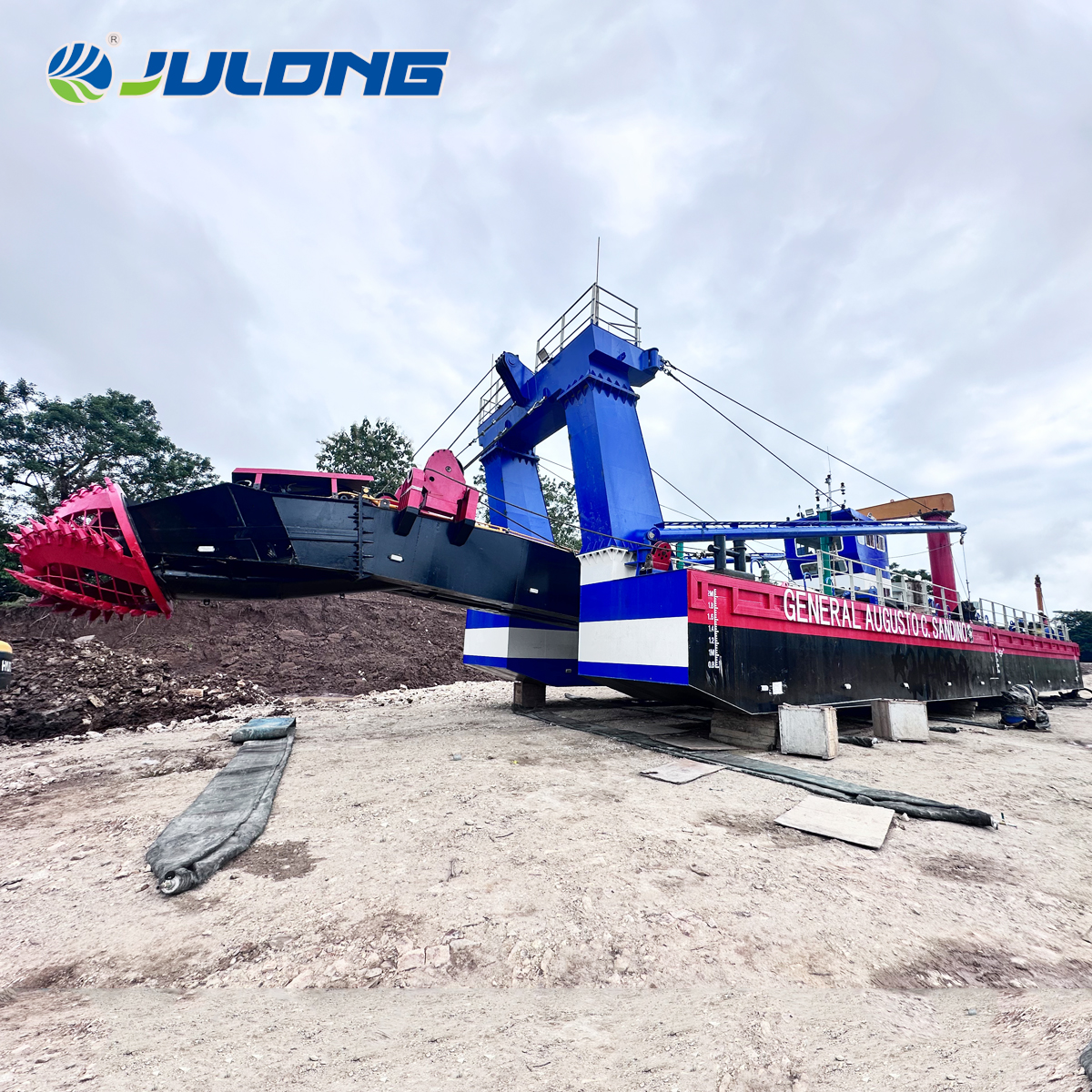
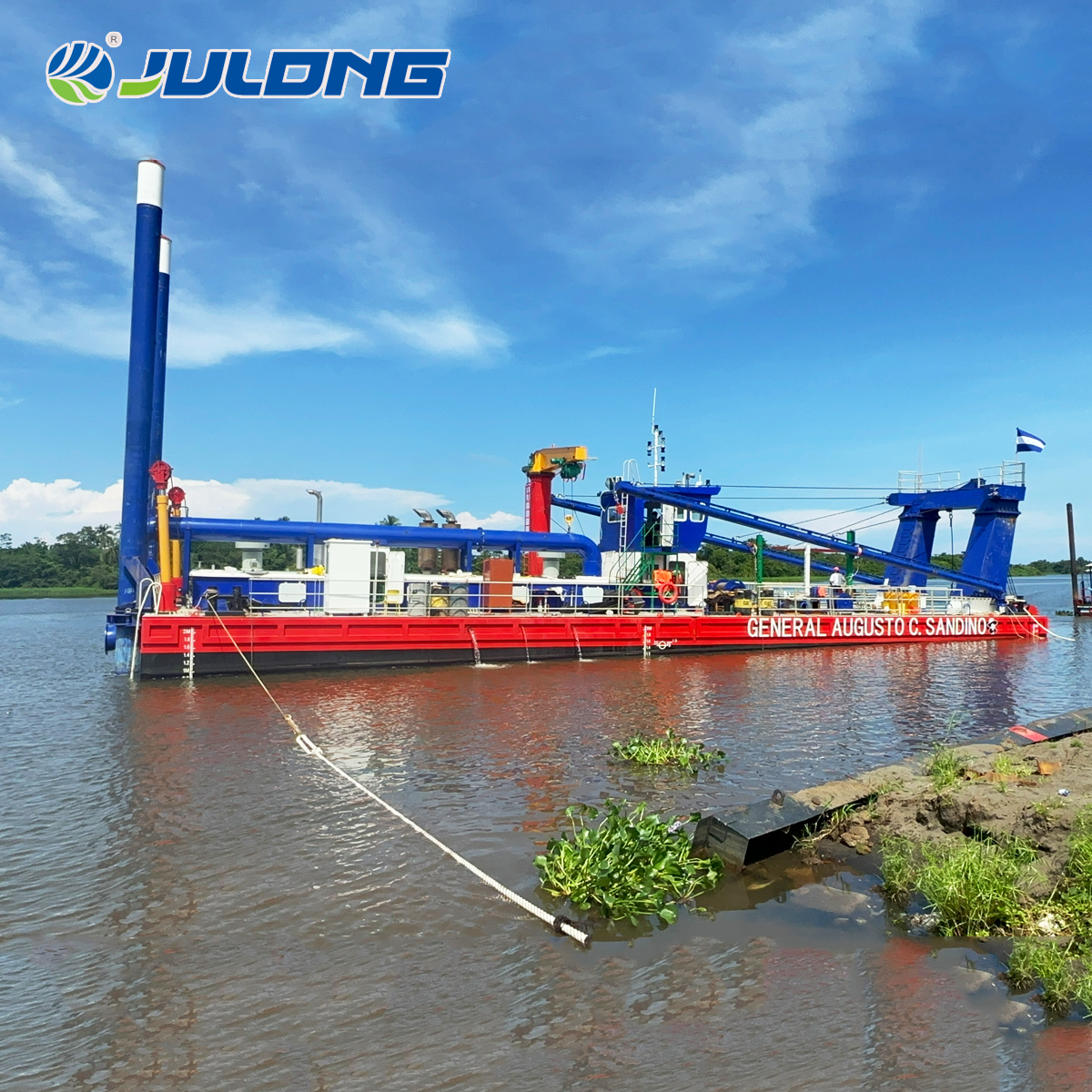
  Type of Dredge: There are various types of suction dredges, including  cutter  suction dredgers and  amphibious dredgers. Cutter suction dredgers are ideal for  harder substrates, while amphibious dredgers excel in shallow, marshy areas. Capacity and Size: Assess the  dredge's capacity based on  the volume of material to be removed.  A larger capacity may reduce operational time but can also  increase costs. Power Requirements: Evaluate the power source and engine specifications. Ensure that  the dredge can operate efficiently under the  expected working conditions. Mobility and Transport: Depending on the project site,  consider the dredge's  mobility. Some projects may require a dredge that can easily navigate confined spaces or rough terrains.  Customization  Options: Many manufacturers,  like Qingzhou JULONG Environmental Technology Co.,  Ltd., offer  customization options tailored to specific project needs. Discuss potential modifications with the supplier to enhance  performance. Additionally, considering a Multi-Function Work Boat can provide versatility for various dredging tasks.

By carefully considering these factors, contractors can make informed decisions that align with their project requirements.

Evaluating Quality and Durability in Suction Dredge Equipmen

Evaluating Quality and Durability in Suction Dredge Equipmen

Quality  and durability are paramount  when investing in  suction dredge equipment. Key aspects to evaluate  include:

  Materials Used: The construction materials of the  dredging equipment significantly influence its durability. Look for dredges made from high-strength steel  or corrosion-resistant materials, especially if operating  in abrasive environments.  Manufacturing Standards: Ensure the equipment adheres to international manufacturing standards and certifications, such as ISO and CE. These  certifications indicate a commitment to  quality and safety.  Component Quality:  Inspect critical components such as pumps, hoses, and  the cutter head. High-quality components  lead to enhanced operational efficiency and reduced maintenance costs. Maintenance and Support: Consider the manufacturer's reputation for after-sales support,  including spare parts availability  and maintenance services. A  reliable supplier will provide ongoing support, ensuring the dredge operates at peak performance.

Investing in quality  equipment minimizes downtime and maximizes productivity, making it a vital  aspect of the purchasing decision.

Where to Source Reliable Suppliers for Suction Dredge Mining

Where to Source Reliable Suppliers for Suction Dredge Mining

Finding a trustworthy supplier for  suction dredge  mining equipment is crucial for ensuring quality and reliability.  Here are steps to identify  potential suppliers:

Industry Research: Start  by conducting thorough research on manufacturers  specializing in suction  dredging equipment. Look for companies with a proven track record and positive  customer reviews. Certifications and Compliance: Verify that potential suppliers are  ISO and CE certified, as these certifications  ensure compliance with international quality standards. Product Range and Customization: Evaluate the variety  of  equipment offered by  suppliers and their ability to customize products based on your specific needs. Customer Service and Support: Contact suppliers to gauge their responsiveness and willingness to assist with  inquiries. A supplier that prioritizes  customer service is likely to be more reliable in the long run.  Export Experience: Companies like Qingzhou JULONG Environmental Technology Co., Ltd. that serve a global market demonstrate  their capability to meet diverse customer needs and navigate international standards. 

By  following these steps, contractors and  purchasing managers can source reliable suppliers who will meet their suction dredging equipment needs.

Common Problems in Suction Dredge Mining and Effective Solutions

While suction dredge mining  is  an effective method, it can  present various challenges.  Here are  some common problems and their solutions:

  Clogged Pumps: Material buildup can lead to pump clogs, reducing efficiency. Regular maintenance  and the  use of filtration systems  can help mitigate this issue. Material  Density Variability: Changes in material density can  affect  dredging performance. Conducting pre-dredging surveys can provide insights into material types  and  densities,  helping to adjust operational parameters accordingly. Equipment Wear and Tear: Continuous operation can  wear down components. Implementing a routine inspection schedule  allows for early detection of wear, enabling timely replacements and reducing downtime. Environmental Regulations: Compliance with environmental regulations is critical. Stay informed about local regulations  and ensure dredging practices are environmentally friendly, potentially incorporating sediment management plans. 

Addressing these common challenges with  effective solutions will enhance operational efficiency and project outcomes in suction dredge mining.

By understanding the applications, selecting the right equipment, evaluating quality, sourcing reliable suppliers, and anticipating common challenges, contractors can successfully navigate the complexities of suction dredge mining.

Understanding Suction Dredge Mining Applications for Contractors

Suction  dredge mining is employed in several  applications,  each  requiring specific equipment and operational considerations.  Common uses include:

Mineral Extraction:  Suction dredges  are widely used in the mining of  minerals such as gold, sand, and gravel, facilitating efficient extraction from  riverbeds  and lake bottoms. Environmental Restoration: Dredging is vital in removing contaminated sediments from waterways, helping to  restore aquatic habitats and  improve water quality. Maintenance  of Waterways: Regular dredging is necessary to  maintain navigable channels in ports and rivers, ensuring safe passage for vessels. Construction Projects: Dredging  allows for  the creation of foundations for structures like bridges  and docks, as well as the excavation of material for construction purposes. Notably, using an Aquatic Cleaning Boat can enhance the environmental restoration process by effectively managing the clean-up of aquatic habitats.

Understanding the specific application will  guide contractors in  selecting the appropriate dredging equipment, ensuring it  meets project requirements effectively.

Frequently Asked Questions

What is a suction dredge mining machine?

A suction dredge mining machine uses powerful suction to extract sediment, sand, and minerals from riverbeds or seabeds for mining and reclamation projects.
We offer cutter suction dredgers and amphibious suction dredgers in various sizes and capacities, customizable to project depth, flow rate, and material type.
Yes. Our equipment carries ISO and CE certifications, manufactured in a 12,000 m² facility to meet international safety and quality standards.
Yes. Our dredges and amphibious excavators are designed for river, lake, and port projects, handling varying depths, sediments, and working conditions.
We provide global after-sales service, technical support, and spare parts supply to customers in 93 countries to ensure reliable operation and maintenance.

Get a Free Quote

Our representative will contact you soon.
0/1000