What Does a Dredge Do? Key Specifications & Costs

application/what-does-a-dredge-do, application/what-does-a-dredge-do, 
Inquiry
Inquiry

What does a dredge do

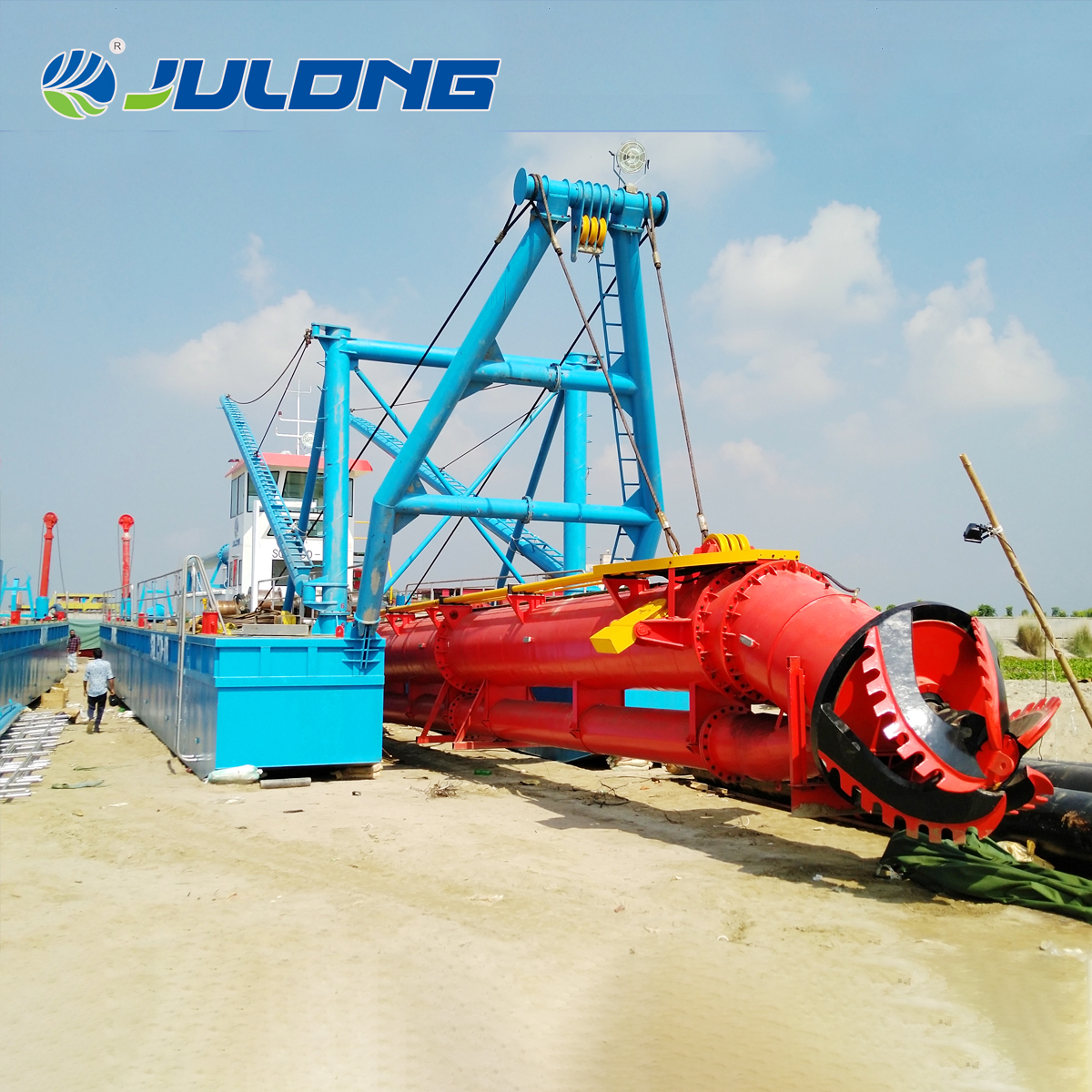
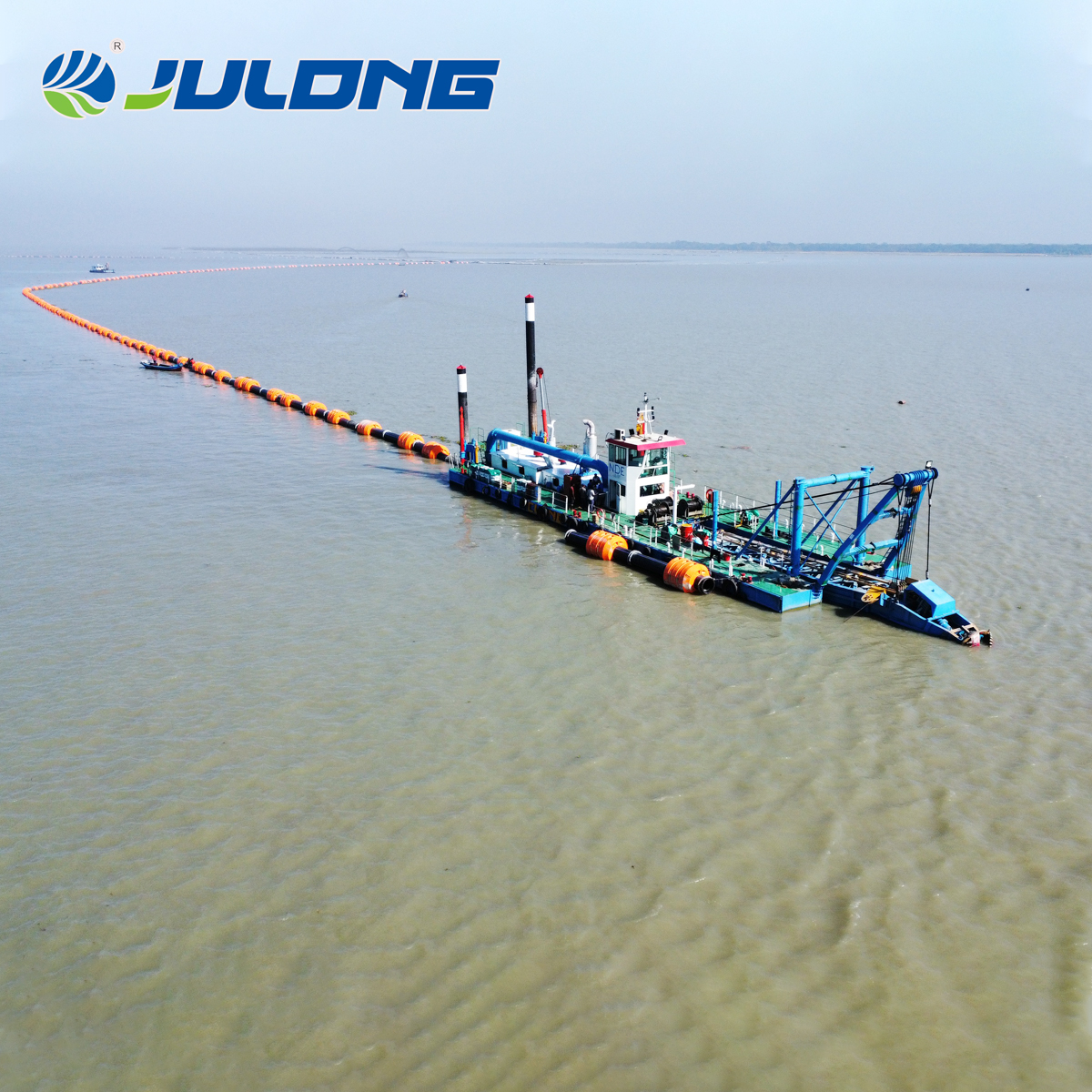
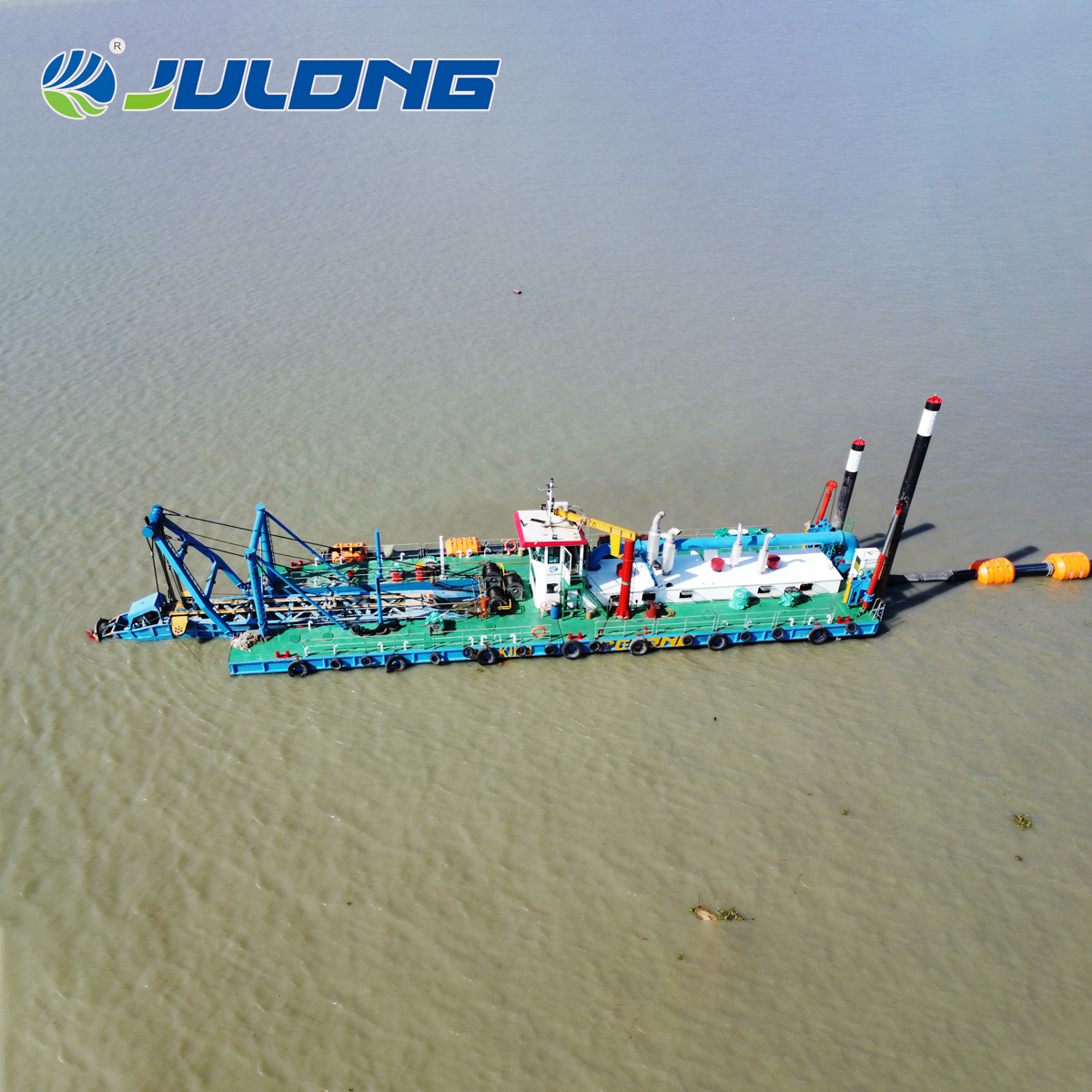
Understanding what a dredge does is essential for professionals involved in river, lake, and port projects. Dredges are specialized machines used primarily for the excavation of materials from the bottom of water bodies. The effectiveness and efficiency of a dredge significantly impact project timelines and budgets, making it crucial for buyers to consider various factors when sourcing dredging equipment. This article will explore the key specifications to evaluate when sourcing dredging equipment, how to find reliable suppliers for bulk orders, what to expect during the purchasing process, cost factors to consider, and installation guidance for efficient dredger operation and maintenance. 

Finding Reliable Suppliers for Bulk Orders

Finding Reliable Suppliers for Bulk Orders

Finding reliable suppliers for dredging equipment is crucial, especially for large-scale projects. Here are some strategies to identify trustworthy manufacturers: 

Industry Reputation: Research suppliers with a solid reputation in the dredging industry. Look for companies with extensive experience and positive testimonials from previous customers. 

Certifications: Verify that the supplier has relevant certifications, such as ISO and CE, which indicate compliance with international quality and safety standards. 

Factory Visits: If possible, visit the manufacturer's facility. This allows buyers to evaluate production capabilities, equipment quality, and labor conditions firsthand. 

Sample Approval: Before placing a bulk order, request samples or prototypes to assess the quality and performance of the dredging equipment. 

Communication and Support: A responsive supplier that clearly communicates and provides technical support can significantly enhance the purchasing experience. 

By following these strategies, buyers can establish strong relationships with suppliers and ensure they receive high-quality dredging equipment. 

What to Expect

What to Expect

The purchasing process for dredging equipment can vary based on several factors, including project scope and supplier capabilities. Here’s what buyers can generally expect: 

Quotation Process: After providing project specifications, buyers should expect a detailed quotation that includes pricing, lead times, and warranty information. Ensure that all specifications are clearly outlined to avoid misunderstandings. 

Lead Times: Depending on the complexity of the dredgers and the supplier's production capacity, lead times can range from a few weeks to several months. It's essential to factor this into project timelines to avoid delays. 

Customization Options: Many suppliers offer customization options to meet specific project needs. Discuss any necessary modifications during the quotation phase to ensure the final product aligns with expectations. 

Payment Terms: Suppliers typically have varied payment terms. Be sure to clarify these terms and any deposit requirements before finalizing the order. 

Understanding these aspects can help buyers navigate the purchasing process more smoothly and ensure timely project execution. 

Cost Factors to Consider When Purchasing Dredging Equipment

Cost Factors to Consider When Purchasing Dredging Equipment

The cost of dredging equipment can fluctuate based on various factors. Here are the key components to consider: 

Initial Purchase Price: This is often the most significant upfront cost. Buyers should compare prices across different suppliers while considering the quality and specifications of the equipment. 

Operational Costs: Factor in fuel consumption, maintenance, and labor costs. A dredging equipment with higher efficiency may have a higher initial cost but can lead to lower operational expenses over time. 

Customization Fees: If specific modifications are required, be aware that this may incur additional costs. Always clarify customization costs during the quotation process. 

Shipping and Handling: If sourcing equipment from international suppliers, consider shipping costs, import duties, and potential delays. Discuss these factors upfront to avoid unexpected expenses. 

Warranty and After-Sales Support: Evaluate the warranty terms offered by the supplier. A robust warranty and reliable after-sales support can save money on repairs and maintenance in the long run. 

By understanding these cost factors, buyers can better prepare their budgets and make informed purchasing decisions. 

Installation Guidance for Efficient Dredge Operation and Maintenance

Proper installation and maintenance of dredging equipment are critical for optimal performance. Here are some guidelines to ensure efficient operation: 

Installation Site Preparation: Ensure the site is adequately prepared for installation. This includes assessing ground conditions, access for machinery, and utilities for power supply. 

Operator Training: It’s essential to train operators on the specific dredge being used. Understanding the equipment's features and operational procedures will enhance safety and efficiency. 

Regular Maintenance Checks: Implement a routine maintenance schedule to inspect critical components such as pumps, motors, and hoses. Regular checks can prevent unexpected breakdowns and prolong equipment lifespan. 

Performance Monitoring: Keep track of operational performance metrics, including pump output and material types being dredged. This data can help in identifying potential issues early and optimizing dredging processes. 

Documentation: Maintain thorough records of installation procedures, maintenance activities, and any repairs made. This documentation can be invaluable for troubleshooting and future reference. 

By following these guidelines, buyers can ensure that their dredging equipment operates efficiently and effectively, minimizing downtime and maximizing productivity. 

Key Specifications to Evaluate When Sourcing Dredging Equipment

When sourcing dredging equipment, understanding the technical specifications is vital. Key specifications include: 

Dredging Depth: This indicates how deep the dredge can operate effectively. Buyers should assess the maximum depth required for their projects to ensure compatibility. 

Pump Capacity: Measured in cubic meters per hour (m³/h), this specification reflects the dredge's ability to move materials. Higher pump capacities are essential for larger projects with significant material removal requirements. 

Material Handling: The type of materials the dredge can handle such as sand, silt, clay, or gravel should align with the project needs. Not all dredges are built for every material type. 

Power Source: Dredges can be powered by diesel engines or electric motors. Evaluating the power source is crucial for operational efficiency and environmental considerations. 

Weight and Stability: Heavier dredges may provide more stability in rough waters but can be less mobile. Conversely, lighter dredges may be easier to maneuver but could struggle in challenging conditions. 

Understanding these specifications will help buyers make informed decisions and select equipment that meets their project requirements effectively. 

Frequently Asked Questions

What does a dredge do?

A dredge removes sediment, silt, sand and debris from waterbeds to deepen channels, restore waterways, and support construction and environmental projects.
We supply cutter suction dredgers, amphibious dredgers, and excavator-style dredgers for river, lake, and port applications.
Ideal for channel maintenance, port upkeep, lake restoration, flood control, land reclamation, and sediment management projects.
Our equipment is ISO and CE certified, built in a 12,000 m² facility to ensure durable, efficient performance.
Yes. We serve 93 countries, offering technical support, spare parts, and guidance for installation and operation.

Get a Free Quote

Our representative will contact you soon.
0/1000