Choosing the Right Dredging Equipment for Projects

application/waterway-dredging, application/waterway-dredging, 
Inquiry
Inquiry

Waterway dredging

Waterway dredging is a crucial process for maintaining navigable waterways, ensuring environmental sustainability, and facilitating construction and development projects. For B2B buyers in industries such as construction, marine engineering, and environmental management, selecting the right dredging equipment is paramount. This article will provide insights into making informed decisions about waterway dredging equipment, focusing on key specifications, equipment comparisons, cost factors, and installation guidance.

Key Specifications to Evaluate When Sourcing Dredging Solutions

Key Specifications to Evaluate When Sourcing Dredging Solutions

When sourcing dredging equipment, several specifications should be prioritized to ensure the machine meets your project needs: 

Dredging Depth: This specification indicates how deep the dredger can operate. It's vital to choose a dredger that can reach the required depths without compromising performance. 

Suction Capacity: Measured in cubic meters per hour, this indicates how much material can be dredged within a specific time frame. A higher suction capacity allows for more efficient project completion. 

Power Requirements: The power of the dredging equipment directly affects its efficiency and operational capabilities. Ensure that the required power matches your available resources and project demands. 

Mobility: Consider whether the dredger needs to be easily transported to various job sites. Some models offer enhanced mobility features that facilitate quick relocation. 

Durability: Look for equipment made from high-quality materials that can withstand harsh marine environments. This ensures longevity and reduces maintenance costs. 

By evaluating these specifications, buyers can make informed decisions that align with their operational requirements and project timelines. 

Comparing Cutter Suction and Amphibious Dredgers for Your Needs

Comparing Cutter Suction and Amphibious Dredgers for Your Needs

Cutter suction dredgers and amphibious dredgers serve different purposes, and understanding their capabilities is crucial for selecting the right equipment: 

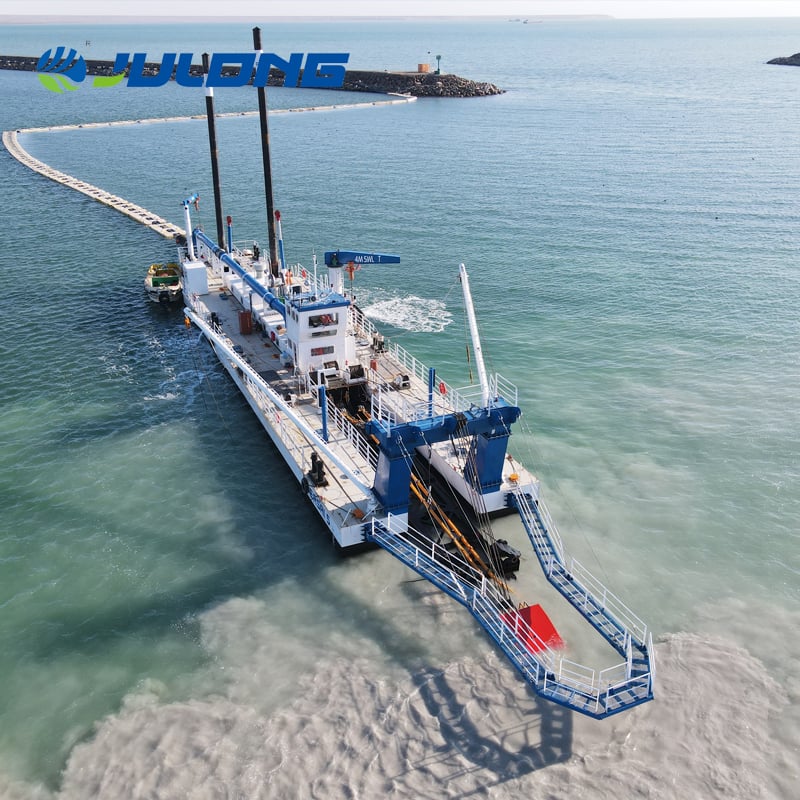
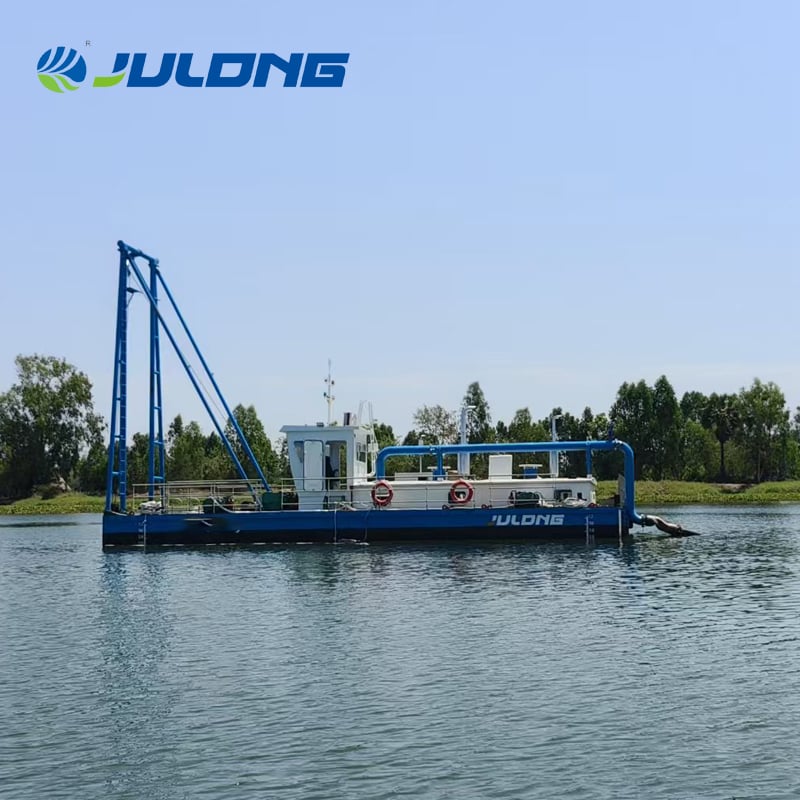
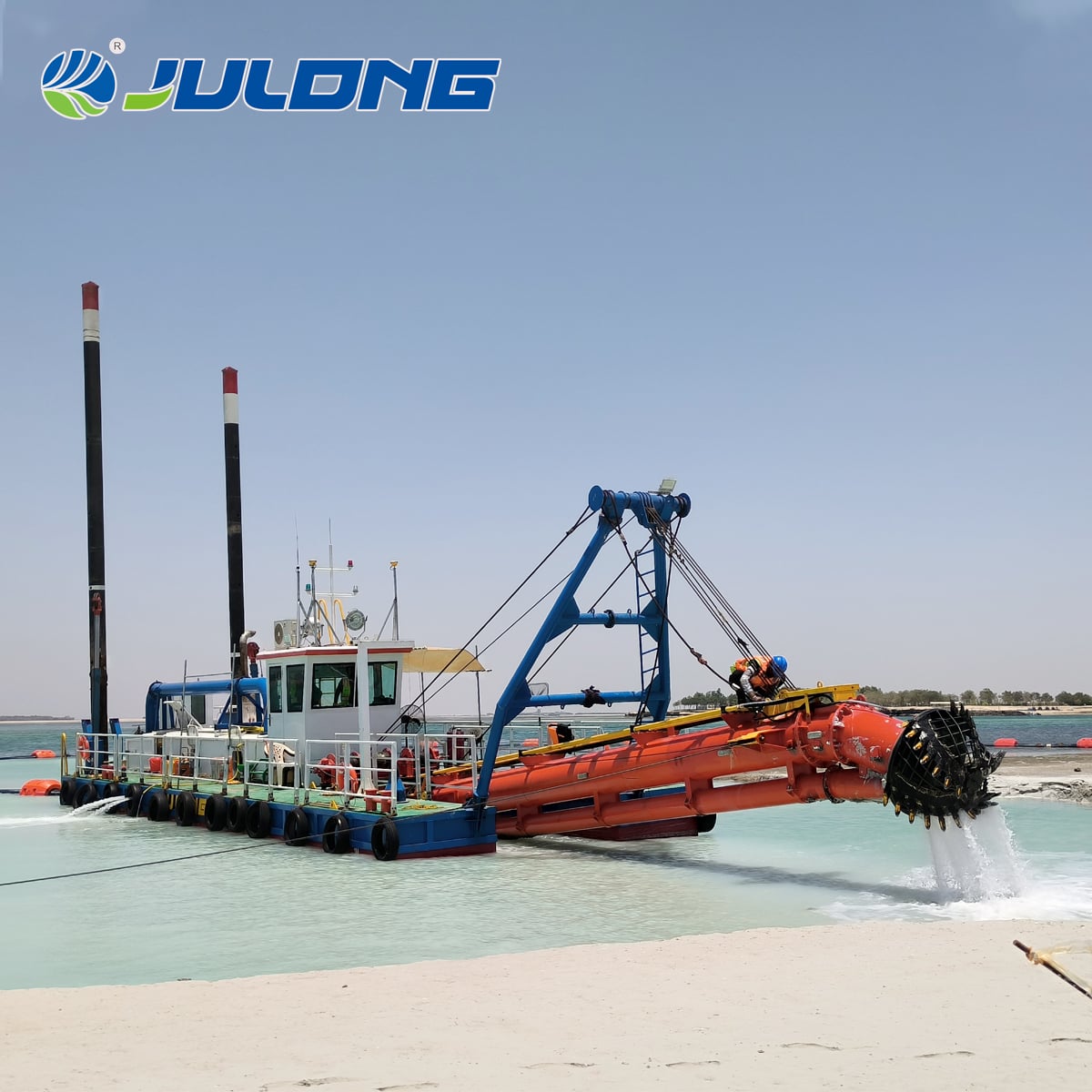
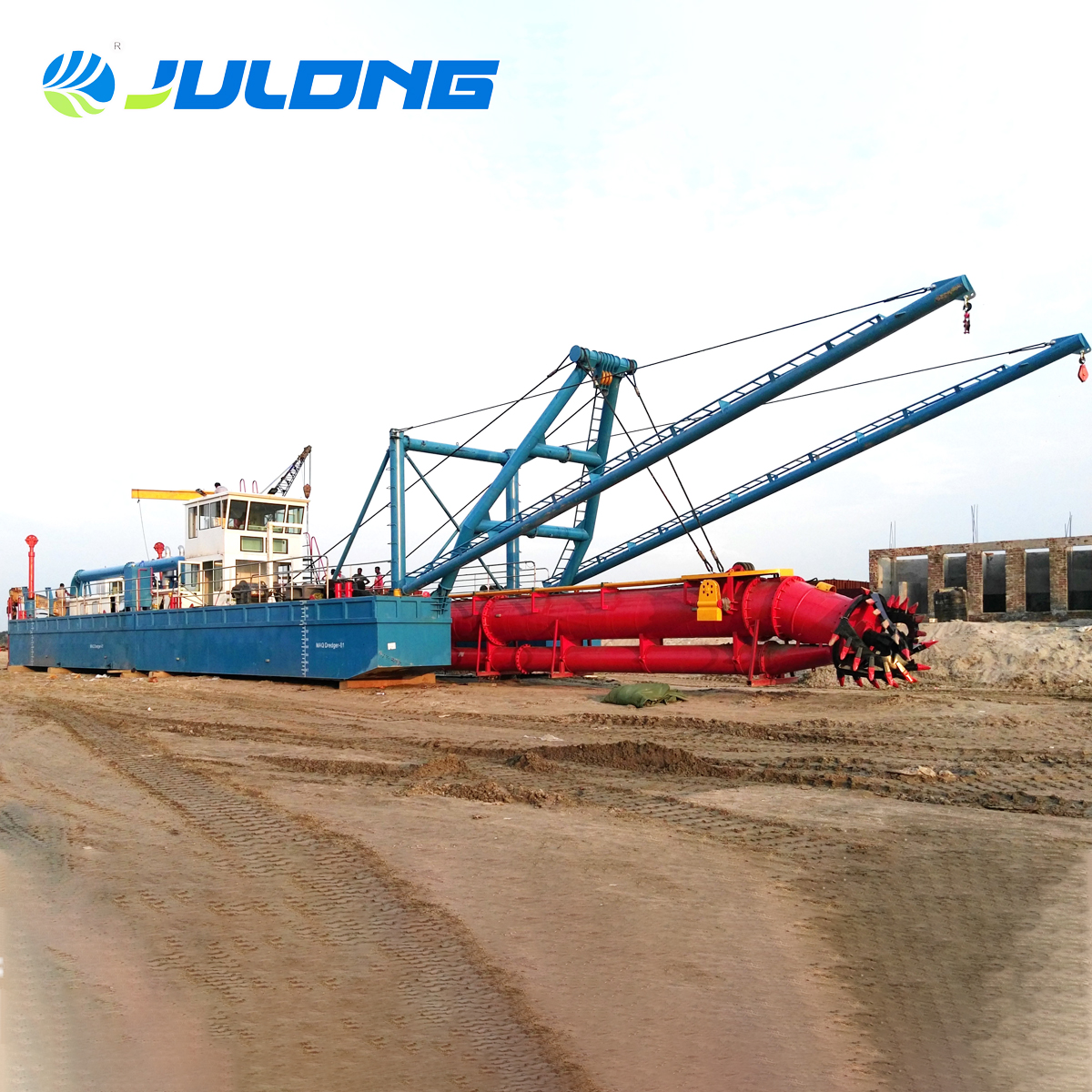
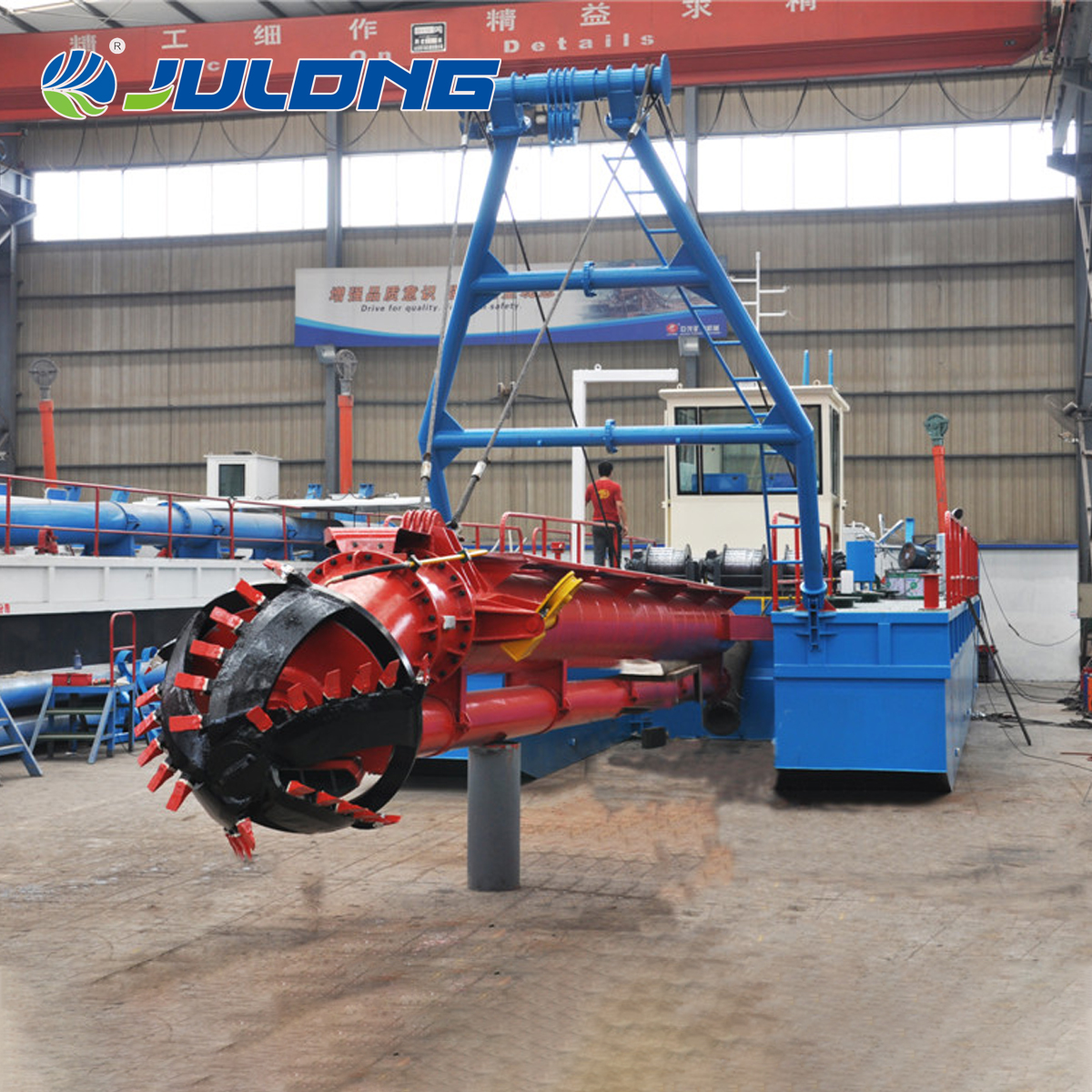
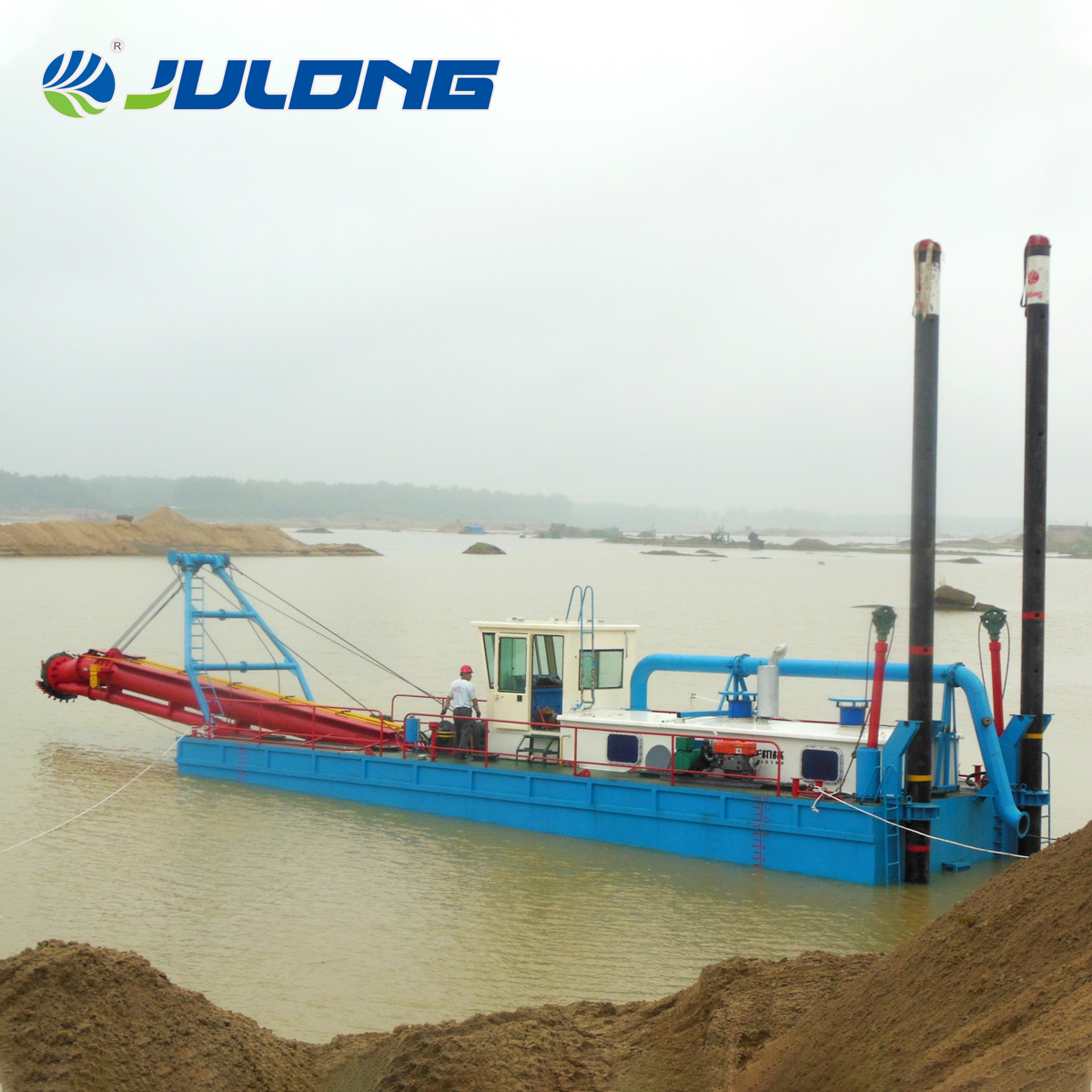
Cutter Suction Dredgers: Known for their efficiency in deep water, cutter suction dredgers employ a rotating cutter to break up hard materials, making them ideal for river and port dredging projects. Their ability to maintain accuracy and high suction capacity means they can handle complex dredging tasks effectively. 

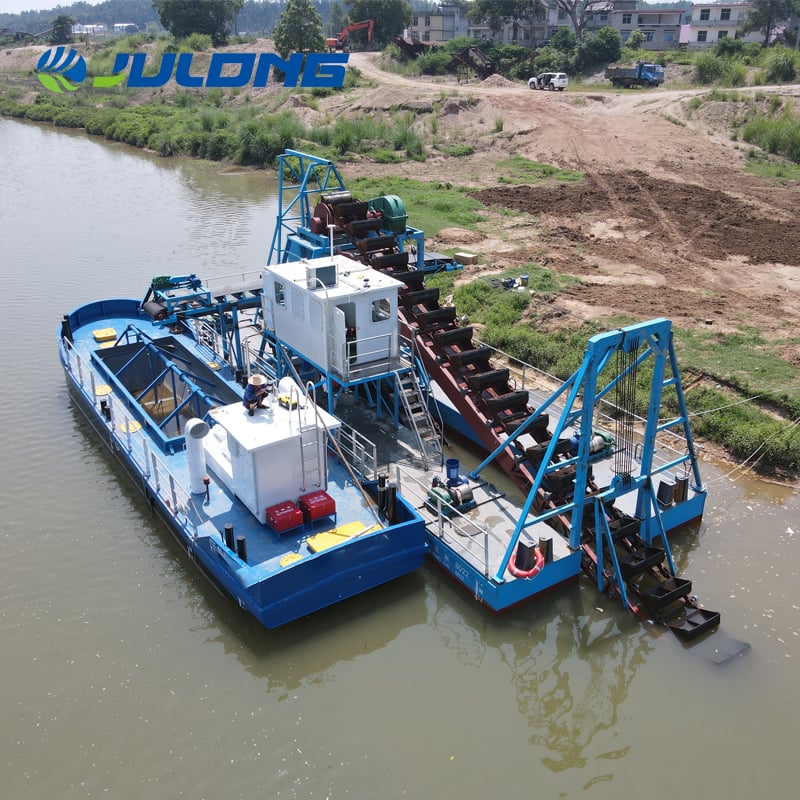
Amphibious Dredgers: These machines excel in shallow and marshy environments, allowing for operation both in water and on land. They are particularly useful for environmental restoration projects, where minimizing disturbance is critical. Their design allows them to navigate challenging terrains, making them a versatile option for various applications. 

Understanding the specific requirements of your project will guide your decision on which type of dredger best suits your needs. Each has its advantages, and selecting the right equipment can significantly impact project efficiency and cost. 

Understanding Cost Factors in Dredging Equipment Purchases

Understanding Cost Factors in Dredging Equipment Purchases

The total cost of dredging equipment encompasses various factors that buyers must consider: 

Initial Purchase Price: This is often the most straightforward cost but does not account for additional expenses associated with ownership. 

Operating Costs: Fuel consumption, maintenance, and repair costs can significantly affect the overall expense of operating a dredger. Higher efficiency machines may come with a higher initial cost but save money in the long run. 

Customization Options: Depending on the project, you may need specific attachments or modifications, which can increase the price. Discussing customization capabilities with the manufacturer can help you understand these potential costs. 

Financing and Leasing Options: Depending on your budget, consider whether purchasing outright, leasing, or financing the equipment is the most practical approach. Each option can impact cash flow and project budgeting. 

Resale Value: Some dredgers hold their value better than others. Researching market trends can help you anticipate future resale opportunities. 

Understanding these cost factors will help you budget more accurately and make sound financial decisions regarding your dredging equipment investments. 

Installation Guidance for Efficient Waterway Dredging Operations

Proper installation and setup of dredging equipment are crucial for maximizing operational efficiency. Here are some key considerations: 

Site Assessment: Conduct a thorough assessment of the dredging site to identify any potential challenges, such as underwater obstructions or varying soil conditions. This assessment will inform the setup process. 

Equipment Positioning: Positioning the dredger correctly is vital for efficient operations. Ensure that the water dredger is stable and accessible for maintenance while allowing for optimal suction reach. 

Operator Training: Skilled operators are essential for maximizing the performance of dredging equipment. Providing comprehensive training on equipment operation, safety protocols, and maintenance practices can prevent costly mistakes and ensure smooth operations. 

Regular Maintenance: Establish a routine maintenance schedule to keep the dredging equipment in optimal condition. This includes regular inspections, cleaning, and timely repairs. 

Monitoring Performance: Utilize monitoring tools to track the dredger’s performance during operations. Performance data can highlight any operational inefficiencies and help adjust processes as needed. 

By following these installation guidelines, you can enhance the effectiveness of your dredging operations and achieve project goals with greater ease. 

Understanding the nuances of waterway dredging and the specifics of equipment selection, cost considerations, and installation best practices are essential for B2B buyers in this sector. By focusing on these critical areas, you can ensure that your dredging projects are successful and meet all necessary requirements. 

How to Choose the Right Dredging Equipment for Your Project

Selecting the appropriate dredging equipment is essential for the success of your waterway project. Key considerations include the type of material to be dredged (sand, silt, clay), the depth of the waterway, and the specific project requirements (environmental restoration, port construction, etc.). 

Cutter suction dredgers are ideal for projects requiring precision in material removal and versatility in varying water depths. These machines use a rotating cutter head to break up the material, allowing for effective suction and transport. Conversely, amphibious dredgers are beneficial for shallow, marshy areas where traditional dredgers may struggle. Their unique design enables operation on land and water, making them suitable for wetland restoration and shallow dredging tasks. 

Understanding the operational conditions and project goals will help you determine the best equipment type. Collaborating with a manufacturer like Qingzhou JULONG Environmental Technology Co., Ltd. can provide insights and recommendations tailored to your specific needs. 

Frequently Asked Questions

What types of waterway dredging equipment do you offer?

We supply cutter suction dredgers, amphibious dredgers, and excavators designed for rivers, lakes, ports and waterfront projects, tailored to project scale and site conditions.
Yes. Our dredgers carry ISO and CE certifications, ensuring compliance with international quality and safety standards.
Yes. We provide customization of hull size, cutter head, pump capacity, and accessories to meet depth, soil type, and operational requirements.
We offer installation guidance, operator training, spare parts supply, and remote technical support to ensure long-term efficient operation.
We serve 93 countries from our 12,000 m² facility, with export logistics support and project delivery planning to meet international timelines.

Get a Free Quote

Our representative will contact you soon.
0/1000