Choosing the Right Water Dredge for Your Project

application/water-dredge, application/water-dredge, 
Inquiry
Inquiry

water dredge

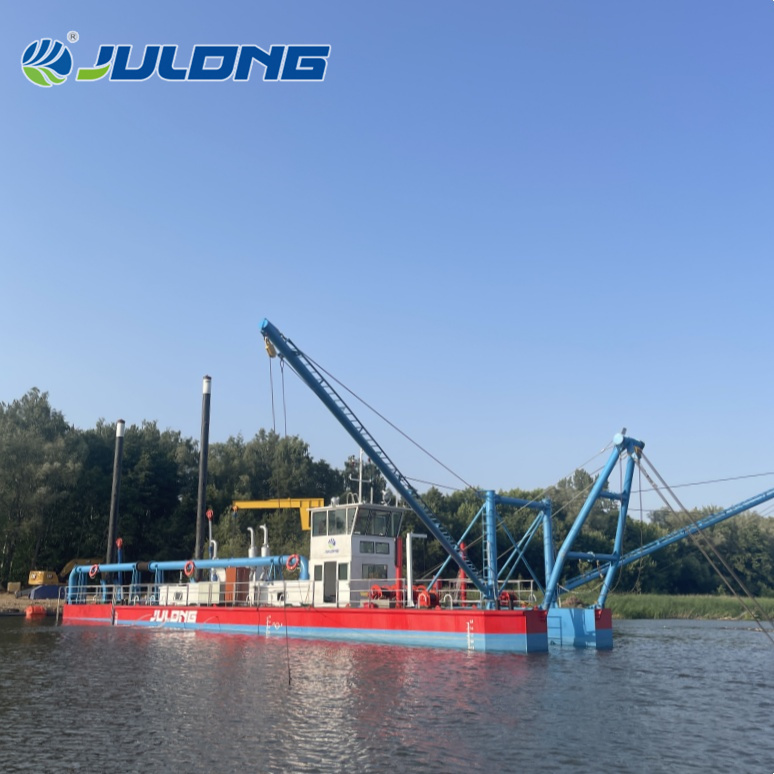
When considering a water dredge for projects involving rivers, lakes, or ports, buyers must navigate a range of specifications and quality assurances. A water dredge, specifically cutter suction or amphibious dredgers, plays a vital role in environmental management and construction activities, ensuring sediment removal and maintaining navigable waterways. This article will explore key specifications to consider, how to ensure quality in purchasing, sourcing reliable suppliers, comparing dredge types, and addressing common problems encountered with water dredges.

 
How to Ensure Quality in Your Water Dredge Purchase

How to Ensure Quality in Your Water Dredge Purchase

Quality assurance is paramount when investing in a water dredge. First, it is advisable to verify that the manufacturer, such as Qingzhou JULONG Environmental Technology Co., Ltd., holds relevant ISO and CE certifications, which indicate compliance with international quality standards. Buyers should request detailed information about the manufacturing process, including quality control measures in place during production.

Before placing an order, obtaining a sample dredge or a prototype can provide valuable insight into the product's performance under actual conditions. This step helps confirm dimensions, operational efficiency, and durability. Additionally, buyers should review the manufacturer's quality inspection protocols, ensuring that all units undergo rigorous testing before shipment.

It's also wise to gather references or case studies from previous clients. Understanding other customers' experiences can help gauge the manufacturer's reliability and the dredge's performance in real-world applications.

Where to Find Reliable Wholesale Suppliers for Water Dredges

Where to Find Reliable Wholesale Suppliers for Water Dredges

Finding trustworthy wholesale suppliers for water dredges requires careful research. Start by exploring industry directories and trade shows, which often feature reputable manufacturers and provide opportunities for direct interaction. Online platforms can also be valuable, but buyers should verify the credibility of suppliers by reviewing customer feedback and ratings.

Another effective approach is to seek recommendations from industry peers or professional networks. Engaging with other purchasing managers or project engineers can lead to insights about reliable suppliers who have successfully delivered dredges for similar projects. For example, consider suppliers of JLCSD700 Cutter Suction Dredger that cater to large-scale projects.

When assessing potential suppliers, examine their export markets and experience in serving different regions. A manufacturer with a proven track record across diverse markets often indicates reliability and adaptability to various project requirements.

Compare Features of Cutter Suction and Amphibious Dredges

Compare Features of Cutter Suction and Amphibious Dredges

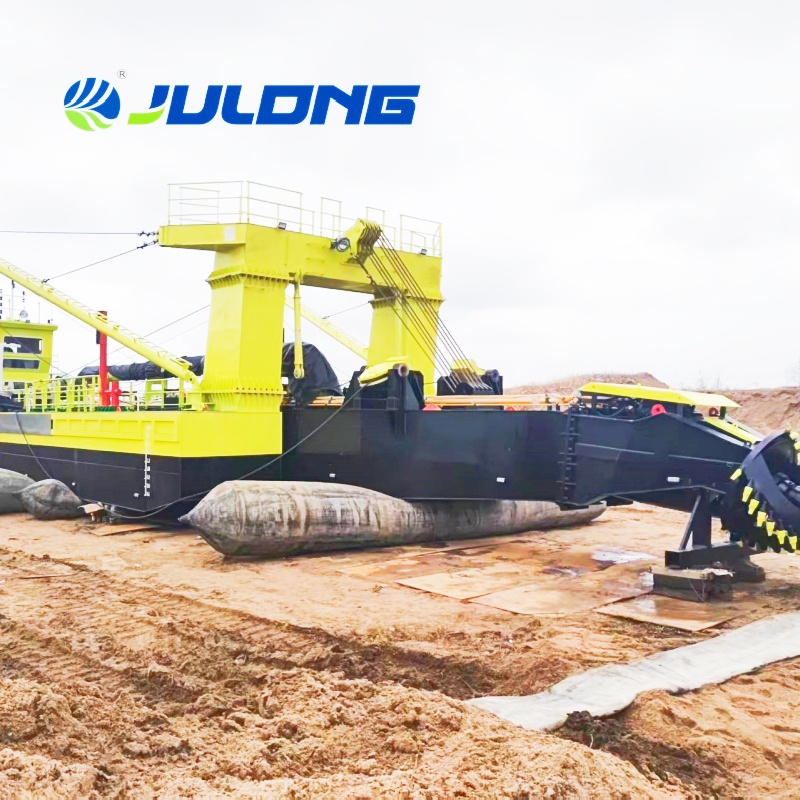
Cutter suction dredges and amphibious dredges serve distinct purposes and are suited for different environments. Cutter suction dredges are designed for deep dredging operations, utilizing a rotating cutter head to loosen and pump material through a pipeline. They are ideal for hard soils and can achieve significant dredging depths, making them suitable for port projects and river deepening.


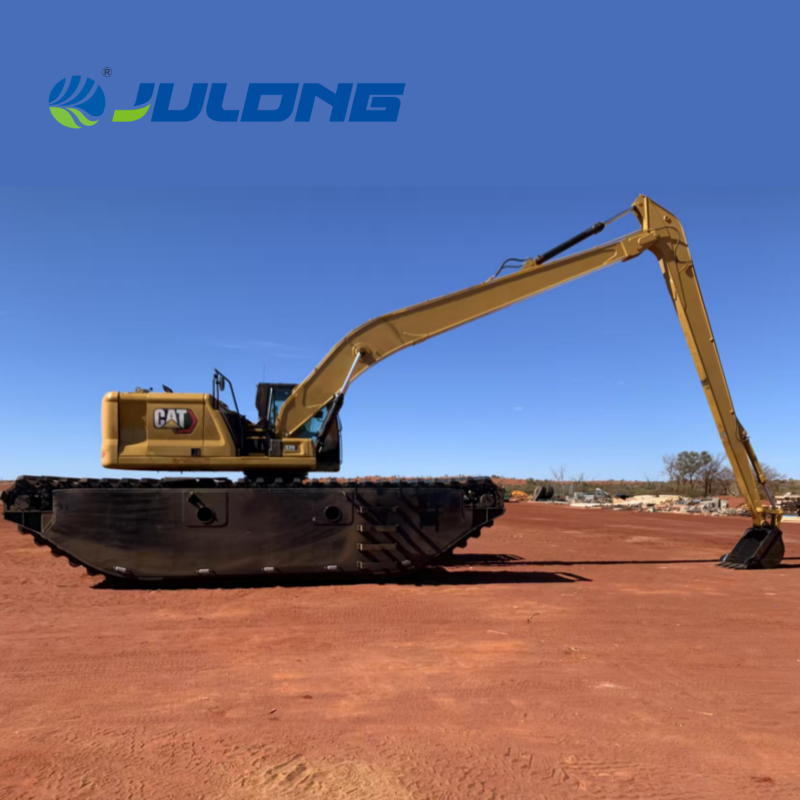
In contrast, amphibious dredges are versatile and can operate both on land and in shallow waters. Their ability to navigate varied terrains makes them particularly effective in marshy or wetland areas where traditional dredges may struggle. Features such as adaptable pontoons allow amphibious dredges to transition easily between water and land, providing flexibility for environmental restoration projects.

When choosing between these types, consider factors such as project scope, environmental impact, and specific dredging requirements. Each dredge type offers unique advantages that can significantly influence project efficiency and effectiveness.

Common Problems with Water Dredges and Effective Solutions

Despite their robustness, water dredges can encounter several common issues. Clogging is a frequent problem, often caused by the suction of oversized debris or sediment. To mitigate this, operators should conduct routine inspections and maintenance, ensuring that the suction hose and pump are clear of obstructions.

Another issue is engine performance. Regular maintenance and adherence to the manufacturer’s operational guidelines can prevent engine failure. Buyers should ensure they are familiar with the maintenance schedule and have access to replacement parts, especially when working in remote locations.

Additionally, vibration and noise during operation can indicate underlying issues. Implementing regular checks and balancing procedures can help maintain operational efficiency. Buyers should also consider the dredge's noise level specifications if working in areas where noise pollution regulations apply.

Selecting a water dredge entails careful consideration of specifications, quality assurance measures, supplier reliability, and understanding the operational challenges that may arise. By addressing these factors, buyers can make informed decisions that enhance the success of their dredging projects.

Key Specifications to Consider When Choosing a Water Dredge

Selecting the right water dredge involves understanding several critical specifications. Firstly, the dredging depth and width are essential—these metrics determine the dredger's capability to operate effectively in various water bodies. Buyers should assess the pump capacity, which influences the volume of material that can be moved, making it a vital performance metric.


Another important specification is the power source of the dredge, typically diesel or electric. Diesel dredges offer mobility and are often used in remote locations, while electric models are more suitable for environments where emissions must be minimized. The suction hose diameter and discharge distance are also key; larger diameters can handle thicker materials, while longer discharge distances may be necessary for specific project layouts.

Buyers should also consider the material construction of the dredge, including the hull and engine components, to ensure durability against abrasive sediments. Features such as customization capabilities can also be advantageous to meet specific project requirements, such as varying dredging depths or specialized attachments for different sediment types. For instance, the JLWB1600 Multi-function Work Boat offers various customization options for different dredging tasks.

Frequently Asked Questions

What types of water dredges do you offer?

We supply cutter suction dredgers, amphibious dredgers, and excavator-mounted dredges suitable for rivers, lakes, and port projects.
Our dredges are backed by ISO and CE certifications, ensuring compliance with international quality and safety standards.
Our fleet and designs serve small to large-scale projects, from localized river maintenance to major port and lake reclamation works.
Yes. We export to 93 countries and offer technical support, spare parts, and maintenance guidance from our facility.
Yes. We offer customization of hulls, cutter heads, pump capacities, and controls to match site conditions and project requirements.

Get a Free Quote

Our representative will contact you soon.
0/1000