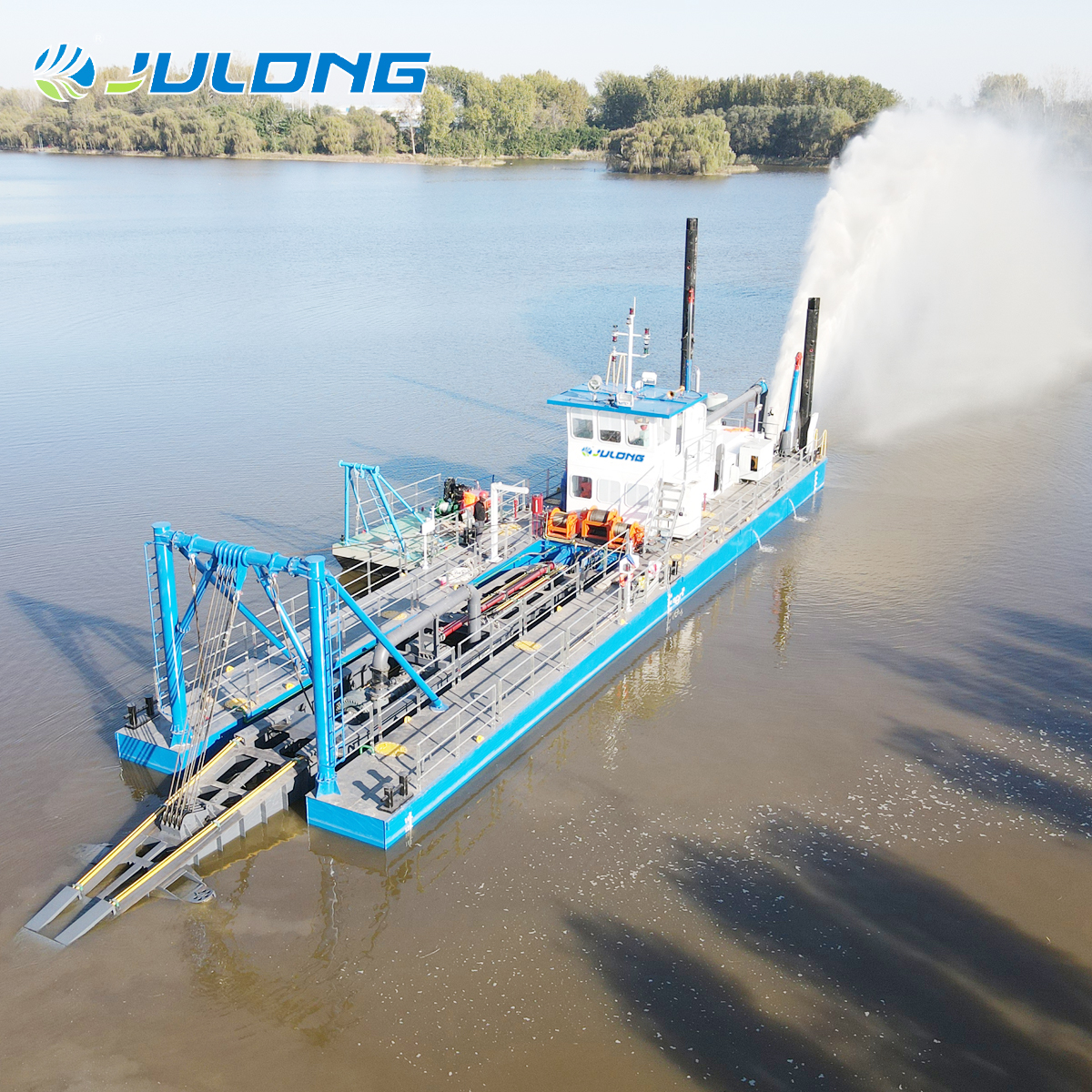
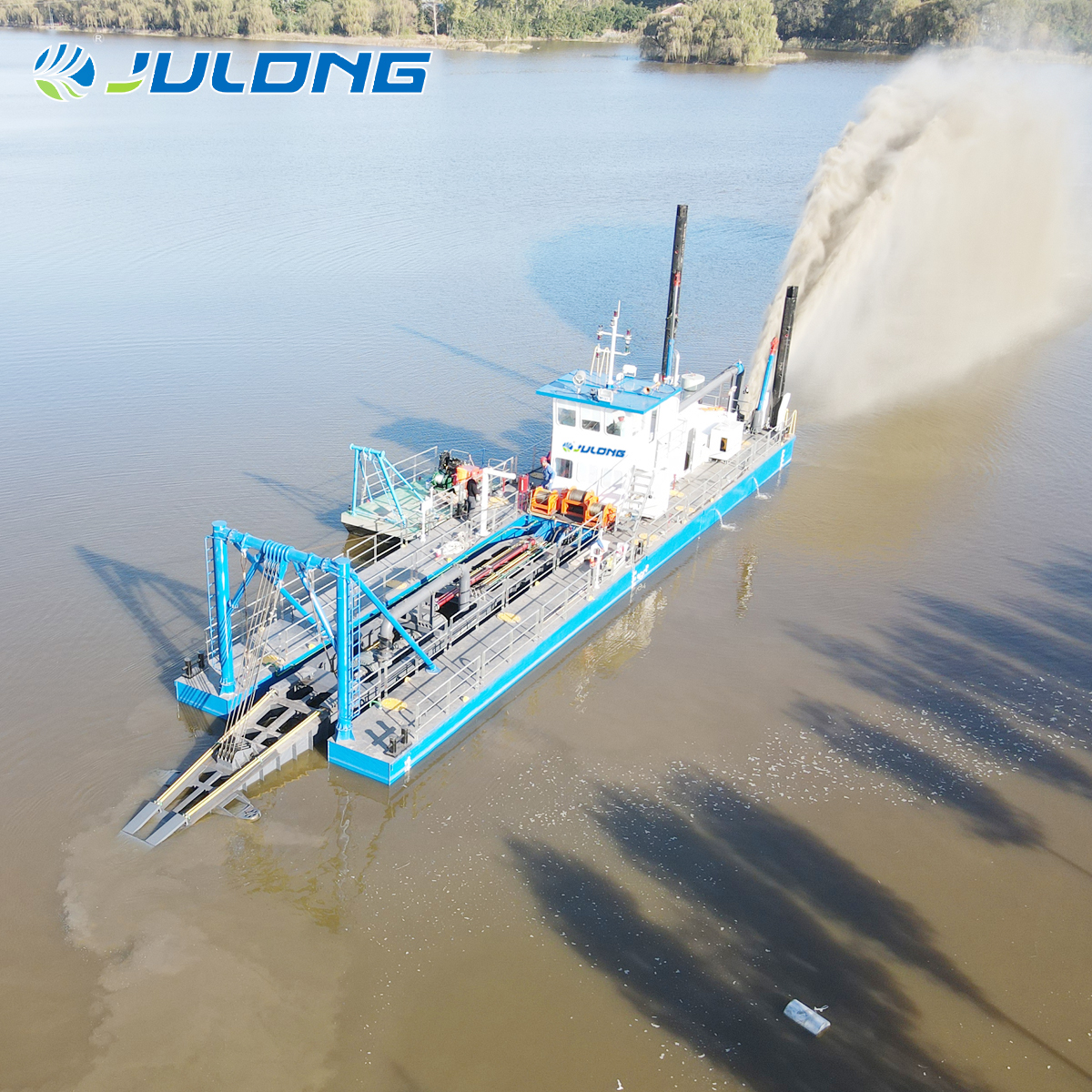
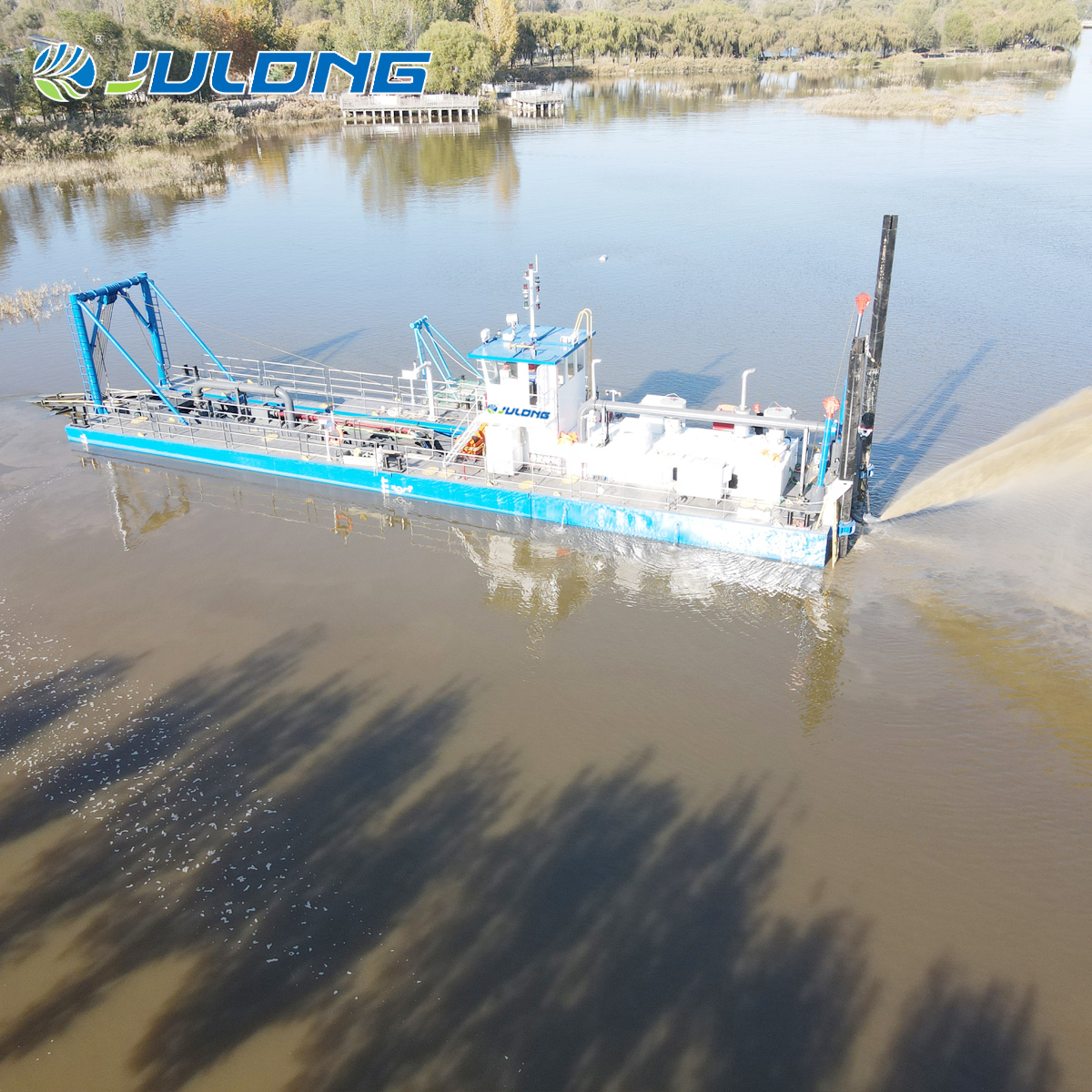
Key Specifications for Water Dredgers

application/water-dredger, application/water-dredger, 
Inquiry
Inquiry

water dredger

Water dredgers  are essential machines used in  various aquatic projects,  such  as river,  lake, and port construction.  With a focus on efficiency and  durability, the right water dredger can significantly enhance project  outcomes while  reducing operational costs. For  purchasing managers and project engineers, understanding  the specifications and applications of water  dredgers is crucial to making informed decisions.  This article  will  delve into key specifications, cost  factors,  installation guidance, and applications of water dredgers to help you  navigate the procurement  process effectively.

 
A Buyeru2019s Guide

A Buyeru2019s Guide

Navigating the procurement of water dredgers  requires a structured approach.  Here are essential  steps to guide buyers:

Define Project Requirements: Before approaching suppliers, clearly outline the project’s scope, including  dredging depth, volume, and expected material types. This foundational step helps in selecting the appropriate  dredger.

Supplier Evaluation: Research potential suppliers,  focusing on their manufacturing capabilities, certifications (like ISO/CE), and experience in exporting to  your region. A supplier with a proven track record can ensure reliability and quality.

Request Detailed Quotations: When requesting quotes, specify all relevant details, including project timelines, required specifications, and any customization  needs. This transparency allows suppliers to provide accurate pricing and  lead times.


Assess Sample Units: If possible, request a sample or  demonstration of  the dredger. This provides insight into its operational efficiency and compatibility with your project requirements.

Quality Assurance  Checks: Confirm that the supplier follows stringent quality control processes. Request documentation that  outlines their quality assurance measures  to  ensure the dredger meets  industry standards.

By following these  steps, buyers can  streamline the procurement process and make informed  decisions.

Cost Factors to Consider When Purchasing Water Dredgers in Bulk

Cost Factors to Consider When Purchasing Water Dredgers in Bulk

The cost of purchasing  water  dredgers in bulk can vary based on several factors:

Volume Discounts:  Suppliers often offer discounts for bulk purchases, which can significantly  reduce the per-unit cost. Always inquire about bulk pricing and minimum order  quantities (MOQ) during negotiations.


Customization Requirements: Customizing dredgers to meet specific project needs may increase costs. Understand the implications of any modifications  and  budget  accordingly.

Shipping  and Handling: Consider shipping costs, especially  for international orders. The distance  and method of transport (land, sea, or air) can impact overall costs.

Maintenance and Operating Costs:  Beyond initial purchase  price, evaluate the long-term costs associated with maintenance, parts replacement, and fuel consumption. A more efficient  dredger may incur lower operating costs over its lifespan. For example, the JLWB1600 Multi-function Work Boat is designed to optimize operational costs.

Warranty and Support: Some suppliers provide extended warranties and after-sales support, which can add to initial costs but may save money in the long run through  reduced maintenance needs.

Understanding  these cost factors will help buyers  make more financially sound  decisions  when procuring water dredgers.

Installation Guidance for Efficient Operation of Water Dredgers

Installation Guidance for Efficient Operation of Water Dredgers

Proper installation is vital for ensuring the  efficient operation of water dredgers. Here are key considerations for installation:

Site Preparation: Ensure that the installation site is  prepared in advance, including any necessary land or waterway modifications. This may involve clearing  debris and ensuring stable  ground for the  dredger’s operation.

Assembly Instructions:  Follow the manufacturer’s assembly  instructions carefully. Improper assembly can lead to operational inefficiencies and increased wear on the equipment.


Testing Before Full Operation: Conduct a thorough test run of the dredger to  ensure all systems are functioning correctly. Pay attention to the pump performance and engine response, adjusting settings as necessary.

Operator Training:  Provide comprehensive training for operators to familiarize them with the dredger’s controls and maintenance needs. Well-trained personnel  can significantly reduce  the risk of accidents and operational errors.

Regular Maintenance Checks: Establish a routine maintenance schedule to inspect key components,  such as pumps, motors, and structural integrity. Regular checks can  prolong the dredger’s lifespan and maintain  its performance.

By adhering to these installation guidelines, buyers can  ensure that their water  dredgers  operate efficiently  and effectively.


Applications of Water Dredgers in River, Lake, and Port Projects

Water  dredgers play a crucial role in various applications, including:

River Dredging: Dredgers are  used to maintain navigable waterways by  removing sediment and debris, which  helps  prevent  flooding and  facilitates commercial  shipping.

Lake  Restoration: In lake projects, dredgers  help  restore ecosystems by removing excess nutrients and pollutants from the sediment, improving water quality and promoting biodiversity.

Port Development: In port projects, dredgers are essential for excavating  basins  and channels to accommodate larger vessels, ensuring safe and efficient maritime operations. For example, the Cutter Suction Dredger CSD650 provides reliable performance in such scenarios.

Environmental Remediation: Dredgers are also employed in environmental  cleanup efforts, removing contaminated sediments from water  bodies to restore  ecological balance.

Understanding these  applications  helps buyers appreciate the versatility and  importance of water dredgers in various projects, guiding them toward  the right specifications for their specific needs.

Key Specifications to Consider When Sourcing Water Dredgers

When sourcing water  dredgers, several critical specifications must be evaluated to ensure compatibility with project requirements. These specifications include:


Dredging Depth and Width: The dredger's capacity to operate at specific depths and  widths directly  impacts its effectiveness. Ensure the dredger meets the project’s dredging requirements, as  inadequate capacity can lead to incomplete excavation.

Power and Efficiency: The engine power, typically  measured in horsepower, determines the dredger’s  operational efficiency. A powerful engine can  handle tougher materials  and larger volumes, thereby  enhancing productivity. For instance, the JLCSD700 Cutter Suction Dredger is designed for heavy-duty tasks.

Material of Construction: Dredgers are often exposed to harsh  environments, so  the material used—usually steel or high-strength alloys—should be corrosion resistant and suitable for the  expected water  chemistry.

Pump Type and Size: The  pump’s design affects flow rate and discharge  distance. A well-suited pump ensures efficient  material transport, reducing downtime and  enhancing project timelines.

Mobility Features: Depending on the project's location, mobility may be a factor. Amphibious dredgers, for instance, can operate on both land and water, providing versatility in  challenging terrains.

Understanding these specifications will empower buyers to select a water dredger that aligns with their  operational needs and project goals.

Frequently Asked Questions

What is a water dredger used for?

A water dredger removes sediment and debris from rivers, lakes, ports, and waterways to maintain depth, improve navigation, and support construction and ecological restoration projects.
We specialize in cutter suction dredgers, amphibious dredgers, and excavator-type dredgers tailored for river, lake, and port applications.
Yes. Our equipment carries ISO and CE certifications, ensuring compliance with international quality and safety standards.
We operate a 12,000 square meter facility with production capability to serve global projects and deliver durable, efficient dredging solutions.
Yes. We provide technical support, maintenance guidance, and supply spare parts to ensure reliable long-term operation in 93 countries.

Get a Free Quote

Our representative will contact you soon.
0/1000