Key Specifications for Amphibious Dredgers

application/amphibious-dredger, application/amphibious-dredger, 
Inquiry
Inquiry

amphibious dredger

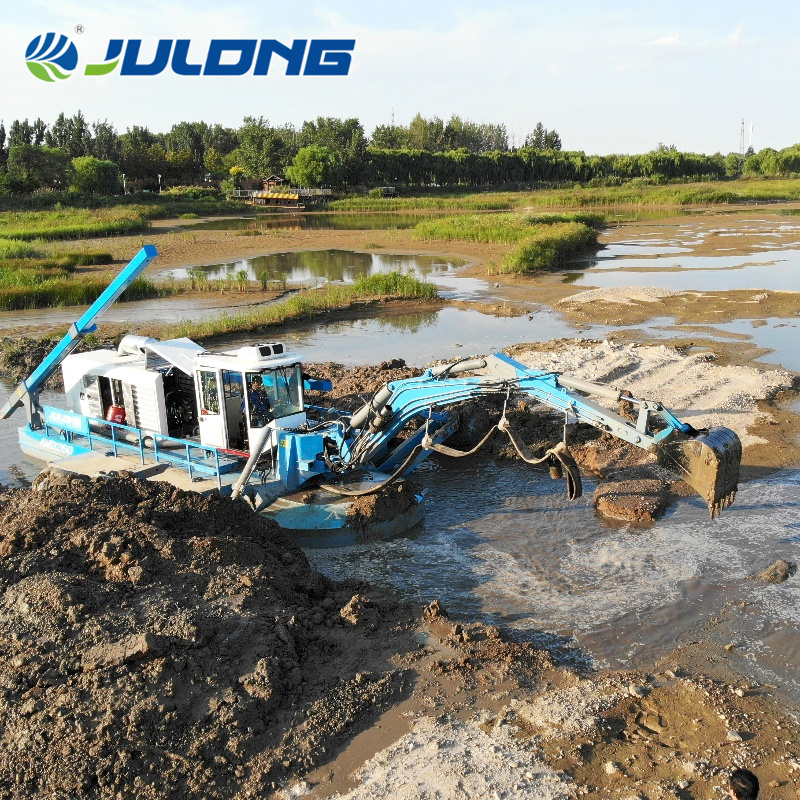
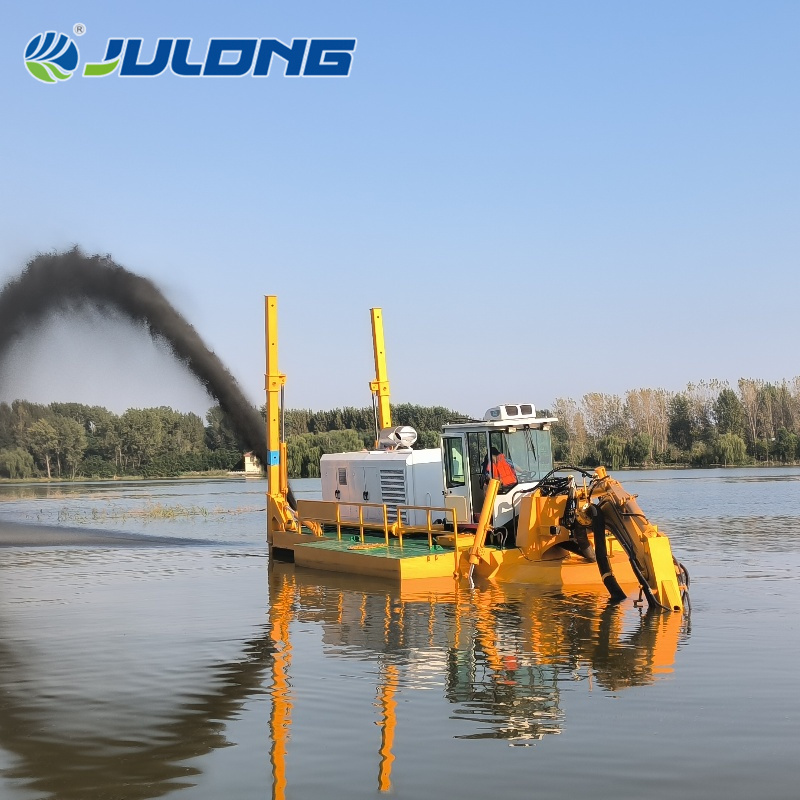
Amphibious dredgers are  specialized machines  designed  for dredging  in both water and land environments, making  them particularly useful for projects involving rivers, lakes, and  coastal  areas. Buyers often  have concerns regarding  their specifications, performance capabilities,  and  the reliability of suppliers.  This article aims  to provide  practical insights  into  sourcing amphibious dredgers, helping  purchasing managers, engineers,  and project  managers make informed decisions. Additionally, for those seeking versatile options in aquatic environments, the Aquatic Cleaning Boat is a noteworthy choice.

 
How to Choose the Right Amphibious Dredger for Your Project

How to Choose the Right Amphibious Dredger for Your Project

Choosing the right amphibious  dredger involves assessing specific project needs:

Define Project  Requirements:  Begin  by outlining the project's dredging  depth, material type, and environmental conditions. This will guide  your selection process.

Evaluate Performance Metrics: Look for  performance metrics  that match  your project  specifications. For instance, if high sediment loads are expected, ensure the dredger has a suitable pump capacity and  engine power.

Consider Customization Options:  Many manufacturers, including Qingzhou  JULONG Environmental Technology Co., Ltd.,  offer  customization options. Depending on your project, you may require specific attachments or modifications to enhance functionality.

Review Supplier  Experience: Evaluate potential suppliers based on their experience in the industry. A manufacturer  with a proven track record  in similar projects can  provide valuable insights and support.

Conduct a Cost-Benefit Analysis: Weigh the initial costs against expected operational efficiency and durability. Lower upfront costs may result  in higher maintenance expenses, so consider the total cost of ownership.

Where to Find Reliable Suppliers of Amphibious Dredgers

Where to Find Reliable Suppliers of Amphibious Dredgers

Finding a reliable supplier involves  several  strategies:

Industry Associations and  Trade Shows: Attending  industry-specific trade shows allows buyers to interact directly  with manufacturers and suppliers. This can provide insights  into  product capabilities and supplier reliability.

Online Marketplaces and Directories: Websites  like Alibaba or  industry-specific directories can help you  find manufacturers and  compare products.  Always check for certifications  and reviews  from previous buyers.

Networking: Leverage your industry network to gather recommendations.  Colleagues or industry contacts may have experience with specific suppliers.

Request Samples and References: Before making a commitment, request samples or visit existing project sites where  the  dredgers  are in  use. Additionally, asking for references  can provide reassurance about the supplier's reliability.

A Practical Approach

A Practical Approach

When  proceeding with an amphibious  dredger purchase, adopting a practical  approach is  key:

Request Detailed Quotations:  Provide potential suppliers  with detailed project specifications, including desired dredging depth, material type, and any customization needs. This will facilitate accurate quotations.

Check  Quality Assurance Processes: Inquire about the  manufacturer's quality control processes. A rigorous quality assurance system ensures that products meet necessary standards and  reduces  the risk of post-purchase issues.

Assess After-Sales Support: Understand the level of after-sales support offered by the supplier. Good support can include  training, maintenance services,  and  access to spare parts.

Confirm  Lead Times: Discuss lead times  for production and  delivery. Ensure timelines align with  your project schedule to avoid delays.

Evaluate Payment Terms: Review payment terms and conditions. Negotiating favorable  terms can help manage cash flow  during the  project.

Applications of Amphibious Dredgers in Environmental Projects

Amphibious dredgers  play a vital role in various environmental projects, including:

Wetland Restoration:  They are instrumental in wetland restoration projects, enabling the removal of sediment and  debris while minimizing  disturbance to surrounding  ecosystems.

River and Lake Dredging: These dredgers are widely used for sediment removal in rivers and lakes to improve  water quality and habitat  conditions.

Land Reclamation: In land reclamation projects, amphibious dredgers can efficiently move large  volumes of  material, shaping the  land for future development.


Infrastructure Development: They  are crucial in the construction of ports,  marinas, and other waterfront  developments, facilitating the  dredging necessary for infrastructure projects. One effective tool often used in these scenarios is a Dredger, which enhances the efficiency of material removal.

Environmental Monitoring: Amphibious dredgers can aid in environmental monitoring efforts, allowing for sediment sampling and assessment of aquatic habitats.

Overall, understanding  the specifications, supplier capabilities, and applications of amphibious dredgers  can significantly enhance the decision-making process for B2B buyers. By considering  these factors, purchasing managers  and project leaders can ensure they select the right  equipment for their specific needs while establishing a reliable partnership with their suppliers.

Key Specifications to Consider When Sourcing Amphibious Dredgers

When selecting an amphibious dredger, several key specifications should be evaluated:

Dredging Depth and Width: Understanding the  dredging depth  and width is crucial for meeting project requirements. Specifications will vary depending  on the intended application,  such  as sediment removal or land  reclamation. For projects focused on land reclamation, the Multi-Function Work Boat can also be a valuable asset.

Power and  Engine Type: The dredger's engine power influences its operational efficiency and effectiveness.  Look  for units with robust engines that can handle the expected workload,  especially in challenging environments.

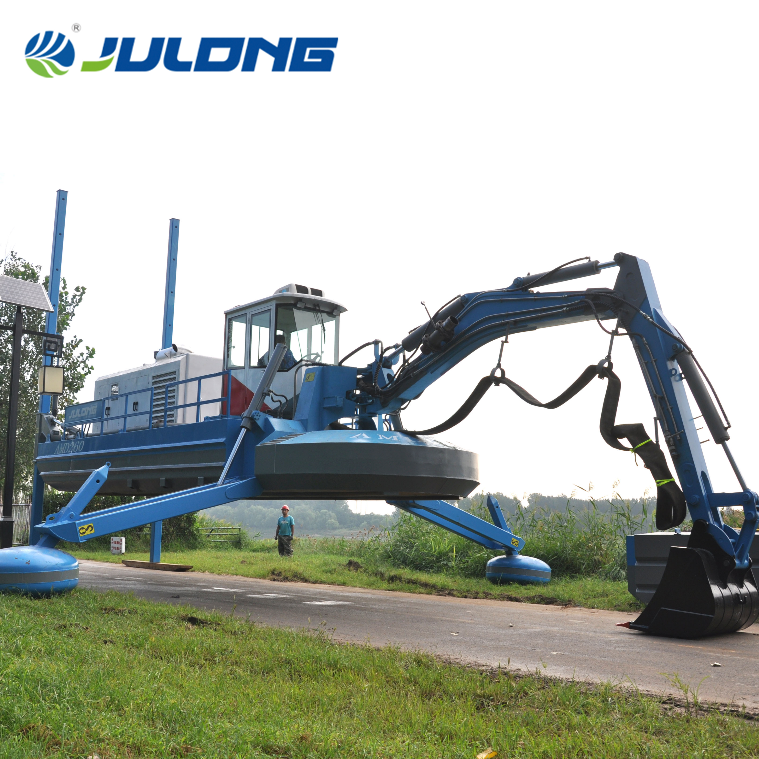
Mobility and Stability: Amphibious dredgers  must balance  mobility on land and stability in water. Features like adjustable pontoons and  crawler tracks can significantly affect performance in  different terrains.

Material Construction: The materials used in construction impact durability and resistance to wear. High-strength steel or specialized coatings can prolong the machine's lifespan, especially in abrasive environments.

Pump  Capacity: The dredger's pump capacity determines its efficiency in material removal. Higher capacities can lead to faster project completion  but may also  require more powerful engines.

Weight and Dimensions:  The overall weight and dimensions should  align with transport and operational logistics. Consideration for transport  permits and site accessibility is essential. 

Frequently Asked Questions

What is an amphibious dredger used for?

An amphibious dredger is used for dredging rivers, lakes, wetlands, and shallow coastal areas where conventional vessels cannot operate, enabling efficient sediment removal and land reclamation in varied terrains.
Features include cutter suction capability, amphibious mobility, durable build, efficient slurry handling, and customizable power options, designed for reliable performance in river, lake, and port projects.
We hold ISO and CE certifications, and operate a 12,000 m² facility, ensuring products meet international quality and safety standards for dredging equipment.
Yes. We offer customization for cutter types, power configurations, hull dimensions, and auxiliary systems to match specific site conditions and project requirements.
Yes. We provide technical support, maintenance guidance, and spare parts supply to ensure long-term operation and rapid response for service needs.

Get a Free Quote

Our representative will contact you soon.
0/1000